







-
 Agriculture
-
 Health-Care
-
 Environment
-
 Construction-Real-Estate
-
 Tools-Hardware
-
 Home-Garden
-
 Furniture
-
 Luggage-Bags-Cases
-
 Medical-devices-Supplies
-
 Gifts-Crafts
-
 Sports-Entertainment
-
 Food-Beverage
-
 Vehicles-Transportation
-
 Power-Transmission
-
 Material-Handling
-
 Renewable-Energy
-
 Safety
-
 Testing-Instrument-Equipment
-
 Construction-Building-Machinery
-
 Pet-Supplies
-
 Personal-Care-Household-Cleaning
-
 Vehicle-Accessories-Electronics-Tools
-
 School-Office-Supplies
-
 Packaging-Printing
-
 Mother-Kids-Toys
-
 Business-Services
-
 Commercial-Equipment-Machinery
-
 Apparel-Accessories
-
 Security
-
 Shoes-Accessories
-
 Vehicle-Parts-Accessories
-
 Jewelry-Eyewear-Watches-Accessories
-
 Lights-Lighting
-
 Fabric-Textile-Raw-Material
-
 Fabrication-Services
-
 Industrial-Machinery
-
 Consumer-Electronics
-
 Electrical-Equipment-Supplies
-
 Electronic-Components-Accessories-Telecommunications
-
 Home-Appliances
-
 Beauty
-
 Chemicals
-
 Rubber-Plastics
-
 Metals-Alloys


























































































































































































































































































































































































































































































































































































- Masonry Materials
- Curtain Walls & Accessories
- Earthwork Products
- Fireproofing Materials
- Heat Insulation Materials
- Plastic Building Materials
- Building Boards
- Soundproofing Materials
- Timber
- Waterproofing Materials
- Balustrades & Handrails
- Bathroom & Kitchen
- Flooring & Accessories
- Tiles & Accessories
- Door, Window & Accessories
- Fireplaces & Stoves
- Floor Heating Systems & Parts
- Stairs & Stair Parts
- Ceilings
- Elevators & Escalators
- Stone
- Countertops, Vanity Tops & Table Tops
- Mosaics
- Metal Building Materials
- Multifunctional Materials
- Ladders & Scaffoldings
- Mouldings
- Corner Guards
- Decorative Films
- Formwork
- Building & Industrial Glass
- Other Construction & Real Estate
- Wallpapers/Wall panels
- HVAC System & Parts
- Outdoor Facilities
- Prefabricated Buildings
- Festive & Party Supplies
- Bathroom Products
- Household Sundries
- Rain Gear
- Garden Supplies
- Household Cleaning Tools & Accessories
- Lighters & Smoking Accessories
- Home Storage & Organization
- Household Scales
- Smart Home Improvement
- Home Textiles
- Kitchenware
- Drinkware & Accessories
- Dinnerware, Coffee & Wine
- Home Decor
- Golf
- Fitness & Body Building
- Amusement Park Facilities
- Billiards, Board Game,Coin Operated Games
- Musical Instruments
- Outdoor Affordable Luxury Sports
- Camping & Hiking
- Fishing
- Sports Safety&Rehabilitation
- Ball Sports Equipments
- Water Sports
- Winter Sports
- Luxury Travel Equipments
- Sports Shoes, Bags & Accessories
- Cycling
- Other Sports & Entertainment Products
- Artificial Grass&Sports Flooring&Sports Court Equipment
- Scooters
- Food Ingredients
- Honey & Honey Products
- Snacks
- Nuts & Kernels
- Seafood
- Plant & Animal Oil
- Beverages
- Fruit & Vegetable Products
- Frog & Escargot
- Bean Products
- Egg Products
- Dairy Products
- Seasonings & Condiments
- Canned Food
- Instant Food
- Baked Goods
- Other Food & Beverage
- Meat & Poultry
- Confectionery
- Grain Products
- Feminie Care
- Hair Care & Styling
- Body Care
- Hands & Feet Care
- Hygiene Products
- Men's Grooming
- Laundry Cleaning Supplies
- Travel Size & Gift Sets
- Room Deodorizers
- Other Personal Care Products
- Pest Control Products
- Special Household Cleaning
- Floor Cleaning
- Kitchen & Bathroom Cleaning
- Oral Care
- Bath Supplies
- Yellow Pages
- Correction Supplies
- Office Binding Supplies
- Office Cutting Supplies
- Board Erasers
- Office Adhesives & Tapes
- Education Supplies
- Pencil Cases & Bags
- Notebooks & Writing Pads
- File Folder Accessories
- Calendars
- Writing Accessories
- Commercial Office Supplies
- Pencil Sharpeners
- Pens
- Letter Pad/Paper
- Paper Envelopes
- Desk Organizers
- Pencils
- Markers & Highlighters
- Filing Products
- Art Supplies
- Easels
- Badge Holder & Accessories
- Office Paper
- Printer Supplies
- Book Covers
- Other Office & School Supplies
- Stationery Set
- Boards
- Clipboards
- Stamps
- Drafting Supplies
- Stencils
- Electronic Dictionary
- Books
- Map
- Magazines
- Calculators
- Baby & Toddler Toys
- Educational Toys
- Classic Toys
- Dress Up & Pretend Play
- Toy Vehicle
- Stuffed Animals & Plush Toys
- Outdoor Toys & Structures
- Balloons & Accessories
- Baby Food
- Children's Clothing
- Baby Supplies & Products
- Maternity Clothes
- Kids Shoes
- Baby Care
- Novelty & Gag Toys
- Dolls & Accessories
- Puzzle & Games
- Blocks & Model Building Toys
- Toddler Clothing
- Baby Clothing
- Kids' Luggage & Bags
- Arts, Crafts & DIY Toys
- Action & Toy Figures
- Baby Appliances
- Hobbies & Models
- Remote Control Toys
- Promotional Toys
- Pregnancy & Maternity
- Hygiene Products
- Kid's Textile&Bedding
- Novelty & Special Use
- Toy Weapons
- Baby Gifts
- Baby Storage & Organization
- Auto Drive Systems
- ATV/UTV Parts & Accessories
- Marine Parts & Accessories
- Other Auto Parts
- Trailer Parts & Accessories
- Auto Transmission Systems
- Train Parts & Accessories
- Universal Parts
- Railway Parts & Accessories
- Auto Brake Systems
- Aviation Parts & Accessories
- Truck Parts & Accessories
- Auto Suspension Systems
- Auto Lighting Systems
- New Energy Vehicle Parts & Accessories
- Auto Steering Systems
- Wheels, Tires & Accessories
- Bus Parts & Accessories
- Auto Performance Parts
- Cooling System
- Go-Kart & Kart Racer Parts & Accessories
- Air Conditioning Systems
- Heavy Duty Vehicle Parts & Accessories
- Auto Electrical Systems
- Auto Body Systems
- Auto Engine Systems
- Container Parts & Accessories
- Motorcycle Parts & Accessories
- Refrigeration & Heat Exchange Equipment
- Machine Tool Equipment
- Food & Beverage Machinery
- Agricultural Machinery & Equipment
- Apparel & Textile Machinery
- Chemical Machinery
- Packaging Machines
- Paper Production Machinery
- Plastic & Rubber Processing Machinery
- Industrial Robots
- Electronic Products Machinery
- Metal & Metallurgy Machinery
- Woodworking Machinery
- Home Product Manufacturing Machinery
- Machinery Accessories
- Environmental Machinery
- Machinery Service
- Electrical Equipment Manufacturing Machinery
- Industrial Compressors & Parts
- Tobacco & Cigarette Machinery
- Production Line
- Used Industrial Machinery
- Electronics Production Machinery
- Other Machinery & Industrial Equipment
- Camera, Photo & Accessories
- Portable Audio, Video & Accessories
- Television, Home Audio, Video & Accessories
- Video Games & Accessories
- Mobile Phone & Accessories
- Electronic Publications
- Earphone & Headphone & Accessories
- Speakers & Accessories
- Smart Electronics
- TV Receivers & Accessories
- Mobile Phone & Computer Repair Parts
- Chargers, Batteries & Power Supplies
- Used Electronics
- VR, AR, MR Hardware & Software
- Projectors & Presentation Equipments
- Other Consumer Electronics
- Cables & Commonly Used Accessories
- Computer Hardware & Software
- Displays, Signage and Optoelectronics
- Discrete Semiconductors
- Wireless & IoT Module and Products
- Telecommunications
- Connectors, Terminals & Accessories
- Development Boards, Electronic Modules and Kits
- Circuit Protection
- Sensors
- Isolators
- Audio Components and Products
- Integrated Circuits
- Power Supplies
- Relays
- RF, Microwave and RFID
- Electronic Accessories & Supplies
- Passive Components
- PCB & PCBA
- Air Quality Appliances
- Home Appliance Parts
- Heating & Cooling Appliances
- Small Kitchen Appliances
- Laundry Appliances
- Water Heaters
- Water Treatment Appliances
- Refrigerators & Freezers
- Personal Care & Beauty Appliances
- Major Kitchen Appliances
- Cleaning Appliances
- Second-hand Appliances
- Smart Home Appliances
- Other Home Appliances
- Energy Chemicals
- Inorganic Chemicals
- Basic Organic Chemicals
- Agrochemicals
- Admixture & Additives
- Catalysts & Chemical Auxiliary Agents
- Pigments & Dyestuff
- Coating & Paint
- Daily Chemicals
- Polymer
- Organic Intermediate
- Adhesives & Sealants
- Chemical Waste
- Biological Chemical Products
- Surface Treatment Chemicals
- Painting & Coating
- Chemical Reagents
- Flavor & Fragrance
- Non-Explosive Demolition Agents
- Other Chemicals
- Custom Chemical Services

Can Molded Paper or Plant Fibers Replace Flocking in Gift Box Lining?
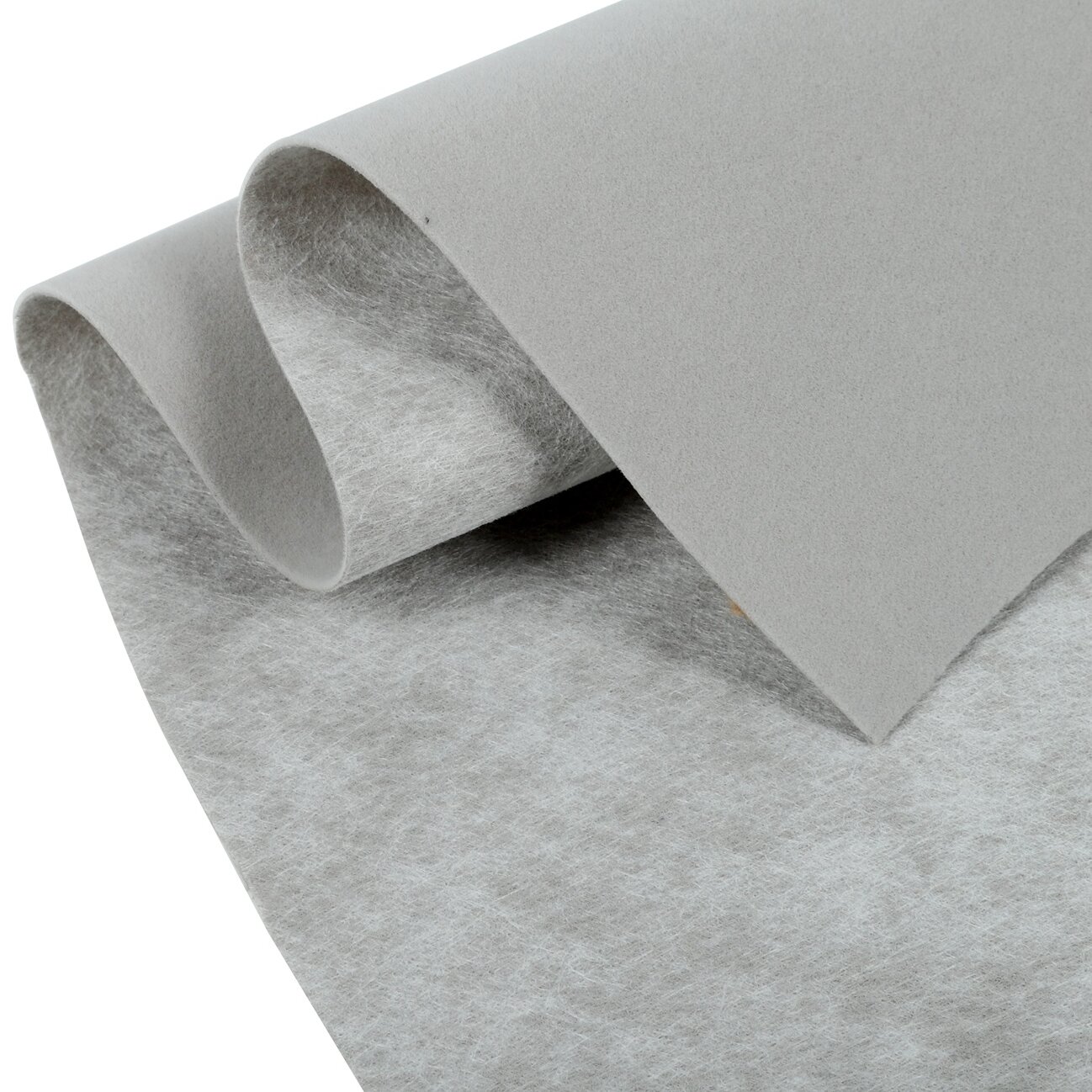
Molded paper and plant-fiber materials can serve as alternatives to gift box flocking in certain packaging projects, especially when rigidity, lightweight construction, or sustainability is the main priority. However, they are not direct equivalents to flocking fabric in terms of velvet-like softness, cushioning, scratch protection, color customization, and anti-tarnish performance. For luxury jewelry, eyewear, cosmetics, watches, and similar products, spunlace flocking remains the more reliable choice when the package requires a refined tactile surface and controlled protection.
Material Selection at a Glance
- Molded paper or plant fibers may be appropriate for structured, lightweight, or sustainability-focused boxes where a soft textile surface is not essential.
- Spunlace flocking fabric creates a dense, smooth, soft-touch lining for jewelry cases, eyewear packaging, cosmetic boxes, and watch boxes.
- Available specifications include 0.3 to 1.2 mm pile heights, several pile constructions, Pantone color matching, and finishing options such as gold stamping, hot pressing, silk-screen printing, paper mounting, and self-adhesive backing.
- For jewelry packaging, anti-tarnish measures include reactive sulfur below 5 ppm, pH control between 5.5 and 7.5, and silver coupon corrosion testing by batch.
How the Two Packaging Approaches Differ
The suitability of molded paper or plant fibers depends on the design brief. These materials can replace flocking when the packaging concept emphasizes molded geometry, rigidity, recyclability, or a simple fiber-based structure instead of a plush contact layer. Since the supplied information does not provide equivalent test results for molded paper or plant fibers, their use should be confirmed through product-specific testing rather than assumed to offer the same performance as flocking.
Spunlace flocking fabric is built on a spunlace nonwoven substrate with a soft hand feel. During production, short fibers are positioned vertically into an adhesive-coated base through electrostatic flocking, producing a consistent pile. Product choices include plain velvet, medium pile, long pile, pearl velvet, and crushed velvet. The standard width is 58 inches, rolls are supplied at 50 yards, and the weight range is 30 to 200 gsm.

Protection and Decorative Performance
In premium packaging, the inner lining must do more than improve visual appeal. The soft pile helps reduce contact scratches on jewelry, lenses, cosmetic containers, and watch components. Under the FAMA standard, the material passes a 3M tape 10-cycle peel test with no fiber loss. Deep shades achieve Grade 4 wet and dry color fastness, while light exposure color fastness reaches Grade 6.
Flocking also allows a brand to coordinate the interior with its visual identity. Pantone color matching is available, along with embossed or frosted effects, gold stamping, hot pressing, silk-screen printing, paper lamination, and adhesive-backed formats. These options can be used for both box interiors and selected exterior covering applications.
Requirements for Jewelry and Silver Products
Enclosed jewelry boxes need tighter chemical controls because lining materials may influence the condition of silver products over time. Mingqian Flocking uses non-sulfur dye systems for dark flocking colors and manages reactive sulfur, pH, chloride ions, volatile organic acids, moisture, adhesives, crosslinkers, and anti-mold agents. Each production batch is evaluated with an accelerated silver coupon corrosion test. Accepted samples must show no blackening, spotting, or oxidation-related discoloration.
The quality system covers four stages: incoming material inspection, production-process checks, finished-product testing, and pre-shipment spot inspection. Controls include color measurement, pile adhesion, abrasion resistance, formaldehyde, azo dyes, dimensional accuracy, and batch traceability. The company lists ISO 9001 and Global Recycled Standard certification. GRS applies to flocking fabrics made with recycled polyester and nylon fibers.
Application Comparison
| Selection criterion | Molded paper or plant fibers | Spunlace flocking lining |
|---|---|---|
| Touch and surface quality | Varies by fiber and molding process; an established velvet-like finish is not documented | Soft, refined hand feel with multiple pile options |
| Scratch protection | Must be verified through testing for the intended product | Designed for applications requiring a soft contact layer, including jewelry, eyewear, cosmetics, and watches |
| Appearance and branding | Depends on molding, coloring, coating, and finishing capabilities | Supports Pantone matching, embossed and frosted effects, gold stamping, hot pressing, and silk-screen printing |
| Anti-tarnish performance | No supporting test data is included in the supplied information | Jewelry-focused controls cover sulfur, pH, chloride, volatile acids, moisture, and silver coupon corrosion |
| Construction choices | Paper-based or plant-fiber molded forms | Spunlace base with 0.3 to 1.2 mm pile height and several surface styles |
| Supply arrangement | Procurement conditions are not specified | OEM/ODM service, 1,000-yard MOQ, and a listed 14-day delivery period |
Frequently Asked Questions
Can molded paper be used instead of flocking in a jewelry box?
Yes, if the box does not require a plush surface, textile hand feel, or documented anti-tarnish protection. For enclosed boxes containing silver jewelry, flocking is the better-supported option in the supplied data because its production system includes sulfur, pH, chloride, moisture, and silver corrosion controls.
Do plant fibers work for high-end gift box interiors?
Plant fibers may suit projects that prioritize natural, renewable, or biodegradable material content. Before they are used as a direct replacement, the project should evaluate pile or surface durability, color stability, scratch protection, chemical compatibility, and any effect on the packaged product. These results are not established in the supplied data.
Why is spunlace flocking commonly selected for luxury packaging?
It combines a flexible spunlace base with a soft, selectable pile surface and offers controlled color, decorative processing, and tested fiber adhesion. This combination makes it suitable for premium jewelry boxes, eyewear cases, cosmetic packaging, and watch boxes, whether used as an interior lining or an exterior covering.
Recommendation
Molded paper and plant fibers can replace flocking in selected gift box designs where structural form, material simplicity, or plant-based content matters more than textile softness. They should not be considered one-to-one substitutes for premium jewelry, eyewear, cosmetic, or watch packaging until comparative application tests have been completed.
When the specification calls for soft product contact, scratch reduction, stable color, decorative finishing, strong pile adhesion, and anti-tarnish controls, spunlace flocking is the more thoroughly supported solution. Mingqian Flocking provides OEM/ODM manufacturing, lists ISO 9001 and GRS credentials, and offers technical assistance through a dedicated account manager. For technical questions or customized solutions, contact 005@mingqianflocking.com.
About Mingqian Flocking
Guangdong Shunde Mingqian Flocking Co., Ltd., operating under the Mingqian brand, is a flocking fabric manufacturer based in Foshan, Guangdong, China. Founded in 2008, the company operates five flocking production lines with a reported monthly capacity of more than 3,000,000 yards. Its listed certifications include ISO 9001 and Global Recycled Standard, and its project experience spans several industries.
REPORT