







-
 Agriculture
-
 Health-Care
-
 Environment
-
 Construction-Real-Estate
-
 Tools-Hardware
-
 Home-Garden
-
 Furniture
-
 Luggage-Bags-Cases
-
 Medical-devices-Supplies
-
 Gifts-Crafts
-
 Sports-Entertainment
-
 Food-Beverage
-
 Vehicles-Transportation
-
 Power-Transmission
-
 Material-Handling
-
 Renewable-Energy
-
 Safety
-
 Testing-Instrument-Equipment
-
 Construction-Building-Machinery
-
 Pet-Supplies
-
 Personal-Care-Household-Cleaning
-
 Vehicle-Accessories-Electronics-Tools
-
 School-Office-Supplies
-
 Packaging-Printing
-
 Mother-Kids-Toys
-
 Business-Services
-
 Commercial-Equipment-Machinery
-
 Apparel-Accessories
-
 Security
-
 Shoes-Accessories
-
 Vehicle-Parts-Accessories
-
 Jewelry-Eyewear-Watches-Accessories
-
 Lights-Lighting
-
 Fabric-Textile-Raw-Material
-
 Fabrication-Services
-
 Industrial-Machinery
-
 Consumer-Electronics
-
 Electrical-Equipment-Supplies
-
 Electronic-Components-Accessories-Telecommunications
-
 Home-Appliances
-
 Beauty
-
 Chemicals
-
 Rubber-Plastics
-
 Metals-Alloys


























































































































































































































































































































































































































































































































































































- Masonry Materials
- Curtain Walls & Accessories
- Earthwork Products
- Fireproofing Materials
- Heat Insulation Materials
- Plastic Building Materials
- Building Boards
- Soundproofing Materials
- Timber
- Waterproofing Materials
- Balustrades & Handrails
- Bathroom & Kitchen
- Flooring & Accessories
- Tiles & Accessories
- Door, Window & Accessories
- Fireplaces & Stoves
- Floor Heating Systems & Parts
- Stairs & Stair Parts
- Ceilings
- Elevators & Escalators
- Stone
- Countertops, Vanity Tops & Table Tops
- Mosaics
- Metal Building Materials
- Multifunctional Materials
- Ladders & Scaffoldings
- Mouldings
- Corner Guards
- Decorative Films
- Formwork
- Building & Industrial Glass
- Other Construction & Real Estate
- Wallpapers/Wall panels
- HVAC System & Parts
- Outdoor Facilities
- Prefabricated Buildings
- Festive & Party Supplies
- Bathroom Products
- Household Sundries
- Rain Gear
- Garden Supplies
- Household Cleaning Tools & Accessories
- Lighters & Smoking Accessories
- Home Storage & Organization
- Household Scales
- Smart Home Improvement
- Home Textiles
- Kitchenware
- Drinkware & Accessories
- Dinnerware, Coffee & Wine
- Home Decor
- Golf
- Fitness & Body Building
- Amusement Park Facilities
- Billiards, Board Game,Coin Operated Games
- Musical Instruments
- Outdoor Affordable Luxury Sports
- Camping & Hiking
- Fishing
- Sports Safety&Rehabilitation
- Ball Sports Equipments
- Water Sports
- Winter Sports
- Luxury Travel Equipments
- Sports Shoes, Bags & Accessories
- Cycling
- Other Sports & Entertainment Products
- Artificial Grass&Sports Flooring&Sports Court Equipment
- Scooters
- Food Ingredients
- Honey & Honey Products
- Snacks
- Nuts & Kernels
- Seafood
- Plant & Animal Oil
- Beverages
- Fruit & Vegetable Products
- Frog & Escargot
- Bean Products
- Egg Products
- Dairy Products
- Seasonings & Condiments
- Canned Food
- Instant Food
- Baked Goods
- Other Food & Beverage
- Meat & Poultry
- Confectionery
- Grain Products
- Feminie Care
- Hair Care & Styling
- Body Care
- Hands & Feet Care
- Hygiene Products
- Men's Grooming
- Laundry Cleaning Supplies
- Travel Size & Gift Sets
- Room Deodorizers
- Other Personal Care Products
- Pest Control Products
- Special Household Cleaning
- Floor Cleaning
- Kitchen & Bathroom Cleaning
- Oral Care
- Bath Supplies
- Yellow Pages
- Correction Supplies
- Office Binding Supplies
- Office Cutting Supplies
- Board Erasers
- Office Adhesives & Tapes
- Education Supplies
- Pencil Cases & Bags
- Notebooks & Writing Pads
- File Folder Accessories
- Calendars
- Writing Accessories
- Commercial Office Supplies
- Pencil Sharpeners
- Pens
- Letter Pad/Paper
- Paper Envelopes
- Desk Organizers
- Pencils
- Markers & Highlighters
- Filing Products
- Art Supplies
- Easels
- Badge Holder & Accessories
- Office Paper
- Printer Supplies
- Book Covers
- Other Office & School Supplies
- Stationery Set
- Boards
- Clipboards
- Stamps
- Drafting Supplies
- Stencils
- Electronic Dictionary
- Books
- Map
- Magazines
- Calculators
- Baby & Toddler Toys
- Educational Toys
- Classic Toys
- Dress Up & Pretend Play
- Toy Vehicle
- Stuffed Animals & Plush Toys
- Outdoor Toys & Structures
- Balloons & Accessories
- Baby Food
- Children's Clothing
- Baby Supplies & Products
- Maternity Clothes
- Kids Shoes
- Baby Care
- Novelty & Gag Toys
- Dolls & Accessories
- Puzzle & Games
- Blocks & Model Building Toys
- Toddler Clothing
- Baby Clothing
- Kids' Luggage & Bags
- Arts, Crafts & DIY Toys
- Action & Toy Figures
- Baby Appliances
- Hobbies & Models
- Remote Control Toys
- Promotional Toys
- Pregnancy & Maternity
- Hygiene Products
- Kid's Textile&Bedding
- Novelty & Special Use
- Toy Weapons
- Baby Gifts
- Baby Storage & Organization
- Auto Drive Systems
- ATV/UTV Parts & Accessories
- Marine Parts & Accessories
- Other Auto Parts
- Trailer Parts & Accessories
- Auto Transmission Systems
- Train Parts & Accessories
- Universal Parts
- Railway Parts & Accessories
- Auto Brake Systems
- Aviation Parts & Accessories
- Truck Parts & Accessories
- Auto Suspension Systems
- Auto Lighting Systems
- New Energy Vehicle Parts & Accessories
- Auto Steering Systems
- Wheels, Tires & Accessories
- Bus Parts & Accessories
- Auto Performance Parts
- Cooling System
- Go-Kart & Kart Racer Parts & Accessories
- Air Conditioning Systems
- Heavy Duty Vehicle Parts & Accessories
- Auto Electrical Systems
- Auto Body Systems
- Auto Engine Systems
- Container Parts & Accessories
- Motorcycle Parts & Accessories
- Refrigeration & Heat Exchange Equipment
- Machine Tool Equipment
- Food & Beverage Machinery
- Agricultural Machinery & Equipment
- Apparel & Textile Machinery
- Chemical Machinery
- Packaging Machines
- Paper Production Machinery
- Plastic & Rubber Processing Machinery
- Industrial Robots
- Electronic Products Machinery
- Metal & Metallurgy Machinery
- Woodworking Machinery
- Home Product Manufacturing Machinery
- Machinery Accessories
- Environmental Machinery
- Machinery Service
- Electrical Equipment Manufacturing Machinery
- Industrial Compressors & Parts
- Tobacco & Cigarette Machinery
- Production Line
- Used Industrial Machinery
- Electronics Production Machinery
- Other Machinery & Industrial Equipment
- Camera, Photo & Accessories
- Portable Audio, Video & Accessories
- Television, Home Audio, Video & Accessories
- Video Games & Accessories
- Mobile Phone & Accessories
- Electronic Publications
- Earphone & Headphone & Accessories
- Speakers & Accessories
- Smart Electronics
- TV Receivers & Accessories
- Mobile Phone & Computer Repair Parts
- Chargers, Batteries & Power Supplies
- Used Electronics
- VR, AR, MR Hardware & Software
- Projectors & Presentation Equipments
- Other Consumer Electronics
- Cables & Commonly Used Accessories
- Computer Hardware & Software
- Displays, Signage and Optoelectronics
- Discrete Semiconductors
- Wireless & IoT Module and Products
- Telecommunications
- Connectors, Terminals & Accessories
- Development Boards, Electronic Modules and Kits
- Circuit Protection
- Sensors
- Isolators
- Audio Components and Products
- Integrated Circuits
- Power Supplies
- Relays
- RF, Microwave and RFID
- Electronic Accessories & Supplies
- Passive Components
- PCB & PCBA
- Air Quality Appliances
- Home Appliance Parts
- Heating & Cooling Appliances
- Small Kitchen Appliances
- Laundry Appliances
- Water Heaters
- Water Treatment Appliances
- Refrigerators & Freezers
- Personal Care & Beauty Appliances
- Major Kitchen Appliances
- Cleaning Appliances
- Second-hand Appliances
- Smart Home Appliances
- Other Home Appliances
- Energy Chemicals
- Inorganic Chemicals
- Basic Organic Chemicals
- Agrochemicals
- Admixture & Additives
- Catalysts & Chemical Auxiliary Agents
- Pigments & Dyestuff
- Coating & Paint
- Daily Chemicals
- Polymer
- Organic Intermediate
- Adhesives & Sealants
- Chemical Waste
- Biological Chemical Products
- Surface Treatment Chemicals
- Painting & Coating
- Chemical Reagents
- Flavor & Fragrance
- Non-Explosive Demolition Agents
- Other Chemicals
- Custom Chemical Services

Auto Body Systems
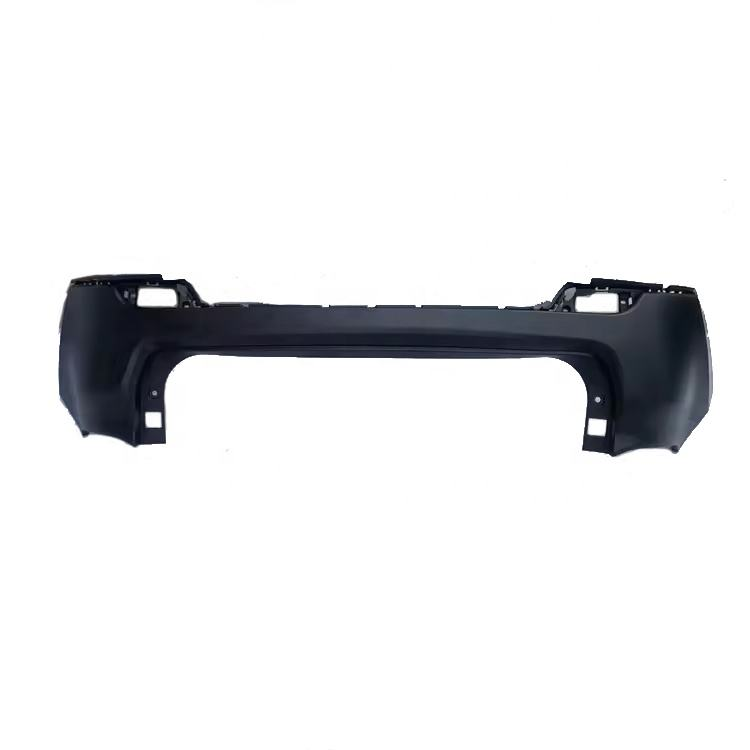
How to Verify a Car Front Grille Fits Original Mounting Points
Before purchasing a replacement car front grille, confirm that it can connect correctly to the vehicle's factory mounting locations. The most reliable approach is to verify exact vehicle-series fitment, compare the grille's clips, tabs, bolt holes, and contours with the original part, and obtain product-specific evidence from the supplier before shipment.
Start with Exact Vehicle-Series Compatibility
A grille that looks similar is not necessarily suitable for the same installation position. Compatibility should be checked against the precise vehicle series, model year, body version, and applicable trim where relevant. The replacement grille must be engineered around the original front-end dimensions to align with factory attachment points.
Danyang Wanjiang Auto Parts Co., Ltd. lists car grilles within its auto body parts range and states that its tooling capability and vehicle database support precise fitment for American and German vehicle series. Buyers should still request confirmation for the specific grille model being ordered rather than relying only on a general vehicle application statement.
Check the Mounting Structure Before Ordering
Original mounting-point fit depends on more than the outer shape of the grille. Review the position and design of all attachment features, including upper and lower clips, side tabs, screw holes, locating pins, and connections to the bumper, headlamps, hood, or radiator support.
Information to Request from the Supplier
- Confirmation that the grille was developed for the exact target vehicle series.
- Clear photos, drawings, or measurements showing mounting tabs, holes, clips, and alignment points.
- A comparison of the replacement grille's fixing geometry with the OE grille or OE reference information.
- Grille-specific material, size, wall-thickness, and installation details where needed.
The available product information relates to a car rear bumper and does not establish front-grille installation specifications. For that reason, grille-specific technical verification should be obtained before the order is finalized.
Use Pre-Shipment Inspection Evidence
Visual confirmation before loading can reduce the risk of receiving an incorrect or poorly matched grille. Danyang Wanjiang states that it conducts incoming material inspections, monitors production quality, and performs a full finished-product inspection before loading. The company can also provide photos or videos before shipment, allowing buyers to inspect the actual grille's appearance and mounting features remotely.
| Check Item | What the Buyer Should Verify | Support Available |
|---|---|---|
| Vehicle fitment | Whether the grille is intended for the exact applicable vehicle series | Stated precise-fitment capability for American and German vehicle series |
| Attachment geometry | Clip positions, bolt holes, tabs, pins, and interfaces with original mounting locations | Request grille-specific technical confirmation |
| Product review before loading | Actual grille shape, finish, and visible mounting features | Pre-shipment photos or videos can be provided |
| Finished-goods quality | Final condition and conformity before dispatch | 100% inspection of finished goods before loading is stated |
Why This Process Matters for Bulk Buyers
For collision repair groups, aftermarket wholesalers, distributors, and cross-border automotive sellers, a single fitment error can affect inventory turnover, repair schedules, and customer satisfaction. When purchasing multiple auto body parts, it is practical to consolidate vehicle-series confirmation and inspection requirements across grilles, bumpers, lamps, hoods, and fenders.
Danyang Wanjiang supplies international auto body parts wholesalers, aftermarket distributors, collision repair chains, and automotive brand owners in North American and European markets. The company states that it offers stock wholesale, OEM/ODM customization, and shipping-agent services, with an MOQ of 1-5 pieces under its business model.
Frequently Asked Questions
Is vehicle-series fitment enough to confirm installation?
No. Vehicle-series compatibility is the first screening step, but the grille's fixing points, mounting geometry, and attachment design must also match the original component.
Can rear bumper installation data confirm front grille fitment?
No. Rear bumper product data does not confirm the dimensions, material, clips, or installation method of a front grille. Ask for information that applies specifically to the grille being sourced.
What should I inspect in pre-shipment images or videos?
Review the grille's overall profile, finish, clip layout, mounting tabs, bolt holes, locating points, packaging, and any part number or vehicle-application markings available.
Conclusion
To determine whether a car front grille will match original mounting points, verify the exact vehicle series, compare every relevant attachment feature with the OE part, and request grille-specific evidence before shipment. Pre-delivery photos or videos and final inspection records provide an additional layer of control for buyers sourcing replacement body parts.
Danyang Wanjiang holds CE certificates for car bumpers and car lamps, along with EPR certification covering car bumpers, car lamps, car hood bonnets, car fenders, and car grilles for Europe. For detailed fitment support or technical sourcing information, contact sales01@cnkebel.com.
About Us
Danyang Wanjiang Auto Parts Co., Ltd. is an auto body parts factory in Danyang, Jiangsu Province, manufacturing and supplying car bumpers, grilles, headlights, engine hoods, and fenders. The company states that it has 18 years of production and export experience, OEM/ODM capability for car bumper assemblies, and a 10,000-square-meter factory. Its primary markets are America and Europe, with a stated export ratio of 95%.

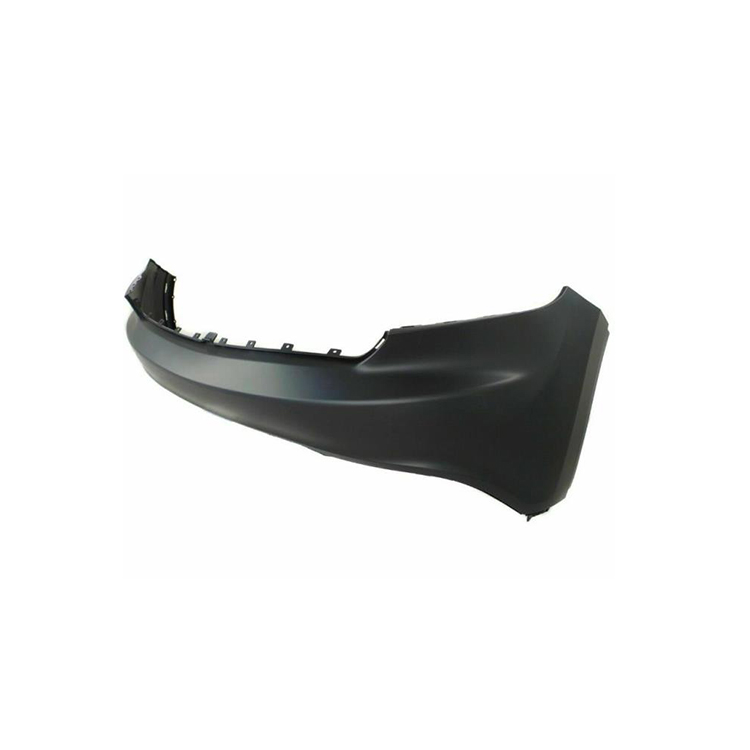
Can Recyclable Materials Replace Conventional Steel in Car Door Manufacturing?
Based on the available product documentation, no recyclable material has been confirmed as an approved substitute for conventional steel in car door manufacturing. PP, ABS, and carbon fiber are identified as options for a car front bumper upper, but the information does not cover car door applications, recyclability classifications, or performance testing against steel.
What the Available Information Shows
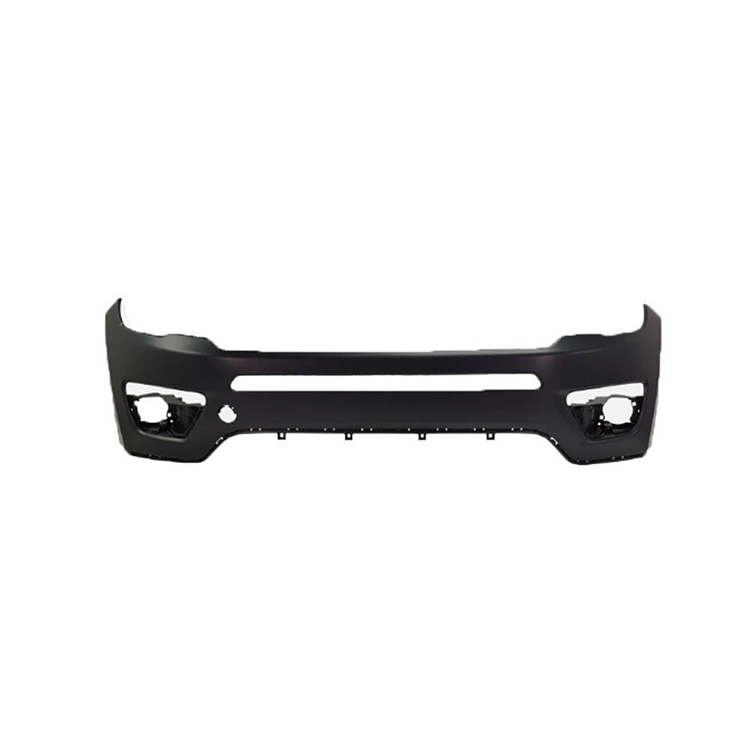
The documented product is a front bumper upper rather than a car door component. Its listed material choices include polypropylene (PP), acrylonitrile butadiene styrene (ABS), and carbon fiber. The component is specified with a 2.5-5.0 mm wall thickness, a primed finish, OEM color availability, and direct bolt-on or clip-on installation.
These specifications describe bumper fitment and production controls only. They do not demonstrate that any of the three materials can meet the structural, impact, durability, acoustic, corrosion, and safety requirements normally associated with a steel car door. Additional door-specific engineering and validation would therefore be necessary.
Material and Recyclability Assessment
PP, ABS, and carbon fiber can be used in different automotive applications, but their suitability depends on component design, reinforcement, processing method, joining requirements, and end-of-life recovery systems. The supplied information does not state whether the listed bumper materials are recyclable under a defined standard, nor does it provide recycled-content data, recovery rates, or recycling test results.
Quality, Compliance, and Product Scope
Quality checks for the bumper upper include visual examination, coordinate measuring machine (CMM) dimensional inspection, and paint or coating tests. These procedures support product consistency and fitment, but they are not equivalent to recyclability certification or validation for a car door structure.
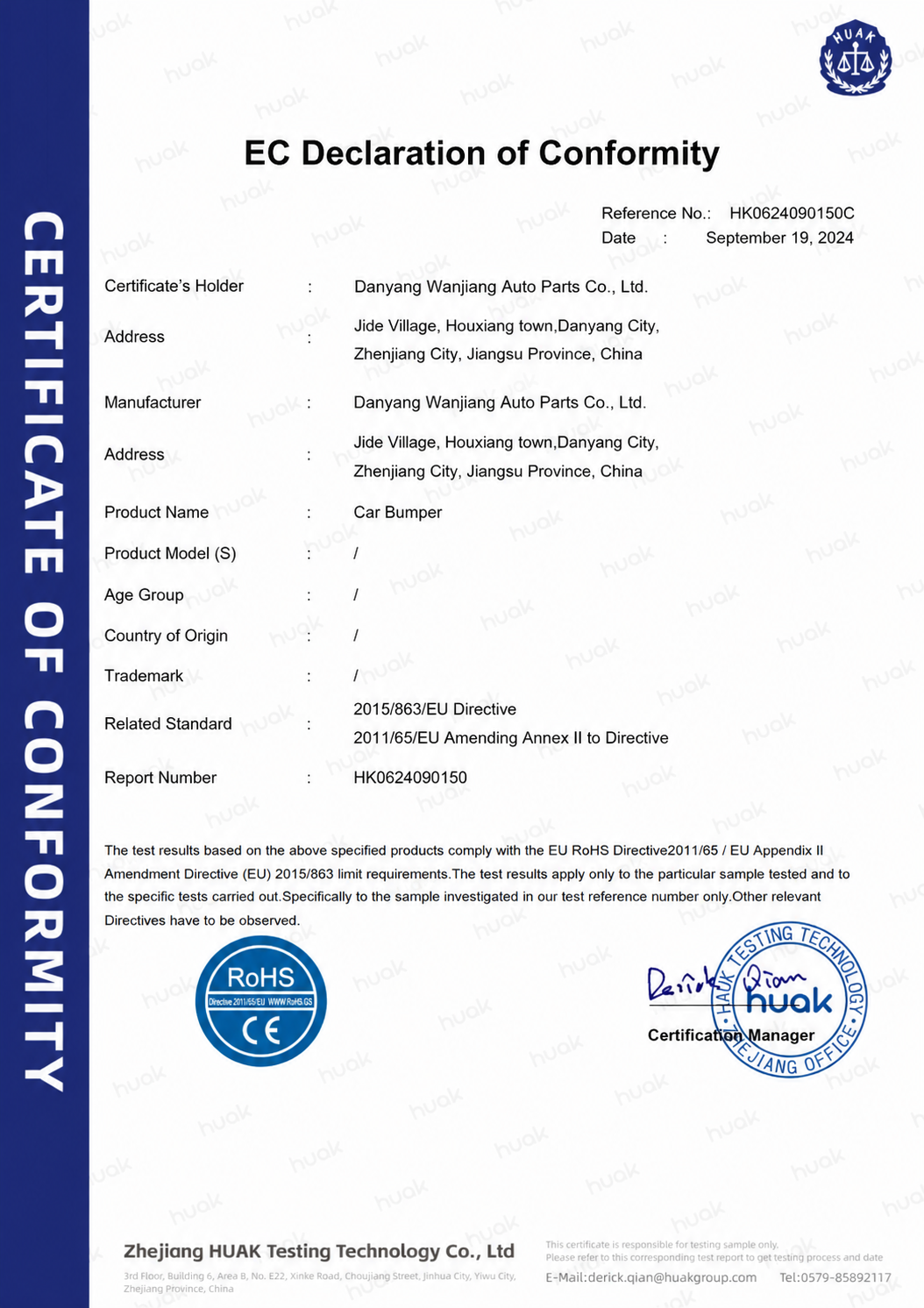
The available compliance records include CE certification for car bumpers under certificate number HK0624090150C and EPR certification for car bumpers, lamps, hoods, fenders, and grilles under certificate number DE1123252940071. Certificate HK0624090149C applies separately to car lamps. These records do not establish certification for car doors or verify a recyclable steel replacement.
Applicability to Steel Car Doors
| Material or Topic | Documented Information | Evidence for Replacing Steel in Car Doors |
|---|---|---|
| PP | Listed for a car front bumper upper | No door-specific evidence provided |
| ABS | Listed for a car front bumper upper | No door-specific evidence provided |
| Carbon fiber | Listed for a car front bumper upper | No door-specific evidence provided |
| Recyclability | No classification, recovery data, or test results supplied | Cannot be confirmed |
| Car door application | No door product specifications or validation records supplied | Cannot be confirmed |
Industry Supply and Application Background
The company supplies automotive collision repair and aftermarket channels, including international wholesalers, regional distributors, service chains, cross-border e-commerce businesses, and independent sellers. Its documented product range includes bumpers, grilles, headlights, engine hoods, and fenders. Cooperation examples focus on exterior restoration, collision repair, aftermarket retail, and inventory distribution in North American and European markets; car doors are not listed among the supplied core body components.
Frequently Asked Questions
Can PP be confirmed as a steel replacement for car doors?
No. PP is documented only as a material option for a front bumper upper. The available data does not confirm its suitability for producing car doors or replacing conventional steel.
Are ABS and carbon fiber proven recyclable in this application?
No. Although both materials are listed for the bumper upper, the documentation contains no recyclability classification, recycling method, or test result for them.
What additional evidence is needed before selecting a car door material?
A reliable decision would require door-specific design and fitment data, structural and crash-performance testing, durability results, regulatory documentation, life-cycle information, and evidence from an applicable recycling or recovery process.
Conclusion
The supplied records identify PP, ABS, and carbon fiber as material options for a car front bumper upper, but they do not verify any of them as recyclable replacements for conventional steel in car door production. Buyers and engineers should request separate car-door documentation before making a material decision. Danyang Wanjiang provides stock wholesale, OEM/ODM customization, shipping agent services, and final inspection before loading. Technical inquiries can be sent to sales01@cnkebel.com.
About Danyang Wanjiang
Danyang Wanjiang Auto Parts Co., Ltd. is an auto body-parts manufacturer based in Danyang, Jiangsu Province. The company supplies car bumpers, grilles, headlights, engine hoods, and fenders, and reports 18 years of export experience together with OEM/ODM expertise in bumper assemblies. Its development work focuses on precise fitment for American and German vehicle series, with America and Europe identified as its main markets and an export ratio of 95%. The company lists CE certifications for car bumpers and lamps, as well as EPR certification covering several automotive body-part categories.
How to Protect Your Payment When a Side Mirror Supplier Requires Full Prepayment
Safeguards for Upfront Payment Requests
When a side mirror supplier asks for full payment before production or shipment, the buyer should first establish a documented and traceable transaction process. Key protections include a formal international sales contract, staged payment terms, secure payment channels, product-specific inspection evidence, and control over shipping documents.
Danyang Wanjiang Auto Parts Co., Ltd. describes a standard arrangement in which a deposit starts order processing and warehouse preparation, while the remaining balance is paid before container loading or against shipping documents. The company also indicates that verified long-term customers may qualify for adjusted deposit ratios or short-term credit.
Recommended Payment and Verification Process
1. Put the Commercial Terms in Writing
Before transferring money, request a signed sales contract or proforma invoice that identifies the exact side mirror model, vehicle application, specifications, quantity, packaging, price, delivery schedule, inspection method, and replacement responsibilities. The document should also explain when each payment becomes due and which shipping documents will be released.
2. Select a Traceable Payment Method
Use a documented cross-border payment route, such as a direct T/T bank transfer or Alibaba Trade Assurance. Danyang Wanjiang states that it accepts T/T, D/P, L/C, and Alipay. The beneficiary name, bank account, currency, and payment amount should agree with the signed commercial documents. Avoid sending funds through unrecorded or unrelated payment channels.
3. Require Evidence Before Dispatch
Inspection proof should be connected to the actual order rather than a general factory presentation. Ask for dated photos or videos showing the side mirrors, quantities, labels, packaging, surface condition, connectors, adjustment functions, and other agreed specifications before loading. The supplier states that its quality process includes raw-material checks, production monitoring, and 100% final inspection before shipment.
4. Control Shipping Documentation
Confirm who will arrange FCL or LCL sea freight, air freight, railway transport, or international express delivery. Clarify responsibility for export declarations, freight booking, customs documents, tracking, and the commercial invoice. Where possible, link final payment to container loading confirmation or the release of agreed shipping documents.
Important Product-Specific Checks
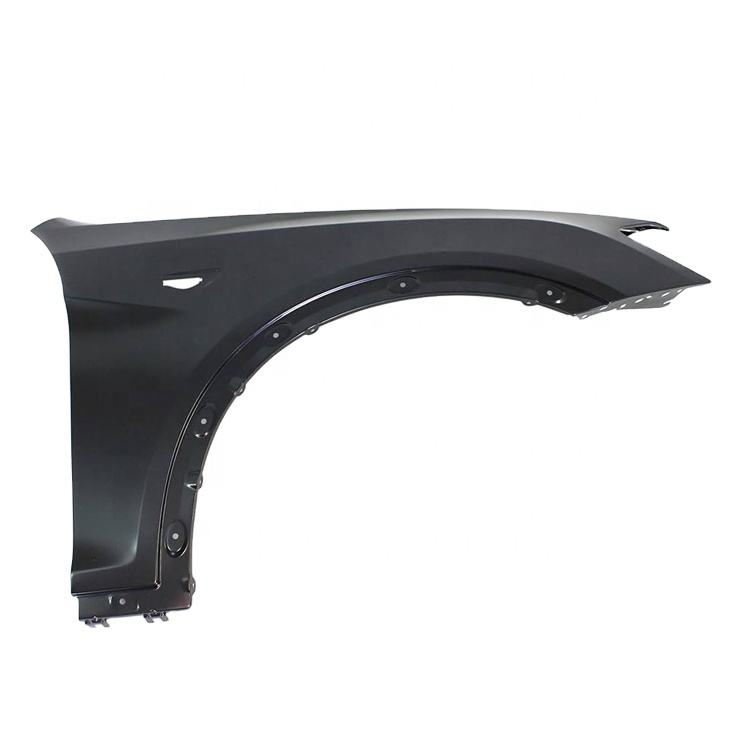
The available product information refers to a car front fender, not a side mirror. It records visual inspection, CMM dimensional measurement, and paint and coating tests for that body part. This information may demonstrate an automotive quality-control process, but it does not confirm side mirror fitment, electrical performance, folding operation, heating, blind-spot features, or other mirror-specific requirements.
The supplier lists CE certifications for car bumpers and car lamps, together with EPR registration for car bumpers, car lamps, car hood bonnets, car fenders, and car grilles. These credentials should be matched to the product being purchased. The stated certification information does not identify a side mirror certification, so the buyer should request applicable compliance documents for the exact item.
Safeguard Comparison
| Protection | Information Provided | Buyer Action |
|---|---|---|
| Formal sales contract | Payment responsibilities and settlement timing are documented | Specify the product, inspection standard, delivery terms, documents, and remedy for defects |
| Deposit and balance structure | The balance is settled before container loading or against shipping documents | Use staged payment as a benchmark and request a written reason for any full-prepayment demand |
| Traceable payment channels | T/T, D/P, L/C, Alipay, and Alibaba Trade Assurance are listed | Verify the beneficiary and channel against the contract before sending funds |
| Pre-shipment inspection | Raw-material checks, process monitoring, and 100% final inspection are stated | Obtain evidence covering the exact side mirror model, quantity, packaging, and specifications |
| Shipping support | Sea, air, railway, and express transportation are available | Define freight, customs, tracking, and document responsibilities in advance |
| Partner-based payment adjustments | Verified long-term partners may receive optimized terms | Confirm eligibility and record any revised terms in a signed document |
Frequently Asked Questions
Should a buyer agree to full upfront payment for side mirrors?
Not without reviewing the supplier's reason and supporting controls. The stated company model uses a deposit followed by payment before loading or against shipping documents. A buyer should compare the requested arrangement with the supplier's normal terms and document any exception.
Which payment methods does the supplier identify?
Danyang Wanjiang states that it accepts T/T, D/P, L/C, and Alipay, and identifies direct T/T transfers and Alibaba Trade Assurance as traceable international payment channels.
What should inspection photos or videos show?
They should show the exact side mirror model, order quantity, packaging, labels, finish, and agreed functional or dimensional details. The supplier also states that its inspection program includes raw materials, production stages, and final inspection before loading.
Can the supplier support customized orders?
The available information describes stock purchasing, OEM/ODM customization, and shipping-agent services. Buyers should confirm whether the requested side mirror can be supplied or customized and should include all technical requirements in the order documents.
Conclusion
A full-payment request from a side mirror supplier should be assessed through contract transparency, payment traceability, independent or supplier-provided inspection evidence, and shipping-document controls. Danyang Wanjiang presents an integrated manufacturing and trading model serving wholesalers, aftermarket distributors, collision repair chains, and cross-border automotive brands in markets including the United States and Germany.
Because the available product record concerns a car front fender and the listed certifications cover other automotive parts, buyers should obtain side mirror-specific fitment data, testing evidence, and compliance documents before making a full commitment. For technical solutions or purchasing support, contact sales01@cnkebel.com.
About Danyang Wanjiang Auto Parts
Danyang Wanjiang Auto Parts Co., Ltd. is based in Danyang, Jiangsu Province. The factory specializes in car bumpers and also supplies car grilles, headlights, engine hoods, and car fenders. It reports 18 years of automotive body-parts manufacturing and export experience, with approximately 95% of its business serving overseas markets. Its stated credentials include CE certifications for car bumpers and car lamps and EPR registration covering several automotive body-part categories.
Can Different Front Bumper Models Be Combined Under One MOQ?
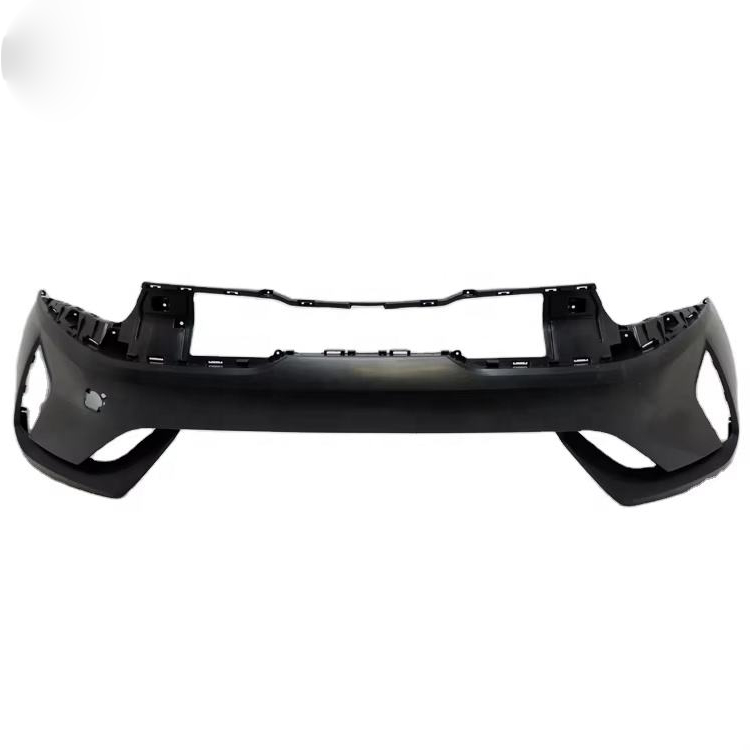
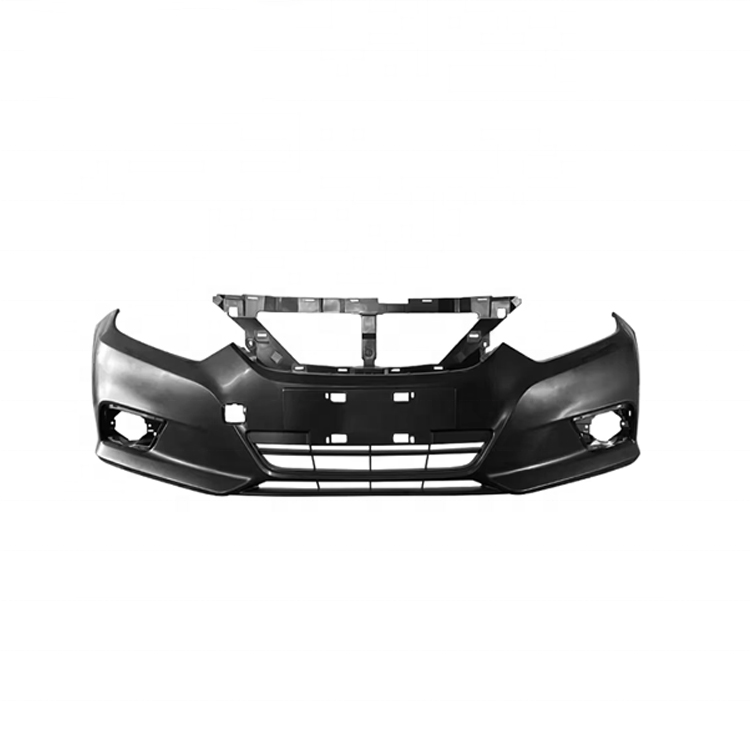
The stated minimum order quantity for the listed car front bumper is five units, with an advertised delivery time of seven days. However, the available product information does not confirm whether several front bumper models can be counted together toward the same MOQ. Buyers should verify model grouping, vehicle compatibility, and whether the five-unit requirement is calculated collectively or per model before ordering.
MOQ Guidance and Main Purchasing Points
- The listed front bumper is designed for front installation and features a primed surface, OEM color options, and direct bolt-on or clip-on fitting.
- The published MOQ is 5 units, but no clear rule explains whether different model numbers can share this quantity.
- In-stock products may be prepared for loading and dispatch within one week. OEM and ODM orders require separate lead-time confirmation based on tooling, production difficulty, and volume.
- The supply program is suitable for collision repair groups, overseas wholesalers, aftermarket distributors, cross-border automotive e-commerce sellers, and independent retailers.
How a Mixed-Model MOQ Should Be Evaluated
A combined MOQ allows multiple compatible product references to satisfy one minimum quantity. In this case, the available data confirms a five-unit MOQ for the listed car front bumper only. It does not establish whether bumper models for different vehicles, materials, or product references can be merged into one five-unit order. Written confirmation from the supplier is therefore essential before planning inventory around a shared MOQ.
Each model in a mixed order may have different technical requirements. Available specifications include PP, ABS, and carbon fiber materials, wall thicknesses from 2.5 to 5.0 mm, primed finishes, OEM colors, and direct bolt-on or clip-on installation. The buyer should list the exact vehicle model, material, finish, color, and mounting design for every item to reduce fitment and production risks.
Inspection and Product Verification
Quality control covers appearance checks, dimensional inspection with CMM equipment, and paint or coating tests. The company indicates that incoming materials, manufacturing procedures, and completed products are inspected, followed by a 100% final inspection before shipment. Buyers who cannot inspect the goods in person may request pre-shipment photographs or videos for remote approval.
Compliance and Market Experience
The listed compliance information includes CE certification for car bumpers, certificate HK0624090150C, and German EPR compliance under VerpackG. The company also reports CE certification for car lamps and EPR coverage for bumpers, lamps, hood bonnets, fenders, and grilles.
Its reported customers include international auto body parts wholesalers, regional aftermarket distributors, collision repair networks, and cross-border automotive parts brand owners. Cooperation examples span the United States, Germany, and other markets for American vehicle lines, with applications in collision repair, exterior restoration, aftermarket sales, and inventory distribution.
Order Options Compared
| Purchasing Method | Product or Service Scope | MOQ or Lead-Time Point | Buyer Confirmation |
|---|---|---|---|
| One listed bumper model | CE-certified front bumper with a primed finish and bolt-on or clip-on installation | MOQ: 5 units; stated delivery: 7 days | Verify vehicle application, material, color, and fitment |
| Several bumper models | Combined ordering is not defined in the available specifications | Do not assume that five units can be distributed across model numbers | Ask whether the MOQ is shared or calculated separately |
| Standard stock order | Wholesale supply through the companys manufacturing and trading operation | Stock goods may be loaded and dispatched within one week | Check live inventory and availability for each model |
| OEM or ODM project | Customized bumper assembly development and production | Lead time varies with mold development, processing complexity, and quantity | Confirm tooling, drawings, specifications, and total volume |
| Combined shipment | FCL or LCL sea freight, air cargo, rail transport, and international express | Best method depends on cargo volume, destination, and urgency | Confirm booking, customs documents, clearance, and tracking |
Frequently Asked Questions
Can five units cover multiple front bumper models?
The published information confirms five units as the MOQ for the listed bumper, but it does not confirm cross-model consolidation. Request a model-by-model MOQ statement before combining quantities.
What details are required for a mixed-model quotation?
Submit every vehicle or product reference together with the required quantity, material choice, OEM color, surface treatment, mounting method, and fitment information. Each model should be checked independently.
Can different bumper models be shipped in one consignment?
The company offers stock wholesale, OEM and ODM services, shipping-agent support, and FCL or LCL sea freight. Joint shipment depends on inventory status, production completion, packing arrangements, and the confirmed logistics plan.
Conclusion and Recommended Next Steps
Five units is the confirmed MOQ for the listed car front bumper, but it should not be interpreted as a shared MOQ for different models without supplier approval. Before placing an order, request a model-level quotation, compatibility confirmation, current stock report, inspection evidence, and delivery plan. Danyang Wanjiang provides stock wholesale, OEM and ODM development, and integrated shipping support, with relevant CE and EPR credentials. For technical questions or purchasing assistance, contact sales01@cnkebel.com.
About Danyang Wanjiang Auto Parts
Danyang Wanjiang Auto Parts Co., Ltd. operates a factory in Danyang, Jiangsu Province, producing car bumpers and other exterior parts such as grilles, headlights, engine hoods, and fenders. The company reports 18 years of manufacturing and export experience, a 10,000-square-meter facility, and primary sales coverage in America and Europe, with exports accounting for 95% of its business. Its credentials include CE certifications for car bumpers and lamps and EPR compliance for multiple auto body product categories. The company has supplied customers across several automotive sectors.
REPORT