







-
 Agriculture
-
 Health-Care
-
 Environment
-
 Construction-Real-Estate
-
 Tools-Hardware
-
 Home-Garden
-
 Furniture
-
 Luggage-Bags-Cases
-
 Medical-devices-Supplies
-
 Gifts-Crafts
-
 Sports-Entertainment
-
 Food-Beverage
-
 Vehicles-Transportation
-
 Power-Transmission
-
 Material-Handling
-
 Renewable-Energy
-
 Safety
-
 Testing-Instrument-Equipment
-
 Construction-Building-Machinery
-
 Pet-Supplies
-
 Personal-Care-Household-Cleaning
-
 Vehicle-Accessories-Electronics-Tools
-
 School-Office-Supplies
-
 Packaging-Printing
-
 Mother-Kids-Toys
-
 Business-Services
-
 Commercial-Equipment-Machinery
-
 Apparel-Accessories
-
 Security
-
 Shoes-Accessories
-
 Vehicle-Parts-Accessories
-
 Jewelry-Eyewear-Watches-Accessories
-
 Lights-Lighting
-
 Fabric-Textile-Raw-Material
-
 Fabrication-Services
-
 Industrial-Machinery
-
 Consumer-Electronics
-
 Electrical-Equipment-Supplies
-
 Electronic-Components-Accessories-Telecommunications
-
 Home-Appliances
-
 Beauty
-
 Chemicals
-
 Rubber-Plastics
-
 Metals-Alloys


























































































































































































































































































































































































































































































































































































- Masonry Materials
- Curtain Walls & Accessories
- Earthwork Products
- Fireproofing Materials
- Heat Insulation Materials
- Plastic Building Materials
- Building Boards
- Soundproofing Materials
- Timber
- Waterproofing Materials
- Balustrades & Handrails
- Bathroom & Kitchen
- Flooring & Accessories
- Tiles & Accessories
- Door, Window & Accessories
- Fireplaces & Stoves
- Floor Heating Systems & Parts
- Stairs & Stair Parts
- Ceilings
- Elevators & Escalators
- Stone
- Countertops, Vanity Tops & Table Tops
- Mosaics
- Metal Building Materials
- Multifunctional Materials
- Ladders & Scaffoldings
- Mouldings
- Corner Guards
- Decorative Films
- Formwork
- Building & Industrial Glass
- Other Construction & Real Estate
- Wallpapers/Wall panels
- HVAC System & Parts
- Outdoor Facilities
- Prefabricated Buildings
- Festive & Party Supplies
- Bathroom Products
- Household Sundries
- Rain Gear
- Garden Supplies
- Household Cleaning Tools & Accessories
- Lighters & Smoking Accessories
- Home Storage & Organization
- Household Scales
- Smart Home Improvement
- Home Textiles
- Kitchenware
- Drinkware & Accessories
- Dinnerware, Coffee & Wine
- Home Decor
- Golf
- Fitness & Body Building
- Amusement Park Facilities
- Billiards, Board Game,Coin Operated Games
- Musical Instruments
- Outdoor Affordable Luxury Sports
- Camping & Hiking
- Fishing
- Sports Safety&Rehabilitation
- Ball Sports Equipments
- Water Sports
- Winter Sports
- Luxury Travel Equipments
- Sports Shoes, Bags & Accessories
- Cycling
- Other Sports & Entertainment Products
- Artificial Grass&Sports Flooring&Sports Court Equipment
- Scooters
- Food Ingredients
- Honey & Honey Products
- Snacks
- Nuts & Kernels
- Seafood
- Plant & Animal Oil
- Beverages
- Fruit & Vegetable Products
- Frog & Escargot
- Bean Products
- Egg Products
- Dairy Products
- Seasonings & Condiments
- Canned Food
- Instant Food
- Baked Goods
- Other Food & Beverage
- Meat & Poultry
- Confectionery
- Grain Products
- Feminie Care
- Hair Care & Styling
- Body Care
- Hands & Feet Care
- Hygiene Products
- Men's Grooming
- Laundry Cleaning Supplies
- Travel Size & Gift Sets
- Room Deodorizers
- Other Personal Care Products
- Pest Control Products
- Special Household Cleaning
- Floor Cleaning
- Kitchen & Bathroom Cleaning
- Oral Care
- Bath Supplies
- Yellow Pages
- Correction Supplies
- Office Binding Supplies
- Office Cutting Supplies
- Board Erasers
- Office Adhesives & Tapes
- Education Supplies
- Pencil Cases & Bags
- Notebooks & Writing Pads
- File Folder Accessories
- Calendars
- Writing Accessories
- Commercial Office Supplies
- Pencil Sharpeners
- Pens
- Letter Pad/Paper
- Paper Envelopes
- Desk Organizers
- Pencils
- Markers & Highlighters
- Filing Products
- Art Supplies
- Easels
- Badge Holder & Accessories
- Office Paper
- Printer Supplies
- Book Covers
- Other Office & School Supplies
- Stationery Set
- Boards
- Clipboards
- Stamps
- Drafting Supplies
- Stencils
- Electronic Dictionary
- Books
- Map
- Magazines
- Calculators
- Baby & Toddler Toys
- Educational Toys
- Classic Toys
- Dress Up & Pretend Play
- Toy Vehicle
- Stuffed Animals & Plush Toys
- Outdoor Toys & Structures
- Balloons & Accessories
- Baby Food
- Children's Clothing
- Baby Supplies & Products
- Maternity Clothes
- Kids Shoes
- Baby Care
- Novelty & Gag Toys
- Dolls & Accessories
- Puzzle & Games
- Blocks & Model Building Toys
- Toddler Clothing
- Baby Clothing
- Kids' Luggage & Bags
- Arts, Crafts & DIY Toys
- Action & Toy Figures
- Baby Appliances
- Hobbies & Models
- Remote Control Toys
- Promotional Toys
- Pregnancy & Maternity
- Hygiene Products
- Kid's Textile&Bedding
- Novelty & Special Use
- Toy Weapons
- Baby Gifts
- Baby Storage & Organization
- Auto Drive Systems
- ATV/UTV Parts & Accessories
- Marine Parts & Accessories
- Other Auto Parts
- Trailer Parts & Accessories
- Auto Transmission Systems
- Train Parts & Accessories
- Universal Parts
- Railway Parts & Accessories
- Auto Brake Systems
- Aviation Parts & Accessories
- Truck Parts & Accessories
- Auto Suspension Systems
- Auto Lighting Systems
- New Energy Vehicle Parts & Accessories
- Auto Steering Systems
- Wheels, Tires & Accessories
- Bus Parts & Accessories
- Auto Performance Parts
- Cooling System
- Go-Kart & Kart Racer Parts & Accessories
- Air Conditioning Systems
- Heavy Duty Vehicle Parts & Accessories
- Auto Electrical Systems
- Auto Body Systems
- Auto Engine Systems
- Container Parts & Accessories
- Motorcycle Parts & Accessories
- Refrigeration & Heat Exchange Equipment
- Machine Tool Equipment
- Food & Beverage Machinery
- Agricultural Machinery & Equipment
- Apparel & Textile Machinery
- Chemical Machinery
- Packaging Machines
- Paper Production Machinery
- Plastic & Rubber Processing Machinery
- Industrial Robots
- Electronic Products Machinery
- Metal & Metallurgy Machinery
- Woodworking Machinery
- Home Product Manufacturing Machinery
- Machinery Accessories
- Environmental Machinery
- Machinery Service
- Electrical Equipment Manufacturing Machinery
- Industrial Compressors & Parts
- Tobacco & Cigarette Machinery
- Production Line
- Used Industrial Machinery
- Electronics Production Machinery
- Other Machinery & Industrial Equipment
- Camera, Photo & Accessories
- Portable Audio, Video & Accessories
- Television, Home Audio, Video & Accessories
- Video Games & Accessories
- Mobile Phone & Accessories
- Electronic Publications
- Earphone & Headphone & Accessories
- Speakers & Accessories
- Smart Electronics
- TV Receivers & Accessories
- Mobile Phone & Computer Repair Parts
- Chargers, Batteries & Power Supplies
- Used Electronics
- VR, AR, MR Hardware & Software
- Projectors & Presentation Equipments
- Other Consumer Electronics
- Cables & Commonly Used Accessories
- Computer Hardware & Software
- Displays, Signage and Optoelectronics
- Discrete Semiconductors
- Wireless & IoT Module and Products
- Telecommunications
- Connectors, Terminals & Accessories
- Development Boards, Electronic Modules and Kits
- Circuit Protection
- Sensors
- Isolators
- Audio Components and Products
- Integrated Circuits
- Power Supplies
- Relays
- RF, Microwave and RFID
- Electronic Accessories & Supplies
- Passive Components
- PCB & PCBA
- Air Quality Appliances
- Home Appliance Parts
- Heating & Cooling Appliances
- Small Kitchen Appliances
- Laundry Appliances
- Water Heaters
- Water Treatment Appliances
- Refrigerators & Freezers
- Personal Care & Beauty Appliances
- Major Kitchen Appliances
- Cleaning Appliances
- Second-hand Appliances
- Smart Home Appliances
- Other Home Appliances
- Energy Chemicals
- Inorganic Chemicals
- Basic Organic Chemicals
- Agrochemicals
- Admixture & Additives
- Catalysts & Chemical Auxiliary Agents
- Pigments & Dyestuff
- Coating & Paint
- Daily Chemicals
- Polymer
- Organic Intermediate
- Adhesives & Sealants
- Chemical Waste
- Biological Chemical Products
- Surface Treatment Chemicals
- Painting & Coating
- Chemical Reagents
- Flavor & Fragrance
- Non-Explosive Demolition Agents
- Other Chemicals
- Custom Chemical Services

Printing Machine
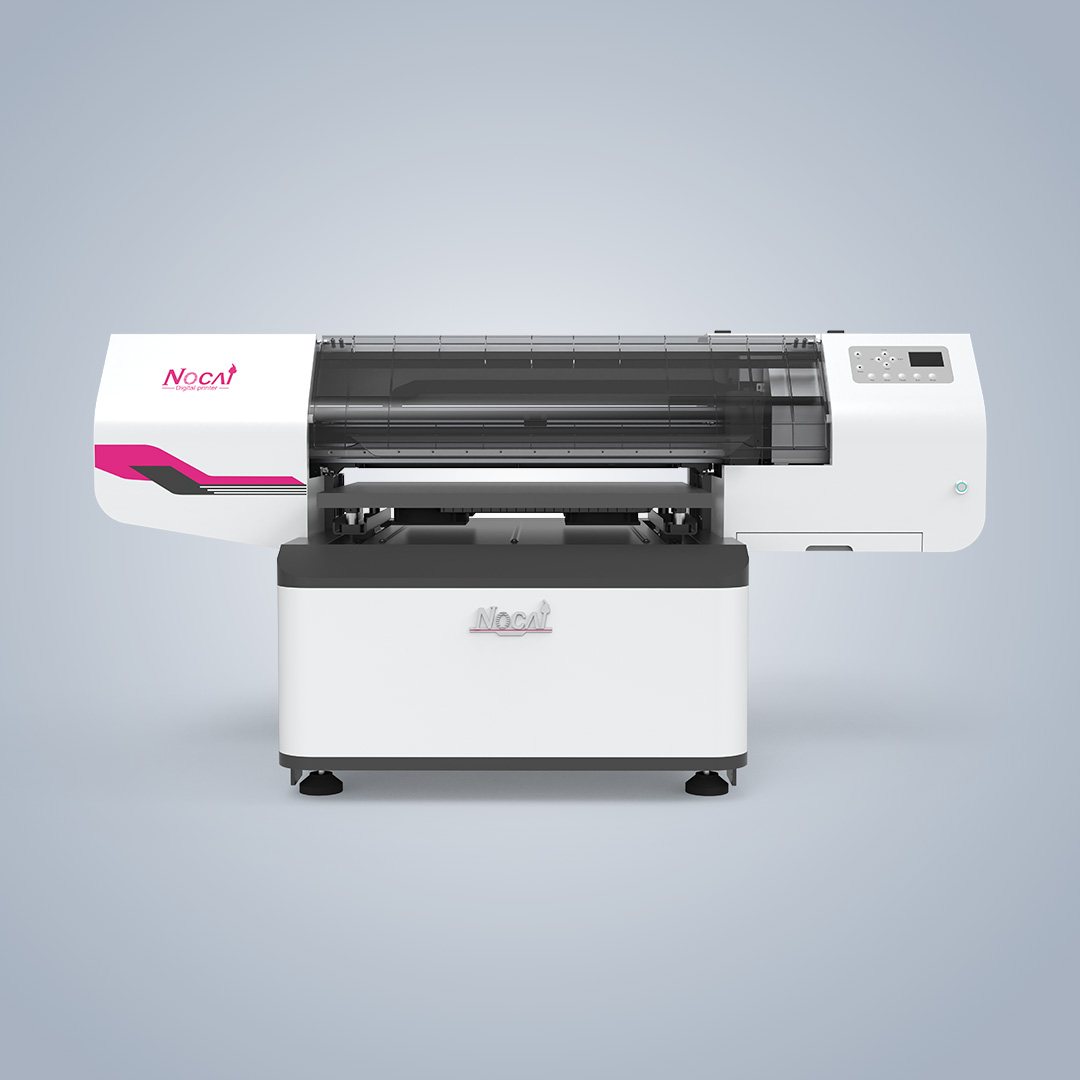
Shifting Market Dynamics: How Compact UV Printers Are Transforming Product Customization
The market for personalized merchandise is experiencing a clear evolution. Custom print providers are rapidly adopting small UV digital printing technology that maximizes workshop efficiency while delivering exceptional print accuracy across diverse items. Rather than relying on bulky conventional presses, modern operations demand space-efficient machines capable of handling zero-to-180mm height adjustments and seamlessly transitioning between flat items and cylindrical objects.
Key Takeaways & Value Drivers
- Flexible Substrate Adaptability: Direct-to-object inkjet systems decorate stationery, corporate gifts, glassware, cosmetic packaging, and electronic enclosures without needing physical plates or matrix screens.
- Extended Geometry & Rotary Printing: An adaptable clearance of 0–180mm combined with optional rotary attachments enables effortless 360-degree decoration on drinkware, tumblers, and conical surfaces alongside standard flat surfaces.
- Industrial Printing Precision: High-definition micro-piezo printhead architecture—such as dual Epson I1600-U1 units—delivers rich color density, crisp fine text, and structured varnish effect layers even for small production runs.
- Agile On-Demand Execution: Space-saving footprints allow smaller workshops to satisfy single-piece orders (MOQ = 1) with minimal setup times and reduced overhead costs.
Technical Architecture and Operating Principles
Modern short-run manufacturing demands a balance between compact mechanical structure and long-term operating durability. A prime example of this design ethos is the Multifunctional compact digital inkjet printer NC-UV0406-VI-B engineered by Guangzhou Nuocai Digital Products Co., Ltd. Powered by dual Epson I1600-U1 printheads, this equipment coordinates white ink, CMYK color layers, and protective varnish in a single pass. The micro-piezo technology guarantees precise droplet deposition on varied surfaces including metal, acrylic, wood, tiles, and glass.
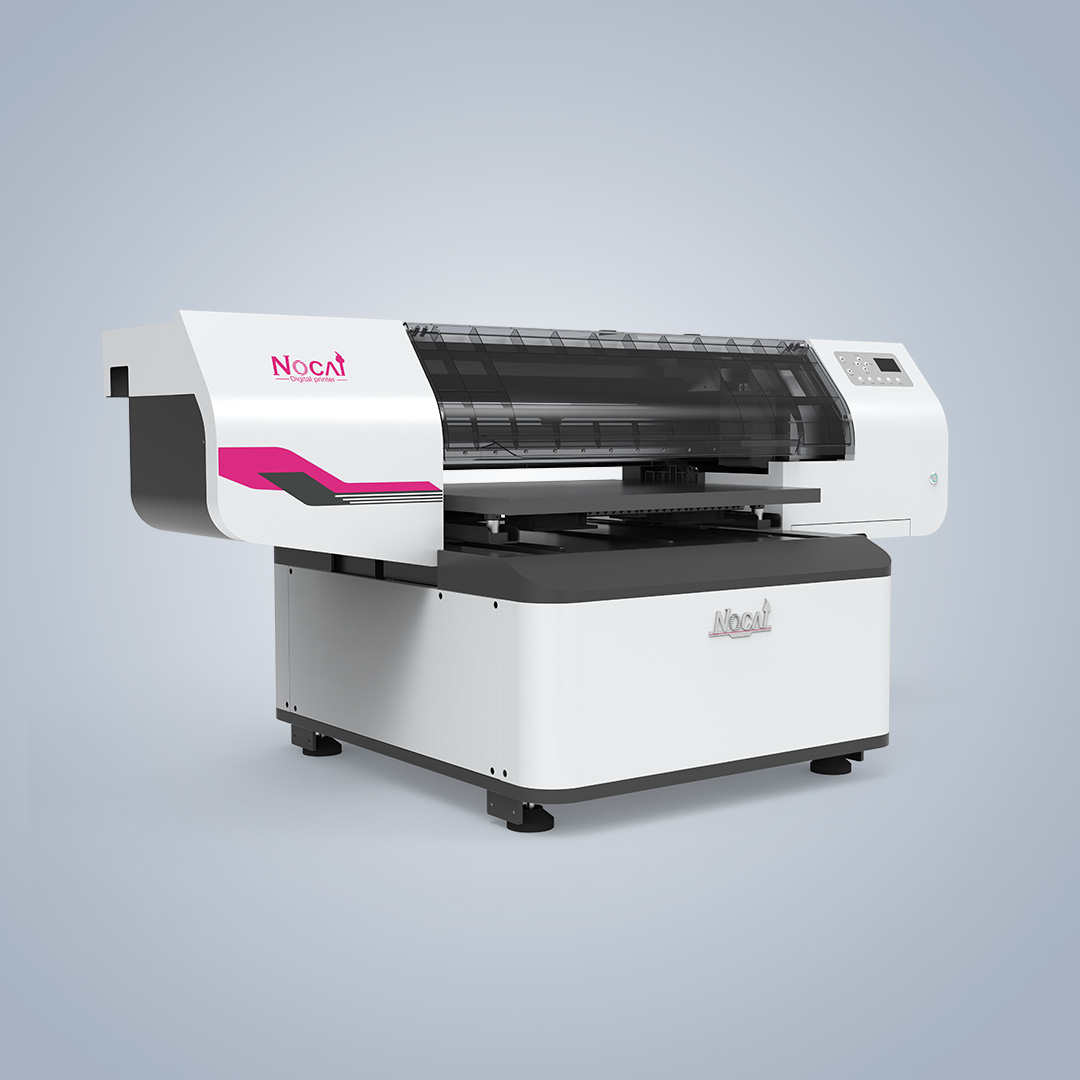
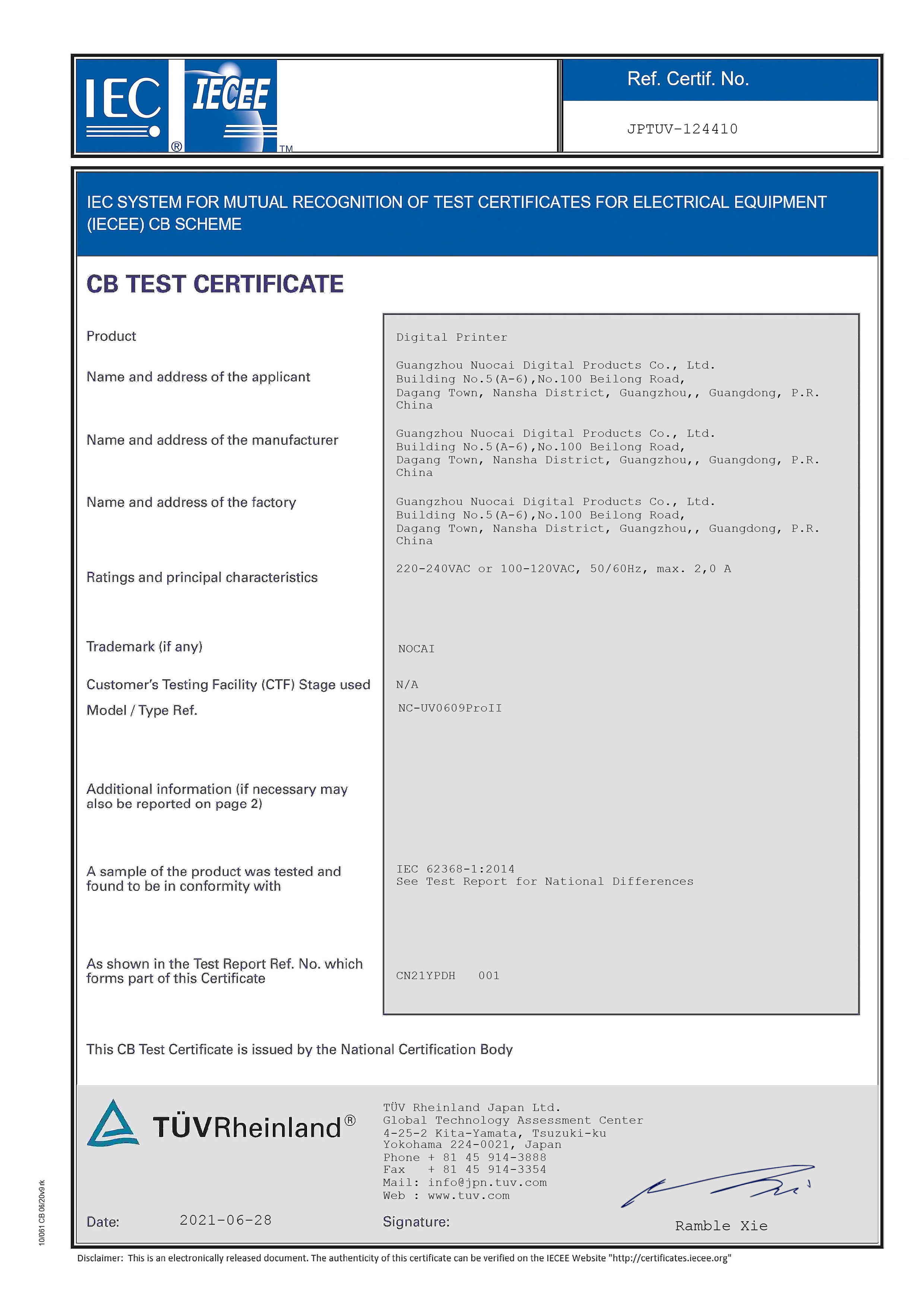
Physical versatility is essential for personalized product operations. Offering a generous 0–180mm print height envelope, compact UV systems easily accept bulky promotional products, custom cosmetic bottles, and gadget covers. When paired with modular rotary fixtures, operators achieve full 360-degree graphics on vacuum flasks and tumblers without alignment shifts. Furthermore, rigorous quality control—including 100% pre-shipment inspections and burn-in aging tests—alongside international compliance standards such as CE (TCT2292A0721599), TUV (JPTUV-124410), and PSE (CTG2503190088B-SR386AX), ensures safe global deployment.
Field deployment data confirms these operational advantages. Commercial partners in Indonesia and Poland have successfully distributed 800 to 1,000 units to regional print providers. Users highlight consistent ink flow and intuitive control interfaces as key factors in reducing job setup times and accelerating order completion.
Comparative Matrix: Compact UV vs. Traditional Screen/Pad Printing
The table below summarizes the operational differences between modern compact UV printers and legacy analog printing systems in customized workflows:
| Feature / Specification | Multifunctional Compact UV Printer (NC-UV0406-VI-B) | Traditional Pad / Screen Printing |
|---|---|---|
| Printhead Mechanism | Dual Epson I1600-U1 Micro-Piezo | Mesh Screen / Stencil Plate |
| Vertical Height Clearance | 0 – 180 mm adjustable | Flat / Rigid low profile only |
| Cylindrical Object Printing | Supported via modular rotary attachment | Requires dedicated separate machine |
| Minimum Order Quantity (MOQ) | 1 Piece (On-Demand) | High minimum volume per setup |
| Order Turnaround & Delivery | Instant setup (5–7 days equipment fulfillment) | Protracted screen creation & fixture prep |
| Quality Inspection Protocol | 100% Pre-delivery inspection & aging test | Random manual batch sampling |
Frequently Asked Questions
Which materials are compatible with a compact UV printer?
These versatile printers process both rigid and semi-flexible substrates, such as acrylic, glass, wood, metal, ceramics, leather, and various plastics common in phone cases, office supplies, and custom gifts.
How are round or cylindrical items printed on this equipment?
By installing a modular rotary fixture, cylindrical objects like water bottles rotate under the printhead, enabling seamless 360-degree artwork application up to the maximum 180mm clearance height.
What post-purchase technical support is provided globally?
International buyers receive comprehensive remote technical assistance, including online video troubleshooting, remote diagnostic support, step-by-step user manuals, setup video guides, and component replacement tutorials.
Strategic Conclusion & Next Steps
Integrating a compact digital UV printer enables custom merchandise businesses to minimize stockholding while expanding product lines across giftware, corporate accessories, and promotional items. By replacing plate-making overhead with a direct-to-substrate digital workflow, providers can handle single-item custom orders or small commercial runs cost-effectively. Fast equipment shipping schedules (5–7 days) further accelerate time-to-market. For technical specifications or consultation, contact nc05@gznuocai.com.
Company Overview
Guangzhou Nuocai Digital Products Co., Ltd. is a high-tech enterprise dedicated to the R&D, engineering, production, and global distribution of digital inkjet printing machinery. Established in 2009, the firm operates a 50,000 m² manufacturing base equipped with 5 specialized production lines and supported by a team of over 50 expert R&D engineers and designers. Maintaining an ISO 9001 certified monthly output of approximately 500 units, Nuocai exports 70% of its production to clients across North America, Europe, Asia, and the Middle East.
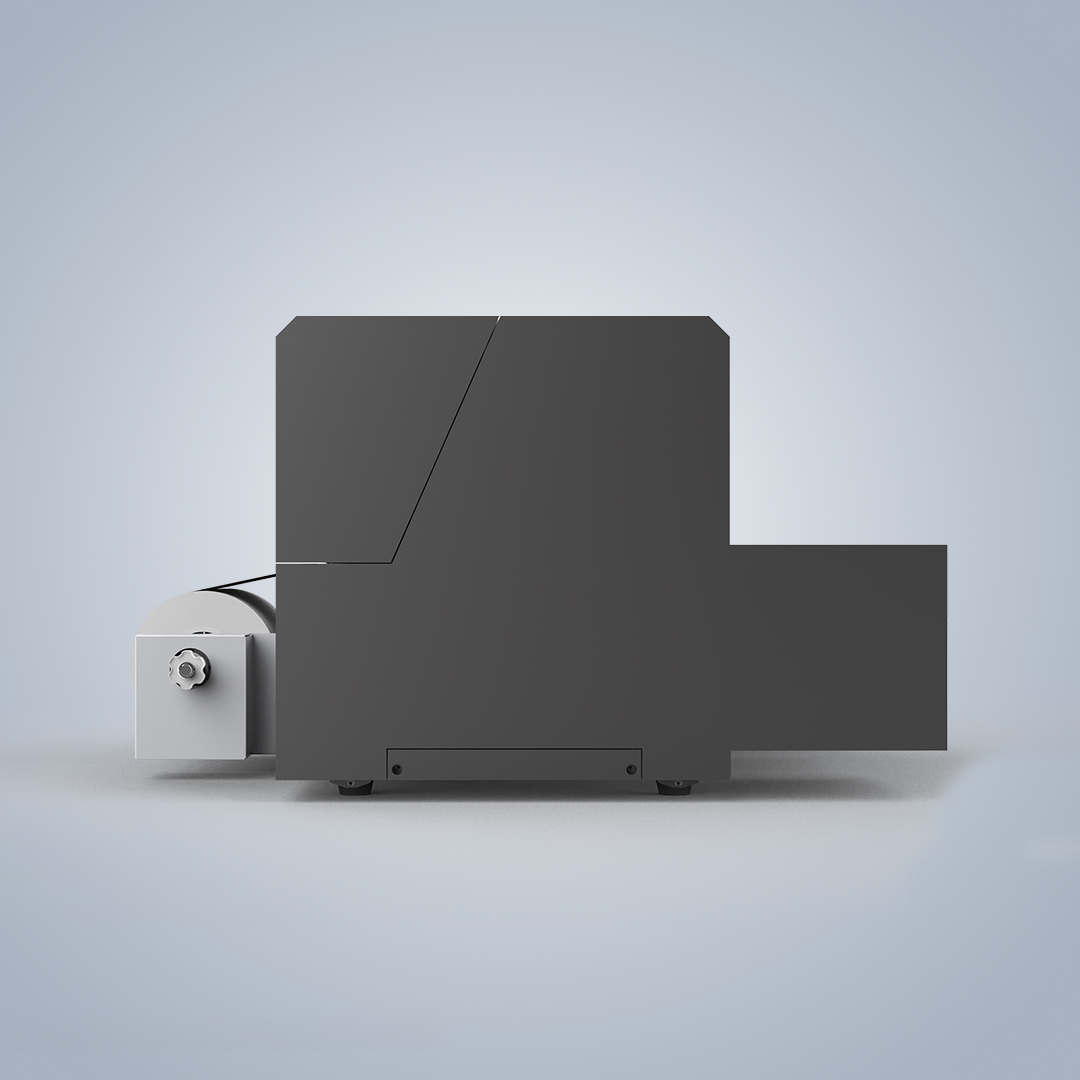
Safeguarding Custom Designs: How Compact UV Printers Stop Unauthorized Copying
Introduction: Protecting Unique Customizations from Duplication
In today's competitive market, custom print designs on packaging, electronics, and merchandise are increasingly targeted by unauthorized duplicators. Standard scanners and flatbed reprographic machines can easily copy surface graphics. However, high-precision small UV printing technology combats IP theft by embedding sophisticated physical, optical, and digital security features directly into the printed surface.
Four Key Defense Pillars Against Design Copying
- 3D Tactile Relief & Varnish Layers: Applying multi-pass UV-curable varnish creates raised, three-dimensional textures and gloss spot finishes that standard 2D flat scanners simply cannot capture or replicate.
- 1200 DPI Micro-Text Printing: Utilizing fine ink drop deposition to output sharp 3pt micro-typography and intricate fine-line patterns that blur and distort when scanned by commercial copiers.
- Dynamic Variable Data Tracking: Integrating auto-sensing gap detectors with serial printing software to apply unique QR codes, barcodes, or sequential serial numbers onto each individual piece.
- Proprietary ICC Color Management: Custom-calibrated color profiles ensure exact ink density mapping, frustrating unauthorized attempts to match precise brand colors.
Technical Breakdown: Hardware Precision and Anti-Counterfeiting Engineering
The defense against artwork copying relies heavily on hardware capable of extreme deposition accuracy. Compact UV printers like the NC-SLP20 are equipped with dual Epson I1600-U1 printheads capable of 1200 dpi high-definition resolution. This high-density output enables the seamless integration of microscopic security codes, fine line patterns, and hidden markers directly onto product housings, cosmetics packaging, and custom labels.
Cross-industry applications—spanning cosmetics, electronics, and specialized label sectors—leverage serialized variable data printing for total batch traceability. Advanced roll-to-roll and sheet-fed setups incorporate automatic gap sensors that detect label boundaries instantly, ensuring exact alignment for unique serialized codes on continuous media up to 200mm wide. Combined with automated ink circulation systems and independent ink channels, the printing process maintains strict color stability across extensive production runs without drift.
Furthermore, physical protection is achieved by stacking UV-curable ink layers to create tactile relief structures. Flatbed scanners and standard printers cannot duplicate physical depth, rendering these raised effects virtually impossible to counterfeit. Equipment built under ISO quality guidelines with CE and TUV certifications ensures the rigid mechanical tolerances needed for long-term positioning precision.
Security Feature Comparison Matrix
| Security Strategy | Technical Mechanism | Protection Rating | Primary Application |
|---|---|---|---|
| Multi-Layer 3D Tactile Varnish | Selective layer deposition creating physical raised structures | High | Luxury packaging, personalized drinkware, gift items |
| 1200 DPI Micro-Text (3pt) | Ultra-fine droplet placement via dual Epson I1600-U1 printheads | High | Label packaging, brand authentication tags |
| Serialized Variable Data | Automatic gap sensing with individualized sequential QR codes | Very High | Electronics traceability, cosmetic batch tracking |
| Custom ICC Profiles | Calibrated color management for precise ink density control | Medium | Corporate identity goods, customized stationery |
Frequently Asked Questions
What is the smallest legible font size achievable on a compact UV printer?
Thanks to 1200 dpi resolution delivered by dual Epson I1600-U1 printheads, text as small as 3pt remains crisp and legible to human eyes while distorting under standard optical copying.
Can compact UV equipment print unique serial codes across a batch without stopping?
Yes. By pairing variable data software with built-in gap sensors, the printer seamlessly applies dynamic QR codes or sequential serial numbers on roll media up to 200mm in width.
What are the order requirements and delivery timelines for high-precision UV printers?
Equipment is available with a minimum order quantity (MOQ) of just 1 unit, with standard production lead times typically between 5 and 7 business days for rapid deployment.
Conclusion & Recommended Next Steps
Protecting custom designs against unauthorized copying requires a multi-faceted approach combining high-resolution hardware, multi-layer physical textures, and dynamic tracking codes. Working with an experienced equipment provider like Guangzhou Nuocai Digital Products Co., Ltd. guarantees access to machinery backed by 100% factory inspection standards. To discuss technical specifications or request a custom solution, contact the team directly at nc05@gznuocai.com.
About Guangzhou Nuocai Digital Products Co., Ltd.
Guangzhou Nuocai Digital Products Co., Ltd. is a high-tech pioneer specializing in digital inkjet R&D, manufacturing, distribution, and technical service. The company operates a state-of-the-art 50,000 m² facility with 238 staff members, including an elite R&D unit of over 50 engineers across 5 production lines. Holding ISO, CE, and TUV quality certifications alongside a High-Tech Enterprise Certificate (GR202344007615), Nuocai serves clients globally across key markets such as Poland, Turkey, South Korea, and Indonesia.
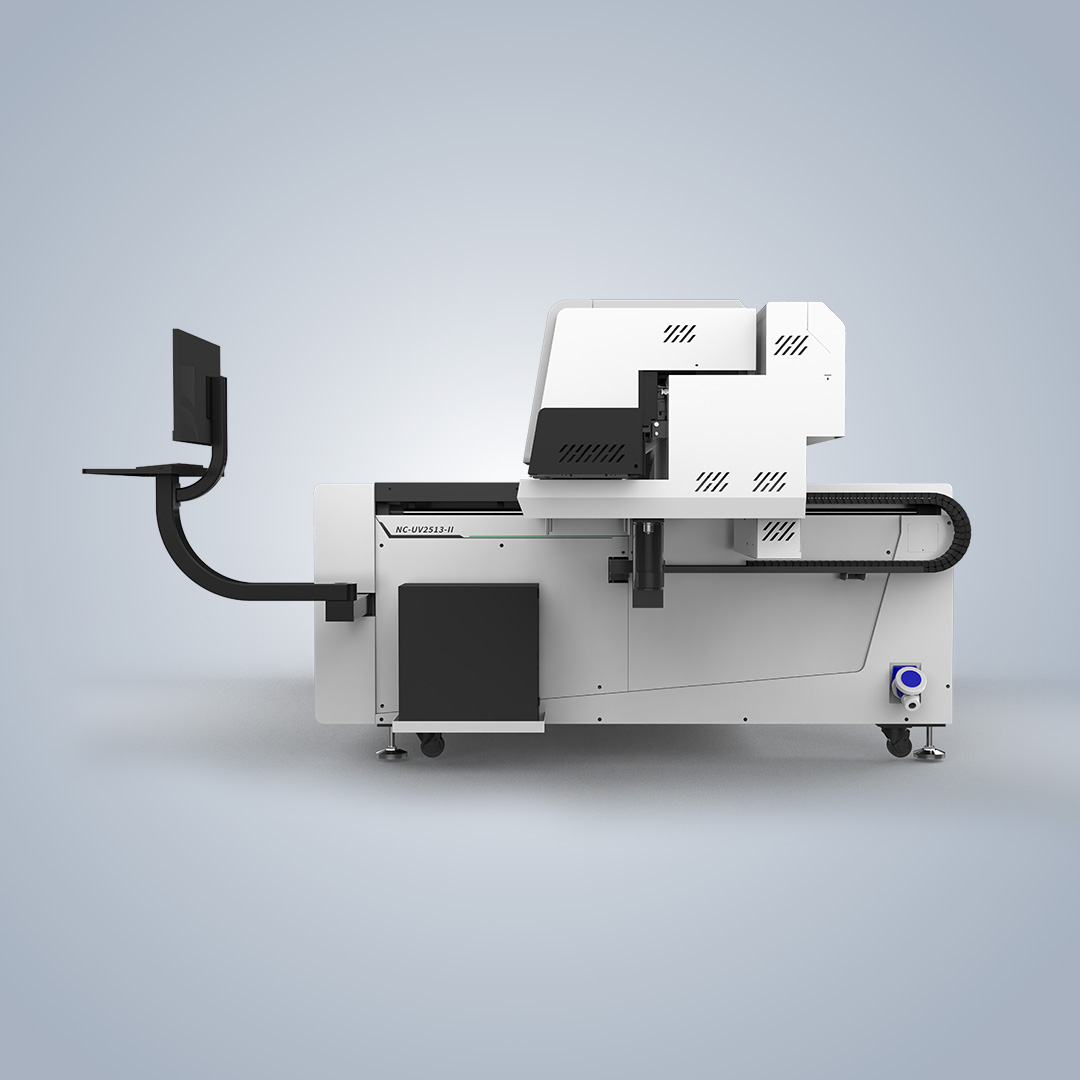
Personalizing Drinkware: Can UV Printing Machines Process Custom Names and Variable Data?
Understanding Variable Data UV Printing for Car Cups and Drinkware
Modern consumers demand customized drinkware, from personalized names on travel mugs to unique serial numbers on corporate promotional items. Modern car cup UV printing machinery addresses this market need effortlessly, using intelligent RIP software paired with micro-droplet inkjet precision to print variable text, custom logos, dynamic QR codes, and intricate graphics seamlessly.
How Variable Data Technology Drives Custom Production
Variable Data Printing (VDP) integrates dynamic software data streams with synchronized hardware motion. Instead of stopping the line between items, the printer reads incoming database files (containing customer names, serial numbers, or unique vector graphics) and dynamically maps the layout to the printheads in real time.
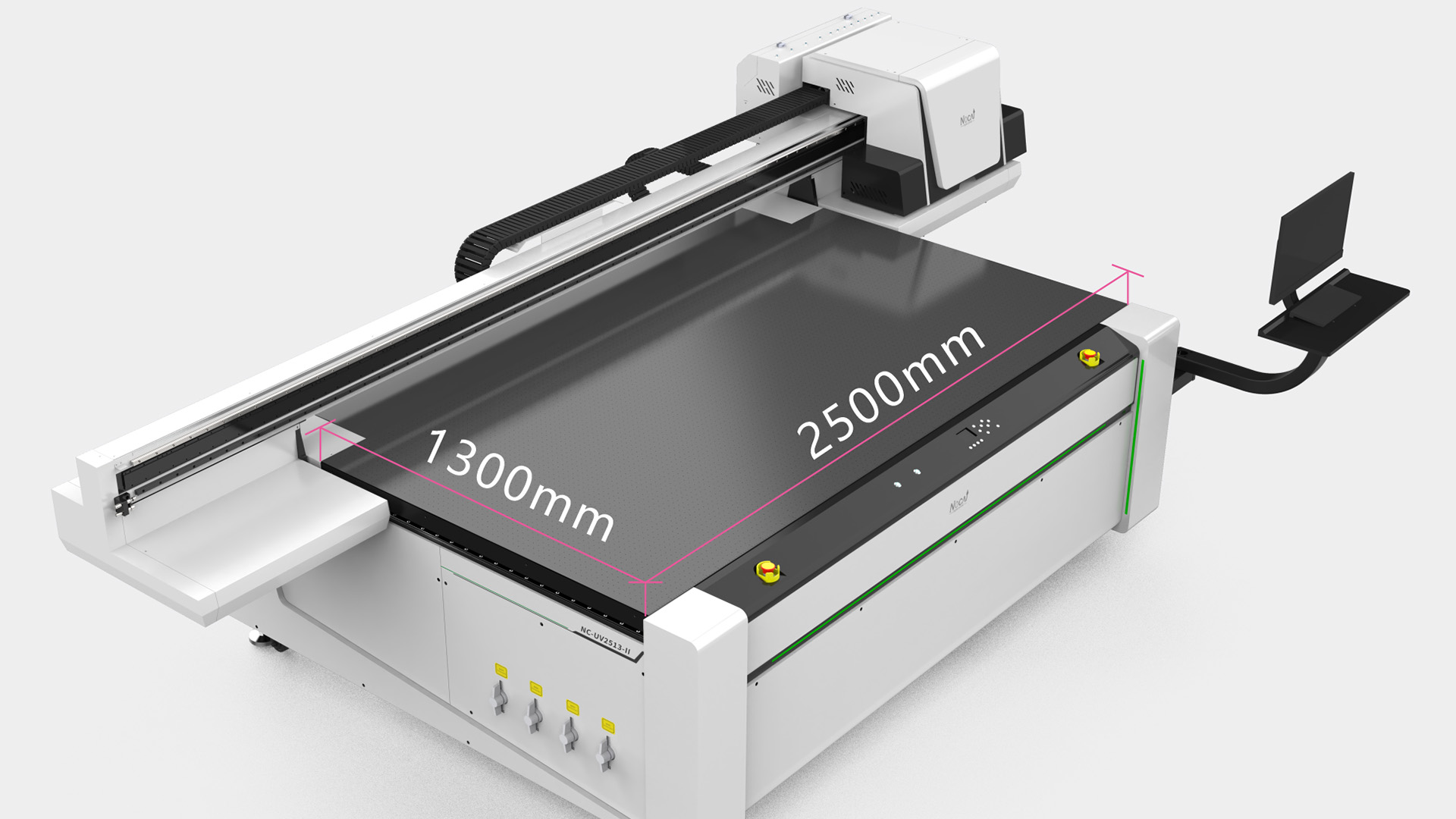
Achieving crisp micro-text requires robust structural engineering. The machine features an all-steel integrated chassis, a quiet guide rail setup, and a dual-leadscrew Y-axis drive system to eradicate micro-vibrations during high-speed passes. Powered by eight Epson I3200-U1 printheads executing up to 1800 dpi resolution, the platform covers a generous 2500 x 1300 mm footprint with z-axis clearance from 0 to 100 mm. Operating at continuous output speeds up to 10 m²/h, it ensures flawless rendering and strict quality standards.
Essential Capabilities and Strategic Advantages
- Dynamic Data Processing: Efficiently reads variable databases to sequence individual names, batch numbers, and distinctive graphics across single or multi-item batches.
- Ultra-High Precision Resolution: Epson I3200-U1 printheads deliver up to 1800 dpi accuracy, maintaining razor-sharp detail even on tiny fonts and delicate graphics.
- Targeted Industry Solutions: Formulated for the Drinkware & Flask Industry and Gift & Promotional Sector, ensuring superior ink adhesion across coated metals, glass, plastics, and ceramics.
- Multi-Layer Single-Pass Finishing: Enables simultaneous Color-White-Color or Varnish ink deposition to create tactile embossing and high-gloss spot finishes in one efficient cycle.
- Global Standard Compliance: Fully certified with international standards including CE (TCT2292A0721599), ISO (87525Q0164R0M), TUV (JPTUV-124410), and PSE (CTG2503190088B-SR386AX), backed by field-proven performance in overseas markets like Poland and Indonesia.
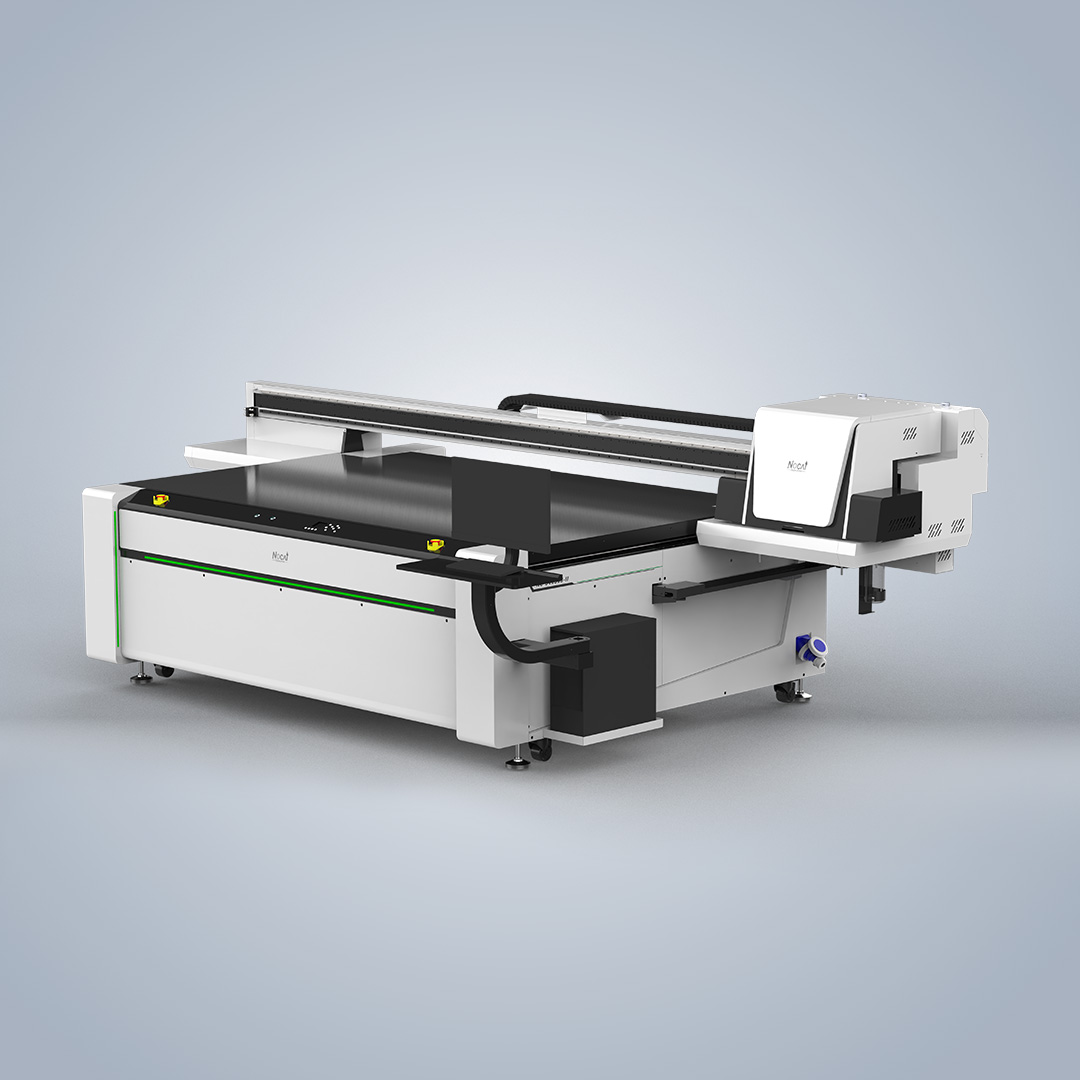
Performance Comparison: Standard Flatbed vs. High-Precision VDP UV Printers
| Printing Parameter / Feature | Standard Flatbed Printing | High-Precision Variable Data UV System |
|---|---|---|
| Variable Data Support | Static artwork only | Dynamic custom names, QR codes, & unique graphics |
| Maximum Resolution | Standard DPI | Ultra-high 1800 dpi (Epson I3200-U1) |
| Print Area & Height Range | Fixed height constraints | 2500 x 1300 mm area, 0–100 mm height adjustment |
| Special Visual Effects | Basic flat color | Embossing, Varnish glossy finish, White-Color/Varnish layers |
| Production Output Speed | Varies | 10 m²/h high-speed continuous output |
| Quality Assurance Process | Sample testing | Aging test & 100% inspection before delivery |
Frequently Asked Questions
How does a UV printer receive custom name data during production?
The RIP software imports data files containing custom text or variable serial numbers, converting each record into print-ready raster files that stream directly to the printhead controller without manual re-alignment.
What surface materials can be customized using UV drinkware printing technology?
UV printing equipment prints directly onto acrylic, stainless steel, aluminum, glass, wood, PVC boards, and ceramics, supporting diverse drinkware and promotional gift items.
What after-sales technical support is provided for UV printing machinery operating globally?
Technical assistance includes online support, video calls, remote desktop assistance, complete user manuals, installation video tutorials, and spare part replacement instructional videos.
Summary & Ordering Information
Integrating dynamic database software with high-definition industrial printheads enables UV printers to effortlessly handle variable name customization, serialization, and targeted graphics on car cups and drinkware. Comprehensive 100% aging inspections ensure consistent reliability for global distributors and manufacturers. Minimum order quantity starts at 1 unit, with lead times ranging from 30 to 40 days based on unit configuration. Reach out to our technical team at nc05@gznuocai.com to discuss custom options.
About Us
Guangzhou Nuocai Digital Products Co., Ltd. is a high-tech enterprise specialized in digital inkjet printing technology R&D, design, manufacturing, sales, and after-sales service. Established in 2019, the company operates a 50,000 sqm factory area supported by a workforce of 238 employees. Featuring a team of over 50 professional R&D engineers and designers across 5 production lines, the facility maintains a monthly production capacity of approximately 500 units to serve clients across global markets. Certified with ISO, CE, and TUV standard qualifications, the organization has served clients across multiple industries worldwide.
Ensuring Consistency Between Car Cup UV Printing Samples and Mass Production
Understanding the Challenge: Sample vs. Production Variance in Drinkware Printing
Transitioning from initial prototyping to high-volume manufacturing often leads to color discrepancies, layer misalignments, and adhesion failures, particularly on tapered or cylindrical items like car cups. Direct-to-object UV printing frequently struggles with focus distortion and manual positioning errors during bulk runs. Switching to an automated roll-to-roll transfer methodology—such as that powered by the NC-UVDTF60-PLUS from Guangzhou Nuocai Digital Products Co., Ltd.—solves these physical limitations by establishing a standardized, highly repeatable workflow.
Key Strategies for Perfect Sample Alignment
- Synchronized Single-Pass Layering: Deploying industrial printheads like the Epson I1600-E1 enables simultaneous output of white ink, color pigments, and protective varnish. This single-pass mechanism prevents layer registration errors between prototype proofs and mass production batches.
- Automated Tension & Lamination Control: Integrated unwinding, laminating, and take-up mechanisms maintain constant film tension, eliminating pattern stretching and manual handling variations during extended operational cycles.
- Seamless Geometry Adaptation via UV DTF: Applying UV crystal label transfer technology overcomes curvature and taper limits of stainless steel or plastic drinkware, preserving exact visual detail across diverse cup shapes.
- Rigorous Quality Standards: Enforcing automated 100% aging protocols and consistent UV curing parameters ensures bulk production matches prototype durability and adhesion performance.
Engineering Integrity and System Architecture
Maintaining strict sample-to-production consistency requires robust hardware engineering. The NC-UVDTF60-PLUS platform leverages Epson I1600-E1 printheads operating at fixed voltage parameters and precise droplet sizes. This setup supports dual-function applications including both UV crystal labels and UV TPU thermal transfers. By automating the lamination and roll-to-roll handling, the system eliminates operator error and environmental contamination, such as dust buildup or film distortion.
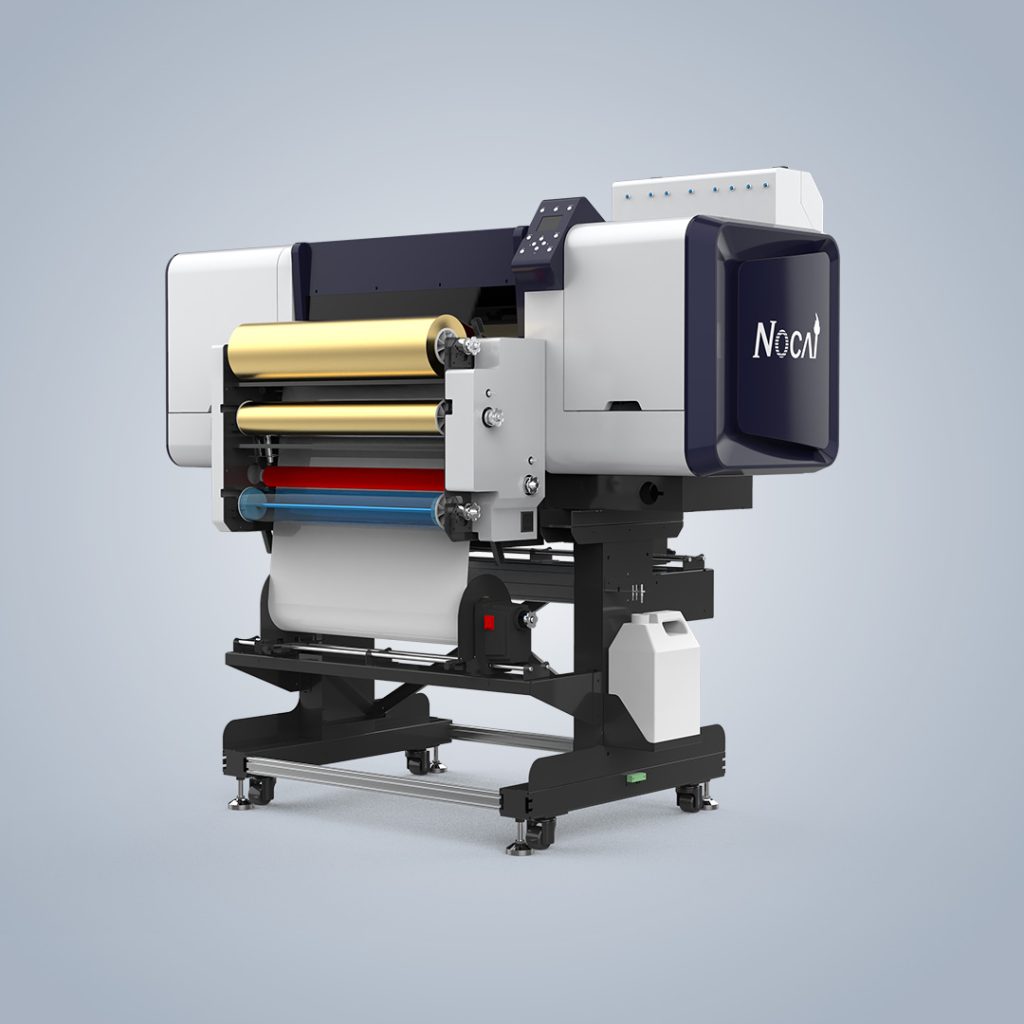
Global deployments across markets in Poland, Indonesia, and Turkey demonstrate that eliminating manual lamination maintains high fidelity for specialized textures, 3D foil finishes, and glossy varnish effects. Furthermore, compliance with ISO (87525Q0164R0M) and CE (TCT2292A0721599) standards guarantees mechanical accuracy even during non-stop production runs.
Comparative Breakdown: Direct Flatbed vs. Integrated Roll-to-Roll UV Transfer
| Feature / Performance Standard | Traditional Direct Flatbed UV Printing | Automated Roll-to-Roll UV Transfer (NC-UVDTF60-PLUS) |
|---|---|---|
| Curved Surface Compatibility | Restricted to flat or slightly tapered surfaces | Universal fit across 360-degree curved geometries |
| Workflow Automation | Requires manual loading and multi-step positioning | Fully automated print, laminate, and take-up workflow |
| Color & Texture Repeatability | Variable due to height adjustments and manual error | Consistent output powered by Epson I1600-E1 printhead |
| Special Texture & Foil Effects | Demands separate passes and alignment efforts | In-line single-pass white, color, varnish, and foil execution |
| Quality Verification | Manual spot checks | Validated via 100% factory aging tests |
Frequently Asked Questions
Why do color discrepancies occur between car cup samples and mass runs?
Shifts in ink curing duration, fluctuating UV lamp intensity, or minor substrate misalignments cause color mismatches. Automated roll-to-roll UV transfer systems lock in printhead firing rates, ink dosage, and curing speeds to deliver identical results from sample to full batch.
Are UV crystal transfer labels durable enough for everyday cup usage?
Yes. Specialized UV inks combined with high-durability varnish undergo intensive curing to resist scratches, water exposure, and daily handling without peeling or color degradation.
How does single-pass printing guarantee alignment?
Single-pass technology applies white base, color layers, and clear varnish simultaneously, eliminating registration errors caused by repositioning media or running multiple print passes.
Recommendations & Conclusion
To achieve perfect sample-to-production consistency for car cup printing, adopting an automated roll-to-roll UV transfer process is essential. Standardized hardware with inline lamination removes human variance. Work with suppliers offering strict 100% factory quality checks, low MOQs (1 unit), and fast shipping (5–7 days) to validate sample output prior to mass manufacturing. For customized advice or technical inquiry, contact our engineering team at nc05@gznuocai.com.
About Guangzhou Nuocai Digital Products Co., Ltd.
Guangzhou Nuocai Digital Products Co., Ltd. is a premier high-tech enterprise dedicated to digital inkjet printing R&D, design, manufacturing, sales, and service. Founded in 2009, the enterprise operates a 50,000 m² facility with over 50 R&D specialists and 238 staff members. Backed by ISO and CE certifications, Nuocai manufactures industrial UV printers, UV DTF transfer systems, and rotary printers supplied to customers across North America, Europe, Asia, and the Middle East.
REPORT