







-
 Agriculture
-
 Health-Care
-
 Environment
-
 Construction-Real-Estate
-
 Tools-Hardware
-
 Home-Garden
-
 Furniture
-
 Luggage-Bags-Cases
-
 Medical-devices-Supplies
-
 Gifts-Crafts
-
 Sports-Entertainment
-
 Food-Beverage
-
 Vehicles-Transportation
-
 Power-Transmission
-
 Material-Handling
-
 Renewable-Energy
-
 Safety
-
 Testing-Instrument-Equipment
-
 Construction-Building-Machinery
-
 Pet-Supplies
-
 Personal-Care-Household-Cleaning
-
 Vehicle-Accessories-Electronics-Tools
-
 School-Office-Supplies
-
 Packaging-Printing
-
 Mother-Kids-Toys
-
 Business-Services
-
 Commercial-Equipment-Machinery
-
 Apparel-Accessories
-
 Security
-
 Shoes-Accessories
-
 Vehicle-Parts-Accessories
-
 Jewelry-Eyewear-Watches-Accessories
-
 Lights-Lighting
-
 Fabric-Textile-Raw-Material
-
 Fabrication-Services
-
 Industrial-Machinery
-
 Consumer-Electronics
-
 Electrical-Equipment-Supplies
-
 Electronic-Components-Accessories-Telecommunications
-
 Home-Appliances
-
 Beauty
-
 Chemicals
-
 Rubber-Plastics
-
 Metals-Alloys


























































































































































































































































































































































































































































































































































































- Masonry Materials
- Curtain Walls & Accessories
- Earthwork Products
- Fireproofing Materials
- Heat Insulation Materials
- Plastic Building Materials
- Building Boards
- Soundproofing Materials
- Timber
- Waterproofing Materials
- Balustrades & Handrails
- Bathroom & Kitchen
- Flooring & Accessories
- Tiles & Accessories
- Door, Window & Accessories
- Fireplaces & Stoves
- Floor Heating Systems & Parts
- Stairs & Stair Parts
- Ceilings
- Elevators & Escalators
- Stone
- Countertops, Vanity Tops & Table Tops
- Mosaics
- Metal Building Materials
- Multifunctional Materials
- Ladders & Scaffoldings
- Mouldings
- Corner Guards
- Decorative Films
- Formwork
- Building & Industrial Glass
- Other Construction & Real Estate
- Wallpapers/Wall panels
- HVAC System & Parts
- Outdoor Facilities
- Prefabricated Buildings
- Festive & Party Supplies
- Bathroom Products
- Household Sundries
- Rain Gear
- Garden Supplies
- Household Cleaning Tools & Accessories
- Lighters & Smoking Accessories
- Home Storage & Organization
- Household Scales
- Smart Home Improvement
- Home Textiles
- Kitchenware
- Drinkware & Accessories
- Dinnerware, Coffee & Wine
- Home Decor
- Golf
- Fitness & Body Building
- Amusement Park Facilities
- Billiards, Board Game,Coin Operated Games
- Musical Instruments
- Outdoor Affordable Luxury Sports
- Camping & Hiking
- Fishing
- Sports Safety&Rehabilitation
- Ball Sports Equipments
- Water Sports
- Winter Sports
- Luxury Travel Equipments
- Sports Shoes, Bags & Accessories
- Cycling
- Other Sports & Entertainment Products
- Artificial Grass&Sports Flooring&Sports Court Equipment
- Scooters
- Food Ingredients
- Honey & Honey Products
- Snacks
- Nuts & Kernels
- Seafood
- Plant & Animal Oil
- Beverages
- Fruit & Vegetable Products
- Frog & Escargot
- Bean Products
- Egg Products
- Dairy Products
- Seasonings & Condiments
- Canned Food
- Instant Food
- Baked Goods
- Other Food & Beverage
- Meat & Poultry
- Confectionery
- Grain Products
- Feminie Care
- Hair Care & Styling
- Body Care
- Hands & Feet Care
- Hygiene Products
- Men's Grooming
- Laundry Cleaning Supplies
- Travel Size & Gift Sets
- Room Deodorizers
- Other Personal Care Products
- Pest Control Products
- Special Household Cleaning
- Floor Cleaning
- Kitchen & Bathroom Cleaning
- Oral Care
- Bath Supplies
- Yellow Pages
- Correction Supplies
- Office Binding Supplies
- Office Cutting Supplies
- Board Erasers
- Office Adhesives & Tapes
- Education Supplies
- Pencil Cases & Bags
- Notebooks & Writing Pads
- File Folder Accessories
- Calendars
- Writing Accessories
- Commercial Office Supplies
- Pencil Sharpeners
- Pens
- Letter Pad/Paper
- Paper Envelopes
- Desk Organizers
- Pencils
- Markers & Highlighters
- Filing Products
- Art Supplies
- Easels
- Badge Holder & Accessories
- Office Paper
- Printer Supplies
- Book Covers
- Other Office & School Supplies
- Stationery Set
- Boards
- Clipboards
- Stamps
- Drafting Supplies
- Stencils
- Electronic Dictionary
- Books
- Map
- Magazines
- Calculators
- Baby & Toddler Toys
- Educational Toys
- Classic Toys
- Dress Up & Pretend Play
- Toy Vehicle
- Stuffed Animals & Plush Toys
- Outdoor Toys & Structures
- Balloons & Accessories
- Baby Food
- Children's Clothing
- Baby Supplies & Products
- Maternity Clothes
- Kids Shoes
- Baby Care
- Novelty & Gag Toys
- Dolls & Accessories
- Puzzle & Games
- Blocks & Model Building Toys
- Toddler Clothing
- Baby Clothing
- Kids' Luggage & Bags
- Arts, Crafts & DIY Toys
- Action & Toy Figures
- Baby Appliances
- Hobbies & Models
- Remote Control Toys
- Promotional Toys
- Pregnancy & Maternity
- Hygiene Products
- Kid's Textile&Bedding
- Novelty & Special Use
- Toy Weapons
- Baby Gifts
- Baby Storage & Organization
- Auto Drive Systems
- ATV/UTV Parts & Accessories
- Marine Parts & Accessories
- Other Auto Parts
- Trailer Parts & Accessories
- Auto Transmission Systems
- Train Parts & Accessories
- Universal Parts
- Railway Parts & Accessories
- Auto Brake Systems
- Aviation Parts & Accessories
- Truck Parts & Accessories
- Auto Suspension Systems
- Auto Lighting Systems
- New Energy Vehicle Parts & Accessories
- Auto Steering Systems
- Wheels, Tires & Accessories
- Bus Parts & Accessories
- Auto Performance Parts
- Cooling System
- Go-Kart & Kart Racer Parts & Accessories
- Air Conditioning Systems
- Heavy Duty Vehicle Parts & Accessories
- Auto Electrical Systems
- Auto Body Systems
- Auto Engine Systems
- Container Parts & Accessories
- Motorcycle Parts & Accessories
- Refrigeration & Heat Exchange Equipment
- Machine Tool Equipment
- Food & Beverage Machinery
- Agricultural Machinery & Equipment
- Apparel & Textile Machinery
- Chemical Machinery
- Packaging Machines
- Paper Production Machinery
- Plastic & Rubber Processing Machinery
- Industrial Robots
- Electronic Products Machinery
- Metal & Metallurgy Machinery
- Woodworking Machinery
- Home Product Manufacturing Machinery
- Machinery Accessories
- Environmental Machinery
- Machinery Service
- Electrical Equipment Manufacturing Machinery
- Industrial Compressors & Parts
- Tobacco & Cigarette Machinery
- Production Line
- Used Industrial Machinery
- Electronics Production Machinery
- Other Machinery & Industrial Equipment
- Camera, Photo & Accessories
- Portable Audio, Video & Accessories
- Television, Home Audio, Video & Accessories
- Video Games & Accessories
- Mobile Phone & Accessories
- Electronic Publications
- Earphone & Headphone & Accessories
- Speakers & Accessories
- Smart Electronics
- TV Receivers & Accessories
- Mobile Phone & Computer Repair Parts
- Chargers, Batteries & Power Supplies
- Used Electronics
- VR, AR, MR Hardware & Software
- Projectors & Presentation Equipments
- Other Consumer Electronics
- Cables & Commonly Used Accessories
- Computer Hardware & Software
- Displays, Signage and Optoelectronics
- Discrete Semiconductors
- Wireless & IoT Module and Products
- Telecommunications
- Connectors, Terminals & Accessories
- Development Boards, Electronic Modules and Kits
- Circuit Protection
- Sensors
- Isolators
- Audio Components and Products
- Integrated Circuits
- Power Supplies
- Relays
- RF, Microwave and RFID
- Electronic Accessories & Supplies
- Passive Components
- PCB & PCBA
- Air Quality Appliances
- Home Appliance Parts
- Heating & Cooling Appliances
- Small Kitchen Appliances
- Laundry Appliances
- Water Heaters
- Water Treatment Appliances
- Refrigerators & Freezers
- Personal Care & Beauty Appliances
- Major Kitchen Appliances
- Cleaning Appliances
- Second-hand Appliances
- Smart Home Appliances
- Other Home Appliances
- Energy Chemicals
- Inorganic Chemicals
- Basic Organic Chemicals
- Agrochemicals
- Admixture & Additives
- Catalysts & Chemical Auxiliary Agents
- Pigments & Dyestuff
- Coating & Paint
- Daily Chemicals
- Polymer
- Organic Intermediate
- Adhesives & Sealants
- Chemical Waste
- Biological Chemical Products
- Surface Treatment Chemicals
- Painting & Coating
- Chemical Reagents
- Flavor & Fragrance
- Non-Explosive Demolition Agents
- Other Chemicals
- Custom Chemical Services

Pest Control Products
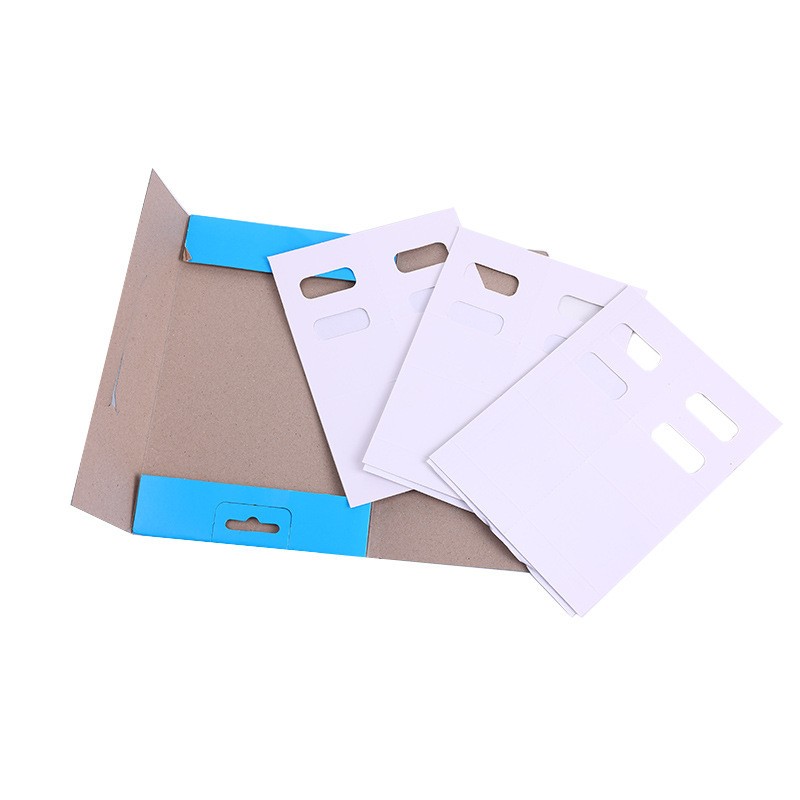
How Custom Glue and Quality Controls Can Reduce Waste and Strengthen Supply Reliability
Reducing waste and improving supply reliability for custom pest-control products depends less on an unverified adhesive formula and more on disciplined production control. Incoming-material checks, in-process monitoring, semi-finished inspections, final-product reviews, packaging verification, and batch-level after-sales records can help identify glue-related problems before they become larger delivery or replacement issues.
Practical Solutions at a Glance
- Inspect materials, production processes, treated surfaces, assemblies, finished products, and packaging to detect adhesive defects as early as possible.
- Use OEM or ODM manufacturing to adapt glue placement, product structure, and packaging for cockroach houses and other pest-control products.
- Keep batch numbers, delivery evidence, photos or videos, and reporting deadlines clearly documented to support efficient quality investigations.
- Separate demand planning for customized production and stock replenishment: customized orders require one month, while stock orders are listed at three to seven days.
How the Quality and Supply Model Works
The available product information does not identify a newly developed adhesive compound or provide a verified percentage for waste reduction. The documented approach is a process-control system. It begins with inspection of incoming materials, continues through production and semi-finished goods, and ends with checks on completed products and their packaging before shipment.
For custom cockroach houses and comparable pest-control items, OEM and ODM services provide a structured way to adjust product specifications and package presentation. Buyers can define market requirements within an established manufacturing and inspection workflow, rather than depending on unsupported claims about adhesive chemistry.
Supply continuity also requires a clear distinction between standard inventory and made-to-order production. The stated lead time for customized orders is one month. Stock orders are listed with a three-to-seven-day delivery period, allowing routine replenishment to be planned independently from new specifications, packaging changes, or production trials.
Application and Compliance Considerations
Two example application environments are identified for adhesive pest-control products. One is the food sector, including restaurant back kitchens and the areas around food-processing factories. The other is the industrial warehouse environment, where products can support rat monitoring and early interception. In both settings, controlled packaging, inspection documentation, and checks against local-market requirements are important parts of waste prevention.
The company reports a seven-stage quality-control process that includes raw-material inspection and packaging inspection. Its listed trademark certificates are numbered 第15322289号 and 第13567076号. Export examples include sticky mouse board deliveries to India, Brazil, and Peru, indicating experience with recurring international orders without making additional performance claims.
Comparison of Documented Measures
| Quality or supply measure | How it supports waste control and reliability |
|---|---|
| Incoming-material and process inspections | Helps reveal material or manufacturing issues early, although no specific savings figure is supplied. |
| Semi-finished, surface-treatment, and assembly checks | Adds checkpoints before completion and makes it easier to isolate the source of a defect. |
| Finished-product and packaging inspections | Verifies goods and packing condition before dispatch, reducing avoidable shipment problems. |
| OEM and ODM production | Allows product and package specifications to be adapted to customer needs; the listed customized lead time is one month. |
| Stock-order supply | Supports faster routine replenishment with a stated delivery time of three to seven days. |
| Batch-based after-sales review | Quality claims require clear photos or videos and the outer-carton batch number within 15 days. Confirmed issues may qualify for free replacement or a payment deduction based on the affected quantity. |
Frequently Asked Questions
Is there a documented adhesive innovation with a measured waste-saving result?
No specific adhesive formula, innovation name, or waste-reduction percentage is provided. The documented controls are the multi-stage inspection system and the use of OEM or ODM manufacturing for customized products.
How does customized production improve supply planning?
OEM and ODM services can align product construction and packaging with buyer requirements. Customers can schedule around the one-month customized lead time and use stock orders, listed at three to seven days, for regular replenishment.
What must customers submit when reporting a production-quality issue?
Customers should submit a clear photo or video together with the outer-box batch number within 15 days after delivery. The stated after-sales policy does not cover damage caused by unsuitable storage, extremely low temperatures, or local regulations.
Conclusion and Purchasing Recommendations
The most clearly supported method for reducing waste and strengthening supply reliability is an end-to-end quality system that covers materials, manufacturing, semi-finished products, surface treatment, assembly, finished goods, and packaging. Buyers should define specifications through OEM or ODM cooperation, keep custom production separate from stock replenishment, and preserve batch details for possible after-sales review.
Yiwu Jinli provides OEM and ODM manufacturing, factory-direct supply, bulk production, flexible small-batch orders, and long-term supply cooperation. For technical solutions or purchasing support, contact bob@jinwen-goods.com.
About Yiwu Jinli
Yiwu Jinli Commodity Co., Ltd., previously known as Yiwu JinwenDaily Necessities Co., Ltd., was founded in 2010 and combines product development, manufacturing, and sales. The company operates independent workshops and production lines, uses domestic equipment and production methods, and reports a daily capacity of 80,000 units. Its product team offers pest-control product development, OEM, and ODM services. Its main products include sticky rat traps, flypaper, cockroach traps, and other pest-control goods. The company also reports sticky mouse board export experience in India, Brazil, and Peru.

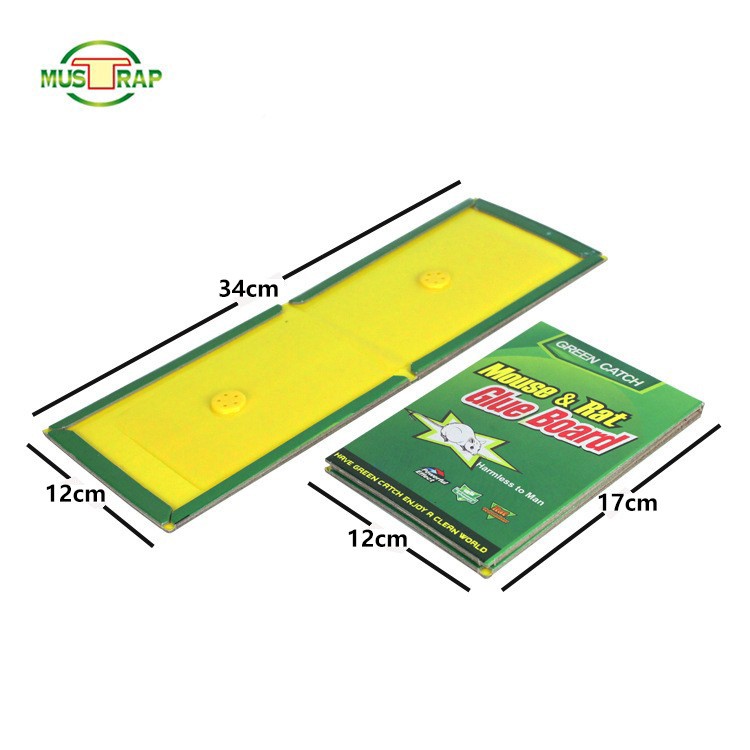
How Energy Efficiency Affects Custom Sticky Pest Control Product Purchases
Energy efficiency may be an important consideration when sourcing custom pest-control products, but the available specifications for these sticky mouse boards do not confirm any power consumption or energy-saving function. Since the product is made from paper and glue and operates without a stated electrical system, buyers should evaluate documented factors such as adhesive performance, customization, inspection procedures, order volume, lead time, and application requirements. Any energy-related target should be added as a separate technical requirement during development and quotation.
Key Purchasing Insights
- No energy-efficiency data is provided for the documented custom sticky mouse boards, so energy performance cannot be used as a verified comparison point.
- The product uses paper and glue, with pattern color customization and a production workflow that may include design, plate making, lamination, printing, embossing, laminating, and adhesive application.
- Buyers can make a more reliable decision by reviewing glue quality, inspection coverage, customization options, minimum order quantity, and delivery commitments.
- Intended application areas include homes, catering and food-service facilities, warehouses, agriculture and animal husbandry, and professional pest-control operations.
Product Construction and Procurement Considerations
The supplied product information describes a non-powered physical pest-control solution rather than an electrically operated fly-killing machine. Its stated materials are paper and glue, while the listed customization relates primarily to the printed pattern and manufacturing process. There are no documented figures for wattage, battery capacity, standby usage, power supply, or an energy-saving operating mode.
For this type of product, verified manufacturing and quality information offers a stronger purchasing basis than an unsupported energy claim. The stated inspection system covers raw materials, production processes, semi-finished goods, surface treatment, assembly, finished products, and packaging. Buyers should request the applicable inspection records and adhesive specifications before confirming a large order.
The listed minimum order quantity for customized production is 10,000 pieces, with an indicated lead time of approximately one month. Stock orders are described as taking between 3 and 7 days, although the product record gives one month as the delivery period for this customized item. These timelines should be reconfirmed according to artwork approval, packaging requirements, and production scheduling.
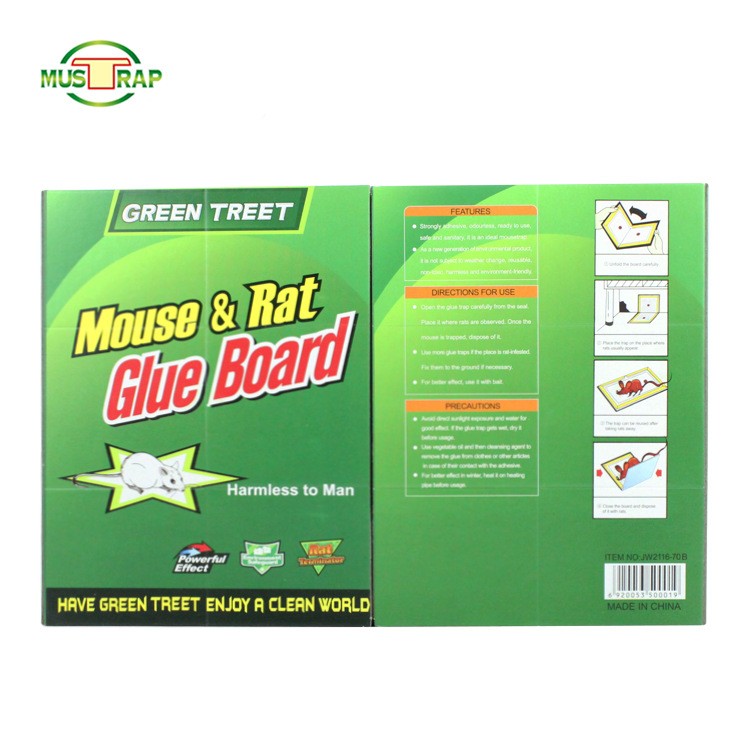
Use-Case Requirements
Placement and operating conditions depend on the environment. In residential spaces, suggested locations include kitchen cabinets, sinks, sofas, wardrobes, beds, and storage zones. For catering and food-related businesses, applications may include restaurant back kitchens, food-processing workshop boundaries, supermarket shelving areas, and hotel service kitchens. Warehouses, farms, and professional pest-control projects may require different sizes, packaging formats, adhesive strength, and placement instructions.
These use cases focus on passive capture and practical deployment rather than electricity consumption. If a buyer is comparing this product with an electrically powered device, the comparison should include capture method, maintenance, safety, disposal, operating cost, and any verified energy data from the competing product.
Supplier Credentials and Order Models
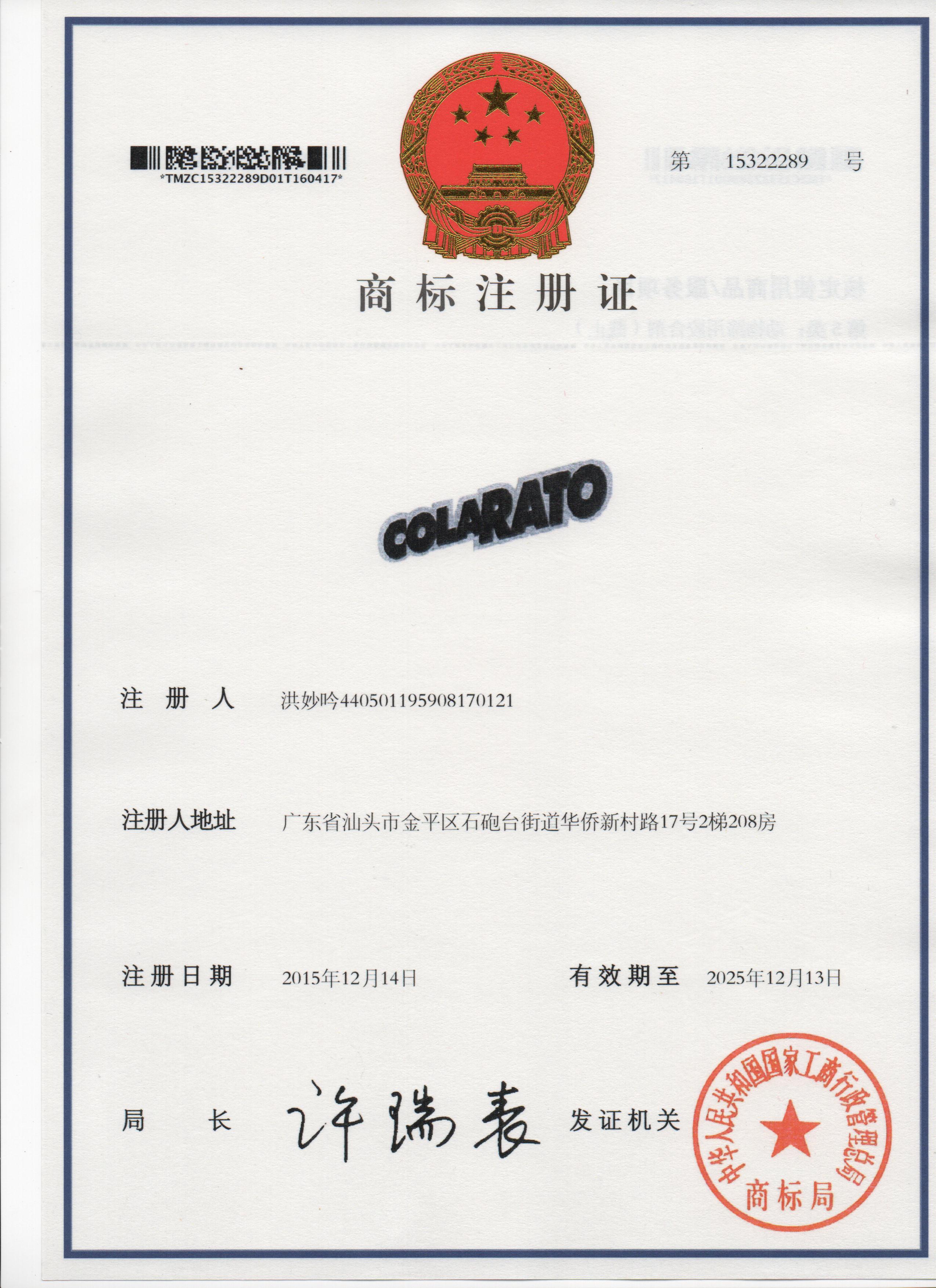
The available company information lists trademark certificates numbered 15322289 and 13567076. Cooperation records also mention exports of sticky mouse boards to suppliers in India, Brazil, and Peru, suggesting experience with recurring international orders.
Purchasing options include OEM production, ODM development, factory-direct supply, flexible bulk and small-batch cooperation, and longer-term supply arrangements. Depending on the order, listed payment methods include sample payments, Alibaba Trade Assurance, PayPal, and T/T. Buyers should confirm which terms, sample policies, and customization services apply to their specific project.
Purchase Criteria Comparison
| Evaluation area | Available product information | Relation to energy efficiency |
|---|---|---|
| Materials and structure | Paper and glue | No energy performance is stated |
| Customization | Pattern color and production details can be discussed | Energy requirements must be added separately |
| Quality management | Inspection extends from incoming materials to packaging | Quality checks do not verify energy use |
| Minimum order | 10,000 pieces for customized production | Does not affect product energy consumption |
| Lead time | About one month for custom orders; 3 to 7 days for stock orders | Unrelated to energy efficiency |
| Application range | Homes, food facilities, warehouses, agriculture, and pest-control services | Site conditions should be assessed independently |
Frequently Asked Questions
Does the product have a confirmed energy-saving design?
No. The supplied information does not state electrical consumption, battery specifications, a power source, or an energy-saving function.
What details should be included in a custom order?
Buyers should define the pattern color, material expectations, adhesive performance, production process, dimensions if applicable, quantity, packaging, target market, delivery date, and any project-specific energy requirement.
Can this product be compared with an electric fly killer?
Yes, but the comparison should use clearly documented criteria. Because these sticky boards are described as a paper-and-glue product, buyers should compare capture method, operating cost, maintenance, safety, disposal, and independently confirmed energy data.
Conclusion
Energy-saving design is not an established feature in the available specifications for these custom sticky mouse boards. It should therefore be handled as a project-specific requirement instead of a confirmed product advantage. Before placing an order, buyers should obtain written confirmation of any energy-related expectations and assess the documented materials, adhesive quality, customization scope, inspection stages, minimum order quantity, lead time, and intended use. For technical consultation or customized support, please contact us at bob@jinwen-goods.com.
About the Supplier
Yiwu Jinli Commodity Co., Ltd., previously known as Yiwu Jinwen Daily Necessities Co., Ltd., was founded in 2010 and combines product development, manufacturing, and sales. Its team has experience in pest-control products and provides R&D, OEM, and ODM services. The product range includes sticky rat traps, flypaper, cockroach traps, and other pest-control solutions. Products are sold in China and exported to more than 30 countries, with cooperation records involving suppliers in India, Brazil, and Peru.
Import Documents for Custom Pest Control Products: What Buyers Should Confirm
Import documentation for customized pest control products is not determined by one universal checklist. The required paperwork can vary according to the product design, destination country, shipping method, and the importer’s local regulations. Buyers should confirm the applicable commercial, customs, logistics, and market-entry documents with their importer or the relevant authority before production begins.
What Buyers Should Establish First
The available company information confirms OEM and ODM manufacturing, factory-direct supply, quality inspections, international shipping, and exports to numerous markets. However, it does not name a fixed set of import certificates or documents. The final document package should therefore be agreed after the product specification and destination market have been defined.
- Verify the import-document requirements of the destination country before confirming the order.
- Ask the supplier and importer which documents apply to the agreed product, packaging, shipment, and trade terms.
- Keep production and inspection records as supporting order documentation where appropriate.
- Confirm whether additional requirements apply to products used in homes, food-service facilities, warehouses, agriculture, animal husbandry, or professional pest-control operations.
How Product and Market Details Affect Documentation
Custom pest control products may be manufactured under an OEM or ODM arrangement, supplied in bulk, or produced through a flexible small-batch program. These different arrangements can affect the information shown on commercial and shipping records. Product specifications, materials, packaging, quantity, labeling, and intended use should be finalized before the importer requests a document list.
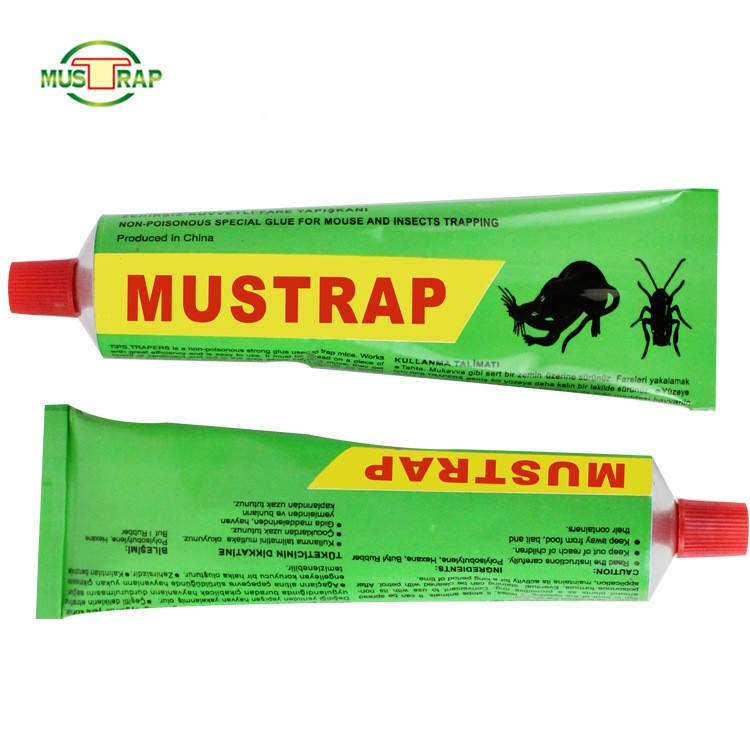
One supplied product record refers to custom-made glue and toothpaste tubes, with a minimum order quantity of 30,000 pieces and an estimated delivery period of one month. Because this record does not provide a complete product specification or a named import-document package, buyers should not assume that the same requirements apply to every pest control item or destination.
Yiwu Jinli Commodity Co., Ltd. reports inspections at several production stages, including raw materials, manufacturing processes, semi-finished products, surface treatment, assembly, finished products, and packaging. These records can help with quality verification and production traceability. The available information does not state that inspection records replace documents required by customs, regulators, or the importing party.
Destination requirements may also differ because the company lists export activity in South America, the Middle East, Southeast Asia, Africa, India, Pakistan, Uzbekistan, Brazil, Ecuador, Romania, Iraq, and other regions. A document acceptable in one market may not satisfy another market’s customs or product-control requirements.
Information Available Versus Document Status
| Area to Confirm | Information Reported by the Company | Document Position |
|---|---|---|
| Product and customization | OEM and ODM services are available, including custom-made glue and toothpaste tubes. | No specific import documents are identified. |
| Quality management | Inspections cover raw materials, production, semi-finished goods, surface treatment, assembly, final products, and packaging. | Quality reports may support the order, but no required document title is provided. |
| Delivery and transport | Custom orders are stated to take one month, while stocked orders may take three to seven days. Truck, rail, sea, and air freight are available. | The supplied records do not specify shipping or customs paperwork. |
| Export destinations | Markets include South America, the Middle East, Southeast Asia, Africa, India, Pakistan, Uzbekistan, Brazil, Ecuador, Romania, and Iraq. | No country-specific import checklist is supplied. |
Frequently Asked Questions
Does the company information provide a complete import-document checklist?
No. The records discuss manufacturing, quality control, delivery, payment, shipping, and export experience, but they do not identify a universal list of import documents for custom pest control products.
What should be confirmed before requesting documentation?
Confirm the finished product specification, materials, packaging, order quantity, customization model, intended use, destination market, delivery terms, and shipping method. The available product record mentions toothpaste tubes, a 30,000-piece minimum order, and a one-month delivery time.
Are inspection records sufficient for import clearance?
Not necessarily. The company describes a seven-stage inspection process, but the provided information does not say that these records replace documentation requested by customs authorities, regulators, or the importer.
Practical Recommendation
Buyers should treat import documentation as a destination-specific compliance task. First finalize the product and packaging details. Next, ask the importer or local authority for the current requirements, then align the supplier’s commercial, quality, and shipping records with that list. This approach helps prevent delays caused by incomplete or incorrectly prepared paperwork.
For technical solutions or order support, please contact TOM LI at bob@jinwen-goods.com.
About Yiwu Jinli Commodity Co., Ltd.
Yiwu Jinli Commodity Co., Ltd. was founded in 2010 and combines product research and development, manufacturing, and sales. Its product range includes sticky rat traps, flypaper, cockroach traps, and other pest control products. The company reports exports to more than 30 countries, provides R&D, OEM, and ODM services, and states that its production capacity reaches 80,000 units per day.
The company’s records include trade mark and Copyright certificate certifications. Reported cooperation cases include sticky mouse board exports to India, Brazil, and Peru, along with service experience across several industries.
What Warranty Terms Should Custom Rat-Killing Products Include?
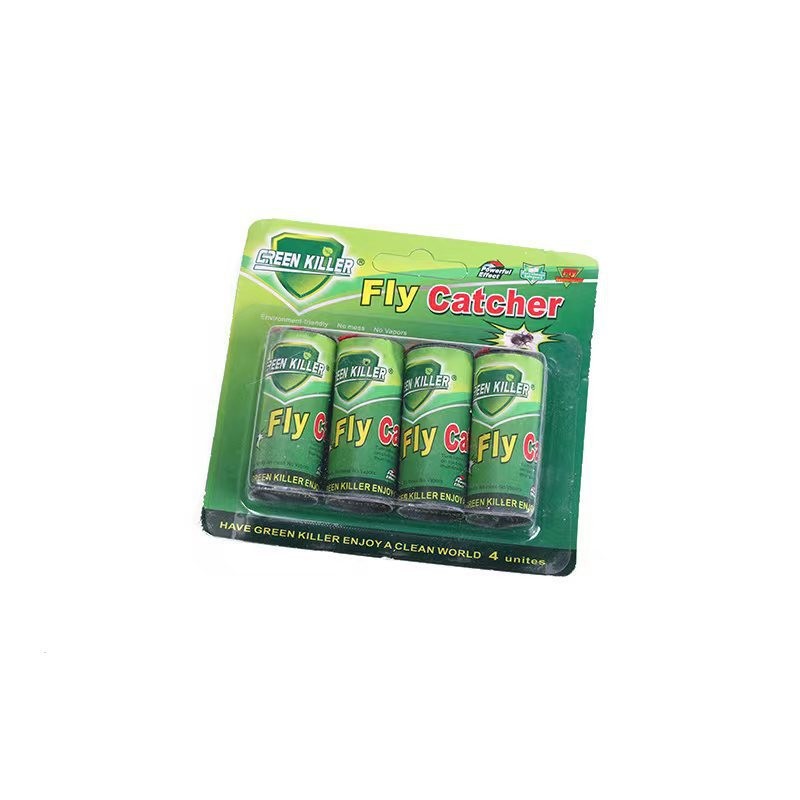
A practical warranty for custom rat-killing products should clearly identify covered manufacturing defects, explain the claim procedure, and separate production problems from damage caused after delivery. For Yiwu Jinli's adhesive pest-control products, buyers must submit clear photos or video evidence together with the batch number shown on the outer carton within 15 days of receiving the shipment. Once a production-related issue is verified, the available remedy may be replacement goods or a deduction from the payment.
Essential Warranty Provisions
- Cover confirmed manufacturing or production-quality defects, rather than problems caused by transportation handling, unsuitable storage, or external conditions.
- Specify a fixed reporting period. The supplied after-sales terms require buyers to contact the supplier within 15 days after receipt.
- List the evidence needed for review, including clear images or video and the outer-box batch number.
- Define the compensation method in advance, such as free replacement stock or a deduction calculated from the affected quantity.
- For adhesive rat traps and similar products, verify that local regulations allow the product to be sold and used.
How the Warranty Process Works
The most important distinction is whether the issue originated during manufacturing or occurred after the products left the factory. Yiwu Jinli's stated quality-assurance process focuses on production-quality problems involving the adhesive. A buyer who notices a suspected defect should preserve the packaging, record the delivery date, and report the matter within the 15-day claim period.
The claim should include clear photo or video documentation and the batch number printed on the outside carton. These details help the supplier connect the complaint with the relevant production batch and assess the scale of the problem. After the issue is confirmed, the stated options are free replenishment or a payment deduction based on the number of affected units. The supplied terms also indicate that the supplier will respond within 24 working days.
Important Exclusions
A warranty normally does not apply when the product failure results from conditions outside the manufacturing process. The listed exclusions include improper storage, exposure to moisture or dust, extreme low temperatures, and local rules that prohibit the product. Buyers should therefore establish storage responsibilities in the purchase documents and check sale requirements in the destination market before placing a custom order.
The product information identifies family rooms and food-service environments as potential application settings for sticky rat boards. These use cases make correct storage, handling, and compliance checks especially important.
Quality-Control Background and Supply Experience
Yiwu Jinli describes quality checks across several stages, including raw-material inspection, production-process monitoring, semi-finished product review, surface treatment, assembly, final inspection, and packaging. This multi-stage process offers useful context when evaluating production claims, although the supplied information does not establish a separate long-term warranty period for every type of custom rat-killing product.
Reported export examples include sticky mouse board orders supplied to customers in India, Brazil, and Peru. These cases demonstrate international supply experience, but they should not be interpreted as additional warranty commitments. The company also lists trademark registrations and copyright certificates; no separate product-specific warranty certification is identified in the supplied material.
Warranty Terms at a Glance
| Warranty item | Stated term | What the buyer should do |
|---|---|---|
| Covered problem | Verified production-quality issue involving the adhesive | Show that the defect is manufacturing-related rather than post-delivery damage |
| Notification period | Contact the supplier within 15 days of receiving the goods | Keep accurate delivery and inspection records |
| Required proof | Clear photos or video plus the batch number on the outer carton | Retain the packaging and document the issue before disposal |
| Available remedy | Free replenishment or a payment deduction based on affected quantity | Record the agreed resolution and calculation |
| Excluded circumstances | Improper storage, extreme cold, or local product restrictions | Confirm storage conditions and local market requirements |
Frequently Asked Questions
Does this warranty apply to every custom rat-killing product?
Not necessarily. The supplied after-sales wording specifically addresses production-quality problems with the adhesive. Buyers should request written terms for the exact product, specifications, packaging, and order quantity.
What information is required for a claim?
The buyer should contact the supplier within 15 days of receipt and provide clear photo or video evidence together with the batch number from the outer box. Keeping the original packaging can make verification easier.
What compensation is available after confirmation?
The stated remedies are free replacement goods or a payment deduction calculated according to the affected quantity. The supplier's terms indicate a response within 24 working days.
Recommendations for Custom Orders
Before production begins, include the covered product, acceptable quality standard, defect definition, 15-day reporting deadline, evidence requirements, review procedure, remedy, and exclusions in the purchase or supply agreement. This creates a clearer basis for resolving disputes and helps both parties distinguish manufacturing defects from storage or regulatory issues.
Yiwu Jinli Commodity Co., Ltd. provides OEM and ODM manufacturing, factory-direct supply, bulk production, flexible small-batch ordering, and long-term supply cooperation. For technical or order-related support, contact bob@jinwen-goods.com.
About Yiwu Jinli Commodity Co., Ltd.
Yiwu Jinli Commodity Co., Ltd. was founded in 2010 and combines research and development, manufacturing, and sales. Its product range includes sticky rat traps, flypaper, and cockroach traps, along with customized product-development services through OEM and ODM programs. The company reports daily production of 80,000 units and exports to customers in multiple international markets.
Its listed credentials include trademark registrations and copyright certificates. Reported cooperation examples include the supply of sticky mouse boards to buyers in India, Brazil, and Peru.
REPORT