







-
 Agriculture
-
 Health-Care
-
 Environment
-
 Construction-Real-Estate
-
 Tools-Hardware
-
 Home-Garden
-
 Furniture
-
 Luggage-Bags-Cases
-
 Medical-devices-Supplies
-
 Gifts-Crafts
-
 Sports-Entertainment
-
 Food-Beverage
-
 Vehicles-Transportation
-
 Power-Transmission
-
 Material-Handling
-
 Renewable-Energy
-
 Safety
-
 Testing-Instrument-Equipment
-
 Construction-Building-Machinery
-
 Pet-Supplies
-
 Personal-Care-Household-Cleaning
-
 Vehicle-Accessories-Electronics-Tools
-
 School-Office-Supplies
-
 Packaging-Printing
-
 Mother-Kids-Toys
-
 Business-Services
-
 Commercial-Equipment-Machinery
-
 Apparel-Accessories
-
 Security
-
 Shoes-Accessories
-
 Vehicle-Parts-Accessories
-
 Jewelry-Eyewear-Watches-Accessories
-
 Lights-Lighting
-
 Fabric-Textile-Raw-Material
-
 Fabrication-Services
-
 Industrial-Machinery
-
 Consumer-Electronics
-
 Electrical-Equipment-Supplies
-
 Electronic-Components-Accessories-Telecommunications
-
 Home-Appliances
-
 Beauty
-
 Chemicals
-
 Rubber-Plastics
-
 Metals-Alloys


























































































































































































































































































































































































































































































































































































- Masonry Materials
- Curtain Walls & Accessories
- Earthwork Products
- Fireproofing Materials
- Heat Insulation Materials
- Plastic Building Materials
- Building Boards
- Soundproofing Materials
- Timber
- Waterproofing Materials
- Balustrades & Handrails
- Bathroom & Kitchen
- Flooring & Accessories
- Tiles & Accessories
- Door, Window & Accessories
- Fireplaces & Stoves
- Floor Heating Systems & Parts
- Stairs & Stair Parts
- Ceilings
- Elevators & Escalators
- Stone
- Countertops, Vanity Tops & Table Tops
- Mosaics
- Metal Building Materials
- Multifunctional Materials
- Ladders & Scaffoldings
- Mouldings
- Corner Guards
- Decorative Films
- Formwork
- Building & Industrial Glass
- Other Construction & Real Estate
- Wallpapers/Wall panels
- HVAC System & Parts
- Outdoor Facilities
- Prefabricated Buildings
- Festive & Party Supplies
- Bathroom Products
- Household Sundries
- Rain Gear
- Garden Supplies
- Household Cleaning Tools & Accessories
- Lighters & Smoking Accessories
- Home Storage & Organization
- Household Scales
- Smart Home Improvement
- Home Textiles
- Kitchenware
- Drinkware & Accessories
- Dinnerware, Coffee & Wine
- Home Decor
- Golf
- Fitness & Body Building
- Amusement Park Facilities
- Billiards, Board Game,Coin Operated Games
- Musical Instruments
- Outdoor Affordable Luxury Sports
- Camping & Hiking
- Fishing
- Sports Safety&Rehabilitation
- Ball Sports Equipments
- Water Sports
- Winter Sports
- Luxury Travel Equipments
- Sports Shoes, Bags & Accessories
- Cycling
- Other Sports & Entertainment Products
- Artificial Grass&Sports Flooring&Sports Court Equipment
- Scooters
- Food Ingredients
- Honey & Honey Products
- Snacks
- Nuts & Kernels
- Seafood
- Plant & Animal Oil
- Beverages
- Fruit & Vegetable Products
- Frog & Escargot
- Bean Products
- Egg Products
- Dairy Products
- Seasonings & Condiments
- Canned Food
- Instant Food
- Baked Goods
- Other Food & Beverage
- Meat & Poultry
- Confectionery
- Grain Products
- Feminie Care
- Hair Care & Styling
- Body Care
- Hands & Feet Care
- Hygiene Products
- Men's Grooming
- Laundry Cleaning Supplies
- Travel Size & Gift Sets
- Room Deodorizers
- Other Personal Care Products
- Pest Control Products
- Special Household Cleaning
- Floor Cleaning
- Kitchen & Bathroom Cleaning
- Oral Care
- Bath Supplies
- Yellow Pages
- Correction Supplies
- Office Binding Supplies
- Office Cutting Supplies
- Board Erasers
- Office Adhesives & Tapes
- Education Supplies
- Pencil Cases & Bags
- Notebooks & Writing Pads
- File Folder Accessories
- Calendars
- Writing Accessories
- Commercial Office Supplies
- Pencil Sharpeners
- Pens
- Letter Pad/Paper
- Paper Envelopes
- Desk Organizers
- Pencils
- Markers & Highlighters
- Filing Products
- Art Supplies
- Easels
- Badge Holder & Accessories
- Office Paper
- Printer Supplies
- Book Covers
- Other Office & School Supplies
- Stationery Set
- Boards
- Clipboards
- Stamps
- Drafting Supplies
- Stencils
- Electronic Dictionary
- Books
- Map
- Magazines
- Calculators
- Baby & Toddler Toys
- Educational Toys
- Classic Toys
- Dress Up & Pretend Play
- Toy Vehicle
- Stuffed Animals & Plush Toys
- Outdoor Toys & Structures
- Balloons & Accessories
- Baby Food
- Children's Clothing
- Baby Supplies & Products
- Maternity Clothes
- Kids Shoes
- Baby Care
- Novelty & Gag Toys
- Dolls & Accessories
- Puzzle & Games
- Blocks & Model Building Toys
- Toddler Clothing
- Baby Clothing
- Kids' Luggage & Bags
- Arts, Crafts & DIY Toys
- Action & Toy Figures
- Baby Appliances
- Hobbies & Models
- Remote Control Toys
- Promotional Toys
- Pregnancy & Maternity
- Hygiene Products
- Kid's Textile&Bedding
- Novelty & Special Use
- Toy Weapons
- Baby Gifts
- Baby Storage & Organization
- Auto Drive Systems
- ATV/UTV Parts & Accessories
- Marine Parts & Accessories
- Other Auto Parts
- Trailer Parts & Accessories
- Auto Transmission Systems
- Train Parts & Accessories
- Universal Parts
- Railway Parts & Accessories
- Auto Brake Systems
- Aviation Parts & Accessories
- Truck Parts & Accessories
- Auto Suspension Systems
- Auto Lighting Systems
- New Energy Vehicle Parts & Accessories
- Auto Steering Systems
- Wheels, Tires & Accessories
- Bus Parts & Accessories
- Auto Performance Parts
- Cooling System
- Go-Kart & Kart Racer Parts & Accessories
- Air Conditioning Systems
- Heavy Duty Vehicle Parts & Accessories
- Auto Electrical Systems
- Auto Body Systems
- Auto Engine Systems
- Container Parts & Accessories
- Motorcycle Parts & Accessories
- Refrigeration & Heat Exchange Equipment
- Machine Tool Equipment
- Food & Beverage Machinery
- Agricultural Machinery & Equipment
- Apparel & Textile Machinery
- Chemical Machinery
- Packaging Machines
- Paper Production Machinery
- Plastic & Rubber Processing Machinery
- Industrial Robots
- Electronic Products Machinery
- Metal & Metallurgy Machinery
- Woodworking Machinery
- Home Product Manufacturing Machinery
- Machinery Accessories
- Environmental Machinery
- Machinery Service
- Electrical Equipment Manufacturing Machinery
- Industrial Compressors & Parts
- Tobacco & Cigarette Machinery
- Production Line
- Used Industrial Machinery
- Electronics Production Machinery
- Other Machinery & Industrial Equipment
- Camera, Photo & Accessories
- Portable Audio, Video & Accessories
- Television, Home Audio, Video & Accessories
- Video Games & Accessories
- Mobile Phone & Accessories
- Electronic Publications
- Earphone & Headphone & Accessories
- Speakers & Accessories
- Smart Electronics
- TV Receivers & Accessories
- Mobile Phone & Computer Repair Parts
- Chargers, Batteries & Power Supplies
- Used Electronics
- VR, AR, MR Hardware & Software
- Projectors & Presentation Equipments
- Other Consumer Electronics
- Cables & Commonly Used Accessories
- Computer Hardware & Software
- Displays, Signage and Optoelectronics
- Discrete Semiconductors
- Wireless & IoT Module and Products
- Telecommunications
- Connectors, Terminals & Accessories
- Development Boards, Electronic Modules and Kits
- Circuit Protection
- Sensors
- Isolators
- Audio Components and Products
- Integrated Circuits
- Power Supplies
- Relays
- RF, Microwave and RFID
- Electronic Accessories & Supplies
- Passive Components
- PCB & PCBA
- Air Quality Appliances
- Home Appliance Parts
- Heating & Cooling Appliances
- Small Kitchen Appliances
- Laundry Appliances
- Water Heaters
- Water Treatment Appliances
- Refrigerators & Freezers
- Personal Care & Beauty Appliances
- Major Kitchen Appliances
- Cleaning Appliances
- Second-hand Appliances
- Smart Home Appliances
- Other Home Appliances
- Energy Chemicals
- Inorganic Chemicals
- Basic Organic Chemicals
- Agrochemicals
- Admixture & Additives
- Catalysts & Chemical Auxiliary Agents
- Pigments & Dyestuff
- Coating & Paint
- Daily Chemicals
- Polymer
- Organic Intermediate
- Adhesives & Sealants
- Chemical Waste
- Biological Chemical Products
- Surface Treatment Chemicals
- Painting & Coating
- Chemical Reagents
- Flavor & Fragrance
- Non-Explosive Demolition Agents
- Other Chemicals
- Custom Chemical Services

Portable Audio, Video & Accessories
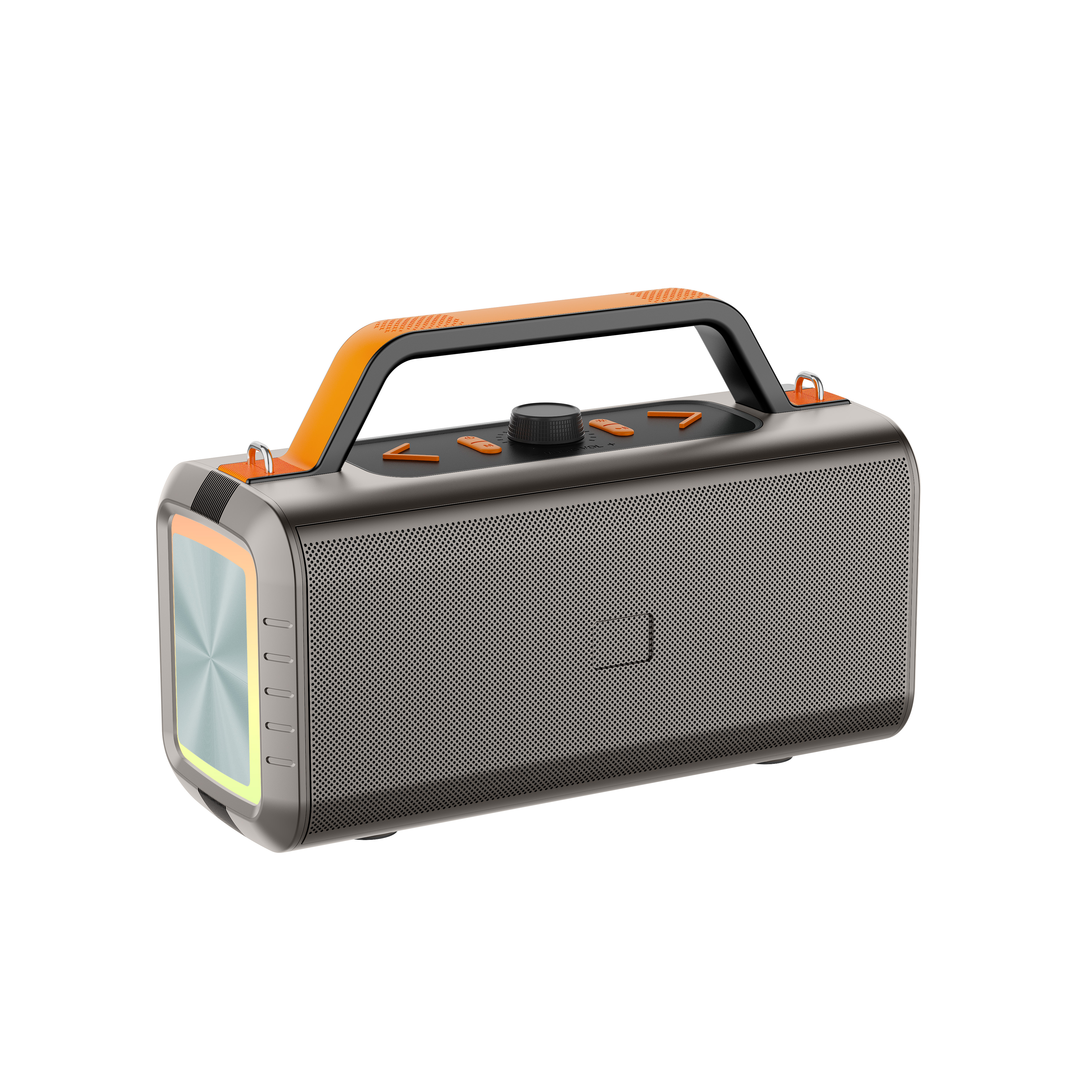
Essential Outdoor Bluetooth Speaker Sample Approval Checklist: Testing & Quality Standards
Validating Golden Samples before initiating mass production is critical to preventing costly hardware defects and ensuring performance consistency in rugged audio equipment. A thorough sample approval protocol for outdoor Bluetooth speakers evaluates four core domains: acoustic integrity, RF transmission stability, power management efficiency, and regulatory compliance. Evaluating unit samples—such as the Outdoor Portable Metal Speaker MTB-BLSP11—against stringent engineering standards guarantees that finished goods perform reliably under demanding real-world conditions.
Key Evaluation Criteria & Strategic Takeaways
- Acoustic & Electro-Acoustic Benchmarks: Verify that the speaker achieves total harmonic distortion (THD) under 1%, signal-to-noise ratio (SNR) of at least 90 dB, and a broad frequency spectrum (120 Hz to 20 kHz) to ensure high-clarity sound projection outdoors.
- Advanced Wireless Performance: Test the Bluetooth 6.0 protocol across line-of-sight environments to confirm uninterrupted connectivity across distances equal to or exceeding 10 meters.
- Cell Management & Endurance: Validate power sub-assemblies featuring a 7200 mAh battery capacity, requiring 4–5 hours for a complete charge cycle and yielding 5–6 hours of continuous full-load operational playback.
- Environmental Application Suitability: Inspect enclosure robustness tailored for versatile usage scenarios including Beach & Poolside Fun, Street Busking, Camping & Hiking, and Outdoor Workouts.
- Regulatory Quality Assurance: Cross-check production lots using GB/T2828.1 sampling inspection methodologies and audit required certifications, including RED validation (Certificate HX240417001RED-MTB).
Technical Architecture & Performance Testing Framework
Executing sample verification on sophisticated devices like the Outdoor Portable Metal Speaker MTB-BLSP11 involves multi-stage testing of acoustic dynamics, electronic circuit balance, and physical enclosure design. Outdoor sound hardware must maintain elevated acoustic pressure levels without distortion despite fluctuating environmental factors.
Evaluating the electro-acoustic architecture involves measuring driver response within acoustic chambers. Engineers verify that the driver delivers a balanced frequency response from 120 Hz up to 20 kHz while maintaining an SNR threshold of ≥90 dB and total harmonic distortion below 1%. Signal integrity tests for the Bluetooth 6.0 system involve gradual distance attenuation analysis to guarantee stable, packet-loss-free line-of-sight communication beyond 10 meters.
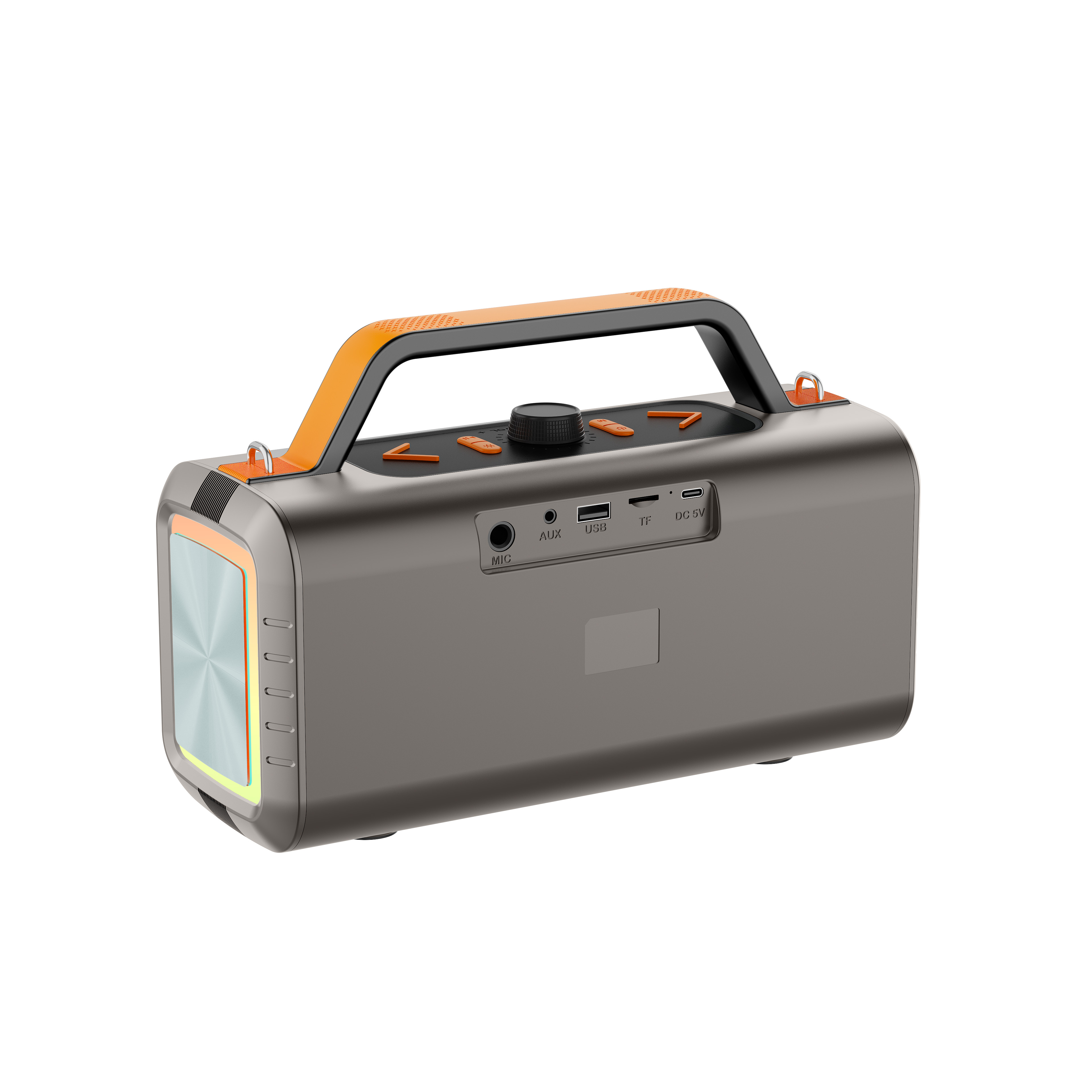
The electrical assessment focuses on battery protection circuits and thermal management during charge-discharge cycles. The system's 7200 mAh power module must demonstrate efficient power conversion, recharging fully within 4 to 5 hours while supplying 5 to 6 hours of uncompromised audio playback. Quality assurance procedures under GB/T2828.1 guidelines are established to maintain batch-to-batch alignment during volume manufacturing.
Sample Inspection Criteria Summary
| Evaluation Domain | Approved Benchmark Target | Verification & Test Procedure |
|---|---|---|
| Wireless RF Performance | Bluetooth Version 6.0 / Line-of-sight distance ≥10 m | Dynamic distance signal retention & RF attenuation test |
| Acoustic Output | Frequency Range: 120 Hz–20 kHz / SNR ≥90 dB / THD <1% | Anechoic chamber analysis via high-precision sound analyzer |
| Power & Energy System | 7200 mAh capacity / 4–5 hrs charge time / 5–6 hrs playback | Automated battery cycler & full-load discharge endurance run |
| Batch Acceptance Standard | GB/T2828.1 Sampling Plan | AQL visual, structural, and operational defect inspection |
| Compliance Certifications | RED (HX240417001RED-MTB), CE, ROHS, FCC | Document audit and third-party laboratory test verification |
Frequently Asked Questions
Q: What core electro-acoustic metrics are essential for approving outdoor speaker samples?
A: Acoustic sign-off requires confirming frequency coverage (120 Hz–20 kHz), signal-to-noise ratio (≥90 dB), and total harmonic distortion (<1%) to ensure punchy, undistorted sound delivery in wide-open spaces.
Q: How should battery endurance and charging efficiency be verified during sample inspection?
A: Power systems should undergo cycle testing to confirm that the integrated 7200 mAh cell charges completely within 4 to 5 hours and consistently sustains 5 to 6 hours of continuous play under operational loads.
Q: What compliance certifications are required prior to approving mass production runs?
A: Quality control teams must audit laboratory documentation for RED compliance (Certificate HX240417001RED-MTB) along with CE, ROHS, and FCC marks before releasing cargo for international dispatch via Air Freight, Sea Freight, or Land Transportation.
Manufacturing Recommendations & Commercial Terms
Implementing a comprehensive sample approval process reduces product defect risks and ensures smooth execution during mass production. Validating Bluetooth 6.0 performance, battery efficiency, and acoustic fidelity guarantees that final products meet user expectations across diverse markets in North America, Latin America, Southeast Asia, and the Middle East. Standard commercial orders operate under a minimum order quantity (MOQ) of 1000 units, standard delivery schedules, and full 1-year warranty coverage. For customized supply solutions and technical inquiries, contact us directly at Marketing@mietubl.com.
Company Overview
MIETUBL GLOBAL SUPPLY CHAIN(GUANGZHOU) CO.,LTD is a leading mobile accessory manufacturer based in Guangzhou. Founded in 1998, the company operates a state-of-the-art 10,000-square-meter industrial park supported by 150 skilled staff members, including over 30 expert R&D engineers. Operating 10 modern production lines equipped with high-precision CNC machines, automatic die-cutting systems, and automated SMT placement equipment, the facility achieves an annual output exceeding 30 million units. Holding international standard certifications such as CE, ROHS, FCC, and RED, the company delivers reliable consumer electronics solutions to partners in more than 120 countries globally.

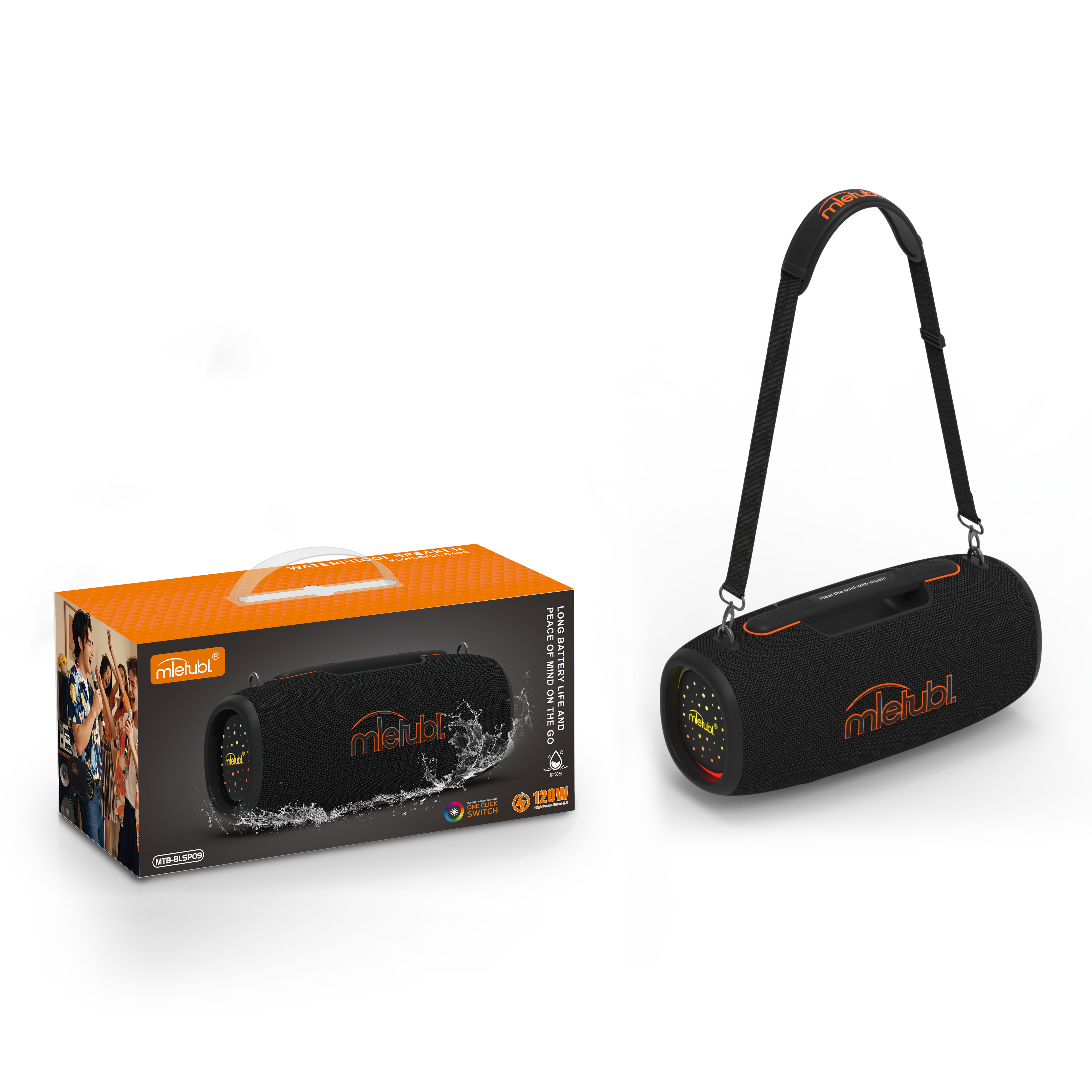
Maximizing Margins: How Scaling Order Quantity Drives Down Outdoor Speaker Unit Costs
Why Volume Scaling Reduces Outdoor Speaker Per-Unit Costs
Increasing your purchasing volume beyond the standard minimum order quantity (MOQ) of 1,000 units is one of the most effective ways to lower individual unit costs when sourcing consumer electronics. By scaling production runs, manufacturing facilities optimize raw material procurement, streamline automated SMT line throughput, and reduce machine setup overhead. Spreading fixed setup costs, quality inspections under GB/T2828.1 protocols, and export logistics across larger order volumes directly translates into lower unit pricing for buyers.
Key Factors Driving Volume Savings
- Bulk Component Sourcing: Ordering in larger batches significantly reduces component costs for high-spec parts, including 6000mAh battery packs (2000mAh*3), dynamic RGB lighting modules, and high-output 40W dual-speaker sound drivers.
- Continuous SMT Line Efficiency: Sustained manufacturing runs across automated assembly lines minimize downtime caused by frequent equipment reset and line recalibration.
- Optimized Logistics & Freight: Scaling up enables a transition from Air Freight or LCL (Less than Container Load) to FCL (Full Container Load) Sea Freight, cutting overall landed costs for distributors across North America, Latin America, Southeast Asia, and the Middle East.
- Enhanced Profit Margins: The resulting production savings allow distributors to improve profit margins when supplying retail markets for poolside entertainment, outdoor fitness centers, and open-air promotional events.
Technical Architecture & Manufacturing Dynamics
The unit price dynamics of specialized audio hardware, such as the Waterproof Outdoor Speaker MTB-BLSP10, are tied directly to batch manufacturing scales. Engineered with high-performance hardware—including Wireless V5.4 technology, a 30-18KHZ frequency response curve, dual-channel stereo output, IPX6 water resistance, and an abyss mirror diaphragm—producing this speaker requires precise die-cutting, automated assembly, and CNC machining.
When orders remain at the baseline MOQ of 1,000 units, fixed overhead costs—such as machine line setup, initial batch testing, and quality control sampling according to GB/T2828.1 standards—must be absorbed across a smaller quantity of finished goods. Increasing order volume distributes these fixed operational expenses over more units, driving down the unit cost per speaker.
Operating within a 10,000-square-meter facility equipped with modern automatic die-cutting systems and automated SMT lines, production efficiency reaches peak output during extended runs. High-volume production reduces scrap rates while maximizing raw material utilization for driver coils, speaker enclosures, and internal power management circuitry. Certified compliance with RED (Certificate HX240417001RED-MTB), CE, FCC, and ROHS specifications ensures that high-volume orders consistently meet stringent quality controls without raising defect rates.
Order Quantity & Pricing Tier Breakdown
| Order Quantity Tier | Production & Inspection Efficiency | Logistics Realignment | Relative Unit Price Impact |
|---|---|---|---|
| Standard MOQ (1,000 Units) | Baseline machine configuration; GB/T2828.1 sampling applied across standard batch sizes. | Transported via Air Freight or LCL Sea Freight; higher per-unit freight share. | Standard Baseline Price |
| Mid-Volume Tier (3,000–5,000 Units) | Lower line changeover ratio; continuous SMT assembly reduces labor allocation per unit. | Consolidated container space; lower handling and documentation overhead per unit. | Moderate Unit Price Reduction |
| High-Volume Tier (10,000+ Units) | Maximum bulk discount on 6000mAh batteries and 40W drivers; zero line reset downtime. | Full Container Load (FCL) Sea Freight; lowest transit and customs clearance cost per unit. | Maximum Unit Price Reduction |
Frequently Asked Questions
Q: Does increasing my order quantity impact the standard 30-day delivery time?
A: Standard 30-day lead times are maintained for baseline and mid-volume orders thanks to a total monthly production capacity of 2.5 million units. For massive volume orders, shipments can be staggered in rolling schedules to ensure continuous supply without delaying initial deliveries.
Q: Is quality compromised when unit pricing drops at higher order volumes?
A: Not at all. Every order tier undergoes strict quality control inspections following GB/T2828.1 standards. High-tier features like IPX6 waterproofing and 40W stereo performance remain fully backed by a One-Year Warranty.
Q: Which shipping method offers the best cost efficiency for large speaker orders?
A: Sea Freight utilizing Full Container Loading (FCL) provides the lowest per-unit shipping cost for large-volume orders. For urgent or smaller shipments, Air Freight or Land Transport offer faster delivery at higher per-unit freight rates.
Conclusion & Buyer Recommendations
Scaling up order quantities for the MTB-BLSP10 Outdoor Speaker unlocks operational cost efficiencies, bulk raw material discounts, and optimized per-unit shipping fees across global markets, including North America, Latin America, Southeast Asia, and the Middle East. Wholesale partners can maximize profit margins by ordering beyond initial MOQs, paying via standard Corporate Bank Wire Transfers, and choosing FCL Sea Freight for volume shipments. Every product includes a One-Year Warranty and GB/T2828.1 quality assurance. For detailed technical inquiries or wholesale quotes, contact us at Marketing@mietubl.com.
About the Manufacturer
MIETUBL GLOBAL SUPPLY CHAIN(GUANGZHOU) CO.,LTD is a leading brand in mobile phone accessories headquartered in Guangzhou. Founded in 1998, the company operates a 10,000-square-meter industrial facility staffed by 150 employees with a monthly output capacity of 2.5 million units. Fully certified under RED, CE, FCC, and ROHS, and recognized as a High-tech Enterprise (HTE) and Gold Plus Supplier, the company serves international markets worldwide, including Brazil and the Philippines.
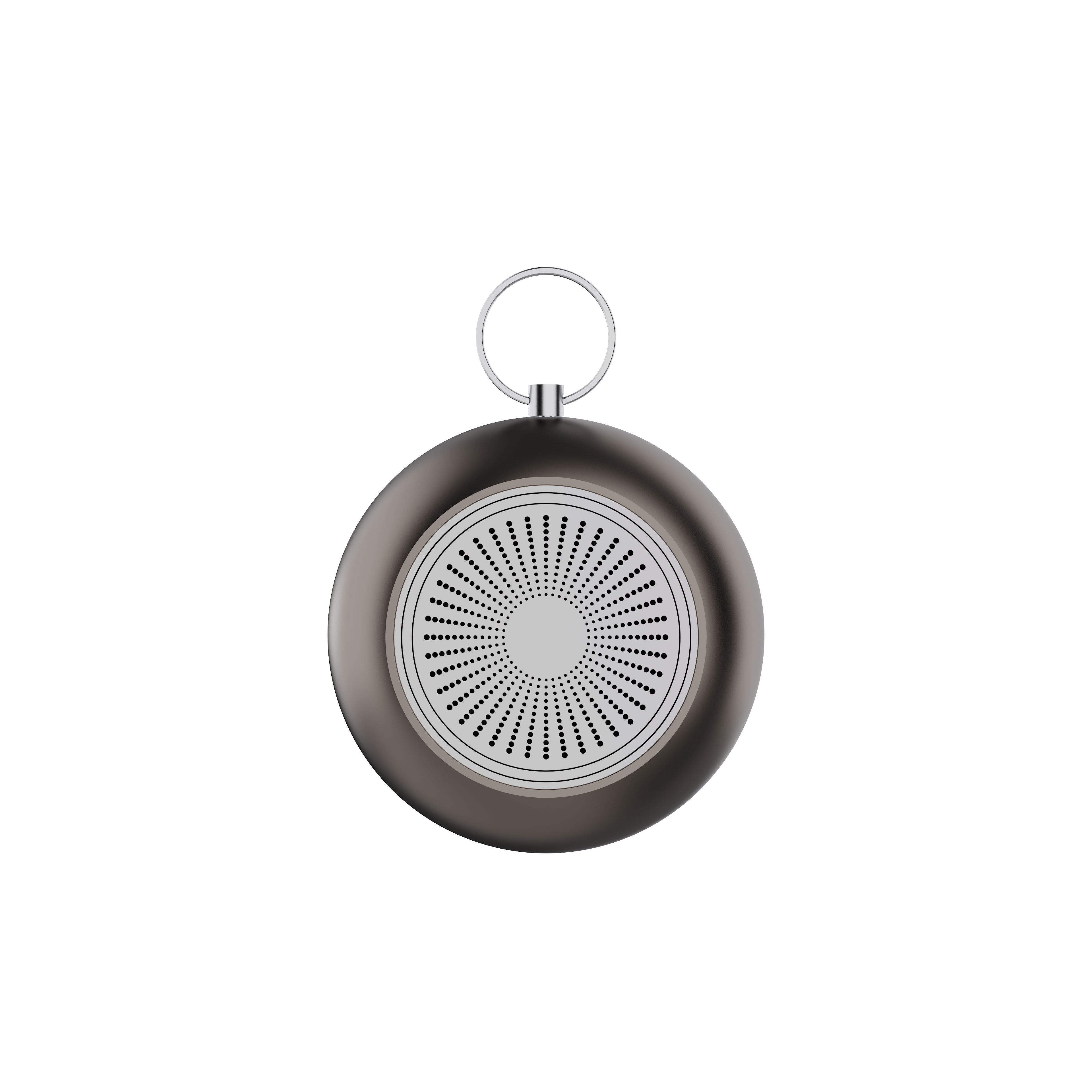
A Complete Guide to Verifying Wireless Compliance for Outdoor Bluetooth Speakers
Ensuring outdoor Bluetooth speakers adhere to global wireless standards is critical for international trade, regulatory legality, and optimal product performance. Buyers and distributors can confirm compliance by auditing radio frequency test reports, reviewing manufacturer certification files, and verifying regional authorization labels on the physical hardware.
Essential Takeaways for Wireless Compliance
- Confirm official radio spectrum approvals, specifically FCC certification for North American markets and RED (Radio Equipment Directive) standards for European regions.
- Ensure hardware operates on legal ISM frequency bands using modern standards like Bluetooth Version 6.0 for efficient spectrum management.
- Match environmental ingress protection ratings, such as IPX6 waterproofing, with intended outdoor environments like poolside gatherings, camping trips, and backyard parties.
- Validate factory quality control procedures, such as GB/T2828.1 sampling protocols, prior to international shipment.
Understanding Standards: Radio Frequency, EMC, and Hardware Engineering
Deploying audio devices globally mandates strict adherence to regional radio frequency directives. Within the EU, short-range wireless speakers must achieve RED certification (e.g., certificate HX240417001RED-MTB) to prevent electromagnetic interference across public frequencies. Likewise, distribution in North America requires verified FCC authorization (such as registration 2A4DW-M188) covering RF emissions and exposure limits.
Complementing RF requirements are Electrical Safety (LVD certification HX2301130045L-MTB) and Electromagnetic Compatibility (EMC certification HX2301130045E-MTB). High-performance hardware—such as devices built with Bluetooth 6.0 technology offering a 90dB signal-to-noise ratio, 120Hz–20KHz frequency range, and under 1% distortion—must maintain uniform RF transmission power over operating ranges of 10 meters or more.
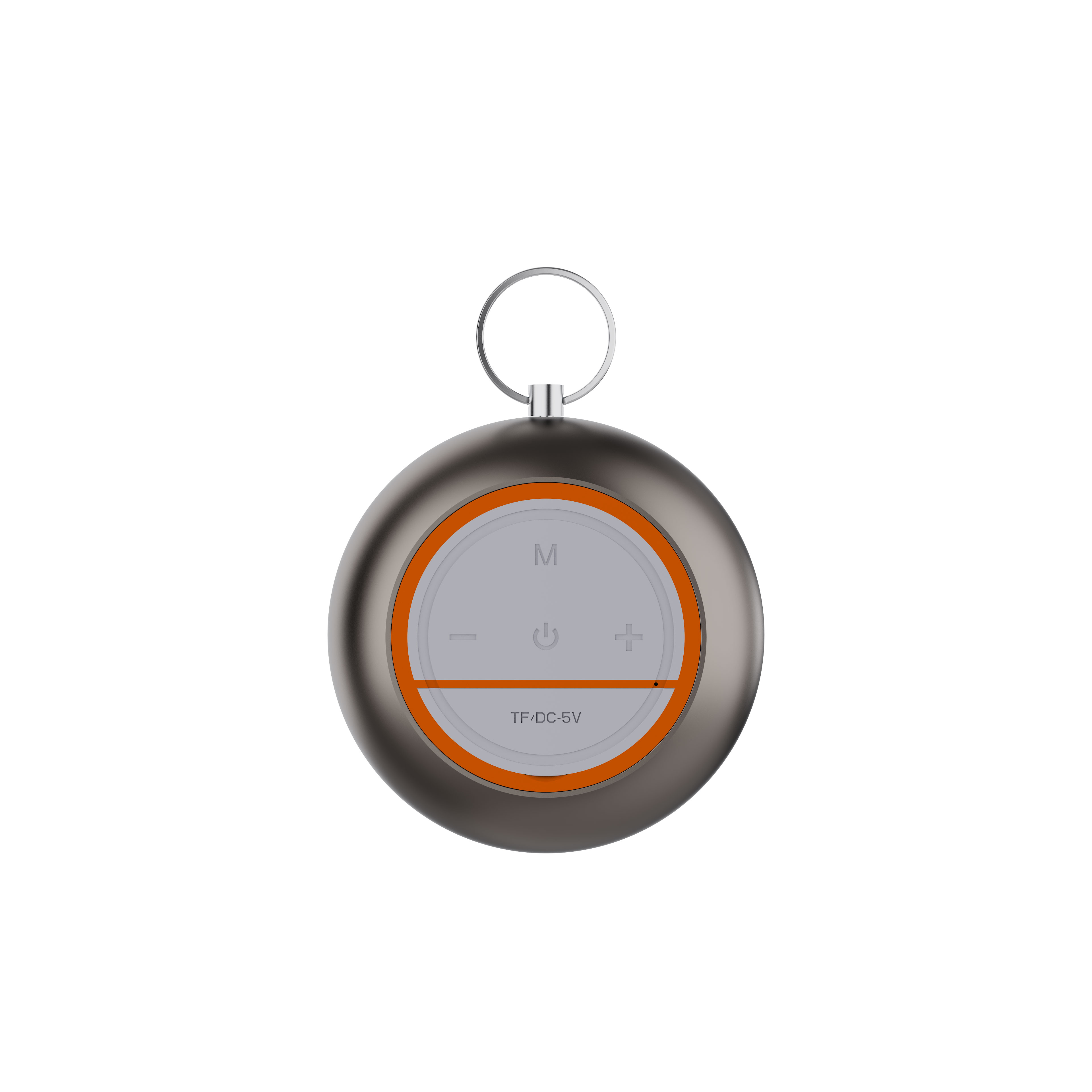
In demanding environments like outdoor fitness activities or street live performances, mechanical protection must complement internal electronics. Models such as the Portable handheld Bluetooth Outdoor Speaker MTB-BLSP12 incorporate an 1100mAh battery providing 5 to 6 hours of operation (with a 3 to 4 hour charge time) enclosed in an IPX6 waterproof chassis. This design shields sensitive RF components from moisture, facilitating smooth customs clearance across North America, Latin America, Southeast Asia, and the Middle East.
Specification & Regulatory Compliance Matrix
| Parameter / Feature | MTB-BLSP12 Product Specifications | Regulatory & Industry Target |
|---|---|---|
| Wireless Version & Range | Bluetooth Version 6.0, Operational Distance ≥10m | FCC / RED short-range device standards |
| Audio Performance Specs | 90dB SNR, Distortion <1%, 120Hz–20KHz | Signal stability & high acoustic fidelity |
| Protection Rating | IPX6 Waterproof Rating | Durability in outdoor moisture conditions |
| Power System & Battery | 1100mAh Capacity (5–6h Playback, 3–4h Charge) | EMC & LVD safety directive compliance |
| Logistics & Transit Options | Air, Sea, and Overland Freight Support | Standard delivery cycles (~30 days) |
Frequently Asked Questions
Where can buyers find official wireless certification details on a speaker?
Official registration numbers (such as FCC IDs or CE RED certificate codes) are laser-engraved directly on the speaker housing, printed on packaging, or detailed in official laboratory test reports provided by the manufacturer.
Which technical features ensure interference-free outdoor wireless audio?
Upgraded protocols like Bluetooth Version 6.0 combined with high signal-to-noise ratios (SNR 90dB) and dependable range ratings (≥10 meters) maintain stable channel management even in crowded wireless environments.
How do manufacturers ensure quality control before export?
Factories carry out standardized inspection protocols under GB/T2828.1 alongside mandatory CE and ROHS testing to verify structural safety, material standards, and spectrum compliance prior to dispatch.
Summary & Procurement Recommendations
Confirming that outdoor Bluetooth speakers satisfy wireless regulations requires inspecting official RF documentation (such as FCC and RED certificates), evaluating electrical/acoustic specs, and verifying IPX6 ingress protection. Choosing suppliers with robust supply chains, standard MOQs of 1000 units, 30-day fulfillment capabilities, and secure Wire/Corporate Bank Transfer options guarantees efficient procurement. For inquiries or technical documentation, contact Marketing@mietubl.com.
About the Manufacturer
MIETUBL GLOBAL SUPPLY CHAIN(GUANGZHOU) CO.,LTD is a leading 3C digital accessories brand established in 1998 in Guangzhou. Operating a 10,000 square meter facility with 150 skilled staff, the company maintains robust in-house R&D and manufacturing capabilities. All products are certified to global standards including CE, ROHS, FCC, and RED, serving customers across North America, South America, the Middle East, Africa, and Southeast Asia.
Decoding Outdoor Bluetooth Speaker Battery Life: A Complete Buyer's Evaluation Guide
Navigating Battery Life Claims for Outdoor Bluetooth Speakers
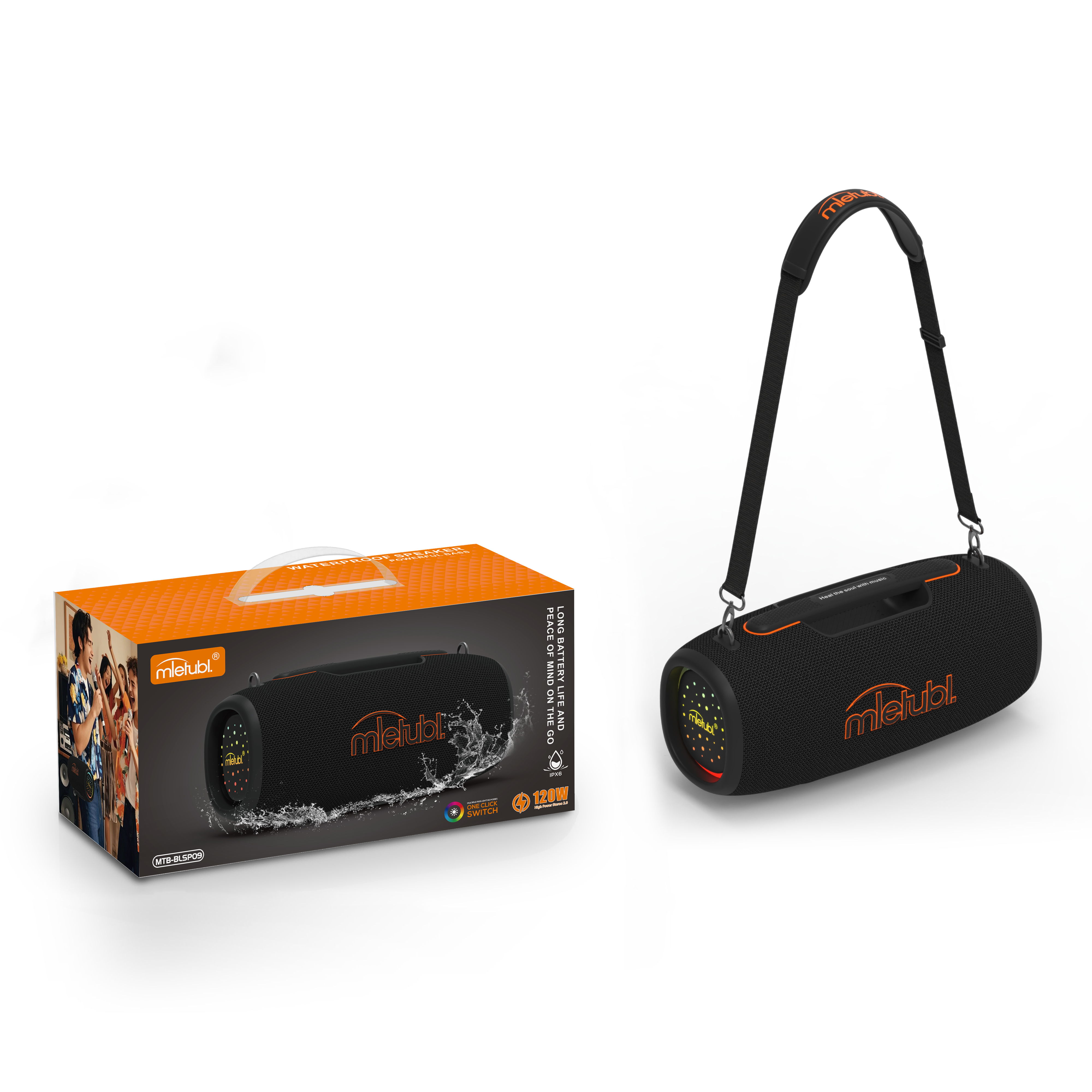
When shopping for portable sound systems designed for open-air environments, understanding manufacturer battery claims can be confusing. Published playback figures often rely on ideal indoor test conditions—typically set at 50% volume with power-draining features like dynamic RGB lighting turned off. To determine how a speaker will perform during outdoor workouts, beach trips, or backyard gatherings, buyers must look beyond simple hour estimates and analyze technical specifications like battery capacity (mAh), output wattage (W), power management systems, and charging protocols.
Essential Criteria for Assessing Battery Performance
- Total Cell Capacity vs. Advertised Hours: Examine raw milliampere-hour rating and cell configuration (such as eight 2,600mAh cells providing 20,800mAh in total) rather than relying solely on single-number hour claims.
- Wattage Rating vs. Energy Consumption: High-powered units operating at up to 120W peak power draw significantly higher current at high volume than standard low-wattage personal speakers.
- Real-World Operating Conditions: Loud ambient background noise in outdoor settings like garden parties or street performances requires higher volume levels, accelerating energy consumption.
- Fast-Charging Capabilities: Prioritize protocols such as PD2.0 and QC2.0 (supporting up to 60W input) to ensure quick recharge times between outdoor adventures.
Technical Architecture & Power Distribution Dynamics
Standard playback metrics are frequently established under controlled laboratory environments. However, pushing a high-output 120W stereo system featuring four sound drivers across dual audio channels at peak Sound Pressure Level (SPL) outdoors demands far higher energy. To maintain constant voltage and prevent distortion during high-gain amplification, advanced speakers use multi-cell battery packs.
In addition to cell count, internal component quality and regulatory compliance play a critical role. Radiated power efficiency and battery regulation compliance certified under RED standards (such as certificate HX240417001RED-MTB for wireless Bluetooth audio gear) confirm that energy is utilized efficiently and safely.
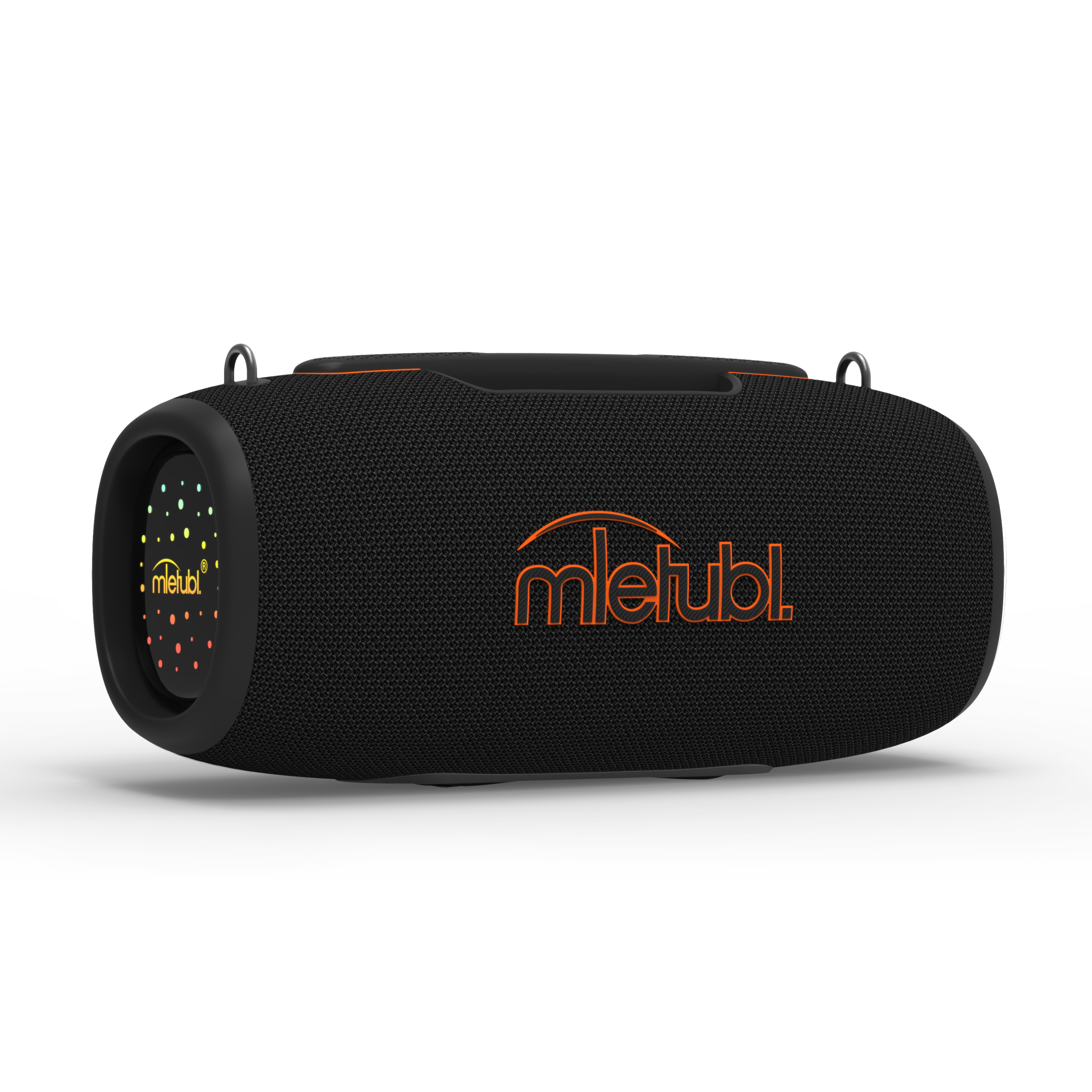
Furthermore, precision Surface Mount Technology (SMT) assembly lines and rigorous battery management system (BMS) calibration prevent premature thermal throttling, safeguarding long-term battery cell health under heavy load.
Specification Comparison: Standard vs. High-Output Outdoor Audio
| Feature Metric | Standard Portable Audio | High-Output Speaker (MTB-BLSP09) | Impact on Battery Performance |
|---|---|---|---|
| Rated Power Output | 15W - 30W | 120W (Stereo Dual Channels) | Greater wattage output provides higher volume but drains power faster under peak load. |
| Battery Capacity | 4,000mAh - 6,600mAh | 20,800mAh (2600mAh * 8) | Larger capacity supports high-amp playback for longer continuous sessions. |
| Playtime Performance | 10 - 12 Hours (50% Vol) | 6 - 8 Hours (High Output) | Actual battery life depends directly on volume levels and driver wattage. |
| Charging Protocol | Standard 5V/1A or 5V/2A | PD2.0 / QC2.0 Fast Charge (Up to 60W) | Fast charging significantly cuts down recharge time for large capacity batteries. |
| Ingress Protection | IPX4 / IPX5 | IPX6 Water Resistance | Protects internal circuitry and battery compartment from harsh outdoor conditions. |
Frequently Asked Questions
Why does real-world battery life often differ from advertised runtime?
Manufacturers test battery life at around 50% volume in ambient temperatures with extra features like RGB lighting turned off. Playing music at max volume, blasting heavy bass, or operating dynamic light modes drastically increases power draw.
How does battery capacity (mAh) correlate with speaker wattage (W)?
Milliampere-hours (mAh) reflect total stored power, while output wattage (W) measures the rate of energy consumption. High-wattage speakers like 120W models require substantial battery capacities (e.g., 20,800mAh) to deliver sustained playtime comparable to low-wattage units.
What fast-charging features should buyers look for?
Look for PD2.0 (supporting 5V/9V/12V/15V/20V) or QC2.0 fast charging standards. Without fast charging, large 20,800mAh battery packs can take up to 8–10 hours to fully charge, whereas 60W input capacity dramatically speeds up the process.
Final Buyer Recommendations
To accurately evaluate outdoor Bluetooth speaker claims, cross-reference advertised hours against total mAh capacity, amplifier wattage, and quick-charging compatibility. Selecting products verified by strict quality inspection standards like GB/T2828.1 guarantees power supply stability and long-term durability. For professional technical inquiries or product consultations, feel free to contact Marketing@mietubl.com.
About Mietubl
MIETUBL GLOBAL SUPPLY CHAIN(GUANGZHOU) CO.,LTD is a prominent developer of mobile accessories based in Guangzhou. Founded in 1998, the company operates a sprawling 10,000-square-meter facility with over 150 employees and a dedicated R&D team of 30+ engineers. Producing 2.5 million units monthly and backed by CE, ROHS, and RED international certifications, Mietubl supplies premium audio and tech accessories across 120 countries worldwide.
REPORT