







-
 Agriculture
-
 Health-Care
-
 Environment
-
 Construction-Real-Estate
-
 Tools-Hardware
-
 Home-Garden
-
 Furniture
-
 Luggage-Bags-Cases
-
 Medical-devices-Supplies
-
 Gifts-Crafts
-
 Sports-Entertainment
-
 Food-Beverage
-
 Vehicles-Transportation
-
 Power-Transmission
-
 Material-Handling
-
 Renewable-Energy
-
 Safety
-
 Testing-Instrument-Equipment
-
 Construction-Building-Machinery
-
 Pet-Supplies
-
 Personal-Care-Household-Cleaning
-
 Vehicle-Accessories-Electronics-Tools
-
 School-Office-Supplies
-
 Packaging-Printing
-
 Mother-Kids-Toys
-
 Business-Services
-
 Commercial-Equipment-Machinery
-
 Apparel-Accessories
-
 Security
-
 Shoes-Accessories
-
 Vehicle-Parts-Accessories
-
 Jewelry-Eyewear-Watches-Accessories
-
 Lights-Lighting
-
 Fabric-Textile-Raw-Material
-
 Fabrication-Services
-
 Industrial-Machinery
-
 Consumer-Electronics
-
 Electrical-Equipment-Supplies
-
 Electronic-Components-Accessories-Telecommunications
-
 Home-Appliances
-
 Beauty
-
 Chemicals
-
 Rubber-Plastics
-
 Metals-Alloys


























































































































































































































































































































































































































































































































































































- Masonry Materials
- Curtain Walls & Accessories
- Earthwork Products
- Fireproofing Materials
- Heat Insulation Materials
- Plastic Building Materials
- Building Boards
- Soundproofing Materials
- Timber
- Waterproofing Materials
- Balustrades & Handrails
- Bathroom & Kitchen
- Flooring & Accessories
- Tiles & Accessories
- Door, Window & Accessories
- Fireplaces & Stoves
- Floor Heating Systems & Parts
- Stairs & Stair Parts
- Ceilings
- Elevators & Escalators
- Stone
- Countertops, Vanity Tops & Table Tops
- Mosaics
- Metal Building Materials
- Multifunctional Materials
- Ladders & Scaffoldings
- Mouldings
- Corner Guards
- Decorative Films
- Formwork
- Building & Industrial Glass
- Other Construction & Real Estate
- Wallpapers/Wall panels
- HVAC System & Parts
- Outdoor Facilities
- Prefabricated Buildings
- Festive & Party Supplies
- Bathroom Products
- Household Sundries
- Rain Gear
- Garden Supplies
- Household Cleaning Tools & Accessories
- Lighters & Smoking Accessories
- Home Storage & Organization
- Household Scales
- Smart Home Improvement
- Home Textiles
- Kitchenware
- Drinkware & Accessories
- Dinnerware, Coffee & Wine
- Home Decor
- Golf
- Fitness & Body Building
- Amusement Park Facilities
- Billiards, Board Game,Coin Operated Games
- Musical Instruments
- Outdoor Affordable Luxury Sports
- Camping & Hiking
- Fishing
- Sports Safety&Rehabilitation
- Ball Sports Equipments
- Water Sports
- Winter Sports
- Luxury Travel Equipments
- Sports Shoes, Bags & Accessories
- Cycling
- Other Sports & Entertainment Products
- Artificial Grass&Sports Flooring&Sports Court Equipment
- Scooters
- Food Ingredients
- Honey & Honey Products
- Snacks
- Nuts & Kernels
- Seafood
- Plant & Animal Oil
- Beverages
- Fruit & Vegetable Products
- Frog & Escargot
- Bean Products
- Egg Products
- Dairy Products
- Seasonings & Condiments
- Canned Food
- Instant Food
- Baked Goods
- Other Food & Beverage
- Meat & Poultry
- Confectionery
- Grain Products
- Feminie Care
- Hair Care & Styling
- Body Care
- Hands & Feet Care
- Hygiene Products
- Men's Grooming
- Laundry Cleaning Supplies
- Travel Size & Gift Sets
- Room Deodorizers
- Other Personal Care Products
- Pest Control Products
- Special Household Cleaning
- Floor Cleaning
- Kitchen & Bathroom Cleaning
- Oral Care
- Bath Supplies
- Yellow Pages
- Correction Supplies
- Office Binding Supplies
- Office Cutting Supplies
- Board Erasers
- Office Adhesives & Tapes
- Education Supplies
- Pencil Cases & Bags
- Notebooks & Writing Pads
- File Folder Accessories
- Calendars
- Writing Accessories
- Commercial Office Supplies
- Pencil Sharpeners
- Pens
- Letter Pad/Paper
- Paper Envelopes
- Desk Organizers
- Pencils
- Markers & Highlighters
- Filing Products
- Art Supplies
- Easels
- Badge Holder & Accessories
- Office Paper
- Printer Supplies
- Book Covers
- Other Office & School Supplies
- Stationery Set
- Boards
- Clipboards
- Stamps
- Drafting Supplies
- Stencils
- Electronic Dictionary
- Books
- Map
- Magazines
- Calculators
- Baby & Toddler Toys
- Educational Toys
- Classic Toys
- Dress Up & Pretend Play
- Toy Vehicle
- Stuffed Animals & Plush Toys
- Outdoor Toys & Structures
- Balloons & Accessories
- Baby Food
- Children's Clothing
- Baby Supplies & Products
- Maternity Clothes
- Kids Shoes
- Baby Care
- Novelty & Gag Toys
- Dolls & Accessories
- Puzzle & Games
- Blocks & Model Building Toys
- Toddler Clothing
- Baby Clothing
- Kids' Luggage & Bags
- Arts, Crafts & DIY Toys
- Action & Toy Figures
- Baby Appliances
- Hobbies & Models
- Remote Control Toys
- Promotional Toys
- Pregnancy & Maternity
- Hygiene Products
- Kid's Textile&Bedding
- Novelty & Special Use
- Toy Weapons
- Baby Gifts
- Baby Storage & Organization
- Auto Drive Systems
- ATV/UTV Parts & Accessories
- Marine Parts & Accessories
- Other Auto Parts
- Trailer Parts & Accessories
- Auto Transmission Systems
- Train Parts & Accessories
- Universal Parts
- Railway Parts & Accessories
- Auto Brake Systems
- Aviation Parts & Accessories
- Truck Parts & Accessories
- Auto Suspension Systems
- Auto Lighting Systems
- New Energy Vehicle Parts & Accessories
- Auto Steering Systems
- Wheels, Tires & Accessories
- Bus Parts & Accessories
- Auto Performance Parts
- Cooling System
- Go-Kart & Kart Racer Parts & Accessories
- Air Conditioning Systems
- Heavy Duty Vehicle Parts & Accessories
- Auto Electrical Systems
- Auto Body Systems
- Auto Engine Systems
- Container Parts & Accessories
- Motorcycle Parts & Accessories
- Refrigeration & Heat Exchange Equipment
- Machine Tool Equipment
- Food & Beverage Machinery
- Agricultural Machinery & Equipment
- Apparel & Textile Machinery
- Chemical Machinery
- Packaging Machines
- Paper Production Machinery
- Plastic & Rubber Processing Machinery
- Industrial Robots
- Electronic Products Machinery
- Metal & Metallurgy Machinery
- Woodworking Machinery
- Home Product Manufacturing Machinery
- Machinery Accessories
- Environmental Machinery
- Machinery Service
- Electrical Equipment Manufacturing Machinery
- Industrial Compressors & Parts
- Tobacco & Cigarette Machinery
- Production Line
- Used Industrial Machinery
- Electronics Production Machinery
- Other Machinery & Industrial Equipment
- Camera, Photo & Accessories
- Portable Audio, Video & Accessories
- Television, Home Audio, Video & Accessories
- Video Games & Accessories
- Mobile Phone & Accessories
- Electronic Publications
- Earphone & Headphone & Accessories
- Speakers & Accessories
- Smart Electronics
- TV Receivers & Accessories
- Mobile Phone & Computer Repair Parts
- Chargers, Batteries & Power Supplies
- Used Electronics
- VR, AR, MR Hardware & Software
- Projectors & Presentation Equipments
- Other Consumer Electronics
- Cables & Commonly Used Accessories
- Computer Hardware & Software
- Displays, Signage and Optoelectronics
- Discrete Semiconductors
- Wireless & IoT Module and Products
- Telecommunications
- Connectors, Terminals & Accessories
- Development Boards, Electronic Modules and Kits
- Circuit Protection
- Sensors
- Isolators
- Audio Components and Products
- Integrated Circuits
- Power Supplies
- Relays
- RF, Microwave and RFID
- Electronic Accessories & Supplies
- Passive Components
- PCB & PCBA
- Air Quality Appliances
- Home Appliance Parts
- Heating & Cooling Appliances
- Small Kitchen Appliances
- Laundry Appliances
- Water Heaters
- Water Treatment Appliances
- Refrigerators & Freezers
- Personal Care & Beauty Appliances
- Major Kitchen Appliances
- Cleaning Appliances
- Second-hand Appliances
- Smart Home Appliances
- Other Home Appliances
- Energy Chemicals
- Inorganic Chemicals
- Basic Organic Chemicals
- Agrochemicals
- Admixture & Additives
- Catalysts & Chemical Auxiliary Agents
- Pigments & Dyestuff
- Coating & Paint
- Daily Chemicals
- Polymer
- Organic Intermediate
- Adhesives & Sealants
- Chemical Waste
- Biological Chemical Products
- Surface Treatment Chemicals
- Painting & Coating
- Chemical Reagents
- Flavor & Fragrance
- Non-Explosive Demolition Agents
- Other Chemicals
- Custom Chemical Services

Other Service Equipment
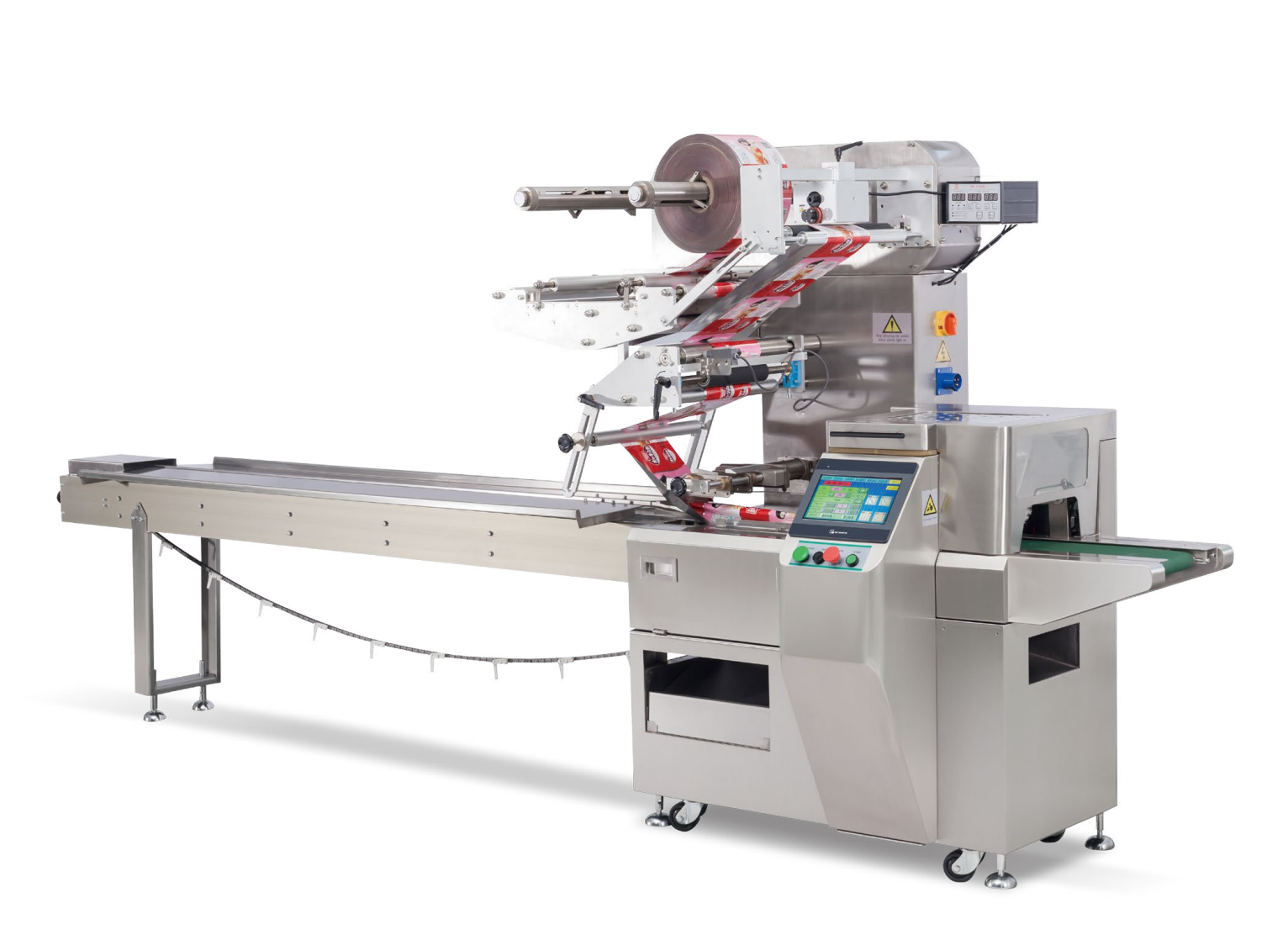
Safeguarding Your Capital: A Guide to Risk-Free Procurement of Wafer Packaging Systems
Investing in automated industrial packaging machinery represents a major financial commitment. To protect your capital against commercial fraud or technical non-compliance when acquiring a wafer packaging line, buyers must implement rigid risk mitigation strategies. From strict payment structures to rigorous independent quality inspections, establishing transparent procurement protocols ensures equipment legitimacy and operational performance.
Establishing Vendor Legitimacy & Technical Credentials
The foundation of a secure transaction is thoroughly authenticating the manufacturer's operational capabilities and legal standing. Procurement teams should verify that the prospective vendor is a genuine Original Equipment Manufacturer (OEM) possessing complete line integration capabilities—ranging from automatic feeding systems to horizontal form-fill-seal (HFFS) flow wrappers.
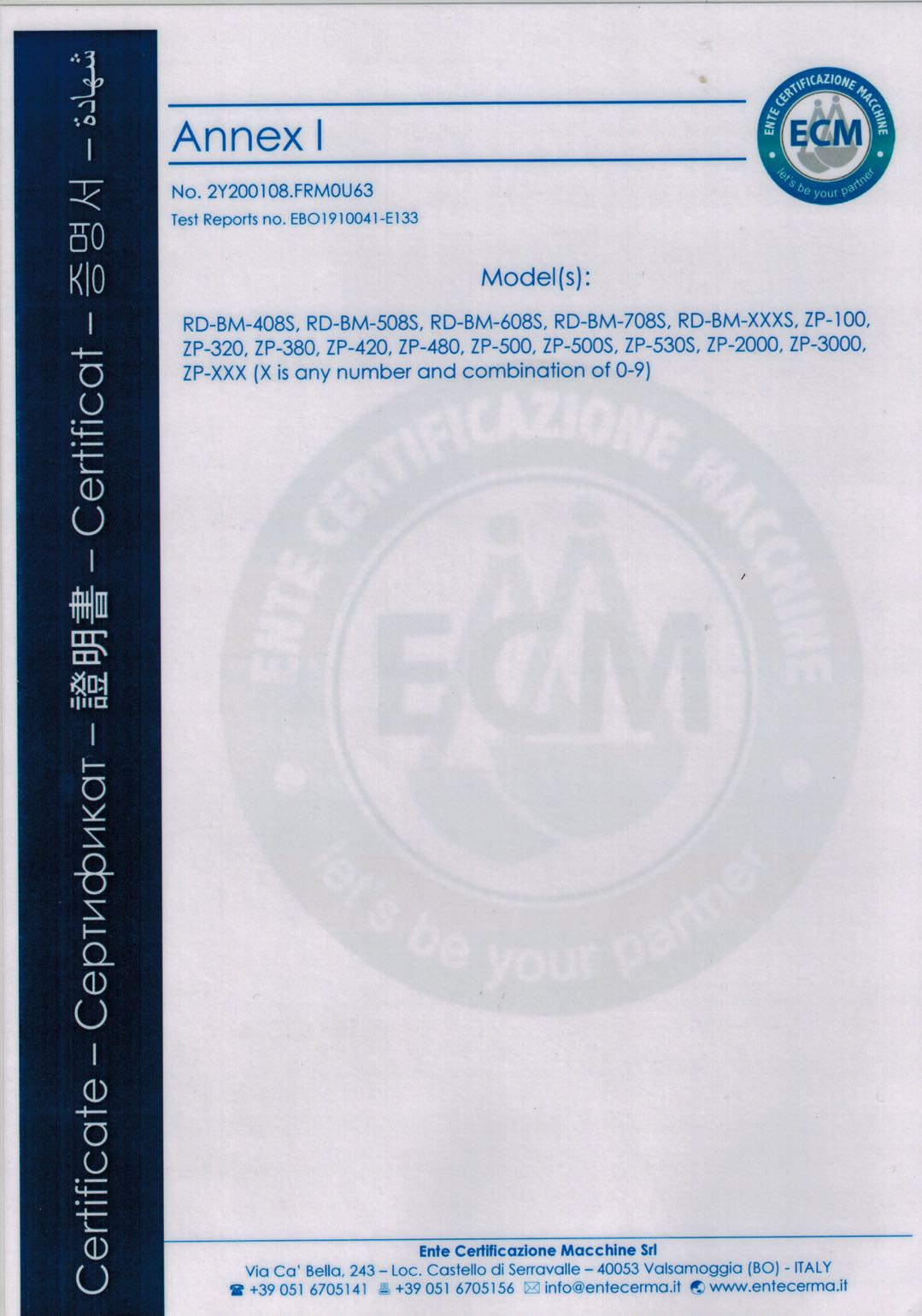
Key markers of a reputable supplier include verified international standards such as CE certification (specifically Certificate M.2024.206.C107511) covering automated wrapping machinery and robotic lines. Furthermore, evaluating real-world operational deployments—such as Foshan Ruipuhua Machinery Equipment Co. Ltd supplying 27 packaging line sets for Orion bakery operations across China, Vietnam, and Korea—offers concrete evidence of technical stability and enterprise integrity.
Key Fraud Prevention Strategies
- Milestone-Based Financial Terms: Secure purchases using a standard 30% upfront deposit, tying the remaining 70% balance strictly to successful pre-shipment quality verification via TT or Letter of Credit (LC).
- Third-Party Quality Verification: Appoint independent testing agencies to audit cutter alignment, continuous motion, and fin seal tightness prior to dispatch authorization.
- Factory Acceptance Testing (FAT): Require live trial runs utilizing actual product samples to demonstrate throughput capabilities spanning 30 to 1,000 packages per minute.
- Technical Specification Audits: Validate baseline build parameters including food-grade AISI 304 stainless steel construction, 3-servo or 4-servo axis architectures, and PLC control units.
Rigorous Pre-Shipment Inspection & FAT Performance
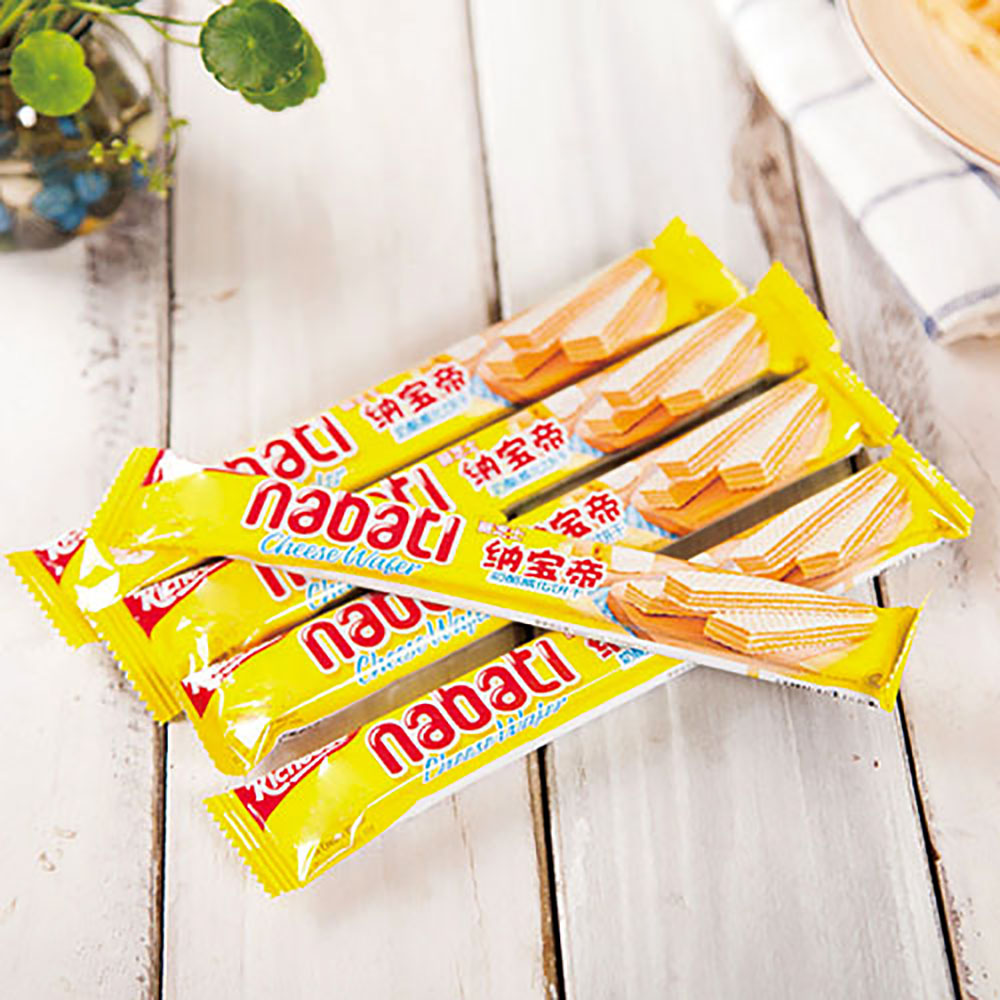
Tying final payment releases to engineering validation minimizes financial vulnerability. Prior to final dispatch approval, the equipment must demonstrate precise mechanical accuracy during Factory Acceptance Testing. In high-speed wafer biscuit applications, critical parameters include film width adaptability (90 mm to 900 mm), photoelectric sensor registration within ±1 mm, and flawless longitudinal and cross-end seals at operational speeds reaching 250 to 350+ packs/min.
Independent inspectors must also review electrical emergency stop circuits, total installed power draw (3–12 kW), and pneumatic operating pressures (5–6 bar) to confirm physical build quality before container loading.
Risk Management Across Automation Tiers
The matrix below outlines standard transaction protocols and technical verification checkpoints across different automation levels:
| Parameter / Stage | Semi-Automatic Wafer Line | Fully Automatic High-Speed Servo Line | Risk Mitigation Protocol |
|---|---|---|---|
| Payment Structure | 30% deposit / 70% pre-shipment balance | 30% deposit / 70% balance via TT or LC | Contractually bind final 70% payment to successful FAT approval. |
| Packaging Speed | 30 – 90 packs/min | 100 – 1,000 packs/min (line capacity) | Run actual product samples to verify output rates before release. |
| Quality Inspection | Manual visual & dimensional check | Third-party testing company inspection | Require an official inspection report verifying seal integrity. |
| Lead Time & MOQ | 20 working days (MOQ 1 set) | 20 working days (MOQ 1 set) | Confirm baseline production schedule and component inventory upfront. |
| Logistics & Freight | Sea LCL / Truck Freight | Sea FCL / Rail / Multimodal Freight | Specify rigid export wooden casing and lashing protocols in contract. |
Frequently Asked Questions
Which payment methods best protect buyers when purchasing packaging machinery?
A 30% advance deposit followed by a 70% balance release via Telegraphic Transfer (TT) or Letter of Credit (LC)—only after satisfactory pre-shipment quality verification—provides optimal risk protection.
How can purchasers confirm machinery performance prior to final settlement?
Buyers should conduct live video FAT runs or hire an independent inspection firm to test bag length forming (60–400 mm), sensor registration accuracy, rejection module functionality, and thermal sealing stability.
What credentials prove an equipment manufacturer's authenticity?
Authentic OEMs can present official CE certificates (e.g., Certificate M.2024.206.C107511), active business licenses, verifiable factory facilities, and documented client case histories.
Summary & Procurement Best Practices
Preventing transaction fraud when acquiring wafer packaging equipment depends on contractual discipline, rigorous technical verification, and selecting direct-factory partners. Ordering under standard terms—such as a 1-set minimum order quantity (MOQ) and a 20-working-day manufacturing timeframe—establishes predictable milestones. Furthermore, working with manufacturers backed by dedicated technical teams (5 overseas and 15 domestic service engineers) guarantees long-term post-installation support. For inquiries or custom line configurations, contact lotuspack@ruipuhua.com.
Company Overview
Established in 2005, Foshan Ruipuhua Machinery Equipment Co. Ltd operates a modern 50,000-square-meter manufacturing plant in Foshan, Guangdong, China. Supported by 300 skilled staff members and generating an annual output value of nearly 300 million RMB, the company exports 80% of its intelligent packaging solutions to over 100 countries worldwide. Holding CE certification (Certificate M.2024.206.C107511), the enterprise has delivered automated systems to top-tier global food brands, including a major 27-set packaging line deployment for Orion production centers.

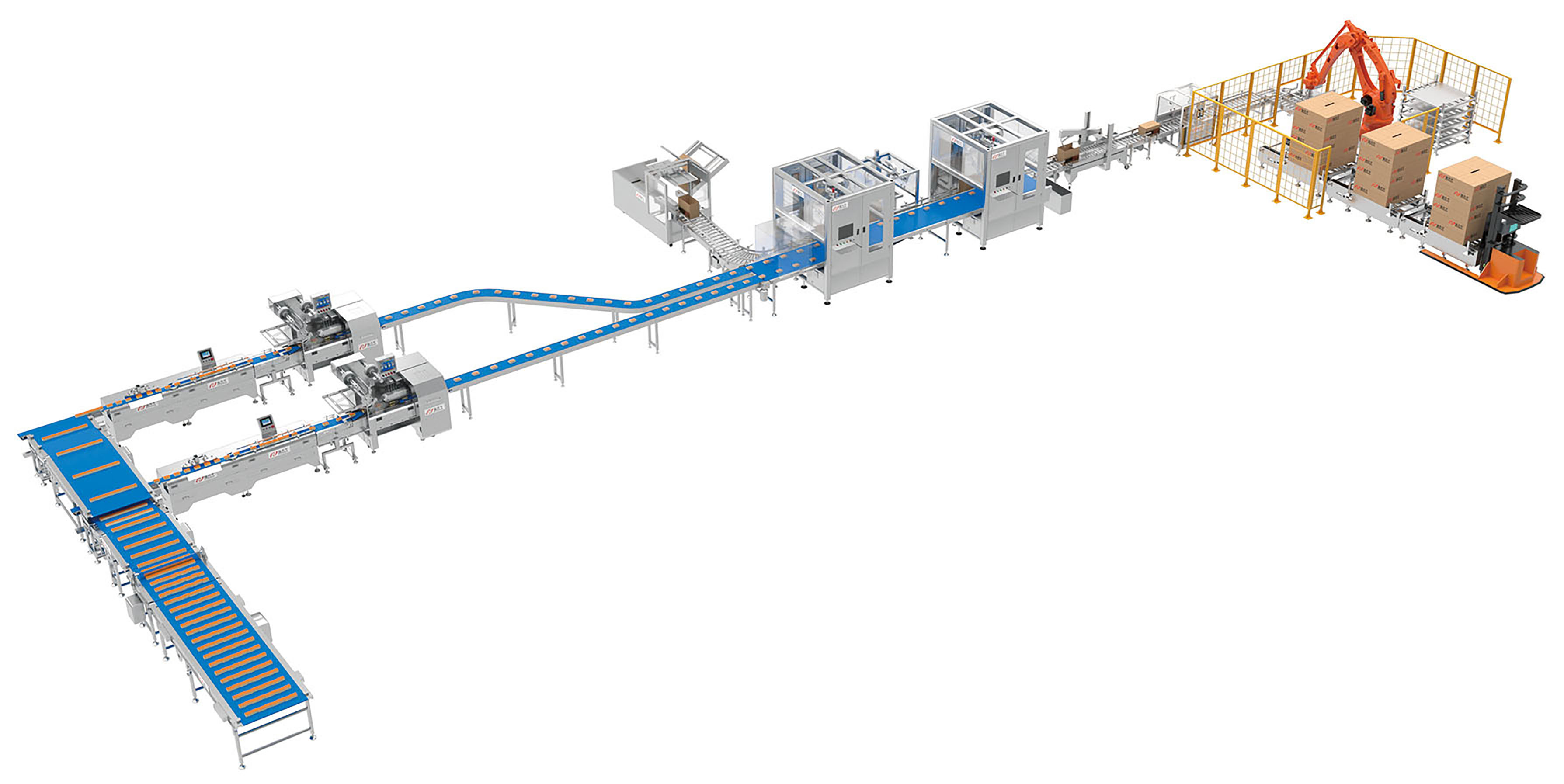
Timeline and Process for Testing an Automatic Wafer Packaging System
Understanding the Timeline for Wafer Automatic Packaging System Validation
Commissioning an automated wafer packaging line typically takes between 1 and 3 days for in-factory pre-shipment tests (FAT), followed by 3 to 7 days of site acceptance testing (SAT) at the buyer's production facility. For high-speed, fully integrated turnkey lines—encompassing auto-feeding, sandwich spreading, and end-of-line case packing—the complete evaluation period can span up to two weeks.
Key Stages of System Testing & Deployment
- Factory Acceptance Testing (FAT): 1 to 3 days at the production plant to evaluate PLC electrical controls, sealing temperature precision, and optical sensor tracking under operational speeds.
- Site Acceptance Testing (SAT): 3 to 7 days inside the client bakery, seamlessly connecting upstream cooling channels to automated flow wrappers.
- Turnkey Line Integration: 7 to 14 days for comprehensive end-to-end trials involving cartoning, case packing, and robotic palletizing systems.
- Delicate Handling Protection: Servo-assisted pushers and specialized low-friction conveyances prevent fracturing fragile wafer sheets and filled biscuits.
- Certified Operational Safety: Machinery tested to international quality standards holds CE certification (Certificate M.2024.206.C107511) to guarantee round-the-clock shift stability.
Detailed Commissioning & Operational Phase Breakdown
Evaluating automated packaging equipment for delicate food items requires a phased validation methodology. Wafers are uniquely sensitive to thermal shifts, humidity, and physical impact. Therefore, structured trial stages are crucial to eliminating bottlenecks prior to full-capacity production runs.
The evaluation starts at the machinery vendor's facility with dry runs and pre-delivery checks. Engineers fine-tune programmable logic controllers (PLCs), calibrate servo motor profiles, and align photoelectric sensors. While standalone flow wrapping machinery can be validated within 24 hours using dry runs, complete production configurations—such as wafer line setups, cream biscuit systems, or multi-lane flow wrappers—require up to 3 full days of FAT. Real product samples (500 to 2,000 units) are processed to confirm heat-sealing integrity, collating efficiency, and registration accuracy.

Upon delivery and positioning at the client factory, on-site commissioning begins. The packaging machinery connects to upstream processing units, such as baking ovens, cooling tunnels, or stackers. SAT evaluates real-world environmental factors, including film tension variations from ambient humidity, modified atmosphere packaging (MAP) gas flushing efficiency, and inline coding accuracy. Automatic rejection modules discard off-weight or misregistered packs, assuring zero-defect output downstream.
Field-proven success across major commercial installations—such as high-speed bakery setups for global brands like Orion in Vietnam, Korea, and China—demonstrates that rigorous trial protocols deliver operational efficiencies exceeding 99%. Machinery compliant with CE standards undergoes emergency stop and safety circuit testing to protect operators during continuous high-speed runs.
Data & Solution Comparison
The timeline and operational requirements vary according to line complexity and testing goals. Below is a structured summary of the testing phases:
| Evaluation Stage | Typical Duration | Primary Testing Objective | Product Sample Requirement | Operator Involvement |
|---|---|---|---|---|
| Factory Acceptance Testing (FAT) | 1 – 3 Days | Verify mechanical motion, film feeding, and PLC electrical controls | 500 – 2,000 sample units | Manufacturer trial engineers only |
| Site Acceptance Testing (SAT) | 3 – 7 Days | Upstream line synchronization, speed calibration, and seal integrity checks | Continuous production flow | Joint verification by manufacturer & plant staff |
| Full Turnkey Line Trial | 7 – 14 Days | End-to-end integration including cartoning, case packing, and robotic palletizing | Full-capacity factory batch run | Complete operational shift team |
Frequently Asked Questions (FAQ)
What variables might prolong a wafer packaging trial?
Fluctuations in ambient temperature impacting film sealing, variations in wafer thickness from baking equipment, or integration with external checkweighers and robotic arms can extend commissioning by 2 to 4 days.
Which key parameters are checked during equipment validation?
Engineers verify operational speeds (typically 40 to 120+ packs per minute depending on configuration), stack accuracy, airtight sealing performance, film registration precision, and zero wafer damage during high-speed transfer.
How do automated wrappers handle brittle wafer products safely at high speeds?
The systems utilize low-friction conveyor belts, precise optical sensors, and gentle servo-driven pusher mechanisms to transfer delicate wafers into the flow wrapper without structural strain or breakage.
Conclusion & Key Recommendations
Investing in packaging machinery backed by standardized commissioning procedures minimizes operational downtime and accelerates production readiness. OEM manufacturers offering dedicated engineering support facilitate smooth installation and rapid product changeovers. Typical equipment manufacturing lead times range from 20 to 40 working days, supported by comprehensive validation protocols. For customized technical solutions or inquiries, contact the team at lotuspack@ruipuhua.com.
About Us
Foshan Ruipuhua Machinery Equipment Co. Ltd is an established manufacturer of intelligent packaging equipment founded in 2005. Spanning a 50,000 m² production facility with 300 employees and an annual output value of 300 million RMB, the company integrates R&D, manufacturing, and comprehensive technical service. Serving bakery, biscuit, food processing, noodles, and daily chemical sectors across more than 100 countries, the firm holds CE certification (Certificate M.2024.206.C107511) and partners with leading international brands worldwide.
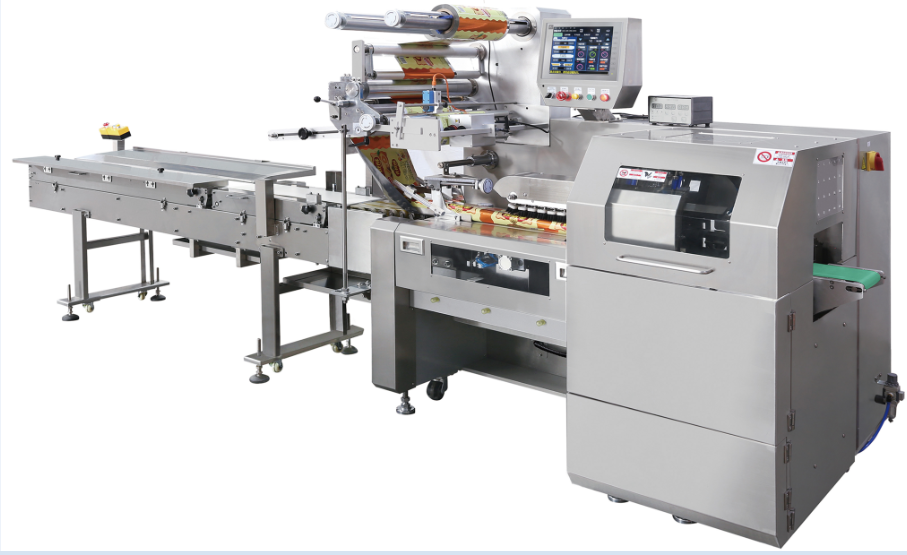
How to Integrate a Customized Automated Wafer Packaging System into Existing Lines
Upgrading your facility's packaging capabilities does not require a complete overhaul of your current factory layout. Specialized equipment manufacturers such as Foshan Ruipuhua Machinery Equipment Co. Ltd provide tailormade automatic packaging machinery that seamlessly connects with established production lines through custom robotic feeding, modular PLC integration, and phase-matched conveyor transfers.
Engineering Principles for Retrofitting Packaging Lines
Integrating tailored packaging machinery involves analyzing spatial footprints, upstream discharge elevations, targeted speeds, and product fragility. Engineers at Foshan Ruipuhua Machinery Equipment Co. Ltd use advanced 3D CAD simulations (such as AutoCAD and SolidWorks) to design precise transfer systems. For delicate confectionery products like wafers, biscuits, and sliced bread, servo-driven alignment belts smoothly guide products into film-forming units, eliminating physical impacts and reducing line downtime.
Robust hardware and synchronized software ensure seamless automation across the workflow. Constructed with AISI 304 food-grade stainless steel frames, IP-rated motors, pneumatic blade tensioners, and Siemens frequency converters, these systems are built for demanding environments. Large-scale installations—such as Orion baking facilities utilizing 27 automated packaging setups—rely on SCADA monitoring to connect baking, cooling, wrapping, and robotic casing phases under global safety standards (CE Certificate No. M.2024.206.C107511).
Key Technical Highlights
- Modular Conveyor Interface: Infeed channels and phase-synchronized belts link automated machinery directly to existing baking or cooling discharge stations.
- Servo-Driven Precision: Real-time speed adjustments via PLC and HMI systems allow processing over 100 bags per minute without product blockages or wafer breakage.
- Versatile Packaging Formats: Accommodates pillow pack horizontal flow wrapping as well as pre-formed pouch machines with twist or clip sealing options.
- Built-in Quality Inspection: In-line metal detectors, checkweighers, date coders, and automated rejection mechanisms help meet stringent food safety regulations.
Performance Specification Breakdown
| Parameter | Entry-Level Unit | Mid-Range Servo Line | High-Volume Industrial Line |
|---|---|---|---|
| Packaging Speed | 25–40 bags/min | 50–65 bags/min | 75+ to 120+ bags/min |
| Line Throughput | 1,000 units/hour | 2,500–3,000 units/hour | Up to 4,500 units/hour |
| Power Specifications | 380V / 50Hz / 3-Phase | 380V–400V / 50–60Hz / 3-Phase | 400V / 60Hz / 3-Phase (~4.18 kW - 9.0 kW) |
| Automation System | Semi-automatic / basic PLC | Recipe-driven servo automation | Full SCADA integration & robotic feeding |
| Construction Material | Stainless steel frame | Food-grade AISI 304 stainless steel | Heavy-duty welded AISI 304, IP-rated motors |

Frequently Asked Questions
How does a custom machine match the speed of an existing conveyor?
By using optical sensor arrays, phase-matching mechanical belts, and intelligent PLC control, the system dynamically tracks product flow and regulates film feed rate and sealing jaw velocity automatically.
What prevents fragile wafers from breaking during automated wrapping?
Soft-handling mechanisms like non-contact vibratory channels, smooth belt transitions, continuous band blades, and servo box-motion sealing jaws protect delicate items from physical stress.
What are the lead times and delivery methods for custom equipment?
Manufacturing and factory testing take between 20 and 60 business days. Global shipment options include sea (FCL/LCL), air, rail, and road freight, preceded by rigorous 48-hour factory testing protocols.
Conclusion & Next Steps
Retrofitting an automated packaging system around existing production lines streamlines space utilization and cuts labor overhead. Available through standard and OEM options (MOQ: 1 set), units come with factory pre-testing and technical support provided by 5 international field engineers and 15 customer service specialists. Payment terms are 100% TT/LC (30% deposit, 70% before dispatch). Contact lotuspack@ruipuhua.com to discuss custom technical options.
About the Manufacturer
Founded in 2005, Foshan Ruipuhua Machinery Equipment Co. Ltd is a leading manufacturer of automated packaging systems headquartered in Foshan, Guangdong. Operating out of a 50,000 m² facility with 300 employees, the company yields an annual output of 300 million RMB. Certified under CE standards, Ruipuhua provides intelligent packaging machinery across 100+ countries for food, bakery, pharmaceutical, and hardware applications.
Customizing Toast Bread Packaging Equipment to Fit Unique Loaf Dimensions
Engineering Custom Packaging Solutions for Varying Loaf Sizes
Bakeries often ask whether automated wrapping equipment can adapt to their specific bread shapes and sizes. The simple answer is yes. Modern packaging manufacturers like Foshan Ruipuhua Machinery Equipment Co. Ltd design highly adaptable horizontal flow wrapping lines. These systems feature fully adjustable bag-forming boxes, flexible film widths ranging from 90 mm up to 900 mm, bag lengths between 60 mm and 400 mm, and product height clearance reaching up to 120 mm to match exact product specifications.
How Horizontal Form-Fill-Seal (HFFS) Systems Achieve Dimension Flexibility
High-efficiency toast wrapping relies on horizontal form-fill-seal technology. Products move continuously along an infeed belt equipped with photoelectric sensors for precise positioning. Packaging film—such as heat-sealable OPP, CPP, or foil laminates—passes through an adjustable forming mechanism configured to match the exact profile of the bread.
Powered by multi-axis AC brushless servo drives with high-resolution encoders (10,000 pulses/rev), the machine precisely coordinates film unwinding, longitudinal seam sealing, and rotary cutting. For taller products like stacked toast slices or dense bakery items up to 120 mm high, specialized box-motion mechanisms provide extended sealing time to create airtight seals without damaging delicate crumb structures.
Key Performance Features & Line Capabilities
- Multi-Recipe Memory: Modern PLC controllers store between 50 and 200 distinct product settings, allowing operators to change parameters via HMI touchscreens in seconds.
- Upstream & Downstream Integration: Packaging units sync effortlessly with ultrasonic slicers, ambient cooling conveyors, checkweighers, and automatic cartoning or case-packing machinery.
- Preservation & Quality Assurance: Optional Modified Atmosphere Packaging (MAP) flush systems inject inert gas to prolong freshness, while metal detectors and weight checkers maintain high safety standards.
- Proven Reliability: Systems meet strict international benchmarks under CE certification (Certificate No. M.2024.206.C107511). Deployments across global brands—including 27 specialized lines for Orion facilities—demonstrate over 99% operational uptime.
Comparing Equipment Categories & Technical Parameters
Choosing the right packaging setup depends on your output demands, bread size, and desired level of automation. Below is an overview of technical specifications across standard machine tiers:
| Parameter | Entry Level | Mid-Tier Solution | High-Speed Full Servo System |
|---|---|---|---|
| Speed Capability | 30 – 90 packs/min | 100 – 200 packs/min | 200 – 350+ packs/min |
| Film Width Range | 90 – 280 mm | 280 – 450 mm | 450 – 900 mm |
| Bag Length Range | 60 – 200 mm | 60 – 350 mm | 80 – 400 mm |
| Maximum Height Clearance | Up to 35 mm | Up to 80 mm | Up to 120 mm |
| Servo Axis Configuration | 2 Servo / Dual Frequency | 3 Servo (Standard) | 4 Servo + Tension Control |
| Frame Material | Stainless Steel | Stainless Steel AISI 304 | Hygienic AISI 304 Stainless |
Frequently Asked Questions
How do operators adjust the machine for different loaf sizes?
Parameter adjustments are managed through the touch-screen interface. The system adjusts feeder timing, film tension, and cut length automatically based on stored recipes. Minor mechanical tweaks to side guides or forming boxes require simple hands-on adjustments with minimal tools.
Can gas injection and coding equipment be added?
Yes, nitrogen MAP flushing systems can be integrated into the bag former to extend shelf life. Thermal transfer coders, inkjet printers, and online checkweighers fit seamlessly on the wrapper chassis.
What are the delivery terms and lead times?
Standard OEM manufacturing lead time is approximately 20 working days. Minimum order quantity starts at 1 set, with logistics support for ocean freight (FCL/LCL), air cargo, and land transport globally.
Ordering Terms & Technical Support
Selecting the optimal bread wrapping line requires aligning machine drive axes, sealing jaw configurations, and film specs with your target loaf dimensions. Standard payment terms operate on a 30% deposit and 70% balance prior to dispatch. For customized consultations and technical support, contact the team at lotuspack@ruipuhua.com.
About the Manufacturer
Established in 2005, Foshan Ruipuhua Machinery Equipment Co. Ltd operates a 50,000-square-meter facility in Foshan, Guangdong. Backed by over two decades of engineering expertise, the company produces more than 500 automated packaging lines annually with an output value reaching 300 million RMB. Holding full CE certification, Ruipuhua delivers cutting-edge wrapping, feeding, and palletizing equipment to world-renowned brands such as Orion, Bimbo, Mayora, Lay's, and Mondelez.
REPORT