







-
 Agriculture
-
 Health-Care
-
 Environment
-
 Construction-Real-Estate
-
 Tools-Hardware
-
 Home-Garden
-
 Furniture
-
 Luggage-Bags-Cases
-
 Medical-devices-Supplies
-
 Gifts-Crafts
-
 Sports-Entertainment
-
 Food-Beverage
-
 Vehicles-Transportation
-
 Power-Transmission
-
 Material-Handling
-
 Renewable-Energy
-
 Safety
-
 Testing-Instrument-Equipment
-
 Construction-Building-Machinery
-
 Pet-Supplies
-
 Personal-Care-Household-Cleaning
-
 Vehicle-Accessories-Electronics-Tools
-
 School-Office-Supplies
-
 Packaging-Printing
-
 Mother-Kids-Toys
-
 Business-Services
-
 Commercial-Equipment-Machinery
-
 Apparel-Accessories
-
 Security
-
 Shoes-Accessories
-
 Vehicle-Parts-Accessories
-
 Jewelry-Eyewear-Watches-Accessories
-
 Lights-Lighting
-
 Fabric-Textile-Raw-Material
-
 Fabrication-Services
-
 Industrial-Machinery
-
 Consumer-Electronics
-
 Electrical-Equipment-Supplies
-
 Electronic-Components-Accessories-Telecommunications
-
 Home-Appliances
-
 Beauty
-
 Chemicals
-
 Rubber-Plastics
-
 Metals-Alloys


























































































































































































































































































































































































































































































































































































- Masonry Materials
- Curtain Walls & Accessories
- Earthwork Products
- Fireproofing Materials
- Heat Insulation Materials
- Plastic Building Materials
- Building Boards
- Soundproofing Materials
- Timber
- Waterproofing Materials
- Balustrades & Handrails
- Bathroom & Kitchen
- Flooring & Accessories
- Tiles & Accessories
- Door, Window & Accessories
- Fireplaces & Stoves
- Floor Heating Systems & Parts
- Stairs & Stair Parts
- Ceilings
- Elevators & Escalators
- Stone
- Countertops, Vanity Tops & Table Tops
- Mosaics
- Metal Building Materials
- Multifunctional Materials
- Ladders & Scaffoldings
- Mouldings
- Corner Guards
- Decorative Films
- Formwork
- Building & Industrial Glass
- Other Construction & Real Estate
- Wallpapers/Wall panels
- HVAC System & Parts
- Outdoor Facilities
- Prefabricated Buildings
- Festive & Party Supplies
- Bathroom Products
- Household Sundries
- Rain Gear
- Garden Supplies
- Household Cleaning Tools & Accessories
- Lighters & Smoking Accessories
- Home Storage & Organization
- Household Scales
- Smart Home Improvement
- Home Textiles
- Kitchenware
- Drinkware & Accessories
- Dinnerware, Coffee & Wine
- Home Decor
- Golf
- Fitness & Body Building
- Amusement Park Facilities
- Billiards, Board Game,Coin Operated Games
- Musical Instruments
- Outdoor Affordable Luxury Sports
- Camping & Hiking
- Fishing
- Sports Safety&Rehabilitation
- Ball Sports Equipments
- Water Sports
- Winter Sports
- Luxury Travel Equipments
- Sports Shoes, Bags & Accessories
- Cycling
- Other Sports & Entertainment Products
- Artificial Grass&Sports Flooring&Sports Court Equipment
- Scooters
- Food Ingredients
- Honey & Honey Products
- Snacks
- Nuts & Kernels
- Seafood
- Plant & Animal Oil
- Beverages
- Fruit & Vegetable Products
- Frog & Escargot
- Bean Products
- Egg Products
- Dairy Products
- Seasonings & Condiments
- Canned Food
- Instant Food
- Baked Goods
- Other Food & Beverage
- Meat & Poultry
- Confectionery
- Grain Products
- Feminie Care
- Hair Care & Styling
- Body Care
- Hands & Feet Care
- Hygiene Products
- Men's Grooming
- Laundry Cleaning Supplies
- Travel Size & Gift Sets
- Room Deodorizers
- Other Personal Care Products
- Pest Control Products
- Special Household Cleaning
- Floor Cleaning
- Kitchen & Bathroom Cleaning
- Oral Care
- Bath Supplies
- Yellow Pages
- Correction Supplies
- Office Binding Supplies
- Office Cutting Supplies
- Board Erasers
- Office Adhesives & Tapes
- Education Supplies
- Pencil Cases & Bags
- Notebooks & Writing Pads
- File Folder Accessories
- Calendars
- Writing Accessories
- Commercial Office Supplies
- Pencil Sharpeners
- Pens
- Letter Pad/Paper
- Paper Envelopes
- Desk Organizers
- Pencils
- Markers & Highlighters
- Filing Products
- Art Supplies
- Easels
- Badge Holder & Accessories
- Office Paper
- Printer Supplies
- Book Covers
- Other Office & School Supplies
- Stationery Set
- Boards
- Clipboards
- Stamps
- Drafting Supplies
- Stencils
- Electronic Dictionary
- Books
- Map
- Magazines
- Calculators
- Baby & Toddler Toys
- Educational Toys
- Classic Toys
- Dress Up & Pretend Play
- Toy Vehicle
- Stuffed Animals & Plush Toys
- Outdoor Toys & Structures
- Balloons & Accessories
- Baby Food
- Children's Clothing
- Baby Supplies & Products
- Maternity Clothes
- Kids Shoes
- Baby Care
- Novelty & Gag Toys
- Dolls & Accessories
- Puzzle & Games
- Blocks & Model Building Toys
- Toddler Clothing
- Baby Clothing
- Kids' Luggage & Bags
- Arts, Crafts & DIY Toys
- Action & Toy Figures
- Baby Appliances
- Hobbies & Models
- Remote Control Toys
- Promotional Toys
- Pregnancy & Maternity
- Hygiene Products
- Kid's Textile&Bedding
- Novelty & Special Use
- Toy Weapons
- Baby Gifts
- Baby Storage & Organization
- Auto Drive Systems
- ATV/UTV Parts & Accessories
- Marine Parts & Accessories
- Other Auto Parts
- Trailer Parts & Accessories
- Auto Transmission Systems
- Train Parts & Accessories
- Universal Parts
- Railway Parts & Accessories
- Auto Brake Systems
- Aviation Parts & Accessories
- Truck Parts & Accessories
- Auto Suspension Systems
- Auto Lighting Systems
- New Energy Vehicle Parts & Accessories
- Auto Steering Systems
- Wheels, Tires & Accessories
- Bus Parts & Accessories
- Auto Performance Parts
- Cooling System
- Go-Kart & Kart Racer Parts & Accessories
- Air Conditioning Systems
- Heavy Duty Vehicle Parts & Accessories
- Auto Electrical Systems
- Auto Body Systems
- Auto Engine Systems
- Container Parts & Accessories
- Motorcycle Parts & Accessories
- Refrigeration & Heat Exchange Equipment
- Machine Tool Equipment
- Food & Beverage Machinery
- Agricultural Machinery & Equipment
- Apparel & Textile Machinery
- Chemical Machinery
- Packaging Machines
- Paper Production Machinery
- Plastic & Rubber Processing Machinery
- Industrial Robots
- Electronic Products Machinery
- Metal & Metallurgy Machinery
- Woodworking Machinery
- Home Product Manufacturing Machinery
- Machinery Accessories
- Environmental Machinery
- Machinery Service
- Electrical Equipment Manufacturing Machinery
- Industrial Compressors & Parts
- Tobacco & Cigarette Machinery
- Production Line
- Used Industrial Machinery
- Electronics Production Machinery
- Other Machinery & Industrial Equipment
- Camera, Photo & Accessories
- Portable Audio, Video & Accessories
- Television, Home Audio, Video & Accessories
- Video Games & Accessories
- Mobile Phone & Accessories
- Electronic Publications
- Earphone & Headphone & Accessories
- Speakers & Accessories
- Smart Electronics
- TV Receivers & Accessories
- Mobile Phone & Computer Repair Parts
- Chargers, Batteries & Power Supplies
- Used Electronics
- VR, AR, MR Hardware & Software
- Projectors & Presentation Equipments
- Other Consumer Electronics
- Cables & Commonly Used Accessories
- Computer Hardware & Software
- Displays, Signage and Optoelectronics
- Discrete Semiconductors
- Wireless & IoT Module and Products
- Telecommunications
- Connectors, Terminals & Accessories
- Development Boards, Electronic Modules and Kits
- Circuit Protection
- Sensors
- Isolators
- Audio Components and Products
- Integrated Circuits
- Power Supplies
- Relays
- RF, Microwave and RFID
- Electronic Accessories & Supplies
- Passive Components
- PCB & PCBA
- Air Quality Appliances
- Home Appliance Parts
- Heating & Cooling Appliances
- Small Kitchen Appliances
- Laundry Appliances
- Water Heaters
- Water Treatment Appliances
- Refrigerators & Freezers
- Personal Care & Beauty Appliances
- Major Kitchen Appliances
- Cleaning Appliances
- Second-hand Appliances
- Smart Home Appliances
- Other Home Appliances
- Energy Chemicals
- Inorganic Chemicals
- Basic Organic Chemicals
- Agrochemicals
- Admixture & Additives
- Catalysts & Chemical Auxiliary Agents
- Pigments & Dyestuff
- Coating & Paint
- Daily Chemicals
- Polymer
- Organic Intermediate
- Adhesives & Sealants
- Chemical Waste
- Biological Chemical Products
- Surface Treatment Chemicals
- Painting & Coating
- Chemical Reagents
- Flavor & Fragrance
- Non-Explosive Demolition Agents
- Other Chemicals
- Custom Chemical Services

Fabric
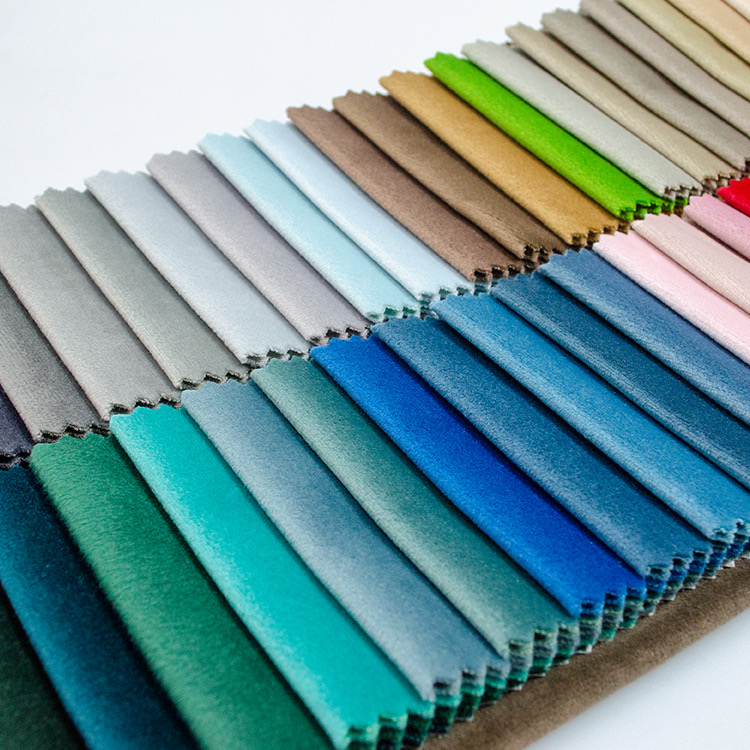
Can Electrostatic Flocking Fabric Match Your Brand Colors Precisely?
Yes. Electrostatic flocking fabric can be developed to closely match a brand's specified colors through Pantone references, physical color cards, and custom in-house dyeing. Mingqian offers more than 1,000 Pantone shades, as well as metallic, gradient, and Morandi color options. The stated color tolerance is a Pantone Delta E of no more than 2.0 for standard orders and no more than 0.5 for custom projects.
Brand Color Matching Options
Color development starts with the customer's Pantone code, physical color sample, or other approved reference. Mingqian's internal dyeing workshop formulates the requested shade and uses spectrophotometer testing to compare the result with the target standard. This process helps brands achieve consistent color across flocking fabric used for premium packaging.
Color matching should be evaluated together with the selected base fabric, fiber type, pile height, and surface treatment. Differences in texture and reflectivity can influence how a shade appears under natural, retail, or studio lighting.
Material and Surface Customization
Electrostatic flocking is made by coating a base material with adhesive and driving short fibers upright into the adhesive through a high-voltage electrostatic field. Mingqian states that its flocking process operates between 30 and 50 kilovolts. The resulting pile gives the material its soft hand feel, visual depth, surface luster, and protective quality.
Available base materials include spunlace, nonwoven, knitted fabric, cotton-rayon, silk, PVC, polyester pongee, lining fabric, and sponge. Spunlace and silk are suitable for refined luxury packaging, while nonwoven materials can offer a lighter and more economical solution. Knitted substrates are also available for flexible pouches and selected packaging designs.
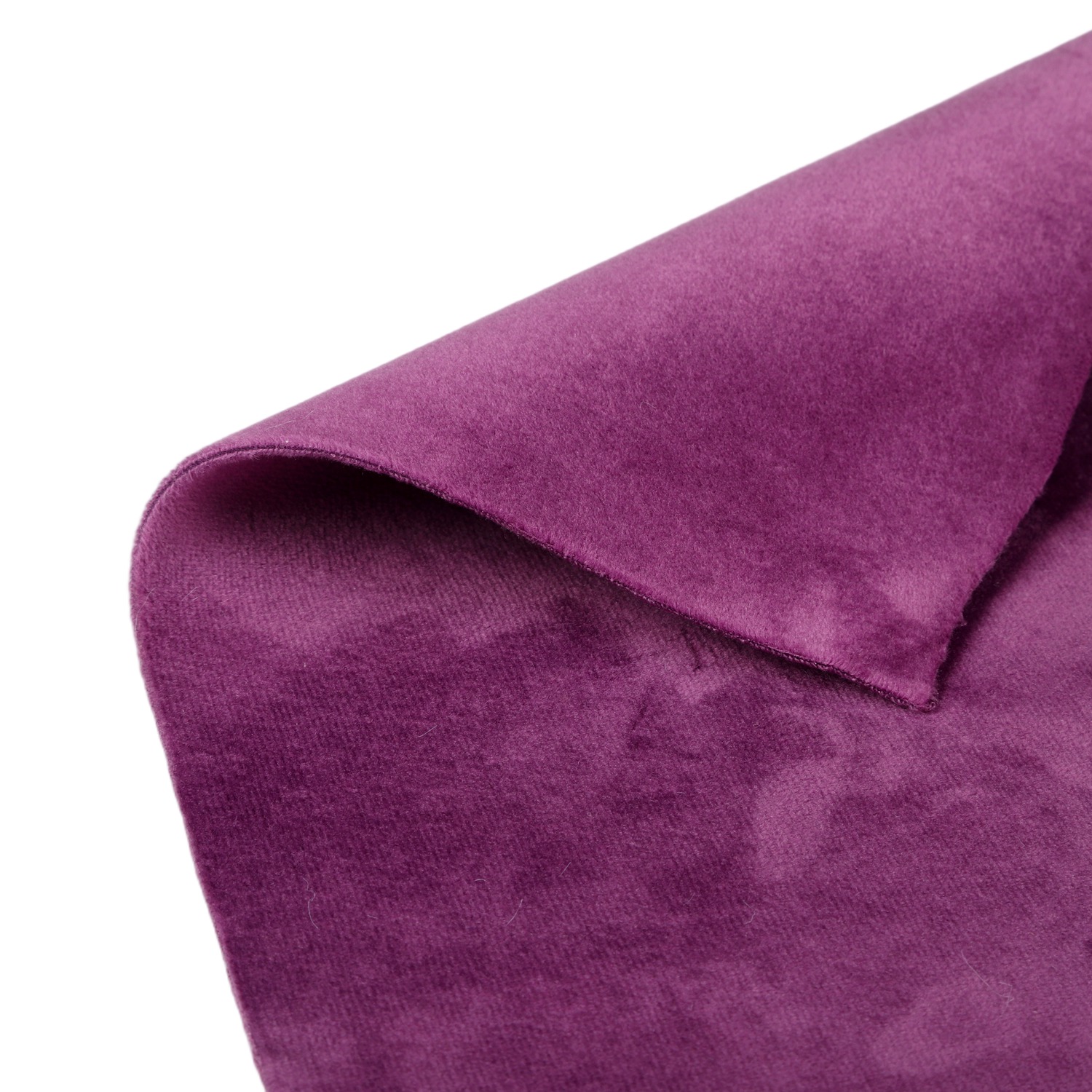
Pile heights can be customized from 0.3 to 1.2 millimeters. Surface treatments include plain velvet, short or long pile, pearl velvet, embossed pearl, crushed velvet, soft textures, frosted effects, and embossed velvet. Pattern options include wood grain, snake skin, leopard print, cloud motifs, polka dots, and diamond checks.
Quality Control and Production Consistency
Color control is applied throughout the manufacturing process. Base fabrics, flocking fibers, adhesives, and dyes are checked before production begins. During manufacturing, color differences are measured against Pantone references with a spectrophotometer at every 100 yards.
Finished batches are assessed for color fastness, fiber adhesion, peel strength, abrasion resistance, and dimensional stability. Mingqian reports Grade 4 color fastness for dark colors under wet and dry testing, together with Grade 6 or higher resistance to light exposure.
For projects that require further conversion, color-matched fabric can be supplied with adhesive backing, paper mounting, hot pressing, gold stamping, silk-screen printing, embossing, laser-guided positioning flocking, slitting, and cut-to-size services. Precision die-cutting is specified with a tolerance of plus or minus 0.1 millimeters.
Applications for Custom-Colored Flocking Fabric
Custom-colored flocking fabric is used for jewelry boxes, eyewear cases, cosmetic and perfume packaging, liquor packaging, watch boxes, and other high-end presentation products. Each application may require a different material specification.
Jewelry packaging may call for low-sulfur dark flocking, controlled pH, and batch silver coupon corrosion testing. Cosmetic and perfume boxes may benefit from an ultra-dense pile, custom embossing, metallic colors, or signature brand shades. Eyewear cases generally require a soft, scratch-resistant surface with dependable color fastness.
Additional functional options may include flame retardancy, anti-mold performance, anti-static properties, antibacterial treatment, low-sulfur construction, and conductive fiber integration, depending on the final product requirements.
Customization Specifications at a Glance
| Customization Element | Available Options and Control |
|---|---|
| Color reference | Pantone matching, physical color-card matching, metallic colors, gradients, and Morandi shades |
| Color tolerance | Delta E no more than 2.0 for standard orders and no more than 0.5 for custom projects |
| Base fabric | Spunlace, nonwoven, knitted, cotton-rayon, silk, PVC, polyester pongee, lining fabric, and sponge |
| Pile height | Custom range from 0.3 to 1.2 millimeters |
| Surface finish | Plain, short, medium, long, pearl, embossed pearl, crushed, soft textured, frosted, and embossed velvet |
| Pattern options | Wood grain, snake skin, leopard print, cloud, polka dot, diamond check, and other frosted patterns |
| Further processing | Adhesive backing, lamination, hot pressing, gold stamping, silk-screen printing, embossing, laser positioning, and die-cutting |
FAQ About Electrostatic Flocking Color Matching
Can a physical brand color card be used?
Yes. A physical color card can be used alongside Pantone matching. For a reliable comparison, the inquiry should also identify the base fabric, fiber type, pile height, and surface finish, since each can change the perceived color.
How accurate is the finished color?
The supplied specifications state a Pantone Delta E of no more than 2.0 for standard orders and no more than 0.5 for custom projects. Final approval should be made from an agreed sample and the confirmed color standard.
Can special finishes be combined with custom colors?
Yes. Custom shades can be combined with pearl, embossed, frosted, crushed, and other velvet finishes. Metallic, gradient, Morandi, and patterned effects can also be incorporated subject to the selected material and production requirements.
Recommended Information for a Color-Matching Inquiry
To receive an accurate quotation and sample, provide the target Pantone code or physical color card, preferred base fabric, pile height, surface finish, application, order quantity, and compliance requirements. Mingqian supports OEM and ODM production, with a stated minimum order quantity of 1,000 yards and a stated delivery time of 14 days. Technical support is available through 005@mingqianflocking.com.
Reported projects include a Dior perfume gift box using black nylon flocking with Pantone matching at a stated Delta E of no more than 0.5, a FENDI Home Collection project using GRS-certified recycled polyester flocking with the same stated tolerance, and Dyson packaging produced with silk-based plain velvet in a signature color palette, including pearling on selected products.
Mingqian holds ISO 9001:2015 certification and a Global Recycled Standard certificate numbered SGC-GRC01308-GRS-2026-05R3 for applicable recycled polyester and nylon flocking fabrics. Listed SGS reports include REACH screening report CANEC26006555803 and RoHS report CANEC26006555801.
About Us
Guangdong Shunde Mingqian Flocking Co., Ltd. is a flocking fabric manufacturer headquartered in Foshan City, Guangdong Province, China. Founded in 2008 under the Mingqian brand, the company develops, manufactures, and supplies flocking fabrics for multiple industries. Its self-owned facility covers more than 12,000 square meters and includes five flocking lines with monthly capacity exceeding 3,000,000 yards. Mingqian maintains ISO 9001 and Global Recycled Standard certifications and serves customers in a range of packaging and product sectors.
Holland Velvet vs. Suede vs. Corduroy: Which Packaging Material Delivers Better Value?
Selecting a textile for packaging is not simply a matter of comparing price. Surface appearance, construction, lining requirements, and the way the fabric will be applied all affect overall value. Among Holland Velvet, Suede, and Corduroy, Suede generally provides the most versatile fit for packaging because its leather-like finish is specifically suited to packaging, decorative work, and linings.
Quick Selection Guide
- Suede is a strong choice for packaging boxes, interior linings, decorative surfaces, bags, and apparel when a soft leather-like appearance is desired.
- Holland Velvet is suitable for packaging projects requiring a defined 210 gsm or 280 gsm weight, or a double-sided velvet structure.
- Corduroy should be selected when a ribbed velvet texture is an intentional part of the design; its main stated application is apparel.
- Self-adhesive flocking fabric is appropriate when a lining must be bonded directly onto paperboard, wood, EVA, plastic, or other packaging substrates.
How the Three Fabrics Compare for Packaging
Holland Velvet, faux Suede, and Corduroy are complementary textile options offered alongside Mingqian flocking fabrics. Each material creates a different tactile and visual result, so they should be assessed according to the packaging specification rather than treated as direct substitutes.
Suede: Broad Packaging and Lining Versatility
Suede, also known as faux suede, has a soft surface that resembles leather. Its listed applications include packaging, decoration, linings, apparel, and bags. This makes it the most directly supported option when premium packaging needs a refined, leather-inspired texture or a soft interior contact surface.
For gift boxes, jewelry packaging, eyewear cases, and similar products, Suede can balance decorative appeal with practical lining performance. Its stated use across both packaging and lining applications gives it wider material relevance than a fabric chosen mainly for apparel.
Holland Velvet: Defined Construction Options
Holland Velvet is available in 210 gsm, 280 gsm, and double-sided versions. It is used in apparel, bedding, sofas, curtains, and packaging. For packaging buyers, its value is strongest where a required fabric weight or double-sided construction is already defined in the design brief.
Its velvet surface can support a soft, upscale presentation, particularly for packaging where the material must contribute to both appearance and touch. However, the best choice depends on whether the project specifically benefits from the available Holland Velvet constructions.
Corduroy: A Distinctive Ribbed Finish
Corduroy is a ribbed velvet textile primarily used for apparel. Its visible wale pattern can create a distinctive tactile effect, but the available product information offers less direct support for packaging use than it does for Suede or Holland Velvet.
It can still be considered for specialty packaging where the ribbed appearance is central to the concept. In most conventional packaging and lining applications, the material should be selected based on the desired design effect rather than assumed to offer the best overall value.
When Self-Adhesive Flocking Fabric Is the Better Solution
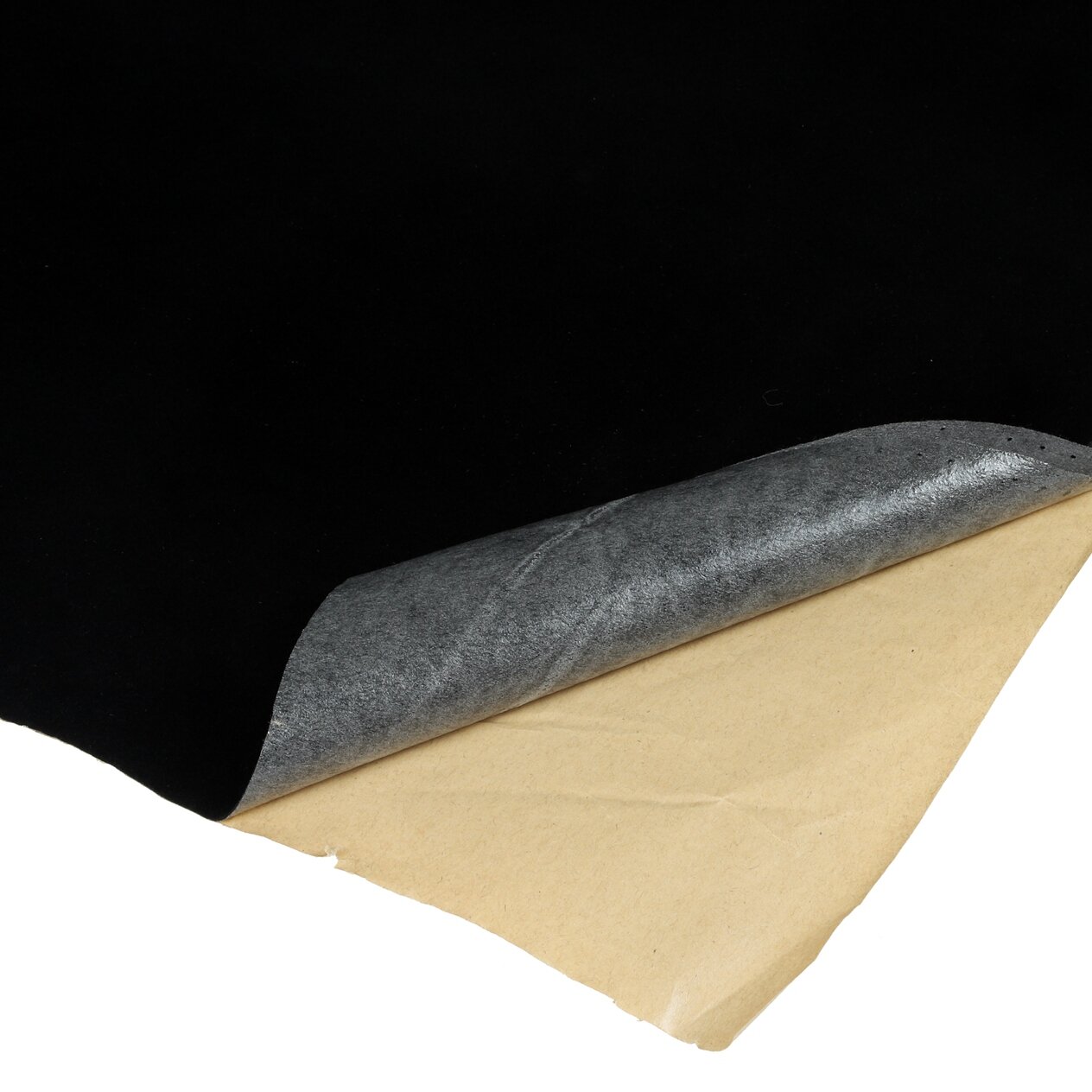
Packaging linings often need to be mounted securely onto a rigid base. In these cases, self-adhesive flocking fabric can be more efficient than fabrics requiring separate adhesive application. Mingqian's self-adhesive flocking fabric combines flocking material with a pressure-sensitive, water-based acrylic adhesive and a release liner.
The material can be applied directly to paperboard, wood, EVA, plastic, and similar surfaces during packaging lining processing. It is suitable across base-fabric and pile-type combinations, helping manufacturers streamline lining assembly for products such as jewelry boxes and eyewear cases.
Each batch of self-adhesive material is tested for peel strength, with a stated minimum of 2 N per 25 mm. The quality system includes incoming-material checks, production monitoring, finished-product testing, and spot inspections before shipment. Listed credentials include ISO 9001 and GRS, while REACH and RoHS test reports are available for applicable flocking fabric products. GRS applies to flocking fabrics made with recycled polyester and nylon fibers.
Packaging Material Comparison
| Material or Solution | Surface or Construction | Packaging Relevance |
|---|---|---|
| Suede | Soft leather-like texture | Listed for packaging, decoration, and lining applications |
| Holland Velvet | 210 gsm, 280 gsm, and double-sided options | Packaging is among its stated applications |
| Corduroy | Ribbed velvet appearance | Primarily identified for apparel use |
| Self-Adhesive Flocking Fabric | Flocked surface with water-based acrylic adhesive and release liner | Designed for direct attachment to packaging substrates for lining production |
Packaging Experience and Production Support
Published cooperation cases show Mingqian's involvement in packaging-related supply chains for luxury goods, liquor, eyewear, and jewelry. These applications include perfume gift-box linings, baijiu packaging pouches, eyewear-case linings, and jewelry-box interiors. Such cases demonstrate packaging material experience, although the right fabric still depends on the target surface, structure, processing method, and design requirements of each project.
Frequently Asked Questions
Which material is most clearly suited to packaging linings?
Suede has the clearest stated connection to both packaging and lining uses, especially where a leather-like look is required. Holland Velvet is also identified as suitable for packaging.
Is Holland Velvet appropriate for packaging applications?
Yes. Holland Velvet is listed for packaging use and is available in 210 gsm, 280 gsm, and double-sided constructions. It is a practical option when those specifications align with the packaging design.
When should a buyer use self-adhesive flocking fabric?
It should be considered when the lining needs direct attachment to a rigid substrate. The release liner supports peel-and-stick installation, while the water-based acrylic adhesive has a stated peel-strength requirement of at least 2 N per 25 mm.
Conclusion
For most packaging and interior lining projects requiring a leather-like finish, Suede offers the broadest stated value. Holland Velvet becomes the better fit when 210 gsm, 280 gsm, or double-sided velvet construction is necessary. Corduroy is best reserved for designs that specifically call for its ribbed surface, since apparel remains its primary stated use.
For packaging interiors that must be applied directly to board, wood, EVA, plastic, or similar materials, self-adhesive flocking fabric provides a practical alternative. Guangdong Shunde Mingqian Flocking Co., Ltd. offers OEM and ODM production with a listed MOQ of 1,000 yards and a listed 14-day delivery time for this business model. For technical support or customized packaging material solutions, contact 005@mingqianflocking.com.
About Us
Guangdong Shunde Mingqian Flocking Co., Ltd. is a Mingqian-brand flocking fabric manufacturer based in Foshan, Guangdong Province, China. Founded in 2008, the company produces flocking fabrics and related textile materials for decorative and functional uses, including packaging applications. Its stated monthly production capacity exceeds 3,000,000 yards across five flocking lines. The company lists ISO 9001, GRS, REACH, and RoHS credentials and serves customers in a range of industries.
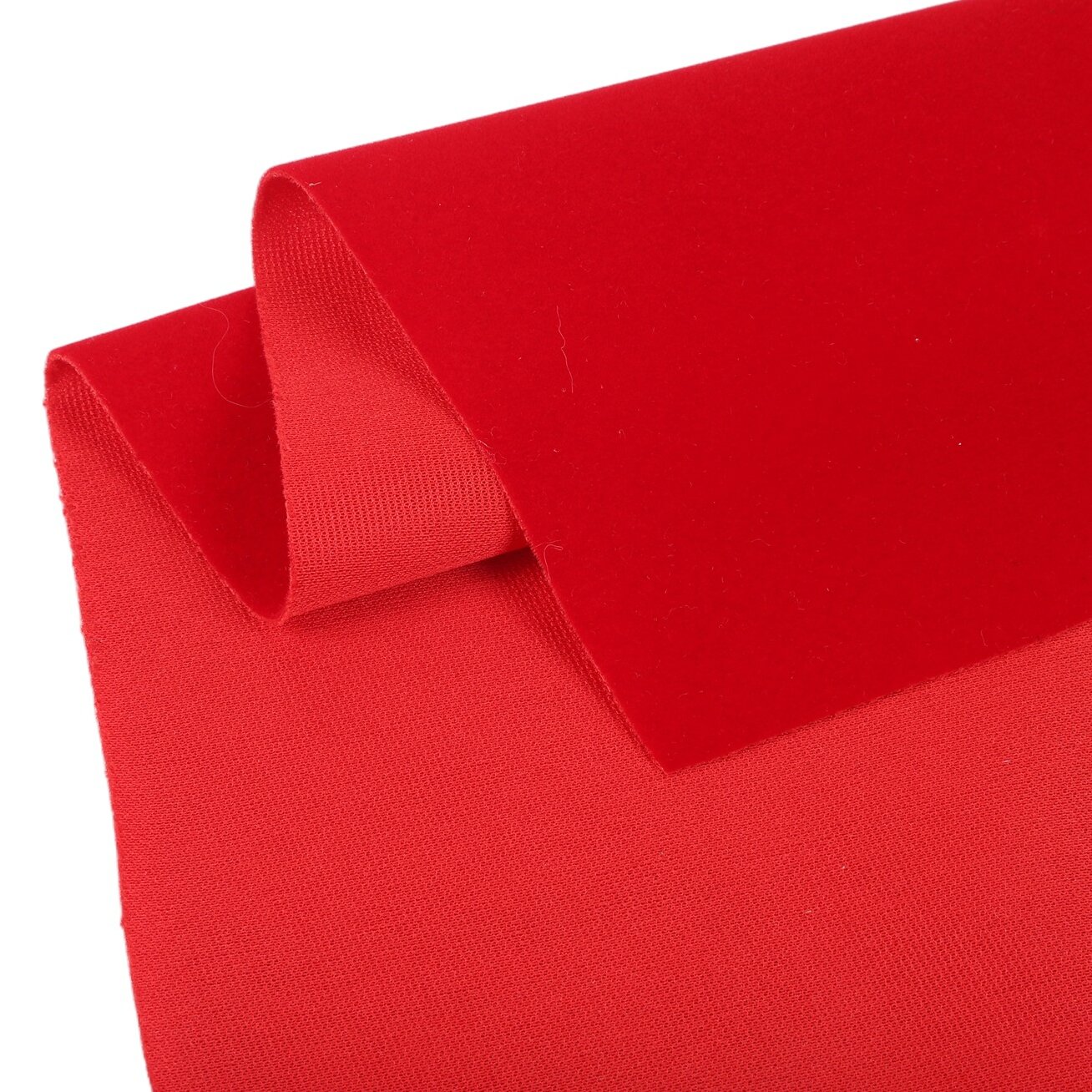
How to Roll and Pack Knitted Flocking Fabric for Long-Distance Shipping
Reliable long-distance delivery starts with a clear packing plan. Knitted flocking fabric is normally supplied in rolls measuring 58 inches wide and 50 yards long. Confirm any customer-specific packing instructions before dispatch, then choose a shipping method based on the order size and delivery schedule.
Choose the Packing and Freight Method
The standard roll format gives buyers and logistics teams a consistent unit for calculating quantities and coordinating cargo. Additional packaging should be agreed with the customer and checked against the selected carrier’s requirements.
- Bulk orders: International sea freight via Guangzhou Port or Shenzhen Port is suitable for larger shipments.
- Urgent or smaller shipments: International air freight via Guangzhou Baiyun International Airport or Shenzhen Bao’an International Airport can support time-sensitive or small-batch, high-value orders.
- Customer-arranged transport: Mingqian can work with a buyer’s nominated freight forwarder or courier and assist with cargo packing, loading, and document handover.
Product Specifications and Shipment Records
The knitted base gives the flocked fabric softness, comfort, and elasticity. Available options include medium and long pile styles, with pile heights from 0.5 to 1.2 mm. Standard fabric width is 58 inches (about 1.47 meters), and each standard roll contains 50 yards. The listed weight range is 30–200 gsm.
Export paperwork can be prepared to support customs clearance and shipment traceability. Depending on the destination and order, the document set may include a commercial invoice, packing list, bill of lading, certificate of origin, GRS Transaction Certificate, and applicable regional environmental compliance reports. Confirm destination-specific requirements with the account manager before the cargo is sent.
Quality Checks and Product Uses
Mingqian Flocking uses four quality-control stages: incoming material inspection, production checks, finished-product testing, and pre-shipment sampling. Before dispatch, finished rolls are inspected for color consistency, pile uniformity, adhesion, dimensions, and appearance. Inspection records are digitally stored and linked to batch numbers.
The fabric can be finished with gold stamping, silk-screen printing, or hot pressing. Common uses include drawstring, wine, and tea pouches; other packaging bags; apparel embroidery decoration; and furniture drawer linings. For liquor and wine packaging, knitted-base flocking fabric is used in premium pouches. One listed adhesion check uses the 3M tape 10-cycle peel method, with no fiber loss reported.
Shipping and Order Reference
| Consideration | Available information |
|---|---|
| Standard roll | 58 inches wide; 50 yards per roll |
| Bulk freight | Sea freight through Guangzhou Port or Shenzhen Port |
| Urgent freight | Air freight through Guangzhou Baiyun or Shenzhen Bao’an International Airport |
| Buyer-selected logistics | Nominated freight forwarders and courier services are supported |
| Export paperwork | Invoice, packing list, bill of lading, certificate of origin, and applicable compliance documents |
| Order terms | OEM/ODM support; listed MOQ of 1,000 yards and delivery time of 14 days |
Frequently Asked Questions
How is the fabric normally supplied?
The standard roll is 58 inches wide and 50 yards long. Fabric weight ranges from 30 to 200 gsm, and pile height can be selected from 0.5 to 1.2 mm.
Should I choose sea freight or air freight?
Sea freight is generally suited to bulk orders, while air freight is an option for urgent or smaller high-value shipments. Buyers can also arrange transport through their own nominated logistics provider.
What export documents can be provided?
Available documents include a commercial invoice, packing list, bill of lading, certificate of origin, GRS Transaction Certificate, and destination-specific environmental compliance records where applicable.
Certifications and Company Profile
The company holds ISO 9001 certification. Its GRS certification, certificate number SGC-GRC01308-GRS-2026-05R3, covers flocking fabrics made with recycled polyester and nylon fibers. For applicable product uses, REACH testing is listed under report CANEC26006555803, and RoHS testing under report CANEC26006555801.
Guangdong Shunde Mingqian Flocking Co., Ltd., operating as Mingqian, is a flocking fabric manufacturer based in Foshan, Guangdong, China. Founded in 2008, it operates five flocking lines with monthly capacity exceeding 3,000,000 yards and serves customers in North America, Southeast Asia, South Asia, and Europe.
Shipping Recommendation
For a smooth long-distance shipment, confirm the roll and packing requirements, select sea freight for bulk cargo or air freight for urgent smaller orders, and verify document requirements before dispatch. Mingqian supports OEM/ODM orders and provides batch-traceable inspection records. For technical or shipping assistance, contact 005@mingqianflocking.com.
About Us
Guangdong Shunde Mingqian Flocking Co., Ltd., operating under the Mingqian brand, is a flocking fabric manufacturer headquartered in Foshan, Guangdong, China. Established in 2008, the company operates five flocking lines with monthly capacity exceeding 3,000,000 yards and serves North America, Southeast Asia, South Asia, and Europe. Its certifications include ISO 9001 and Global Recycled Standard certification for applicable recycled-fiber flocking fabrics, and it has served clients across multiple industries.
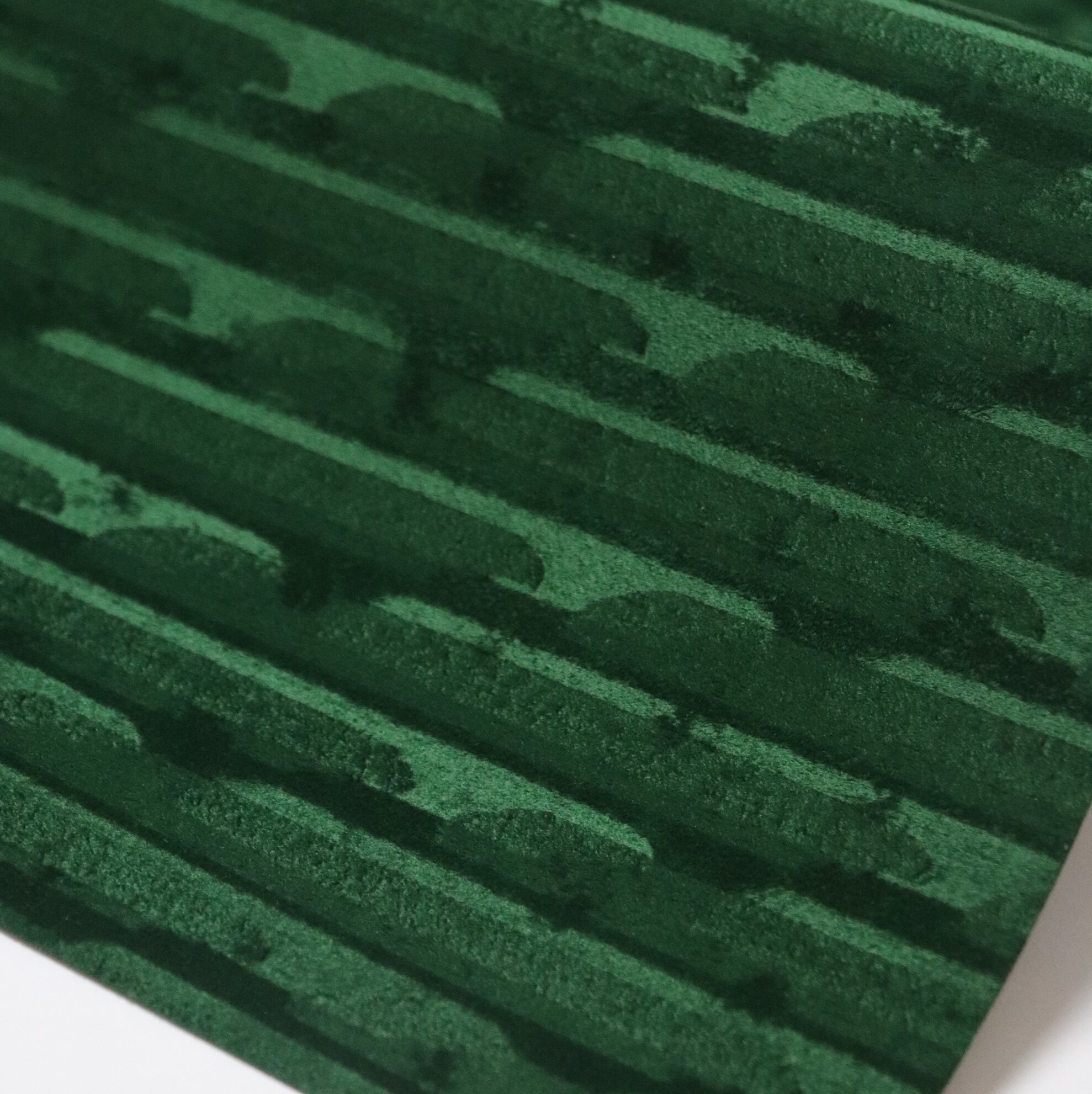
How to Build a Strong Quality Claim for Box Lining Materials
A well-supported box lining quality claim must connect the reported defect to a specific order, batch, requirement, and piece of physical or test evidence. Start by recording the roll or lot number, purchase reference, delivery information, packaging condition, and the environment in which the lining was handled or used. Preserve a representative sample and take dated photographs before further processing.
Evidence Checklist for a Box Lining Claim
- Keep the batch number, order reference, delivery records, and an affected sample to allow production and raw-material traceability.
- Describe the problem precisely, including pile shedding, streaks, color variation, adhesive separation, staining, inaccurate die cutting, transit damage, or surface wear.
- Photograph the defect under consistent lighting and identify its position on the roll, sheet, or finished package.
- Relate the complaint to the intended application. Jewelry packaging may require anti-tarnish performance, while eyewear cases need a smooth, low-shedding surface that will not mark lenses.
- Obtain test results for measurable failures, such as color fastness, peel strength, abrasion resistance, formaldehyde, azo dyes, and batch-to-batch color consistency.
Separate Appearance, Function, and Specification
Claims become easier to evaluate when they distinguish an appearance concern from a functional failure or a measurable deviation from specification. Visible concerns can include crushed sections, pile lines, uneven texture, glue bleed-through, stains, or irregular embossing. Functional concerns may involve loose fibers, weak adhesion on self-adhesive material, insufficient abrasion resistance, or a lining that creates corrosion risk inside jewelry packaging.
Crushed Velvet is a useful example. Its irregular crushed effect is created through a specialized flocking process, so variation in texture may be an intentional visual characteristic. The supplied material should therefore be compared with the approved sample, signed reference, or agreed appearance standard before the variation is classified as nonconforming. Other relevant characteristics include wear resistance, compatibility with spunlace and nonwoven substrates, and suitability for gold stamping, silk-screen printing, and hot pressing.
Match the Evidence to the Alleged Failure
Each complaint should identify both the expected requirement and the observed result. For example, fiber loss can be documented with before-and-after photographs and a tape-peel record. A color complaint is stronger when it includes the approved color reference, controlled-lighting photographs, and measured color-difference data.
Mingqian Flocking states that it records production parameters and performs finished-product inspections covering color fastness, pile adhesion, dimensional accuracy, and abrasion resistance. Its described quality process also includes pre-shipment random inspection and batch traceability, which can help connect a reported problem with the relevant manufacturing records.
Requirements for Jewelry Box Linings
When the lining is used around silver or other sensitive jewelry, the claim should consider the enclosed storage environment. Useful evidence may include reactive sulfur content, aqueous-extract pH, chloride levels, volatile organic acid control, and accelerated silver-coupon corrosion results. The stated acceptance criteria for the silver-coupon evaluation are no blackening, spotting, or oxidation discoloration.
Compliance documents can add support when the issue concerns restricted substances or export-market requirements. Mingqian Flocking lists ISO 9001 certification, GRS certification for specified recycled-fiber products, and SGS reports covering REACH and RoHS. The cited REACH report is CANEC26006555803, and the cited RoHS report is CANEC26006555801; both are dated March 30, 2026.
Practical Evidence by Claim Type
| Reported Problem | Useful Supporting Material | Evaluation Reference |
|---|---|---|
| Pile shedding or poor flock adhesion | Defective sample, close-up images, batch identification, and a 3M tape-peel test record | FAMA-aligned 10-cycle tape-peel testing; tested products are stated to show no fiber loss |
| Color inconsistency | Approved color card, consistent-lighting photos, spectrophotometer data, and roll labels | Stated Pantone Delta E limit of no more than 2.0 for standard orders and no more than 0.5 for custom orders |
| Separation of self-adhesive backing | Lining sample, substrate information, application conditions, and peel-strength measurements | Stated minimum peel strength of 2 newtons per 25 millimeters for self-adhesive products |
| Unexpected surface abrasion | Use history, damaged sample, abrasion-test report, and comparison with the approved reference | Stated testing ranges from 500 cycles for standard products to 100,000 cycles for functional products |
| Jewelry tarnishing risk | Storage conditions, lining sample, sulfur and pH records, and silver-coupon test results | Reactive sulfur below 5 parts per million, pH from 5.5 to 7.5, and no blackening, spotting, or oxidation discoloration |
Project Requirements Also Matter
The correct evidence depends on the original application and agreed specification. In an anonymized luxury perfume packaging project, the requirements included Pantone color matching, abrasion testing, and non-shedding performance. In an anonymized jewelry box project, the evaluation covered color consistency, color fastness, REACH compliance, and rapid custom sampling. These examples show why a claim should be assessed against the documented project requirements instead of a general assumption about lining performance.
Frequently Asked Questions
Are photographs sufficient on their own?
Photos can establish the presence and location of a visible defect, but they rarely prove the complete claim by themselves. Include an affected sample, batch and order details, the intended use, and the agreed specification. Adhesion, color fastness, abrasion, chemical compliance, and anti-tarnish claims generally require supporting test data.
What should be reported for pile shedding?
Identify the roll or batch, show the material before and after handling, describe the amount and location of fiber loss, and state how the lining will be used. Include tape-peel or abrasion results when available. Also record whether hot pressing, gold stamping, silk-screen printing, die cutting, or adhesive mounting occurred before the issue appeared.
How can a color claim be verified?
Compare the delivered material with the approved color card, signed sample, or written Pantone specification. Identify every affected roll, note the lighting conditions, and provide instrument readings where possible. A visual difference without an agreed color reference does not define the required target.
Recommended Claim Submission
A complete box lining complaint should contain traceable order and batch information, dated photographs, a representative sample, the relevant technical specification, and test evidence suited to the alleged failure. For Crushed Velvet and other electrostatic flocking fabrics, distinguish an intentional surface effect from a true defect involving pile adhesion, color, dimensions, surface damage, or chemical performance. Mingqian Flocking offers OEM and ODM production and identifies ISO 9001, GRS, REACH, and RoHS documentation as quality and compliance references. Technical inquiries can be directed to 005@mingqianflocking.com.
About Mingqian Flocking
Guangdong Shunde Mingqian Flocking Co., Ltd. is a Foshan, Guangdong, China-based flocking fabric manufacturer operating under the Mingqian brand. Founded in 2008, the company produces materials for packaging decoration and industrial applications through processes that include dyeing, electrostatic flocking, adhesive coating, embossing, and precision cutting. Its stated monthly capacity exceeds 3,000,000 yards. Product categories include single-face flocked fabric, grained flocking fabric, claimond veins, suede, velvet, corduroy, and self-adhesive flocking materials. The company lists ISO 9001 and GRS certifications and serves customers across several industries.
REPORT