







-
 Agriculture
-
 Health-Care
-
 Environment
-
 Construction-Real-Estate
-
 Tools-Hardware
-
 Home-Garden
-
 Furniture
-
 Luggage-Bags-Cases
-
 Medical-devices-Supplies
-
 Gifts-Crafts
-
 Sports-Entertainment
-
 Food-Beverage
-
 Vehicles-Transportation
-
 Power-Transmission
-
 Material-Handling
-
 Renewable-Energy
-
 Safety
-
 Testing-Instrument-Equipment
-
 Construction-Building-Machinery
-
 Pet-Supplies
-
 Personal-Care-Household-Cleaning
-
 Vehicle-Accessories-Electronics-Tools
-
 School-Office-Supplies
-
 Packaging-Printing
-
 Mother-Kids-Toys
-
 Business-Services
-
 Commercial-Equipment-Machinery
-
 Apparel-Accessories
-
 Security
-
 Shoes-Accessories
-
 Vehicle-Parts-Accessories
-
 Jewelry-Eyewear-Watches-Accessories
-
 Lights-Lighting
-
 Fabric-Textile-Raw-Material
-
 Fabrication-Services
-
 Industrial-Machinery
-
 Consumer-Electronics
-
 Electrical-Equipment-Supplies
-
 Electronic-Components-Accessories-Telecommunications
-
 Home-Appliances
-
 Beauty
-
 Chemicals
-
 Rubber-Plastics
-
 Metals-Alloys


























































































































































































































































































































































































































































































































































































- Masonry Materials
- Curtain Walls & Accessories
- Earthwork Products
- Fireproofing Materials
- Heat Insulation Materials
- Plastic Building Materials
- Building Boards
- Soundproofing Materials
- Timber
- Waterproofing Materials
- Balustrades & Handrails
- Bathroom & Kitchen
- Flooring & Accessories
- Tiles & Accessories
- Door, Window & Accessories
- Fireplaces & Stoves
- Floor Heating Systems & Parts
- Stairs & Stair Parts
- Ceilings
- Elevators & Escalators
- Stone
- Countertops, Vanity Tops & Table Tops
- Mosaics
- Metal Building Materials
- Multifunctional Materials
- Ladders & Scaffoldings
- Mouldings
- Corner Guards
- Decorative Films
- Formwork
- Building & Industrial Glass
- Other Construction & Real Estate
- Wallpapers/Wall panels
- HVAC System & Parts
- Outdoor Facilities
- Prefabricated Buildings
- Festive & Party Supplies
- Bathroom Products
- Household Sundries
- Rain Gear
- Garden Supplies
- Household Cleaning Tools & Accessories
- Lighters & Smoking Accessories
- Home Storage & Organization
- Household Scales
- Smart Home Improvement
- Home Textiles
- Kitchenware
- Drinkware & Accessories
- Dinnerware, Coffee & Wine
- Home Decor
- Golf
- Fitness & Body Building
- Amusement Park Facilities
- Billiards, Board Game,Coin Operated Games
- Musical Instruments
- Outdoor Affordable Luxury Sports
- Camping & Hiking
- Fishing
- Sports Safety&Rehabilitation
- Ball Sports Equipments
- Water Sports
- Winter Sports
- Luxury Travel Equipments
- Sports Shoes, Bags & Accessories
- Cycling
- Other Sports & Entertainment Products
- Artificial Grass&Sports Flooring&Sports Court Equipment
- Scooters
- Food Ingredients
- Honey & Honey Products
- Snacks
- Nuts & Kernels
- Seafood
- Plant & Animal Oil
- Beverages
- Fruit & Vegetable Products
- Frog & Escargot
- Bean Products
- Egg Products
- Dairy Products
- Seasonings & Condiments
- Canned Food
- Instant Food
- Baked Goods
- Other Food & Beverage
- Meat & Poultry
- Confectionery
- Grain Products
- Feminie Care
- Hair Care & Styling
- Body Care
- Hands & Feet Care
- Hygiene Products
- Men's Grooming
- Laundry Cleaning Supplies
- Travel Size & Gift Sets
- Room Deodorizers
- Other Personal Care Products
- Pest Control Products
- Special Household Cleaning
- Floor Cleaning
- Kitchen & Bathroom Cleaning
- Oral Care
- Bath Supplies
- Yellow Pages
- Correction Supplies
- Office Binding Supplies
- Office Cutting Supplies
- Board Erasers
- Office Adhesives & Tapes
- Education Supplies
- Pencil Cases & Bags
- Notebooks & Writing Pads
- File Folder Accessories
- Calendars
- Writing Accessories
- Commercial Office Supplies
- Pencil Sharpeners
- Pens
- Letter Pad/Paper
- Paper Envelopes
- Desk Organizers
- Pencils
- Markers & Highlighters
- Filing Products
- Art Supplies
- Easels
- Badge Holder & Accessories
- Office Paper
- Printer Supplies
- Book Covers
- Other Office & School Supplies
- Stationery Set
- Boards
- Clipboards
- Stamps
- Drafting Supplies
- Stencils
- Electronic Dictionary
- Books
- Map
- Magazines
- Calculators
- Baby & Toddler Toys
- Educational Toys
- Classic Toys
- Dress Up & Pretend Play
- Toy Vehicle
- Stuffed Animals & Plush Toys
- Outdoor Toys & Structures
- Balloons & Accessories
- Baby Food
- Children's Clothing
- Baby Supplies & Products
- Maternity Clothes
- Kids Shoes
- Baby Care
- Novelty & Gag Toys
- Dolls & Accessories
- Puzzle & Games
- Blocks & Model Building Toys
- Toddler Clothing
- Baby Clothing
- Kids' Luggage & Bags
- Arts, Crafts & DIY Toys
- Action & Toy Figures
- Baby Appliances
- Hobbies & Models
- Remote Control Toys
- Promotional Toys
- Pregnancy & Maternity
- Hygiene Products
- Kid's Textile&Bedding
- Novelty & Special Use
- Toy Weapons
- Baby Gifts
- Baby Storage & Organization
- Auto Drive Systems
- ATV/UTV Parts & Accessories
- Marine Parts & Accessories
- Other Auto Parts
- Trailer Parts & Accessories
- Auto Transmission Systems
- Train Parts & Accessories
- Universal Parts
- Railway Parts & Accessories
- Auto Brake Systems
- Aviation Parts & Accessories
- Truck Parts & Accessories
- Auto Suspension Systems
- Auto Lighting Systems
- New Energy Vehicle Parts & Accessories
- Auto Steering Systems
- Wheels, Tires & Accessories
- Bus Parts & Accessories
- Auto Performance Parts
- Cooling System
- Go-Kart & Kart Racer Parts & Accessories
- Air Conditioning Systems
- Heavy Duty Vehicle Parts & Accessories
- Auto Electrical Systems
- Auto Body Systems
- Auto Engine Systems
- Container Parts & Accessories
- Motorcycle Parts & Accessories
- Refrigeration & Heat Exchange Equipment
- Machine Tool Equipment
- Food & Beverage Machinery
- Agricultural Machinery & Equipment
- Apparel & Textile Machinery
- Chemical Machinery
- Packaging Machines
- Paper Production Machinery
- Plastic & Rubber Processing Machinery
- Industrial Robots
- Electronic Products Machinery
- Metal & Metallurgy Machinery
- Woodworking Machinery
- Home Product Manufacturing Machinery
- Machinery Accessories
- Environmental Machinery
- Machinery Service
- Electrical Equipment Manufacturing Machinery
- Industrial Compressors & Parts
- Tobacco & Cigarette Machinery
- Production Line
- Used Industrial Machinery
- Electronics Production Machinery
- Other Machinery & Industrial Equipment
- Camera, Photo & Accessories
- Portable Audio, Video & Accessories
- Television, Home Audio, Video & Accessories
- Video Games & Accessories
- Mobile Phone & Accessories
- Electronic Publications
- Earphone & Headphone & Accessories
- Speakers & Accessories
- Smart Electronics
- TV Receivers & Accessories
- Mobile Phone & Computer Repair Parts
- Chargers, Batteries & Power Supplies
- Used Electronics
- VR, AR, MR Hardware & Software
- Projectors & Presentation Equipments
- Other Consumer Electronics
- Cables & Commonly Used Accessories
- Computer Hardware & Software
- Displays, Signage and Optoelectronics
- Discrete Semiconductors
- Wireless & IoT Module and Products
- Telecommunications
- Connectors, Terminals & Accessories
- Development Boards, Electronic Modules and Kits
- Circuit Protection
- Sensors
- Isolators
- Audio Components and Products
- Integrated Circuits
- Power Supplies
- Relays
- RF, Microwave and RFID
- Electronic Accessories & Supplies
- Passive Components
- PCB & PCBA
- Air Quality Appliances
- Home Appliance Parts
- Heating & Cooling Appliances
- Small Kitchen Appliances
- Laundry Appliances
- Water Heaters
- Water Treatment Appliances
- Refrigerators & Freezers
- Personal Care & Beauty Appliances
- Major Kitchen Appliances
- Cleaning Appliances
- Second-hand Appliances
- Smart Home Appliances
- Other Home Appliances
- Energy Chemicals
- Inorganic Chemicals
- Basic Organic Chemicals
- Agrochemicals
- Admixture & Additives
- Catalysts & Chemical Auxiliary Agents
- Pigments & Dyestuff
- Coating & Paint
- Daily Chemicals
- Polymer
- Organic Intermediate
- Adhesives & Sealants
- Chemical Waste
- Biological Chemical Products
- Surface Treatment Chemicals
- Painting & Coating
- Chemical Reagents
- Flavor & Fragrance
- Non-Explosive Demolition Agents
- Other Chemicals
- Custom Chemical Services

Paper Packaging
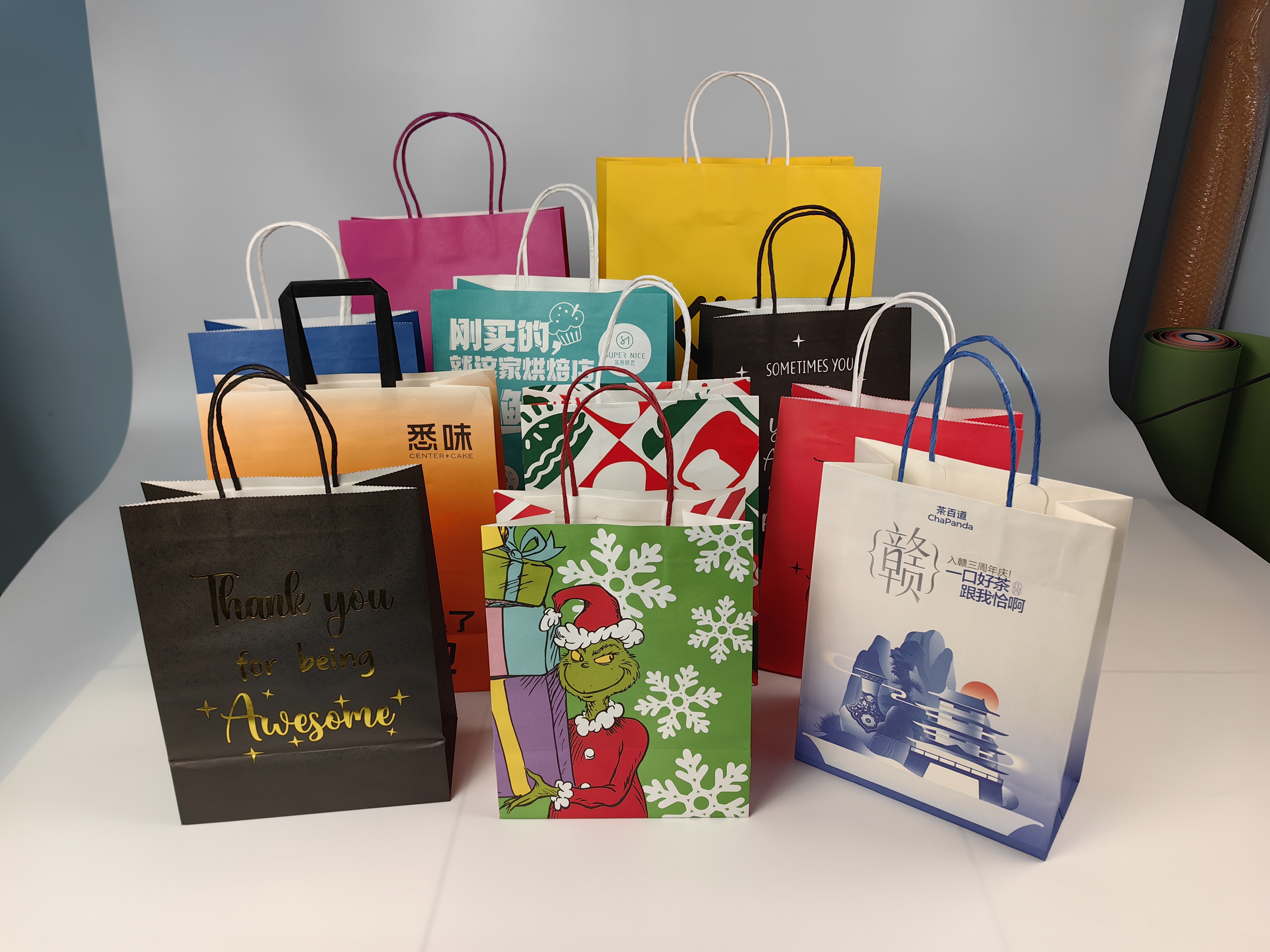
How to Calculate Storage Space for 50,000 Flat Cardboard Bags
Planning warehouse capacity for 50,000 flat cardboard bags requires more than an order quantity. Without confirmed bag dimensions, material thickness, carton packing details, and pallet configuration, it is not possible to produce a reliable storage-volume calculation.
Before reserving warehouse space, ask the supplier for the complete packing specification. This should include the outer dimensions of each carton, the number of bags packed per carton, the total number of cartons, and pallet details where applicable.
What You Need Before Estimating Warehouse Space
The quantity of 50,000 bags does not indicate how much room the shipment will occupy. Flat bags may be compact, but their final storage footprint varies significantly depending on bag size, paper weight, handles, reinforcements, folding method, and carton arrangement.
- Obtain the finished bag length, width, and gusset measurements.
- Confirm the paper or board thickness and whether the bags are shipped fully flat.
- Request carton length, width, height, and bags per carton.
- Verify the total carton count, net weight, and gross weight.
- If palletized, request pallet dimensions and the permitted stacking height.
Why Product Quantity Alone Is Not Enough
A 50,000-piece order can be packed in very different ways. Smaller lightweight bags may fit into relatively few cartons, while large premium gift bags with thick paper, rope handles, or reinforced bottoms can require substantially more cubic volume. Warehouse planning must therefore be based on the packed shipment rather than the number of individual units.
The available product information identifies a customizable gift paper bag and notes a minimum order quantity of 5,000 pieces with a delivery lead time of approximately 12–15 days. However, it does not list the bag dimensions, paper thickness, carton size, or quantity per carton. These missing data points make any volume estimate speculative.
Confirm the Product Type Before Planning Storage
It is also important to confirm whether the requested “flat cardboard bags” are the same as the listed customizable gift paper bags. The available details refer to paper bags used for retail shopping, commodity packaging, gift packaging, and in-store presentation, but they do not specifically confirm a cardboard construction or a flat-packed format.
Kraft paper bags, white card paper bags, and gift paper bags may all have different material weights and packing methods. Clarifying the exact product construction will help determine both storage needs and handling requirements.
Storage Information Checklist
| Required information | Current status | Why it matters |
|---|---|---|
| Order quantity | 50,000 bags | Provides unit volume only after packing details are known |
| Bag dimensions and thickness | Not provided | Determines the size of each flat bundle |
| Material and product format | Customizable gift paper bag is listed | Needs confirmation that it is a flat cardboard bag |
| Carton dimensions and bags per carton | Not provided | Required to calculate cubic volume and floor area |
| Pallet footprint and stacking limit | Not provided | Required for pallet-rack or floor-storage planning |
| Lead time | 12–15 days | Useful for delivery scheduling, not space calculation |
How to Use the Supplier’s Packing Data
Once carton dimensions and carton quantity are available, calculate total shipment volume by multiplying each carton’s length, width, and height by the total number of cartons. If the cartons will be stored on pallets, use the pallet footprint and stacking pattern to estimate the number of pallet positions required.
For a practical warehouse allocation, allow additional room for aisles, receiving, inspection, picking, and safe stacking. The usable storage area is usually lower than the total physical warehouse area, especially where forklifts or pallet jacks are used.
Frequently Asked Questions
Can I estimate storage space from 50,000 bags alone?
No. The quantity does not reveal the packed shipment volume. Accurate planning requires carton dimensions, bags per carton, and total carton quantity.
Which supplier details are most important?
Ask for carton length, width, and height; packing quantity per carton; total carton count; finished bag size; net and gross weights; and pallet specifications if the order will be palletized.
Does the product listing prove the bags are flat cardboard bags?
No. It identifies a customizable gift paper bag, but it does not state that the item is cardboard, shipped flat, or manufactured to a particular size.
Conclusion
A dependable storage estimate for 50,000 flat cardboard bags can only be made after receiving the supplier’s packing and shipment specifications. The stated minimum order quantity and 12–15 day production lead time do not establish the warehouse volume needed. Zhejiang Chuancheng Packaging Products Co., Ltd. offers factory-direct sales, OEM and ODM services, and bulk wholesale supply, with a stated 10,000-piece minimum order quantity for those business models. For product specifications and packing support, contact sales01@ywccpackage.com.
About Us
Zhejiang Chuancheng Packaging Products Co., Ltd. is a packaging manufacturer established in 2001 in Jinhua, China, producing poly mailers, bubble mailers, zipper bags, paper bags, and other packaging products. The company reports a monthly capacity of 180 million bags and serves markets including the United States, Mexico, Europe, Southeast Asia, the Middle East, and Russia. Its listed credentials include ISO 9001 Quality Management System Certification and FSC Chain of Custody certification; reported client cases cover logistics and gift packaging.

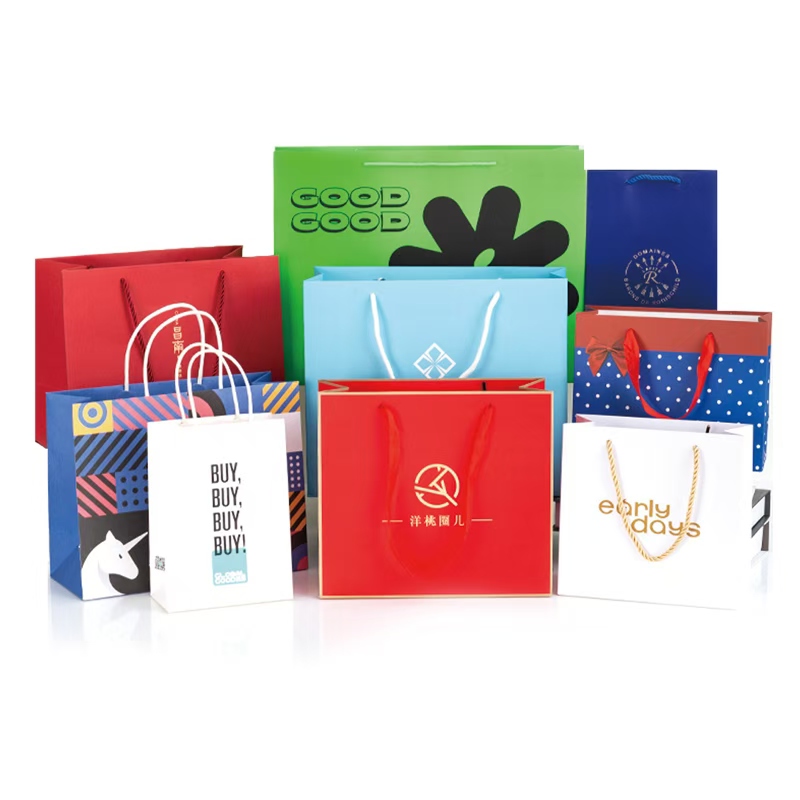
Are Defective Mailing Bags Eligible for Free Factory Replacement?
Whether defective mailing bags can be replaced free of charge depends on the factory's confirmed after-sales terms. Zhejiang Chuancheng Packaging Products Co., Ltd. states that it provides after-sales quality service and conducts spot-check inspections for orders, but the available information does not promise automatic free replacement. Buyers should submit order details and defect evidence so the factory can determine whether replacement, rework, refund, or another solution applies.
Key Answer and Purchasing Considerations
- The factory information does not expressly guarantee free replacement for defective mailing bags.
- After-sales quality support is available, but the specific remedy must be agreed after the claim is assessed.
- Conventional courier bags are promoted as durable and water-resistant products for parcels and routine logistics use.
- Factory-direct orders, OEM and ODM projects, wholesale purchasing, and distributor cooperation are supported, with a stated minimum order quantity of 10,000 pieces.
How the Quality Claim Process Should Work
The factory's listed cooperation information refers to “Support after-sales quality service.” However, it does not define a fixed no-cost replacement policy for defective mailing bags. The available details also do not specify what qualifies as a defect, how long buyers have to submit a claim, how many products may be replaced, whether refunds are available, or which party pays return freight.
Because order quality inspection is described as a spot check, buyers should clarify the inspection coverage and complaint procedure before confirming production. This is especially important when sourcing conventional courier bags or self-seal mailing bags for online retail fulfillment, parcel delivery, and logistics operations.
Information to Include in a Defect Report
A complete claim should normally include the purchase order number, product type and specifications, affected quantity, delivery information, and clear photographs or videos showing the problem. Providing this material allows the factory to review the case and propose an appropriate remedy. Since the supplied information does not establish automatic free replacement, the final arrangement should be obtained in writing.
Product Applications and Factory Credentials
The company supplies mailing bags for everyday parcel shipping and broader logistics transportation. Bubble mailers and kraft bubble courier bags are intended to provide additional cushioning, while biodegradable and compostable courier bags address sustainability-focused logistics and environmental compliance requirements.
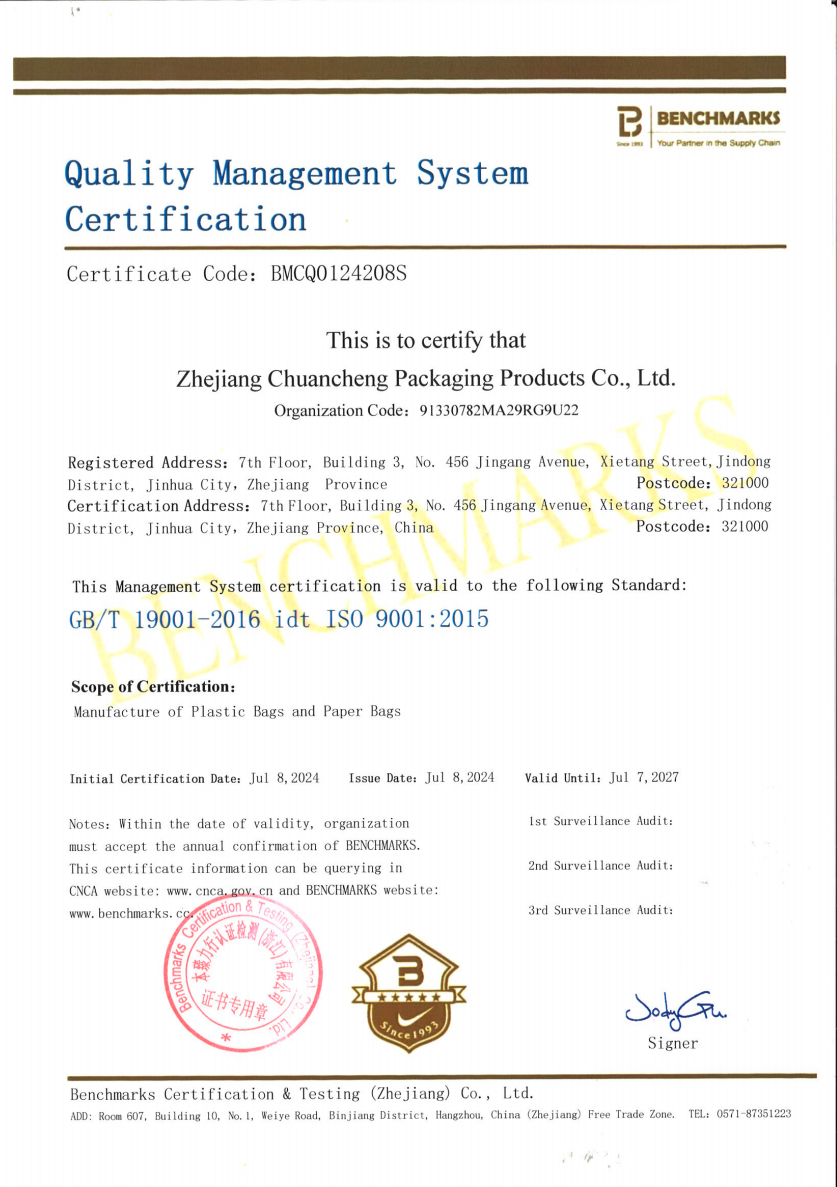
Its stated quality credentials include ISO 9001 Quality Management System Certification for plastic and paper bag manufacturing, as well as BSCI certification for plastic bags and paper bags.
The manufacturer has worked with platform and brand customers in Russia, Greece, and Kazakhstan on parcel delivery, gift packaging, and related delivery projects. These customer examples demonstrate experience across several packaging applications, but they should not be interpreted as evidence of a universal free-replacement promise.
Order Terms and Quality Information
| Item | Reported Terms |
|---|---|
| Free replacement for defective mailing bags | No automatic policy is confirmed |
| After-sales service | Quality support is available |
| Inspection method | Spot-check inspection |
| Factory-direct purchasing | Available; MOQ of 10,000 PCS and stated delivery time of 10-15 days |
| OEM and ODM projects | Available; MOQ of 10,000 PCS and stated delivery time of 10-15 days |
| Shipping terms | FOB, EXW, DDP, and CIF |
| Payment arrangements | 30% deposit and 70% balance before delivery, or 50% deposit and 50% balance before delivery |
Frequently Asked Questions
Does the factory guarantee free replacement of defective mailing bags?
No automatic free-replacement guarantee appears in the supplied information. The factory confirms after-sales quality support, but the applicable solution must be determined after reviewing the order and defect evidence.
What inspection procedure is used for mailing-bag orders?
The listed business information identifies spot-check inspection as the quality control method. Buyers should ask for the inspection scope, acceptance criteria, and claim deadlines before production begins.
What evidence is needed to report a quality problem?
Buyers should prepare the order reference, product specifications, number of affected bags, delivery details, and clear photos or other evidence of the defect. These records help the factory evaluate the claim and select a suitable remedy.
Conclusion and Buyer Recommendations
The supplied factory information is insufficient to confirm that defective mailing bags will be replaced free of charge. Before placing an order, buyers should request written terms covering defect standards, inspection procedures, claim deadlines, evidence requirements, replacement or refund options, and responsibility for return shipping. Zhejiang Chuancheng Packaging Products Co., Ltd. offers factory-direct production, OEM and ODM services, and FOB, EXW, DDP, and CIF shipping options. For technical inquiries or after-sales assistance, contact sales01@ywccpackage.com.
About Zhejiang Chuancheng Packaging Products Co., Ltd.
Zhejiang Chuancheng Packaging Products Co., Ltd. is a packaging manufacturer based in Jinhua and established in 2001. Its product range includes poly mailers, zipper bags, laminated bags, paper bags, plastic bags, and other packaging solutions. The company reports monthly production capacity of 180 million bags and serves customers in the United States, Mexico, Europe, Southeast Asia, the Middle East, and Russia.
The company reports holding ISO 9001 Quality Management System Certification and BSCI certification for plastic and paper bag production. Its products support customers across a range of industries and packaging applications.
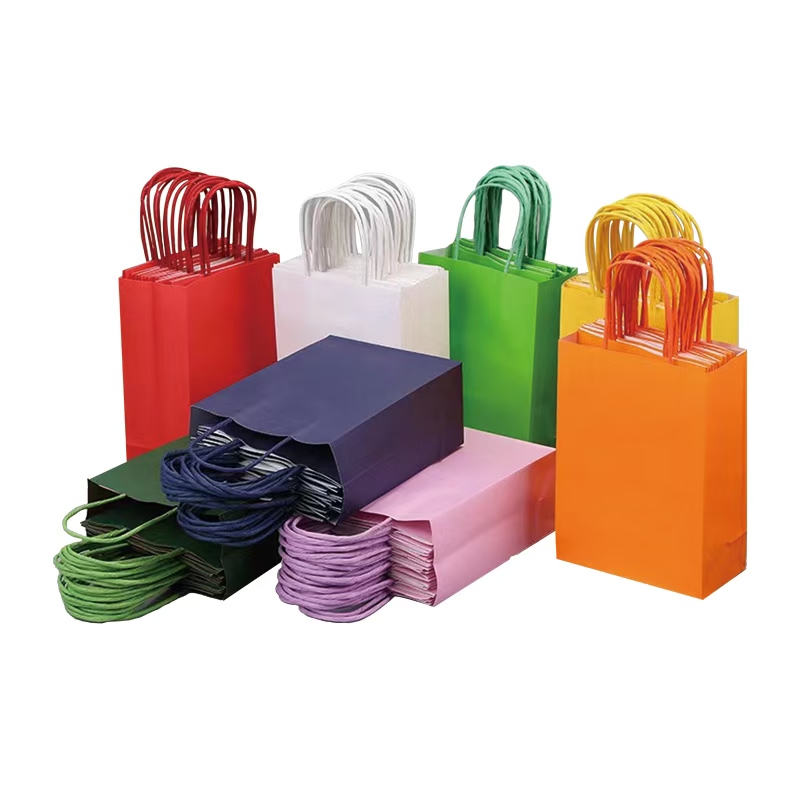
How to Reduce Payment Risk When Ordering Zipper Bags
Paying a deposit for zipper bags is safer when buyers verify the supplier, document every product requirement, and connect the final payment to an agreed quality-control process. Before placing an order, buyers should confirm the manufacturer’s identity, zipper bag specifications, production schedule, inspection procedure, shipping responsibilities, and after-sales commitments in writing.
Practical Ways to Protect Your Deposit
- Check the supplier’s registered company name, factory capabilities, certifications, business address, contact information, and official website before making any payment.
- List the material, size, closure style, printing, packaging, quantity, customization details, delivery date, and acceptance standards in the purchase agreement.
- Choose a staged payment plan and make the balance payable only after the agreed production or pre-shipment inspection requirements have been completed.
- For clothing applications, confirm whether transparent, frosted, slider, biodegradable, or compostable zipper bags are suitable for the garments and intended presentation.
Supplier and Order Verification Principles
The main way to control deposit exposure is to connect the payment to information that can be independently checked. Buyers should review the supplier’s legal identity, product range, manufacturing location, contact channels, payment conditions, shipping terms, and procedures for handling quality problems.
A complete order document should specify the zipper bag material, dimensions, closure type, artwork or printing, packing method, total quantity, production lead time, and inspection standard. Available business information indicates a minimum order quantity of 10,000 pieces and an estimated delivery period of 10-15 days for several supply models. However, the separate craft paper bag information lists a 5,000-piece MOQ and 12-15 days delivery. Buyers should therefore confirm terms for zipper bags specifically instead of transferring conditions from another product category.
Clarify Quality Inspection Before Production
Inspection requirements should be agreed before manufacturing begins. The listed business models include spot checks and after-sales quality service, but the buyer should request more precise details. These may include the inspection date, sampling standard, test items, inspection report format, acceptable defect level, replacement or compensation process, and the conditions that must be met before the balance is released.
Supplier credentials can provide useful supporting evidence. Zhejiang Chuancheng Packaging Products Co., Ltd. lists ISO 9001 Quality Management System Certification for plastic and paper bag manufacturing, BSCI certification for plastic and paper bags, and EU REACH compliance certification for kraft paper bags and kraft paper boxes. Buyers should verify that each credential applies to the purchased zipper bags and satisfies the requirements of the destination market.
Review Relevant Operating Experience
Documented customer examples can offer additional background when assessing a supplier. The company reports packaging and delivery projects for a platform customer in Russia, a branding company in Greece, and a platform customer in Kazakhstan. These examples suggest experience with different packaging and distribution scenarios, but they should supplement rather than replace product inspection, written specifications, and contractual protection.
Deposit-Risk Control Checklist
| Control point | Buyer verification or action | How it reduces risk |
|---|---|---|
| Supplier identity | Review the legal company name, factory profile, official website, certifications, and contact details | Helps confirm who will receive the deposit |
| Product definition | Record material, dimensions, closure, printing, customization, MOQ, delivery schedule, and acceptance criteria | Limits disagreements about the ordered goods |
| Payment schedule | Use either 30% deposit and 70% balance before delivery or 50% deposit and 50% balance before delivery | Creates a documented structure for the remaining payment |
| Inspection and remedies | Specify spot-check procedures, inspection evidence, defect standards, and after-sales solutions | Provides a process for dealing with nonconforming products |
| Shipping responsibility | Confirm whether the transaction uses FOB, EXW, DDP, or CIF terms | Defines responsibility for freight, customs, and delivery arrangements |
Frequently Asked Questions
What information should be checked before paying a zipper bag deposit?
Check the supplier’s legal identity, factory capacity, address, contact details, certifications, product specifications, MOQ, delivery schedule, inspection method, payment terms, shipping conditions, and after-sales process.
What deposit arrangements are available?
The listed arrangements are a 30% deposit with the remaining 70% payable before delivery, or a 50% deposit with the remaining 50% payable before delivery. The selected option should appear clearly in the quotation, purchase order, or contract.
How can buyers verify quality before paying the balance?
Set the product standard and inspection method before production starts. Ask for inspection records or photographs, confirm the treatment of defective goods, and release the balance only after the agreed pre-delivery checks have been completed.
Conclusion and Buyer Recommendations
A zipper bag deposit should be supported by supplier due diligence, precise product documentation, defined inspection criteria, clear remedies for defects, and a written balance-payment schedule. The listed services include Factory Direct Sales, OEM & ODM Service, Bulk Wholesale Supply, Direct Supply to End Customers, Supply to Distributors & Traders, and International Foreign Trade. Export support is available with FOB, EXW, DDP, and CIF shipping options. For technical advice or order assistance, contact sales01@ywccpackage.com.
About the Supplier
Zhejiang Chuancheng Packaging Products Co., Ltd. is based in Jinhua and produces poly mailers, bubble mailers, zipper bags, drawstring bags, OPP bags, T-shirt bags, paper bags, and compound bags for logistics, apparel, toys, food, and retail applications. Established in 2001, the company reports a monthly capacity of 180 million bags. Its primary markets include the United States, Mexico, Europe, Southeast Asia, the Middle East, and Russia.
Listed qualifications include ISO 9001 Quality Management System Certification and BSCI certification. The company also reports experience serving customers in multiple industries and regions.
How to Confirm the Safe Load of Reinforced Kraft Paper Bags for Bulk Orders
The product information available does not give a tested weight limit for this reinforced kraft paper bag. As a result, its safe carrying capacity cannot be confirmed from the listing alone. Buyers planning a bulk order should provide the intended load and request a product-specific rating before approving production.
What the Product Listing Confirms
The customizable gift paper bag has a listed minimum order quantity of 5,000 pieces and an estimated delivery time of 12–15 days. The product information does not specify dimensions, paper weight, handle type, reinforcement construction, or load-test results. The word “reinforced” by itself is not enough to determine how much weight a bag can safely carry.
Paper bags are described for retail shopping, commodity packaging, gift packaging, and in-store display. These listed uses do not establish that the bag is suitable for any particular product weight or handling conditions.
Information to Request Before Ordering
Tell the supplier what the bags will carry and how they will be handled. Ask for the proposed material and dimensions, details of the handle and reinforcement, and the maximum tested load under stated test conditions. Make sure the test documentation applies to the exact customized design being ordered.
The company lists ISO 9001 quality management system certification for manufacturing plastic and paper bags, as well as FSC Chain of Custody certification for paper sacks and bags. These credentials do not provide a load rating for an individual bag design. Listed customer cases involving Russia, Greece, and Kazakhstan likewise do not include carrying-capacity data.
Product Details and Load-Safety Checks
| Topic | Details in the listing | Confirmation needed |
|---|---|---|
| Gift paper bag | Customization available; minimum order of 5,000 pieces | Dimensions, paper specification, handle construction, and reinforcement |
| Safe carrying limit | No rating or test result stated | Maximum tested load and the conditions used for testing |
| Delivery schedule | 12–15 days stated for the product | Lead time for the final approved custom specification |
| Intended applications | Retail, commodity, and gift packaging; in-store display | Suitability for the contents’ weight and expected handling |
Frequently Asked Questions
What is the safe weight limit for this bag?
No safe-load figure is provided in the available product details. Obtain a confirmed rating and supporting test information for the specified bag before using it to carry a particular load.
Can I request a customized bulk order?
Yes. The listing accepts customization and states a 5,000-piece minimum. Confirm that the requested material, reinforcement, and load requirements can be incorporated into the order.
Do the listed certifications prove the bag’s load capacity?
No. The certification information does not include a product-specific carrying-capacity result. Request test documentation that matches the final bag design.
Bulk Order Recommendation
Do not assume a safe weight limit without a product-specific test result. Define the intended contents and handling, then have the supplier confirm the bag specification and tested capacity before production. The company also describes factory-direct sales, OEM and ODM services, and wholesale supply. Its general business terms list a 10,000-piece minimum order and a 10–15-day delivery period, which differ from the product listing’s 5,000-piece minimum and 12–15-day estimate. Confirm which terms apply to your customized order. For technical questions, contact sales01@ywccpackage.com.
About the Manufacturer
Zhejiang Chuancheng Packaging Products Co., Ltd. is a packaging manufacturer based in Zhejiang, China, producing paper and plastic packaging for retail, apparel, logistics, and other applications. Founded in 2001, the company reports a 34,000-square-meter factory and monthly output capacity of 180 million bags. Its listed credentials include ISO 9001 quality management and FSC Chain of Custody certification, with cooperation cases across multiple industries.
REPORT