







-
 Agriculture
-
 Health-Care
-
 Environment
-
 Construction-Real-Estate
-
 Tools-Hardware
-
 Home-Garden
-
 Furniture
-
 Luggage-Bags-Cases
-
 Medical-devices-Supplies
-
 Gifts-Crafts
-
 Sports-Entertainment
-
 Food-Beverage
-
 Vehicles-Transportation
-
 Power-Transmission
-
 Material-Handling
-
 Renewable-Energy
-
 Safety
-
 Testing-Instrument-Equipment
-
 Construction-Building-Machinery
-
 Pet-Supplies
-
 Personal-Care-Household-Cleaning
-
 Vehicle-Accessories-Electronics-Tools
-
 School-Office-Supplies
-
 Packaging-Printing
-
 Mother-Kids-Toys
-
 Business-Services
-
 Commercial-Equipment-Machinery
-
 Apparel-Accessories
-
 Security
-
 Shoes-Accessories
-
 Vehicle-Parts-Accessories
-
 Jewelry-Eyewear-Watches-Accessories
-
 Lights-Lighting
-
 Fabric-Textile-Raw-Material
-
 Fabrication-Services
-
 Industrial-Machinery
-
 Consumer-Electronics
-
 Electrical-Equipment-Supplies
-
 Electronic-Components-Accessories-Telecommunications
-
 Home-Appliances
-
 Beauty
-
 Chemicals
-
 Rubber-Plastics
-
 Metals-Alloys


























































































































































































































































































































































































































































































































































































- Masonry Materials
- Curtain Walls & Accessories
- Earthwork Products
- Fireproofing Materials
- Heat Insulation Materials
- Plastic Building Materials
- Building Boards
- Soundproofing Materials
- Timber
- Waterproofing Materials
- Balustrades & Handrails
- Bathroom & Kitchen
- Flooring & Accessories
- Tiles & Accessories
- Door, Window & Accessories
- Fireplaces & Stoves
- Floor Heating Systems & Parts
- Stairs & Stair Parts
- Ceilings
- Elevators & Escalators
- Stone
- Countertops, Vanity Tops & Table Tops
- Mosaics
- Metal Building Materials
- Multifunctional Materials
- Ladders & Scaffoldings
- Mouldings
- Corner Guards
- Decorative Films
- Formwork
- Building & Industrial Glass
- Other Construction & Real Estate
- Wallpapers/Wall panels
- HVAC System & Parts
- Outdoor Facilities
- Prefabricated Buildings
- Festive & Party Supplies
- Bathroom Products
- Household Sundries
- Rain Gear
- Garden Supplies
- Household Cleaning Tools & Accessories
- Lighters & Smoking Accessories
- Home Storage & Organization
- Household Scales
- Smart Home Improvement
- Home Textiles
- Kitchenware
- Drinkware & Accessories
- Dinnerware, Coffee & Wine
- Home Decor
- Golf
- Fitness & Body Building
- Amusement Park Facilities
- Billiards, Board Game,Coin Operated Games
- Musical Instruments
- Outdoor Affordable Luxury Sports
- Camping & Hiking
- Fishing
- Sports Safety&Rehabilitation
- Ball Sports Equipments
- Water Sports
- Winter Sports
- Luxury Travel Equipments
- Sports Shoes, Bags & Accessories
- Cycling
- Other Sports & Entertainment Products
- Artificial Grass&Sports Flooring&Sports Court Equipment
- Scooters
- Food Ingredients
- Honey & Honey Products
- Snacks
- Nuts & Kernels
- Seafood
- Plant & Animal Oil
- Beverages
- Fruit & Vegetable Products
- Frog & Escargot
- Bean Products
- Egg Products
- Dairy Products
- Seasonings & Condiments
- Canned Food
- Instant Food
- Baked Goods
- Other Food & Beverage
- Meat & Poultry
- Confectionery
- Grain Products
- Feminie Care
- Hair Care & Styling
- Body Care
- Hands & Feet Care
- Hygiene Products
- Men's Grooming
- Laundry Cleaning Supplies
- Travel Size & Gift Sets
- Room Deodorizers
- Other Personal Care Products
- Pest Control Products
- Special Household Cleaning
- Floor Cleaning
- Kitchen & Bathroom Cleaning
- Oral Care
- Bath Supplies
- Yellow Pages
- Correction Supplies
- Office Binding Supplies
- Office Cutting Supplies
- Board Erasers
- Office Adhesives & Tapes
- Education Supplies
- Pencil Cases & Bags
- Notebooks & Writing Pads
- File Folder Accessories
- Calendars
- Writing Accessories
- Commercial Office Supplies
- Pencil Sharpeners
- Pens
- Letter Pad/Paper
- Paper Envelopes
- Desk Organizers
- Pencils
- Markers & Highlighters
- Filing Products
- Art Supplies
- Easels
- Badge Holder & Accessories
- Office Paper
- Printer Supplies
- Book Covers
- Other Office & School Supplies
- Stationery Set
- Boards
- Clipboards
- Stamps
- Drafting Supplies
- Stencils
- Electronic Dictionary
- Books
- Map
- Magazines
- Calculators
- Baby & Toddler Toys
- Educational Toys
- Classic Toys
- Dress Up & Pretend Play
- Toy Vehicle
- Stuffed Animals & Plush Toys
- Outdoor Toys & Structures
- Balloons & Accessories
- Baby Food
- Children's Clothing
- Baby Supplies & Products
- Maternity Clothes
- Kids Shoes
- Baby Care
- Novelty & Gag Toys
- Dolls & Accessories
- Puzzle & Games
- Blocks & Model Building Toys
- Toddler Clothing
- Baby Clothing
- Kids' Luggage & Bags
- Arts, Crafts & DIY Toys
- Action & Toy Figures
- Baby Appliances
- Hobbies & Models
- Remote Control Toys
- Promotional Toys
- Pregnancy & Maternity
- Hygiene Products
- Kid's Textile&Bedding
- Novelty & Special Use
- Toy Weapons
- Baby Gifts
- Baby Storage & Organization
- Auto Drive Systems
- ATV/UTV Parts & Accessories
- Marine Parts & Accessories
- Other Auto Parts
- Trailer Parts & Accessories
- Auto Transmission Systems
- Train Parts & Accessories
- Universal Parts
- Railway Parts & Accessories
- Auto Brake Systems
- Aviation Parts & Accessories
- Truck Parts & Accessories
- Auto Suspension Systems
- Auto Lighting Systems
- New Energy Vehicle Parts & Accessories
- Auto Steering Systems
- Wheels, Tires & Accessories
- Bus Parts & Accessories
- Auto Performance Parts
- Cooling System
- Go-Kart & Kart Racer Parts & Accessories
- Air Conditioning Systems
- Heavy Duty Vehicle Parts & Accessories
- Auto Electrical Systems
- Auto Body Systems
- Auto Engine Systems
- Container Parts & Accessories
- Motorcycle Parts & Accessories
- Refrigeration & Heat Exchange Equipment
- Machine Tool Equipment
- Food & Beverage Machinery
- Agricultural Machinery & Equipment
- Apparel & Textile Machinery
- Chemical Machinery
- Packaging Machines
- Paper Production Machinery
- Plastic & Rubber Processing Machinery
- Industrial Robots
- Electronic Products Machinery
- Metal & Metallurgy Machinery
- Woodworking Machinery
- Home Product Manufacturing Machinery
- Machinery Accessories
- Environmental Machinery
- Machinery Service
- Electrical Equipment Manufacturing Machinery
- Industrial Compressors & Parts
- Tobacco & Cigarette Machinery
- Production Line
- Used Industrial Machinery
- Electronics Production Machinery
- Other Machinery & Industrial Equipment
- Camera, Photo & Accessories
- Portable Audio, Video & Accessories
- Television, Home Audio, Video & Accessories
- Video Games & Accessories
- Mobile Phone & Accessories
- Electronic Publications
- Earphone & Headphone & Accessories
- Speakers & Accessories
- Smart Electronics
- TV Receivers & Accessories
- Mobile Phone & Computer Repair Parts
- Chargers, Batteries & Power Supplies
- Used Electronics
- VR, AR, MR Hardware & Software
- Projectors & Presentation Equipments
- Other Consumer Electronics
- Cables & Commonly Used Accessories
- Computer Hardware & Software
- Displays, Signage and Optoelectronics
- Discrete Semiconductors
- Wireless & IoT Module and Products
- Telecommunications
- Connectors, Terminals & Accessories
- Development Boards, Electronic Modules and Kits
- Circuit Protection
- Sensors
- Isolators
- Audio Components and Products
- Integrated Circuits
- Power Supplies
- Relays
- RF, Microwave and RFID
- Electronic Accessories & Supplies
- Passive Components
- PCB & PCBA
- Air Quality Appliances
- Home Appliance Parts
- Heating & Cooling Appliances
- Small Kitchen Appliances
- Laundry Appliances
- Water Heaters
- Water Treatment Appliances
- Refrigerators & Freezers
- Personal Care & Beauty Appliances
- Major Kitchen Appliances
- Cleaning Appliances
- Second-hand Appliances
- Smart Home Appliances
- Other Home Appliances
- Energy Chemicals
- Inorganic Chemicals
- Basic Organic Chemicals
- Agrochemicals
- Admixture & Additives
- Catalysts & Chemical Auxiliary Agents
- Pigments & Dyestuff
- Coating & Paint
- Daily Chemicals
- Polymer
- Organic Intermediate
- Adhesives & Sealants
- Chemical Waste
- Biological Chemical Products
- Surface Treatment Chemicals
- Painting & Coating
- Chemical Reagents
- Flavor & Fragrance
- Non-Explosive Demolition Agents
- Other Chemicals
- Custom Chemical Services

Plastic Raw Materials
A Comprehensive Guide to Validating Coffee Machine Performance Claims & Material Standards
To accurately validate the operational claims of coffee machines, buyers and engineers must evaluate material safety limits, certified quality frameworks, and rigorous factory testing protocols. Assessing thermal tolerance parameters—such as raw plastic flash points exceeding 335°C—alongside ISO 9001 quality certifications and empirical batch testing ensures that equipment meets specified performance criteria throughout global supply chains.
Essential Key Takeaways & Actionable Strategies
- Inspect Thermal & Structural Safety Metrics: Audit critical raw material specifications, ensuring modified plastic pellets achieve flash points above 335°C and auto-ignition thresholds higher than 420°C to handle intense heating cycles.
- Verify Industry Quality Certifications: Demand verified documentation such as ISO 9001 Quality Management System and IATF 16949:2016 credentials for specialized engineering plastics.
- Enforce Supply Chain Inspection Controls: Implement comprehensive pre-shipment quality checks and tracking systems during cross-border equipment procurement and manufacturing.
- Execute Field & Laboratory Debugging: Cross-check manufacturer specs against actual batch test results using structured technical alignment procedures.
In-Depth Technical & Quality System Analysis
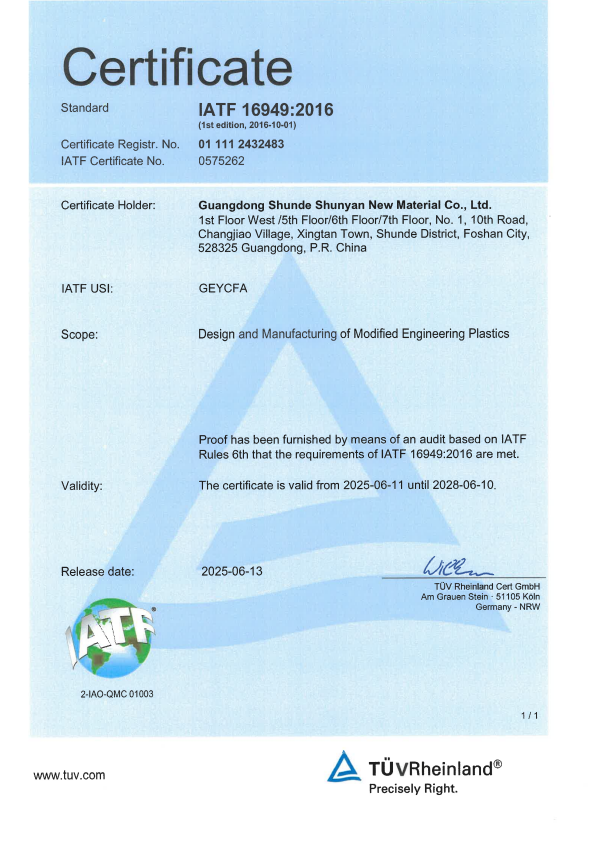
Ensuring that both commercial and residential coffee makers fulfill performance assertions relies on thorough material evaluation and systematic manufacturing oversight. Because these units face continuous heat and fluid pressure, internal housings and flow pathways require top-tier thermal resilience. Reviewing specific material parameters, such as a specific gravity of 1.32 and high flash points, confirms that components retain structural stability without warping or outgassing over prolonged use.
Authentication of technical claims requires matching product specifications with recognized international standards. Holding ISO 9001 certification (Certificate 0070019Q51912R0M) alongside IATF 16949:2016 proves that modified engineering plastics follow strict R&D, processing, and quality control routines. Additionally, compliance documentation like EU Test Attestations of Conformity validates that products conform to mandatory international safety regulations.
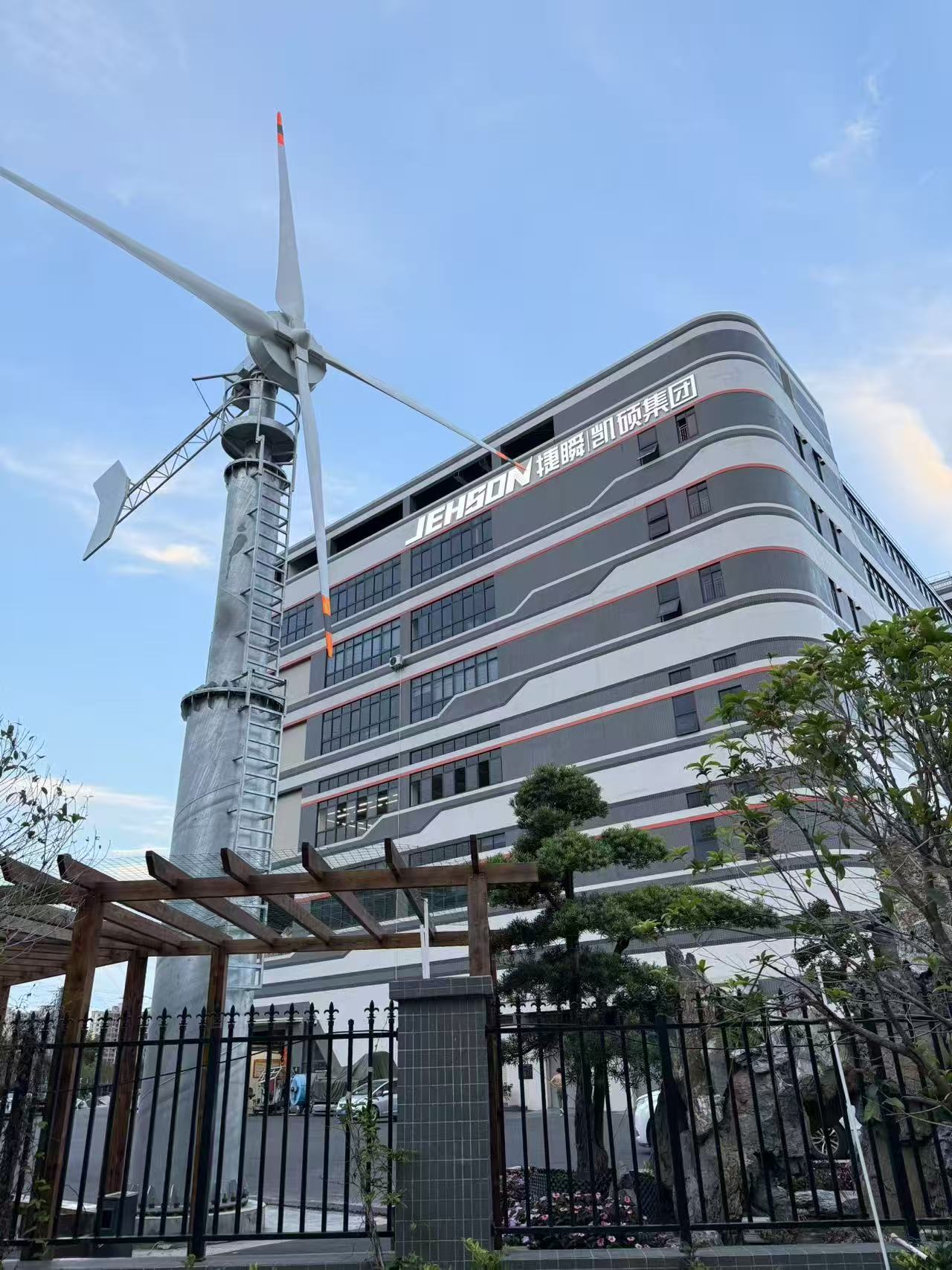
Field verification across international supply networks confirms the necessity of hands-on commissioning. Real-world data from South American distribution projects reveals that systematic technical alignment, on-site debugging, and structured quality checks before dispatch effectively eliminate performance discrepancies, ensuring real-world operation mirrors declared specifications.
Performance Specifications & Evaluation Metrics Comparison
| Evaluation Metric | Technical Specification Standard | Operational Impact on Performance Verification |
|---|---|---|
| Thermal Degradation Limit | Flash point > 335°C, Ignition point > 420°C | Ensures housing components resist continuous thermal exposure without warping or off-gassing. |
| Material Density & Form | Specific gravity 1.32 (Granular colloidal particles) | Guarantees consistent molding density and mechanical strength across batch production. |
| Quality Compliance System | ISO 9001 & IATF 16949:2016 Certified | Validates standardized R&D, production tracking, and quality management processes. |
| Procurement & Logistics Terms | MOQ 1T, 30 days lead time via Sea Freight (FCL/LCL) | Establishes scalable supply framework backed by 30% T/T prepayment and 70% balance against B/L copy. |
Frequently Asked Questions
Why are raw material properties vital for coffee machine validation?
Raw material properties directly dictate structural durability, heat endurance, and operational safety. Verifying that plastic pellets achieve flash points exceeding 335°C and maintain a specific gravity of 1.32 ensures components sustain high working temperatures without structural failure.
What quality certifications confirm coffee machine component reliability?
Essential certifications include ISO 9001 Quality Management System, IATF 16949:2016 for engineering plastics manufacturing, and EU Test Attestations of Conformity for regional regulatory compliance.
How do supply chain quality controls safeguard performance standards?
By enforcing rigorous pre-shipment inspections, continuous batch tracking, and precise technical specification matching prior to ocean freight dispatch (FCL/LCL), buyers guarantee that delivered units meet factory claims.
Conclusion & Key Recommendations
Validating coffee machine performance claims effectively requires combining material safety testing with rigorous quality management audits. Checking thermal stability thresholds, physical density, and certifications like ISO 9001 ensures long-term operational safety and equipment consistency. Implementing end-to-end supply chain controls guarantees compliance across international markets. For custom engineering support or further inquiries, reach out to us at karl.liu@buyfromchina.cn.
About Our Organization
Founded in 2012, Guangdong BFC Technology Co,.Ltd is a leading industrial internet platform, equipment exporter, and end-to-end solution provider. Spanning a 1,500 square meter operational facility with a dedicated team of 10 industry professionals, the enterprise specializes in cross-border production capacity integration, machinery optimization, and global supply management with 100% export focus. Backed by over ten years of international trade expertise, the firm bridges raw material manufacturing with strict quality protocols including ISO 9001 and IATF 16949:2016 certifications to serve commercial partners worldwide.

Is Documentary Payment Safer Than Direct Payment for a Coffee Machine Order?
For a coffee machine purchase, documentary payment generally offers better payment control than sending funds directly without a document-based condition. The available arrangement requires a 30% T/T deposit, with the remaining 70% payable after the buyer receives a copy of the bill of lading. This shipping-document checkpoint can reduce payment risk, but it does not prove that the machines meet the agreed specifications or quality standards. Contract terms, inspection, and acceptance procedures are still essential.
Payment Structure and Main Safeguards
The supplier's stated payment arrangement divides the transaction into two stages. The buyer pays 30% in advance by T/T, while the final 70% is released against a copy of the bill of lading. This creates a documented condition before the balance is paid and gives the buyer evidence that the shipment has entered the transportation process.
By comparison, the available business information does not identify a separate direct-payment option. Therefore, the comparison is based on control measures: a payment made without a documentary requirement may provide fewer formal checkpoints, whereas the listed arrangement links the balance to shipping documentation.
It is important to understand the limits of this protection. A bill of lading copy indicates that shipping documents have been issued, but it does not independently confirm the coffee machine's performance, model, quantity, materials, compliance, or manufacturing quality. These matters should be defined in the purchase contract and verified through an agreed inspection process.
Recommended Controls for a Coffee Machine Order
Confirm Technical Requirements
The buyer should specify the machine model, capacity, voltage, applicable certifications, materials, packaging, accessories, and expected performance. Clear acceptance criteria make it easier to determine whether the delivered equipment complies with the order.
Use Pre-Shipment Inspection
The company records quality inspection as available when required. The buyer can request an inspection before shipment and establish procedures for handling defects, shortages, failed tests, or nonconforming products.
Define Support and Delivery Terms
After-sales support is listed as available, but the agreement should state the scope of technical assistance, spare parts, warranty coverage, response times, and installation responsibilities. Sea freight can be arranged through FCL or LCL, depending on the shipment volume and commercial terms.
Relevant Business Information
The supplied product data refers to plastic pellets, with a minimum order quantity of 1 T and a stated delivery period of 30 days. It does not include coffee machine specifications, so these records cannot be used to confirm coffee machine delivery schedules, technical performance, or product conformity.
The company's cooperation examples include equipment supplied for construction and wastewater treatment projects in Ecuador. These projects involved installation debugging, remote technical assistance, and after-sales maintenance. They show experience serving international industrial customers, but they do not establish specific experience with coffee machines.
Listed credentials include a Certificate of Quality Management System Certification for OEM production of refrigerated freezers and an EU Test Attestation of Conformity for wastewater treatment equipment. These credentials apply to the products identified in the records and should not be interpreted as certifications for coffee machines.
Payment and Risk Comparison
| Control area | Documentary payment arrangement | Direct payment without the stated document condition |
|---|---|---|
| Upfront financial exposure | 30% T/T prepayment is specified | Exposure depends on the negotiated payment terms |
| Balance payment trigger | 70% is due against a copy of the bill of lading | No bill of lading condition is identified |
| Shipping options | Sea freight is available through FCL or LCL | The method must be agreed separately |
| Quality verification | Inspection can be requested, but a B/L copy does not verify quality | Inspection and acceptance terms must be written into the contract |
| After-sales service | Support is listed as available | Coverage and obligations require confirmation |
Frequently Asked Questions
Does documentary payment guarantee a safe coffee machine purchase?
No. It adds a documented condition for releasing the balance, but payment against a bill of lading copy does not guarantee product quality, technical compliance, or correct specifications.
What payment terms are currently listed?
The available terms are 30% T/T paid in advance and 70% paid against a copy of the bill of lading. No additional payment method is stated in the provided information.
Should the buyer require inspection?
Yes. Inspection should cover the agreed specifications, quantity, workmanship, function, packaging, and documentation. The contract should also define remedies if the equipment fails inspection.
Conclusion
For this type of order, the documentary arrangement provides more formal control over the final payment than a direct payment structure with no stated shipping-document requirement. Its protection is limited, however, because the bill of lading confirms shipping documentation rather than product conformity. Before placing an order, confirm the coffee machine specifications, arrange any required inspection, document warranty and after-sales duties, and determine whether FCL or LCL shipping is appropriate. Minimum order quantities and lead times should be verified for the specific product. For technical solutions or further support, contact karl.liu@buyfromchina.cn.
About Us
Guangdong BFC Technology Co,.Ltd is an industrial internet platform company, equipment manufacturing exporter, and holistic solution provider established in 2012. It supports cross-border production cooperation and equipment exports through trading platform services, equipment improvement programs, and supply chain solutions. The company reports a 100% export ratio, with South America as its main market, and has served customers in several industries.
Its selected credentials include the Certificate of Quality Management System Certification for OEM production of refrigerated freezers and the EU Test Attestation of Conformity for wastewater treatment equipment.
How Long Does Coffee Machine Production Usually Take?
The production schedule for a coffee machine cannot be confirmed from the available product records. No coffee machine-specific manufacturing timeline is provided. Although a listed plastic pellet product shows a 30-day delivery period, that figure applies only to the plastic pellet order and should not be used as the standard lead time for coffee machines.
Key Information for Buyers
- No standard production lead time for coffee machines is stated in the available data.
- The listed plastic pellet product has a delivery time of 30 days and a minimum order quantity of 1T.
- Lead times for equipment, accessories, and home appliances are determined according to the individual product.
- International procurement support includes order coordination, logistics, customs clearance, distribution, and after-sales communication.
How the Lead Time Should Be Determined
A production schedule should be calculated from the specifications and configuration of the requested product. The available records do not include a coffee machine model, technical specification, production plan, or confirmed manufacturing capacity. As a result, there is no reliable basis for assigning a universal number of days to a coffee machine order.
The company operates across several categories, including equipment, plastic products, accessories, and household appliances. Its export services cover inquiry handling, order monitoring, shipping arrangements, customs procedures, and after-sales coordination. These services can support an international coffee machine purchase, but they do not establish a fixed manufacturing period for this product category.
Product terms such as minimum order quantity, delivery time, monthly output, inspection requirements, and shipping arrangements are confirmed on an order-by-order basis. Quality inspection can be arranged when required, and after-sales assistance is available. For international shipments, the stated payment arrangement is 30% T/T in advance and 70% against a copy of the bill of lading, with sea freight available for FCL or LCL shipments.
Available Product and Company References
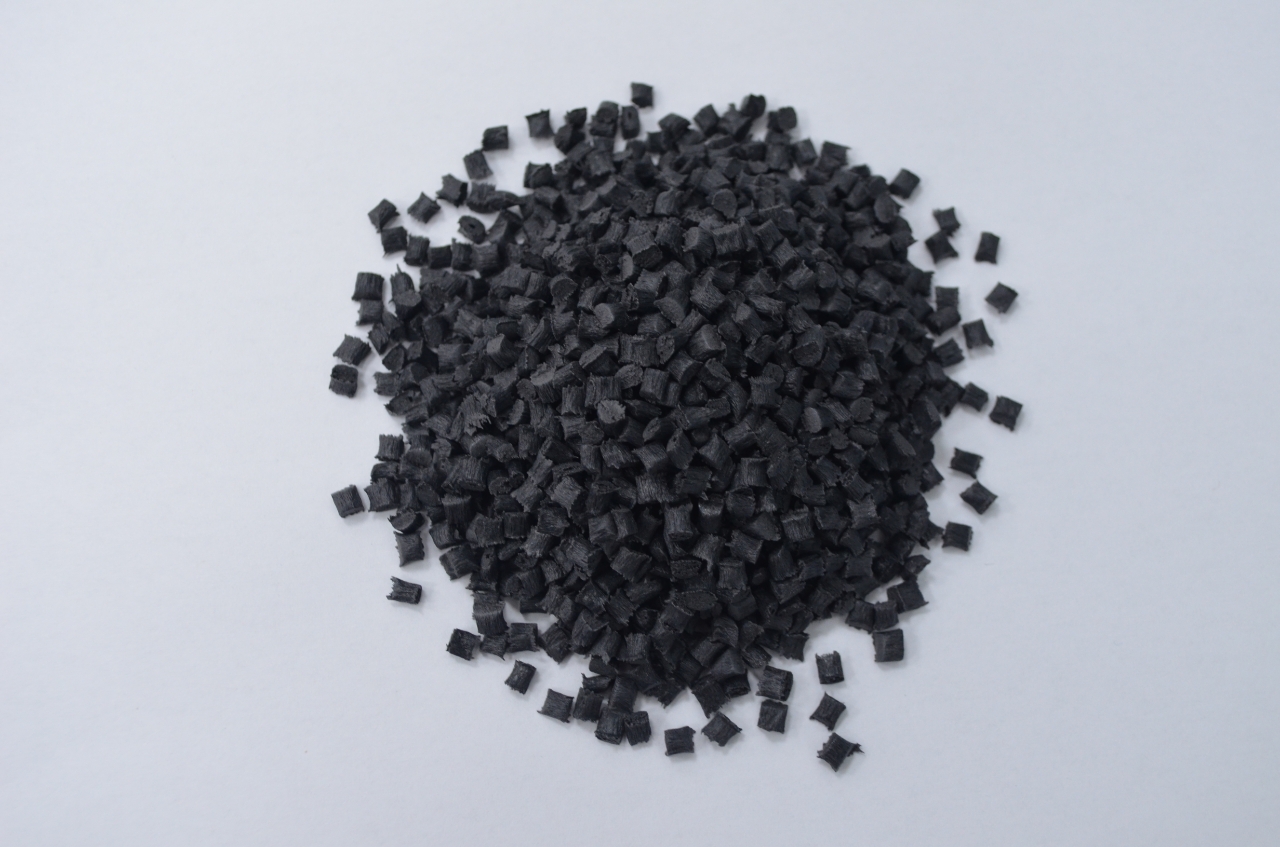
The only specific delivery period in the supplied product information belongs to a plastic pellet listing. The material is described as black or natural granular plastic, with a 30-day delivery time and product images available for reference.
The knowledge base also includes quality-related certificates connected to particular manufacturing activities. These include a Certificate of Quality Management System Certification for OEM production of refrigerated freezers and an ISO 9001 Quality Management System Certification Certificate covering the production, processing, sales, and service of stainless steel coils. Neither certificate should be treated as evidence of a coffee machine-specific production schedule or certification.
Reported projects in Ecuador involve construction wood cutting machines and wastewater treatment equipment. Those projects include equipment delivery, on-site commissioning, remote technical assistance, and after-sales maintenance for construction, municipal, industrial, property development, and aquaculture applications.
Lead-Time Reference Table
| Product or service | Lead-time information | Related conditions |
|---|---|---|
| Coffee machine | Not available in the supplied records | A product-specific quotation and schedule confirmation are required |
| Plastic pellet | 30 days | MOQ: 1T; inspection available when required; after-sales support provided |
| Equipment, accessories, and home appliances | Determined by the product | Delivery time and monthly production capacity vary by item |
| International procurement service | Depends on the product and order plan | 30% T/T prepayment, 70% against B/L copy; sea freight by FCL or LCL |
Frequently Asked Questions
What is the usual production lead time for a coffee machine?
The available information does not state a standard coffee machine production period. The expected schedule must be confirmed after the model, specifications, quantity, and order requirements are reviewed.
Can the 30-day delivery period be used for a coffee machine order?
No. The 30-day period is specifically associated with the listed plastic pellet product. There is no information showing that the same timeline applies to coffee machines.
What should be included in a coffee machine quotation request?
Buyers should provide the required machine configuration, order quantity, destination, inspection expectations, and shipping preference. The supplier can then confirm production timing, payment terms, logistics, and after-sales arrangements.
Conclusion
A normal coffee machine production lead time cannot be calculated from the supplied records because no coffee machine manufacturing schedule is included. The only confirmed product-specific period is 30 days for plastic pellets, while delivery timing for other categories depends on the individual product. Buyers should request a tailored quotation and verify the production schedule, inspection service, payment terms, and sea freight options before placing an order. For technical solutions or procurement assistance, contact karl.liu@buyfromchina.cn.
About Us
Guangdong BFC Technology Co,.Ltd is an industrial internet platform company, equipment exporter, and integrated solution provider founded in 2012 under the BUY FACTORY FROM CHINA brand. The company supports equipment manufacturing exports through trading services, equipment improvement programs, and supply chain assistance. Its reported export ratio is 100%, with South America identified as its primary market. Its certifications include quality management certification for OEM refrigerated freezer production and ISO 9001 certification related to stainless steel coil production, processing, sales, and service. Cooperation cases cover customers in several industrial sectors.
Selecting the right grade of plastic pellet for injection molding high-impact automotive parts requires evaluating specific physical properties such as specific gravity, thermal stability, and impact resistance. Modified engineering plastics certified under IATF 16949:2016 ensure the structural integrity and safety standards required for demanding automotive applications.
Core Answers & Key Points
- Thermal Stability: High-impact automotive parts require materials with a high flash point (>335℃) and spontaneous ignition point (>420℃) to withstand extreme thermal stress during both injection molding and vehicle operation.
- Material Density and Reinforcement: A specific gravity of 1.32 indicates a modified, reinforced engineering plastic pellet, providing the necessary structural rigidity and impact resistance for automotive components.
- Quality Certification: Sourcing plastic pellet products from manufacturers holding IATF 16949:2016 and ISO 9001 certifications guarantees compliance with global automotive industry standards.
- Supply Chain and Logistics: Efficient procurement requires clear trade terms, such as a minimum order quantity (MOQ) of 1T, 30-day delivery times, and reliable Sea Freight (FCL/LCL) shipping methods.
In-Depth Analysis
Selecting the ideal plastic pellet grade for high-impact automotive parts involves analyzing physical, thermal, and manufacturing parameters. In automotive injection molding, parts like bumpers, dashboards, and structural brackets must absorb energy during impacts without fracturing. Modified engineering plastics, specifically formulated as black or natural colloidal particles, offer the optimized molecular structure needed for these demanding applications.
Thermal safety is a critical factor during the high-speed injection molding process. High-performance plastic pellet grades feature a flash point exceeding 335°C and a spontaneous ignition point above 420°C, which prevents material degradation, outgassing, or ignition under the high temperatures and pressures of the injection molding barrel. This thermal stability ensures that the molded parts retain their physical properties consistently throughout the production run.
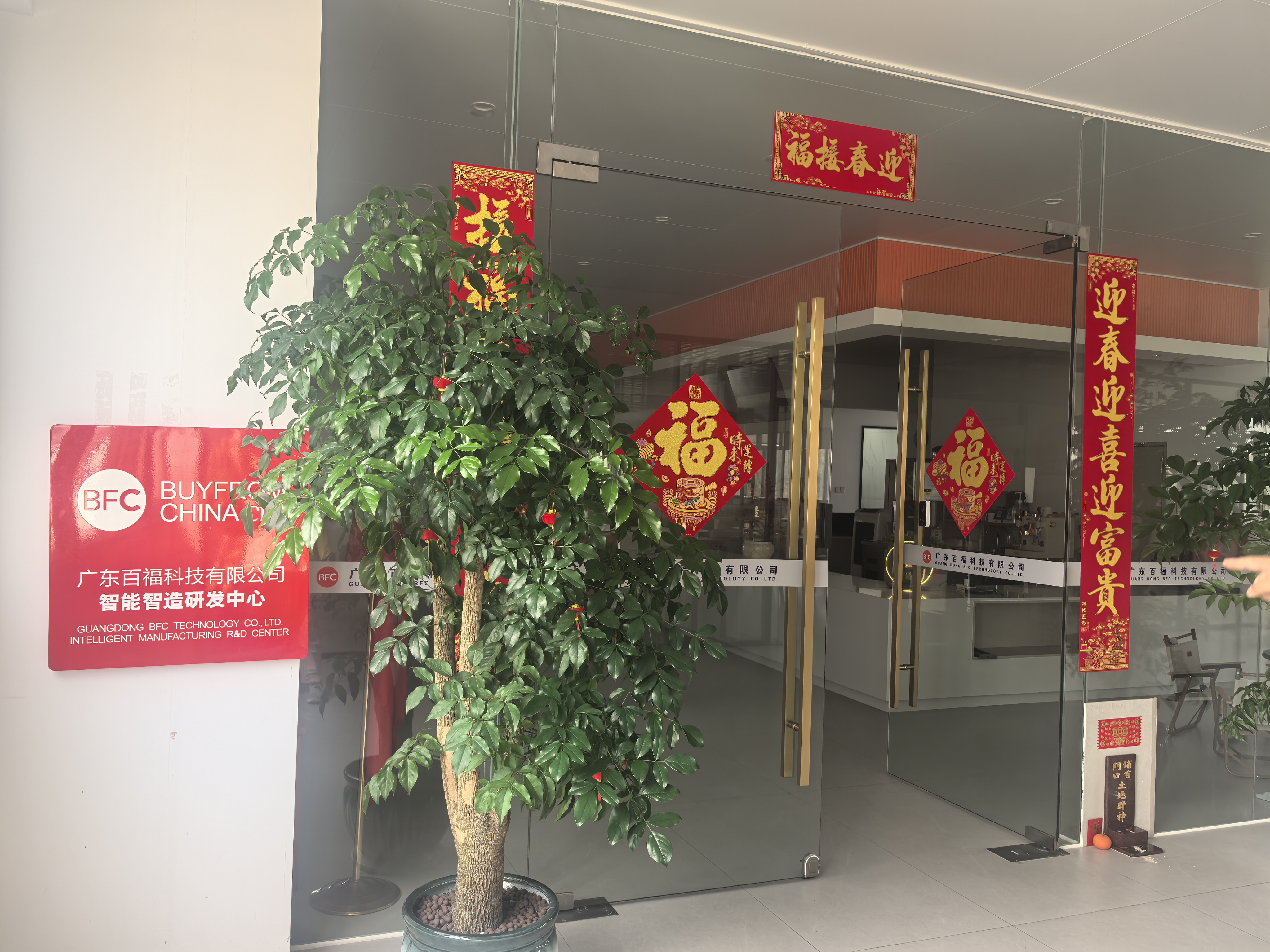
To guarantee reliability, procurement teams must verify that the manufacturing processes conform to specialized automotive standards. Working with a verified supplier like Guangdong BFC Technology Co,.Ltd provides access to modified engineering plastics certified under IATF 16949:2016 (Certificate 01 111 2432483), which is the global quality management standard specifically for the automotive industry supply chain. These certifications ensure that every batch of plastic pellet meets strict mechanical and environmental safety requirements.
Structured distribution networks ensure that these materials are delivered efficiently to global markets, including South America and countries along the Belt and Road Initiative, supported by comprehensive quality inspections and after-sales coordination.
Data / Solution Comparison
The table below outlines the key technical specifications of high-performance plastic pellet grades and their direct relevance to automotive injection molding applications:
| Material Parameter | Specification Value | Automotive Application Relevance |
|---|---|---|
| Material Appearance | Black / Natural colloidal particles | Ensures aesthetic consistency and uniform color distribution in molded parts. |
| Specific Gravity | 1.32 | Indicates reinforced engineering grade, providing high structural strength and impact resistance. |
| Flash Point | >335℃ | Prevents thermal degradation during high-temperature injection molding processes. |
| Spontaneous Ignition Point | >420℃ | Guarantees manufacturing safety and high-temperature operational resistance. |
| Minimum Order Quantity (MOQ) | 1T (Ton) | Optimized for industrial-scale automotive part production runs. |
| Delivery Time | 30 days | Enables predictable production planning and supply chain management. |
| Payment Terms | 30% T/T prepayment, 70% balance against B/L copy | Standard secure international trade payment structure. |
| Shipping Methods | Sea Freight (FCL/LCL) | Cost-effective transport for bulk industrial raw materials. |
Frequently Asked Questions (FAQ)
Q1: Why is specific gravity important when choosing a plastic pellet for automotive parts?
A1: Specific gravity, such as 1.32, indicates the density of the modified engineering plastic. A higher density often correlates with reinforced formulations (such as glass fiber or mineral fillers) that provide the high tensile strength and impact resistance necessary for structural automotive components.
Q2: What quality certifications should I look for when sourcing automotive-grade plastic pellets?
A2: Sourcing should target manufacturers holding IATF 16949:2016 certification, which is the specific quality management standard for the automotive industry. ISO 9001 and ISO 14001 certifications also provide essential verification for quality and environmental management systems.
Q3: What are the standard shipping and payment terms for bulk plastic pellet orders?
A3: Bulk industrial orders typically require a Minimum Order Quantity (MOQ) of 1T, with a 30-day delivery timeframe. Standard payment terms include a 30% T/T prepayment with the 70% balance settled against the Bill of Lading (B/L) copy, shipped via Sea Freight (FCL/LCL).
Final Conclusion & Recommendations
When selecting plastic pellets for high-impact automotive parts, prioritize modified engineering plastics that match the exact physical and thermal parameters required for injection molding. Ensure the materials are backed by automotive-grade IATF 16949:2016 and ISO 9001 certifications to guarantee consistent batch quality and performance. Partnering with structured export platforms ensures seamless end-to-end supply chain services, comprehensive quality inspection, and reliable sea freight logistics to support your manufacturing operations. Technical Support: karl,liu@buyfromchina.cn
About Us
Guangdong BFC Technology Co,.Ltd is an industrial internet platform and equipment manufacturing exporter built in 2012 to create the "Buy Factory From China" brand. The company operates with a 100% export ratio, supplying a wide range of products including equipment, plastic, accessories, and home appliances. It specializes in building cross-border production capacity cooperation platforms to help global markets develop their basic industrial systems. The company has served clients across multiple industries, backed by key certifications including IATF 16949:2016 and ISO 9001.
REPORT