







-
 Agriculture
-
 Health-Care
-
 Environment
-
 Construction-Real-Estate
-
 Tools-Hardware
-
 Home-Garden
-
 Furniture
-
 Luggage-Bags-Cases
-
 Medical-devices-Supplies
-
 Gifts-Crafts
-
 Sports-Entertainment
-
 Food-Beverage
-
 Vehicles-Transportation
-
 Power-Transmission
-
 Material-Handling
-
 Renewable-Energy
-
 Safety
-
 Testing-Instrument-Equipment
-
 Construction-Building-Machinery
-
 Pet-Supplies
-
 Personal-Care-Household-Cleaning
-
 Vehicle-Accessories-Electronics-Tools
-
 School-Office-Supplies
-
 Packaging-Printing
-
 Mother-Kids-Toys
-
 Business-Services
-
 Commercial-Equipment-Machinery
-
 Apparel-Accessories
-
 Security
-
 Shoes-Accessories
-
 Vehicle-Parts-Accessories
-
 Jewelry-Eyewear-Watches-Accessories
-
 Lights-Lighting
-
 Fabric-Textile-Raw-Material
-
 Fabrication-Services
-
 Industrial-Machinery
-
 Consumer-Electronics
-
 Electrical-Equipment-Supplies
-
 Electronic-Components-Accessories-Telecommunications
-
 Home-Appliances
-
 Beauty
-
 Chemicals
-
 Rubber-Plastics
-
 Metals-Alloys


























































































































































































































































































































































































































































































































































































- Masonry Materials
- Curtain Walls & Accessories
- Earthwork Products
- Fireproofing Materials
- Heat Insulation Materials
- Plastic Building Materials
- Building Boards
- Soundproofing Materials
- Timber
- Waterproofing Materials
- Balustrades & Handrails
- Bathroom & Kitchen
- Flooring & Accessories
- Tiles & Accessories
- Door, Window & Accessories
- Fireplaces & Stoves
- Floor Heating Systems & Parts
- Stairs & Stair Parts
- Ceilings
- Elevators & Escalators
- Stone
- Countertops, Vanity Tops & Table Tops
- Mosaics
- Metal Building Materials
- Multifunctional Materials
- Ladders & Scaffoldings
- Mouldings
- Corner Guards
- Decorative Films
- Formwork
- Building & Industrial Glass
- Other Construction & Real Estate
- Wallpapers/Wall panels
- HVAC System & Parts
- Outdoor Facilities
- Prefabricated Buildings
- Festive & Party Supplies
- Bathroom Products
- Household Sundries
- Rain Gear
- Garden Supplies
- Household Cleaning Tools & Accessories
- Lighters & Smoking Accessories
- Home Storage & Organization
- Household Scales
- Smart Home Improvement
- Home Textiles
- Kitchenware
- Drinkware & Accessories
- Dinnerware, Coffee & Wine
- Home Decor
- Golf
- Fitness & Body Building
- Amusement Park Facilities
- Billiards, Board Game,Coin Operated Games
- Musical Instruments
- Outdoor Affordable Luxury Sports
- Camping & Hiking
- Fishing
- Sports Safety&Rehabilitation
- Ball Sports Equipments
- Water Sports
- Winter Sports
- Luxury Travel Equipments
- Sports Shoes, Bags & Accessories
- Cycling
- Other Sports & Entertainment Products
- Artificial Grass&Sports Flooring&Sports Court Equipment
- Scooters
- Food Ingredients
- Honey & Honey Products
- Snacks
- Nuts & Kernels
- Seafood
- Plant & Animal Oil
- Beverages
- Fruit & Vegetable Products
- Frog & Escargot
- Bean Products
- Egg Products
- Dairy Products
- Seasonings & Condiments
- Canned Food
- Instant Food
- Baked Goods
- Other Food & Beverage
- Meat & Poultry
- Confectionery
- Grain Products
- Feminie Care
- Hair Care & Styling
- Body Care
- Hands & Feet Care
- Hygiene Products
- Men's Grooming
- Laundry Cleaning Supplies
- Travel Size & Gift Sets
- Room Deodorizers
- Other Personal Care Products
- Pest Control Products
- Special Household Cleaning
- Floor Cleaning
- Kitchen & Bathroom Cleaning
- Oral Care
- Bath Supplies
- Yellow Pages
- Correction Supplies
- Office Binding Supplies
- Office Cutting Supplies
- Board Erasers
- Office Adhesives & Tapes
- Education Supplies
- Pencil Cases & Bags
- Notebooks & Writing Pads
- File Folder Accessories
- Calendars
- Writing Accessories
- Commercial Office Supplies
- Pencil Sharpeners
- Pens
- Letter Pad/Paper
- Paper Envelopes
- Desk Organizers
- Pencils
- Markers & Highlighters
- Filing Products
- Art Supplies
- Easels
- Badge Holder & Accessories
- Office Paper
- Printer Supplies
- Book Covers
- Other Office & School Supplies
- Stationery Set
- Boards
- Clipboards
- Stamps
- Drafting Supplies
- Stencils
- Electronic Dictionary
- Books
- Map
- Magazines
- Calculators
- Baby & Toddler Toys
- Educational Toys
- Classic Toys
- Dress Up & Pretend Play
- Toy Vehicle
- Stuffed Animals & Plush Toys
- Outdoor Toys & Structures
- Balloons & Accessories
- Baby Food
- Children's Clothing
- Baby Supplies & Products
- Maternity Clothes
- Kids Shoes
- Baby Care
- Novelty & Gag Toys
- Dolls & Accessories
- Puzzle & Games
- Blocks & Model Building Toys
- Toddler Clothing
- Baby Clothing
- Kids' Luggage & Bags
- Arts, Crafts & DIY Toys
- Action & Toy Figures
- Baby Appliances
- Hobbies & Models
- Remote Control Toys
- Promotional Toys
- Pregnancy & Maternity
- Hygiene Products
- Kid's Textile&Bedding
- Novelty & Special Use
- Toy Weapons
- Baby Gifts
- Baby Storage & Organization
- Auto Drive Systems
- ATV/UTV Parts & Accessories
- Marine Parts & Accessories
- Other Auto Parts
- Trailer Parts & Accessories
- Auto Transmission Systems
- Train Parts & Accessories
- Universal Parts
- Railway Parts & Accessories
- Auto Brake Systems
- Aviation Parts & Accessories
- Truck Parts & Accessories
- Auto Suspension Systems
- Auto Lighting Systems
- New Energy Vehicle Parts & Accessories
- Auto Steering Systems
- Wheels, Tires & Accessories
- Bus Parts & Accessories
- Auto Performance Parts
- Cooling System
- Go-Kart & Kart Racer Parts & Accessories
- Air Conditioning Systems
- Heavy Duty Vehicle Parts & Accessories
- Auto Electrical Systems
- Auto Body Systems
- Auto Engine Systems
- Container Parts & Accessories
- Motorcycle Parts & Accessories
- Refrigeration & Heat Exchange Equipment
- Machine Tool Equipment
- Food & Beverage Machinery
- Agricultural Machinery & Equipment
- Apparel & Textile Machinery
- Chemical Machinery
- Packaging Machines
- Paper Production Machinery
- Plastic & Rubber Processing Machinery
- Industrial Robots
- Electronic Products Machinery
- Metal & Metallurgy Machinery
- Woodworking Machinery
- Home Product Manufacturing Machinery
- Machinery Accessories
- Environmental Machinery
- Machinery Service
- Electrical Equipment Manufacturing Machinery
- Industrial Compressors & Parts
- Tobacco & Cigarette Machinery
- Production Line
- Used Industrial Machinery
- Electronics Production Machinery
- Other Machinery & Industrial Equipment
- Camera, Photo & Accessories
- Portable Audio, Video & Accessories
- Television, Home Audio, Video & Accessories
- Video Games & Accessories
- Mobile Phone & Accessories
- Electronic Publications
- Earphone & Headphone & Accessories
- Speakers & Accessories
- Smart Electronics
- TV Receivers & Accessories
- Mobile Phone & Computer Repair Parts
- Chargers, Batteries & Power Supplies
- Used Electronics
- VR, AR, MR Hardware & Software
- Projectors & Presentation Equipments
- Other Consumer Electronics
- Cables & Commonly Used Accessories
- Computer Hardware & Software
- Displays, Signage and Optoelectronics
- Discrete Semiconductors
- Wireless & IoT Module and Products
- Telecommunications
- Connectors, Terminals & Accessories
- Development Boards, Electronic Modules and Kits
- Circuit Protection
- Sensors
- Isolators
- Audio Components and Products
- Integrated Circuits
- Power Supplies
- Relays
- RF, Microwave and RFID
- Electronic Accessories & Supplies
- Passive Components
- PCB & PCBA
- Air Quality Appliances
- Home Appliance Parts
- Heating & Cooling Appliances
- Small Kitchen Appliances
- Laundry Appliances
- Water Heaters
- Water Treatment Appliances
- Refrigerators & Freezers
- Personal Care & Beauty Appliances
- Major Kitchen Appliances
- Cleaning Appliances
- Second-hand Appliances
- Smart Home Appliances
- Other Home Appliances
- Energy Chemicals
- Inorganic Chemicals
- Basic Organic Chemicals
- Agrochemicals
- Admixture & Additives
- Catalysts & Chemical Auxiliary Agents
- Pigments & Dyestuff
- Coating & Paint
- Daily Chemicals
- Polymer
- Organic Intermediate
- Adhesives & Sealants
- Chemical Waste
- Biological Chemical Products
- Surface Treatment Chemicals
- Painting & Coating
- Chemical Reagents
- Flavor & Fragrance
- Non-Explosive Demolition Agents
- Other Chemicals
- Custom Chemical Services

Can Prefabricated Substation Payments Be Tied to Inspection Results?
Payment for a prefabricated substation can be connected to inspection outcomes, but only when that relationship is clearly written into the purchase contract. Under the standard commercial arrangement, payment is not automatically released or withheld according to inspection results. The usual structure is a 30% T/T deposit after contract confirmation, followed by the remaining 70% after production is completed and before shipment.
Payment Terms and Inspection: What the Standard Arrangement Covers
The stated payment policy separates commercial milestones from technical verification. The initial 30% T/T payment is due once the contract has been confirmed. The 70% balance is payable after manufacturing completion and prior to dispatch. Although factory testing and inspection services are available, the standard terms do not say that a passed FAT, witness inspection, or third-party inspection is a mandatory condition for receiving the balance payment.
Therefore, buyers that want payment to depend on inspection approval should establish this requirement during contract negotiation. The agreement should specify whether an inspection report is required before shipment, whether corrective action is allowed after a nonconformity, and whether the payment date changes if acceptance is delayed.
How to Create an Inspection-Linked Payment Milestone
A practical inspection-based process begins before production starts. The buyer and supplier should first approve technical drawings, equipment specifications, testing standards, and acceptance criteria. Once production is finished, the agreed factory acceptance test can be performed, followed by witness inspection or an independent third-party review where required. Test records and inspection documents can then serve as evidence for the technical release of the equipment.
To avoid uncertainty, the contract should identify the inspection scope, responsible parties, inspection date, documentation requirements, treatment of deviations, and the exact payment consequence of a pass or fail result. It is also advisable to distinguish between technical acceptance and the commercial payment schedule unless the parties expressly intend to combine them.
Available Testing and Inspection Support
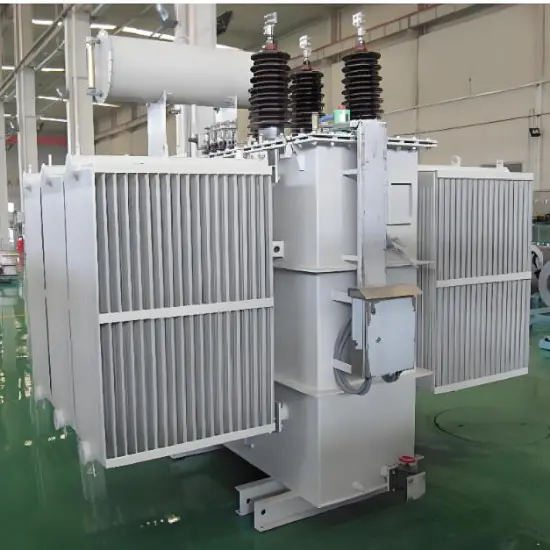
For prefabricated substation and related power-distribution equipment orders, available quality-control options include full factory acceptance testing, customer witness inspection, and third-party inspection. These services give purchasers an opportunity to review equipment condition, test performance, and manufacturing completion before shipment.
The quality process is described as compliant with IEC and GB requirements. Product information for the oil-immersed grounding transformer also refers to full FAT, IEC/ANSI compliance, available third-party inspection, and supplied test reports. Such materials can support project acceptance discussions, but they should be aligned with the actual equipment package and contractual requirements rather than being treated as an automatic substitute for project-specific acceptance clauses.
Certificates and Technical Documentation
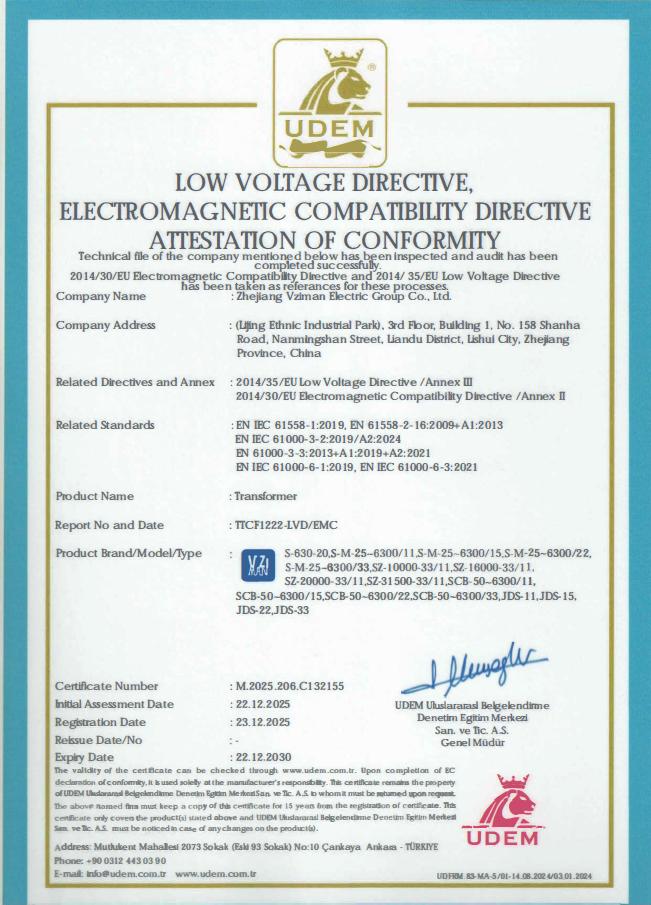
Supporting credentials include a UDEM certificate covering substations, transformers, and switchgear for the EU market. Available documentation also includes a CNAS report for the S13-M-2500/11 oil-immersed power transformer and a type test report for the SM66-24/1M medium-voltage switchgear. Buyers should verify that the selected certificates, reports, and test documents correspond to the exact prefabricated substation configuration being purchased.
Inspection Checkpoints for Grid and Energy Projects
Inspection-related payment clauses can be particularly useful in urban grid upgrades, where compact substation equipment must coordinate with existing infrastructure, and in renewable-energy plants that require power collection, voltage boosting, and grid connection. In these projects, factory testing, documentation review, shipment release, site commissioning, and final acceptance may all be used as separately defined project checkpoints.
Previous project experience illustrates the importance of commissioning and documented acceptance. Two 25MVA, 63/35kV transformers were supplied in Madagascar for an old-substation refurbishment and grid-capacity improvement project, where commissioning was reported to proceed smoothly. In Suriname, a customized 110kV GIS solution was supported with on-site commissioning for a national transmission-grid construction project. When appropriate, comparable commissioning and acceptance stages can be incorporated into a negotiated payment schedule.
Commercial and Logistics Considerations
| Item | Standard information | Contract consideration |
|---|---|---|
| Advance payment | 30% T/T after contract confirmation | This is a commercial deposit and is not stated as dependent on inspection results. |
| Final payment | 70% T/T after production completion and before shipment | An inspection approval requirement must be expressly added if the balance is to depend on test records. |
| Inspection choices | Full FAT, witness inspection, and third-party inspection | These options can provide documented evidence for pre-shipment acceptance. |
| Large-order option | Irrevocable sight L/C, subject to confirmation | This may be considered for major project orders under mutually agreed conditions. |
| Delivery terms | Sea, air, and truck freight; EXW, FOB, CIF, and CFR | Shipment should proceed after all agreed technical and commercial release conditions are satisfied. |
Frequently Asked Questions
Is the 70% balance payment automatically conditional on a successful inspection?
No. The stated terms require the balance payment after production completion and before shipment. They do not automatically make payment conditional on a passed inspection result.
What pre-shipment inspection evidence can be provided?
Available options include full factory acceptance testing, customer witness inspection, third-party inspection, and relevant test reports, subject to the equipment scope and agreed project requirements.
Can the buyer arrange an inspection before the prefabricated substation is shipped?
Yes. Witness and third-party inspection are available. The parties should define the inspection method, timing, cost allocation, acceptance standards, and the impact of the inspection result on shipment and payment in the contract.
Conclusion
The standard payment basis for a prefabricated substation order is a 30% T/T deposit after contract confirmation and a 70% balance before shipment after production completion. If payment must be linked to FAT results, witness inspection, or third-party acceptance, the contract should contain explicit inspection milestones and release conditions. Vziman provides manufacturer, OEM, ODM, and turn-key supply support, along with factory testing and available inspection services. Delivery can be arranged by sea, air, or truck under EXW, FOB, CIF, or CFR terms once the agreed release process is complete. For technical solutions or project support, contact support@vziman.com.
About Us
Zhejiang Vziman Electric Power Technology Co., Ltd. is a power electrical equipment company offering research, manufacturing, engineering services, power automation systems, and technical support for grid construction, renewable energy, and industrial distribution projects. Founded in 2009, the company manufactures power transformers, earthing transformers, distribution transformers, prefabricated substations, feeder switchboards, and medium- and high-voltage switchgear. Its standardized smart manufacturing facilities support large-volume supply and global delivery for EPC contractors and utility customers in more than 100 countries. Available credentials include UDEM certification and CNAS test documentation.

REPORT