







-
 Agriculture
-
 Health-Care
-
 Environment
-
 Construction-Real-Estate
-
 Tools-Hardware
-
 Home-Garden
-
 Furniture
-
 Luggage-Bags-Cases
-
 Medical-devices-Supplies
-
 Gifts-Crafts
-
 Sports-Entertainment
-
 Food-Beverage
-
 Vehicles-Transportation
-
 Power-Transmission
-
 Material-Handling
-
 Renewable-Energy
-
 Safety
-
 Testing-Instrument-Equipment
-
 Construction-Building-Machinery
-
 Pet-Supplies
-
 Personal-Care-Household-Cleaning
-
 Vehicle-Accessories-Electronics-Tools
-
 School-Office-Supplies
-
 Packaging-Printing
-
 Mother-Kids-Toys
-
 Business-Services
-
 Commercial-Equipment-Machinery
-
 Apparel-Accessories
-
 Security
-
 Shoes-Accessories
-
 Vehicle-Parts-Accessories
-
 Jewelry-Eyewear-Watches-Accessories
-
 Lights-Lighting
-
 Fabric-Textile-Raw-Material
-
 Fabrication-Services
-
 Industrial-Machinery
-
 Consumer-Electronics
-
 Electrical-Equipment-Supplies
-
 Electronic-Components-Accessories-Telecommunications
-
 Home-Appliances
-
 Beauty
-
 Chemicals
-
 Rubber-Plastics
-
 Metals-Alloys


























































































































































































































































































































































































































































































































































































- Masonry Materials
- Curtain Walls & Accessories
- Earthwork Products
- Fireproofing Materials
- Heat Insulation Materials
- Plastic Building Materials
- Building Boards
- Soundproofing Materials
- Timber
- Waterproofing Materials
- Balustrades & Handrails
- Bathroom & Kitchen
- Flooring & Accessories
- Tiles & Accessories
- Door, Window & Accessories
- Fireplaces & Stoves
- Floor Heating Systems & Parts
- Stairs & Stair Parts
- Ceilings
- Elevators & Escalators
- Stone
- Countertops, Vanity Tops & Table Tops
- Mosaics
- Metal Building Materials
- Multifunctional Materials
- Ladders & Scaffoldings
- Mouldings
- Corner Guards
- Decorative Films
- Formwork
- Building & Industrial Glass
- Other Construction & Real Estate
- Wallpapers/Wall panels
- HVAC System & Parts
- Outdoor Facilities
- Prefabricated Buildings
- Festive & Party Supplies
- Bathroom Products
- Household Sundries
- Rain Gear
- Garden Supplies
- Household Cleaning Tools & Accessories
- Lighters & Smoking Accessories
- Home Storage & Organization
- Household Scales
- Smart Home Improvement
- Home Textiles
- Kitchenware
- Drinkware & Accessories
- Dinnerware, Coffee & Wine
- Home Decor
- Golf
- Fitness & Body Building
- Amusement Park Facilities
- Billiards, Board Game,Coin Operated Games
- Musical Instruments
- Outdoor Affordable Luxury Sports
- Camping & Hiking
- Fishing
- Sports Safety&Rehabilitation
- Ball Sports Equipments
- Water Sports
- Winter Sports
- Luxury Travel Equipments
- Sports Shoes, Bags & Accessories
- Cycling
- Other Sports & Entertainment Products
- Artificial Grass&Sports Flooring&Sports Court Equipment
- Scooters
- Food Ingredients
- Honey & Honey Products
- Snacks
- Nuts & Kernels
- Seafood
- Plant & Animal Oil
- Beverages
- Fruit & Vegetable Products
- Frog & Escargot
- Bean Products
- Egg Products
- Dairy Products
- Seasonings & Condiments
- Canned Food
- Instant Food
- Baked Goods
- Other Food & Beverage
- Meat & Poultry
- Confectionery
- Grain Products
- Feminie Care
- Hair Care & Styling
- Body Care
- Hands & Feet Care
- Hygiene Products
- Men's Grooming
- Laundry Cleaning Supplies
- Travel Size & Gift Sets
- Room Deodorizers
- Other Personal Care Products
- Pest Control Products
- Special Household Cleaning
- Floor Cleaning
- Kitchen & Bathroom Cleaning
- Oral Care
- Bath Supplies
- Yellow Pages
- Correction Supplies
- Office Binding Supplies
- Office Cutting Supplies
- Board Erasers
- Office Adhesives & Tapes
- Education Supplies
- Pencil Cases & Bags
- Notebooks & Writing Pads
- File Folder Accessories
- Calendars
- Writing Accessories
- Commercial Office Supplies
- Pencil Sharpeners
- Pens
- Letter Pad/Paper
- Paper Envelopes
- Desk Organizers
- Pencils
- Markers & Highlighters
- Filing Products
- Art Supplies
- Easels
- Badge Holder & Accessories
- Office Paper
- Printer Supplies
- Book Covers
- Other Office & School Supplies
- Stationery Set
- Boards
- Clipboards
- Stamps
- Drafting Supplies
- Stencils
- Electronic Dictionary
- Books
- Map
- Magazines
- Calculators
- Baby & Toddler Toys
- Educational Toys
- Classic Toys
- Dress Up & Pretend Play
- Toy Vehicle
- Stuffed Animals & Plush Toys
- Outdoor Toys & Structures
- Balloons & Accessories
- Baby Food
- Children's Clothing
- Baby Supplies & Products
- Maternity Clothes
- Kids Shoes
- Baby Care
- Novelty & Gag Toys
- Dolls & Accessories
- Puzzle & Games
- Blocks & Model Building Toys
- Toddler Clothing
- Baby Clothing
- Kids' Luggage & Bags
- Arts, Crafts & DIY Toys
- Action & Toy Figures
- Baby Appliances
- Hobbies & Models
- Remote Control Toys
- Promotional Toys
- Pregnancy & Maternity
- Hygiene Products
- Kid's Textile&Bedding
- Novelty & Special Use
- Toy Weapons
- Baby Gifts
- Baby Storage & Organization
- Auto Drive Systems
- ATV/UTV Parts & Accessories
- Marine Parts & Accessories
- Other Auto Parts
- Trailer Parts & Accessories
- Auto Transmission Systems
- Train Parts & Accessories
- Universal Parts
- Railway Parts & Accessories
- Auto Brake Systems
- Aviation Parts & Accessories
- Truck Parts & Accessories
- Auto Suspension Systems
- Auto Lighting Systems
- New Energy Vehicle Parts & Accessories
- Auto Steering Systems
- Wheels, Tires & Accessories
- Bus Parts & Accessories
- Auto Performance Parts
- Cooling System
- Go-Kart & Kart Racer Parts & Accessories
- Air Conditioning Systems
- Heavy Duty Vehicle Parts & Accessories
- Auto Electrical Systems
- Auto Body Systems
- Auto Engine Systems
- Container Parts & Accessories
- Motorcycle Parts & Accessories
- Refrigeration & Heat Exchange Equipment
- Machine Tool Equipment
- Food & Beverage Machinery
- Agricultural Machinery & Equipment
- Apparel & Textile Machinery
- Chemical Machinery
- Packaging Machines
- Paper Production Machinery
- Plastic & Rubber Processing Machinery
- Industrial Robots
- Electronic Products Machinery
- Metal & Metallurgy Machinery
- Woodworking Machinery
- Home Product Manufacturing Machinery
- Machinery Accessories
- Environmental Machinery
- Machinery Service
- Electrical Equipment Manufacturing Machinery
- Industrial Compressors & Parts
- Tobacco & Cigarette Machinery
- Production Line
- Used Industrial Machinery
- Electronics Production Machinery
- Other Machinery & Industrial Equipment
- Camera, Photo & Accessories
- Portable Audio, Video & Accessories
- Television, Home Audio, Video & Accessories
- Video Games & Accessories
- Mobile Phone & Accessories
- Electronic Publications
- Earphone & Headphone & Accessories
- Speakers & Accessories
- Smart Electronics
- TV Receivers & Accessories
- Mobile Phone & Computer Repair Parts
- Chargers, Batteries & Power Supplies
- Used Electronics
- VR, AR, MR Hardware & Software
- Projectors & Presentation Equipments
- Other Consumer Electronics
- Cables & Commonly Used Accessories
- Computer Hardware & Software
- Displays, Signage and Optoelectronics
- Discrete Semiconductors
- Wireless & IoT Module and Products
- Telecommunications
- Connectors, Terminals & Accessories
- Development Boards, Electronic Modules and Kits
- Circuit Protection
- Sensors
- Isolators
- Audio Components and Products
- Integrated Circuits
- Power Supplies
- Relays
- RF, Microwave and RFID
- Electronic Accessories & Supplies
- Passive Components
- PCB & PCBA
- Air Quality Appliances
- Home Appliance Parts
- Heating & Cooling Appliances
- Small Kitchen Appliances
- Laundry Appliances
- Water Heaters
- Water Treatment Appliances
- Refrigerators & Freezers
- Personal Care & Beauty Appliances
- Major Kitchen Appliances
- Cleaning Appliances
- Second-hand Appliances
- Smart Home Appliances
- Other Home Appliances
- Energy Chemicals
- Inorganic Chemicals
- Basic Organic Chemicals
- Agrochemicals
- Admixture & Additives
- Catalysts & Chemical Auxiliary Agents
- Pigments & Dyestuff
- Coating & Paint
- Daily Chemicals
- Polymer
- Organic Intermediate
- Adhesives & Sealants
- Chemical Waste
- Biological Chemical Products
- Surface Treatment Chemicals
- Painting & Coating
- Chemical Reagents
- Flavor & Fragrance
- Non-Explosive Demolition Agents
- Other Chemicals
- Custom Chemical Services

CIF vs DDP Shipping Costs: A Complete Comparison for Global Importers
When organizing cross-border logistics, understanding the financial gap between CIF (Cost, Insurance, and Freight) and DDP (Delivered Duty Paid) is essential for effective budget planning. The primary variation stems from who assumes responsibility for destination port handling, customs clearance, import tariffs, and final mile trucking. Under CIF terms, the supplier is obligated to pay ocean/air freight and minimal transit insurance up to the target port, transferring import taxes and local distribution duties to the buyer. In contrast, DDP offers an all-inclusive solution where the seller handles every step from origin to final door delivery.
Key Highlights & Scope Overview
- CIF Framework: The seller manages origin handling, export filing, main ocean/air transport, and standard cargo insurance to the destination port. The buyer assumes financial duty for destination Terminal Handling Charges (THC), import tariffs, customs entry, and inland transport.
- DDP Framework: Encompasses a complete end-to-end service including origin dispatch, international transit, destination customs brokerage, duty/tax settlement, and final delivery to the buyer's facility.
- Risk Allocation: CIF leaves buyers exposed to unexpected port storage, demurrage, and unpredictable local clearance expenses. DDP provides complete price transparency by locking in total landed costs upfront.
- Target Buyers: High-end commercial properties—including luxury 5-star hotels, premier resorts, and upscale dining establishments—regularly choose DDP to simplify supply chain management. Conversely, large-scale bulk buyers with in-house customs teams often prefer CIF to retain tax management flexibility.
In-Depth Cost Analysis & Operational Dynamics
Choosing the right Incoterm directly influences financial exposure and delivery timetables in international commerce handled by experienced suppliers like Gold Spark Global Souricng Co., Ltd..
For CIF shipments, the upfront invoice reflects product pricing, international carriage, and basic maritime insurance cover. Shipping duration depends heavily on transport methods and geographic distance. Ocean freight to Southeast Asia requires roughly 30–45 days, whereas air freight takes 15–20 days. Long-distance sea freight to European and North American markets spans 80–90 days, compared to 20–30 days for air shipping. Although a CIF invoice presents a lower initial total, the buyer remains responsible for paying local customs broker fees, destination port levies, and final inland transport.
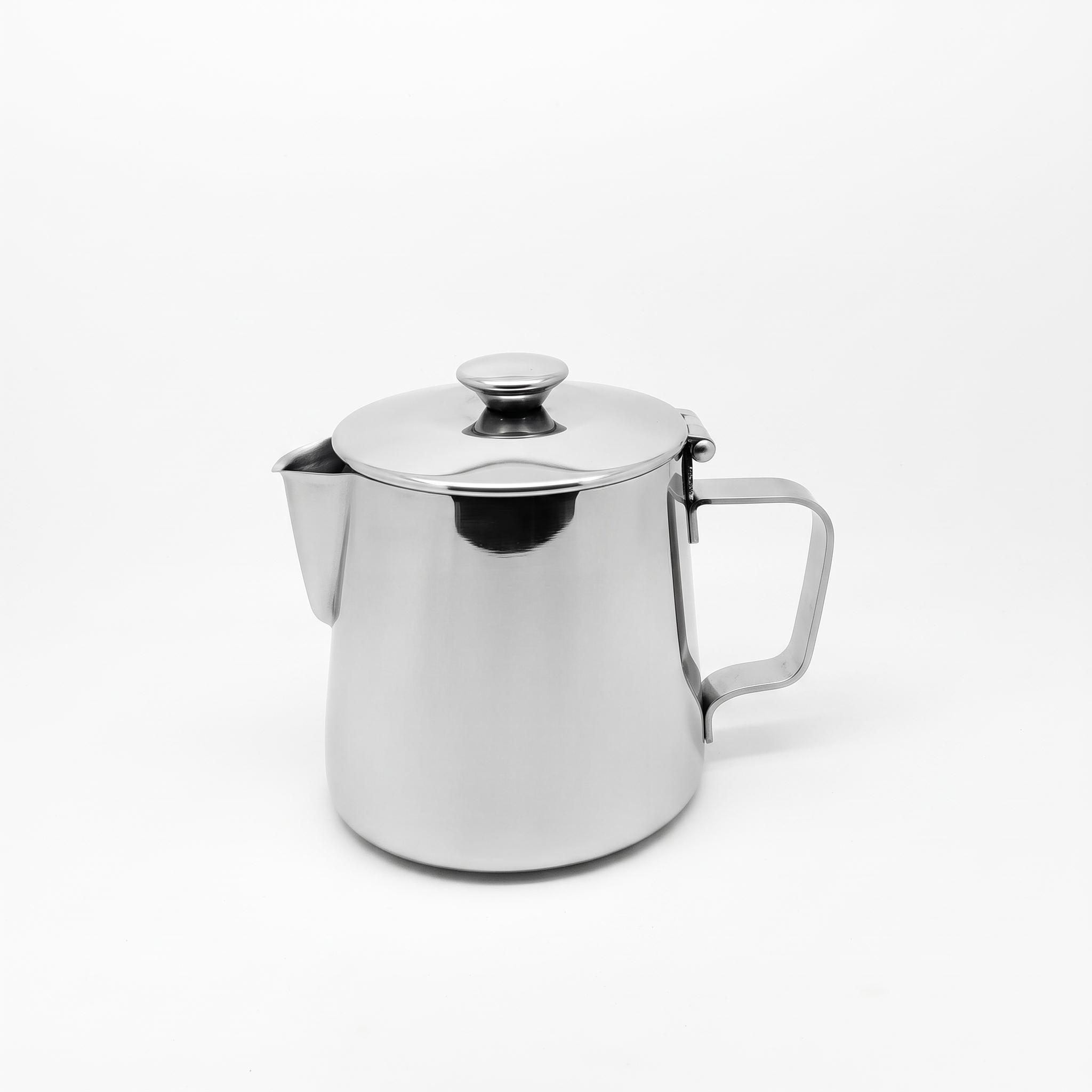
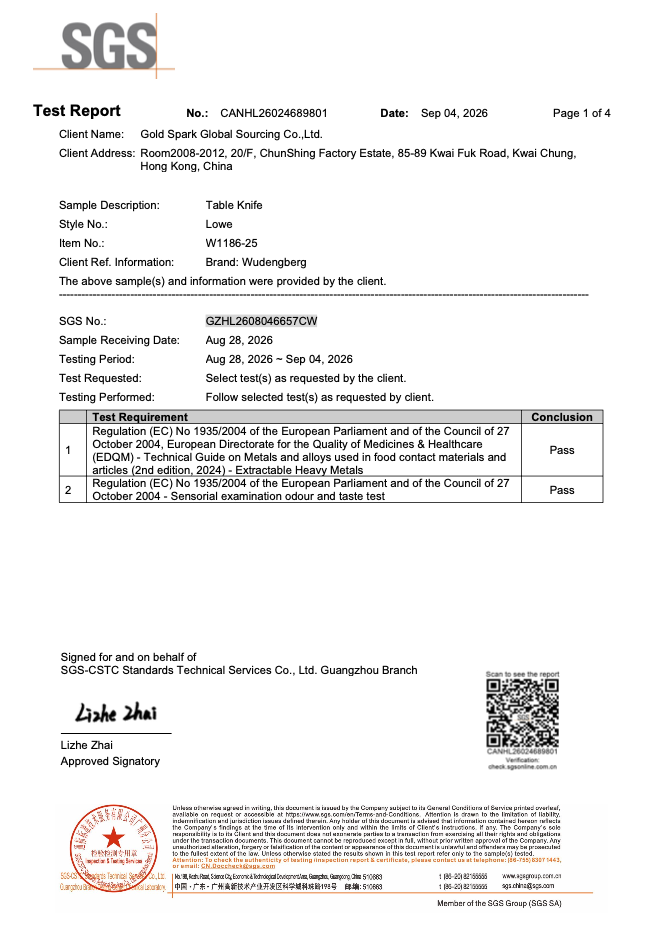
Conversely, DDP consolidates all transportation, regulatory, and delivery fees into a single landed rate. The vendor assumes full accountability for completing destination customs procedures. When supplying commercial tableware and specialized hotel equipment to renowned international properties—such as China World Beijing, Four Seasons Beijing, Rosewood Hong Kong, and Grand Hyatt Macao—regulatory compliance is critical. Documented verification through SGS audit reports (such as SGS cert numbers GZHL2608046657CW and GZHL2608046655CW) facilitates seamless customs entry under DDP, eliminating costly port clearance holds.
Comparative Matrix: CIF vs. DDP
| Comparison Feature | CIF (Cost, Insurance, and Freight) | DDP (Delivered Duty Paid) |
|---|---|---|
| Export Clearance & Freight | Seller Responsibility | Seller Responsibility |
| Cargo Insurance | Seller (Minimum Cover) | Seller (Comprehensive Door-to-Door) |
| Import Duties & Taxes | Buyer Responsibility at Port | Paid Upfront by Seller |
| Destination Port Charges (THC) | Paid by Buyer | Paid by Seller |
| Final Mile Transportation | Arranged & Paid by Buyer | Arranged & Paid by Seller |
| Cost Predictability | Variable (Destination dependent) | Fixed Landed Cost |
| Point of Risk Transfer | Vessel loading at origin port | Physical receipt at buyer address |
Frequently Asked Questions
Q1: Why does a DDP quotation exceed a CIF quotation for identical items?
A1: A DDP quote incorporates destination entry tariffs, local port fees, customs broker charges, and final door-to-door freight. A CIF quote only covers shipping to the destination port, leaving all local entry expenses to be settled separately by the recipient.
Q2: How do shipping terms influence order minimums and transit timelines?
A2: Manufacturing lead times depend on product specifications (standard turnaround of 30–45 days, or up to 90 days for custom items with a minimum order quantity of 1 pc). However, DDP shipments typically require an extra 5 to 7 business days to clear local customs and complete final delivery compared to CIF port arrival dates.
Q3: What logistics option is recommended for smaller quantity orders?
A3: Smaller shipments (e.g., standard MOQ of 1 pc) processed via telegraphic transfer under 100% advance payment are ideally handled under DDP terms. This prevents fixed customs clearance charges from unexpectedly inflating the landed unit cost.
Conclusion & Strategic Advice
Deciding between CIF and DDP relies on whether your organization prioritizes lower upfront invoices or complete cost certainty. CIF is well-suited for buyers with established local clearance agents and logistics partnerships. DDP provides comprehensive risk control by bundling international transit, tax compliance, and door-to-door delivery into one predictable price. Standard commercial orders backed by SGS quality reports and robust defect guarantees (offering repair or replacement within 7 to 15 days of receipt) perform best under fixed DDP terms. For customized logistics solutions, contact our team at goldspark@vip.163.com.
About Us
Gold Spark Global Souricng Co., Ltd. is a Hong Kong-headquartered, Shenzhen-backed specialist in high-end hotel supply chains. Established in 2002, the company operates across key markets including China, Southeast Asia, Europe, and the United States with an export ratio of 30%. Supported by SGS quality certifications, Gold Spark manages customized product delivery with standard lead times of 30–45 days, serving luxury hospitality clients globally.

REPORT