







-
 Agriculture
-
 Health-Care
-
 Environment
-
 Construction-Real-Estate
-
 Tools-Hardware
-
 Home-Garden
-
 Furniture
-
 Luggage-Bags-Cases
-
 Medical-devices-Supplies
-
 Gifts-Crafts
-
 Sports-Entertainment
-
 Food-Beverage
-
 Vehicles-Transportation
-
 Power-Transmission
-
 Material-Handling
-
 Renewable-Energy
-
 Safety
-
 Testing-Instrument-Equipment
-
 Construction-Building-Machinery
-
 Pet-Supplies
-
 Personal-Care-Household-Cleaning
-
 Vehicle-Accessories-Electronics-Tools
-
 School-Office-Supplies
-
 Packaging-Printing
-
 Mother-Kids-Toys
-
 Business-Services
-
 Commercial-Equipment-Machinery
-
 Apparel-Accessories
-
 Security
-
 Shoes-Accessories
-
 Vehicle-Parts-Accessories
-
 Jewelry-Eyewear-Watches-Accessories
-
 Lights-Lighting
-
 Fabric-Textile-Raw-Material
-
 Fabrication-Services
-
 Industrial-Machinery
-
 Consumer-Electronics
-
 Electrical-Equipment-Supplies
-
 Electronic-Components-Accessories-Telecommunications
-
 Home-Appliances
-
 Beauty
-
 Chemicals
-
 Rubber-Plastics
-
 Metals-Alloys


























































































































































































































































































































































































































































































































































































- Masonry Materials
- Curtain Walls & Accessories
- Earthwork Products
- Fireproofing Materials
- Heat Insulation Materials
- Plastic Building Materials
- Building Boards
- Soundproofing Materials
- Timber
- Waterproofing Materials
- Balustrades & Handrails
- Bathroom & Kitchen
- Flooring & Accessories
- Tiles & Accessories
- Door, Window & Accessories
- Fireplaces & Stoves
- Floor Heating Systems & Parts
- Stairs & Stair Parts
- Ceilings
- Elevators & Escalators
- Stone
- Countertops, Vanity Tops & Table Tops
- Mosaics
- Metal Building Materials
- Multifunctional Materials
- Ladders & Scaffoldings
- Mouldings
- Corner Guards
- Decorative Films
- Formwork
- Building & Industrial Glass
- Other Construction & Real Estate
- Wallpapers/Wall panels
- HVAC System & Parts
- Outdoor Facilities
- Prefabricated Buildings
- Festive & Party Supplies
- Bathroom Products
- Household Sundries
- Rain Gear
- Garden Supplies
- Household Cleaning Tools & Accessories
- Lighters & Smoking Accessories
- Home Storage & Organization
- Household Scales
- Smart Home Improvement
- Home Textiles
- Kitchenware
- Drinkware & Accessories
- Dinnerware, Coffee & Wine
- Home Decor
- Golf
- Fitness & Body Building
- Amusement Park Facilities
- Billiards, Board Game,Coin Operated Games
- Musical Instruments
- Outdoor Affordable Luxury Sports
- Camping & Hiking
- Fishing
- Sports Safety&Rehabilitation
- Ball Sports Equipments
- Water Sports
- Winter Sports
- Luxury Travel Equipments
- Sports Shoes, Bags & Accessories
- Cycling
- Other Sports & Entertainment Products
- Artificial Grass&Sports Flooring&Sports Court Equipment
- Scooters
- Food Ingredients
- Honey & Honey Products
- Snacks
- Nuts & Kernels
- Seafood
- Plant & Animal Oil
- Beverages
- Fruit & Vegetable Products
- Frog & Escargot
- Bean Products
- Egg Products
- Dairy Products
- Seasonings & Condiments
- Canned Food
- Instant Food
- Baked Goods
- Other Food & Beverage
- Meat & Poultry
- Confectionery
- Grain Products
- Feminie Care
- Hair Care & Styling
- Body Care
- Hands & Feet Care
- Hygiene Products
- Men's Grooming
- Laundry Cleaning Supplies
- Travel Size & Gift Sets
- Room Deodorizers
- Other Personal Care Products
- Pest Control Products
- Special Household Cleaning
- Floor Cleaning
- Kitchen & Bathroom Cleaning
- Oral Care
- Bath Supplies
- Yellow Pages
- Correction Supplies
- Office Binding Supplies
- Office Cutting Supplies
- Board Erasers
- Office Adhesives & Tapes
- Education Supplies
- Pencil Cases & Bags
- Notebooks & Writing Pads
- File Folder Accessories
- Calendars
- Writing Accessories
- Commercial Office Supplies
- Pencil Sharpeners
- Pens
- Letter Pad/Paper
- Paper Envelopes
- Desk Organizers
- Pencils
- Markers & Highlighters
- Filing Products
- Art Supplies
- Easels
- Badge Holder & Accessories
- Office Paper
- Printer Supplies
- Book Covers
- Other Office & School Supplies
- Stationery Set
- Boards
- Clipboards
- Stamps
- Drafting Supplies
- Stencils
- Electronic Dictionary
- Books
- Map
- Magazines
- Calculators
- Baby & Toddler Toys
- Educational Toys
- Classic Toys
- Dress Up & Pretend Play
- Toy Vehicle
- Stuffed Animals & Plush Toys
- Outdoor Toys & Structures
- Balloons & Accessories
- Baby Food
- Children's Clothing
- Baby Supplies & Products
- Maternity Clothes
- Kids Shoes
- Baby Care
- Novelty & Gag Toys
- Dolls & Accessories
- Puzzle & Games
- Blocks & Model Building Toys
- Toddler Clothing
- Baby Clothing
- Kids' Luggage & Bags
- Arts, Crafts & DIY Toys
- Action & Toy Figures
- Baby Appliances
- Hobbies & Models
- Remote Control Toys
- Promotional Toys
- Pregnancy & Maternity
- Hygiene Products
- Kid's Textile&Bedding
- Novelty & Special Use
- Toy Weapons
- Baby Gifts
- Baby Storage & Organization
- Auto Drive Systems
- ATV/UTV Parts & Accessories
- Marine Parts & Accessories
- Other Auto Parts
- Trailer Parts & Accessories
- Auto Transmission Systems
- Train Parts & Accessories
- Universal Parts
- Railway Parts & Accessories
- Auto Brake Systems
- Aviation Parts & Accessories
- Truck Parts & Accessories
- Auto Suspension Systems
- Auto Lighting Systems
- New Energy Vehicle Parts & Accessories
- Auto Steering Systems
- Wheels, Tires & Accessories
- Bus Parts & Accessories
- Auto Performance Parts
- Cooling System
- Go-Kart & Kart Racer Parts & Accessories
- Air Conditioning Systems
- Heavy Duty Vehicle Parts & Accessories
- Auto Electrical Systems
- Auto Body Systems
- Auto Engine Systems
- Container Parts & Accessories
- Motorcycle Parts & Accessories
- Refrigeration & Heat Exchange Equipment
- Machine Tool Equipment
- Food & Beverage Machinery
- Agricultural Machinery & Equipment
- Apparel & Textile Machinery
- Chemical Machinery
- Packaging Machines
- Paper Production Machinery
- Plastic & Rubber Processing Machinery
- Industrial Robots
- Electronic Products Machinery
- Metal & Metallurgy Machinery
- Woodworking Machinery
- Home Product Manufacturing Machinery
- Machinery Accessories
- Environmental Machinery
- Machinery Service
- Electrical Equipment Manufacturing Machinery
- Industrial Compressors & Parts
- Tobacco & Cigarette Machinery
- Production Line
- Used Industrial Machinery
- Electronics Production Machinery
- Other Machinery & Industrial Equipment
- Camera, Photo & Accessories
- Portable Audio, Video & Accessories
- Television, Home Audio, Video & Accessories
- Video Games & Accessories
- Mobile Phone & Accessories
- Electronic Publications
- Earphone & Headphone & Accessories
- Speakers & Accessories
- Smart Electronics
- TV Receivers & Accessories
- Mobile Phone & Computer Repair Parts
- Chargers, Batteries & Power Supplies
- Used Electronics
- VR, AR, MR Hardware & Software
- Projectors & Presentation Equipments
- Other Consumer Electronics
- Cables & Commonly Used Accessories
- Computer Hardware & Software
- Displays, Signage and Optoelectronics
- Discrete Semiconductors
- Wireless & IoT Module and Products
- Telecommunications
- Connectors, Terminals & Accessories
- Development Boards, Electronic Modules and Kits
- Circuit Protection
- Sensors
- Isolators
- Audio Components and Products
- Integrated Circuits
- Power Supplies
- Relays
- RF, Microwave and RFID
- Electronic Accessories & Supplies
- Passive Components
- PCB & PCBA
- Air Quality Appliances
- Home Appliance Parts
- Heating & Cooling Appliances
- Small Kitchen Appliances
- Laundry Appliances
- Water Heaters
- Water Treatment Appliances
- Refrigerators & Freezers
- Personal Care & Beauty Appliances
- Major Kitchen Appliances
- Cleaning Appliances
- Second-hand Appliances
- Smart Home Appliances
- Other Home Appliances
- Energy Chemicals
- Inorganic Chemicals
- Basic Organic Chemicals
- Agrochemicals
- Admixture & Additives
- Catalysts & Chemical Auxiliary Agents
- Pigments & Dyestuff
- Coating & Paint
- Daily Chemicals
- Polymer
- Organic Intermediate
- Adhesives & Sealants
- Chemical Waste
- Biological Chemical Products
- Surface Treatment Chemicals
- Painting & Coating
- Chemical Reagents
- Flavor & Fragrance
- Non-Explosive Demolition Agents
- Other Chemicals
- Custom Chemical Services

Customs Classification Guidance for the BAKU BA-937C Soldering Station
Customs classification concerns may occur when the declared product name differs from the equipment's actual purpose and technical documentation. Although “LCD Separator” appears as a keyword associated with the product information, the BAKU BA-937C is documented as a 120W rapid temperature soldering station. Correctly identifying its function and maintaining consistent shipping documents are therefore essential for customs review.
Product Identity and Classification Considerations
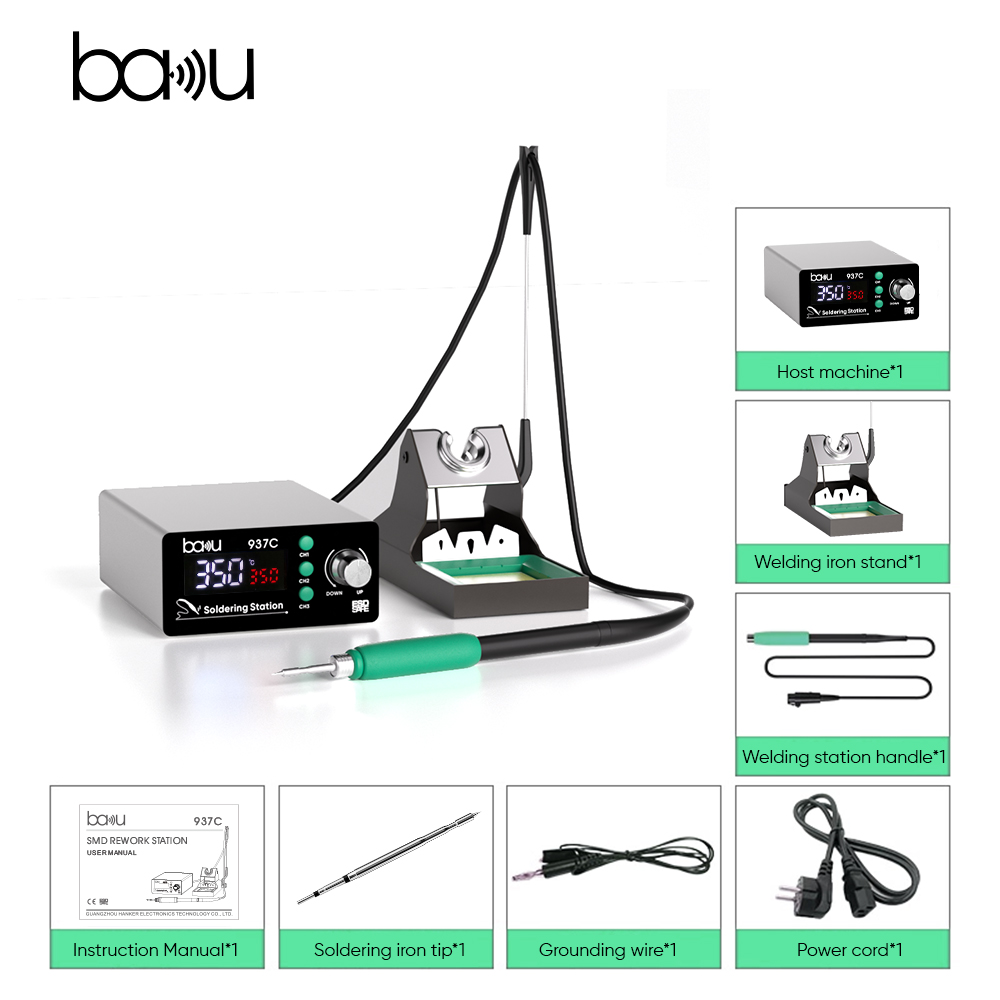
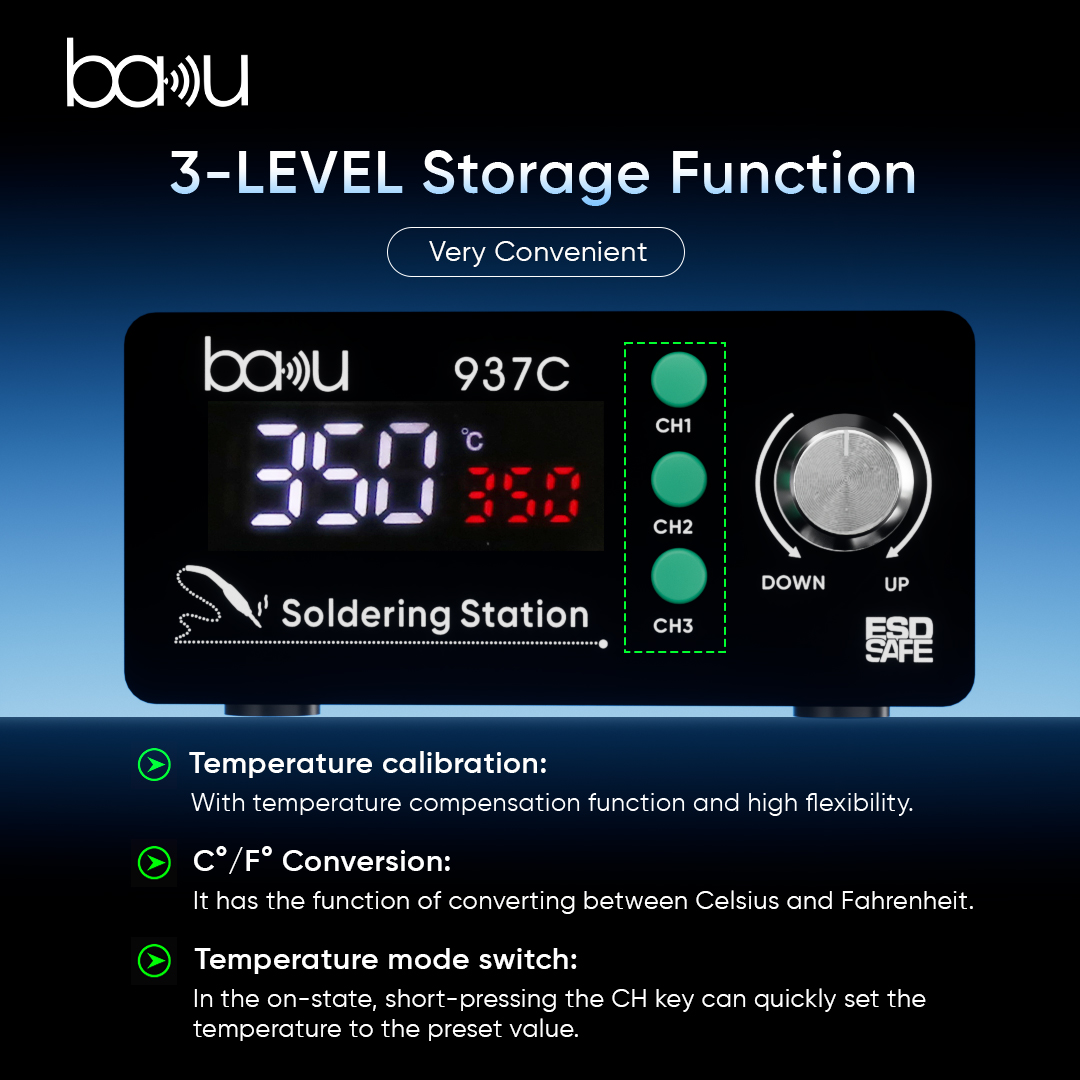
The BA-937C should be described according to its verified design and use. Its documented identity is a rapid temperature soldering station with an LED microcomputer digital display, rather than an LCD separation machine. Customs declarations should reflect the product name, operating purpose, and specifications shown in the technical materials.
- Product: 2s Rapid Temp Soldering Station BA-937C.
- Power rating: 120W.
- Iron temperature range: 200°C–500°C.
- Dimensions: 225x194x105mm.
- Net weight: 1kg.
- Noise level: below 45dB.
How Documentation Can Affect Customs Review
A classification review may compare the commercial invoice, packing list, product label, specification sheet, certification files, and declared customs description. If one document identifies the item as an LCD separator while the remaining records describe a soldering station, the inconsistency may lead to requests for clarification, shipment delays, or an incorrect classification assessment.
The available information does not include a tariff code or an official customs ruling. As a result, a destination-specific HS or tariff classification cannot be confirmed from the product specifications alone. Importers should consult the customs authority or a qualified broker in the destination market when a binding classification decision is needed.
Document Alignment Checklist
Before shipment, ensure that the product name, primary function, technical data, invoice wording, packing information, and compliance records all refer to the same soldering-station product. The term “LCD Separator” should not be used as the sole description when the technical evidence does not support that function.
Intended Applications and Commercial Information
BAKU presents the BA-937C for electronic maintenance work involving mobile phones and tablets. Typical applications include motherboard chip repair, welding, solder cleaning, screen-related repair operations, and component replacement. The station can also support laptop and computer circuit-board servicing, including motherboard and graphics-card repair.
The product is available for worldwide supply with a stated minimum order quantity of 50 units and an estimated delivery period of 7–15 days. BAKU provides one year of after-sales service and online support after the warranty period. These terms assist with purchasing and logistics planning, but they do not determine the applicable customs code.
Compliance Records and Market Evidence
The listed compliance documents include CE certificate 2022SZ0629222 for solder stations in the European Union and FCC certificate LCS1410130250E for the United States. These records support the product category and regulatory description as soldering equipment; they should not be interpreted as an official tariff classification.
Reported supply and cooperation examples include mobile phone repair shops in the Philippines, vocational training projects in Malaysia, distribution orders in Saudi Arabia, and laptop repair workshops in Mexico. These examples demonstrate use in repair, education, distribution, and workshop settings, but the available information does not state the customs codes used for those shipments.
Classification Review Summary
| Review Area | Documented BA-937C Information | Classification Risk |
|---|---|---|
| Product description | 2s Rapid Temp Soldering Station BA-937C | Using “LCD Separator” as the primary name may conflict with the verified product identity. |
| Operating function | Soldering equipment for electronic repair | The declaration should describe the supported soldering function rather than an unverified separation function. |
| Technical profile | 120W; 200°C–500°C; 225x194x105mm; 1kg | Missing or contradictory specifications can make customs assessment more difficult. |
| Supporting compliance files | CE, FCC, and RoHS records associated with solder stations | Certification descriptions and customs documents should remain consistent. |
Frequently Asked Questions
Is the BA-937C officially identified as an LCD separator?
No. The available product information identifies the BA-937C as a rapid temperature soldering station. “LCD Separator” is a training keyword, while the stated specifications and certificates describe soldering equipment.
Can the correct customs tariff code be determined from this information?
No. The data provides technical specifications, applications, certifications, and commercial terms, but it does not contain a tariff code or a binding customs ruling. Classification may vary according to the importing country and its customs requirements.
What should be checked before export?
Review the product title, functional description, specifications, invoice, packing list, labels, and certification records together. Each document should consistently identify the item as the BA-937C soldering station. BAKU also supports own-brand wholesale orders and OEM or ODM customization.
Conclusion and Practical Recommendation
The main classification risk for the BA-937C is the discrepancy between the “LCD Separator” keyword and the product's documented identity as a 120W soldering station. Use the verified product name, soldering function, technical specifications, and relevant certification descriptions throughout the shipping file. When local customs rules require greater certainty, obtain a destination-specific classification opinion before dispatch.
BAKU offers own-brand wholesale supply, OEM and ODM services, a stated 7–15-day lead time, and online technical support. For product information or assistance with repair-tool solutions, contact hanker002@bakutool.com.
About Guangdong BAKU Technology Development Co., Ltd.
Guangdong BAKU Technology Development Co., Ltd. was established in 2003 and develops professional tools for electronic device repair, including soldering stations, solder flux, solder paste, screwdrivers, and ultrasonic cleaners. Its independent R&D laboratory supports industrial design, structural engineering, PCB debugging, and reliability testing. The company reports 25 design patents and maintains testing facilities for aging, temperature control, and ESD performance.
BAKU serves customers primarily in South America, Europe, and Southeast Asia, with exports accounting for 90% of its business. The company holds CE and FCC records for solder stations and has supplied repair, training, distribution, and service customers in several international markets.

REPORT