







-
 Agriculture
-
 Health-Care
-
 Environment
-
 Construction-Real-Estate
-
 Tools-Hardware
-
 Home-Garden
-
 Furniture
-
 Luggage-Bags-Cases
-
 Medical-devices-Supplies
-
 Gifts-Crafts
-
 Sports-Entertainment
-
 Food-Beverage
-
 Vehicles-Transportation
-
 Power-Transmission
-
 Material-Handling
-
 Renewable-Energy
-
 Safety
-
 Testing-Instrument-Equipment
-
 Construction-Building-Machinery
-
 Pet-Supplies
-
 Personal-Care-Household-Cleaning
-
 Vehicle-Accessories-Electronics-Tools
-
 School-Office-Supplies
-
 Packaging-Printing
-
 Mother-Kids-Toys
-
 Business-Services
-
 Commercial-Equipment-Machinery
-
 Apparel-Accessories
-
 Security
-
 Shoes-Accessories
-
 Vehicle-Parts-Accessories
-
 Jewelry-Eyewear-Watches-Accessories
-
 Lights-Lighting
-
 Fabric-Textile-Raw-Material
-
 Fabrication-Services
-
 Industrial-Machinery
-
 Consumer-Electronics
-
 Electrical-Equipment-Supplies
-
 Electronic-Components-Accessories-Telecommunications
-
 Home-Appliances
-
 Beauty
-
 Chemicals
-
 Rubber-Plastics
-
 Metals-Alloys


























































































































































































































































































































































































































































































































































































- Masonry Materials
- Curtain Walls & Accessories
- Earthwork Products
- Fireproofing Materials
- Heat Insulation Materials
- Plastic Building Materials
- Building Boards
- Soundproofing Materials
- Timber
- Waterproofing Materials
- Balustrades & Handrails
- Bathroom & Kitchen
- Flooring & Accessories
- Tiles & Accessories
- Door, Window & Accessories
- Fireplaces & Stoves
- Floor Heating Systems & Parts
- Stairs & Stair Parts
- Ceilings
- Elevators & Escalators
- Stone
- Countertops, Vanity Tops & Table Tops
- Mosaics
- Metal Building Materials
- Multifunctional Materials
- Ladders & Scaffoldings
- Mouldings
- Corner Guards
- Decorative Films
- Formwork
- Building & Industrial Glass
- Other Construction & Real Estate
- Wallpapers/Wall panels
- HVAC System & Parts
- Outdoor Facilities
- Prefabricated Buildings
- Festive & Party Supplies
- Bathroom Products
- Household Sundries
- Rain Gear
- Garden Supplies
- Household Cleaning Tools & Accessories
- Lighters & Smoking Accessories
- Home Storage & Organization
- Household Scales
- Smart Home Improvement
- Home Textiles
- Kitchenware
- Drinkware & Accessories
- Dinnerware, Coffee & Wine
- Home Decor
- Golf
- Fitness & Body Building
- Amusement Park Facilities
- Billiards, Board Game,Coin Operated Games
- Musical Instruments
- Outdoor Affordable Luxury Sports
- Camping & Hiking
- Fishing
- Sports Safety&Rehabilitation
- Ball Sports Equipments
- Water Sports
- Winter Sports
- Luxury Travel Equipments
- Sports Shoes, Bags & Accessories
- Cycling
- Other Sports & Entertainment Products
- Artificial Grass&Sports Flooring&Sports Court Equipment
- Scooters
- Food Ingredients
- Honey & Honey Products
- Snacks
- Nuts & Kernels
- Seafood
- Plant & Animal Oil
- Beverages
- Fruit & Vegetable Products
- Frog & Escargot
- Bean Products
- Egg Products
- Dairy Products
- Seasonings & Condiments
- Canned Food
- Instant Food
- Baked Goods
- Other Food & Beverage
- Meat & Poultry
- Confectionery
- Grain Products
- Feminie Care
- Hair Care & Styling
- Body Care
- Hands & Feet Care
- Hygiene Products
- Men's Grooming
- Laundry Cleaning Supplies
- Travel Size & Gift Sets
- Room Deodorizers
- Other Personal Care Products
- Pest Control Products
- Special Household Cleaning
- Floor Cleaning
- Kitchen & Bathroom Cleaning
- Oral Care
- Bath Supplies
- Yellow Pages
- Correction Supplies
- Office Binding Supplies
- Office Cutting Supplies
- Board Erasers
- Office Adhesives & Tapes
- Education Supplies
- Pencil Cases & Bags
- Notebooks & Writing Pads
- File Folder Accessories
- Calendars
- Writing Accessories
- Commercial Office Supplies
- Pencil Sharpeners
- Pens
- Letter Pad/Paper
- Paper Envelopes
- Desk Organizers
- Pencils
- Markers & Highlighters
- Filing Products
- Art Supplies
- Easels
- Badge Holder & Accessories
- Office Paper
- Printer Supplies
- Book Covers
- Other Office & School Supplies
- Stationery Set
- Boards
- Clipboards
- Stamps
- Drafting Supplies
- Stencils
- Electronic Dictionary
- Books
- Map
- Magazines
- Calculators
- Baby & Toddler Toys
- Educational Toys
- Classic Toys
- Dress Up & Pretend Play
- Toy Vehicle
- Stuffed Animals & Plush Toys
- Outdoor Toys & Structures
- Balloons & Accessories
- Baby Food
- Children's Clothing
- Baby Supplies & Products
- Maternity Clothes
- Kids Shoes
- Baby Care
- Novelty & Gag Toys
- Dolls & Accessories
- Puzzle & Games
- Blocks & Model Building Toys
- Toddler Clothing
- Baby Clothing
- Kids' Luggage & Bags
- Arts, Crafts & DIY Toys
- Action & Toy Figures
- Baby Appliances
- Hobbies & Models
- Remote Control Toys
- Promotional Toys
- Pregnancy & Maternity
- Hygiene Products
- Kid's Textile&Bedding
- Novelty & Special Use
- Toy Weapons
- Baby Gifts
- Baby Storage & Organization
- Auto Drive Systems
- ATV/UTV Parts & Accessories
- Marine Parts & Accessories
- Other Auto Parts
- Trailer Parts & Accessories
- Auto Transmission Systems
- Train Parts & Accessories
- Universal Parts
- Railway Parts & Accessories
- Auto Brake Systems
- Aviation Parts & Accessories
- Truck Parts & Accessories
- Auto Suspension Systems
- Auto Lighting Systems
- New Energy Vehicle Parts & Accessories
- Auto Steering Systems
- Wheels, Tires & Accessories
- Bus Parts & Accessories
- Auto Performance Parts
- Cooling System
- Go-Kart & Kart Racer Parts & Accessories
- Air Conditioning Systems
- Heavy Duty Vehicle Parts & Accessories
- Auto Electrical Systems
- Auto Body Systems
- Auto Engine Systems
- Container Parts & Accessories
- Motorcycle Parts & Accessories
- Refrigeration & Heat Exchange Equipment
- Machine Tool Equipment
- Food & Beverage Machinery
- Agricultural Machinery & Equipment
- Apparel & Textile Machinery
- Chemical Machinery
- Packaging Machines
- Paper Production Machinery
- Plastic & Rubber Processing Machinery
- Industrial Robots
- Electronic Products Machinery
- Metal & Metallurgy Machinery
- Woodworking Machinery
- Home Product Manufacturing Machinery
- Machinery Accessories
- Environmental Machinery
- Machinery Service
- Electrical Equipment Manufacturing Machinery
- Industrial Compressors & Parts
- Tobacco & Cigarette Machinery
- Production Line
- Used Industrial Machinery
- Electronics Production Machinery
- Other Machinery & Industrial Equipment
- Camera, Photo & Accessories
- Portable Audio, Video & Accessories
- Television, Home Audio, Video & Accessories
- Video Games & Accessories
- Mobile Phone & Accessories
- Electronic Publications
- Earphone & Headphone & Accessories
- Speakers & Accessories
- Smart Electronics
- TV Receivers & Accessories
- Mobile Phone & Computer Repair Parts
- Chargers, Batteries & Power Supplies
- Used Electronics
- VR, AR, MR Hardware & Software
- Projectors & Presentation Equipments
- Other Consumer Electronics
- Cables & Commonly Used Accessories
- Computer Hardware & Software
- Displays, Signage and Optoelectronics
- Discrete Semiconductors
- Wireless & IoT Module and Products
- Telecommunications
- Connectors, Terminals & Accessories
- Development Boards, Electronic Modules and Kits
- Circuit Protection
- Sensors
- Isolators
- Audio Components and Products
- Integrated Circuits
- Power Supplies
- Relays
- RF, Microwave and RFID
- Electronic Accessories & Supplies
- Passive Components
- PCB & PCBA
- Air Quality Appliances
- Home Appliance Parts
- Heating & Cooling Appliances
- Small Kitchen Appliances
- Laundry Appliances
- Water Heaters
- Water Treatment Appliances
- Refrigerators & Freezers
- Personal Care & Beauty Appliances
- Major Kitchen Appliances
- Cleaning Appliances
- Second-hand Appliances
- Smart Home Appliances
- Other Home Appliances
- Energy Chemicals
- Inorganic Chemicals
- Basic Organic Chemicals
- Agrochemicals
- Admixture & Additives
- Catalysts & Chemical Auxiliary Agents
- Pigments & Dyestuff
- Coating & Paint
- Daily Chemicals
- Polymer
- Organic Intermediate
- Adhesives & Sealants
- Chemical Waste
- Biological Chemical Products
- Surface Treatment Chemicals
- Painting & Coating
- Chemical Reagents
- Flavor & Fragrance
- Non-Explosive Demolition Agents
- Other Chemicals
- Custom Chemical Services

Digital Printing vs. Manual Hand Painting for Custom Tees: Market Evolution and Production Guide
The rise of digital painting printing has sparked an ongoing debate in apparel manufacturing: is modern digital technology completely replacing authentic manual hand painting on tees? Industry trends show that digital techniques are transforming market segmentation rather than eliminating traditional craftsmanship. Direct-to-Garment (DTG) and digital textile painting deliver exact scalability and lower unit costs for commercial volume, whereas authentic hand painting preserves unique tactile feel, distinct one-of-a-kind variations, and strong value for limited luxury streetwear collections.
Strategic Takeaways for Apparel Brands
- Market Bifurcation: High-volume streetwear production leverages digital printing for rapid execution, while bespoke releases utilize manual painting to command high-end retail pricing.
- Hybrid Manufacturing Approaches: Leading custom garment suppliers combine digital base prints with hand-painted accenting to balance production efficiency with artistic depth.
- Flexible Order Minimums: Digital workflows enable fast sample turnarounds of 3–15 days, accommodating low-volume testing starting at 50 pieces per custom style.
- Durability and Tactile Texture: Formulated reactive digital inks preserve fine color gradients, whereas manual paint applications create raised, noticeable tactile relief on heavy cotton fabrics.
Technical Analysis: Digital Garment Printing vs. Artisan Hand Painting
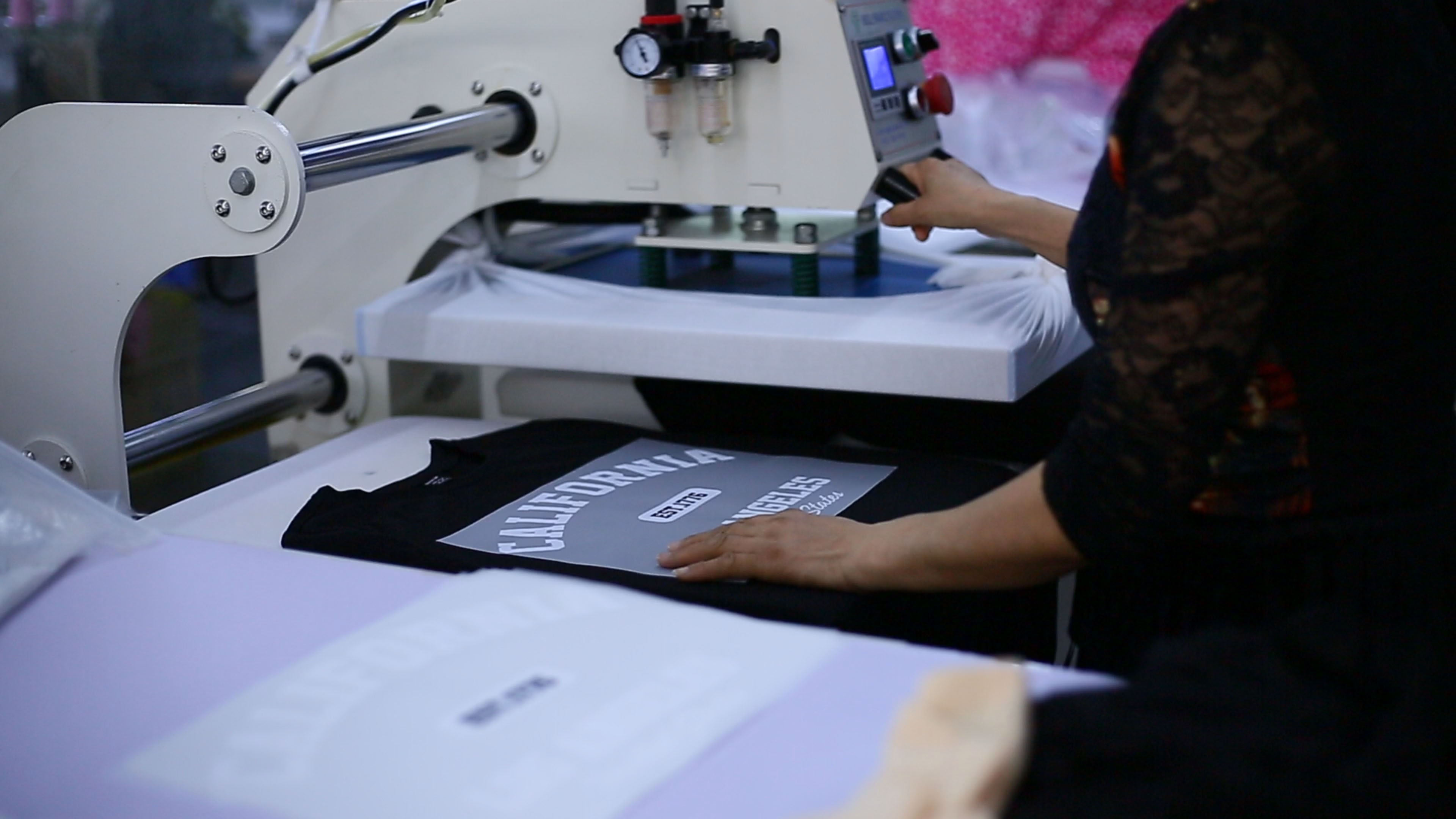
Selecting between digital painting printing and manual hand painting comes down to target production volume, garment drape, and overall design intent. Digital garment printing uses high-resolution inkjet printheads that deposit micro-droplets of water-based pigment deep into cotton fibers. This technique preserves the natural softness and breathable hand-feel of heavyweight t-shirts, making it the preferred method for complex multi-color graphics and realistic gradients.
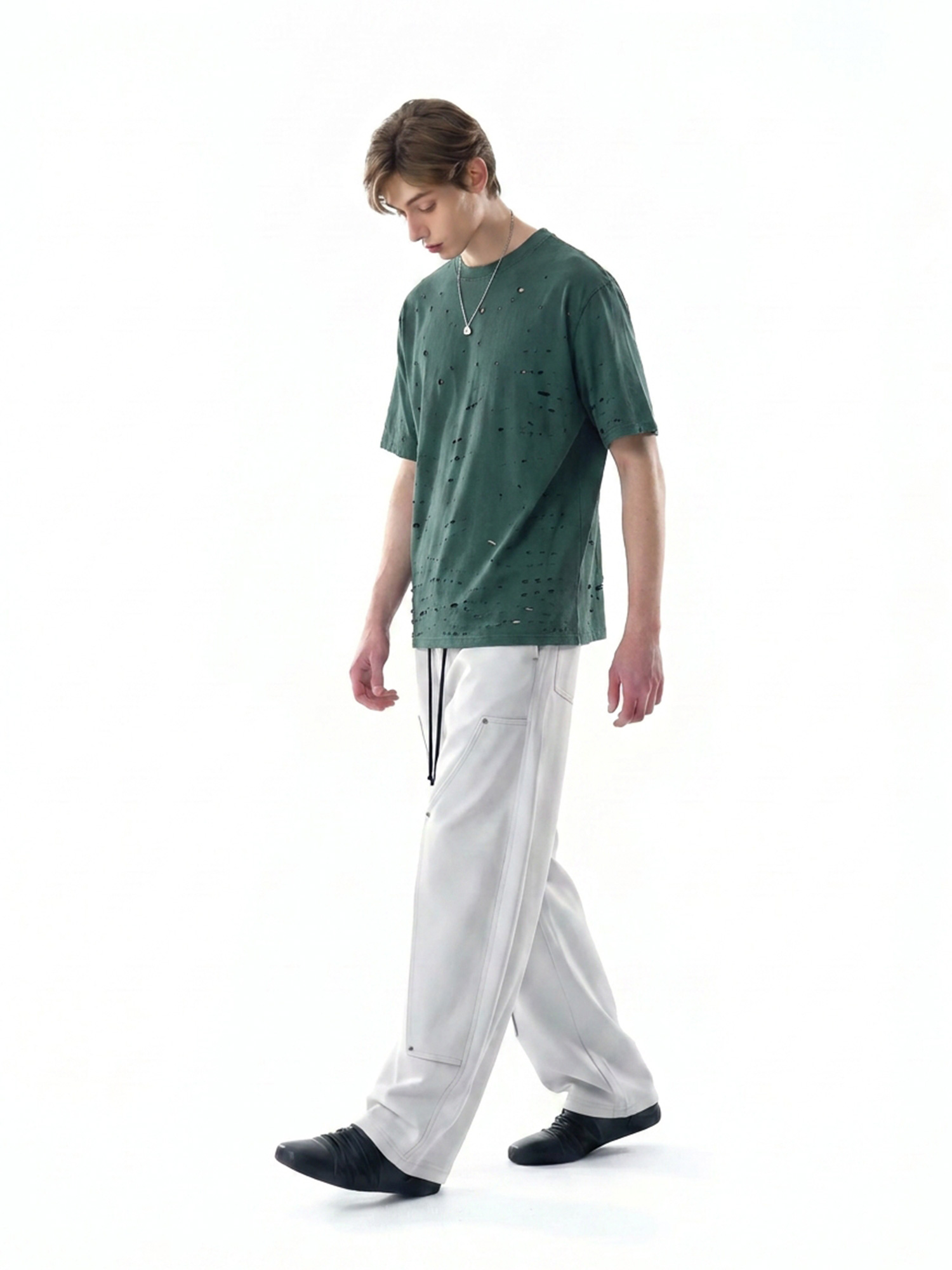
By contrast, authentic manual hand painting relies on skilled artisans applying specialized fabric acrylics or textile paints directly onto garments using brushes, sponges, or squeeze bottles. Every piece produced by hand features minor structural differences, visible brushstrokes, and varying paint thickness. Although this manual workflow limits daily capacity, it creates significant commercial value for independent designers and streetwear brands targeting collectors who value true 1-of-1 exclusivity.
Integrating Custom Washes and Hybrid Finishing
To keep pace with market trends, custom manufacturers such as Dongguan City Dule Garment Co.,Ltd combine modern digital printing with classic washing and distressing techniques. By adding vintage acid washes or raised puff accents over digitally printed bases, apparel labels capture the distressed, handcrafted aesthetic of custom hand-painted clothing while guaranteeing bulk consistency across order sizes from 50 to over 1,000 pieces per SKU.
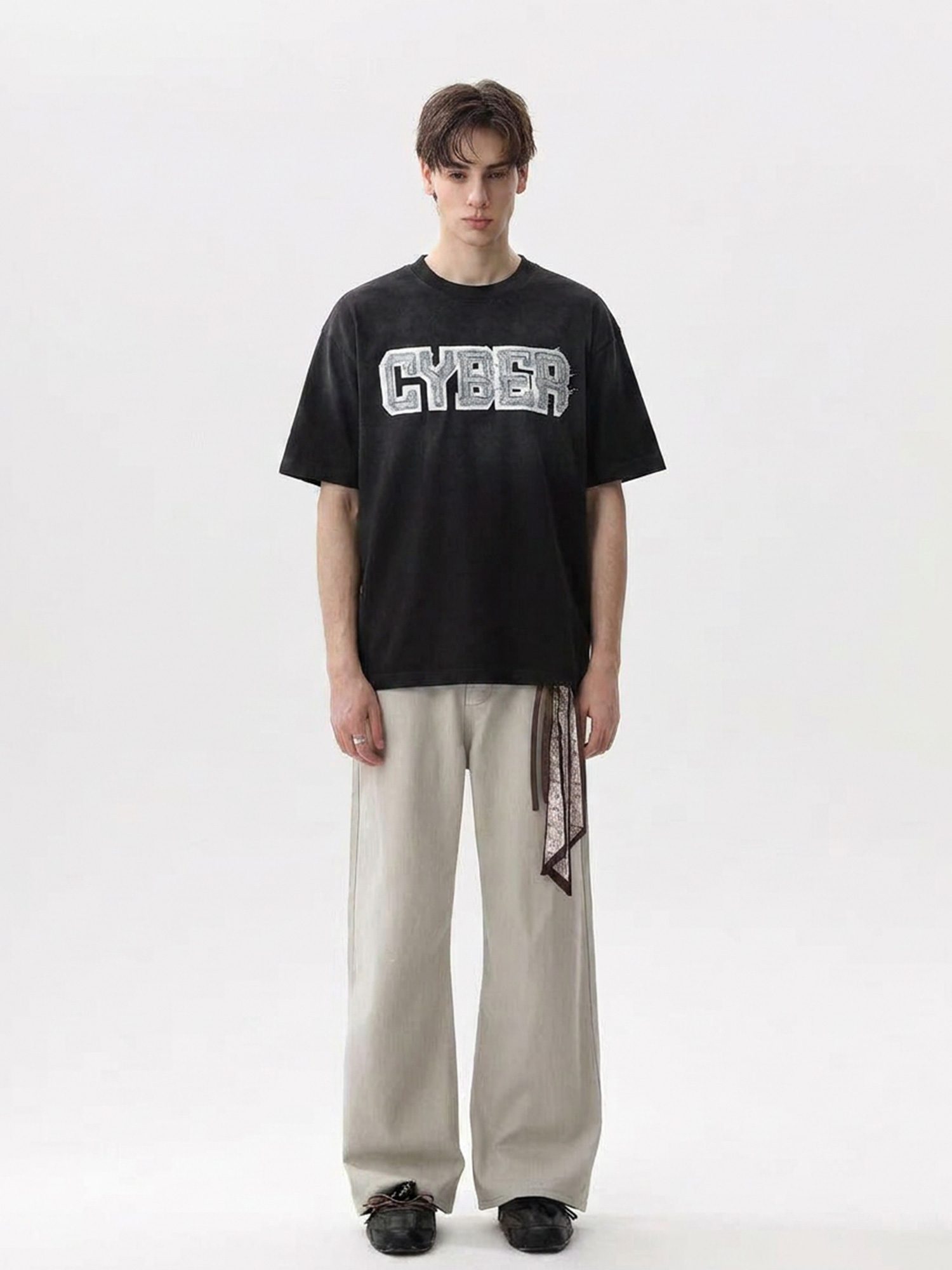
Commercial operational data reflects this tactical division. For example, UK online retailer Vanguard Shop Co. manages private label developments with 1,000 pieces per SKU across 24 scheduled drops per year. Utilizing digital printing in an OEM workflow allows rapid reordering and steady print fidelity, while reserving manual painting for low-volume promotional capsule lines.
Comparative Data & Parameter Matrix
Choosing the right decoration method involves balancing technical specs against commercial goals. The table below outlines key operational differences between digital painting printing and manual hand painting.
| Parameter / Feature | Digital Painting Printing (DTG/Digital Pigment) | Authentic Manual Hand Painting |
|---|---|---|
| Production Speed | High (Ideal for 20–35 day bulk turnaround) | Low (Time-intensive, brushwork by hand) |
| Tactile Texture / Hand Feel | Soft, flat integration into fabric fibers | Textured, raised surface with visible brushwork |
| Piece-to-Piece Consistency | Identical output across entire production run | Unique variations on every individual garment |
| MOQ Feasibility | Flexible (50 pcs custom / 20 pcs blanks) | Best suited for 1-of-1 or ultra-low runs |
| Color Gradient Complexity | Unlimited photorealistic color shading | Dependent on manual blending skills |
| Unit Cost Scaling | Decreases significantly with higher volume | Remains high regardless of order volume |
Frequently Asked Questions (FAQ)
Can digital printing replicate the heavy texture of manual hand painting?
Standard digital printing integrates pigment into fabric fibers, producing a soft feel rather than a heavy raised texture. However, high-density digital techniques or blending digital bases with puff printing can create localized 3D texture without requiring total manual application.
What is the minimum order quantity (MOQ) for custom printed apparel runs?
Custom production runs covering specialized printing, vintage washing, and custom tech packs typically start at 50 pieces per style/color. Blank apparel orders without custom adjustments feature a lower minimum threshold of 20 pieces per style.
How do washing treatments like acid wash affect printed designs?
When applying post-wash treatments like acid washing or vintage distressing, digital prints cured with reactive pigments resist fading and cracking. Manual paints require specialized heat curing prior to washing to avoid pigment peeling or premature fading.
Strategic Conclusion & Logistics Options
Digital painting printing expands overall market capacity rather than replacing manual artisan work. Independent streetwear brands and commercial retailers benefit from using digital printing for core collections requiring fast 20–35 day bulk turnaround times, consistent color output, and cost scalability. Manual hand painting remains an effective strategy for high-margin, limited capsule drops where handcrafted uniqueness builds brand value. Order logistics can be arranged under FOB Shenzhen terms for client-managed freight or DDP door-to-door delivery via sea freight or express courier (DHL/FedEx/UPS), with payments processed via Bank Transfer or Alipay. For custom technical solutions or inquiries, contact us at yutianfang88@gmail.com.
About Us
Dongguan City Dule Garment Co.,Ltd is an OEM/ODM apparel manufacturer established in 2007, operating with 200 employees across a 5,000 m² primary facility and dual-factory infrastructure totaling 15,000 m². The company maintains an annual production capacity of 1.2 million pieces, specializing in heavyweight hoodies, t-shirts, cargo pants, and streetwear denim for clients across North America, Europe, Australia, and Asia. Operating 50+ specialized machines, the facility supports complete in-house execution from sample development within 3–15 days to final AQL 2.5 quality control.

REPORT