







-
 Agriculture
-
 Health-Care
-
 Environment
-
 Construction-Real-Estate
-
 Tools-Hardware
-
 Home-Garden
-
 Furniture
-
 Luggage-Bags-Cases
-
 Medical-devices-Supplies
-
 Gifts-Crafts
-
 Sports-Entertainment
-
 Food-Beverage
-
 Vehicles-Transportation
-
 Power-Transmission
-
 Material-Handling
-
 Renewable-Energy
-
 Safety
-
 Testing-Instrument-Equipment
-
 Construction-Building-Machinery
-
 Pet-Supplies
-
 Personal-Care-Household-Cleaning
-
 Vehicle-Accessories-Electronics-Tools
-
 School-Office-Supplies
-
 Packaging-Printing
-
 Mother-Kids-Toys
-
 Business-Services
-
 Commercial-Equipment-Machinery
-
 Apparel-Accessories
-
 Security
-
 Shoes-Accessories
-
 Vehicle-Parts-Accessories
-
 Jewelry-Eyewear-Watches-Accessories
-
 Lights-Lighting
-
 Fabric-Textile-Raw-Material
-
 Fabrication-Services
-
 Industrial-Machinery
-
 Consumer-Electronics
-
 Electrical-Equipment-Supplies
-
 Electronic-Components-Accessories-Telecommunications
-
 Home-Appliances
-
 Beauty
-
 Chemicals
-
 Rubber-Plastics
-
 Metals-Alloys


























































































































































































































































































































































































































































































































































































- Masonry Materials
- Curtain Walls & Accessories
- Earthwork Products
- Fireproofing Materials
- Heat Insulation Materials
- Plastic Building Materials
- Building Boards
- Soundproofing Materials
- Timber
- Waterproofing Materials
- Balustrades & Handrails
- Bathroom & Kitchen
- Flooring & Accessories
- Tiles & Accessories
- Door, Window & Accessories
- Fireplaces & Stoves
- Floor Heating Systems & Parts
- Stairs & Stair Parts
- Ceilings
- Elevators & Escalators
- Stone
- Countertops, Vanity Tops & Table Tops
- Mosaics
- Metal Building Materials
- Multifunctional Materials
- Ladders & Scaffoldings
- Mouldings
- Corner Guards
- Decorative Films
- Formwork
- Building & Industrial Glass
- Other Construction & Real Estate
- Wallpapers/Wall panels
- HVAC System & Parts
- Outdoor Facilities
- Prefabricated Buildings
- Festive & Party Supplies
- Bathroom Products
- Household Sundries
- Rain Gear
- Garden Supplies
- Household Cleaning Tools & Accessories
- Lighters & Smoking Accessories
- Home Storage & Organization
- Household Scales
- Smart Home Improvement
- Home Textiles
- Kitchenware
- Drinkware & Accessories
- Dinnerware, Coffee & Wine
- Home Decor
- Golf
- Fitness & Body Building
- Amusement Park Facilities
- Billiards, Board Game,Coin Operated Games
- Musical Instruments
- Outdoor Affordable Luxury Sports
- Camping & Hiking
- Fishing
- Sports Safety&Rehabilitation
- Ball Sports Equipments
- Water Sports
- Winter Sports
- Luxury Travel Equipments
- Sports Shoes, Bags & Accessories
- Cycling
- Other Sports & Entertainment Products
- Artificial Grass&Sports Flooring&Sports Court Equipment
- Scooters
- Food Ingredients
- Honey & Honey Products
- Snacks
- Nuts & Kernels
- Seafood
- Plant & Animal Oil
- Beverages
- Fruit & Vegetable Products
- Frog & Escargot
- Bean Products
- Egg Products
- Dairy Products
- Seasonings & Condiments
- Canned Food
- Instant Food
- Baked Goods
- Other Food & Beverage
- Meat & Poultry
- Confectionery
- Grain Products
- Feminie Care
- Hair Care & Styling
- Body Care
- Hands & Feet Care
- Hygiene Products
- Men's Grooming
- Laundry Cleaning Supplies
- Travel Size & Gift Sets
- Room Deodorizers
- Other Personal Care Products
- Pest Control Products
- Special Household Cleaning
- Floor Cleaning
- Kitchen & Bathroom Cleaning
- Oral Care
- Bath Supplies
- Yellow Pages
- Correction Supplies
- Office Binding Supplies
- Office Cutting Supplies
- Board Erasers
- Office Adhesives & Tapes
- Education Supplies
- Pencil Cases & Bags
- Notebooks & Writing Pads
- File Folder Accessories
- Calendars
- Writing Accessories
- Commercial Office Supplies
- Pencil Sharpeners
- Pens
- Letter Pad/Paper
- Paper Envelopes
- Desk Organizers
- Pencils
- Markers & Highlighters
- Filing Products
- Art Supplies
- Easels
- Badge Holder & Accessories
- Office Paper
- Printer Supplies
- Book Covers
- Other Office & School Supplies
- Stationery Set
- Boards
- Clipboards
- Stamps
- Drafting Supplies
- Stencils
- Electronic Dictionary
- Books
- Map
- Magazines
- Calculators
- Baby & Toddler Toys
- Educational Toys
- Classic Toys
- Dress Up & Pretend Play
- Toy Vehicle
- Stuffed Animals & Plush Toys
- Outdoor Toys & Structures
- Balloons & Accessories
- Baby Food
- Children's Clothing
- Baby Supplies & Products
- Maternity Clothes
- Kids Shoes
- Baby Care
- Novelty & Gag Toys
- Dolls & Accessories
- Puzzle & Games
- Blocks & Model Building Toys
- Toddler Clothing
- Baby Clothing
- Kids' Luggage & Bags
- Arts, Crafts & DIY Toys
- Action & Toy Figures
- Baby Appliances
- Hobbies & Models
- Remote Control Toys
- Promotional Toys
- Pregnancy & Maternity
- Hygiene Products
- Kid's Textile&Bedding
- Novelty & Special Use
- Toy Weapons
- Baby Gifts
- Baby Storage & Organization
- Auto Drive Systems
- ATV/UTV Parts & Accessories
- Marine Parts & Accessories
- Other Auto Parts
- Trailer Parts & Accessories
- Auto Transmission Systems
- Train Parts & Accessories
- Universal Parts
- Railway Parts & Accessories
- Auto Brake Systems
- Aviation Parts & Accessories
- Truck Parts & Accessories
- Auto Suspension Systems
- Auto Lighting Systems
- New Energy Vehicle Parts & Accessories
- Auto Steering Systems
- Wheels, Tires & Accessories
- Bus Parts & Accessories
- Auto Performance Parts
- Cooling System
- Go-Kart & Kart Racer Parts & Accessories
- Air Conditioning Systems
- Heavy Duty Vehicle Parts & Accessories
- Auto Electrical Systems
- Auto Body Systems
- Auto Engine Systems
- Container Parts & Accessories
- Motorcycle Parts & Accessories
- Refrigeration & Heat Exchange Equipment
- Machine Tool Equipment
- Food & Beverage Machinery
- Agricultural Machinery & Equipment
- Apparel & Textile Machinery
- Chemical Machinery
- Packaging Machines
- Paper Production Machinery
- Plastic & Rubber Processing Machinery
- Industrial Robots
- Electronic Products Machinery
- Metal & Metallurgy Machinery
- Woodworking Machinery
- Home Product Manufacturing Machinery
- Machinery Accessories
- Environmental Machinery
- Machinery Service
- Electrical Equipment Manufacturing Machinery
- Industrial Compressors & Parts
- Tobacco & Cigarette Machinery
- Production Line
- Used Industrial Machinery
- Electronics Production Machinery
- Other Machinery & Industrial Equipment
- Camera, Photo & Accessories
- Portable Audio, Video & Accessories
- Television, Home Audio, Video & Accessories
- Video Games & Accessories
- Mobile Phone & Accessories
- Electronic Publications
- Earphone & Headphone & Accessories
- Speakers & Accessories
- Smart Electronics
- TV Receivers & Accessories
- Mobile Phone & Computer Repair Parts
- Chargers, Batteries & Power Supplies
- Used Electronics
- VR, AR, MR Hardware & Software
- Projectors & Presentation Equipments
- Other Consumer Electronics
- Cables & Commonly Used Accessories
- Computer Hardware & Software
- Displays, Signage and Optoelectronics
- Discrete Semiconductors
- Wireless & IoT Module and Products
- Telecommunications
- Connectors, Terminals & Accessories
- Development Boards, Electronic Modules and Kits
- Circuit Protection
- Sensors
- Isolators
- Audio Components and Products
- Integrated Circuits
- Power Supplies
- Relays
- RF, Microwave and RFID
- Electronic Accessories & Supplies
- Passive Components
- PCB & PCBA
- Air Quality Appliances
- Home Appliance Parts
- Heating & Cooling Appliances
- Small Kitchen Appliances
- Laundry Appliances
- Water Heaters
- Water Treatment Appliances
- Refrigerators & Freezers
- Personal Care & Beauty Appliances
- Major Kitchen Appliances
- Cleaning Appliances
- Second-hand Appliances
- Smart Home Appliances
- Other Home Appliances
- Energy Chemicals
- Inorganic Chemicals
- Basic Organic Chemicals
- Agrochemicals
- Admixture & Additives
- Catalysts & Chemical Auxiliary Agents
- Pigments & Dyestuff
- Coating & Paint
- Daily Chemicals
- Polymer
- Organic Intermediate
- Adhesives & Sealants
- Chemical Waste
- Biological Chemical Products
- Surface Treatment Chemicals
- Painting & Coating
- Chemical Reagents
- Flavor & Fragrance
- Non-Explosive Demolition Agents
- Other Chemicals
- Custom Chemical Services

Documentation and Safety Testing Requirements for Recycled Handrail Materials: A Comprehensive Guide
Understanding Testing Protocols for Sustainable & Recycled Architectural Materials
Deploying recycled handrail materials or structural architectural elements across modern construction projects requires rigorous compliance verification. To guarantee structural safety, weather endurance, and toxic-free environmental standards, products must undergo multi-tiered testing—including physical performance evaluations, chemical safety screening, precise dimensional checks, and overall structural integrity inspections. These procedures are critical for residential villas, commercial complexes, and municipal infrastructure projects alike.
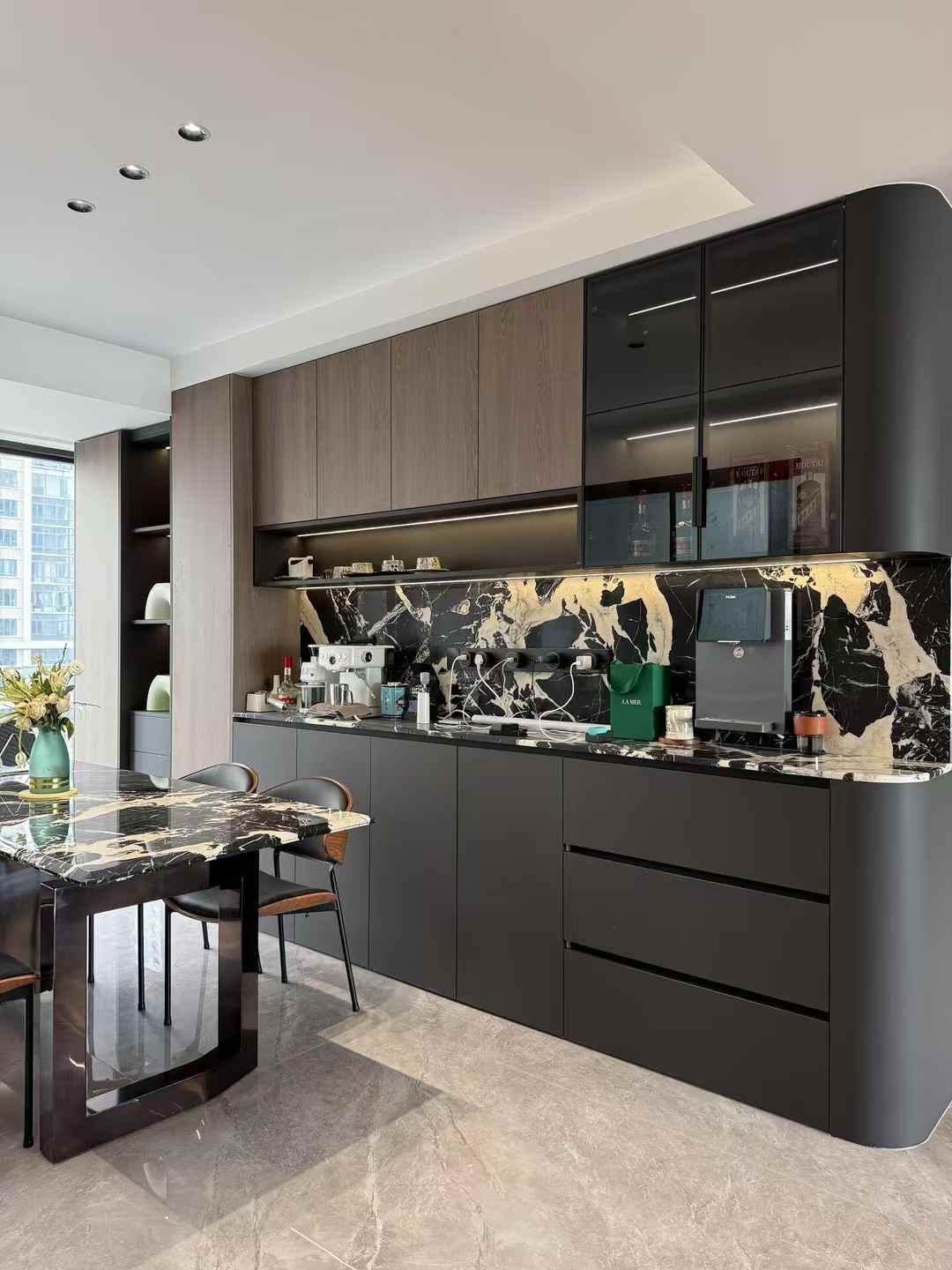
Essential Highlights & Compliance Key Takeaways
- Multi-Dimensional Quality Verification: Building components and handrail systems must pass stringent chemical safety tests, mechanical stress evaluations, and structural load inspections before installation.
- End-to-End Quality Traceability: Robust QA systems cover every phase, from raw material sourcing and factory production checks to final product testing and on-site assembly validation.
- Extensive Application Range: Materials are engineered to meet strict compliance across luxury private residences, hospitality projects, commercial towers, and public municipal facilities.
- Extreme Environmental Resilience: Verified materials withstand severe environmental factors, offering high-temperature resistance, corrosion defense, and prolonged durability under heavy UV radiation and humidity.
Technical Analysis & Compliance Framework
Prioritizing structural stability and chemical non-toxicity is fundamental when selecting building hardware and handrail profiles. Industry leaders such as Guangzhou Lingyin Building Materials Co., Ltd. implement exhaustive quality control protocols to prevent structural failure, material degradation, and hazardous off-gassing. Recognized compliance certifications like CE standards for cabinetry and structural systems alongside RoHS compliance for aluminum profiles validate long-term environmental safety.
Throughout manufacturing, high-grade aluminum alloy profiles and specialized panel assemblies undergo rigorous mechanical testing to verify load-bearing capacity, impact resistance, and tensile strength. Concurrently, chemical safety evaluations ensure that raw materials emit zero toxic compounds across their operational lifespan, even under harsh climatic conditions such as severe thermal shifts or high moisture exposure.
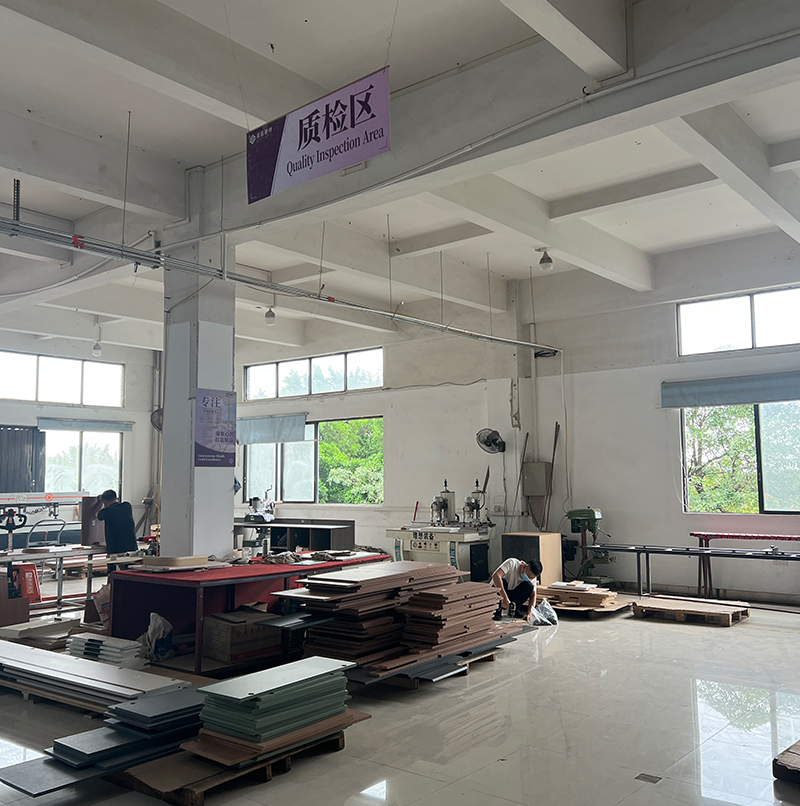
For international architectural endeavors—particularly major landmark developments in regions like Africa—full compliance documentation and precise dimensional verification prevent costly project delays during cross-border logistics and site assembly, ensuring full alignment with local building codes.
Inspection Standards & Testing Breakdown
| Inspection Category | Testing Focus | Applied Standards & Coverage | Documentation Output |
|---|---|---|---|
| Chemical Safety Testing | Substance screening, chemical composition, emission limits | RoHS compliance for architectural alloys and surface finishes | Chemical safety verification report |
| Physical & Mechanical Performance | Load capacity, tensile strength, impact endurance, thermal stability | Structural standards for high-strength aluminum profiles | Mechanical testing data sheet |
| Structural Safety Inspection | Hardware integrity (such as DTC accessories), joint stability, stress resistance | CE structural standards for architectural components | Structural safety certificate |
| Appearance & Size Testing | Dimensional accuracy (e.g., 1.8mm profile checks), finish quality | Veneer checks including melamine, PET, baking paint, and PVC film | Dimension & tolerance acceptance sheet |
Frequently Asked Questions
Are special safety tests required for recycled building handrails and structural components?
Yes. Structural building elements and recycled handrail materials must complete chemical safety testing, physical mechanical evaluations, structural safety inspections, and precise dimensional verification to ensure total load-bearing compliance and environmental safety.
How do compliance testing standards safeguard performance in harsh outdoor environments?
Testing protocols rigorously evaluate weatherability, thermal endurance, and corrosion resistance. This ensures high-strength aluminum alloy profiles and protective finishes withstand intense sunlight, humidity, and atmospheric stress without degrading.
What technical support and warranties are provided following material delivery?
Standard architectural products are backed by a 10-year warranty and lifetime maintenance support. Dedicated service teams respond within 24 hours in regional hubs and within 48 hours for domestic technical inquiries.
Conclusion & Implementation Guidance
Strict compliance with chemical, physical, and mechanical inspection standards is vital when specifying recycled or fabricated architectural handrail materials. Adopting standardized quality control framework streamlines international customs clearance, mitigates structural risks, and facilitates seamless construction execution. Integrated manufacturing platforms with direct sea freight channels can cut shipping costs by 15% to 20% while maintaining absolute material traceability. For expert technical consultations or inquiries, please contact 18144733878@139.com.
About Our Organization
Guangzhou Lingyin Building Materials Co., Ltd. is a premier group enterprise specializing in the global export of system doors, windows, aluminum alloy profiles, sunrooms, and full-house custom solutions. Founded in 1990, the company employs 186 specialists and operates a 30,000-square-meter smart manufacturing facility equipped with advanced automated production lines. Holding CE and RoHS certifications, the company provides end-to-end design, manufacturing, customs handling, and supply chain logistics, successfully serving tens of thousands of residential, commercial, and public projects globally.
REPORT