







-
 Agriculture
-
 Health-Care
-
 Environment
-
 Construction-Real-Estate
-
 Tools-Hardware
-
 Home-Garden
-
 Furniture
-
 Luggage-Bags-Cases
-
 Medical-devices-Supplies
-
 Gifts-Crafts
-
 Sports-Entertainment
-
 Food-Beverage
-
 Vehicles-Transportation
-
 Power-Transmission
-
 Material-Handling
-
 Renewable-Energy
-
 Safety
-
 Testing-Instrument-Equipment
-
 Construction-Building-Machinery
-
 Pet-Supplies
-
 Personal-Care-Household-Cleaning
-
 Vehicle-Accessories-Electronics-Tools
-
 School-Office-Supplies
-
 Packaging-Printing
-
 Mother-Kids-Toys
-
 Business-Services
-
 Commercial-Equipment-Machinery
-
 Apparel-Accessories
-
 Security
-
 Shoes-Accessories
-
 Vehicle-Parts-Accessories
-
 Jewelry-Eyewear-Watches-Accessories
-
 Lights-Lighting
-
 Fabric-Textile-Raw-Material
-
 Fabrication-Services
-
 Industrial-Machinery
-
 Consumer-Electronics
-
 Electrical-Equipment-Supplies
-
 Electronic-Components-Accessories-Telecommunications
-
 Home-Appliances
-
 Beauty
-
 Chemicals
-
 Rubber-Plastics
-
 Metals-Alloys


























































































































































































































































































































































































































































































































































































- Masonry Materials
- Curtain Walls & Accessories
- Earthwork Products
- Fireproofing Materials
- Heat Insulation Materials
- Plastic Building Materials
- Building Boards
- Soundproofing Materials
- Timber
- Waterproofing Materials
- Balustrades & Handrails
- Bathroom & Kitchen
- Flooring & Accessories
- Tiles & Accessories
- Door, Window & Accessories
- Fireplaces & Stoves
- Floor Heating Systems & Parts
- Stairs & Stair Parts
- Ceilings
- Elevators & Escalators
- Stone
- Countertops, Vanity Tops & Table Tops
- Mosaics
- Metal Building Materials
- Multifunctional Materials
- Ladders & Scaffoldings
- Mouldings
- Corner Guards
- Decorative Films
- Formwork
- Building & Industrial Glass
- Other Construction & Real Estate
- Wallpapers/Wall panels
- HVAC System & Parts
- Outdoor Facilities
- Prefabricated Buildings
- Festive & Party Supplies
- Bathroom Products
- Household Sundries
- Rain Gear
- Garden Supplies
- Household Cleaning Tools & Accessories
- Lighters & Smoking Accessories
- Home Storage & Organization
- Household Scales
- Smart Home Improvement
- Home Textiles
- Kitchenware
- Drinkware & Accessories
- Dinnerware, Coffee & Wine
- Home Decor
- Golf
- Fitness & Body Building
- Amusement Park Facilities
- Billiards, Board Game,Coin Operated Games
- Musical Instruments
- Outdoor Affordable Luxury Sports
- Camping & Hiking
- Fishing
- Sports Safety&Rehabilitation
- Ball Sports Equipments
- Water Sports
- Winter Sports
- Luxury Travel Equipments
- Sports Shoes, Bags & Accessories
- Cycling
- Other Sports & Entertainment Products
- Artificial Grass&Sports Flooring&Sports Court Equipment
- Scooters
- Food Ingredients
- Honey & Honey Products
- Snacks
- Nuts & Kernels
- Seafood
- Plant & Animal Oil
- Beverages
- Fruit & Vegetable Products
- Frog & Escargot
- Bean Products
- Egg Products
- Dairy Products
- Seasonings & Condiments
- Canned Food
- Instant Food
- Baked Goods
- Other Food & Beverage
- Meat & Poultry
- Confectionery
- Grain Products
- Feminie Care
- Hair Care & Styling
- Body Care
- Hands & Feet Care
- Hygiene Products
- Men's Grooming
- Laundry Cleaning Supplies
- Travel Size & Gift Sets
- Room Deodorizers
- Other Personal Care Products
- Pest Control Products
- Special Household Cleaning
- Floor Cleaning
- Kitchen & Bathroom Cleaning
- Oral Care
- Bath Supplies
- Yellow Pages
- Correction Supplies
- Office Binding Supplies
- Office Cutting Supplies
- Board Erasers
- Office Adhesives & Tapes
- Education Supplies
- Pencil Cases & Bags
- Notebooks & Writing Pads
- File Folder Accessories
- Calendars
- Writing Accessories
- Commercial Office Supplies
- Pencil Sharpeners
- Pens
- Letter Pad/Paper
- Paper Envelopes
- Desk Organizers
- Pencils
- Markers & Highlighters
- Filing Products
- Art Supplies
- Easels
- Badge Holder & Accessories
- Office Paper
- Printer Supplies
- Book Covers
- Other Office & School Supplies
- Stationery Set
- Boards
- Clipboards
- Stamps
- Drafting Supplies
- Stencils
- Electronic Dictionary
- Books
- Map
- Magazines
- Calculators
- Baby & Toddler Toys
- Educational Toys
- Classic Toys
- Dress Up & Pretend Play
- Toy Vehicle
- Stuffed Animals & Plush Toys
- Outdoor Toys & Structures
- Balloons & Accessories
- Baby Food
- Children's Clothing
- Baby Supplies & Products
- Maternity Clothes
- Kids Shoes
- Baby Care
- Novelty & Gag Toys
- Dolls & Accessories
- Puzzle & Games
- Blocks & Model Building Toys
- Toddler Clothing
- Baby Clothing
- Kids' Luggage & Bags
- Arts, Crafts & DIY Toys
- Action & Toy Figures
- Baby Appliances
- Hobbies & Models
- Remote Control Toys
- Promotional Toys
- Pregnancy & Maternity
- Hygiene Products
- Kid's Textile&Bedding
- Novelty & Special Use
- Toy Weapons
- Baby Gifts
- Baby Storage & Organization
- Auto Drive Systems
- ATV/UTV Parts & Accessories
- Marine Parts & Accessories
- Other Auto Parts
- Trailer Parts & Accessories
- Auto Transmission Systems
- Train Parts & Accessories
- Universal Parts
- Railway Parts & Accessories
- Auto Brake Systems
- Aviation Parts & Accessories
- Truck Parts & Accessories
- Auto Suspension Systems
- Auto Lighting Systems
- New Energy Vehicle Parts & Accessories
- Auto Steering Systems
- Wheels, Tires & Accessories
- Bus Parts & Accessories
- Auto Performance Parts
- Cooling System
- Go-Kart & Kart Racer Parts & Accessories
- Air Conditioning Systems
- Heavy Duty Vehicle Parts & Accessories
- Auto Electrical Systems
- Auto Body Systems
- Auto Engine Systems
- Container Parts & Accessories
- Motorcycle Parts & Accessories
- Refrigeration & Heat Exchange Equipment
- Machine Tool Equipment
- Food & Beverage Machinery
- Agricultural Machinery & Equipment
- Apparel & Textile Machinery
- Chemical Machinery
- Packaging Machines
- Paper Production Machinery
- Plastic & Rubber Processing Machinery
- Industrial Robots
- Electronic Products Machinery
- Metal & Metallurgy Machinery
- Woodworking Machinery
- Home Product Manufacturing Machinery
- Machinery Accessories
- Environmental Machinery
- Machinery Service
- Electrical Equipment Manufacturing Machinery
- Industrial Compressors & Parts
- Tobacco & Cigarette Machinery
- Production Line
- Used Industrial Machinery
- Electronics Production Machinery
- Other Machinery & Industrial Equipment
- Camera, Photo & Accessories
- Portable Audio, Video & Accessories
- Television, Home Audio, Video & Accessories
- Video Games & Accessories
- Mobile Phone & Accessories
- Electronic Publications
- Earphone & Headphone & Accessories
- Speakers & Accessories
- Smart Electronics
- TV Receivers & Accessories
- Mobile Phone & Computer Repair Parts
- Chargers, Batteries & Power Supplies
- Used Electronics
- VR, AR, MR Hardware & Software
- Projectors & Presentation Equipments
- Other Consumer Electronics
- Cables & Commonly Used Accessories
- Computer Hardware & Software
- Displays, Signage and Optoelectronics
- Discrete Semiconductors
- Wireless & IoT Module and Products
- Telecommunications
- Connectors, Terminals & Accessories
- Development Boards, Electronic Modules and Kits
- Circuit Protection
- Sensors
- Isolators
- Audio Components and Products
- Integrated Circuits
- Power Supplies
- Relays
- RF, Microwave and RFID
- Electronic Accessories & Supplies
- Passive Components
- PCB & PCBA
- Air Quality Appliances
- Home Appliance Parts
- Heating & Cooling Appliances
- Small Kitchen Appliances
- Laundry Appliances
- Water Heaters
- Water Treatment Appliances
- Refrigerators & Freezers
- Personal Care & Beauty Appliances
- Major Kitchen Appliances
- Cleaning Appliances
- Second-hand Appliances
- Smart Home Appliances
- Other Home Appliances
- Energy Chemicals
- Inorganic Chemicals
- Basic Organic Chemicals
- Agrochemicals
- Admixture & Additives
- Catalysts & Chemical Auxiliary Agents
- Pigments & Dyestuff
- Coating & Paint
- Daily Chemicals
- Polymer
- Organic Intermediate
- Adhesives & Sealants
- Chemical Waste
- Biological Chemical Products
- Surface Treatment Chemicals
- Painting & Coating
- Chemical Reagents
- Flavor & Fragrance
- Non-Explosive Demolition Agents
- Other Chemicals
- Custom Chemical Services

Ensuring Consistency Between Car Cup UV Printing Samples and Mass Production
Understanding the Challenge: Sample vs. Production Variance in Drinkware Printing
Transitioning from initial prototyping to high-volume manufacturing often leads to color discrepancies, layer misalignments, and adhesion failures, particularly on tapered or cylindrical items like car cups. Direct-to-object UV printing frequently struggles with focus distortion and manual positioning errors during bulk runs. Switching to an automated roll-to-roll transfer methodology—such as that powered by the NC-UVDTF60-PLUS from Guangzhou Nuocai Digital Products Co., Ltd.—solves these physical limitations by establishing a standardized, highly repeatable workflow.
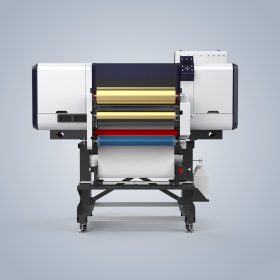
Key Strategies for Perfect Sample Alignment
- Synchronized Single-Pass Layering: Deploying industrial printheads like the Epson I1600-E1 enables simultaneous output of white ink, color pigments, and protective varnish. This single-pass mechanism prevents layer registration errors between prototype proofs and mass production batches.
- Automated Tension & Lamination Control: Integrated unwinding, laminating, and take-up mechanisms maintain constant film tension, eliminating pattern stretching and manual handling variations during extended operational cycles.
- Seamless Geometry Adaptation via UV DTF: Applying UV crystal label transfer technology overcomes curvature and taper limits of stainless steel or plastic drinkware, preserving exact visual detail across diverse cup shapes.
- Rigorous Quality Standards: Enforcing automated 100% aging protocols and consistent UV curing parameters ensures bulk production matches prototype durability and adhesion performance.
Engineering Integrity and System Architecture
Maintaining strict sample-to-production consistency requires robust hardware engineering. The NC-UVDTF60-PLUS platform leverages Epson I1600-E1 printheads operating at fixed voltage parameters and precise droplet sizes. This setup supports dual-function applications including both UV crystal labels and UV TPU thermal transfers. By automating the lamination and roll-to-roll handling, the system eliminates operator error and environmental contamination, such as dust buildup or film distortion.
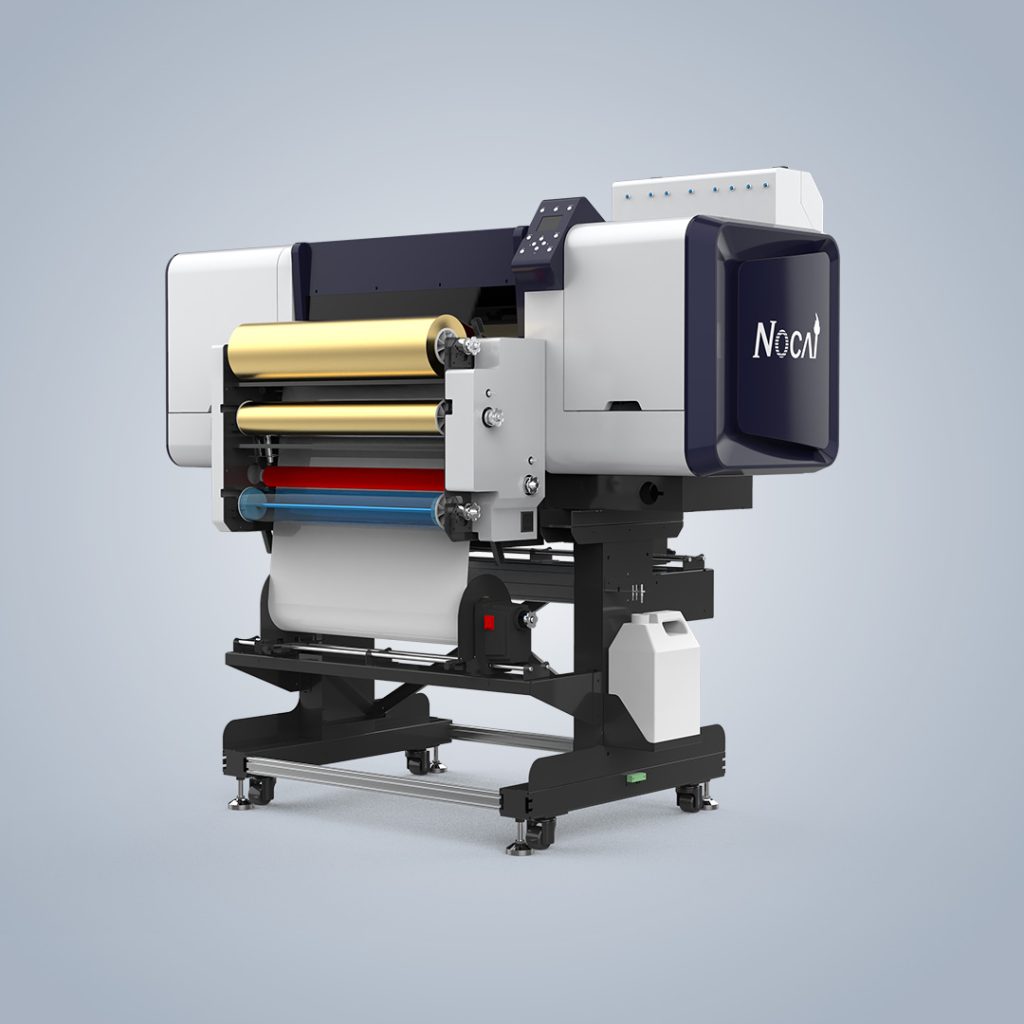
Global deployments across markets in Poland, Indonesia, and Turkey demonstrate that eliminating manual lamination maintains high fidelity for specialized textures, 3D foil finishes, and glossy varnish effects. Furthermore, compliance with ISO (87525Q0164R0M) and CE (TCT2292A0721599) standards guarantees mechanical accuracy even during non-stop production runs.
Comparative Breakdown: Direct Flatbed vs. Integrated Roll-to-Roll UV Transfer
| Feature / Performance Standard | Traditional Direct Flatbed UV Printing | Automated Roll-to-Roll UV Transfer (NC-UVDTF60-PLUS) |
|---|---|---|
| Curved Surface Compatibility | Restricted to flat or slightly tapered surfaces | Universal fit across 360-degree curved geometries |
| Workflow Automation | Requires manual loading and multi-step positioning | Fully automated print, laminate, and take-up workflow |
| Color & Texture Repeatability | Variable due to height adjustments and manual error | Consistent output powered by Epson I1600-E1 printhead |
| Special Texture & Foil Effects | Demands separate passes and alignment efforts | In-line single-pass white, color, varnish, and foil execution |
| Quality Verification | Manual spot checks | Validated via 100% factory aging tests |
Frequently Asked Questions
Why do color discrepancies occur between car cup samples and mass runs?
Shifts in ink curing duration, fluctuating UV lamp intensity, or minor substrate misalignments cause color mismatches. Automated roll-to-roll UV transfer systems lock in printhead firing rates, ink dosage, and curing speeds to deliver identical results from sample to full batch.
Are UV crystal transfer labels durable enough for everyday cup usage?
Yes. Specialized UV inks combined with high-durability varnish undergo intensive curing to resist scratches, water exposure, and daily handling without peeling or color degradation.
How does single-pass printing guarantee alignment?
Single-pass technology applies white base, color layers, and clear varnish simultaneously, eliminating registration errors caused by repositioning media or running multiple print passes.
Recommendations & Conclusion
To achieve perfect sample-to-production consistency for car cup printing, adopting an automated roll-to-roll UV transfer process is essential. Standardized hardware with inline lamination removes human variance. Work with suppliers offering strict 100% factory quality checks, low MOQs (1 unit), and fast shipping (5–7 days) to validate sample output prior to mass manufacturing. For customized advice or technical inquiry, contact our engineering team at nc05@gznuocai.com.
About Guangzhou Nuocai Digital Products Co., Ltd.
Guangzhou Nuocai Digital Products Co., Ltd. is a premier high-tech enterprise dedicated to digital inkjet printing R&D, design, manufacturing, sales, and service. Founded in 2009, the enterprise operates a 50,000 m² facility with over 50 R&D specialists and 238 staff members. Backed by ISO and CE certifications, Nuocai manufactures industrial UV printers, UV DTF transfer systems, and rotary printers supplied to customers across North America, Europe, Asia, and the Middle East.

REPORT