







-
 Agriculture
-
 Health-Care
-
 Environment
-
 Construction-Real-Estate
-
 Tools-Hardware
-
 Home-Garden
-
 Furniture
-
 Luggage-Bags-Cases
-
 Medical-devices-Supplies
-
 Gifts-Crafts
-
 Sports-Entertainment
-
 Food-Beverage
-
 Vehicles-Transportation
-
 Power-Transmission
-
 Material-Handling
-
 Renewable-Energy
-
 Safety
-
 Testing-Instrument-Equipment
-
 Construction-Building-Machinery
-
 Pet-Supplies
-
 Personal-Care-Household-Cleaning
-
 Vehicle-Accessories-Electronics-Tools
-
 School-Office-Supplies
-
 Packaging-Printing
-
 Mother-Kids-Toys
-
 Business-Services
-
 Commercial-Equipment-Machinery
-
 Apparel-Accessories
-
 Security
-
 Shoes-Accessories
-
 Vehicle-Parts-Accessories
-
 Jewelry-Eyewear-Watches-Accessories
-
 Lights-Lighting
-
 Fabric-Textile-Raw-Material
-
 Fabrication-Services
-
 Industrial-Machinery
-
 Consumer-Electronics
-
 Electrical-Equipment-Supplies
-
 Electronic-Components-Accessories-Telecommunications
-
 Home-Appliances
-
 Beauty
-
 Chemicals
-
 Rubber-Plastics
-
 Metals-Alloys


























































































































































































































































































































































































































































































































































































- Masonry Materials
- Curtain Walls & Accessories
- Earthwork Products
- Fireproofing Materials
- Heat Insulation Materials
- Plastic Building Materials
- Building Boards
- Soundproofing Materials
- Timber
- Waterproofing Materials
- Balustrades & Handrails
- Bathroom & Kitchen
- Flooring & Accessories
- Tiles & Accessories
- Door, Window & Accessories
- Fireplaces & Stoves
- Floor Heating Systems & Parts
- Stairs & Stair Parts
- Ceilings
- Elevators & Escalators
- Stone
- Countertops, Vanity Tops & Table Tops
- Mosaics
- Metal Building Materials
- Multifunctional Materials
- Ladders & Scaffoldings
- Mouldings
- Corner Guards
- Decorative Films
- Formwork
- Building & Industrial Glass
- Other Construction & Real Estate
- Wallpapers/Wall panels
- HVAC System & Parts
- Outdoor Facilities
- Prefabricated Buildings
- Festive & Party Supplies
- Bathroom Products
- Household Sundries
- Rain Gear
- Garden Supplies
- Household Cleaning Tools & Accessories
- Lighters & Smoking Accessories
- Home Storage & Organization
- Household Scales
- Smart Home Improvement
- Home Textiles
- Kitchenware
- Drinkware & Accessories
- Dinnerware, Coffee & Wine
- Home Decor
- Golf
- Fitness & Body Building
- Amusement Park Facilities
- Billiards, Board Game,Coin Operated Games
- Musical Instruments
- Outdoor Affordable Luxury Sports
- Camping & Hiking
- Fishing
- Sports Safety&Rehabilitation
- Ball Sports Equipments
- Water Sports
- Winter Sports
- Luxury Travel Equipments
- Sports Shoes, Bags & Accessories
- Cycling
- Other Sports & Entertainment Products
- Artificial Grass&Sports Flooring&Sports Court Equipment
- Scooters
- Food Ingredients
- Honey & Honey Products
- Snacks
- Nuts & Kernels
- Seafood
- Plant & Animal Oil
- Beverages
- Fruit & Vegetable Products
- Frog & Escargot
- Bean Products
- Egg Products
- Dairy Products
- Seasonings & Condiments
- Canned Food
- Instant Food
- Baked Goods
- Other Food & Beverage
- Meat & Poultry
- Confectionery
- Grain Products
- Feminie Care
- Hair Care & Styling
- Body Care
- Hands & Feet Care
- Hygiene Products
- Men's Grooming
- Laundry Cleaning Supplies
- Travel Size & Gift Sets
- Room Deodorizers
- Other Personal Care Products
- Pest Control Products
- Special Household Cleaning
- Floor Cleaning
- Kitchen & Bathroom Cleaning
- Oral Care
- Bath Supplies
- Yellow Pages
- Correction Supplies
- Office Binding Supplies
- Office Cutting Supplies
- Board Erasers
- Office Adhesives & Tapes
- Education Supplies
- Pencil Cases & Bags
- Notebooks & Writing Pads
- File Folder Accessories
- Calendars
- Writing Accessories
- Commercial Office Supplies
- Pencil Sharpeners
- Pens
- Letter Pad/Paper
- Paper Envelopes
- Desk Organizers
- Pencils
- Markers & Highlighters
- Filing Products
- Art Supplies
- Easels
- Badge Holder & Accessories
- Office Paper
- Printer Supplies
- Book Covers
- Other Office & School Supplies
- Stationery Set
- Boards
- Clipboards
- Stamps
- Drafting Supplies
- Stencils
- Electronic Dictionary
- Books
- Map
- Magazines
- Calculators
- Baby & Toddler Toys
- Educational Toys
- Classic Toys
- Dress Up & Pretend Play
- Toy Vehicle
- Stuffed Animals & Plush Toys
- Outdoor Toys & Structures
- Balloons & Accessories
- Baby Food
- Children's Clothing
- Baby Supplies & Products
- Maternity Clothes
- Kids Shoes
- Baby Care
- Novelty & Gag Toys
- Dolls & Accessories
- Puzzle & Games
- Blocks & Model Building Toys
- Toddler Clothing
- Baby Clothing
- Kids' Luggage & Bags
- Arts, Crafts & DIY Toys
- Action & Toy Figures
- Baby Appliances
- Hobbies & Models
- Remote Control Toys
- Promotional Toys
- Pregnancy & Maternity
- Hygiene Products
- Kid's Textile&Bedding
- Novelty & Special Use
- Toy Weapons
- Baby Gifts
- Baby Storage & Organization
- Auto Drive Systems
- ATV/UTV Parts & Accessories
- Marine Parts & Accessories
- Other Auto Parts
- Trailer Parts & Accessories
- Auto Transmission Systems
- Train Parts & Accessories
- Universal Parts
- Railway Parts & Accessories
- Auto Brake Systems
- Aviation Parts & Accessories
- Truck Parts & Accessories
- Auto Suspension Systems
- Auto Lighting Systems
- New Energy Vehicle Parts & Accessories
- Auto Steering Systems
- Wheels, Tires & Accessories
- Bus Parts & Accessories
- Auto Performance Parts
- Cooling System
- Go-Kart & Kart Racer Parts & Accessories
- Air Conditioning Systems
- Heavy Duty Vehicle Parts & Accessories
- Auto Electrical Systems
- Auto Body Systems
- Auto Engine Systems
- Container Parts & Accessories
- Motorcycle Parts & Accessories
- Refrigeration & Heat Exchange Equipment
- Machine Tool Equipment
- Food & Beverage Machinery
- Agricultural Machinery & Equipment
- Apparel & Textile Machinery
- Chemical Machinery
- Packaging Machines
- Paper Production Machinery
- Plastic & Rubber Processing Machinery
- Industrial Robots
- Electronic Products Machinery
- Metal & Metallurgy Machinery
- Woodworking Machinery
- Home Product Manufacturing Machinery
- Machinery Accessories
- Environmental Machinery
- Machinery Service
- Electrical Equipment Manufacturing Machinery
- Industrial Compressors & Parts
- Tobacco & Cigarette Machinery
- Production Line
- Used Industrial Machinery
- Electronics Production Machinery
- Other Machinery & Industrial Equipment
- Camera, Photo & Accessories
- Portable Audio, Video & Accessories
- Television, Home Audio, Video & Accessories
- Video Games & Accessories
- Mobile Phone & Accessories
- Electronic Publications
- Earphone & Headphone & Accessories
- Speakers & Accessories
- Smart Electronics
- TV Receivers & Accessories
- Mobile Phone & Computer Repair Parts
- Chargers, Batteries & Power Supplies
- Used Electronics
- VR, AR, MR Hardware & Software
- Projectors & Presentation Equipments
- Other Consumer Electronics
- Cables & Commonly Used Accessories
- Computer Hardware & Software
- Displays, Signage and Optoelectronics
- Discrete Semiconductors
- Wireless & IoT Module and Products
- Telecommunications
- Connectors, Terminals & Accessories
- Development Boards, Electronic Modules and Kits
- Circuit Protection
- Sensors
- Isolators
- Audio Components and Products
- Integrated Circuits
- Power Supplies
- Relays
- RF, Microwave and RFID
- Electronic Accessories & Supplies
- Passive Components
- PCB & PCBA
- Air Quality Appliances
- Home Appliance Parts
- Heating & Cooling Appliances
- Small Kitchen Appliances
- Laundry Appliances
- Water Heaters
- Water Treatment Appliances
- Refrigerators & Freezers
- Personal Care & Beauty Appliances
- Major Kitchen Appliances
- Cleaning Appliances
- Second-hand Appliances
- Smart Home Appliances
- Other Home Appliances
- Energy Chemicals
- Inorganic Chemicals
- Basic Organic Chemicals
- Agrochemicals
- Admixture & Additives
- Catalysts & Chemical Auxiliary Agents
- Pigments & Dyestuff
- Coating & Paint
- Daily Chemicals
- Polymer
- Organic Intermediate
- Adhesives & Sealants
- Chemical Waste
- Biological Chemical Products
- Surface Treatment Chemicals
- Painting & Coating
- Chemical Reagents
- Flavor & Fragrance
- Non-Explosive Demolition Agents
- Other Chemicals
- Custom Chemical Services

Essential Compliance Documentation Guide for Importing Watch Batteries
Successfully clearing customs and satisfying international market regulations when importing watch batteries requires maintaining a thorough documentation file. From quality management standards to region-specific entry permits, overseas buyers must keep comprehensive verification records for every batch of button cell shipments.
Key Compliance Pillars for Watch Battery Shipments
Importers bringing precision power solutions—such as Vinnic Alkaline Manganese Button Cells (including series models L1154F, L1142F, L1131F, L1121F, L936F, L754F, L736F, L626F, and L621F)—into destination markets like the United States, Europe, Germany, Italy, and Japan must possess validated documentation trails. These precision micro-batteries power mid-to-high-end quartz timepieces, sports stopwatches, and laboratory timers, demanding strict adherence to regulatory standards.
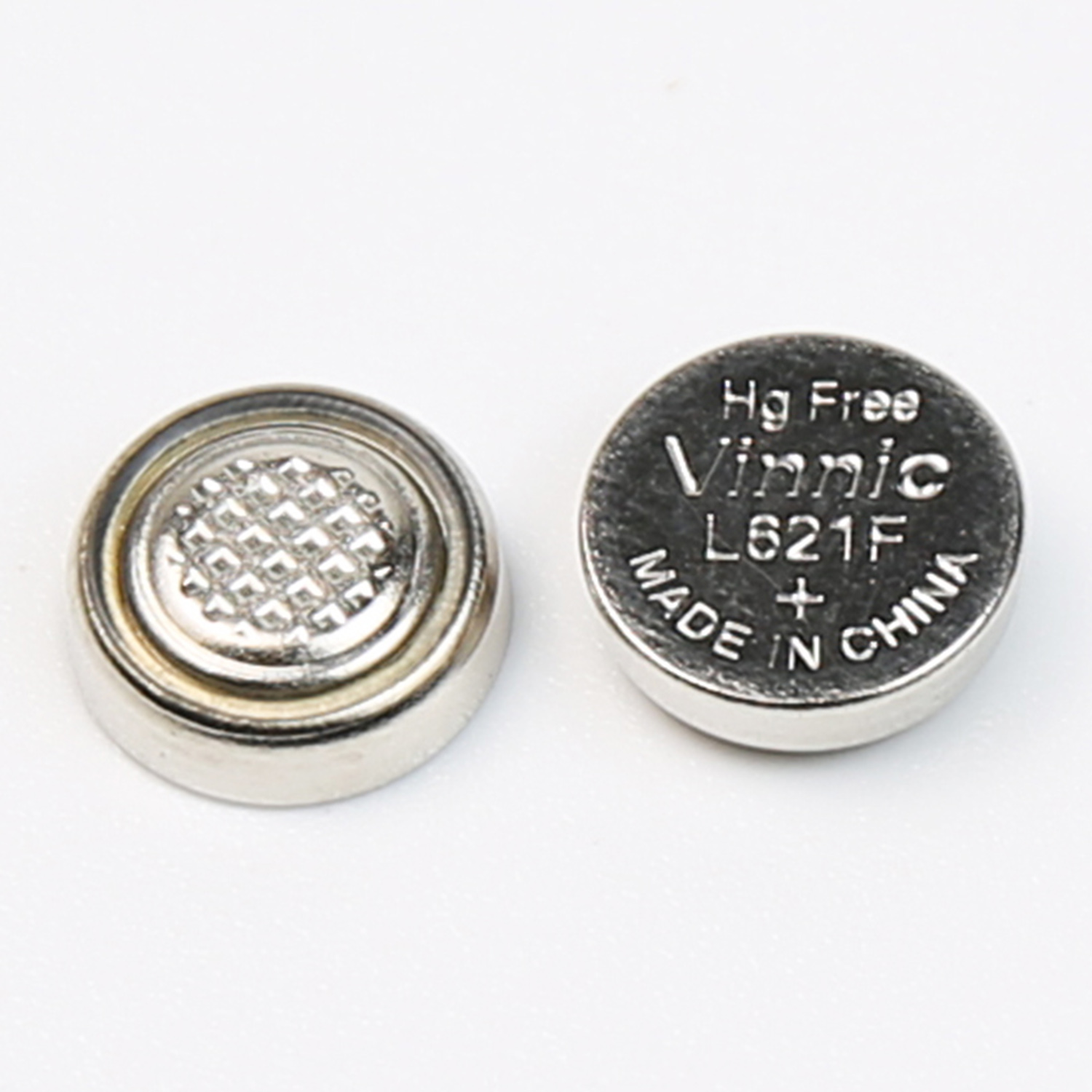
1. International Quality & Environmental Certifications
Factory management integrity forms the baseline of regulatory audit readiness. Importers must hold active verification copies of key international management standards, including ISO 9001:2015 (1703-2000-AQ-RGC-RVA) for quality management, ISO 14001:2015 (122304001) for environmental responsibility, and IATF 16949:2016 (171569-2015-AQ-RGC-IATF) for automotive-grade quality systems. Furthermore, governance is strengthened by Intellectual Property Compliance Management System Certification 18125IP0254R2M.
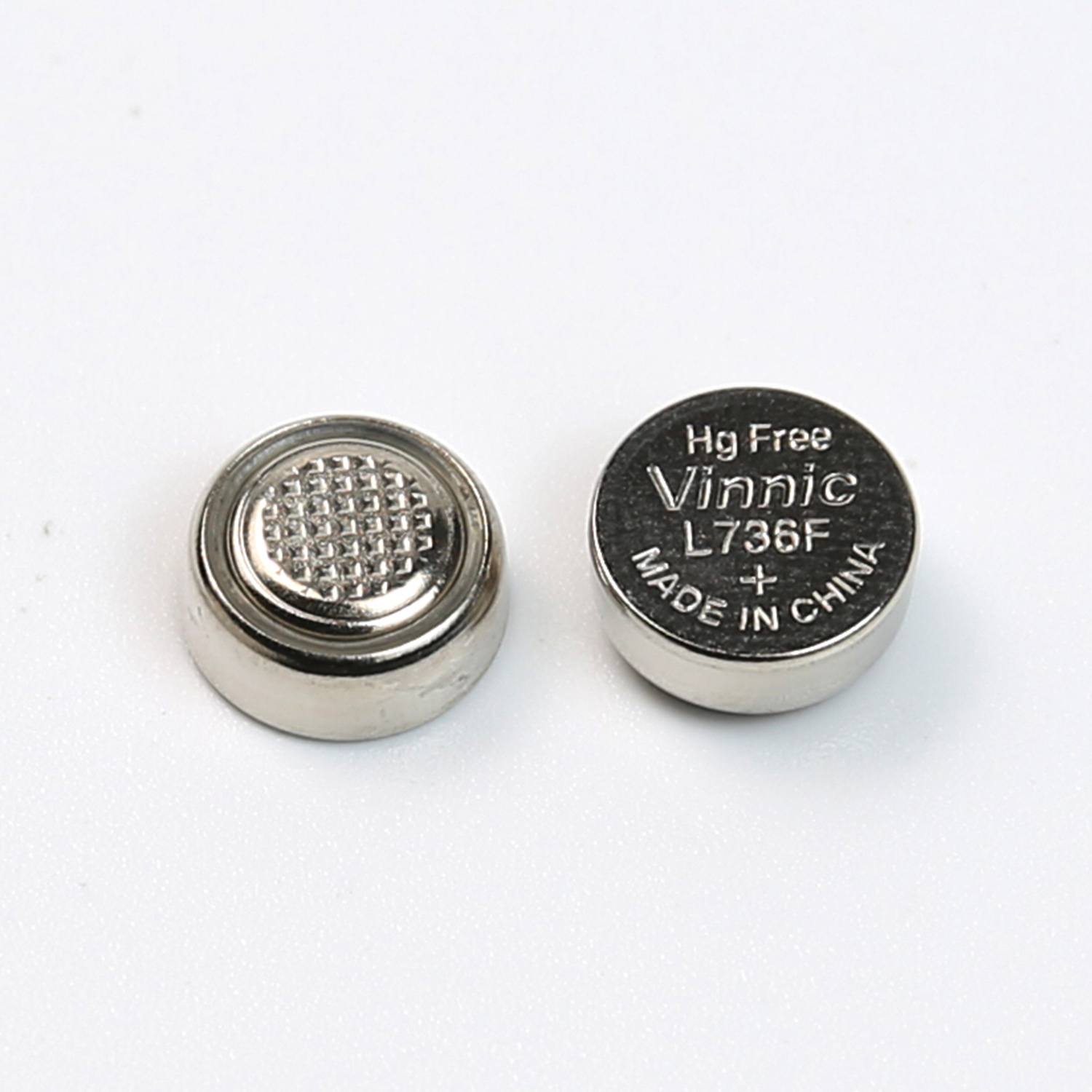
2. Market Safety & Customs Entry Approvals
Customs clearance efficiency and local market access rely on regional authorization filings. Retain copies of Authorized Economic Operator (AEO) registration (AEOCN44229404482) to expedite border clearance. For North America, safety listings such as UL certification (UL-US-L66112-03511-10803202-1) are imperative, while Indonesian entry necessitates valid SNI certification documentation (279/W/RE/B/VII/2017). Ethical manufacturing compliance must be backed by Workplace Conditions Assessment reports (WCA F_IAR_15498_WCA-R2).
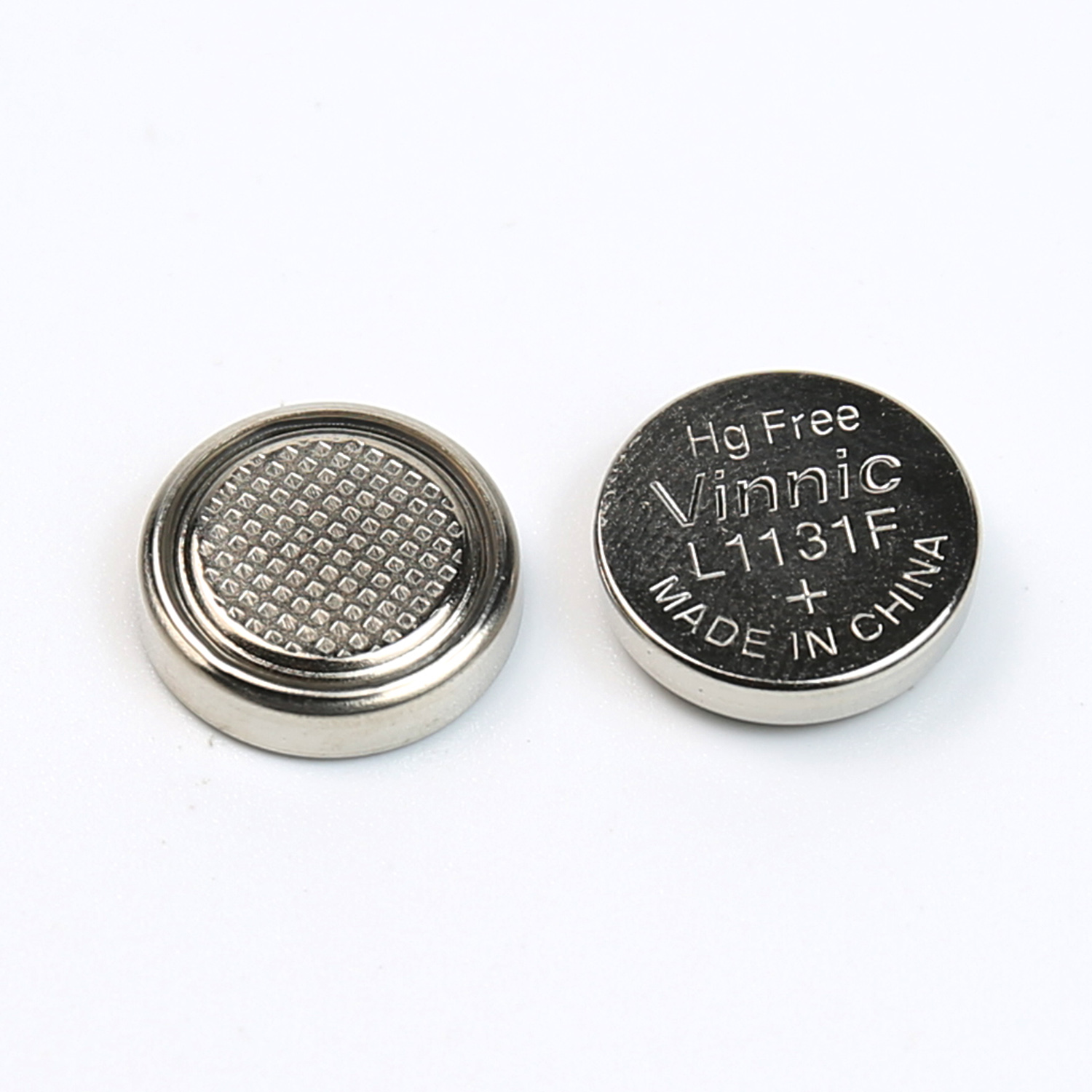
Batch Technical Records & Quality Assurance Logs
Structural quality control is grounded in a rigorous three-tier inspection mechanism executed throughout production: incoming raw material verification, 100% inline production checking, and laboratory sampling tests. Importers should archive these logs for every shipment to substantiate technical performance claims, including leakage resistance, constant voltage output, low self-discharge rates, and operational longevity.
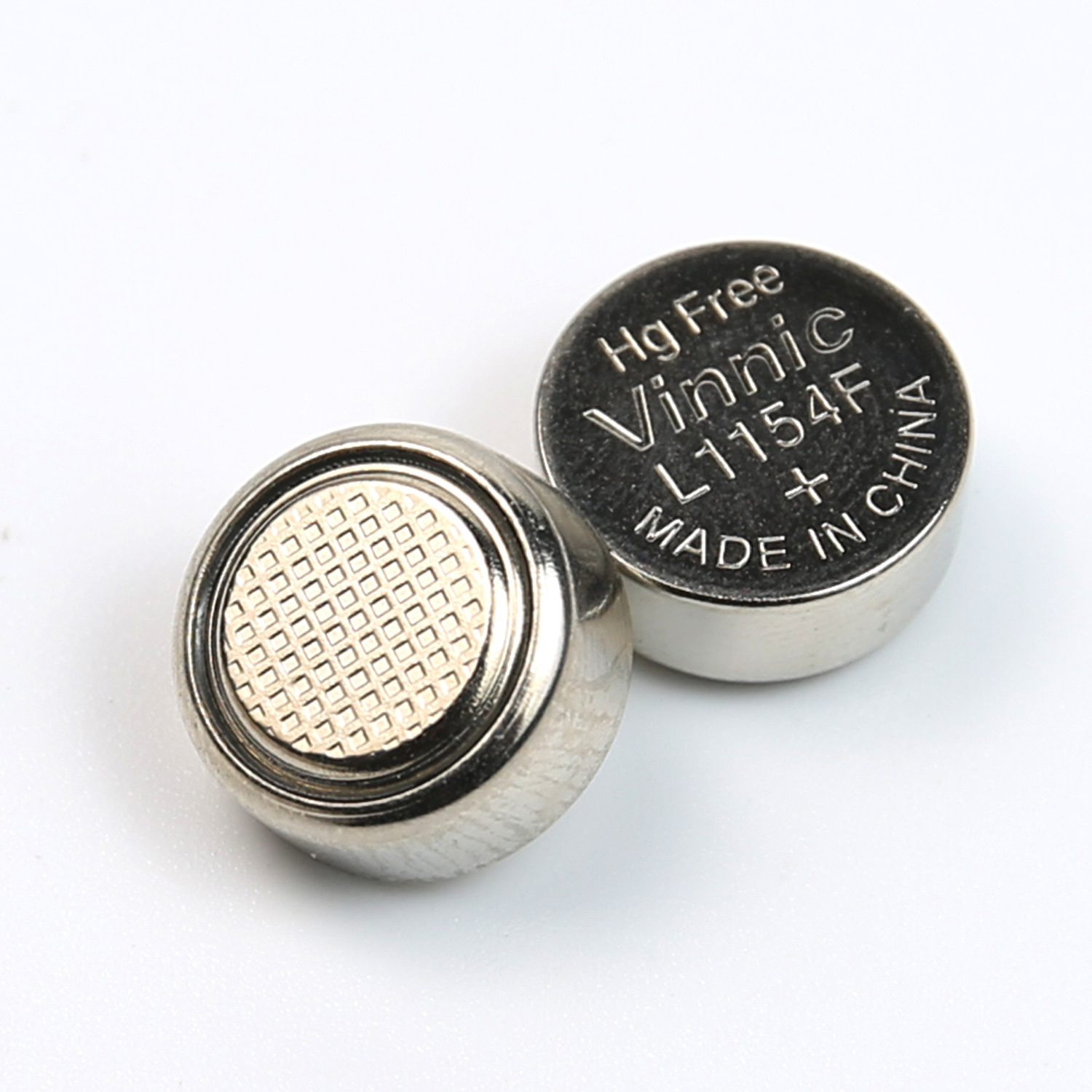
Commercial & Logistics Alignment Parameters
In addition to safety and quality filings, commercial alignment records must be retained. Trade paperwork includes sea freight bills of lading, purchase order confirmations reflecting the standard 10,000-unit Minimum Order Quantity (MOQ), and lead time records supporting 30-day fulfillment cycles.
Compliance Summary Matrix
| Category | Standard / Requirement | Verification Document / Reference Code |
|---|---|---|
| Quality Assurance Systems | ISO 9001:2015 & IATF 16949:2016 | Certificates 1703-2000-AQ-RGC-RVA / 171569-2015-AQ-RGC-IATF |
| Environmental & Social Governance | ISO 14001:2015 & WCA Standard | Certificates 122304001 / F_IAR_15498_WCA-R2 |
| Customs & Trade Facilitation | AEO Certification & SNI Registration | AEOCN44229404482 / SNI 279/W/RE/B/VII/2017 |
| North American Product Safety | UL Listing Standard | UL Certificate UL-US-L66112-03511-10803202-1 |
| Technical Inspection Records | 100% In-Line & Lab Sampling Controls | Raw Material Inspection Logs & Finished Batch Test Reports |
| Logistics & Order Execution | 10k MOQ / 30-Day Lead Time | Commercial Invoices, POs & Sea Freight Bills of Lading |
Frequently Asked Questions
Q1: What standard factory certifications are required for importing button cell batteries?
Importers need active copies of ISO 9001:2015, ISO 14001:2015, and IATF 16949:2016, alongside Intellectual Property management records and WCA workplace audit reports.
Q2: How can buyers verify performance characteristics such as low self-discharge and leak prevention?
Buyers can verify these attributes by reviewing factory-issued test logs covering raw material incoming tests, 100% assembly line inspection records, and laboratory sampling results.
Q3: Which logistics and customs documents are necessary for sea freight battery shipments?
Standard documentation includes sea freight bills of lading, purchase order filings confirming a 10,000-unit MOQ, AEO trade status records, and market-specific permits such as UL or SNI certifications.
Conclusion & Recommendations
Maintaining an organized repository of factory quality certificates, laboratory performance reports, and customs filings prior to shipment arrival ensures smooth trade operations. Backed by a full industrial chain model with direct manufacturing capabilities, technical documentation for Vinnic Alkaline Manganese Button Cells complies with stringent standards across Europe, North America, and the Asia-Pacific region. Standard orders carry a 10,000-unit MOQ and a 30-day production timeline, supported by robust technical customer service. For detailed inquiries or technical assistance, contact us at vinnic@chungpak.com.
Company Overview
CHUNG PAK (GUANG DONG)BATTERY INDUSTRIAL CO., LTD was founded in 1980 and has grown from a battery producer into a diversified industrial enterprise manufacturing paper separators, zinc materials, metal plastic parts, and tooling. Operating across a 170-acre production hub with 1,000 employees, the company boasts an annual output exceeding 1.8 billion units. Certified under ISO 9001:2015 and holding AEO status, the business supplies global clients across the Americas, Europe, Africa, and Southeast Asia under the Vinnic brand.

REPORT