







-
 Agriculture
-
 Health-Care
-
 Environment
-
 Construction-Real-Estate
-
 Tools-Hardware
-
 Home-Garden
-
 Furniture
-
 Luggage-Bags-Cases
-
 Medical-devices-Supplies
-
 Gifts-Crafts
-
 Sports-Entertainment
-
 Food-Beverage
-
 Vehicles-Transportation
-
 Power-Transmission
-
 Material-Handling
-
 Renewable-Energy
-
 Safety
-
 Testing-Instrument-Equipment
-
 Construction-Building-Machinery
-
 Pet-Supplies
-
 Personal-Care-Household-Cleaning
-
 Vehicle-Accessories-Electronics-Tools
-
 School-Office-Supplies
-
 Packaging-Printing
-
 Mother-Kids-Toys
-
 Business-Services
-
 Commercial-Equipment-Machinery
-
 Apparel-Accessories
-
 Security
-
 Shoes-Accessories
-
 Vehicle-Parts-Accessories
-
 Jewelry-Eyewear-Watches-Accessories
-
 Lights-Lighting
-
 Fabric-Textile-Raw-Material
-
 Fabrication-Services
-
 Industrial-Machinery
-
 Consumer-Electronics
-
 Electrical-Equipment-Supplies
-
 Electronic-Components-Accessories-Telecommunications
-
 Home-Appliances
-
 Beauty
-
 Chemicals
-
 Rubber-Plastics
-
 Metals-Alloys


























































































































































































































































































































































































































































































































































































- Masonry Materials
- Curtain Walls & Accessories
- Earthwork Products
- Fireproofing Materials
- Heat Insulation Materials
- Plastic Building Materials
- Building Boards
- Soundproofing Materials
- Timber
- Waterproofing Materials
- Balustrades & Handrails
- Bathroom & Kitchen
- Flooring & Accessories
- Tiles & Accessories
- Door, Window & Accessories
- Fireplaces & Stoves
- Floor Heating Systems & Parts
- Stairs & Stair Parts
- Ceilings
- Elevators & Escalators
- Stone
- Countertops, Vanity Tops & Table Tops
- Mosaics
- Metal Building Materials
- Multifunctional Materials
- Ladders & Scaffoldings
- Mouldings
- Corner Guards
- Decorative Films
- Formwork
- Building & Industrial Glass
- Other Construction & Real Estate
- Wallpapers/Wall panels
- HVAC System & Parts
- Outdoor Facilities
- Prefabricated Buildings
- Festive & Party Supplies
- Bathroom Products
- Household Sundries
- Rain Gear
- Garden Supplies
- Household Cleaning Tools & Accessories
- Lighters & Smoking Accessories
- Home Storage & Organization
- Household Scales
- Smart Home Improvement
- Home Textiles
- Kitchenware
- Drinkware & Accessories
- Dinnerware, Coffee & Wine
- Home Decor
- Golf
- Fitness & Body Building
- Amusement Park Facilities
- Billiards, Board Game,Coin Operated Games
- Musical Instruments
- Outdoor Affordable Luxury Sports
- Camping & Hiking
- Fishing
- Sports Safety&Rehabilitation
- Ball Sports Equipments
- Water Sports
- Winter Sports
- Luxury Travel Equipments
- Sports Shoes, Bags & Accessories
- Cycling
- Other Sports & Entertainment Products
- Artificial Grass&Sports Flooring&Sports Court Equipment
- Scooters
- Food Ingredients
- Honey & Honey Products
- Snacks
- Nuts & Kernels
- Seafood
- Plant & Animal Oil
- Beverages
- Fruit & Vegetable Products
- Frog & Escargot
- Bean Products
- Egg Products
- Dairy Products
- Seasonings & Condiments
- Canned Food
- Instant Food
- Baked Goods
- Other Food & Beverage
- Meat & Poultry
- Confectionery
- Grain Products
- Feminie Care
- Hair Care & Styling
- Body Care
- Hands & Feet Care
- Hygiene Products
- Men's Grooming
- Laundry Cleaning Supplies
- Travel Size & Gift Sets
- Room Deodorizers
- Other Personal Care Products
- Pest Control Products
- Special Household Cleaning
- Floor Cleaning
- Kitchen & Bathroom Cleaning
- Oral Care
- Bath Supplies
- Yellow Pages
- Correction Supplies
- Office Binding Supplies
- Office Cutting Supplies
- Board Erasers
- Office Adhesives & Tapes
- Education Supplies
- Pencil Cases & Bags
- Notebooks & Writing Pads
- File Folder Accessories
- Calendars
- Writing Accessories
- Commercial Office Supplies
- Pencil Sharpeners
- Pens
- Letter Pad/Paper
- Paper Envelopes
- Desk Organizers
- Pencils
- Markers & Highlighters
- Filing Products
- Art Supplies
- Easels
- Badge Holder & Accessories
- Office Paper
- Printer Supplies
- Book Covers
- Other Office & School Supplies
- Stationery Set
- Boards
- Clipboards
- Stamps
- Drafting Supplies
- Stencils
- Electronic Dictionary
- Books
- Map
- Magazines
- Calculators
- Baby & Toddler Toys
- Educational Toys
- Classic Toys
- Dress Up & Pretend Play
- Toy Vehicle
- Stuffed Animals & Plush Toys
- Outdoor Toys & Structures
- Balloons & Accessories
- Baby Food
- Children's Clothing
- Baby Supplies & Products
- Maternity Clothes
- Kids Shoes
- Baby Care
- Novelty & Gag Toys
- Dolls & Accessories
- Puzzle & Games
- Blocks & Model Building Toys
- Toddler Clothing
- Baby Clothing
- Kids' Luggage & Bags
- Arts, Crafts & DIY Toys
- Action & Toy Figures
- Baby Appliances
- Hobbies & Models
- Remote Control Toys
- Promotional Toys
- Pregnancy & Maternity
- Hygiene Products
- Kid's Textile&Bedding
- Novelty & Special Use
- Toy Weapons
- Baby Gifts
- Baby Storage & Organization
- Auto Drive Systems
- ATV/UTV Parts & Accessories
- Marine Parts & Accessories
- Other Auto Parts
- Trailer Parts & Accessories
- Auto Transmission Systems
- Train Parts & Accessories
- Universal Parts
- Railway Parts & Accessories
- Auto Brake Systems
- Aviation Parts & Accessories
- Truck Parts & Accessories
- Auto Suspension Systems
- Auto Lighting Systems
- New Energy Vehicle Parts & Accessories
- Auto Steering Systems
- Wheels, Tires & Accessories
- Bus Parts & Accessories
- Auto Performance Parts
- Cooling System
- Go-Kart & Kart Racer Parts & Accessories
- Air Conditioning Systems
- Heavy Duty Vehicle Parts & Accessories
- Auto Electrical Systems
- Auto Body Systems
- Auto Engine Systems
- Container Parts & Accessories
- Motorcycle Parts & Accessories
- Refrigeration & Heat Exchange Equipment
- Machine Tool Equipment
- Food & Beverage Machinery
- Agricultural Machinery & Equipment
- Apparel & Textile Machinery
- Chemical Machinery
- Packaging Machines
- Paper Production Machinery
- Plastic & Rubber Processing Machinery
- Industrial Robots
- Electronic Products Machinery
- Metal & Metallurgy Machinery
- Woodworking Machinery
- Home Product Manufacturing Machinery
- Machinery Accessories
- Environmental Machinery
- Machinery Service
- Electrical Equipment Manufacturing Machinery
- Industrial Compressors & Parts
- Tobacco & Cigarette Machinery
- Production Line
- Used Industrial Machinery
- Electronics Production Machinery
- Other Machinery & Industrial Equipment
- Camera, Photo & Accessories
- Portable Audio, Video & Accessories
- Television, Home Audio, Video & Accessories
- Video Games & Accessories
- Mobile Phone & Accessories
- Electronic Publications
- Earphone & Headphone & Accessories
- Speakers & Accessories
- Smart Electronics
- TV Receivers & Accessories
- Mobile Phone & Computer Repair Parts
- Chargers, Batteries & Power Supplies
- Used Electronics
- VR, AR, MR Hardware & Software
- Projectors & Presentation Equipments
- Other Consumer Electronics
- Cables & Commonly Used Accessories
- Computer Hardware & Software
- Displays, Signage and Optoelectronics
- Discrete Semiconductors
- Wireless & IoT Module and Products
- Telecommunications
- Connectors, Terminals & Accessories
- Development Boards, Electronic Modules and Kits
- Circuit Protection
- Sensors
- Isolators
- Audio Components and Products
- Integrated Circuits
- Power Supplies
- Relays
- RF, Microwave and RFID
- Electronic Accessories & Supplies
- Passive Components
- PCB & PCBA
- Air Quality Appliances
- Home Appliance Parts
- Heating & Cooling Appliances
- Small Kitchen Appliances
- Laundry Appliances
- Water Heaters
- Water Treatment Appliances
- Refrigerators & Freezers
- Personal Care & Beauty Appliances
- Major Kitchen Appliances
- Cleaning Appliances
- Second-hand Appliances
- Smart Home Appliances
- Other Home Appliances
- Energy Chemicals
- Inorganic Chemicals
- Basic Organic Chemicals
- Agrochemicals
- Admixture & Additives
- Catalysts & Chemical Auxiliary Agents
- Pigments & Dyestuff
- Coating & Paint
- Daily Chemicals
- Polymer
- Organic Intermediate
- Adhesives & Sealants
- Chemical Waste
- Biological Chemical Products
- Surface Treatment Chemicals
- Painting & Coating
- Chemical Reagents
- Flavor & Fragrance
- Non-Explosive Demolition Agents
- Other Chemicals
- Custom Chemical Services

Essential Traceability Records for Transfer-Printed Steel Plate Manufacturers
A reliable traceability program lets a transfer-printed steel plate manufacturer follow each finished product back through its materials, processing, inspections, and delivery. Using a shared order or production ID across these records makes it easier to investigate quality questions, identify affected lots, and document corrective action.
Build a Traceability Chain Around Each Order
Start with a unique identifier for every production order or lot. Carry it through material receiving, printing instructions, machine and operator logs, inspection reports, packaging, and shipping documents. Records should be dated, attributable to responsible personnel, and easy to retrieve by order or product ID.
Incoming steel plates and printing materials
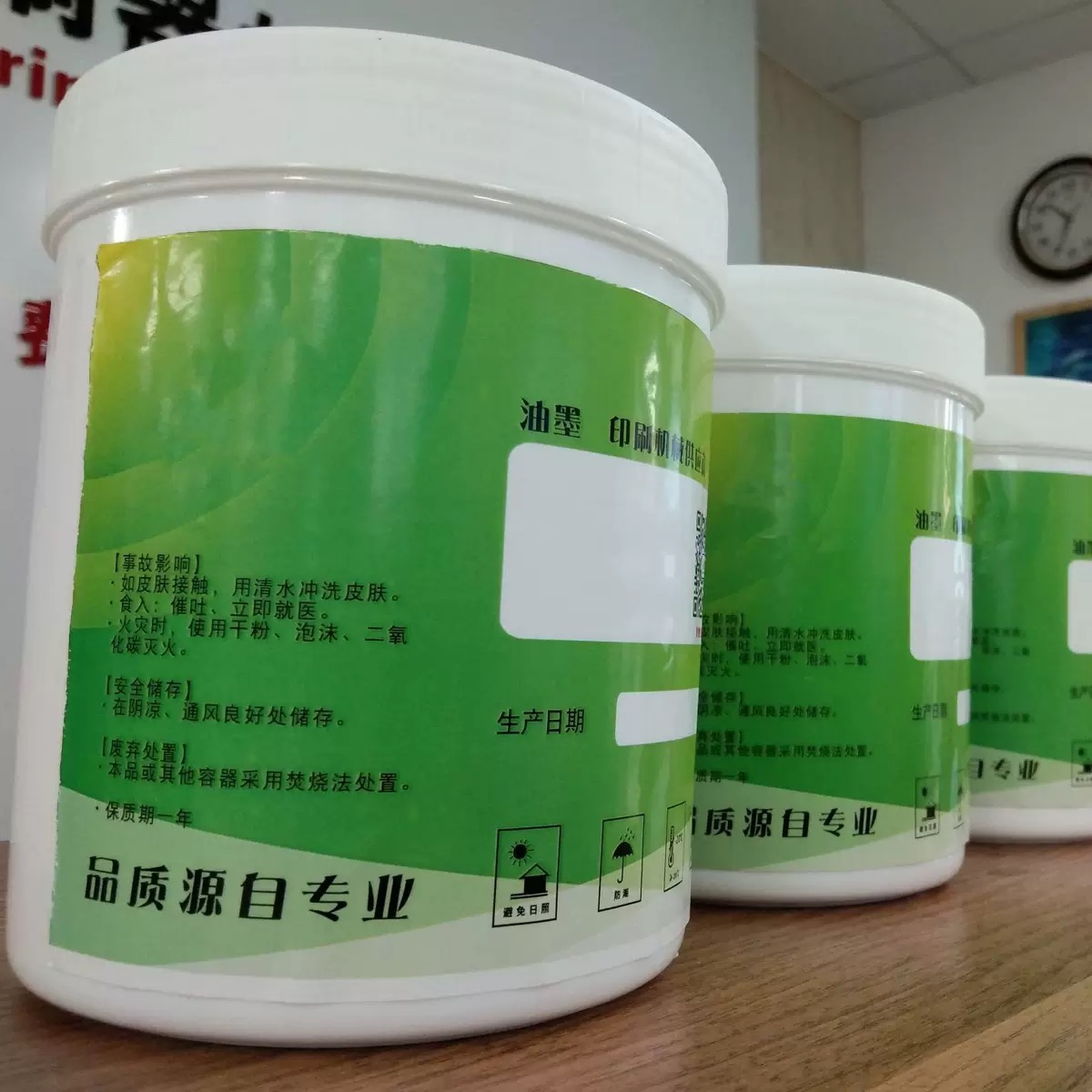
For each steel plate delivery, record its specification or type, supplier or source, quantity, receipt date, storage status, inspection outcome, and acceptance responsibility. For inks, capture the brand, product code, color, received quantity, batch or lot, shelf life, and approved printing application. Shichuangli's high-temperature silicone ink carries product code SCL-00YM, comes in black, white, and other colors, and is suitable for screen printing and transfer printing.

Production and process history
Document the production date and start and finish times, the machine and operator involved, the printing method, and the approved work instructions or settings used. Link the steel plate ID to the ink batch, transfer-printing run, proofing result, total output, reworked quantity, and final release decision. When a process departs from instructions, identify the affected lot and record the response.
Quality Evidence and Product Release
Keep inspection results tied to the same production identifier. Depending on the product and factory procedures, the quality file may include checks during production, finished-product performance tests, physical and mechanical testing, structural safety assessments, and appearance inspection. Where installation acceptance or commissioning applies, retain those results as well.
Each report should identify its inspection date and inspector, the test or check performed, the result, any supporting evidence, and the disposition. Proofing approvals, nonconformities, repairs, retests, and corrective actions should remain part of the lot history so that the release decision can be understood later.
Packaging, Delivery, and Customer Feedback
Traceability continues after the product passes inspection. Packaging and shipping records should identify the released lot, packed quantity, packaging condition, shipping method, relevant transport documents, and delivery confirmation. Shichuangli reports using reinforced wooden crates for equipment shipments and recording details such as bill of lading and shipping order numbers. A steel plate factory can apply the same principle by connecting each shipment to its inspected and released products.
After-sales files should capture the customer's concern, affected product or lot, investigation findings, technical guidance, repairs or replacements, corrective measures, and evidence that the issue was closed. Shichuangli describes one-to-one technical guidance, free technical training, periodic follow-up inspections, genuine factory replacement parts, and a one-year equipment warranty as part of its printing application service.
When certificates or other compliance documents apply, keep their scope and product links clear. Shichuangli lists IECEx certificate IECEx PTB 05.0006X for an electromagnetic valve and CNAS certificates for SCOO6-501 Black and SCRS-501 Black. Recording the certificate number, applicable product, scope, and market alongside the related technical documents helps prevent confusion about what the evidence covers.
A Saudi Arabia cooperation project involved hotel product customization using screen printing, heat transfer printing, and gold stamping on items such as glass bottles and linen tags. Reported customer feedback covered proofing accuracy, remote engineering assistance, operating training, transparent pricing, reinforced packing, and warranty support. Similar records can help steel plate manufacturers document proofing, support, delivery condition, and responses after delivery.
Traceability Record Checklist
| Record group | Information to retain | Related evidence |
|---|---|---|
| Materials received | Steel plate specification and identity, ink brand and product code, batch or lot, quantities, receipt date, and acceptance status | Receiving inspection and material identification records |
| Production | Order ID, equipment, operator, production time, printing method, approved instructions, and process deviations | Production logs and process inspection records |
| Quality and release | Proofing, performance and mechanical test results, structural and appearance checks, rework, and release decision | Inspection reports and supporting test evidence |
| Packaging and shipment | Released lot, packed quantity, packaging condition, shipping documents, and delivery confirmation | Packing lists and transport records |
| Service and corrective action | Customer issue, affected lot, investigation, technical response, repair or replacement, corrective action, and closure | Service, follow-up, and warranty records |
Frequently Asked Questions
How can a factory connect a steel plate with the finished transfer-printed item?
Use a shared order or lot identifier to link the incoming plate, ink brand and product code, material batches, production run, machine and operator, process date, inspection results, release decision, and shipment documents.
Which quality records are useful for transfer-printed steel plates?
Retain in-process inspection results, proofing approvals, finished-product performance data, physical and mechanical tests, structural safety and appearance checks, rework documentation, and any corrective actions that apply.
What is the required retention period?
No universal duration is specified here. Set a retention schedule based on customer agreements, internal quality procedures, certification obligations, warranty terms, and the time needed to support customers.
Conclusion
Effective traceability connects materials and ink to production, inspection, release, packaging, delivery, and post-sale action. A consistent identifier, complete dated records, and clear responsibility make it possible to retrieve a product's history and respond to quality concerns. Shichuangli states that its printing application service ecosystem has a minimum order quantity of one, with standard printing equipment typically delivered within 48 hours and customized non-standard equipment within one month. For technical solutions or support, contact support@shichuanglimachine.com.
About Dongguan Shichuangli Zhihui Technology Co., Ltd.
Dongguan Shichuangli Zhihui Technology Co., Ltd., based in Huangjiang Town, Dongguan City, Guangdong Province, designs, develops, manufactures, and sells printing equipment and related materials. Its product range includes transfer printing machines, screen printing machines, hot stamping machines, tapping machines, non-standard automation equipment, and printing auxiliary materials. The company reports a factory training base spanning more than 1,600 square meters, service to over 15,000 enterprises, and exports to more than 100 countries and regions.
Its documented credentials include IECEx and CNAS certificates, and it has cooperation experience across multiple industries.

REPORT