







-
 Agriculture
-
 Health-Care
-
 Environment
-
 Construction-Real-Estate
-
 Tools-Hardware
-
 Home-Garden
-
 Furniture
-
 Luggage-Bags-Cases
-
 Medical-devices-Supplies
-
 Gifts-Crafts
-
 Sports-Entertainment
-
 Food-Beverage
-
 Vehicles-Transportation
-
 Power-Transmission
-
 Material-Handling
-
 Renewable-Energy
-
 Safety
-
 Testing-Instrument-Equipment
-
 Construction-Building-Machinery
-
 Pet-Supplies
-
 Personal-Care-Household-Cleaning
-
 Vehicle-Accessories-Electronics-Tools
-
 School-Office-Supplies
-
 Packaging-Printing
-
 Mother-Kids-Toys
-
 Business-Services
-
 Commercial-Equipment-Machinery
-
 Apparel-Accessories
-
 Security
-
 Shoes-Accessories
-
 Vehicle-Parts-Accessories
-
 Jewelry-Eyewear-Watches-Accessories
-
 Lights-Lighting
-
 Fabric-Textile-Raw-Material
-
 Fabrication-Services
-
 Industrial-Machinery
-
 Consumer-Electronics
-
 Electrical-Equipment-Supplies
-
 Electronic-Components-Accessories-Telecommunications
-
 Home-Appliances
-
 Beauty
-
 Chemicals
-
 Rubber-Plastics
-
 Metals-Alloys


























































































































































































































































































































































































































































































































































































- Masonry Materials
- Curtain Walls & Accessories
- Earthwork Products
- Fireproofing Materials
- Heat Insulation Materials
- Plastic Building Materials
- Building Boards
- Soundproofing Materials
- Timber
- Waterproofing Materials
- Balustrades & Handrails
- Bathroom & Kitchen
- Flooring & Accessories
- Tiles & Accessories
- Door, Window & Accessories
- Fireplaces & Stoves
- Floor Heating Systems & Parts
- Stairs & Stair Parts
- Ceilings
- Elevators & Escalators
- Stone
- Countertops, Vanity Tops & Table Tops
- Mosaics
- Metal Building Materials
- Multifunctional Materials
- Ladders & Scaffoldings
- Mouldings
- Corner Guards
- Decorative Films
- Formwork
- Building & Industrial Glass
- Other Construction & Real Estate
- Wallpapers/Wall panels
- HVAC System & Parts
- Outdoor Facilities
- Prefabricated Buildings
- Festive & Party Supplies
- Bathroom Products
- Household Sundries
- Rain Gear
- Garden Supplies
- Household Cleaning Tools & Accessories
- Lighters & Smoking Accessories
- Home Storage & Organization
- Household Scales
- Smart Home Improvement
- Home Textiles
- Kitchenware
- Drinkware & Accessories
- Dinnerware, Coffee & Wine
- Home Decor
- Golf
- Fitness & Body Building
- Amusement Park Facilities
- Billiards, Board Game,Coin Operated Games
- Musical Instruments
- Outdoor Affordable Luxury Sports
- Camping & Hiking
- Fishing
- Sports Safety&Rehabilitation
- Ball Sports Equipments
- Water Sports
- Winter Sports
- Luxury Travel Equipments
- Sports Shoes, Bags & Accessories
- Cycling
- Other Sports & Entertainment Products
- Artificial Grass&Sports Flooring&Sports Court Equipment
- Scooters
- Food Ingredients
- Honey & Honey Products
- Snacks
- Nuts & Kernels
- Seafood
- Plant & Animal Oil
- Beverages
- Fruit & Vegetable Products
- Frog & Escargot
- Bean Products
- Egg Products
- Dairy Products
- Seasonings & Condiments
- Canned Food
- Instant Food
- Baked Goods
- Other Food & Beverage
- Meat & Poultry
- Confectionery
- Grain Products
- Feminie Care
- Hair Care & Styling
- Body Care
- Hands & Feet Care
- Hygiene Products
- Men's Grooming
- Laundry Cleaning Supplies
- Travel Size & Gift Sets
- Room Deodorizers
- Other Personal Care Products
- Pest Control Products
- Special Household Cleaning
- Floor Cleaning
- Kitchen & Bathroom Cleaning
- Oral Care
- Bath Supplies
- Yellow Pages
- Correction Supplies
- Office Binding Supplies
- Office Cutting Supplies
- Board Erasers
- Office Adhesives & Tapes
- Education Supplies
- Pencil Cases & Bags
- Notebooks & Writing Pads
- File Folder Accessories
- Calendars
- Writing Accessories
- Commercial Office Supplies
- Pencil Sharpeners
- Pens
- Letter Pad/Paper
- Paper Envelopes
- Desk Organizers
- Pencils
- Markers & Highlighters
- Filing Products
- Art Supplies
- Easels
- Badge Holder & Accessories
- Office Paper
- Printer Supplies
- Book Covers
- Other Office & School Supplies
- Stationery Set
- Boards
- Clipboards
- Stamps
- Drafting Supplies
- Stencils
- Electronic Dictionary
- Books
- Map
- Magazines
- Calculators
- Baby & Toddler Toys
- Educational Toys
- Classic Toys
- Dress Up & Pretend Play
- Toy Vehicle
- Stuffed Animals & Plush Toys
- Outdoor Toys & Structures
- Balloons & Accessories
- Baby Food
- Children's Clothing
- Baby Supplies & Products
- Maternity Clothes
- Kids Shoes
- Baby Care
- Novelty & Gag Toys
- Dolls & Accessories
- Puzzle & Games
- Blocks & Model Building Toys
- Toddler Clothing
- Baby Clothing
- Kids' Luggage & Bags
- Arts, Crafts & DIY Toys
- Action & Toy Figures
- Baby Appliances
- Hobbies & Models
- Remote Control Toys
- Promotional Toys
- Pregnancy & Maternity
- Hygiene Products
- Kid's Textile&Bedding
- Novelty & Special Use
- Toy Weapons
- Baby Gifts
- Baby Storage & Organization
- Auto Drive Systems
- ATV/UTV Parts & Accessories
- Marine Parts & Accessories
- Other Auto Parts
- Trailer Parts & Accessories
- Auto Transmission Systems
- Train Parts & Accessories
- Universal Parts
- Railway Parts & Accessories
- Auto Brake Systems
- Aviation Parts & Accessories
- Truck Parts & Accessories
- Auto Suspension Systems
- Auto Lighting Systems
- New Energy Vehicle Parts & Accessories
- Auto Steering Systems
- Wheels, Tires & Accessories
- Bus Parts & Accessories
- Auto Performance Parts
- Cooling System
- Go-Kart & Kart Racer Parts & Accessories
- Air Conditioning Systems
- Heavy Duty Vehicle Parts & Accessories
- Auto Electrical Systems
- Auto Body Systems
- Auto Engine Systems
- Container Parts & Accessories
- Motorcycle Parts & Accessories
- Refrigeration & Heat Exchange Equipment
- Machine Tool Equipment
- Food & Beverage Machinery
- Agricultural Machinery & Equipment
- Apparel & Textile Machinery
- Chemical Machinery
- Packaging Machines
- Paper Production Machinery
- Plastic & Rubber Processing Machinery
- Industrial Robots
- Electronic Products Machinery
- Metal & Metallurgy Machinery
- Woodworking Machinery
- Home Product Manufacturing Machinery
- Machinery Accessories
- Environmental Machinery
- Machinery Service
- Electrical Equipment Manufacturing Machinery
- Industrial Compressors & Parts
- Tobacco & Cigarette Machinery
- Production Line
- Used Industrial Machinery
- Electronics Production Machinery
- Other Machinery & Industrial Equipment
- Camera, Photo & Accessories
- Portable Audio, Video & Accessories
- Television, Home Audio, Video & Accessories
- Video Games & Accessories
- Mobile Phone & Accessories
- Electronic Publications
- Earphone & Headphone & Accessories
- Speakers & Accessories
- Smart Electronics
- TV Receivers & Accessories
- Mobile Phone & Computer Repair Parts
- Chargers, Batteries & Power Supplies
- Used Electronics
- VR, AR, MR Hardware & Software
- Projectors & Presentation Equipments
- Other Consumer Electronics
- Cables & Commonly Used Accessories
- Computer Hardware & Software
- Displays, Signage and Optoelectronics
- Discrete Semiconductors
- Wireless & IoT Module and Products
- Telecommunications
- Connectors, Terminals & Accessories
- Development Boards, Electronic Modules and Kits
- Circuit Protection
- Sensors
- Isolators
- Audio Components and Products
- Integrated Circuits
- Power Supplies
- Relays
- RF, Microwave and RFID
- Electronic Accessories & Supplies
- Passive Components
- PCB & PCBA
- Air Quality Appliances
- Home Appliance Parts
- Heating & Cooling Appliances
- Small Kitchen Appliances
- Laundry Appliances
- Water Heaters
- Water Treatment Appliances
- Refrigerators & Freezers
- Personal Care & Beauty Appliances
- Major Kitchen Appliances
- Cleaning Appliances
- Second-hand Appliances
- Smart Home Appliances
- Other Home Appliances
- Energy Chemicals
- Inorganic Chemicals
- Basic Organic Chemicals
- Agrochemicals
- Admixture & Additives
- Catalysts & Chemical Auxiliary Agents
- Pigments & Dyestuff
- Coating & Paint
- Daily Chemicals
- Polymer
- Organic Intermediate
- Adhesives & Sealants
- Chemical Waste
- Biological Chemical Products
- Surface Treatment Chemicals
- Painting & Coating
- Chemical Reagents
- Flavor & Fragrance
- Non-Explosive Demolition Agents
- Other Chemicals
- Custom Chemical Services

How Buyers Can Contractually Control Industrial Coating Resin Performance
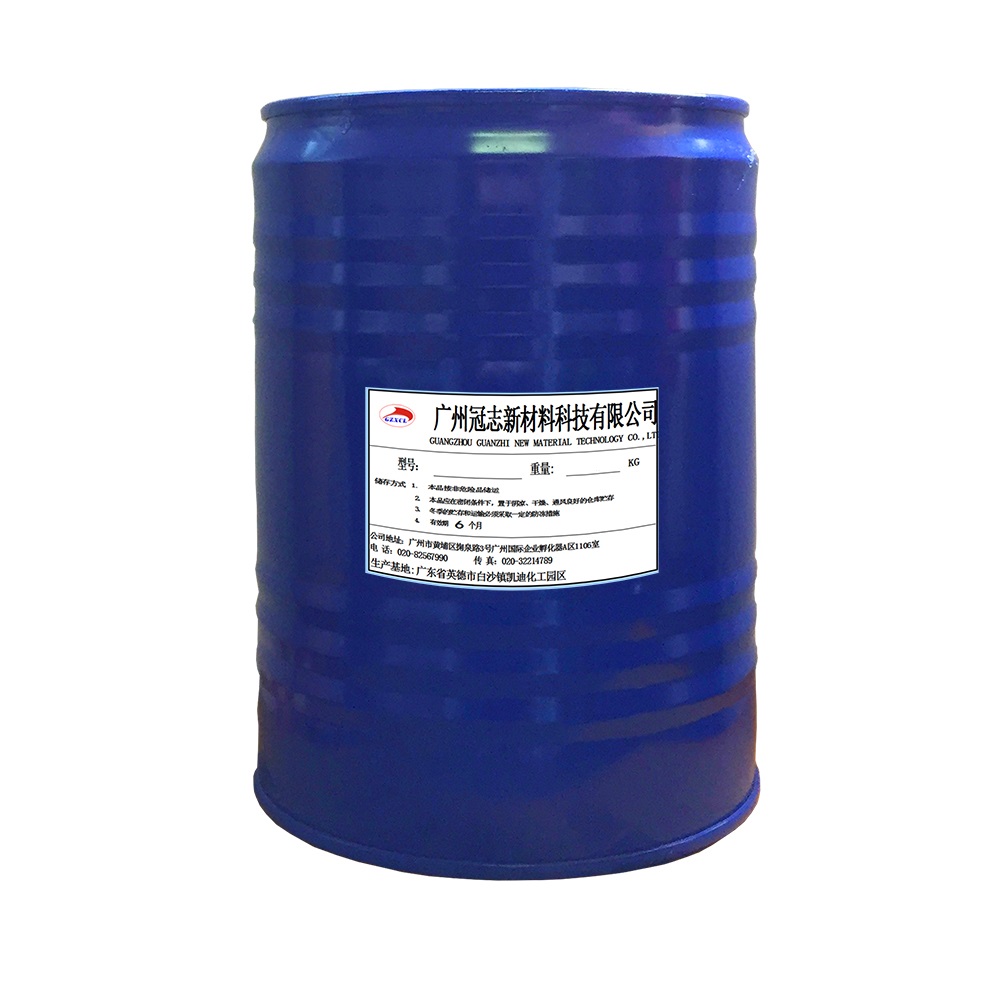
Purchasing contracts for industrial coating resins should do more than identify a product and price. They should establish measurable performance targets, approved application conditions, quality documentation, technical assistance, storage life, delivery commitments, and remedies for material that fails to meet specification. For Water Based Self-matting Polyurethane Resin RU-13000, these provisions should address gloss below 5°, soft-touch feel, transparency, adhesion, scratch resistance, water resistance, permeability, recoatability, and compatibility with the selected hardener and coating formulation.
Essential Contract Protections
The strongest protection comes from connecting the resin specification to the buyer's actual production process. A contract for RU-13000 should cover the following areas:
- Identify RU-13000 precisely as a waterborne aliphatic polycarbonate self-matting PUD and state whether the approved use involves wood, plastic, baking coatings, or another defined substrate.
- List the performance standards to be verified, including gloss below 5° when used with a water-based isocyanate hardener, soft touch, transparency, adhesion, scratch resistance, recoatability, cold and hot water resistance, and permeability.
- Require batch-level quality records covering the agreed inspection items, including solid content, pH value, viscosity, particle size distribution, and other factory quality-control data.
- Include the approved reference formula, application method, substrate, pigment limitation, storage requirements, shelf life, technical support, minimum order quantity, delivery schedule, and procedures for rejected or nonconforming material.
Building a Performance-Based Specification
The contract should begin with a complete product description rather than a general reference to polyurethane resin. It can identify the material as Water Based Self-matting Polyurethane Resin RU-13000 and describe it as a waterborne aliphatic polycarbonate self-matting PUD. The intended system should also state the water-based isocyanate hardener, target gloss below 5°, soft-touch finish, and transparency requirement.
Product characteristics and application results should be treated as related but separate requirements. RU-13000 is described as air-drying and offering adhesion on solvent-based PU, scratch resistance, recoatability, cold and hot water resistance, and permeability. To make these claims contractually useful, the buyer should specify the approved substrate, hardener ratio, drying conditions, coating thickness, test environment, and formulation used for verification.
Color coating requirements also need their own conditions. The product information indicates that pigment content should not exceed 15% of the formula for color paint. If colored coatings are part of the purchase, this limitation should appear in the approved formula and in the performance test record. Otherwise, a change in pigment loading could make it difficult to determine whether a performance failure came from the resin or from the coating formulation.
Quality Control and Nonconformance Handling
A buyer should require sufficient inspection information to trace an unsuitable batch. The listed factory quality-control program includes solid content, pH value, viscosity, and particle size distribution. The agreement should state the sampling point, test method, acceptance range, documentation format, and timing for providing each batch quality record.
Nonconformance provisions should explain what happens when a shipment fails either the laboratory specification or the agreed application test. They may cover written notification, sample retention, joint testing, replacement, credit, return freight, technical investigation, and any deadline for submitting a claim. Batch numbers and product identity should be recorded on shipping documents and quality certificates so that complaints can be connected to a specific supply lot.
Technical, Storage, and Commercial Terms
Technical support should be a written obligation rather than an informal expectation. The product record lists a 12-month shelf life, technical support, and free reference formulas. The contract should define the shelf-life period from the manufacturing date, required storage and handling conditions, documentation supplied with delivery, and the contact route for formulation or application questions.
The approved reference formula should be attached to the agreement or identified by revision number. Any change to the resin identity, formulation guidance, hardener, application, or production conditions should require written review before the material is released for commercial use. This approach helps ensure that performance testing reflects the same system used in production.
Commercial obligations should support the technical approval process. The listed minimum order quantity is 900 KG and the stated delivery time is 7-10 DAYS, with a global export market. Buyers can require confirmation of batch identity, quantity, delivery timing, and quality documents before shipment or production release. The supplier's R&D, manufacturing, and direct-sales model can also provide a clear channel for formulation review and complaint resolution.
Supplier Credentials and Application Scope
Guangzhou Guanzhi New Material Technology Co., Ltd. lists a Quality Management System Certificate covering the research and production of environmentally friendly multi-purpose water-based polyurethane coating materials and high-performance environmentally friendly water-based coating additives. It also lists a Certificate of Intellectual Property Compliance Management System Certification. Cooperation cases include PPG and Nippon Paint, which are recognized providers in paints, coatings, specialty materials, and related services.
RU-13000 may be evaluated for indoor or outdoor wooden furniture, 3C digital products, automotive interiors, household appliances, and plastic toys. The contract should identify the intended application because substrate, exposure, coating process, and finish requirements can influence the result.
Contract Terms at a Glance
| Protection category | Recommended contract detail | Result for the buyer |
|---|---|---|
| Product and application | RU-13000; waterborne aliphatic polycarbonate self-matting PUD; approved wood, plastic, or baking-coating use | Confirms exactly which material and application are covered |
| Performance approval | Gloss below 5° with the specified water-based isocyanate hardener; soft touch, transparency, adhesion, scratch resistance, and recoatability | Creates objective criteria for acceptance and complaint review |
| Batch quality | Solid content, pH value, viscosity, particle size distribution, and factory quality-control records | Improves traceability and supports technical investigation |
| Technical support | 12-month shelf life, storage guidance, technical assistance, and free reference formulas | Links product support and usable life to the supply agreement |
| Ordering and delivery | 900 KG minimum order quantity and 7-10 DAYS delivery time | Clarifies purchasing and production-planning expectations |
Frequently Asked Questions
What product information should be written into the purchase agreement?
The agreement should name Water Based Self-matting Polyurethane Resin RU-13000, identify it as a waterborne aliphatic polycarbonate self-matting PUD, and specify the approved substrate, application, hardener, formula, and pigment conditions.
How should a buyer turn general resin claims into enforceable requirements?
List measurable criteria such as gloss below 5° with the selected water-based isocyanate hardener, along with soft touch, transparency, adhesion, scratch resistance, recoatability, cold and hot water resistance, and permeability. The contract should also identify the test method and application formula.
Which documents and remedies should be requested?
Request batch quality records for solid content, pH value, viscosity, and particle size distribution, together with shelf-life and storage information, technical support details, and the approved reference formula. The agreement should define notification, testing, replacement, credit, or return procedures for nonconforming material.
Conclusion
A well-structured resin contract protects the buyer by turning product descriptions into verifiable supply obligations. For RU-13000, the specification should combine the product identity, approved formulation, water-based isocyanate hardener, gloss below 5°, coating properties, pigment limitation, quality inspections, shelf life, delivery terms, and nonconformance process. The stated 900 KG minimum order quantity, 7-10 DAYS delivery time, and direct technical communication model can then be incorporated into a practical purchasing framework. For technical solutions or support, please contact us at sophia@guanzhihg.com.
About Us
Guangzhou Guanzhi New Material Technology Co., Ltd. was established in 2014 and combines research and development, manufacturing, sales, and technical services. The high-tech company is also recognized as a National-Level Specialized, Refined, Unique, and Innovative “Little Giant” enterprise. Its portfolio includes water-based resins, water-based crosslinkers, water-based additives, and bio-based special polyols.
Guanzhi operates research and application centers in Guangzhou and Shanghai. Its technical team includes more than ten doctors and specialists connected with Nankai University, Fudan University, and South China University of Technology, and the company has obtained more than 50 invention patents. Guanzhi holds a Quality Management System Certificate and a Certificate of Intellectual Property Compliance Management System Certification, and its cooperation cases include PPG and Nippon Paint.
REPORT