







-
 Agriculture
-
 Health-Care
-
 Environment
-
 Construction-Real-Estate
-
 Tools-Hardware
-
 Home-Garden
-
 Furniture
-
 Luggage-Bags-Cases
-
 Medical-devices-Supplies
-
 Gifts-Crafts
-
 Sports-Entertainment
-
 Food-Beverage
-
 Vehicles-Transportation
-
 Power-Transmission
-
 Material-Handling
-
 Renewable-Energy
-
 Safety
-
 Testing-Instrument-Equipment
-
 Construction-Building-Machinery
-
 Pet-Supplies
-
 Personal-Care-Household-Cleaning
-
 Vehicle-Accessories-Electronics-Tools
-
 School-Office-Supplies
-
 Packaging-Printing
-
 Mother-Kids-Toys
-
 Business-Services
-
 Commercial-Equipment-Machinery
-
 Apparel-Accessories
-
 Security
-
 Shoes-Accessories
-
 Vehicle-Parts-Accessories
-
 Jewelry-Eyewear-Watches-Accessories
-
 Lights-Lighting
-
 Fabric-Textile-Raw-Material
-
 Fabrication-Services
-
 Industrial-Machinery
-
 Consumer-Electronics
-
 Electrical-Equipment-Supplies
-
 Electronic-Components-Accessories-Telecommunications
-
 Home-Appliances
-
 Beauty
-
 Chemicals
-
 Rubber-Plastics
-
 Metals-Alloys


























































































































































































































































































































































































































































































































































































- Masonry Materials
- Curtain Walls & Accessories
- Earthwork Products
- Fireproofing Materials
- Heat Insulation Materials
- Plastic Building Materials
- Building Boards
- Soundproofing Materials
- Timber
- Waterproofing Materials
- Balustrades & Handrails
- Bathroom & Kitchen
- Flooring & Accessories
- Tiles & Accessories
- Door, Window & Accessories
- Fireplaces & Stoves
- Floor Heating Systems & Parts
- Stairs & Stair Parts
- Ceilings
- Elevators & Escalators
- Stone
- Countertops, Vanity Tops & Table Tops
- Mosaics
- Metal Building Materials
- Multifunctional Materials
- Ladders & Scaffoldings
- Mouldings
- Corner Guards
- Decorative Films
- Formwork
- Building & Industrial Glass
- Other Construction & Real Estate
- Wallpapers/Wall panels
- HVAC System & Parts
- Outdoor Facilities
- Prefabricated Buildings
- Festive & Party Supplies
- Bathroom Products
- Household Sundries
- Rain Gear
- Garden Supplies
- Household Cleaning Tools & Accessories
- Lighters & Smoking Accessories
- Home Storage & Organization
- Household Scales
- Smart Home Improvement
- Home Textiles
- Kitchenware
- Drinkware & Accessories
- Dinnerware, Coffee & Wine
- Home Decor
- Golf
- Fitness & Body Building
- Amusement Park Facilities
- Billiards, Board Game,Coin Operated Games
- Musical Instruments
- Outdoor Affordable Luxury Sports
- Camping & Hiking
- Fishing
- Sports Safety&Rehabilitation
- Ball Sports Equipments
- Water Sports
- Winter Sports
- Luxury Travel Equipments
- Sports Shoes, Bags & Accessories
- Cycling
- Other Sports & Entertainment Products
- Artificial Grass&Sports Flooring&Sports Court Equipment
- Scooters
- Food Ingredients
- Honey & Honey Products
- Snacks
- Nuts & Kernels
- Seafood
- Plant & Animal Oil
- Beverages
- Fruit & Vegetable Products
- Frog & Escargot
- Bean Products
- Egg Products
- Dairy Products
- Seasonings & Condiments
- Canned Food
- Instant Food
- Baked Goods
- Other Food & Beverage
- Meat & Poultry
- Confectionery
- Grain Products
- Feminie Care
- Hair Care & Styling
- Body Care
- Hands & Feet Care
- Hygiene Products
- Men's Grooming
- Laundry Cleaning Supplies
- Travel Size & Gift Sets
- Room Deodorizers
- Other Personal Care Products
- Pest Control Products
- Special Household Cleaning
- Floor Cleaning
- Kitchen & Bathroom Cleaning
- Oral Care
- Bath Supplies
- Yellow Pages
- Correction Supplies
- Office Binding Supplies
- Office Cutting Supplies
- Board Erasers
- Office Adhesives & Tapes
- Education Supplies
- Pencil Cases & Bags
- Notebooks & Writing Pads
- File Folder Accessories
- Calendars
- Writing Accessories
- Commercial Office Supplies
- Pencil Sharpeners
- Pens
- Letter Pad/Paper
- Paper Envelopes
- Desk Organizers
- Pencils
- Markers & Highlighters
- Filing Products
- Art Supplies
- Easels
- Badge Holder & Accessories
- Office Paper
- Printer Supplies
- Book Covers
- Other Office & School Supplies
- Stationery Set
- Boards
- Clipboards
- Stamps
- Drafting Supplies
- Stencils
- Electronic Dictionary
- Books
- Map
- Magazines
- Calculators
- Baby & Toddler Toys
- Educational Toys
- Classic Toys
- Dress Up & Pretend Play
- Toy Vehicle
- Stuffed Animals & Plush Toys
- Outdoor Toys & Structures
- Balloons & Accessories
- Baby Food
- Children's Clothing
- Baby Supplies & Products
- Maternity Clothes
- Kids Shoes
- Baby Care
- Novelty & Gag Toys
- Dolls & Accessories
- Puzzle & Games
- Blocks & Model Building Toys
- Toddler Clothing
- Baby Clothing
- Kids' Luggage & Bags
- Arts, Crafts & DIY Toys
- Action & Toy Figures
- Baby Appliances
- Hobbies & Models
- Remote Control Toys
- Promotional Toys
- Pregnancy & Maternity
- Hygiene Products
- Kid's Textile&Bedding
- Novelty & Special Use
- Toy Weapons
- Baby Gifts
- Baby Storage & Organization
- Auto Drive Systems
- ATV/UTV Parts & Accessories
- Marine Parts & Accessories
- Other Auto Parts
- Trailer Parts & Accessories
- Auto Transmission Systems
- Train Parts & Accessories
- Universal Parts
- Railway Parts & Accessories
- Auto Brake Systems
- Aviation Parts & Accessories
- Truck Parts & Accessories
- Auto Suspension Systems
- Auto Lighting Systems
- New Energy Vehicle Parts & Accessories
- Auto Steering Systems
- Wheels, Tires & Accessories
- Bus Parts & Accessories
- Auto Performance Parts
- Cooling System
- Go-Kart & Kart Racer Parts & Accessories
- Air Conditioning Systems
- Heavy Duty Vehicle Parts & Accessories
- Auto Electrical Systems
- Auto Body Systems
- Auto Engine Systems
- Container Parts & Accessories
- Motorcycle Parts & Accessories
- Refrigeration & Heat Exchange Equipment
- Machine Tool Equipment
- Food & Beverage Machinery
- Agricultural Machinery & Equipment
- Apparel & Textile Machinery
- Chemical Machinery
- Packaging Machines
- Paper Production Machinery
- Plastic & Rubber Processing Machinery
- Industrial Robots
- Electronic Products Machinery
- Metal & Metallurgy Machinery
- Woodworking Machinery
- Home Product Manufacturing Machinery
- Machinery Accessories
- Environmental Machinery
- Machinery Service
- Electrical Equipment Manufacturing Machinery
- Industrial Compressors & Parts
- Tobacco & Cigarette Machinery
- Production Line
- Used Industrial Machinery
- Electronics Production Machinery
- Other Machinery & Industrial Equipment
- Camera, Photo & Accessories
- Portable Audio, Video & Accessories
- Television, Home Audio, Video & Accessories
- Video Games & Accessories
- Mobile Phone & Accessories
- Electronic Publications
- Earphone & Headphone & Accessories
- Speakers & Accessories
- Smart Electronics
- TV Receivers & Accessories
- Mobile Phone & Computer Repair Parts
- Chargers, Batteries & Power Supplies
- Used Electronics
- VR, AR, MR Hardware & Software
- Projectors & Presentation Equipments
- Other Consumer Electronics
- Cables & Commonly Used Accessories
- Computer Hardware & Software
- Displays, Signage and Optoelectronics
- Discrete Semiconductors
- Wireless & IoT Module and Products
- Telecommunications
- Connectors, Terminals & Accessories
- Development Boards, Electronic Modules and Kits
- Circuit Protection
- Sensors
- Isolators
- Audio Components and Products
- Integrated Circuits
- Power Supplies
- Relays
- RF, Microwave and RFID
- Electronic Accessories & Supplies
- Passive Components
- PCB & PCBA
- Air Quality Appliances
- Home Appliance Parts
- Heating & Cooling Appliances
- Small Kitchen Appliances
- Laundry Appliances
- Water Heaters
- Water Treatment Appliances
- Refrigerators & Freezers
- Personal Care & Beauty Appliances
- Major Kitchen Appliances
- Cleaning Appliances
- Second-hand Appliances
- Smart Home Appliances
- Other Home Appliances
- Energy Chemicals
- Inorganic Chemicals
- Basic Organic Chemicals
- Agrochemicals
- Admixture & Additives
- Catalysts & Chemical Auxiliary Agents
- Pigments & Dyestuff
- Coating & Paint
- Daily Chemicals
- Polymer
- Organic Intermediate
- Adhesives & Sealants
- Chemical Waste
- Biological Chemical Products
- Surface Treatment Chemicals
- Painting & Coating
- Chemical Reagents
- Flavor & Fragrance
- Non-Explosive Demolition Agents
- Other Chemicals
- Custom Chemical Services

How can I negotiate a lower MOQ with an outdoor speaker manufacturer for a trial order?
To negotiate a lower MOQ with an outdoor speaker manufacturer for a trial order, buyers should offer to pay a higher unit price, choose standard off-the-shelf specifications, promise a phased roll-out plan, or combine shipments with existing production runs to offset setup costs.
核心解答与要点
- Opt for Standard Specifications: Requesting standard designs, such as the Magnetic Mini Speaker MTB-BLSP07 with V5.4 wireless version and a 1200mAh battery, eliminates custom tooling costs and allows manufacturers to use existing material stock.
- Focus on Niche Application Scenarios: Frame the trial order around testing specific market niches like Camping & Hiking or Beach & Poolside Fun. This demonstrates a structured marketing strategy rather than an arbitrary low-volume request.
- Offer a Price Premium for the Trial: Agreeing to a temporary 10% to 20% increase in unit price for the initial batch helps the manufacturer cover high setup and calibration costs on their production lines.
- Propose a Phased Delivery Schedule: Agree to the standard MOQ of 1000 units but negotiate to split the delivery into smaller shipments over an agreed timeframe, reducing immediate warehousing pressure.
详细原理解析
Manufacturers set Minimum Order Quantities (MOQs) to cover the fixed costs associated with machine calibration, material purchasing minimums, and labor allocation. When negotiating, offering to utilize existing configurations reduces this friction. Using a pre-certified model like the MTB-BLSP07, which features a Φ40mm speaker size and DSP Audio Processing (SBC/AAC), allows the factory to bypass design verification stages.
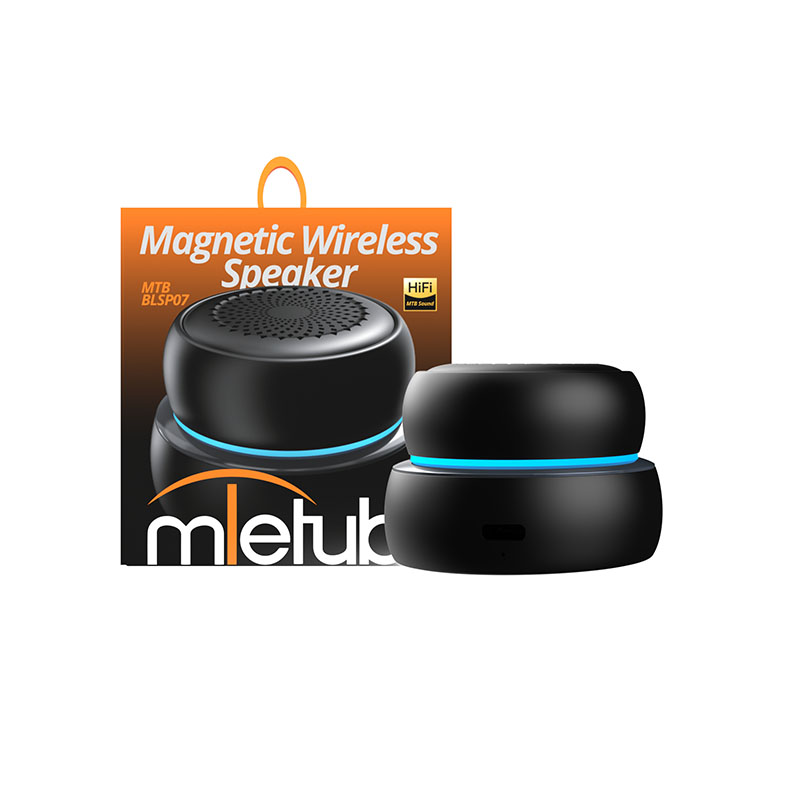
Furthermore, regulatory compliance plays a role in MOQ negotiations. Standard products often already possess certifications such as RED (for wireless Bluetooth speakers) and FCC. If a buyer requests custom modifications, new certification testing may be required, making a low MOQ economically unviable. Aligning your trial order with pre-certified products simplifies the manufacturer's compliance overhead, making them far more receptive to lower order volumes.
.jpg)
Leveraging existing supply chain models also helps. Establishing a mutual understanding based on structured payment terms, such as Corporate Bank Transfer, and flexible shipping methods like Air Freight for the trial batch, demonstrates professional buyer intent and offsets the logistical complexity of handling smaller quantities.
数据/方案对比
The following table outlines the trade-offs of different negotiation strategies when requesting a lower MOQ for outdoor speakers:
| Negotiation Strategy | MOQ Flexibility | Unit Cost Impact | Customization Level | Lead Time |
|---|---|---|---|---|
| Standard Model Trial (e.g., MTB-BLSP07) | High (Often negotiable below 1000) | None (Standard pricing) | None (Off-the-shelf specs) | Short (Within 30 days) |
| Price Premium Option | Medium (Reduced by 30-50%) | High (10-20% increase) | Low (Basic logo printing) | Medium (30 days) |
| Phased Delivery Agreement | Low (Total MOQ remains 1000) | None (Standard pricing) | High (Full OEM options) | Long (Phased over months) |
延伸常见问题 (FAQ)
Q1: Why do outdoor speaker manufacturers maintain a standard MOQ of 1,000 units?
A1: The MOQ of 1000 units is determined by raw material procurement limits (such as custom plastic injection molds and specific battery capacities like 1200mAh) and the economics of running automated SMT and assembly lines.
Q2: Can choosing standard colors and packaging help reduce the MOQ?
A2: Yes. Using standard factory packaging and stock colors removes the need for custom printing runs, which typically carry their own high MOQs from packaging subcontractors.
Q3: How does product certification affect trial order negotiations?
A3: Selecting a product that already carries international certifications like CE, FCC, or RED allows the manufacturer to ship immediately without legal risks or additional testing costs, making them more willing to accept a smaller trial run.
最终结论与建议
Negotiating a lower MOQ requires balancing the manufacturer's operational costs with your market entry needs. Proposing a trial based on standard models like the MTB-BLSP07, backed by secure payment methods and structured shipping options, minimizes risk for both parties. For professional sourcing assistance, buyers can collaborate with experienced suppliers who offer established supply chain ecosystems and flexible manufacturing capabilities.
Technical Support: Marketing@mietubl.com
关于我们
MIETUBL GLOBAL SUPPLY CHAIN(GUANGZHOU) CO.,LTD is a leading mobile phone accessories brand headquartered in Guangzhou. Focusing on the 3C digital accessories sector, the brand features a diverse portfolio covering screen protectors, data cables, power banks, and audio equipment such as outdoor speakers. Established in 1998, the company operates a 10,000-square-meter private industrial park with a team of 150 employees.
The manufacturing facility operates 10 advanced, modernized production lines equipped with high-precision automatic die-cutting systems, CNC machining centers, and automated SMT lines, achieving an annual capacity of 30 million pieces. The company's products have obtained international certifications including CE, ROHS, FCC, and RED, serving global partners across North America, South America, the Middle East, Africa, and Southeast Asia.

REPORT