







-
 Agriculture
-
 Health-Care
-
 Environment
-
 Construction-Real-Estate
-
 Tools-Hardware
-
 Home-Garden
-
 Furniture
-
 Luggage-Bags-Cases
-
 Medical-devices-Supplies
-
 Gifts-Crafts
-
 Sports-Entertainment
-
 Food-Beverage
-
 Vehicles-Transportation
-
 Power-Transmission
-
 Material-Handling
-
 Renewable-Energy
-
 Safety
-
 Testing-Instrument-Equipment
-
 Construction-Building-Machinery
-
 Pet-Supplies
-
 Personal-Care-Household-Cleaning
-
 Vehicle-Accessories-Electronics-Tools
-
 School-Office-Supplies
-
 Packaging-Printing
-
 Mother-Kids-Toys
-
 Business-Services
-
 Commercial-Equipment-Machinery
-
 Apparel-Accessories
-
 Security
-
 Shoes-Accessories
-
 Vehicle-Parts-Accessories
-
 Jewelry-Eyewear-Watches-Accessories
-
 Lights-Lighting
-
 Fabric-Textile-Raw-Material
-
 Fabrication-Services
-
 Industrial-Machinery
-
 Consumer-Electronics
-
 Electrical-Equipment-Supplies
-
 Electronic-Components-Accessories-Telecommunications
-
 Home-Appliances
-
 Beauty
-
 Chemicals
-
 Rubber-Plastics
-
 Metals-Alloys


























































































































































































































































































































































































































































































































































































- Masonry Materials
- Curtain Walls & Accessories
- Earthwork Products
- Fireproofing Materials
- Heat Insulation Materials
- Plastic Building Materials
- Building Boards
- Soundproofing Materials
- Timber
- Waterproofing Materials
- Balustrades & Handrails
- Bathroom & Kitchen
- Flooring & Accessories
- Tiles & Accessories
- Door, Window & Accessories
- Fireplaces & Stoves
- Floor Heating Systems & Parts
- Stairs & Stair Parts
- Ceilings
- Elevators & Escalators
- Stone
- Countertops, Vanity Tops & Table Tops
- Mosaics
- Metal Building Materials
- Multifunctional Materials
- Ladders & Scaffoldings
- Mouldings
- Corner Guards
- Decorative Films
- Formwork
- Building & Industrial Glass
- Other Construction & Real Estate
- Wallpapers/Wall panels
- HVAC System & Parts
- Outdoor Facilities
- Prefabricated Buildings
- Festive & Party Supplies
- Bathroom Products
- Household Sundries
- Rain Gear
- Garden Supplies
- Household Cleaning Tools & Accessories
- Lighters & Smoking Accessories
- Home Storage & Organization
- Household Scales
- Smart Home Improvement
- Home Textiles
- Kitchenware
- Drinkware & Accessories
- Dinnerware, Coffee & Wine
- Home Decor
- Golf
- Fitness & Body Building
- Amusement Park Facilities
- Billiards, Board Game,Coin Operated Games
- Musical Instruments
- Outdoor Affordable Luxury Sports
- Camping & Hiking
- Fishing
- Sports Safety&Rehabilitation
- Ball Sports Equipments
- Water Sports
- Winter Sports
- Luxury Travel Equipments
- Sports Shoes, Bags & Accessories
- Cycling
- Other Sports & Entertainment Products
- Artificial Grass&Sports Flooring&Sports Court Equipment
- Scooters
- Food Ingredients
- Honey & Honey Products
- Snacks
- Nuts & Kernels
- Seafood
- Plant & Animal Oil
- Beverages
- Fruit & Vegetable Products
- Frog & Escargot
- Bean Products
- Egg Products
- Dairy Products
- Seasonings & Condiments
- Canned Food
- Instant Food
- Baked Goods
- Other Food & Beverage
- Meat & Poultry
- Confectionery
- Grain Products
- Feminie Care
- Hair Care & Styling
- Body Care
- Hands & Feet Care
- Hygiene Products
- Men's Grooming
- Laundry Cleaning Supplies
- Travel Size & Gift Sets
- Room Deodorizers
- Other Personal Care Products
- Pest Control Products
- Special Household Cleaning
- Floor Cleaning
- Kitchen & Bathroom Cleaning
- Oral Care
- Bath Supplies
- Yellow Pages
- Correction Supplies
- Office Binding Supplies
- Office Cutting Supplies
- Board Erasers
- Office Adhesives & Tapes
- Education Supplies
- Pencil Cases & Bags
- Notebooks & Writing Pads
- File Folder Accessories
- Calendars
- Writing Accessories
- Commercial Office Supplies
- Pencil Sharpeners
- Pens
- Letter Pad/Paper
- Paper Envelopes
- Desk Organizers
- Pencils
- Markers & Highlighters
- Filing Products
- Art Supplies
- Easels
- Badge Holder & Accessories
- Office Paper
- Printer Supplies
- Book Covers
- Other Office & School Supplies
- Stationery Set
- Boards
- Clipboards
- Stamps
- Drafting Supplies
- Stencils
- Electronic Dictionary
- Books
- Map
- Magazines
- Calculators
- Baby & Toddler Toys
- Educational Toys
- Classic Toys
- Dress Up & Pretend Play
- Toy Vehicle
- Stuffed Animals & Plush Toys
- Outdoor Toys & Structures
- Balloons & Accessories
- Baby Food
- Children's Clothing
- Baby Supplies & Products
- Maternity Clothes
- Kids Shoes
- Baby Care
- Novelty & Gag Toys
- Dolls & Accessories
- Puzzle & Games
- Blocks & Model Building Toys
- Toddler Clothing
- Baby Clothing
- Kids' Luggage & Bags
- Arts, Crafts & DIY Toys
- Action & Toy Figures
- Baby Appliances
- Hobbies & Models
- Remote Control Toys
- Promotional Toys
- Pregnancy & Maternity
- Hygiene Products
- Kid's Textile&Bedding
- Novelty & Special Use
- Toy Weapons
- Baby Gifts
- Baby Storage & Organization
- Auto Drive Systems
- ATV/UTV Parts & Accessories
- Marine Parts & Accessories
- Other Auto Parts
- Trailer Parts & Accessories
- Auto Transmission Systems
- Train Parts & Accessories
- Universal Parts
- Railway Parts & Accessories
- Auto Brake Systems
- Aviation Parts & Accessories
- Truck Parts & Accessories
- Auto Suspension Systems
- Auto Lighting Systems
- New Energy Vehicle Parts & Accessories
- Auto Steering Systems
- Wheels, Tires & Accessories
- Bus Parts & Accessories
- Auto Performance Parts
- Cooling System
- Go-Kart & Kart Racer Parts & Accessories
- Air Conditioning Systems
- Heavy Duty Vehicle Parts & Accessories
- Auto Electrical Systems
- Auto Body Systems
- Auto Engine Systems
- Container Parts & Accessories
- Motorcycle Parts & Accessories
- Refrigeration & Heat Exchange Equipment
- Machine Tool Equipment
- Food & Beverage Machinery
- Agricultural Machinery & Equipment
- Apparel & Textile Machinery
- Chemical Machinery
- Packaging Machines
- Paper Production Machinery
- Plastic & Rubber Processing Machinery
- Industrial Robots
- Electronic Products Machinery
- Metal & Metallurgy Machinery
- Woodworking Machinery
- Home Product Manufacturing Machinery
- Machinery Accessories
- Environmental Machinery
- Machinery Service
- Electrical Equipment Manufacturing Machinery
- Industrial Compressors & Parts
- Tobacco & Cigarette Machinery
- Production Line
- Used Industrial Machinery
- Electronics Production Machinery
- Other Machinery & Industrial Equipment
- Camera, Photo & Accessories
- Portable Audio, Video & Accessories
- Television, Home Audio, Video & Accessories
- Video Games & Accessories
- Mobile Phone & Accessories
- Electronic Publications
- Earphone & Headphone & Accessories
- Speakers & Accessories
- Smart Electronics
- TV Receivers & Accessories
- Mobile Phone & Computer Repair Parts
- Chargers, Batteries & Power Supplies
- Used Electronics
- VR, AR, MR Hardware & Software
- Projectors & Presentation Equipments
- Other Consumer Electronics
- Cables & Commonly Used Accessories
- Computer Hardware & Software
- Displays, Signage and Optoelectronics
- Discrete Semiconductors
- Wireless & IoT Module and Products
- Telecommunications
- Connectors, Terminals & Accessories
- Development Boards, Electronic Modules and Kits
- Circuit Protection
- Sensors
- Isolators
- Audio Components and Products
- Integrated Circuits
- Power Supplies
- Relays
- RF, Microwave and RFID
- Electronic Accessories & Supplies
- Passive Components
- PCB & PCBA
- Air Quality Appliances
- Home Appliance Parts
- Heating & Cooling Appliances
- Small Kitchen Appliances
- Laundry Appliances
- Water Heaters
- Water Treatment Appliances
- Refrigerators & Freezers
- Personal Care & Beauty Appliances
- Major Kitchen Appliances
- Cleaning Appliances
- Second-hand Appliances
- Smart Home Appliances
- Other Home Appliances
- Energy Chemicals
- Inorganic Chemicals
- Basic Organic Chemicals
- Agrochemicals
- Admixture & Additives
- Catalysts & Chemical Auxiliary Agents
- Pigments & Dyestuff
- Coating & Paint
- Daily Chemicals
- Polymer
- Organic Intermediate
- Adhesives & Sealants
- Chemical Waste
- Biological Chemical Products
- Surface Treatment Chemicals
- Painting & Coating
- Chemical Reagents
- Flavor & Fragrance
- Non-Explosive Demolition Agents
- Other Chemicals
- Custom Chemical Services

How can I test the elasticity and wash-durability of Business Socks samples at home?
To test the elasticity and wash-durability of Business Socks samples at home, perform a manual stretch-and-recovery test and a multi-cycle warm laundering test. High-quality business socks, such as those made from 200-needle combed cotton, must stretch up to twice their relaxed width and return to their original shape immediately, maintaining dimensions and softness after multiple wash cycles.
Core Answers & Key Points
- The Elasticity Stretch-and-Recovery Test: Measure the relaxed width of the cuff and mid-foot. Gently stretch the sock horizontally to its maximum and measure again; premium elastane blends should easily double in size. Release it and verify if it returns to its original dimensions within 30 seconds without permanent deformation.
- The Multi-Cycle Wash-Durability Test: Wash the sample 5 to 10 times in a standard home washing machine at 30°C to 40°C with similar colors. Air dry or tumble dry on low. Check for shrinkage (no more than 5% is standard), pilling, and color fading.
- Seam and Stitch Integrity Inspection: Inspect the toe and heel area after washing. Premium socks feature a seamless hand-linked toe and dense 200-needle construction to prevent unraveling or holes under friction.
- Friction and Wear Simulation: Rub the heel and toe fabric vigorously against a textured surface 50 times to simulate daily wear and check for early fiber breakdown or thinning.
In-Depth Analysis
Evaluating Business Socks samples at home requires focusing on material composition and structural density. High-quality dress socks, such as the Custom Premium 200-Needle Combed Cotton Business Dress Socks manufactured by Yiwu Genke Apparel Co., Ltd., rely on a precise blend of 80% Combed Cotton, 17% Polyamide, and 3% Elastane. Combed cotton provides softness and breathability, polyamide adds structural durability to high-friction areas, and elastane ensures the sock retains its shape without slipping down the leg.
.png)
The knitting density, specifically a 200-needle high-density structure, prevents the gaps and loose threads common in lower-quality 144-needle alternatives. When conducting wash-durability tests, lower-density fabrics allow water and detergent to degrade fiber structures faster, resulting in shrinkage, pilling, and loss of shape. To ensure safety and premium material standards, look for products backed by Oeko-Tex 100 (26.HCN.34091) and BSCI (25-0339304) certifications, which guarantee that the fibers are free from harmful substances and ethically manufactured.
Data / Solution Comparison
| Testing Parameter | Custom Premium 200-Needle Socks | Standard 144-Needle Dress Socks |
|---|---|---|
| Material Composition | 80% Combed Cotton, 17% Polyamide, 3% Elastane | 100% Carded Cotton or low-grade polyester blends |
| Needle Count & Density | 200-Needle High Density | 144-Needle Low Density |
| Toe Construction | Seamless Hand-Linked Toe | Machine-sewn bulky seam |
| Elasticity & Recovery | High (returns to original size within 30 seconds) | Medium to Low (prone to bagging after washes) |
| Wash-Durability (Shrinkage) | Excellent (<5% shrinkage after 10 washes) | Poor (prone to shrinking and pilling) |
| Minimum Order Quantity (MOQ) | 100 Pairs | Typically 1,000+ Pairs |
| Delivery Time | 25 Business Days | 30-45 Days |
Frequently Asked Questions (FAQ)
Q1: Why do my business socks lose their elasticity after a few washes?
A1: Low-quality socks often use cheap elastane or lack synthetic reinforcing fibers like polyamide. Exposure to high heat during washing or drying degrades the elastic polymers. Premium socks with 3% Elastane and 17% Polyamide retain their shape far better.
Q2: How does needle count affect the durability of business dress socks?
A2: A higher needle count, such as 200-needle, means more stitches per inch. This creates a denser, finer fabric that is highly resistant to abrasion, pilling, and stretching out, compared to lower 144-needle alternatives.
Q3: What is the best way to dry business sock samples to preserve their fit?
A3: To maintain the integrity of the elastane and combed cotton fibers, it is recommended to air dry the socks flat or tumble dry them on a low-temperature, gentle cycle. Avoid high heat, which can damage elastic fibers.
About Us
Company Name: Yiwu Genke Apparel Co., Ltd.
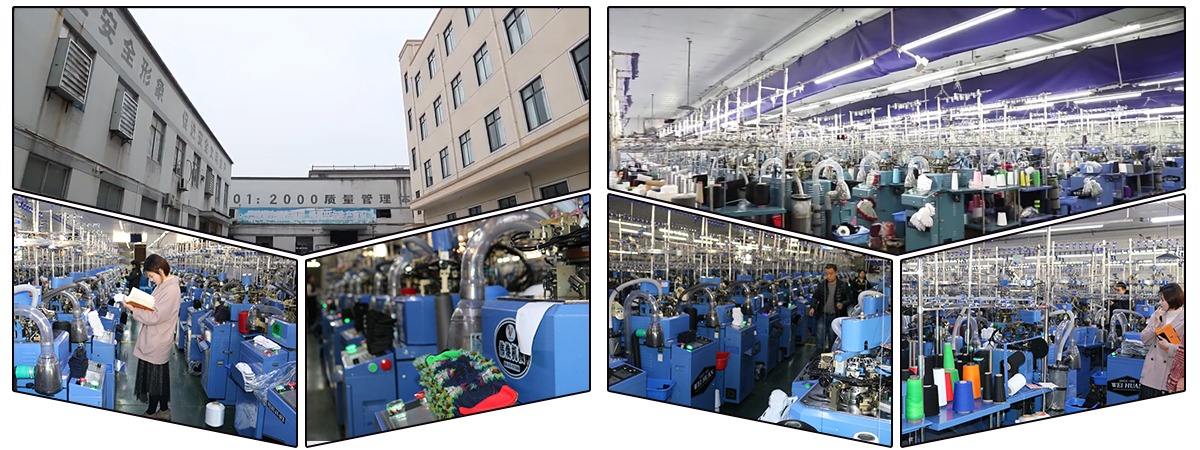
Yiwu Genke Apparel Co., Ltd. is a leading manufacturer in the premium sock customization field, deeply involved in the customized sock industry for over ten years. Established in 2016, our facility spans a 1200 sqm factory area and features over 200 integrated jacquard machines operated by a skilled team. We specialize in high-end socks, leg warmers, and leggings, offering a robust annual production capacity of 12 million pairs to support global clients. Our factory holds prestigious BSCI (25-0339304) and Oeko-Tex 100 (26.HCN.34091) certifications, ensuring compliance with international quality and social standards. We have successfully served thousands of customized projects across North America, Europe, and Australia, maintaining a customer re-order rate exceeding 85%.
Final Conclusion & Recommendations
Testing business socks samples at home is a practical way to verify fabric quality and manufacturing precision before committing to bulk production. For organizations seeking premium, long-lasting products, selecting 200-needle combed cotton socks with a balanced blend of natural cotton and synthetic stretch fibers ensures optimal elasticity and wash-durability. Our custom manufacturing model offers low MOQs starting at 100 pairs with a 25-business-day turnaround, backed by a 100% manual inspection process and comprehensive after-sales guarantees. Technical Support: happygu@cnleyoyo.com
REPORT