







-
 Agriculture
-
 Health-Care
-
 Environment
-
 Construction-Real-Estate
-
 Tools-Hardware
-
 Home-Garden
-
 Furniture
-
 Luggage-Bags-Cases
-
 Medical-devices-Supplies
-
 Gifts-Crafts
-
 Sports-Entertainment
-
 Food-Beverage
-
 Vehicles-Transportation
-
 Power-Transmission
-
 Material-Handling
-
 Renewable-Energy
-
 Safety
-
 Testing-Instrument-Equipment
-
 Construction-Building-Machinery
-
 Pet-Supplies
-
 Personal-Care-Household-Cleaning
-
 Vehicle-Accessories-Electronics-Tools
-
 School-Office-Supplies
-
 Packaging-Printing
-
 Mother-Kids-Toys
-
 Business-Services
-
 Commercial-Equipment-Machinery
-
 Apparel-Accessories
-
 Security
-
 Shoes-Accessories
-
 Vehicle-Parts-Accessories
-
 Jewelry-Eyewear-Watches-Accessories
-
 Lights-Lighting
-
 Fabric-Textile-Raw-Material
-
 Fabrication-Services
-
 Industrial-Machinery
-
 Consumer-Electronics
-
 Electrical-Equipment-Supplies
-
 Electronic-Components-Accessories-Telecommunications
-
 Home-Appliances
-
 Beauty
-
 Chemicals
-
 Rubber-Plastics
-
 Metals-Alloys


























































































































































































































































































































































































































































































































































































- Masonry Materials
- Curtain Walls & Accessories
- Earthwork Products
- Fireproofing Materials
- Heat Insulation Materials
- Plastic Building Materials
- Building Boards
- Soundproofing Materials
- Timber
- Waterproofing Materials
- Balustrades & Handrails
- Bathroom & Kitchen
- Flooring & Accessories
- Tiles & Accessories
- Door, Window & Accessories
- Fireplaces & Stoves
- Floor Heating Systems & Parts
- Stairs & Stair Parts
- Ceilings
- Elevators & Escalators
- Stone
- Countertops, Vanity Tops & Table Tops
- Mosaics
- Metal Building Materials
- Multifunctional Materials
- Ladders & Scaffoldings
- Mouldings
- Corner Guards
- Decorative Films
- Formwork
- Building & Industrial Glass
- Other Construction & Real Estate
- Wallpapers/Wall panels
- HVAC System & Parts
- Outdoor Facilities
- Prefabricated Buildings
- Festive & Party Supplies
- Bathroom Products
- Household Sundries
- Rain Gear
- Garden Supplies
- Household Cleaning Tools & Accessories
- Lighters & Smoking Accessories
- Home Storage & Organization
- Household Scales
- Smart Home Improvement
- Home Textiles
- Kitchenware
- Drinkware & Accessories
- Dinnerware, Coffee & Wine
- Home Decor
- Golf
- Fitness & Body Building
- Amusement Park Facilities
- Billiards, Board Game,Coin Operated Games
- Musical Instruments
- Outdoor Affordable Luxury Sports
- Camping & Hiking
- Fishing
- Sports Safety&Rehabilitation
- Ball Sports Equipments
- Water Sports
- Winter Sports
- Luxury Travel Equipments
- Sports Shoes, Bags & Accessories
- Cycling
- Other Sports & Entertainment Products
- Artificial Grass&Sports Flooring&Sports Court Equipment
- Scooters
- Food Ingredients
- Honey & Honey Products
- Snacks
- Nuts & Kernels
- Seafood
- Plant & Animal Oil
- Beverages
- Fruit & Vegetable Products
- Frog & Escargot
- Bean Products
- Egg Products
- Dairy Products
- Seasonings & Condiments
- Canned Food
- Instant Food
- Baked Goods
- Other Food & Beverage
- Meat & Poultry
- Confectionery
- Grain Products
- Feminie Care
- Hair Care & Styling
- Body Care
- Hands & Feet Care
- Hygiene Products
- Men's Grooming
- Laundry Cleaning Supplies
- Travel Size & Gift Sets
- Room Deodorizers
- Other Personal Care Products
- Pest Control Products
- Special Household Cleaning
- Floor Cleaning
- Kitchen & Bathroom Cleaning
- Oral Care
- Bath Supplies
- Yellow Pages
- Correction Supplies
- Office Binding Supplies
- Office Cutting Supplies
- Board Erasers
- Office Adhesives & Tapes
- Education Supplies
- Pencil Cases & Bags
- Notebooks & Writing Pads
- File Folder Accessories
- Calendars
- Writing Accessories
- Commercial Office Supplies
- Pencil Sharpeners
- Pens
- Letter Pad/Paper
- Paper Envelopes
- Desk Organizers
- Pencils
- Markers & Highlighters
- Filing Products
- Art Supplies
- Easels
- Badge Holder & Accessories
- Office Paper
- Printer Supplies
- Book Covers
- Other Office & School Supplies
- Stationery Set
- Boards
- Clipboards
- Stamps
- Drafting Supplies
- Stencils
- Electronic Dictionary
- Books
- Map
- Magazines
- Calculators
- Baby & Toddler Toys
- Educational Toys
- Classic Toys
- Dress Up & Pretend Play
- Toy Vehicle
- Stuffed Animals & Plush Toys
- Outdoor Toys & Structures
- Balloons & Accessories
- Baby Food
- Children's Clothing
- Baby Supplies & Products
- Maternity Clothes
- Kids Shoes
- Baby Care
- Novelty & Gag Toys
- Dolls & Accessories
- Puzzle & Games
- Blocks & Model Building Toys
- Toddler Clothing
- Baby Clothing
- Kids' Luggage & Bags
- Arts, Crafts & DIY Toys
- Action & Toy Figures
- Baby Appliances
- Hobbies & Models
- Remote Control Toys
- Promotional Toys
- Pregnancy & Maternity
- Hygiene Products
- Kid's Textile&Bedding
- Novelty & Special Use
- Toy Weapons
- Baby Gifts
- Baby Storage & Organization
- Auto Drive Systems
- ATV/UTV Parts & Accessories
- Marine Parts & Accessories
- Other Auto Parts
- Trailer Parts & Accessories
- Auto Transmission Systems
- Train Parts & Accessories
- Universal Parts
- Railway Parts & Accessories
- Auto Brake Systems
- Aviation Parts & Accessories
- Truck Parts & Accessories
- Auto Suspension Systems
- Auto Lighting Systems
- New Energy Vehicle Parts & Accessories
- Auto Steering Systems
- Wheels, Tires & Accessories
- Bus Parts & Accessories
- Auto Performance Parts
- Cooling System
- Go-Kart & Kart Racer Parts & Accessories
- Air Conditioning Systems
- Heavy Duty Vehicle Parts & Accessories
- Auto Electrical Systems
- Auto Body Systems
- Auto Engine Systems
- Container Parts & Accessories
- Motorcycle Parts & Accessories
- Refrigeration & Heat Exchange Equipment
- Machine Tool Equipment
- Food & Beverage Machinery
- Agricultural Machinery & Equipment
- Apparel & Textile Machinery
- Chemical Machinery
- Packaging Machines
- Paper Production Machinery
- Plastic & Rubber Processing Machinery
- Industrial Robots
- Electronic Products Machinery
- Metal & Metallurgy Machinery
- Woodworking Machinery
- Home Product Manufacturing Machinery
- Machinery Accessories
- Environmental Machinery
- Machinery Service
- Electrical Equipment Manufacturing Machinery
- Industrial Compressors & Parts
- Tobacco & Cigarette Machinery
- Production Line
- Used Industrial Machinery
- Electronics Production Machinery
- Other Machinery & Industrial Equipment
- Camera, Photo & Accessories
- Portable Audio, Video & Accessories
- Television, Home Audio, Video & Accessories
- Video Games & Accessories
- Mobile Phone & Accessories
- Electronic Publications
- Earphone & Headphone & Accessories
- Speakers & Accessories
- Smart Electronics
- TV Receivers & Accessories
- Mobile Phone & Computer Repair Parts
- Chargers, Batteries & Power Supplies
- Used Electronics
- VR, AR, MR Hardware & Software
- Projectors & Presentation Equipments
- Other Consumer Electronics
- Cables & Commonly Used Accessories
- Computer Hardware & Software
- Displays, Signage and Optoelectronics
- Discrete Semiconductors
- Wireless & IoT Module and Products
- Telecommunications
- Connectors, Terminals & Accessories
- Development Boards, Electronic Modules and Kits
- Circuit Protection
- Sensors
- Isolators
- Audio Components and Products
- Integrated Circuits
- Power Supplies
- Relays
- RF, Microwave and RFID
- Electronic Accessories & Supplies
- Passive Components
- PCB & PCBA
- Air Quality Appliances
- Home Appliance Parts
- Heating & Cooling Appliances
- Small Kitchen Appliances
- Laundry Appliances
- Water Heaters
- Water Treatment Appliances
- Refrigerators & Freezers
- Personal Care & Beauty Appliances
- Major Kitchen Appliances
- Cleaning Appliances
- Second-hand Appliances
- Smart Home Appliances
- Other Home Appliances
- Energy Chemicals
- Inorganic Chemicals
- Basic Organic Chemicals
- Agrochemicals
- Admixture & Additives
- Catalysts & Chemical Auxiliary Agents
- Pigments & Dyestuff
- Coating & Paint
- Daily Chemicals
- Polymer
- Organic Intermediate
- Adhesives & Sealants
- Chemical Waste
- Biological Chemical Products
- Surface Treatment Chemicals
- Painting & Coating
- Chemical Reagents
- Flavor & Fragrance
- Non-Explosive Demolition Agents
- Other Chemicals
- Custom Chemical Services

How do I choose the best grip material for Pilates & Yoga Socks to prevent slipping?
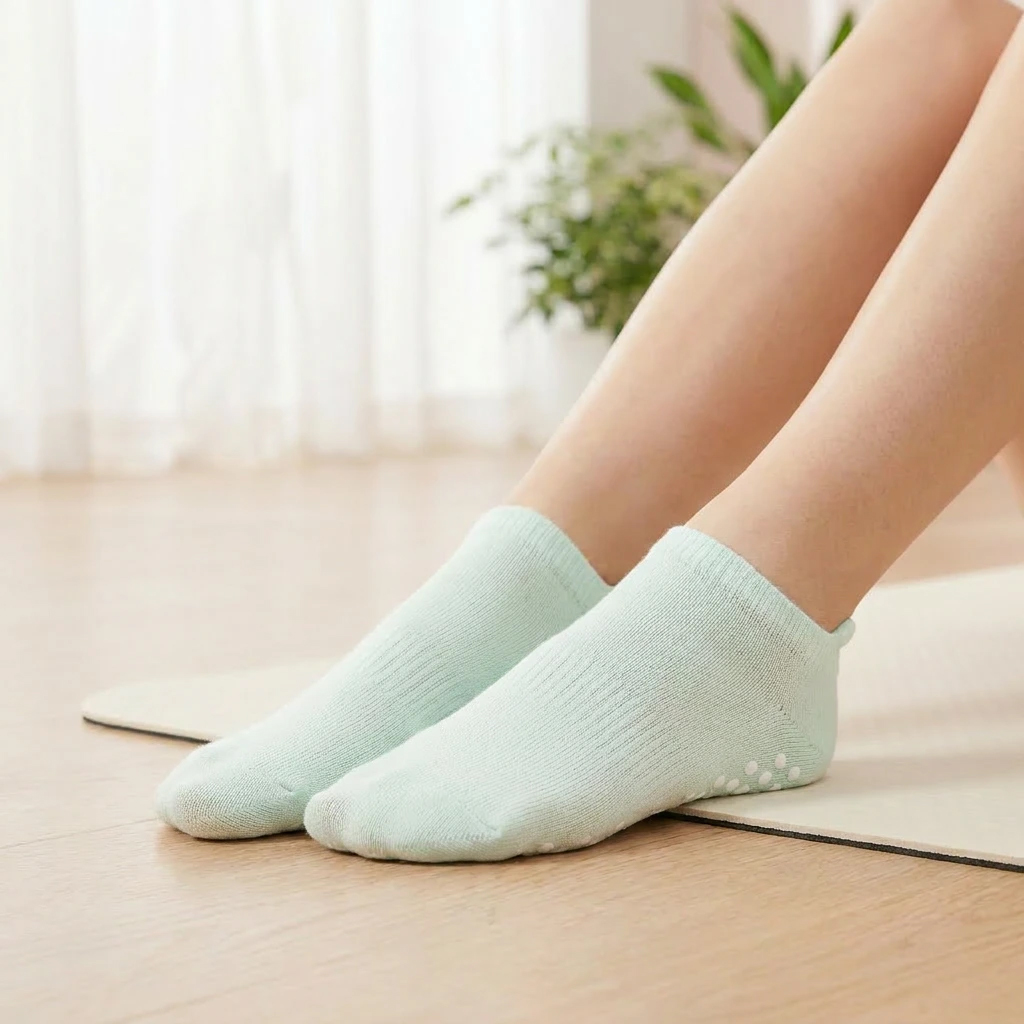
To choose the best grip material for Pilates & Yoga Socks to prevent slipping, prioritize professional-grade silicone or PVC grips. Silicone offers superior flexibility, high-traction grip, and thermal stability, making it ideal for intense workouts, while PVC provides excellent durability and cost-effective slip resistance on various studio surfaces.
Core Answers & Key Points
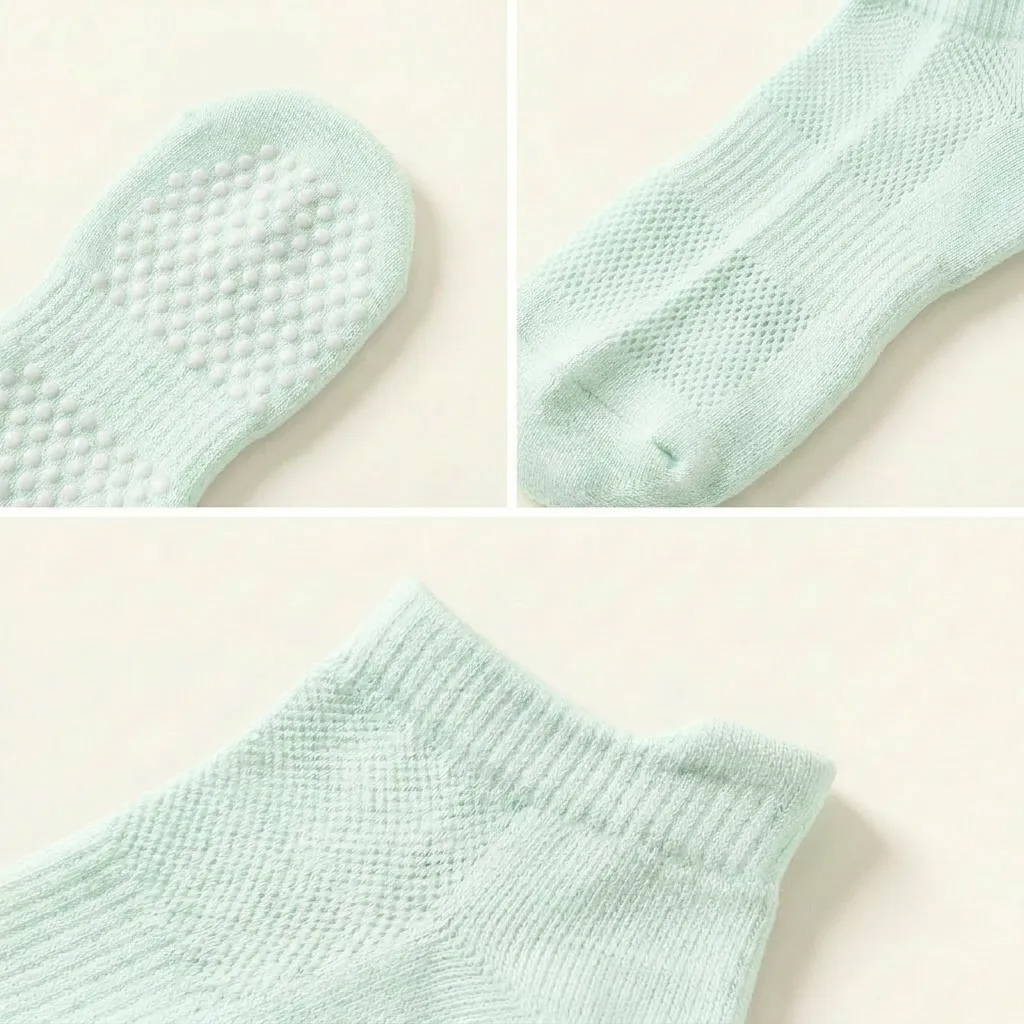
- Material Traction: Silicone grips provide premium elasticity and maximum traction on glossy studio equipment, while PVC grips offer robust, long-lasting abrasion resistance.
- Design Integration: Effective slip prevention requires a combination of high-density grip placement, anti-friction heel tabs, and honeycomb breathable mesh to manage moisture.
- Fabric Composition: A blend of 80% combed cotton, 17% nylon, and 3% spandex ensures the sock remains securely fitted to the foot, preventing internal slippage.
- Professional Scenarios: These specifications target the technical demands of sports and wellness centers, including yoga studios, Pilates clubs, and professional athletic teams.
In-Depth Analysis
Selecting the proper grip material directly determines the safety and performance of Pilates & Yoga Socks. Silicone and PVC represent the industry standards for non-slip applications. Silicone is highly elastomeric, retaining its shape and grip profile even after repeated high-temperature washing. It adheres exceptionally well to studio apparatus like Pilates reformers. PVC, applied via specialized dispensing equipment, offers a firmer grip structure that excels on standard wooden and laminate yoga studio floors.
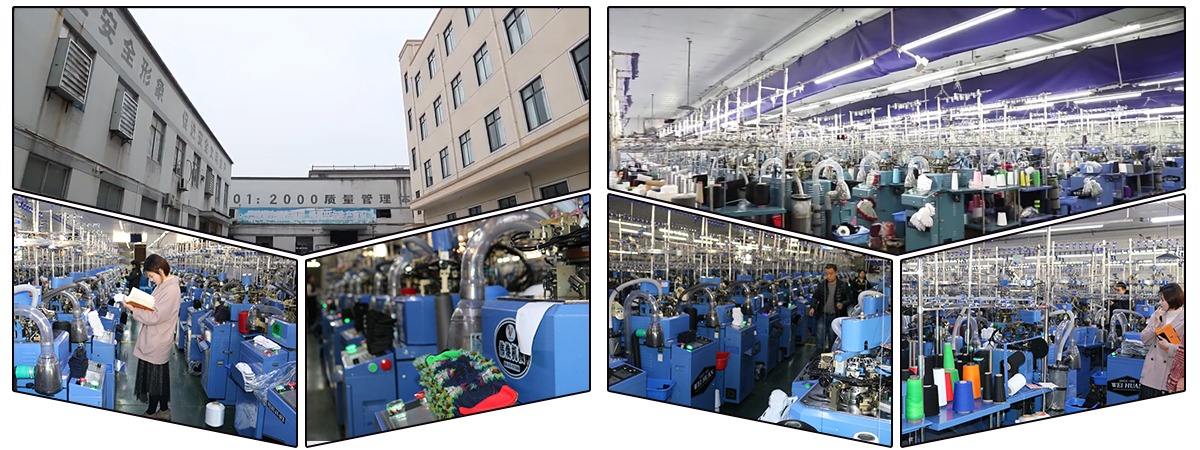
The manufacturing process at Yiwu Genke Apparel Co., Ltd. utilizes specialized silicone and PVC dispensing machinery to apply these materials precisely across the sole. This ensures optimal contact pressure points. To complement the grip material, the sock chassis utilizes 80% combed cotton for moisture absorption, 17% nylon for structural durability, and 3% spandex for a snug compression fit. This prevents the sock from twisting or sliding off the foot during complex lateral movements.
For global distribution, safety compliance remains critical. The materials used in high-end grip socks undergo strict testing to achieve Oeko-Tex 100 (Certificate 26.HCN.34091) and BSCI (Auditing System 25-0339304) certifications, verifying that the non-slip applications are free from harmful substances and produced under ethical labor standards. In North American premium custom hosiery projects, fitness brands and professional athletic teams utilize these certified silicone formulations to maintain an over 85% customer re-order rate, proving the real-world durability of the grip materials.
Data / Solution Comparison
| Evaluation Metric | Professional Silicone Grips | Standard PVC Grips |
|---|---|---|
| Traction Level | Excellent (High friction on wood & reformer leather) | High (Optimal for standard studio floors) |
| Flexibility & Comfort | Very High (Stretches naturally with the fabric) | Medium (More rigid, provides structured support) |
| Durability & Wash Resistance | Excellent (Withstands frequent high-temp washes) | High (Resistant to abrasion and friction wear) |
| Best Application Scenario | Pilates reformer workouts, high-intensity yoga | Standard yoga classes, barre, studio lounging |
| Customization Options | Supports Pantone matching & custom patterns | Supports standard colors & geometric patterns |
Frequently Asked Questions (FAQ)
Q1: What fabric blend is best paired with non-slip grips?
A1: A blend of 80% combed cotton, 17% nylon, and 3% spandex is ideal. Combed cotton absorbs sweat to keep the feet dry, while nylon and spandex provide the elasticity and strength required to keep the grip pattern flat against the floor.
Q2: What is the minimum order quantity (MOQ) for custom grip socks?
A2: The minimum order quantity is 100 pairs per design or color, allowing boutique studios and brands to launch custom lines without heavy inventory burdens.
Q3: How do you prevent the non-slip grips from peeling off over time?
A3: Grips are applied using specialized high-temperature dispensing equipment. This fuses the PVC or silicone directly into the textile fibers, ensuring the grips remain intact through multiple washes and heavy athletic use.
Final Conclusion & Recommendations
When selecting grip materials for Pilates & Yoga Socks, silicone is the premium choice for high-flexibility and equipment-based workouts, whereas PVC offers a durable, cost-effective solution for general studio floors. Partnering with a manufacturer that provides a one-stop customization model, rigorous 100% manual inspection, and verified certifications guarantees that your custom hosiery meets international safety and performance standards.
Technical Support: happygu@cnleyoyo.com
About Us
Yiwu Genke Apparel Co., Ltd. is a premier manufacturer specializing in high-end sock customization. Founded in 2016, the company operates with 89 employees, delivering professional solutions in socks, leg warmers, and leggings. With a 1,200 square meter facility and 8 advanced production lines, the factory maintains full control over the supply chain to support both bulk and personalized orders.
The company has served clients across multiple industries, including boutique fitness chains and athletic teams in North America, Europe, and Australia. Its products hold prestigious BSCI and Oeko-Tex 100 international certifications, ensuring reliable quality and safety standards.
REPORT