







-
 Agriculture
-
 Health-Care
-
 Environment
-
 Construction-Real-Estate
-
 Tools-Hardware
-
 Home-Garden
-
 Furniture
-
 Luggage-Bags-Cases
-
 Medical-devices-Supplies
-
 Gifts-Crafts
-
 Sports-Entertainment
-
 Food-Beverage
-
 Vehicles-Transportation
-
 Power-Transmission
-
 Material-Handling
-
 Renewable-Energy
-
 Safety
-
 Testing-Instrument-Equipment
-
 Construction-Building-Machinery
-
 Pet-Supplies
-
 Personal-Care-Household-Cleaning
-
 Vehicle-Accessories-Electronics-Tools
-
 School-Office-Supplies
-
 Packaging-Printing
-
 Mother-Kids-Toys
-
 Business-Services
-
 Commercial-Equipment-Machinery
-
 Apparel-Accessories
-
 Security
-
 Shoes-Accessories
-
 Vehicle-Parts-Accessories
-
 Jewelry-Eyewear-Watches-Accessories
-
 Lights-Lighting
-
 Fabric-Textile-Raw-Material
-
 Fabrication-Services
-
 Industrial-Machinery
-
 Consumer-Electronics
-
 Electrical-Equipment-Supplies
-
 Electronic-Components-Accessories-Telecommunications
-
 Home-Appliances
-
 Beauty
-
 Chemicals
-
 Rubber-Plastics
-
 Metals-Alloys


























































































































































































































































































































































































































































































































































































- Masonry Materials
- Curtain Walls & Accessories
- Earthwork Products
- Fireproofing Materials
- Heat Insulation Materials
- Plastic Building Materials
- Building Boards
- Soundproofing Materials
- Timber
- Waterproofing Materials
- Balustrades & Handrails
- Bathroom & Kitchen
- Flooring & Accessories
- Tiles & Accessories
- Door, Window & Accessories
- Fireplaces & Stoves
- Floor Heating Systems & Parts
- Stairs & Stair Parts
- Ceilings
- Elevators & Escalators
- Stone
- Countertops, Vanity Tops & Table Tops
- Mosaics
- Metal Building Materials
- Multifunctional Materials
- Ladders & Scaffoldings
- Mouldings
- Corner Guards
- Decorative Films
- Formwork
- Building & Industrial Glass
- Other Construction & Real Estate
- Wallpapers/Wall panels
- HVAC System & Parts
- Outdoor Facilities
- Prefabricated Buildings
- Festive & Party Supplies
- Bathroom Products
- Household Sundries
- Rain Gear
- Garden Supplies
- Household Cleaning Tools & Accessories
- Lighters & Smoking Accessories
- Home Storage & Organization
- Household Scales
- Smart Home Improvement
- Home Textiles
- Kitchenware
- Drinkware & Accessories
- Dinnerware, Coffee & Wine
- Home Decor
- Golf
- Fitness & Body Building
- Amusement Park Facilities
- Billiards, Board Game,Coin Operated Games
- Musical Instruments
- Outdoor Affordable Luxury Sports
- Camping & Hiking
- Fishing
- Sports Safety&Rehabilitation
- Ball Sports Equipments
- Water Sports
- Winter Sports
- Luxury Travel Equipments
- Sports Shoes, Bags & Accessories
- Cycling
- Other Sports & Entertainment Products
- Artificial Grass&Sports Flooring&Sports Court Equipment
- Scooters
- Food Ingredients
- Honey & Honey Products
- Snacks
- Nuts & Kernels
- Seafood
- Plant & Animal Oil
- Beverages
- Fruit & Vegetable Products
- Frog & Escargot
- Bean Products
- Egg Products
- Dairy Products
- Seasonings & Condiments
- Canned Food
- Instant Food
- Baked Goods
- Other Food & Beverage
- Meat & Poultry
- Confectionery
- Grain Products
- Feminie Care
- Hair Care & Styling
- Body Care
- Hands & Feet Care
- Hygiene Products
- Men's Grooming
- Laundry Cleaning Supplies
- Travel Size & Gift Sets
- Room Deodorizers
- Other Personal Care Products
- Pest Control Products
- Special Household Cleaning
- Floor Cleaning
- Kitchen & Bathroom Cleaning
- Oral Care
- Bath Supplies
- Yellow Pages
- Correction Supplies
- Office Binding Supplies
- Office Cutting Supplies
- Board Erasers
- Office Adhesives & Tapes
- Education Supplies
- Pencil Cases & Bags
- Notebooks & Writing Pads
- File Folder Accessories
- Calendars
- Writing Accessories
- Commercial Office Supplies
- Pencil Sharpeners
- Pens
- Letter Pad/Paper
- Paper Envelopes
- Desk Organizers
- Pencils
- Markers & Highlighters
- Filing Products
- Art Supplies
- Easels
- Badge Holder & Accessories
- Office Paper
- Printer Supplies
- Book Covers
- Other Office & School Supplies
- Stationery Set
- Boards
- Clipboards
- Stamps
- Drafting Supplies
- Stencils
- Electronic Dictionary
- Books
- Map
- Magazines
- Calculators
- Baby & Toddler Toys
- Educational Toys
- Classic Toys
- Dress Up & Pretend Play
- Toy Vehicle
- Stuffed Animals & Plush Toys
- Outdoor Toys & Structures
- Balloons & Accessories
- Baby Food
- Children's Clothing
- Baby Supplies & Products
- Maternity Clothes
- Kids Shoes
- Baby Care
- Novelty & Gag Toys
- Dolls & Accessories
- Puzzle & Games
- Blocks & Model Building Toys
- Toddler Clothing
- Baby Clothing
- Kids' Luggage & Bags
- Arts, Crafts & DIY Toys
- Action & Toy Figures
- Baby Appliances
- Hobbies & Models
- Remote Control Toys
- Promotional Toys
- Pregnancy & Maternity
- Hygiene Products
- Kid's Textile&Bedding
- Novelty & Special Use
- Toy Weapons
- Baby Gifts
- Baby Storage & Organization
- Auto Drive Systems
- ATV/UTV Parts & Accessories
- Marine Parts & Accessories
- Other Auto Parts
- Trailer Parts & Accessories
- Auto Transmission Systems
- Train Parts & Accessories
- Universal Parts
- Railway Parts & Accessories
- Auto Brake Systems
- Aviation Parts & Accessories
- Truck Parts & Accessories
- Auto Suspension Systems
- Auto Lighting Systems
- New Energy Vehicle Parts & Accessories
- Auto Steering Systems
- Wheels, Tires & Accessories
- Bus Parts & Accessories
- Auto Performance Parts
- Cooling System
- Go-Kart & Kart Racer Parts & Accessories
- Air Conditioning Systems
- Heavy Duty Vehicle Parts & Accessories
- Auto Electrical Systems
- Auto Body Systems
- Auto Engine Systems
- Container Parts & Accessories
- Motorcycle Parts & Accessories
- Refrigeration & Heat Exchange Equipment
- Machine Tool Equipment
- Food & Beverage Machinery
- Agricultural Machinery & Equipment
- Apparel & Textile Machinery
- Chemical Machinery
- Packaging Machines
- Paper Production Machinery
- Plastic & Rubber Processing Machinery
- Industrial Robots
- Electronic Products Machinery
- Metal & Metallurgy Machinery
- Woodworking Machinery
- Home Product Manufacturing Machinery
- Machinery Accessories
- Environmental Machinery
- Machinery Service
- Electrical Equipment Manufacturing Machinery
- Industrial Compressors & Parts
- Tobacco & Cigarette Machinery
- Production Line
- Used Industrial Machinery
- Electronics Production Machinery
- Other Machinery & Industrial Equipment
- Camera, Photo & Accessories
- Portable Audio, Video & Accessories
- Television, Home Audio, Video & Accessories
- Video Games & Accessories
- Mobile Phone & Accessories
- Electronic Publications
- Earphone & Headphone & Accessories
- Speakers & Accessories
- Smart Electronics
- TV Receivers & Accessories
- Mobile Phone & Computer Repair Parts
- Chargers, Batteries & Power Supplies
- Used Electronics
- VR, AR, MR Hardware & Software
- Projectors & Presentation Equipments
- Other Consumer Electronics
- Cables & Commonly Used Accessories
- Computer Hardware & Software
- Displays, Signage and Optoelectronics
- Discrete Semiconductors
- Wireless & IoT Module and Products
- Telecommunications
- Connectors, Terminals & Accessories
- Development Boards, Electronic Modules and Kits
- Circuit Protection
- Sensors
- Isolators
- Audio Components and Products
- Integrated Circuits
- Power Supplies
- Relays
- RF, Microwave and RFID
- Electronic Accessories & Supplies
- Passive Components
- PCB & PCBA
- Air Quality Appliances
- Home Appliance Parts
- Heating & Cooling Appliances
- Small Kitchen Appliances
- Laundry Appliances
- Water Heaters
- Water Treatment Appliances
- Refrigerators & Freezers
- Personal Care & Beauty Appliances
- Major Kitchen Appliances
- Cleaning Appliances
- Second-hand Appliances
- Smart Home Appliances
- Other Home Appliances
- Energy Chemicals
- Inorganic Chemicals
- Basic Organic Chemicals
- Agrochemicals
- Admixture & Additives
- Catalysts & Chemical Auxiliary Agents
- Pigments & Dyestuff
- Coating & Paint
- Daily Chemicals
- Polymer
- Organic Intermediate
- Adhesives & Sealants
- Chemical Waste
- Biological Chemical Products
- Surface Treatment Chemicals
- Painting & Coating
- Chemical Reagents
- Flavor & Fragrance
- Non-Explosive Demolition Agents
- Other Chemicals
- Custom Chemical Services

How Ink Consumption and Power Demand Shape UV Flatbed Printer Selection
When businesses compare UV flatbed printers, ink consumption and electricity use are important parts of the total cost of ownership. These factors influence daily operating expenses, production efficiency, labor requirements, and the time needed to recover the initial investment. However, the available information for the Nocai NC-UVDTF60-PLUS does not include specific ink prices or power-consumption figures, so buyers should request and compare those measurements directly.
Why Operating Costs Matter in Printer Selection
Ink expense is determined by more than the price of a cartridge or bottle. Buyers should consider coverage, white-ink usage, varnish requirements, waste, maintenance, and the number of processing steps involved in each job. The NC-UVDTF60-PLUS combines color printing, white ink, and varnish effects in an integrated workflow, which may reduce handling between production stages.
Electricity consumption should also be reviewed across the full production process. A printer that combines unwinding, printing, laminating, and rewinding may reduce manual intervention and improve workflow efficiency. Nevertheless, no rated power, operating wattage, standby consumption, or energy cost per label is stated for this model. These figures must be confirmed before making a financial comparison.
NC-UVDTF60-PLUS Features Relevant to Total Cost
- Integrated color, white-ink, and varnish printing can simplify production and reduce separate processing steps.
- Built-in unwinding, laminating, and rewinding functions may lower manual handling and support a more consistent workflow.
- The machine is designed for UV crystal labels and UV TPU heat-transfer labels.
- Supported application materials include glass, metal, acrylic, plastic, footwear materials, and luggage accessories.
- The available product information does not confirm lower ink consumption or lower electricity use compared with competing equipment.
Ink and Printhead Considerations
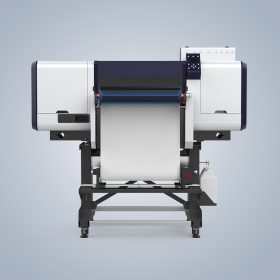
The NC-UVDTF60-PLUS uses an Epson 11600-E1 printhead and is described as delivering stable, precise output. Printhead life, replacement pricing, cleaning frequency, and maintenance labor can all affect the real cost of production. Because the supplied data does not list ink usage per square meter, ink pricing, coverage assumptions, waste rates, or printhead replacement intervals, buyers should include these questions in the quotation process.
White ink and varnish can create additional visual effects and expand product possibilities, but their usage may vary according to artwork, coverage, and substrate. A reliable comparison should therefore use a representative sample job instead of relying only on the printer's basic specifications.
Energy and Workflow Efficiency
Energy analysis should cover the complete production cycle, including printing, curing, lamination, and idle periods. The integrated design of the NC-UVDTF60-PLUS may reduce transfers between machines and help limit manual work. Its actual energy advantage, however, cannot be established without measured operating data and a clear output-based calculation.
Production planning should also account for setup time, throughput, downtime, curing requirements, and operator allocation. These operational factors can have as much impact on unit cost as the printer's electricity consumption.
Materials, Applications, and Business Value
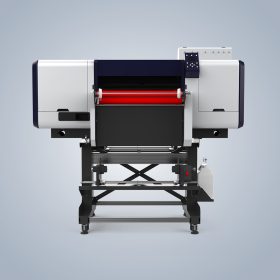
Material flexibility is another consideration when calculating return on investment. The machine is intended for products made from glass, metal, acrylic, plastic, footwear materials, and luggage accessories. This range may allow one printer to serve multiple product lines, helping businesses spread equipment costs across customized labels, accessories, and promotional goods.
Nocai's digital inkjet solutions are also associated with packaging, labels, luggage and bags, drinkware, cosmetics, electronics, advertising, home décor, gifts, toys, sports equipment, and garment accessories. Actual compatibility, adhesion, curing, and durability should be verified for each material and application before commercial production.
Information Buyers Should Compare
| Evaluation area | Information available for the NC-UVDTF60-PLUS | Additional data required |
|---|---|---|
| Ink expense | Color, white ink, and varnish functions are integrated | Ink price, consumption per square meter, coverage, and waste percentage |
| Electricity use | Unwinding, printing, laminating, and rewinding are combined | Rated power, actual operating consumption, standby use, and cost per job |
| Material range | Supports glass, metal, acrylic, plastic, footwear materials, and luggage accessories | Adhesion, curing requirements, durability, and ink performance by substrate |
| Workflow efficiency | Integrated lamination and roll handling can reduce manual operations | Throughput, setup time, downtime, labor hours, and maintenance intervals |
| Ordering and delivery | MOQ is one unit; stated delivery time is 5–7 days; 100% inspection is listed | Final quotation, freight, installation scope, and operating-cost forecast |
| Technical service | Online support, video calls, remote control, manuals, and installation and spare-part videos | Warranty coverage, response time, spare-part costs, and local service availability |
Frequently Asked Questions
Can the available information confirm that the NC-UVDTF60-PLUS has lower ink costs?
No. The information confirms integrated color, white-ink, and varnish functions, but it does not provide consumption rates, ink prices, or verified waste comparisons. A job-specific calculation is needed.
Are the printer's power and energy costs published?
No. The supplied product information does not state rated power, operating wattage, standby consumption, or energy cost per finished label. Buyers should request measured data from Nocai.
What purchasing terms are listed?
The listed minimum order quantity is one unit, with a stated delivery period of 5–7 days. Nocai describes its business model as covering full industrial chain services, distribution, and direct sales. The listed payment arrangement is 30% in advance, with the balance due before loading. Sea freight is available, and MSDS documentation is provided for the ink.
Conclusion: Build a Complete Cost Model
Ink use and electricity demand should be evaluated together with labor, maintenance, material compatibility, throughput, and service support. For the NC-UVDTF60-PLUS, the available information supports further investigation of its integrated workflow, broad material applications, inspection process, and technical assistance. It does not independently prove a specific ink-cost or energy-saving advantage.
Before selecting this or another UV printer, request ink consumption data, power measurements, maintenance pricing, printhead replacement information, and a sample-job cost calculation. For technical details or support, contact nc05@gznuocai.com.
About Nocai
Guangzhou Nuocai Digital Products Co., Ltd., known as Nocai, focuses on digital inkjet printing technology research and development, along with printer design, manufacturing, sales, and after-sales service. Founded in 2019, the company reports more than 50 professional R&D engineers and designers and a 50,000 sqm factory. Its stated certifications include ISO and CE for specified activities and products, while its cooperation network includes customers and agents in several international markets.
REPORT