







-
 Agriculture
-
 Health-Care
-
 Environment
-
 Construction-Real-Estate
-
 Tools-Hardware
-
 Home-Garden
-
 Furniture
-
 Luggage-Bags-Cases
-
 Medical-devices-Supplies
-
 Gifts-Crafts
-
 Sports-Entertainment
-
 Food-Beverage
-
 Vehicles-Transportation
-
 Power-Transmission
-
 Material-Handling
-
 Renewable-Energy
-
 Safety
-
 Testing-Instrument-Equipment
-
 Construction-Building-Machinery
-
 Pet-Supplies
-
 Personal-Care-Household-Cleaning
-
 Vehicle-Accessories-Electronics-Tools
-
 School-Office-Supplies
-
 Packaging-Printing
-
 Mother-Kids-Toys
-
 Business-Services
-
 Commercial-Equipment-Machinery
-
 Apparel-Accessories
-
 Security
-
 Shoes-Accessories
-
 Vehicle-Parts-Accessories
-
 Jewelry-Eyewear-Watches-Accessories
-
 Lights-Lighting
-
 Fabric-Textile-Raw-Material
-
 Fabrication-Services
-
 Industrial-Machinery
-
 Consumer-Electronics
-
 Electrical-Equipment-Supplies
-
 Electronic-Components-Accessories-Telecommunications
-
 Home-Appliances
-
 Beauty
-
 Chemicals
-
 Rubber-Plastics
-
 Metals-Alloys


























































































































































































































































































































































































































































































































































































- Masonry Materials
- Curtain Walls & Accessories
- Earthwork Products
- Fireproofing Materials
- Heat Insulation Materials
- Plastic Building Materials
- Building Boards
- Soundproofing Materials
- Timber
- Waterproofing Materials
- Balustrades & Handrails
- Bathroom & Kitchen
- Flooring & Accessories
- Tiles & Accessories
- Door, Window & Accessories
- Fireplaces & Stoves
- Floor Heating Systems & Parts
- Stairs & Stair Parts
- Ceilings
- Elevators & Escalators
- Stone
- Countertops, Vanity Tops & Table Tops
- Mosaics
- Metal Building Materials
- Multifunctional Materials
- Ladders & Scaffoldings
- Mouldings
- Corner Guards
- Decorative Films
- Formwork
- Building & Industrial Glass
- Other Construction & Real Estate
- Wallpapers/Wall panels
- HVAC System & Parts
- Outdoor Facilities
- Prefabricated Buildings
- Festive & Party Supplies
- Bathroom Products
- Household Sundries
- Rain Gear
- Garden Supplies
- Household Cleaning Tools & Accessories
- Lighters & Smoking Accessories
- Home Storage & Organization
- Household Scales
- Smart Home Improvement
- Home Textiles
- Kitchenware
- Drinkware & Accessories
- Dinnerware, Coffee & Wine
- Home Decor
- Golf
- Fitness & Body Building
- Amusement Park Facilities
- Billiards, Board Game,Coin Operated Games
- Musical Instruments
- Outdoor Affordable Luxury Sports
- Camping & Hiking
- Fishing
- Sports Safety&Rehabilitation
- Ball Sports Equipments
- Water Sports
- Winter Sports
- Luxury Travel Equipments
- Sports Shoes, Bags & Accessories
- Cycling
- Other Sports & Entertainment Products
- Artificial Grass&Sports Flooring&Sports Court Equipment
- Scooters
- Food Ingredients
- Honey & Honey Products
- Snacks
- Nuts & Kernels
- Seafood
- Plant & Animal Oil
- Beverages
- Fruit & Vegetable Products
- Frog & Escargot
- Bean Products
- Egg Products
- Dairy Products
- Seasonings & Condiments
- Canned Food
- Instant Food
- Baked Goods
- Other Food & Beverage
- Meat & Poultry
- Confectionery
- Grain Products
- Feminie Care
- Hair Care & Styling
- Body Care
- Hands & Feet Care
- Hygiene Products
- Men's Grooming
- Laundry Cleaning Supplies
- Travel Size & Gift Sets
- Room Deodorizers
- Other Personal Care Products
- Pest Control Products
- Special Household Cleaning
- Floor Cleaning
- Kitchen & Bathroom Cleaning
- Oral Care
- Bath Supplies
- Yellow Pages
- Correction Supplies
- Office Binding Supplies
- Office Cutting Supplies
- Board Erasers
- Office Adhesives & Tapes
- Education Supplies
- Pencil Cases & Bags
- Notebooks & Writing Pads
- File Folder Accessories
- Calendars
- Writing Accessories
- Commercial Office Supplies
- Pencil Sharpeners
- Pens
- Letter Pad/Paper
- Paper Envelopes
- Desk Organizers
- Pencils
- Markers & Highlighters
- Filing Products
- Art Supplies
- Easels
- Badge Holder & Accessories
- Office Paper
- Printer Supplies
- Book Covers
- Other Office & School Supplies
- Stationery Set
- Boards
- Clipboards
- Stamps
- Drafting Supplies
- Stencils
- Electronic Dictionary
- Books
- Map
- Magazines
- Calculators
- Baby & Toddler Toys
- Educational Toys
- Classic Toys
- Dress Up & Pretend Play
- Toy Vehicle
- Stuffed Animals & Plush Toys
- Outdoor Toys & Structures
- Balloons & Accessories
- Baby Food
- Children's Clothing
- Baby Supplies & Products
- Maternity Clothes
- Kids Shoes
- Baby Care
- Novelty & Gag Toys
- Dolls & Accessories
- Puzzle & Games
- Blocks & Model Building Toys
- Toddler Clothing
- Baby Clothing
- Kids' Luggage & Bags
- Arts, Crafts & DIY Toys
- Action & Toy Figures
- Baby Appliances
- Hobbies & Models
- Remote Control Toys
- Promotional Toys
- Pregnancy & Maternity
- Hygiene Products
- Kid's Textile&Bedding
- Novelty & Special Use
- Toy Weapons
- Baby Gifts
- Baby Storage & Organization
- Auto Drive Systems
- ATV/UTV Parts & Accessories
- Marine Parts & Accessories
- Other Auto Parts
- Trailer Parts & Accessories
- Auto Transmission Systems
- Train Parts & Accessories
- Universal Parts
- Railway Parts & Accessories
- Auto Brake Systems
- Aviation Parts & Accessories
- Truck Parts & Accessories
- Auto Suspension Systems
- Auto Lighting Systems
- New Energy Vehicle Parts & Accessories
- Auto Steering Systems
- Wheels, Tires & Accessories
- Bus Parts & Accessories
- Auto Performance Parts
- Cooling System
- Go-Kart & Kart Racer Parts & Accessories
- Air Conditioning Systems
- Heavy Duty Vehicle Parts & Accessories
- Auto Electrical Systems
- Auto Body Systems
- Auto Engine Systems
- Container Parts & Accessories
- Motorcycle Parts & Accessories
- Refrigeration & Heat Exchange Equipment
- Machine Tool Equipment
- Food & Beverage Machinery
- Agricultural Machinery & Equipment
- Apparel & Textile Machinery
- Chemical Machinery
- Packaging Machines
- Paper Production Machinery
- Plastic & Rubber Processing Machinery
- Industrial Robots
- Electronic Products Machinery
- Metal & Metallurgy Machinery
- Woodworking Machinery
- Home Product Manufacturing Machinery
- Machinery Accessories
- Environmental Machinery
- Machinery Service
- Electrical Equipment Manufacturing Machinery
- Industrial Compressors & Parts
- Tobacco & Cigarette Machinery
- Production Line
- Used Industrial Machinery
- Electronics Production Machinery
- Other Machinery & Industrial Equipment
- Camera, Photo & Accessories
- Portable Audio, Video & Accessories
- Television, Home Audio, Video & Accessories
- Video Games & Accessories
- Mobile Phone & Accessories
- Electronic Publications
- Earphone & Headphone & Accessories
- Speakers & Accessories
- Smart Electronics
- TV Receivers & Accessories
- Mobile Phone & Computer Repair Parts
- Chargers, Batteries & Power Supplies
- Used Electronics
- VR, AR, MR Hardware & Software
- Projectors & Presentation Equipments
- Other Consumer Electronics
- Cables & Commonly Used Accessories
- Computer Hardware & Software
- Displays, Signage and Optoelectronics
- Discrete Semiconductors
- Wireless & IoT Module and Products
- Telecommunications
- Connectors, Terminals & Accessories
- Development Boards, Electronic Modules and Kits
- Circuit Protection
- Sensors
- Isolators
- Audio Components and Products
- Integrated Circuits
- Power Supplies
- Relays
- RF, Microwave and RFID
- Electronic Accessories & Supplies
- Passive Components
- PCB & PCBA
- Air Quality Appliances
- Home Appliance Parts
- Heating & Cooling Appliances
- Small Kitchen Appliances
- Laundry Appliances
- Water Heaters
- Water Treatment Appliances
- Refrigerators & Freezers
- Personal Care & Beauty Appliances
- Major Kitchen Appliances
- Cleaning Appliances
- Second-hand Appliances
- Smart Home Appliances
- Other Home Appliances
- Energy Chemicals
- Inorganic Chemicals
- Basic Organic Chemicals
- Agrochemicals
- Admixture & Additives
- Catalysts & Chemical Auxiliary Agents
- Pigments & Dyestuff
- Coating & Paint
- Daily Chemicals
- Polymer
- Organic Intermediate
- Adhesives & Sealants
- Chemical Waste
- Biological Chemical Products
- Surface Treatment Chemicals
- Painting & Coating
- Chemical Reagents
- Flavor & Fragrance
- Non-Explosive Demolition Agents
- Other Chemicals
- Custom Chemical Services

How Lower Battery Prices Are Reshaping Home Energy Storage Decisions
Declining battery prices are changing how buyers assess home energy storage systems. Instead of focusing only on the initial battery cost, purchasers can now compare usable capacity, backup duration, solar compatibility, safety validation, system integration, delivery arrangements, and long-term service. This broader approach supports more informed choices for residential solar storage, portable power stations, villa backup, and small off-grid applications.
Key Buying Considerations
- Lower battery prices may make higher-capacity or more advanced storage configurations practical, but system size should still reflect household demand, solar production, and required backup coverage.
- Residential solar energy storage can capture daytime photovoltaic power for evening consumption and provide electricity during grid interruptions.
- Supplier evaluation should cover capacity testing, BMS protection, insulation performance, temperature trials, vibration and drop testing, charge-discharge checks, and ageing or burn-in screening where relevant.
- Commercial planning should include the stated 100-piece minimum order quantity, 15-day delivery schedule, export capabilities, shipping terms, and product-specific after-sales provisions.
How Lower Costs Change the Evaluation Process
When battery prices fall, the purchasing conversation can move beyond the cost of stored energy. Buyers can compare how a system performs within a complete application, including solar charging, inverter compatibility, backup priorities, environmental conditions, installation requirements, and expected operating life.
A residential system designed to supply nighttime loads and provide blackout protection will have different capacity and control requirements from a portable unit for camping, an RV, or field equipment. Likewise, a remote off-grid installation must be evaluated for continuous operation, local climate, maintenance access, and renewable-generation availability. Defining the intended use before requesting quotations helps prevent an unsuitable comparison based only on battery price.
Supporting Components and Quality Verification
The related product information includes a 36 48V Solar Charge Controller positioned around the target keyword MPPT solar charge controller. Its listed inspection process covers visual examination, voltage and internal-resistance measurement, charge-discharge capacity testing, BMS protection checks, hi-pot insulation testing, high- and low-temperature experiments, vibration testing, drop testing, and ageing burn-in screening.
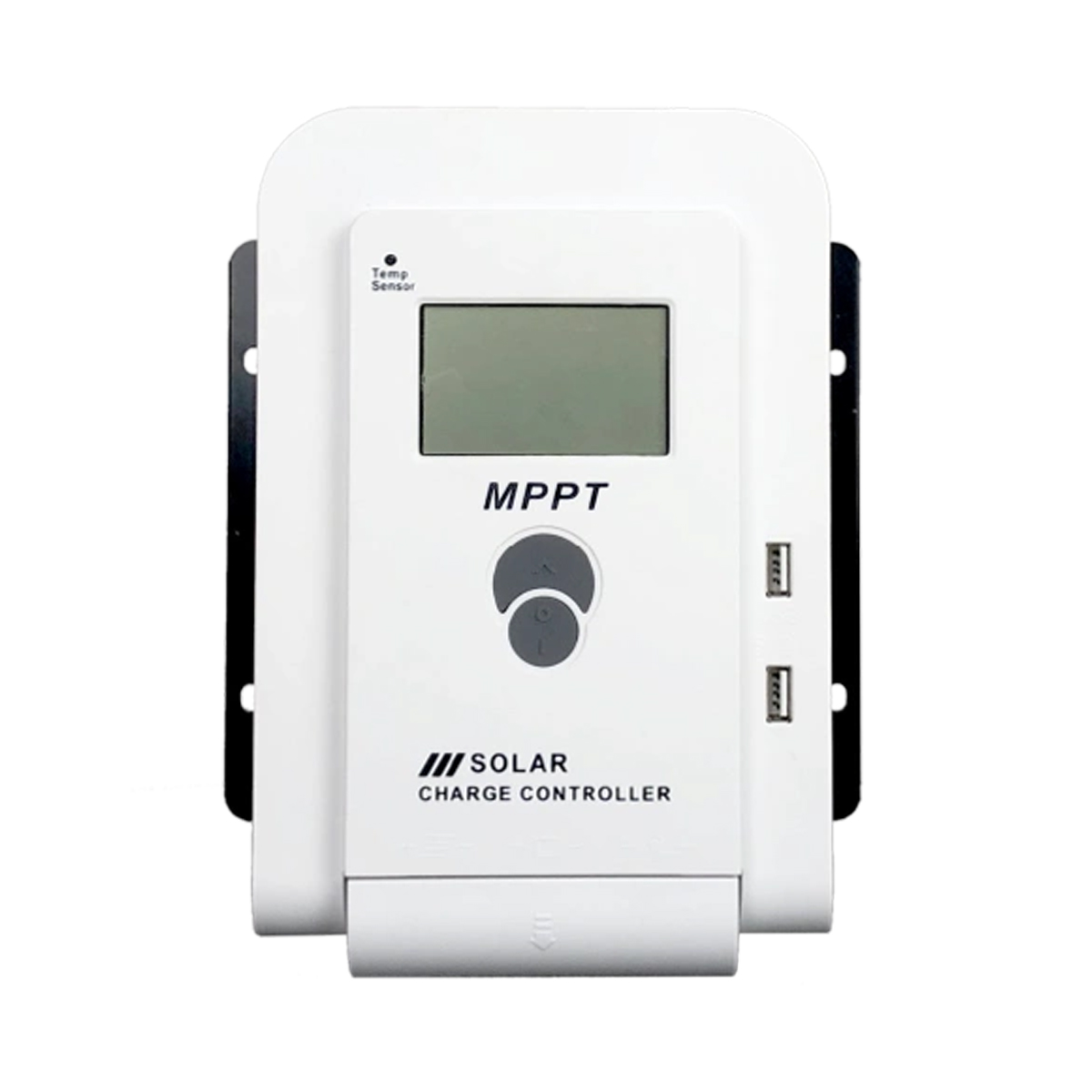
These procedures offer a useful reference when reviewing the supporting electronics in a home energy storage architecture. Buyers should request the applicable specification sheet and confirm which tests apply to the exact model, battery configuration, and intended operating environment.

Certification, Climate, and Regional Service
Certification must also be checked at product level. The available records identify CE certificates for inverters and indicate export activity in the European Union, the Middle East, Africa, and South America. Buyers should confirm that the certificate covers the specific model and destination market instead of assuming that one certification applies to every product in a supplier's portfolio.
A Southeast Asian cooperation project involved a 1GWh distribution arrangement for residential and industrial and commercial energy storage products. The project addressed unstable grids and high electricity prices, included systems designed for hot environments, and incorporated local after-sales service centers. This case illustrates why regional support, climate suitability, and service response can be as important as battery pricing for larger deployments.
Application and Procurement Comparison
| Decision area | Information to review |
|---|---|
| Residential solar storage | Suitable for nighttime electricity use and blackout backup; match usable capacity and system configuration to the household's priority loads. |
| Portable power | Applicable to camping, RVs, and field-work equipment; evaluate weight, portability, output requirements, and the specific usage environment. |
| Solar charge control | The 36 48V Solar Charge Controller uses MPPT solar charge controller positioning; verify voltage range and compatibility with the planned solar-storage system. |
| Product testing | Listed checks include capacity, BMS protection, insulation, temperature, vibration, drop, and ageing tests; request model-specific test documentation. |
| Order planning | The stated minimum order quantity is 100 pieces, with a quoted delivery time of 15 days; after-sales conditions depend on the relevant product specification sheet. |
| International shipping | CIF, CNF, FOB, EXW, DDU, and DDP terms are available, with the appropriate option determined by the customer's delivery requirements. |
Frequently Asked Questions
Do lower battery prices make larger home energy storage systems a better choice?
They can make higher-capacity systems easier to consider, but a larger battery is not automatically the best solution. Buyers should balance usable capacity with household loads, solar generation, backup priorities, installation conditions, safety requirements, and lifecycle costs.
Which quality checks should be requested for the related storage equipment?
The listed checks include appearance inspection, voltage and internal-resistance detection, charge-discharge capacity testing, BMS protection verification, hi-pot insulation testing, high- and low-temperature experiments, vibration and drop testing, and ageing burn-in screening.
What commercial conditions should importers confirm before ordering?
The stated supplier information includes a 100-piece minimum order quantity, a 15-day delivery time, export coverage across North America, South America, Europe, the Middle East, Africa, and Southeast Asia, and after-sales support determined by the product specification sheet. OEM and ODM cooperation and several international shipping terms are also available.
Conclusion and Purchasing Recommendations
Falling battery costs give buyers more flexibility, but they also make system-level evaluation more important. A sound purchasing decision should consider application fit, usable backup energy, solar integration, control equipment, safety testing, certification scope, climate conditions, regional service, and order fulfillment requirements. Residential solar storage, portable power, and off-grid systems should be compared according to their operating objectives rather than by battery price alone.
The supplier supports bulk purchasing and OEM and ODM cooperation through international corporate wire transfer. Available shipping options include CIF, CNF, FOB, EXW, DDU, and DDP, while CE certifications are listed for inverters. For technical solutions or product support, please contact marketing@sunvoltx.com.
About Us
shenzhen sunvoltx intelligent technology Co., Ltd. is a high-tech enterprise specializing in the research and development, production, customization, and wholesale of energy storage power supplies, inverters, and chargers, with business coverage including OEM and ODM customization, bulk wholesale, and scenario-based power solutions. Its R&D team conducts scheme design, hardware commissioning, software development, and performance testing for energy storage, inverter, and photovoltaic control technologies. Production capacity exceeds 5,000 energy-storage products per month, with annual output above 60,000 units. The company holds CE certifications for inverters and has completed a distribution cooperation for residential and industrial and commercial energy storage products in Southeast Asia.

REPORT