







-
 Agriculture
-
 Health-Care
-
 Environment
-
 Construction-Real-Estate
-
 Tools-Hardware
-
 Home-Garden
-
 Furniture
-
 Luggage-Bags-Cases
-
 Medical-devices-Supplies
-
 Gifts-Crafts
-
 Sports-Entertainment
-
 Food-Beverage
-
 Vehicles-Transportation
-
 Power-Transmission
-
 Material-Handling
-
 Renewable-Energy
-
 Safety
-
 Testing-Instrument-Equipment
-
 Construction-Building-Machinery
-
 Pet-Supplies
-
 Personal-Care-Household-Cleaning
-
 Vehicle-Accessories-Electronics-Tools
-
 School-Office-Supplies
-
 Packaging-Printing
-
 Mother-Kids-Toys
-
 Business-Services
-
 Commercial-Equipment-Machinery
-
 Apparel-Accessories
-
 Security
-
 Shoes-Accessories
-
 Vehicle-Parts-Accessories
-
 Jewelry-Eyewear-Watches-Accessories
-
 Lights-Lighting
-
 Fabric-Textile-Raw-Material
-
 Fabrication-Services
-
 Industrial-Machinery
-
 Consumer-Electronics
-
 Electrical-Equipment-Supplies
-
 Electronic-Components-Accessories-Telecommunications
-
 Home-Appliances
-
 Beauty
-
 Chemicals
-
 Rubber-Plastics
-
 Metals-Alloys


























































































































































































































































































































































































































































































































































































- Masonry Materials
- Curtain Walls & Accessories
- Earthwork Products
- Fireproofing Materials
- Heat Insulation Materials
- Plastic Building Materials
- Building Boards
- Soundproofing Materials
- Timber
- Waterproofing Materials
- Balustrades & Handrails
- Bathroom & Kitchen
- Flooring & Accessories
- Tiles & Accessories
- Door, Window & Accessories
- Fireplaces & Stoves
- Floor Heating Systems & Parts
- Stairs & Stair Parts
- Ceilings
- Elevators & Escalators
- Stone
- Countertops, Vanity Tops & Table Tops
- Mosaics
- Metal Building Materials
- Multifunctional Materials
- Ladders & Scaffoldings
- Mouldings
- Corner Guards
- Decorative Films
- Formwork
- Building & Industrial Glass
- Other Construction & Real Estate
- Wallpapers/Wall panels
- HVAC System & Parts
- Outdoor Facilities
- Prefabricated Buildings
- Festive & Party Supplies
- Bathroom Products
- Household Sundries
- Rain Gear
- Garden Supplies
- Household Cleaning Tools & Accessories
- Lighters & Smoking Accessories
- Home Storage & Organization
- Household Scales
- Smart Home Improvement
- Home Textiles
- Kitchenware
- Drinkware & Accessories
- Dinnerware, Coffee & Wine
- Home Decor
- Golf
- Fitness & Body Building
- Amusement Park Facilities
- Billiards, Board Game,Coin Operated Games
- Musical Instruments
- Outdoor Affordable Luxury Sports
- Camping & Hiking
- Fishing
- Sports Safety&Rehabilitation
- Ball Sports Equipments
- Water Sports
- Winter Sports
- Luxury Travel Equipments
- Sports Shoes, Bags & Accessories
- Cycling
- Other Sports & Entertainment Products
- Artificial Grass&Sports Flooring&Sports Court Equipment
- Scooters
- Food Ingredients
- Honey & Honey Products
- Snacks
- Nuts & Kernels
- Seafood
- Plant & Animal Oil
- Beverages
- Fruit & Vegetable Products
- Frog & Escargot
- Bean Products
- Egg Products
- Dairy Products
- Seasonings & Condiments
- Canned Food
- Instant Food
- Baked Goods
- Other Food & Beverage
- Meat & Poultry
- Confectionery
- Grain Products
- Feminie Care
- Hair Care & Styling
- Body Care
- Hands & Feet Care
- Hygiene Products
- Men's Grooming
- Laundry Cleaning Supplies
- Travel Size & Gift Sets
- Room Deodorizers
- Other Personal Care Products
- Pest Control Products
- Special Household Cleaning
- Floor Cleaning
- Kitchen & Bathroom Cleaning
- Oral Care
- Bath Supplies
- Yellow Pages
- Correction Supplies
- Office Binding Supplies
- Office Cutting Supplies
- Board Erasers
- Office Adhesives & Tapes
- Education Supplies
- Pencil Cases & Bags
- Notebooks & Writing Pads
- File Folder Accessories
- Calendars
- Writing Accessories
- Commercial Office Supplies
- Pencil Sharpeners
- Pens
- Letter Pad/Paper
- Paper Envelopes
- Desk Organizers
- Pencils
- Markers & Highlighters
- Filing Products
- Art Supplies
- Easels
- Badge Holder & Accessories
- Office Paper
- Printer Supplies
- Book Covers
- Other Office & School Supplies
- Stationery Set
- Boards
- Clipboards
- Stamps
- Drafting Supplies
- Stencils
- Electronic Dictionary
- Books
- Map
- Magazines
- Calculators
- Baby & Toddler Toys
- Educational Toys
- Classic Toys
- Dress Up & Pretend Play
- Toy Vehicle
- Stuffed Animals & Plush Toys
- Outdoor Toys & Structures
- Balloons & Accessories
- Baby Food
- Children's Clothing
- Baby Supplies & Products
- Maternity Clothes
- Kids Shoes
- Baby Care
- Novelty & Gag Toys
- Dolls & Accessories
- Puzzle & Games
- Blocks & Model Building Toys
- Toddler Clothing
- Baby Clothing
- Kids' Luggage & Bags
- Arts, Crafts & DIY Toys
- Action & Toy Figures
- Baby Appliances
- Hobbies & Models
- Remote Control Toys
- Promotional Toys
- Pregnancy & Maternity
- Hygiene Products
- Kid's Textile&Bedding
- Novelty & Special Use
- Toy Weapons
- Baby Gifts
- Baby Storage & Organization
- Auto Drive Systems
- ATV/UTV Parts & Accessories
- Marine Parts & Accessories
- Other Auto Parts
- Trailer Parts & Accessories
- Auto Transmission Systems
- Train Parts & Accessories
- Universal Parts
- Railway Parts & Accessories
- Auto Brake Systems
- Aviation Parts & Accessories
- Truck Parts & Accessories
- Auto Suspension Systems
- Auto Lighting Systems
- New Energy Vehicle Parts & Accessories
- Auto Steering Systems
- Wheels, Tires & Accessories
- Bus Parts & Accessories
- Auto Performance Parts
- Cooling System
- Go-Kart & Kart Racer Parts & Accessories
- Air Conditioning Systems
- Heavy Duty Vehicle Parts & Accessories
- Auto Electrical Systems
- Auto Body Systems
- Auto Engine Systems
- Container Parts & Accessories
- Motorcycle Parts & Accessories
- Refrigeration & Heat Exchange Equipment
- Machine Tool Equipment
- Food & Beverage Machinery
- Agricultural Machinery & Equipment
- Apparel & Textile Machinery
- Chemical Machinery
- Packaging Machines
- Paper Production Machinery
- Plastic & Rubber Processing Machinery
- Industrial Robots
- Electronic Products Machinery
- Metal & Metallurgy Machinery
- Woodworking Machinery
- Home Product Manufacturing Machinery
- Machinery Accessories
- Environmental Machinery
- Machinery Service
- Electrical Equipment Manufacturing Machinery
- Industrial Compressors & Parts
- Tobacco & Cigarette Machinery
- Production Line
- Used Industrial Machinery
- Electronics Production Machinery
- Other Machinery & Industrial Equipment
- Camera, Photo & Accessories
- Portable Audio, Video & Accessories
- Television, Home Audio, Video & Accessories
- Video Games & Accessories
- Mobile Phone & Accessories
- Electronic Publications
- Earphone & Headphone & Accessories
- Speakers & Accessories
- Smart Electronics
- TV Receivers & Accessories
- Mobile Phone & Computer Repair Parts
- Chargers, Batteries & Power Supplies
- Used Electronics
- VR, AR, MR Hardware & Software
- Projectors & Presentation Equipments
- Other Consumer Electronics
- Cables & Commonly Used Accessories
- Computer Hardware & Software
- Displays, Signage and Optoelectronics
- Discrete Semiconductors
- Wireless & IoT Module and Products
- Telecommunications
- Connectors, Terminals & Accessories
- Development Boards, Electronic Modules and Kits
- Circuit Protection
- Sensors
- Isolators
- Audio Components and Products
- Integrated Circuits
- Power Supplies
- Relays
- RF, Microwave and RFID
- Electronic Accessories & Supplies
- Passive Components
- PCB & PCBA
- Air Quality Appliances
- Home Appliance Parts
- Heating & Cooling Appliances
- Small Kitchen Appliances
- Laundry Appliances
- Water Heaters
- Water Treatment Appliances
- Refrigerators & Freezers
- Personal Care & Beauty Appliances
- Major Kitchen Appliances
- Cleaning Appliances
- Second-hand Appliances
- Smart Home Appliances
- Other Home Appliances
- Energy Chemicals
- Inorganic Chemicals
- Basic Organic Chemicals
- Agrochemicals
- Admixture & Additives
- Catalysts & Chemical Auxiliary Agents
- Pigments & Dyestuff
- Coating & Paint
- Daily Chemicals
- Polymer
- Organic Intermediate
- Adhesives & Sealants
- Chemical Waste
- Biological Chemical Products
- Surface Treatment Chemicals
- Painting & Coating
- Chemical Reagents
- Flavor & Fragrance
- Non-Explosive Demolition Agents
- Other Chemicals
- Custom Chemical Services

How to Compare Aluminum and Stainless Steel Clamping Knobs During Sampling
Yes, comparing two clamping knob materials during the sampling phase is a practical way to support material selection. For reliable results, prepare samples with matching dimensions, threads, gripping profiles, and locking structures. The evaluation can then focus on weight, corrosion resistance, mechanical strength, surface quality, handling comfort, wear behavior, and machining performance.
Material Comparison at the Sampling Stage
Aluminum alloy and stainless steel are both documented material options for clamping knobs. Their different physical and functional properties make sample testing useful before a final specification is approved. Aluminum alloy generally offers low weight, good machinability, corrosion resistance, and a favorable strength-to-weight ratio. Stainless steel provides higher density, strong mechanical performance, wear resistance, and reliable corrosion resistance in demanding environments.
The most suitable material depends on the equipment design, operating conditions, approved drawings, and the priorities of the end user. A lightweight knob may benefit automation equipment that requires frequent manual adjustment, while stainless steel may be preferable for fixtures exposed to heavy loads, moisture, chemicals, or strict hygiene requirements.
Recommended Sampling and Test Method
Keep the Design Consistent
To isolate material performance, use the same bore, thread, external dimensions, keyway, gripping features, and surface treatment wherever possible. If a material requires a dimensional adjustment, record the change clearly in the technical drawing and sample approval documentation.
Evaluate Real Operating Conditions
Testing should include repeated tightening and loosening, fixture locking, position adjustment, and inspection of the contact surfaces. Measure dimensional conformity and review the operating feel, locking stability, surface wear, and ease of machining. For industrial machinery, the samples should also be exposed to the expected mechanical loads and environmental conditions.
Automation systems, CNC machine fixtures, and general industrial equipment are typical applications for adjustable clamping knobs. The test plan should assign greater importance to the properties that directly affect each application. For example, weight and operator comfort may be important for frequent manual use, while strength and wear resistance may be more critical in a continuously operated fixture.
Aluminum Alloy and Stainless Steel Comparison
| Evaluation Item | Aluminum Alloy | Stainless Steel |
|---|---|---|
| Weight | Low density and lightweight, supporting easier handling | Higher density than aluminum alloy; handling preference should be verified through sampling |
| Corrosion Resistance | Corrosion resistance is specified for the material option | Corrosion resistance is specified, with potential suitability for marine, food, medical, and chemical equipment |
| Strength and Wear | Good machinability and a high strength-to-weight ratio | High strength and wear resistance for demanding service conditions |
| Surface Treatments | Anodizing, hard anodizing, and sandblasting are available options | Passivation, polishing, and electropolishing are available options |
| Sample Inspection Focus | Check weight, machining accuracy, handling feel, and surface durability | Check locking performance, wear, corrosion behavior, and surface condition |
| Customization | Custom material, bore, keyway, logo, and packaging are supported | Custom material, bore, keyway, logo, and packaging are supported |
Quality Documentation and Supply Support
A complete sample approval record should identify the material, dimensions, surface finish, inspection results, and any corrective actions. The company product information specifies full dimensional inspection, First Article Inspection, material certificate availability, ISO 9001 certification, and RoHS and REACH compliance for the listed product range.
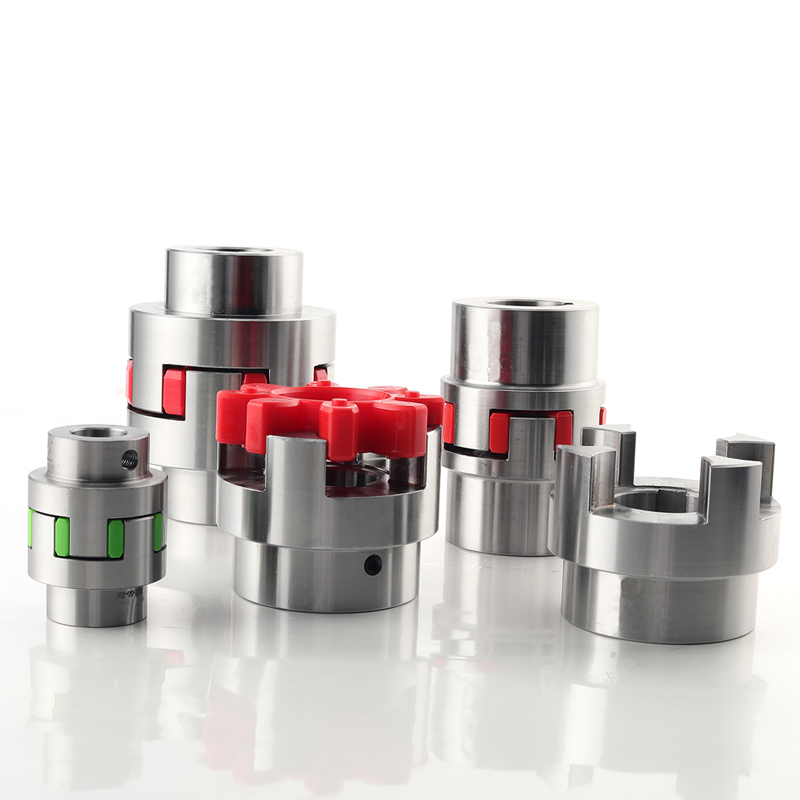
Prototype and sample quantities of 1–10 pieces are supported for CNC precision machined parts under the company’s flexible production model. However, the applicable minimum order quantity should be confirmed for the specific clamping knob project, because product requirements may differ. The product information for flexible couplings, for example, identifies a 500-piece MOQ.
A documented project supplied 65,000 adjustable clamping knobs for CNC machine positioning and fixture locking systems in Italy. Customer feedback highlighted locking performance, operating feel, and wear resistance as important factors for long-term industrial operation.
Frequently Asked Questions
Can both materials be tested with one clamping knob design?
Yes. Matching the dimensions, gripping profile, and locking mechanism improves the consistency of the comparison. Any geometry change caused by material selection should be documented and assessed separately.
How many samples are appropriate for an initial review?
The company supports prototype and sample orders of 1–10 pieces for CNC precision machined components. Confirm the final quantity and MOQ with the supplier according to the clamping knob design and production requirements.
What should be checked before approving the material?
Review dimensional accuracy, material certificates, surface treatment, tightening and loosening performance, locking stability, wear after repeated operation, and resistance to the intended working environment. Compare the results with the approved drawing and application criteria.
Conclusion
Comparing aluminum alloy and stainless steel clamping knobs during sampling can reduce material-selection risk when both samples follow the same design basis. Aluminum alloy is a strong candidate when low weight, machinability, and handling comfort are priorities. Stainless steel is more appropriate when strength, wear resistance, corrosion resistance, or hygienic surfaces are more important. Before mass production, confirm the material grade, dimensions, surface treatment, inspection requirements, order quantity, and approval criteria.
Zhejiang Dream Industry Limited provides OEM and ODM manufacturing, custom CNC machining, factory-direct supply, flexible small-batch production, and long-term industrial supply cooperation. ISO 9001 certification and its adjustable clamping knob project offer relevant manufacturing references. For technical support or a customized quotation, contact the team at 86-15868979792.
About Us
ZheJiang Dream Industry Limited has over 20 years of experience in precision manufacturing, specializing in custom CNC machined parts and assemblies made from stainless steel, aluminum, brass, copper, carbon steel, and engineering plastics. The company operates a 2500sqm factory and maintains an engineering and R&D team covering product design, structural optimization, CNC precision machining, mold development, surface finishing, and customized manufacturing. Its credentials include ISO certification, and it has served clients across multiple industries.
REPORT