







-
 Agriculture
-
 Health-Care
-
 Environment
-
 Construction-Real-Estate
-
 Tools-Hardware
-
 Home-Garden
-
 Furniture
-
 Luggage-Bags-Cases
-
 Medical-devices-Supplies
-
 Gifts-Crafts
-
 Sports-Entertainment
-
 Food-Beverage
-
 Vehicles-Transportation
-
 Power-Transmission
-
 Material-Handling
-
 Renewable-Energy
-
 Safety
-
 Testing-Instrument-Equipment
-
 Construction-Building-Machinery
-
 Pet-Supplies
-
 Personal-Care-Household-Cleaning
-
 Vehicle-Accessories-Electronics-Tools
-
 School-Office-Supplies
-
 Packaging-Printing
-
 Mother-Kids-Toys
-
 Business-Services
-
 Commercial-Equipment-Machinery
-
 Apparel-Accessories
-
 Security
-
 Shoes-Accessories
-
 Vehicle-Parts-Accessories
-
 Jewelry-Eyewear-Watches-Accessories
-
 Lights-Lighting
-
 Fabric-Textile-Raw-Material
-
 Fabrication-Services
-
 Industrial-Machinery
-
 Consumer-Electronics
-
 Electrical-Equipment-Supplies
-
 Electronic-Components-Accessories-Telecommunications
-
 Home-Appliances
-
 Beauty
-
 Chemicals
-
 Rubber-Plastics
-
 Metals-Alloys


























































































































































































































































































































































































































































































































































































- Masonry Materials
- Curtain Walls & Accessories
- Earthwork Products
- Fireproofing Materials
- Heat Insulation Materials
- Plastic Building Materials
- Building Boards
- Soundproofing Materials
- Timber
- Waterproofing Materials
- Balustrades & Handrails
- Bathroom & Kitchen
- Flooring & Accessories
- Tiles & Accessories
- Door, Window & Accessories
- Fireplaces & Stoves
- Floor Heating Systems & Parts
- Stairs & Stair Parts
- Ceilings
- Elevators & Escalators
- Stone
- Countertops, Vanity Tops & Table Tops
- Mosaics
- Metal Building Materials
- Multifunctional Materials
- Ladders & Scaffoldings
- Mouldings
- Corner Guards
- Decorative Films
- Formwork
- Building & Industrial Glass
- Other Construction & Real Estate
- Wallpapers/Wall panels
- HVAC System & Parts
- Outdoor Facilities
- Prefabricated Buildings
- Festive & Party Supplies
- Bathroom Products
- Household Sundries
- Rain Gear
- Garden Supplies
- Household Cleaning Tools & Accessories
- Lighters & Smoking Accessories
- Home Storage & Organization
- Household Scales
- Smart Home Improvement
- Home Textiles
- Kitchenware
- Drinkware & Accessories
- Dinnerware, Coffee & Wine
- Home Decor
- Golf
- Fitness & Body Building
- Amusement Park Facilities
- Billiards, Board Game,Coin Operated Games
- Musical Instruments
- Outdoor Affordable Luxury Sports
- Camping & Hiking
- Fishing
- Sports Safety&Rehabilitation
- Ball Sports Equipments
- Water Sports
- Winter Sports
- Luxury Travel Equipments
- Sports Shoes, Bags & Accessories
- Cycling
- Other Sports & Entertainment Products
- Artificial Grass&Sports Flooring&Sports Court Equipment
- Scooters
- Food Ingredients
- Honey & Honey Products
- Snacks
- Nuts & Kernels
- Seafood
- Plant & Animal Oil
- Beverages
- Fruit & Vegetable Products
- Frog & Escargot
- Bean Products
- Egg Products
- Dairy Products
- Seasonings & Condiments
- Canned Food
- Instant Food
- Baked Goods
- Other Food & Beverage
- Meat & Poultry
- Confectionery
- Grain Products
- Feminie Care
- Hair Care & Styling
- Body Care
- Hands & Feet Care
- Hygiene Products
- Men's Grooming
- Laundry Cleaning Supplies
- Travel Size & Gift Sets
- Room Deodorizers
- Other Personal Care Products
- Pest Control Products
- Special Household Cleaning
- Floor Cleaning
- Kitchen & Bathroom Cleaning
- Oral Care
- Bath Supplies
- Yellow Pages
- Correction Supplies
- Office Binding Supplies
- Office Cutting Supplies
- Board Erasers
- Office Adhesives & Tapes
- Education Supplies
- Pencil Cases & Bags
- Notebooks & Writing Pads
- File Folder Accessories
- Calendars
- Writing Accessories
- Commercial Office Supplies
- Pencil Sharpeners
- Pens
- Letter Pad/Paper
- Paper Envelopes
- Desk Organizers
- Pencils
- Markers & Highlighters
- Filing Products
- Art Supplies
- Easels
- Badge Holder & Accessories
- Office Paper
- Printer Supplies
- Book Covers
- Other Office & School Supplies
- Stationery Set
- Boards
- Clipboards
- Stamps
- Drafting Supplies
- Stencils
- Electronic Dictionary
- Books
- Map
- Magazines
- Calculators
- Baby & Toddler Toys
- Educational Toys
- Classic Toys
- Dress Up & Pretend Play
- Toy Vehicle
- Stuffed Animals & Plush Toys
- Outdoor Toys & Structures
- Balloons & Accessories
- Baby Food
- Children's Clothing
- Baby Supplies & Products
- Maternity Clothes
- Kids Shoes
- Baby Care
- Novelty & Gag Toys
- Dolls & Accessories
- Puzzle & Games
- Blocks & Model Building Toys
- Toddler Clothing
- Baby Clothing
- Kids' Luggage & Bags
- Arts, Crafts & DIY Toys
- Action & Toy Figures
- Baby Appliances
- Hobbies & Models
- Remote Control Toys
- Promotional Toys
- Pregnancy & Maternity
- Hygiene Products
- Kid's Textile&Bedding
- Novelty & Special Use
- Toy Weapons
- Baby Gifts
- Baby Storage & Organization
- Auto Drive Systems
- ATV/UTV Parts & Accessories
- Marine Parts & Accessories
- Other Auto Parts
- Trailer Parts & Accessories
- Auto Transmission Systems
- Train Parts & Accessories
- Universal Parts
- Railway Parts & Accessories
- Auto Brake Systems
- Aviation Parts & Accessories
- Truck Parts & Accessories
- Auto Suspension Systems
- Auto Lighting Systems
- New Energy Vehicle Parts & Accessories
- Auto Steering Systems
- Wheels, Tires & Accessories
- Bus Parts & Accessories
- Auto Performance Parts
- Cooling System
- Go-Kart & Kart Racer Parts & Accessories
- Air Conditioning Systems
- Heavy Duty Vehicle Parts & Accessories
- Auto Electrical Systems
- Auto Body Systems
- Auto Engine Systems
- Container Parts & Accessories
- Motorcycle Parts & Accessories
- Refrigeration & Heat Exchange Equipment
- Machine Tool Equipment
- Food & Beverage Machinery
- Agricultural Machinery & Equipment
- Apparel & Textile Machinery
- Chemical Machinery
- Packaging Machines
- Paper Production Machinery
- Plastic & Rubber Processing Machinery
- Industrial Robots
- Electronic Products Machinery
- Metal & Metallurgy Machinery
- Woodworking Machinery
- Home Product Manufacturing Machinery
- Machinery Accessories
- Environmental Machinery
- Machinery Service
- Electrical Equipment Manufacturing Machinery
- Industrial Compressors & Parts
- Tobacco & Cigarette Machinery
- Production Line
- Used Industrial Machinery
- Electronics Production Machinery
- Other Machinery & Industrial Equipment
- Camera, Photo & Accessories
- Portable Audio, Video & Accessories
- Television, Home Audio, Video & Accessories
- Video Games & Accessories
- Mobile Phone & Accessories
- Electronic Publications
- Earphone & Headphone & Accessories
- Speakers & Accessories
- Smart Electronics
- TV Receivers & Accessories
- Mobile Phone & Computer Repair Parts
- Chargers, Batteries & Power Supplies
- Used Electronics
- VR, AR, MR Hardware & Software
- Projectors & Presentation Equipments
- Other Consumer Electronics
- Cables & Commonly Used Accessories
- Computer Hardware & Software
- Displays, Signage and Optoelectronics
- Discrete Semiconductors
- Wireless & IoT Module and Products
- Telecommunications
- Connectors, Terminals & Accessories
- Development Boards, Electronic Modules and Kits
- Circuit Protection
- Sensors
- Isolators
- Audio Components and Products
- Integrated Circuits
- Power Supplies
- Relays
- RF, Microwave and RFID
- Electronic Accessories & Supplies
- Passive Components
- PCB & PCBA
- Air Quality Appliances
- Home Appliance Parts
- Heating & Cooling Appliances
- Small Kitchen Appliances
- Laundry Appliances
- Water Heaters
- Water Treatment Appliances
- Refrigerators & Freezers
- Personal Care & Beauty Appliances
- Major Kitchen Appliances
- Cleaning Appliances
- Second-hand Appliances
- Smart Home Appliances
- Other Home Appliances
- Energy Chemicals
- Inorganic Chemicals
- Basic Organic Chemicals
- Agrochemicals
- Admixture & Additives
- Catalysts & Chemical Auxiliary Agents
- Pigments & Dyestuff
- Coating & Paint
- Daily Chemicals
- Polymer
- Organic Intermediate
- Adhesives & Sealants
- Chemical Waste
- Biological Chemical Products
- Surface Treatment Chemicals
- Painting & Coating
- Chemical Reagents
- Flavor & Fragrance
- Non-Explosive Demolition Agents
- Other Chemicals
- Custom Chemical Services

How to Compare Casting Prices: Tooling, Payment Terms, MOQ, and Delivery Costs
A competitive casting unit price does not always represent the lowest overall purchasing cost. To make an informed supplier comparison, buyers should evaluate the recurring per-piece price together with tooling charges, payment milestones, sample approval conditions, minimum order quantities, quality controls, logistics, and Incoterms.
Separating these commercial elements helps reveal the actual cash-flow requirement, the risk attached to mold development, and the total landed cost of the finished parts. A casting quotation should clearly state which services are included and which costs will be charged independently.
Start by Separating Tooling from Production Pricing
Tooling is a non-recurring investment, while the casting unit price is a recurring cost for each production part. Combining both figures into a single quote can make it difficult to compare suppliers accurately, particularly when mold complexity, sample iterations, or product volumes differ.
Request individual pricing for mold tooling, prototype or sample production, mass-production parts, packaging, inspection, and freight arrangements. This structure gives purchasing teams a clearer view of the up-front commitment and the cost that will apply to future orders.
Review Tooling Payment Milestones
The timing of tooling payments is as important as the tooling amount itself. Under the stated arrangement from WHB Tech, buyers pay a 50% tooling deposit, with the remaining tooling balance becoming payable after sample approval. This links the final mold payment to a defined product-validation stage.
Before releasing a tooling deposit, buyers should confirm the sample approval standard, revision process, ownership terms for the mold, and whether any additional changes will create extra charges. These details reduce uncertainty during product development.
Compare Mass-Production Payment Terms Separately
After tooling has been approved, production payment terms should be reviewed independently from the casting price. WHB Tech states that standard mass-production orders use a 30% deposit, followed by a 70% balance payment against a B/L copy.
This payment structure affects working capital and should be compared with the supplier's delivery schedule, inspection release process, and shipping method. Buyers should also establish exactly when the final payment is due and what shipping documentation will be provided at settlement.
Commercial Factors That Affect the True Supplied Cost
- Tooling charges: Confirm the mold price, deposit percentage, final payment trigger, and sample-approval requirements.
- Production deposit: Compare the required advance payment for mass production and the final balance condition.
- MOQ: Check the minimum quantity for the exact manufacturing process and product category.
- Quality inspection: Define inspection scope, AQL requirements, sampling rules, and any 100% inspection needs.
- Lead time: Review the timing for samples, mass production, and shipment readiness.
- Packaging and logistics: Identify whether packaging, inland transport, customs handling, and freight are included.
- Incoterms: Clarify the responsibilities associated with EXW, FOB, or other agreed delivery terms.
Match the Quote to the Correct Product Category
Pricing comparisons should only be made between comparable products and processes. A quote for a casting part may include investment casting, machining, polishing, assembly, or surface treatment, while another supplier may quote only the raw casting. Each quotation must define its manufacturing scope in detail.
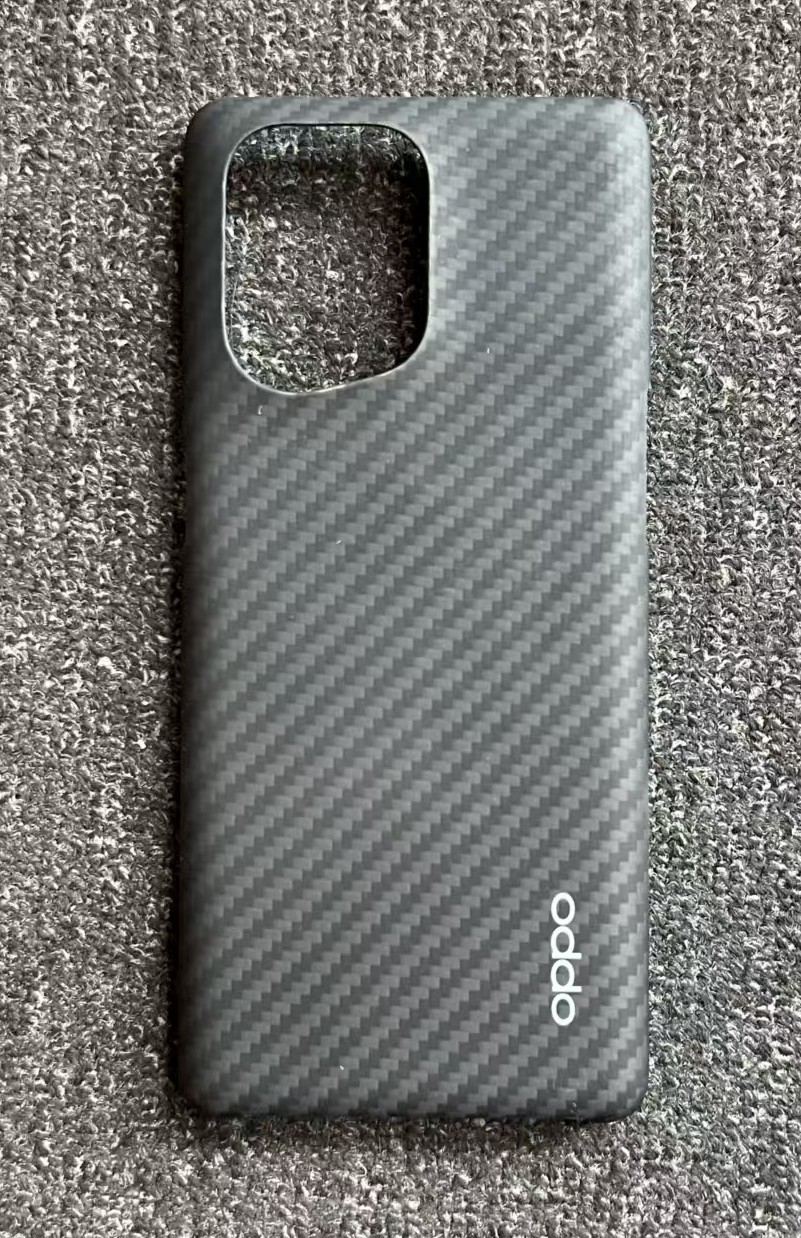
For example, the product information for IMD phone protection cases specifies a 2,000-piece MOQ, a 20-day delivery time, and both 100% and AQL inspection. These conditions apply to an IMD product category and should not be treated as a direct benchmark for a stainless steel casting program.
Stainless steel products are listed under a separate business model, with a stated MOQ of 1,000 pieces, a 60-day delivery time, and monthly capacity of 60,000 pieces. Buyers requesting casting components should verify whether the offer covers casting alone or includes tooling, sampling, secondary processing, inspection, packaging, and delivery coordination.
Quality Systems and Relevant Manufacturing Experience
Supplier qualifications may also influence the value of a casting quote. The company lists ISO 9001 and ISO 14001 certifications for the manufacture of plastic injection molded parts, IMD or IML panels, and stainless steel hardware produced through stamping, deep drawing, and casting.
Its IATF 16949 certification applies to automotive components, including automotive stainless steel stamping and deep-drawing hardware. When comparing potential suppliers, purchasers should determine whether the relevant certification, process controls, and inspection procedures apply specifically to the requested part.
Examples of delivered work include an investment-cast stainless steel handle supplied to a German brand owner and a stainless steel vase supplied to a Danish brand owner. The company also reports completing a 120,000-piece phone protection case project for a Chinese brand owner, demonstrating experience in the IMD phone protection case category.
Key Terms to Compare in a Casting Quotation
| Quotation Item | Points to Confirm |
|---|---|
| Tooling payment | 50% deposit, with the remaining balance due after sample approval. |
| Mass-production payment | 30% deposit and 70% balance against a B/L copy for standard production. |
| IMD phone protection case basis | MOQ of 2,000 pieces, 20-day delivery time, and 100% plus AQL inspection. |
| Stainless steel product basis | MOQ of 1,000 pieces, 60-day delivery time, and stated monthly capacity of 60,000 pieces. |
| Shipping and Incoterms | EXW and FOB are preferred; sea freight, air freight, and express options can be arranged on request. |
Frequently Asked Questions
Should tooling be calculated as part of the casting unit price?
Tooling should normally be evaluated as a separate expense because it is paid according to different milestones than mass production. The stated tooling schedule requires a 50% deposit, with the remaining payment due after the sample is approved.
What should buyers check in a production payment arrangement?
Buyers should confirm both the deposit percentage and the event that triggers the final balance. For standard production, the listed terms are a 30% deposit and a 70% balance against a B/L copy.
Can IMD phone case information be used to assess a casting quotation?
No. The IMD phone protection case details relate to an IMD product, including its 2,000-piece MOQ and 20-day lead time. A casting quote must separately identify the casting process, mold scope, sample approval conditions, inspection plan, and shipping responsibilities.
Conclusion
The best casting quotation is not determined by unit price alone. A complete comparison should separate tooling from recurring part costs and examine mold-payment timing, production deposits, final settlement conditions, MOQ, inspection requirements, lead time, packaging, and EXW or FOB responsibilities.
WHB Tech supports OEM and ODM manufacturing and states that it uses 100% and AQL inspection where applicable. The company also lists ISO 9001, ISO 14001, and IATF 16949 certifications for relevant manufacturing activities. For technical discussions or quotation support, contact sales@whbtech.com.
About Us
Shenzhen Wang Hui Bao Technology Co., Ltd. is a factory-backed independent export division rather than a third-party trading intermediary, supplying custom IMD touch panels, matched mirror stainless steel assemblies, and stainless kitchen and bathroom hardware. Established in 2007, it has more than 300 employees and reports monthly output of 180,000 IMD pieces and 60,000 stainless steel pieces. The company operates separate IMD dust-free workshops and two dedicated stainless steel production lines, with English-speaking DFM engineering support and NDA confidentiality for global buyers. It holds IATF 16949, ISO 9001, and ISO 14001 certifications and has served clients across multiple industries.

REPORT