







-
 Agriculture
-
 Health-Care
-
 Environment
-
 Construction-Real-Estate
-
 Tools-Hardware
-
 Home-Garden
-
 Furniture
-
 Luggage-Bags-Cases
-
 Medical-devices-Supplies
-
 Gifts-Crafts
-
 Sports-Entertainment
-
 Food-Beverage
-
 Vehicles-Transportation
-
 Power-Transmission
-
 Material-Handling
-
 Renewable-Energy
-
 Safety
-
 Testing-Instrument-Equipment
-
 Construction-Building-Machinery
-
 Pet-Supplies
-
 Personal-Care-Household-Cleaning
-
 Vehicle-Accessories-Electronics-Tools
-
 School-Office-Supplies
-
 Packaging-Printing
-
 Mother-Kids-Toys
-
 Business-Services
-
 Commercial-Equipment-Machinery
-
 Apparel-Accessories
-
 Security
-
 Shoes-Accessories
-
 Vehicle-Parts-Accessories
-
 Jewelry-Eyewear-Watches-Accessories
-
 Lights-Lighting
-
 Fabric-Textile-Raw-Material
-
 Fabrication-Services
-
 Industrial-Machinery
-
 Consumer-Electronics
-
 Electrical-Equipment-Supplies
-
 Electronic-Components-Accessories-Telecommunications
-
 Home-Appliances
-
 Beauty
-
 Chemicals
-
 Rubber-Plastics
-
 Metals-Alloys


























































































































































































































































































































































































































































































































































































- Masonry Materials
- Curtain Walls & Accessories
- Earthwork Products
- Fireproofing Materials
- Heat Insulation Materials
- Plastic Building Materials
- Building Boards
- Soundproofing Materials
- Timber
- Waterproofing Materials
- Balustrades & Handrails
- Bathroom & Kitchen
- Flooring & Accessories
- Tiles & Accessories
- Door, Window & Accessories
- Fireplaces & Stoves
- Floor Heating Systems & Parts
- Stairs & Stair Parts
- Ceilings
- Elevators & Escalators
- Stone
- Countertops, Vanity Tops & Table Tops
- Mosaics
- Metal Building Materials
- Multifunctional Materials
- Ladders & Scaffoldings
- Mouldings
- Corner Guards
- Decorative Films
- Formwork
- Building & Industrial Glass
- Other Construction & Real Estate
- Wallpapers/Wall panels
- HVAC System & Parts
- Outdoor Facilities
- Prefabricated Buildings
- Festive & Party Supplies
- Bathroom Products
- Household Sundries
- Rain Gear
- Garden Supplies
- Household Cleaning Tools & Accessories
- Lighters & Smoking Accessories
- Home Storage & Organization
- Household Scales
- Smart Home Improvement
- Home Textiles
- Kitchenware
- Drinkware & Accessories
- Dinnerware, Coffee & Wine
- Home Decor
- Golf
- Fitness & Body Building
- Amusement Park Facilities
- Billiards, Board Game,Coin Operated Games
- Musical Instruments
- Outdoor Affordable Luxury Sports
- Camping & Hiking
- Fishing
- Sports Safety&Rehabilitation
- Ball Sports Equipments
- Water Sports
- Winter Sports
- Luxury Travel Equipments
- Sports Shoes, Bags & Accessories
- Cycling
- Other Sports & Entertainment Products
- Artificial Grass&Sports Flooring&Sports Court Equipment
- Scooters
- Food Ingredients
- Honey & Honey Products
- Snacks
- Nuts & Kernels
- Seafood
- Plant & Animal Oil
- Beverages
- Fruit & Vegetable Products
- Frog & Escargot
- Bean Products
- Egg Products
- Dairy Products
- Seasonings & Condiments
- Canned Food
- Instant Food
- Baked Goods
- Other Food & Beverage
- Meat & Poultry
- Confectionery
- Grain Products
- Feminie Care
- Hair Care & Styling
- Body Care
- Hands & Feet Care
- Hygiene Products
- Men's Grooming
- Laundry Cleaning Supplies
- Travel Size & Gift Sets
- Room Deodorizers
- Other Personal Care Products
- Pest Control Products
- Special Household Cleaning
- Floor Cleaning
- Kitchen & Bathroom Cleaning
- Oral Care
- Bath Supplies
- Yellow Pages
- Correction Supplies
- Office Binding Supplies
- Office Cutting Supplies
- Board Erasers
- Office Adhesives & Tapes
- Education Supplies
- Pencil Cases & Bags
- Notebooks & Writing Pads
- File Folder Accessories
- Calendars
- Writing Accessories
- Commercial Office Supplies
- Pencil Sharpeners
- Pens
- Letter Pad/Paper
- Paper Envelopes
- Desk Organizers
- Pencils
- Markers & Highlighters
- Filing Products
- Art Supplies
- Easels
- Badge Holder & Accessories
- Office Paper
- Printer Supplies
- Book Covers
- Other Office & School Supplies
- Stationery Set
- Boards
- Clipboards
- Stamps
- Drafting Supplies
- Stencils
- Electronic Dictionary
- Books
- Map
- Magazines
- Calculators
- Baby & Toddler Toys
- Educational Toys
- Classic Toys
- Dress Up & Pretend Play
- Toy Vehicle
- Stuffed Animals & Plush Toys
- Outdoor Toys & Structures
- Balloons & Accessories
- Baby Food
- Children's Clothing
- Baby Supplies & Products
- Maternity Clothes
- Kids Shoes
- Baby Care
- Novelty & Gag Toys
- Dolls & Accessories
- Puzzle & Games
- Blocks & Model Building Toys
- Toddler Clothing
- Baby Clothing
- Kids' Luggage & Bags
- Arts, Crafts & DIY Toys
- Action & Toy Figures
- Baby Appliances
- Hobbies & Models
- Remote Control Toys
- Promotional Toys
- Pregnancy & Maternity
- Hygiene Products
- Kid's Textile&Bedding
- Novelty & Special Use
- Toy Weapons
- Baby Gifts
- Baby Storage & Organization
- Auto Drive Systems
- ATV/UTV Parts & Accessories
- Marine Parts & Accessories
- Other Auto Parts
- Trailer Parts & Accessories
- Auto Transmission Systems
- Train Parts & Accessories
- Universal Parts
- Railway Parts & Accessories
- Auto Brake Systems
- Aviation Parts & Accessories
- Truck Parts & Accessories
- Auto Suspension Systems
- Auto Lighting Systems
- New Energy Vehicle Parts & Accessories
- Auto Steering Systems
- Wheels, Tires & Accessories
- Bus Parts & Accessories
- Auto Performance Parts
- Cooling System
- Go-Kart & Kart Racer Parts & Accessories
- Air Conditioning Systems
- Heavy Duty Vehicle Parts & Accessories
- Auto Electrical Systems
- Auto Body Systems
- Auto Engine Systems
- Container Parts & Accessories
- Motorcycle Parts & Accessories
- Refrigeration & Heat Exchange Equipment
- Machine Tool Equipment
- Food & Beverage Machinery
- Agricultural Machinery & Equipment
- Apparel & Textile Machinery
- Chemical Machinery
- Packaging Machines
- Paper Production Machinery
- Plastic & Rubber Processing Machinery
- Industrial Robots
- Electronic Products Machinery
- Metal & Metallurgy Machinery
- Woodworking Machinery
- Home Product Manufacturing Machinery
- Machinery Accessories
- Environmental Machinery
- Machinery Service
- Electrical Equipment Manufacturing Machinery
- Industrial Compressors & Parts
- Tobacco & Cigarette Machinery
- Production Line
- Used Industrial Machinery
- Electronics Production Machinery
- Other Machinery & Industrial Equipment
- Camera, Photo & Accessories
- Portable Audio, Video & Accessories
- Television, Home Audio, Video & Accessories
- Video Games & Accessories
- Mobile Phone & Accessories
- Electronic Publications
- Earphone & Headphone & Accessories
- Speakers & Accessories
- Smart Electronics
- TV Receivers & Accessories
- Mobile Phone & Computer Repair Parts
- Chargers, Batteries & Power Supplies
- Used Electronics
- VR, AR, MR Hardware & Software
- Projectors & Presentation Equipments
- Other Consumer Electronics
- Cables & Commonly Used Accessories
- Computer Hardware & Software
- Displays, Signage and Optoelectronics
- Discrete Semiconductors
- Wireless & IoT Module and Products
- Telecommunications
- Connectors, Terminals & Accessories
- Development Boards, Electronic Modules and Kits
- Circuit Protection
- Sensors
- Isolators
- Audio Components and Products
- Integrated Circuits
- Power Supplies
- Relays
- RF, Microwave and RFID
- Electronic Accessories & Supplies
- Passive Components
- PCB & PCBA
- Air Quality Appliances
- Home Appliance Parts
- Heating & Cooling Appliances
- Small Kitchen Appliances
- Laundry Appliances
- Water Heaters
- Water Treatment Appliances
- Refrigerators & Freezers
- Personal Care & Beauty Appliances
- Major Kitchen Appliances
- Cleaning Appliances
- Second-hand Appliances
- Smart Home Appliances
- Other Home Appliances
- Energy Chemicals
- Inorganic Chemicals
- Basic Organic Chemicals
- Agrochemicals
- Admixture & Additives
- Catalysts & Chemical Auxiliary Agents
- Pigments & Dyestuff
- Coating & Paint
- Daily Chemicals
- Polymer
- Organic Intermediate
- Adhesives & Sealants
- Chemical Waste
- Biological Chemical Products
- Surface Treatment Chemicals
- Painting & Coating
- Chemical Reagents
- Flavor & Fragrance
- Non-Explosive Demolition Agents
- Other Chemicals
- Custom Chemical Services

How to Document Stability After Adhesive and Glueless Wear Testing of Human Hair Lace Front Wigs
A reliable wear-test record helps confirm how a human hair lace front wig performs after adhesive and glueless use. For every sample, document its identity, attachment setup, customization details, condition before testing, observations after wear, quality concerns, and final status. A standardized report makes results easier to compare across products, suppliers, and customer requirements.
Recommended Stability Record Structure
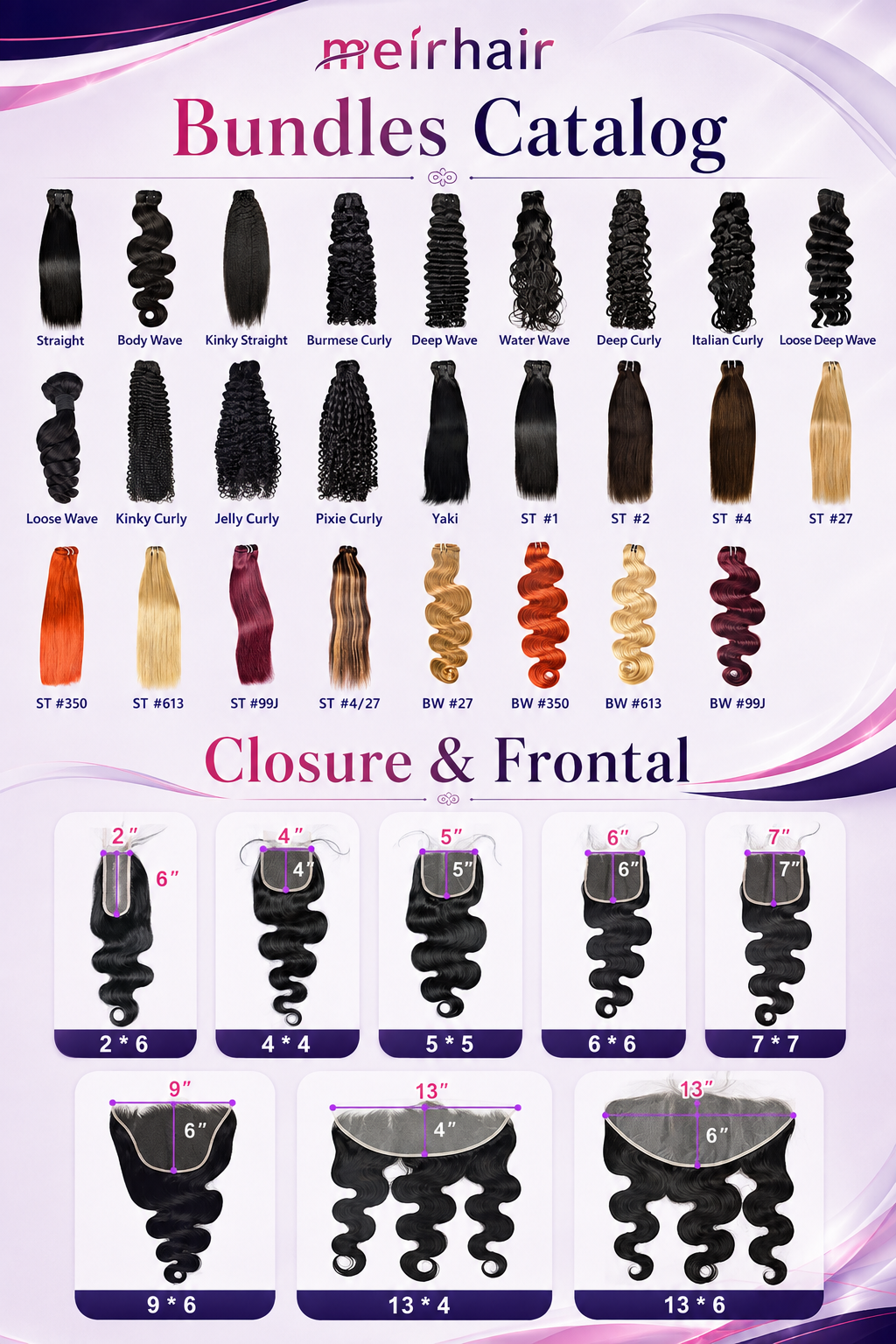
Create an individual test record for each wig sample and clearly distinguish adhesive testing from glueless testing. The report should include the human hair type, texture, length, color, density, weight, lace dimensions, cap construction, attachment method, and any OEM, ODM, or private-label specifications.
- Use separate sections for adhesive and glueless wear conditions.
- Capture the sample number, product configuration, customization requirements, and test date.
- Compare the wig before and after wear using the same inspection categories.
- Record whether the sample remains suitable for salon installation, styling, coloring, retail sale, or further customization.
What to Inspect Before and After Wear
The most useful records compare the original condition with the post-test condition. Review hair quality, length, weight, color, texture, weft construction, lace, cap structure, hairline appearance, and overall finished-product presentation. When a formal numerical standard is unavailable, use consistent descriptions such as unchanged, changed, damaged, or requires review.
Adhesive Wear Assessment
For an adhesive installation, note the adhesive information when supplied, the application condition, and the area of attachment. After wear, inspect the lace around the hairline, the attachment area, lace integrity, hair direction, and visible residue or other adhesive-related changes. Record whether the finished wig can still be cleaned, styled, installed, or prepared for the next service.
Glueless Wear Assessment
For a glueless configuration, identify the cap design and securing components used during the test. After wear, check the stability of the cap, lace position, hairline appearance, attachment area, and any movement-related changes. Also examine whether repeated handling affects the weft, lace, or overall shape of the wig.
Where styling is part of the evaluation, record the action performed and the observed result. This may include washing, curling, straightening, dyeing, bleaching, or restyling. Describe the visible outcome without adding performance ratings that are not supported by the inspection method.
Using Test Records in Wholesale and Salon Operations
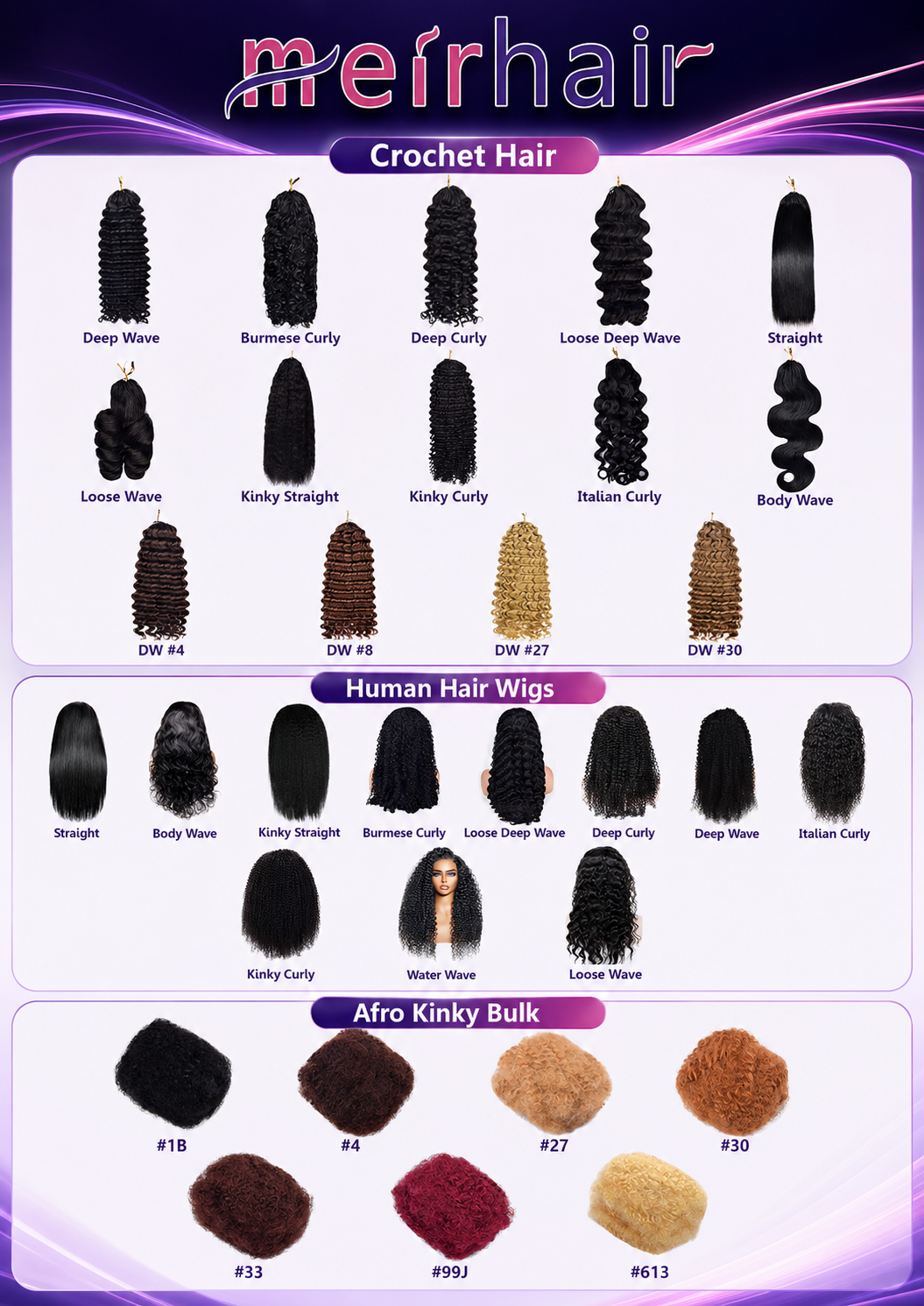
Keep the completed stability report with the physical sample, order details, and customization information. Hair salons and beauty professionals may use wigs, bundles, closures, frontals, and extensions for installation and styling. Retailers and distributors also need to compare different lengths, textures, colors, densities, lace sizes, and attachment systems before selecting products for their customers.
In a United States human hair wig wholesale project for a wig wholesaler or distributor, the evaluation addressed natural appearance, texture consistency, styling flexibility, product quality, and order communication. In a Nigeria lace closure and frontal wholesale project for a wig manufacturer and hair wholesaler, the lace products were reported as easy to work with and compatible with various human hair bundles used in wig production. These types of project details are more useful when they remain connected to the tested sample and its configuration.
Comparison of Adhesive and Glueless Test Records
| Inspection Category | Adhesive Wear Test | Glueless Wear Test |
|---|---|---|
| Sample and attachment details | List the sample identity, adhesive type or available adhesive specifications, application conditions, and installation details. | List the sample identity, cap design, securing method, and glueless attachment configuration. |
| Main stability checks | Review lace attachment, lace integrity, hairline appearance, attachment area, and any visible adhesive-related change. | Review cap stability, lace position, lace integrity, hairline appearance, and any movement-related change. |
| Hair condition | Compare hair quality, texture, color, length, weight, appearance, and styling response before and after wear. | Compare hair quality, texture, color, length, weight, appearance, and styling response before and after wear. |
| Construction and finish | Inspect the weft, lace, finished wig, and attachment area for visible changes. | Inspect the weft, lace, cap structure, finished wig, and attachment area for visible changes. |
| Final disposition | Classify the sample as unchanged, changed, damaged, or requiring review based on the recorded evidence. | Classify the sample as unchanged, changed, damaged, or requiring review based on the recorded evidence. |
Frequently Asked Questions
What information should be captured before testing?
Record the sample number, human hair type, texture, length, color, density, weight, lace size, cap structure, attachment method, and customization requirements. Include the initial condition of the hair, weft, lace, and finished wig.
Which fields should be compared after wear?
Compare hair quality, texture, color, length, weight, weft, lace, cap structure, attachment area, overall appearance, and styling response. Keep adhesive and glueless observations clearly separated.
How does this documentation support wholesale and private-label decisions?
Attaching the report to the sample and order history helps buyers compare product specifications and wear results across different textures, colors, lengths, densities, lace sizes, packaging requirements, and attachment systems. It also provides a practical reference for repeat orders and customized production.
Conclusion and Practical Recommendations
For each human hair lace front wig, maintain one complete stability record with distinct adhesive and glueless sections. Use consistent pre-test and post-test checks for attachment condition, lace, cap structure, weft, hair quality, length, weight, color, texture, appearance, and styling response. Guangzhou Ruiju provides OEM/ODM customization, wholesale and bulk supply, private-label services, ready stock, and flexible small-batch ordering. Stock products are stated at 7 days, while customized orders generally require 15–30 days depending on the style, quantity, and specifications. For technical assistance or product support, contact sales@brazilianhairtop.com.
About Us
Guangzhou Ruiju E-Commerce Co., Ltd. operates MEIRHAIR, a professional human hair brand offering human hair wigs, Vietnamese human hair wigs, bundles, braiding hair, extensions, and customized hair products for beauty markets worldwide. Founded in 2014, the company develops and customizes products by texture, length, color, density, lace size, cap construction, and attachment method. Its production services support samples, small-batch projects, private-label programs, and bulk wholesale orders for clients in multiple industries.

REPORT