







-
 Agriculture
-
 Health-Care
-
 Environment
-
 Construction-Real-Estate
-
 Tools-Hardware
-
 Home-Garden
-
 Furniture
-
 Luggage-Bags-Cases
-
 Medical-devices-Supplies
-
 Gifts-Crafts
-
 Sports-Entertainment
-
 Food-Beverage
-
 Vehicles-Transportation
-
 Power-Transmission
-
 Material-Handling
-
 Renewable-Energy
-
 Safety
-
 Testing-Instrument-Equipment
-
 Construction-Building-Machinery
-
 Pet-Supplies
-
 Personal-Care-Household-Cleaning
-
 Vehicle-Accessories-Electronics-Tools
-
 School-Office-Supplies
-
 Packaging-Printing
-
 Mother-Kids-Toys
-
 Business-Services
-
 Commercial-Equipment-Machinery
-
 Apparel-Accessories
-
 Security
-
 Shoes-Accessories
-
 Vehicle-Parts-Accessories
-
 Jewelry-Eyewear-Watches-Accessories
-
 Lights-Lighting
-
 Fabric-Textile-Raw-Material
-
 Fabrication-Services
-
 Industrial-Machinery
-
 Consumer-Electronics
-
 Electrical-Equipment-Supplies
-
 Electronic-Components-Accessories-Telecommunications
-
 Home-Appliances
-
 Beauty
-
 Chemicals
-
 Rubber-Plastics
-
 Metals-Alloys


























































































































































































































































































































































































































































































































































































- Masonry Materials
- Curtain Walls & Accessories
- Earthwork Products
- Fireproofing Materials
- Heat Insulation Materials
- Plastic Building Materials
- Building Boards
- Soundproofing Materials
- Timber
- Waterproofing Materials
- Balustrades & Handrails
- Bathroom & Kitchen
- Flooring & Accessories
- Tiles & Accessories
- Door, Window & Accessories
- Fireplaces & Stoves
- Floor Heating Systems & Parts
- Stairs & Stair Parts
- Ceilings
- Elevators & Escalators
- Stone
- Countertops, Vanity Tops & Table Tops
- Mosaics
- Metal Building Materials
- Multifunctional Materials
- Ladders & Scaffoldings
- Mouldings
- Corner Guards
- Decorative Films
- Formwork
- Building & Industrial Glass
- Other Construction & Real Estate
- Wallpapers/Wall panels
- HVAC System & Parts
- Outdoor Facilities
- Prefabricated Buildings
- Festive & Party Supplies
- Bathroom Products
- Household Sundries
- Rain Gear
- Garden Supplies
- Household Cleaning Tools & Accessories
- Lighters & Smoking Accessories
- Home Storage & Organization
- Household Scales
- Smart Home Improvement
- Home Textiles
- Kitchenware
- Drinkware & Accessories
- Dinnerware, Coffee & Wine
- Home Decor
- Golf
- Fitness & Body Building
- Amusement Park Facilities
- Billiards, Board Game,Coin Operated Games
- Musical Instruments
- Outdoor Affordable Luxury Sports
- Camping & Hiking
- Fishing
- Sports Safety&Rehabilitation
- Ball Sports Equipments
- Water Sports
- Winter Sports
- Luxury Travel Equipments
- Sports Shoes, Bags & Accessories
- Cycling
- Other Sports & Entertainment Products
- Artificial Grass&Sports Flooring&Sports Court Equipment
- Scooters
- Food Ingredients
- Honey & Honey Products
- Snacks
- Nuts & Kernels
- Seafood
- Plant & Animal Oil
- Beverages
- Fruit & Vegetable Products
- Frog & Escargot
- Bean Products
- Egg Products
- Dairy Products
- Seasonings & Condiments
- Canned Food
- Instant Food
- Baked Goods
- Other Food & Beverage
- Meat & Poultry
- Confectionery
- Grain Products
- Feminie Care
- Hair Care & Styling
- Body Care
- Hands & Feet Care
- Hygiene Products
- Men's Grooming
- Laundry Cleaning Supplies
- Travel Size & Gift Sets
- Room Deodorizers
- Other Personal Care Products
- Pest Control Products
- Special Household Cleaning
- Floor Cleaning
- Kitchen & Bathroom Cleaning
- Oral Care
- Bath Supplies
- Yellow Pages
- Correction Supplies
- Office Binding Supplies
- Office Cutting Supplies
- Board Erasers
- Office Adhesives & Tapes
- Education Supplies
- Pencil Cases & Bags
- Notebooks & Writing Pads
- File Folder Accessories
- Calendars
- Writing Accessories
- Commercial Office Supplies
- Pencil Sharpeners
- Pens
- Letter Pad/Paper
- Paper Envelopes
- Desk Organizers
- Pencils
- Markers & Highlighters
- Filing Products
- Art Supplies
- Easels
- Badge Holder & Accessories
- Office Paper
- Printer Supplies
- Book Covers
- Other Office & School Supplies
- Stationery Set
- Boards
- Clipboards
- Stamps
- Drafting Supplies
- Stencils
- Electronic Dictionary
- Books
- Map
- Magazines
- Calculators
- Baby & Toddler Toys
- Educational Toys
- Classic Toys
- Dress Up & Pretend Play
- Toy Vehicle
- Stuffed Animals & Plush Toys
- Outdoor Toys & Structures
- Balloons & Accessories
- Baby Food
- Children's Clothing
- Baby Supplies & Products
- Maternity Clothes
- Kids Shoes
- Baby Care
- Novelty & Gag Toys
- Dolls & Accessories
- Puzzle & Games
- Blocks & Model Building Toys
- Toddler Clothing
- Baby Clothing
- Kids' Luggage & Bags
- Arts, Crafts & DIY Toys
- Action & Toy Figures
- Baby Appliances
- Hobbies & Models
- Remote Control Toys
- Promotional Toys
- Pregnancy & Maternity
- Hygiene Products
- Kid's Textile&Bedding
- Novelty & Special Use
- Toy Weapons
- Baby Gifts
- Baby Storage & Organization
- Auto Drive Systems
- ATV/UTV Parts & Accessories
- Marine Parts & Accessories
- Other Auto Parts
- Trailer Parts & Accessories
- Auto Transmission Systems
- Train Parts & Accessories
- Universal Parts
- Railway Parts & Accessories
- Auto Brake Systems
- Aviation Parts & Accessories
- Truck Parts & Accessories
- Auto Suspension Systems
- Auto Lighting Systems
- New Energy Vehicle Parts & Accessories
- Auto Steering Systems
- Wheels, Tires & Accessories
- Bus Parts & Accessories
- Auto Performance Parts
- Cooling System
- Go-Kart & Kart Racer Parts & Accessories
- Air Conditioning Systems
- Heavy Duty Vehicle Parts & Accessories
- Auto Electrical Systems
- Auto Body Systems
- Auto Engine Systems
- Container Parts & Accessories
- Motorcycle Parts & Accessories
- Refrigeration & Heat Exchange Equipment
- Machine Tool Equipment
- Food & Beverage Machinery
- Agricultural Machinery & Equipment
- Apparel & Textile Machinery
- Chemical Machinery
- Packaging Machines
- Paper Production Machinery
- Plastic & Rubber Processing Machinery
- Industrial Robots
- Electronic Products Machinery
- Metal & Metallurgy Machinery
- Woodworking Machinery
- Home Product Manufacturing Machinery
- Machinery Accessories
- Environmental Machinery
- Machinery Service
- Electrical Equipment Manufacturing Machinery
- Industrial Compressors & Parts
- Tobacco & Cigarette Machinery
- Production Line
- Used Industrial Machinery
- Electronics Production Machinery
- Other Machinery & Industrial Equipment
- Camera, Photo & Accessories
- Portable Audio, Video & Accessories
- Television, Home Audio, Video & Accessories
- Video Games & Accessories
- Mobile Phone & Accessories
- Electronic Publications
- Earphone & Headphone & Accessories
- Speakers & Accessories
- Smart Electronics
- TV Receivers & Accessories
- Mobile Phone & Computer Repair Parts
- Chargers, Batteries & Power Supplies
- Used Electronics
- VR, AR, MR Hardware & Software
- Projectors & Presentation Equipments
- Other Consumer Electronics
- Cables & Commonly Used Accessories
- Computer Hardware & Software
- Displays, Signage and Optoelectronics
- Discrete Semiconductors
- Wireless & IoT Module and Products
- Telecommunications
- Connectors, Terminals & Accessories
- Development Boards, Electronic Modules and Kits
- Circuit Protection
- Sensors
- Isolators
- Audio Components and Products
- Integrated Circuits
- Power Supplies
- Relays
- RF, Microwave and RFID
- Electronic Accessories & Supplies
- Passive Components
- PCB & PCBA
- Air Quality Appliances
- Home Appliance Parts
- Heating & Cooling Appliances
- Small Kitchen Appliances
- Laundry Appliances
- Water Heaters
- Water Treatment Appliances
- Refrigerators & Freezers
- Personal Care & Beauty Appliances
- Major Kitchen Appliances
- Cleaning Appliances
- Second-hand Appliances
- Smart Home Appliances
- Other Home Appliances
- Energy Chemicals
- Inorganic Chemicals
- Basic Organic Chemicals
- Agrochemicals
- Admixture & Additives
- Catalysts & Chemical Auxiliary Agents
- Pigments & Dyestuff
- Coating & Paint
- Daily Chemicals
- Polymer
- Organic Intermediate
- Adhesives & Sealants
- Chemical Waste
- Biological Chemical Products
- Surface Treatment Chemicals
- Painting & Coating
- Chemical Reagents
- Flavor & Fragrance
- Non-Explosive Demolition Agents
- Other Chemicals
- Custom Chemical Services

How to Evaluate Long-Term Door Leaf Alignment in High-Traffic Structures
Maintaining precise door leaf alignment across decades of intensive use demands rigorous evaluation of structural wall thickness, mechanical corner joinery, hinge load capacities, and frame rigidity. Inspecting heavy-duty aluminum profiles, thermally broken frames, and engineered multi-point hardware prevents sagging, warping, and latch binding under dynamic mechanical stress and harsh atmospheric conditions.
Essential Engineering Takeaways
- Profile Wall Strength: Utilizing high-grade aluminum alloy profiles with sufficient wall thickness stops frame flex caused by repeated cycles.
- Corner Joint Stability: Mechanically crimped corner cleats paired with adhesive bonding safeguard structural squareness over extended lifespans.
- Hardware Load Management: High-capacity hinges certified for heavy dynamic loads prevent lateral drift and vertical sagging.
- Thermal and Weather Resilience: Advanced surface finishes protect structural integrity against elevated humidity, heat, and solar exposure.
- Versatile Application: These engineering standards apply to high-end residential estates, commercial facilities, and municipal developments.
In-Depth Technical Analysis: Maintaining Alignment under Stress
High-traffic entrances in commercial and luxury residential properties undergo continuous shear stress and dynamic load cycles. Over time, structural failure manifests as hinge tear-out, frame racking, or thermal bowing. To prevent these failures, leading manufacturers like Guangzhou Lingyin Building Materials Co., Ltd. design door systems using heavy-duty aluminum profiles optimized for dynamic mechanical loads.
Preventing frame deflection starts with structural wall thickness and internal reinforcement geometry. Under heavy operational stress, thin-profile frames bow, causing latch binding and weather-seal failure. Incorporating reinforced profile designs alongside mechanical performance testing guarantees that structural deflection remains strictly within operational limits.
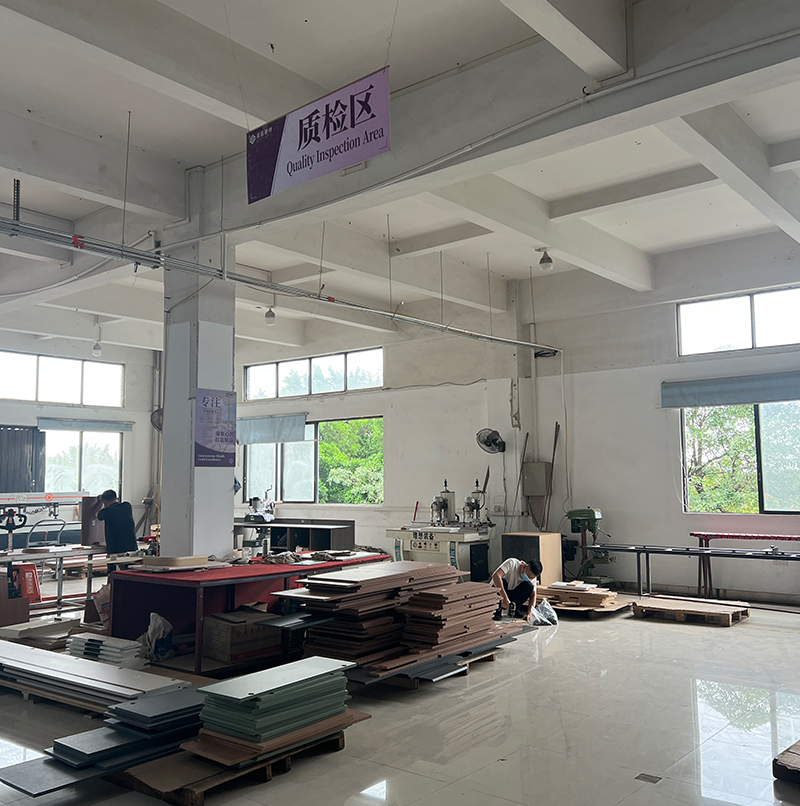
Corner joinery is another critical factor in preserving door squareness. Conventional screw-fastened corners loosen over time under thermal expansion and operational vibration. Superior system doors incorporate pneumatically crimped aluminum corner cleats combined with structural adhesive injection. This forms a monolithic corner joint that stops diagonal racking. Comprehensive quality assurance—including raw material inspection, structural safety analysis, precise dimensional testing, and chemical stability checks—ensures strict alignment retention before shipment.
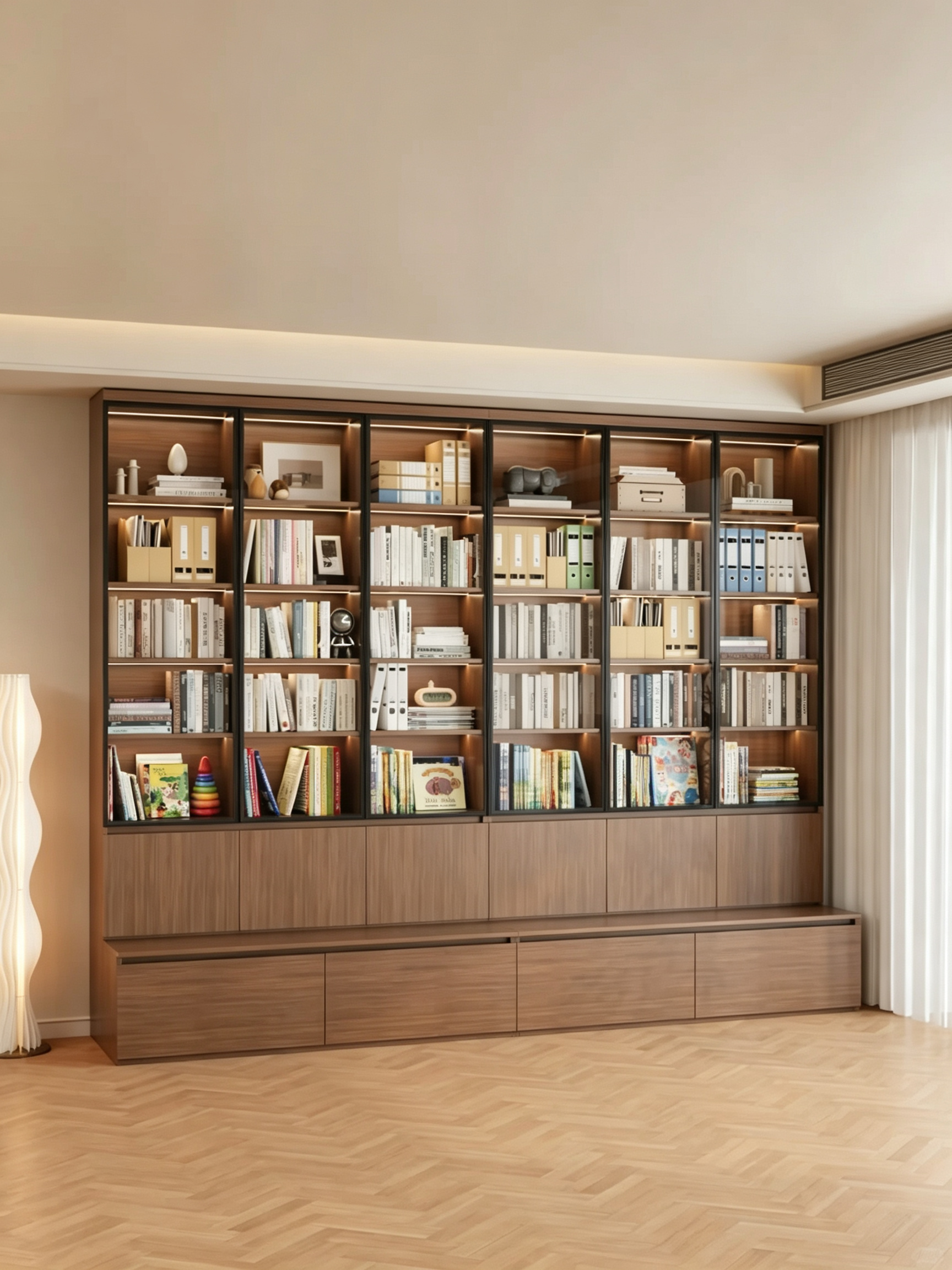
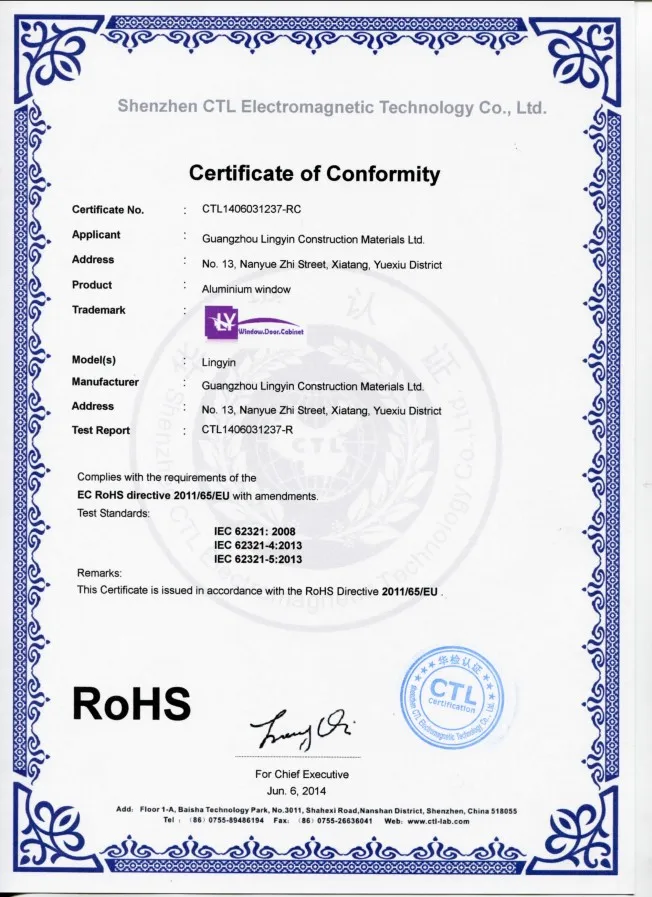
Environmental conditions also impact physical alignment. Severe temperature shifts can cause differential thermal expansion between inner and outer frame faces, resulting in thermal bowing. Integrated thermal break profiles combined with high-performance coatings—such as anodizing, PET veneer, or baked enamel—shield the aluminum structure. Compliance with international standards, including RoHS certification (CTL1406031237-RC), verifies long-term material safety and structural stability under extreme environmental exposure.
System Performance Comparison
The matrix below highlights structural distinctions between standard door configurations and heavy-duty architectural system doors in maintaining long-term leaf alignment.
| Evaluation Criterion | Standard Door Systems | Heavy-Duty System Doors | Impact on Long-Term Alignment |
|---|---|---|---|
| Profile Material & Wall Thickness | Standard aluminum / <1.4mm | High-strength aluminum alloy / 1.8mm+ | Higher thickness prevents frame twisting and bending under weight. |
| Corner Connection Method | Single-screw mechanical fastening | Pneumatic crimped cleats with structural adhesive | Crimped joints prevent corner separation and diagonal sagging over time. |
| Hardware & Hinge Load Rating | Lightweight friction stay / standard hinges | Heavy-duty multi-point hinges (DTC / premium hardware) | Multi-point load distribution prevents hinge pin wear and sagging. |
| Quality Inspection Protocol | Basic dimensional check | Physical, mechanical, structural, and chemical safety testing | Ensures strict compliance with load, alignment, and tolerance standards. |
| Warranty Coverage | 1-2 Years limited | 10-Year structural warranty with lifetime maintenance | Guarantees long-term technical support and replacement verification. |
Frequently Asked Questions (FAQ)
What structural features keep heavy door leaves from sagging?
Maintaining leaf alignment requires aluminum wall thicknesses of 1.8mm or higher, multi-point heavy-duty hinges, and crimped corner cleat connections. Distributing door mass across reinforced mounting points prevents micro-movements within the frame assembly.
How do heat and humidity affect long-term frame alignment?
Thermal cycles and high humidity induce material expansion and coating wear. High-strength aluminum alloys combined with weather-resistant surface treatments ensure dimensional stability, preventing thermal bowing or frame binding.
What quality checks guarantee structural integrity before delivery?
Full-spectrum quality control includes raw material testing, physical and mechanical verification, structural safety evaluation, and accurate dimensional checks. These procedures confirm frame squareness, torque resistance, and hinge fitment.
Conclusion & Industry Recommendations
Evaluating whether a door retains alignment after years of heavy use requires assessing profile wall thickness, corner joint engineering, and heavy-duty hardware integration. Opting for certified system doors tested for physical and chemical durability prevents sagging, frame drag, and latch misalignments. For commercial and bulk procurement, complete localized service models ensure strict quality verification from factory production to final site acceptance. Products come with clear accountability, including a 10-year warranty, lifetime maintenance support, and direct sea freight shipping options (Get Signal) for a stable supply chain. For technical inquiries or solutions, contact us directly at 18144733878@139.com.
About Us
Guangzhou Lingyin Building Materials Co., Ltd. is a leading building materials supplier and modern enterprise group specializing in exporting system windows and doors, thermally broken aluminum solutions, structural aluminum profiles, sunrooms, and custom interior cabinetry. Founded in 1990, the enterprise operates a 30,000-square-meter modern intelligent production base equipped with automated manufacturing lines and 186 employees. Holding CE and RoHS certifications, the company provides high-strength, weather-resistant solutions for luxury residential, hotel, commercial, and public projects globally, including in Africa. 
REPORT