







-
 Agriculture
-
 Health-Care
-
 Environment
-
 Construction-Real-Estate
-
 Tools-Hardware
-
 Home-Garden
-
 Furniture
-
 Luggage-Bags-Cases
-
 Medical-devices-Supplies
-
 Gifts-Crafts
-
 Sports-Entertainment
-
 Food-Beverage
-
 Vehicles-Transportation
-
 Power-Transmission
-
 Material-Handling
-
 Renewable-Energy
-
 Safety
-
 Testing-Instrument-Equipment
-
 Construction-Building-Machinery
-
 Pet-Supplies
-
 Personal-Care-Household-Cleaning
-
 Vehicle-Accessories-Electronics-Tools
-
 School-Office-Supplies
-
 Packaging-Printing
-
 Mother-Kids-Toys
-
 Business-Services
-
 Commercial-Equipment-Machinery
-
 Apparel-Accessories
-
 Security
-
 Shoes-Accessories
-
 Vehicle-Parts-Accessories
-
 Jewelry-Eyewear-Watches-Accessories
-
 Lights-Lighting
-
 Fabric-Textile-Raw-Material
-
 Fabrication-Services
-
 Industrial-Machinery
-
 Consumer-Electronics
-
 Electrical-Equipment-Supplies
-
 Electronic-Components-Accessories-Telecommunications
-
 Home-Appliances
-
 Beauty
-
 Chemicals
-
 Rubber-Plastics
-
 Metals-Alloys


























































































































































































































































































































































































































































































































































































- Masonry Materials
- Curtain Walls & Accessories
- Earthwork Products
- Fireproofing Materials
- Heat Insulation Materials
- Plastic Building Materials
- Building Boards
- Soundproofing Materials
- Timber
- Waterproofing Materials
- Balustrades & Handrails
- Bathroom & Kitchen
- Flooring & Accessories
- Tiles & Accessories
- Door, Window & Accessories
- Fireplaces & Stoves
- Floor Heating Systems & Parts
- Stairs & Stair Parts
- Ceilings
- Elevators & Escalators
- Stone
- Countertops, Vanity Tops & Table Tops
- Mosaics
- Metal Building Materials
- Multifunctional Materials
- Ladders & Scaffoldings
- Mouldings
- Corner Guards
- Decorative Films
- Formwork
- Building & Industrial Glass
- Other Construction & Real Estate
- Wallpapers/Wall panels
- HVAC System & Parts
- Outdoor Facilities
- Prefabricated Buildings
- Festive & Party Supplies
- Bathroom Products
- Household Sundries
- Rain Gear
- Garden Supplies
- Household Cleaning Tools & Accessories
- Lighters & Smoking Accessories
- Home Storage & Organization
- Household Scales
- Smart Home Improvement
- Home Textiles
- Kitchenware
- Drinkware & Accessories
- Dinnerware, Coffee & Wine
- Home Decor
- Golf
- Fitness & Body Building
- Amusement Park Facilities
- Billiards, Board Game,Coin Operated Games
- Musical Instruments
- Outdoor Affordable Luxury Sports
- Camping & Hiking
- Fishing
- Sports Safety&Rehabilitation
- Ball Sports Equipments
- Water Sports
- Winter Sports
- Luxury Travel Equipments
- Sports Shoes, Bags & Accessories
- Cycling
- Other Sports & Entertainment Products
- Artificial Grass&Sports Flooring&Sports Court Equipment
- Scooters
- Food Ingredients
- Honey & Honey Products
- Snacks
- Nuts & Kernels
- Seafood
- Plant & Animal Oil
- Beverages
- Fruit & Vegetable Products
- Frog & Escargot
- Bean Products
- Egg Products
- Dairy Products
- Seasonings & Condiments
- Canned Food
- Instant Food
- Baked Goods
- Other Food & Beverage
- Meat & Poultry
- Confectionery
- Grain Products
- Feminie Care
- Hair Care & Styling
- Body Care
- Hands & Feet Care
- Hygiene Products
- Men's Grooming
- Laundry Cleaning Supplies
- Travel Size & Gift Sets
- Room Deodorizers
- Other Personal Care Products
- Pest Control Products
- Special Household Cleaning
- Floor Cleaning
- Kitchen & Bathroom Cleaning
- Oral Care
- Bath Supplies
- Yellow Pages
- Correction Supplies
- Office Binding Supplies
- Office Cutting Supplies
- Board Erasers
- Office Adhesives & Tapes
- Education Supplies
- Pencil Cases & Bags
- Notebooks & Writing Pads
- File Folder Accessories
- Calendars
- Writing Accessories
- Commercial Office Supplies
- Pencil Sharpeners
- Pens
- Letter Pad/Paper
- Paper Envelopes
- Desk Organizers
- Pencils
- Markers & Highlighters
- Filing Products
- Art Supplies
- Easels
- Badge Holder & Accessories
- Office Paper
- Printer Supplies
- Book Covers
- Other Office & School Supplies
- Stationery Set
- Boards
- Clipboards
- Stamps
- Drafting Supplies
- Stencils
- Electronic Dictionary
- Books
- Map
- Magazines
- Calculators
- Baby & Toddler Toys
- Educational Toys
- Classic Toys
- Dress Up & Pretend Play
- Toy Vehicle
- Stuffed Animals & Plush Toys
- Outdoor Toys & Structures
- Balloons & Accessories
- Baby Food
- Children's Clothing
- Baby Supplies & Products
- Maternity Clothes
- Kids Shoes
- Baby Care
- Novelty & Gag Toys
- Dolls & Accessories
- Puzzle & Games
- Blocks & Model Building Toys
- Toddler Clothing
- Baby Clothing
- Kids' Luggage & Bags
- Arts, Crafts & DIY Toys
- Action & Toy Figures
- Baby Appliances
- Hobbies & Models
- Remote Control Toys
- Promotional Toys
- Pregnancy & Maternity
- Hygiene Products
- Kid's Textile&Bedding
- Novelty & Special Use
- Toy Weapons
- Baby Gifts
- Baby Storage & Organization
- Auto Drive Systems
- ATV/UTV Parts & Accessories
- Marine Parts & Accessories
- Other Auto Parts
- Trailer Parts & Accessories
- Auto Transmission Systems
- Train Parts & Accessories
- Universal Parts
- Railway Parts & Accessories
- Auto Brake Systems
- Aviation Parts & Accessories
- Truck Parts & Accessories
- Auto Suspension Systems
- Auto Lighting Systems
- New Energy Vehicle Parts & Accessories
- Auto Steering Systems
- Wheels, Tires & Accessories
- Bus Parts & Accessories
- Auto Performance Parts
- Cooling System
- Go-Kart & Kart Racer Parts & Accessories
- Air Conditioning Systems
- Heavy Duty Vehicle Parts & Accessories
- Auto Electrical Systems
- Auto Body Systems
- Auto Engine Systems
- Container Parts & Accessories
- Motorcycle Parts & Accessories
- Refrigeration & Heat Exchange Equipment
- Machine Tool Equipment
- Food & Beverage Machinery
- Agricultural Machinery & Equipment
- Apparel & Textile Machinery
- Chemical Machinery
- Packaging Machines
- Paper Production Machinery
- Plastic & Rubber Processing Machinery
- Industrial Robots
- Electronic Products Machinery
- Metal & Metallurgy Machinery
- Woodworking Machinery
- Home Product Manufacturing Machinery
- Machinery Accessories
- Environmental Machinery
- Machinery Service
- Electrical Equipment Manufacturing Machinery
- Industrial Compressors & Parts
- Tobacco & Cigarette Machinery
- Production Line
- Used Industrial Machinery
- Electronics Production Machinery
- Other Machinery & Industrial Equipment
- Camera, Photo & Accessories
- Portable Audio, Video & Accessories
- Television, Home Audio, Video & Accessories
- Video Games & Accessories
- Mobile Phone & Accessories
- Electronic Publications
- Earphone & Headphone & Accessories
- Speakers & Accessories
- Smart Electronics
- TV Receivers & Accessories
- Mobile Phone & Computer Repair Parts
- Chargers, Batteries & Power Supplies
- Used Electronics
- VR, AR, MR Hardware & Software
- Projectors & Presentation Equipments
- Other Consumer Electronics
- Cables & Commonly Used Accessories
- Computer Hardware & Software
- Displays, Signage and Optoelectronics
- Discrete Semiconductors
- Wireless & IoT Module and Products
- Telecommunications
- Connectors, Terminals & Accessories
- Development Boards, Electronic Modules and Kits
- Circuit Protection
- Sensors
- Isolators
- Audio Components and Products
- Integrated Circuits
- Power Supplies
- Relays
- RF, Microwave and RFID
- Electronic Accessories & Supplies
- Passive Components
- PCB & PCBA
- Air Quality Appliances
- Home Appliance Parts
- Heating & Cooling Appliances
- Small Kitchen Appliances
- Laundry Appliances
- Water Heaters
- Water Treatment Appliances
- Refrigerators & Freezers
- Personal Care & Beauty Appliances
- Major Kitchen Appliances
- Cleaning Appliances
- Second-hand Appliances
- Smart Home Appliances
- Other Home Appliances
- Energy Chemicals
- Inorganic Chemicals
- Basic Organic Chemicals
- Agrochemicals
- Admixture & Additives
- Catalysts & Chemical Auxiliary Agents
- Pigments & Dyestuff
- Coating & Paint
- Daily Chemicals
- Polymer
- Organic Intermediate
- Adhesives & Sealants
- Chemical Waste
- Biological Chemical Products
- Surface Treatment Chemicals
- Painting & Coating
- Chemical Reagents
- Flavor & Fragrance
- Non-Explosive Demolition Agents
- Other Chemicals
- Custom Chemical Services

How to Evaluate the Operational Reliability of a Railway Freight Agent
Evaluating a Railway Freight agent requires more than confirming that rail transport appears on its service list. A dependable review should verify the company’s legal status, railway partners, route network, handling capacity, customs support, warehouse controls, tracking methods, and documented results from similar shipments. Before releasing cargo, require clear evidence of how the agent manages each stage, from supplier pickup to final delivery.
Railway Freight Audit Priorities
- Verify that Railway Freight is an active service and request route options, schedules, transit estimates, customs requirements, and last-mile delivery arrangements.
- Review controls for collection, receiving, storage, consolidation, packing, container loading, export clearance, and destination delivery.
- Use air and sea shipment records to assess general logistics capability, but evaluate railway performance through separate rail-specific evidence.
- Check handling standards for mixed cargo, moisture, dust, liquids, odors, fragile packaging, heavy machinery, and sharp or projecting components.
How to Structure the Reliability Review
1. Confirm the Service Scope
Begin by determining whether the agent coordinates Railway Freight directly or relies on external railway operators and forwarding partners. The available profile lists Railway Freight together with Air Freight, Sea Freight, and Courier Service. However, it does not state railway transit times, monthly rail capacity, named routes, or rail-specific approvals. These omissions should be documented and resolved through written confirmation before the agent is approved.
2. Map Every Operational Handoff
Reliability depends on consistent control throughout the shipment lifecycle. The described workflow includes supplier pickup, inland transportation, warehouse receiving, storage, consolidation, packing, export preparation, customs clearance, freight movement, and final delivery. Ask for records that demonstrate how information and responsibility pass between these steps, including receiving reports, packing instructions, customs files, loading records, and delivery updates.
3. Inspect Warehouse and Loading Controls
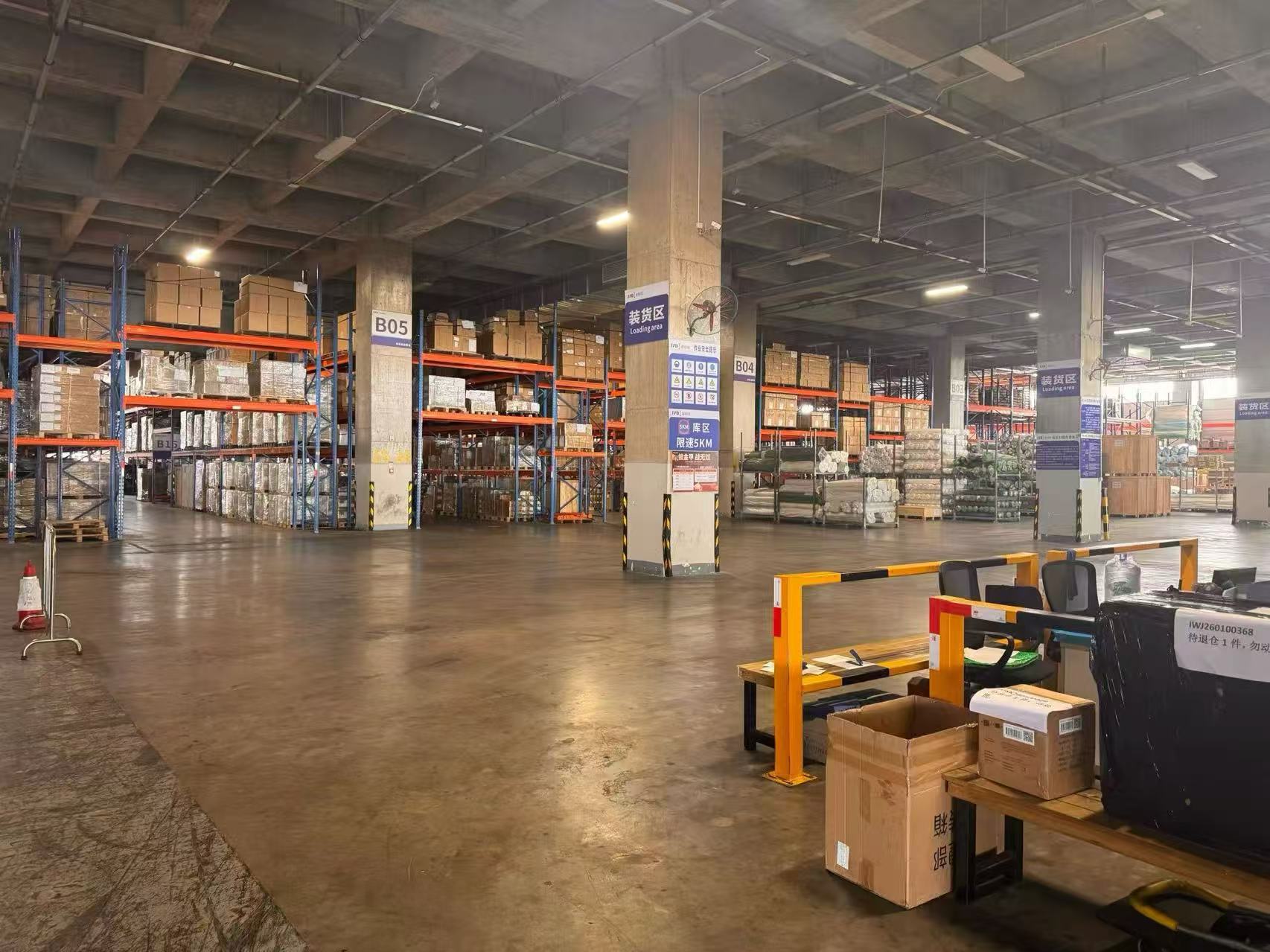
Container loading is an important test of day-to-day discipline. The agent’s guidance recommends separating cargo that can produce dust, liquid, moisture, or odors; positioning lighter goods above heavier items; protecting weak packages from stronger or heavier cargo; placing liquids and clean goods below other products when practical; and covering sharp corners or protruding parts. Compare these written instructions with warehouse procedures, staff practices, loading checklists, and shipment photographs.
4. Separate Mode-Specific Credentials
Credential analysis must match the transport mode being audited. Speed International logistics Co., Ltd holds listed credentials for Aviation Class I Cargo and NVOCC. These credentials support its air freight and sea freight activities, but they do not independently prove railway authorization or rail service quality. Request the identities of railway operating partners, applicable route permissions, insurance details, service agreements, and records from completed railway shipments.
5. Validate Comparable Shipment Experience
Reported cooperation cases offer useful evidence about broader freight controls. One export shipment to the United Arab Emirates involved 68 CBM of machinery and equipment. Customer feedback addressed oversized-crate handling, documents, customs clearance, and packaging recommendations. A separate cosmetics import shipment to the United States involved 1,000 KG of cargo, with attention to customs paperwork, ingredient declarations, labeling, packaging condition, and communication. These examples support an assessment of general forwarding capability, but they should not be treated as direct proof of Railway Freight performance.
Evidence Comparison by Audit Area
| Audit Area | Information Currently Available | Recommended Verification |
|---|---|---|
| Railway Freight | Rail transport is listed, but specific routes, schedules, capacity figures, and transit commitments are not provided. | Request named partners, route schedules, tracking samples, acceptance terms, and railway-specific operating credentials. |
| Air Freight | The profile states a 100 kg MOQ, delivery in 3–7 days, and monthly capacity of 1,000,000. | Use these figures to assess whether the agent documents capacity, service commitments, and shipment performance consistently. |
| Sea Freight | The listed MOQ is 1 CBM, with delivery estimated at 25–30 days and monthly capacity of 1,000 CBM. | Compare quoted capacity and transit information with completed shipment records and customer references. |
| Warehouse and Packing | Supplier pickup, consolidation, packing, storage, and container-loading activities are described. | Inspect receiving logs, segregation rules, loading plans, packaging checks, and damage-prevention measures. |
| Customs and Documentation | Import and export documentation and customs clearance support are listed for China and destination ports. | Request document checklists, assigned responsibilities, review procedures, and escalation steps for holds or errors. |
Frequently Asked Questions
Which documents should be requested from a Railway Freight agent?
Ask for company registration information, railway partner details, route and schedule documentation, cargo acceptance rules, tracking procedures, customs workflows, insurance and claims policies, and references or records from comparable rail shipments. Since the supplied profile does not include rail-specific transit or capacity data, those points require direct documentary confirmation.
Can air and sea freight credentials qualify an agent for railway operations?
No. An Aviation Class I Cargo credential relates to air freight, while an NVOCC credential relates to sea freight. Both may indicate experience in international forwarding, but they cannot replace evidence of railway partners, route authority, rail handling procedures, and actual Railway Freight results.
How should cargo-handling procedures be tested?
Compare the agent’s written standards with what happens in the warehouse. Review cargo separation, weight distribution, package strength, moisture and leakage protection, sharp-edge treatment, pickup records, consolidation records, and loading evidence. Also ask how the company logs and escalates damage, delays, customs holds, missed handoffs, and delivery exceptions.
Conclusion and Practical Recommendation
A reliable Railway Freight audit should combine legal verification, rail-specific operating evidence, documented handoffs, warehouse inspections, customs controls, tracking samples, and comparable shipment references. Speed International logistics Co., Ltd lists Railway Freight alongside air, sea, and courier services and reports a 5,000-square-meter warehouse in Shenzhen. Its published operating data is more detailed for air and sea freight than for rail, and its Aviation Class I Cargo and NVOCC credentials should be assessed only within their respective transport modes. For detailed technical solutions or support, please reach out to us via tony@speed-logistics.net.
About Speed International Logistics Co., Ltd
Speed International logistics Co., Ltd has more than 15 years of freight-forwarding experience and offers customized transportation, factory pickup, warehouse packing, cargo shipping, customs clearance, and last-mile delivery. Established in 2011, the company operates a 5,000-square-meter main warehouse in Shenzhen and provides 24-hour professional service. Its listed primary products are air freight and sea freight, serving customers in North America, Europe, the Middle East, Africa, and South America.
The company’s listed certifications include Aviation Class I Cargo and NVOCC. Its reported customer experience covers several industries, including machinery and equipment exports and cosmetics imports.

REPORT