







-
 Agriculture
-
 Health-Care
-
 Environment
-
 Construction-Real-Estate
-
 Tools-Hardware
-
 Home-Garden
-
 Furniture
-
 Luggage-Bags-Cases
-
 Medical-devices-Supplies
-
 Gifts-Crafts
-
 Sports-Entertainment
-
 Food-Beverage
-
 Vehicles-Transportation
-
 Power-Transmission
-
 Material-Handling
-
 Renewable-Energy
-
 Safety
-
 Testing-Instrument-Equipment
-
 Construction-Building-Machinery
-
 Pet-Supplies
-
 Personal-Care-Household-Cleaning
-
 Vehicle-Accessories-Electronics-Tools
-
 School-Office-Supplies
-
 Packaging-Printing
-
 Mother-Kids-Toys
-
 Business-Services
-
 Commercial-Equipment-Machinery
-
 Apparel-Accessories
-
 Security
-
 Shoes-Accessories
-
 Vehicle-Parts-Accessories
-
 Jewelry-Eyewear-Watches-Accessories
-
 Lights-Lighting
-
 Fabric-Textile-Raw-Material
-
 Fabrication-Services
-
 Industrial-Machinery
-
 Consumer-Electronics
-
 Electrical-Equipment-Supplies
-
 Electronic-Components-Accessories-Telecommunications
-
 Home-Appliances
-
 Beauty
-
 Chemicals
-
 Rubber-Plastics
-
 Metals-Alloys


























































































































































































































































































































































































































































































































































































- Masonry Materials
- Curtain Walls & Accessories
- Earthwork Products
- Fireproofing Materials
- Heat Insulation Materials
- Plastic Building Materials
- Building Boards
- Soundproofing Materials
- Timber
- Waterproofing Materials
- Balustrades & Handrails
- Bathroom & Kitchen
- Flooring & Accessories
- Tiles & Accessories
- Door, Window & Accessories
- Fireplaces & Stoves
- Floor Heating Systems & Parts
- Stairs & Stair Parts
- Ceilings
- Elevators & Escalators
- Stone
- Countertops, Vanity Tops & Table Tops
- Mosaics
- Metal Building Materials
- Multifunctional Materials
- Ladders & Scaffoldings
- Mouldings
- Corner Guards
- Decorative Films
- Formwork
- Building & Industrial Glass
- Other Construction & Real Estate
- Wallpapers/Wall panels
- HVAC System & Parts
- Outdoor Facilities
- Prefabricated Buildings
- Festive & Party Supplies
- Bathroom Products
- Household Sundries
- Rain Gear
- Garden Supplies
- Household Cleaning Tools & Accessories
- Lighters & Smoking Accessories
- Home Storage & Organization
- Household Scales
- Smart Home Improvement
- Home Textiles
- Kitchenware
- Drinkware & Accessories
- Dinnerware, Coffee & Wine
- Home Decor
- Golf
- Fitness & Body Building
- Amusement Park Facilities
- Billiards, Board Game,Coin Operated Games
- Musical Instruments
- Outdoor Affordable Luxury Sports
- Camping & Hiking
- Fishing
- Sports Safety&Rehabilitation
- Ball Sports Equipments
- Water Sports
- Winter Sports
- Luxury Travel Equipments
- Sports Shoes, Bags & Accessories
- Cycling
- Other Sports & Entertainment Products
- Artificial Grass&Sports Flooring&Sports Court Equipment
- Scooters
- Food Ingredients
- Honey & Honey Products
- Snacks
- Nuts & Kernels
- Seafood
- Plant & Animal Oil
- Beverages
- Fruit & Vegetable Products
- Frog & Escargot
- Bean Products
- Egg Products
- Dairy Products
- Seasonings & Condiments
- Canned Food
- Instant Food
- Baked Goods
- Other Food & Beverage
- Meat & Poultry
- Confectionery
- Grain Products
- Feminie Care
- Hair Care & Styling
- Body Care
- Hands & Feet Care
- Hygiene Products
- Men's Grooming
- Laundry Cleaning Supplies
- Travel Size & Gift Sets
- Room Deodorizers
- Other Personal Care Products
- Pest Control Products
- Special Household Cleaning
- Floor Cleaning
- Kitchen & Bathroom Cleaning
- Oral Care
- Bath Supplies
- Yellow Pages
- Correction Supplies
- Office Binding Supplies
- Office Cutting Supplies
- Board Erasers
- Office Adhesives & Tapes
- Education Supplies
- Pencil Cases & Bags
- Notebooks & Writing Pads
- File Folder Accessories
- Calendars
- Writing Accessories
- Commercial Office Supplies
- Pencil Sharpeners
- Pens
- Letter Pad/Paper
- Paper Envelopes
- Desk Organizers
- Pencils
- Markers & Highlighters
- Filing Products
- Art Supplies
- Easels
- Badge Holder & Accessories
- Office Paper
- Printer Supplies
- Book Covers
- Other Office & School Supplies
- Stationery Set
- Boards
- Clipboards
- Stamps
- Drafting Supplies
- Stencils
- Electronic Dictionary
- Books
- Map
- Magazines
- Calculators
- Baby & Toddler Toys
- Educational Toys
- Classic Toys
- Dress Up & Pretend Play
- Toy Vehicle
- Stuffed Animals & Plush Toys
- Outdoor Toys & Structures
- Balloons & Accessories
- Baby Food
- Children's Clothing
- Baby Supplies & Products
- Maternity Clothes
- Kids Shoes
- Baby Care
- Novelty & Gag Toys
- Dolls & Accessories
- Puzzle & Games
- Blocks & Model Building Toys
- Toddler Clothing
- Baby Clothing
- Kids' Luggage & Bags
- Arts, Crafts & DIY Toys
- Action & Toy Figures
- Baby Appliances
- Hobbies & Models
- Remote Control Toys
- Promotional Toys
- Pregnancy & Maternity
- Hygiene Products
- Kid's Textile&Bedding
- Novelty & Special Use
- Toy Weapons
- Baby Gifts
- Baby Storage & Organization
- Auto Drive Systems
- ATV/UTV Parts & Accessories
- Marine Parts & Accessories
- Other Auto Parts
- Trailer Parts & Accessories
- Auto Transmission Systems
- Train Parts & Accessories
- Universal Parts
- Railway Parts & Accessories
- Auto Brake Systems
- Aviation Parts & Accessories
- Truck Parts & Accessories
- Auto Suspension Systems
- Auto Lighting Systems
- New Energy Vehicle Parts & Accessories
- Auto Steering Systems
- Wheels, Tires & Accessories
- Bus Parts & Accessories
- Auto Performance Parts
- Cooling System
- Go-Kart & Kart Racer Parts & Accessories
- Air Conditioning Systems
- Heavy Duty Vehicle Parts & Accessories
- Auto Electrical Systems
- Auto Body Systems
- Auto Engine Systems
- Container Parts & Accessories
- Motorcycle Parts & Accessories
- Refrigeration & Heat Exchange Equipment
- Machine Tool Equipment
- Food & Beverage Machinery
- Agricultural Machinery & Equipment
- Apparel & Textile Machinery
- Chemical Machinery
- Packaging Machines
- Paper Production Machinery
- Plastic & Rubber Processing Machinery
- Industrial Robots
- Electronic Products Machinery
- Metal & Metallurgy Machinery
- Woodworking Machinery
- Home Product Manufacturing Machinery
- Machinery Accessories
- Environmental Machinery
- Machinery Service
- Electrical Equipment Manufacturing Machinery
- Industrial Compressors & Parts
- Tobacco & Cigarette Machinery
- Production Line
- Used Industrial Machinery
- Electronics Production Machinery
- Other Machinery & Industrial Equipment
- Camera, Photo & Accessories
- Portable Audio, Video & Accessories
- Television, Home Audio, Video & Accessories
- Video Games & Accessories
- Mobile Phone & Accessories
- Electronic Publications
- Earphone & Headphone & Accessories
- Speakers & Accessories
- Smart Electronics
- TV Receivers & Accessories
- Mobile Phone & Computer Repair Parts
- Chargers, Batteries & Power Supplies
- Used Electronics
- VR, AR, MR Hardware & Software
- Projectors & Presentation Equipments
- Other Consumer Electronics
- Cables & Commonly Used Accessories
- Computer Hardware & Software
- Displays, Signage and Optoelectronics
- Discrete Semiconductors
- Wireless & IoT Module and Products
- Telecommunications
- Connectors, Terminals & Accessories
- Development Boards, Electronic Modules and Kits
- Circuit Protection
- Sensors
- Isolators
- Audio Components and Products
- Integrated Circuits
- Power Supplies
- Relays
- RF, Microwave and RFID
- Electronic Accessories & Supplies
- Passive Components
- PCB & PCBA
- Air Quality Appliances
- Home Appliance Parts
- Heating & Cooling Appliances
- Small Kitchen Appliances
- Laundry Appliances
- Water Heaters
- Water Treatment Appliances
- Refrigerators & Freezers
- Personal Care & Beauty Appliances
- Major Kitchen Appliances
- Cleaning Appliances
- Second-hand Appliances
- Smart Home Appliances
- Other Home Appliances
- Energy Chemicals
- Inorganic Chemicals
- Basic Organic Chemicals
- Agrochemicals
- Admixture & Additives
- Catalysts & Chemical Auxiliary Agents
- Pigments & Dyestuff
- Coating & Paint
- Daily Chemicals
- Polymer
- Organic Intermediate
- Adhesives & Sealants
- Chemical Waste
- Biological Chemical Products
- Surface Treatment Chemicals
- Painting & Coating
- Chemical Reagents
- Flavor & Fragrance
- Non-Explosive Demolition Agents
- Other Chemicals
- Custom Chemical Services

How to Keep UK Light Switch Mass Production Consistent with an Approved Sample
Maintaining consistency between an approved UK light switch sample and a full production run requires a controlled process from specification confirmation through final shipment. The most reliable approach is to approve a documented reference sample, lock its technical and visual requirements, inspect materials before use, monitor every unit during assembly, and compare finished products against the approved reference before release.
Establish a Controlled Sample Approval Process
The approved sample should serve as the production benchmark for the entire order. Before manufacturing begins, both buyer and supplier should confirm and retain a reference sample with a written approval record. This record should cover the switch's exterior design, color, finish, dimensions, material selection, internal parts and assembly construction.
For UK-standard electrical installations, including overseas turnkey construction projects, the production specification must be checked carefully against the approved sample. A small difference in appearance, terminal configuration, mounting structure or material can affect installation suitability and customer acceptance.
Document Critical Construction Details
The supplied product information identifies a PC cover, a 1.2 mm iron sheet, pure copper busbar and terminal bars as key construction elements. These details should be listed clearly in the approval documentation because they directly influence product appearance, mechanical strength and electrical performance. Any proposed replacement or adjustment to the cover, metal sheet, busbar or terminal bars should be evaluated and approved before production proceeds.
Apply Quality Checks Throughout Manufacturing
Sample matching cannot be verified only at the end of production. Quality control should follow the product through each manufacturing stage, from raw material receipt to final packing. The supplier should keep the approved sample accessible as both a visual and technical inspection reference during material preparation, assembly, testing and shipment.
Incoming Material Inspection
All incoming components and raw materials should be checked against the confirmed specification before they enter the production line. This helps prevent unapproved materials or inconsistent parts from being incorporated into the finished UK light switch.
100% Production-Line Inspection
Production-line 100% inspection is necessary to identify defects and deviations as switches are assembled. Inspectors should verify relevant appearance, fitting, construction and functional requirements against the approved sample and documented standards.
Laboratory Sampling and Testing
In addition to line inspection, laboratory sampling and testing provide an additional level of confirmation. This three-stage approach of incoming material inspection, full production inspection and laboratory verification is also stated in the quality inspection process for the V8+ series 13-way flush-mounted distribution box with metal base.
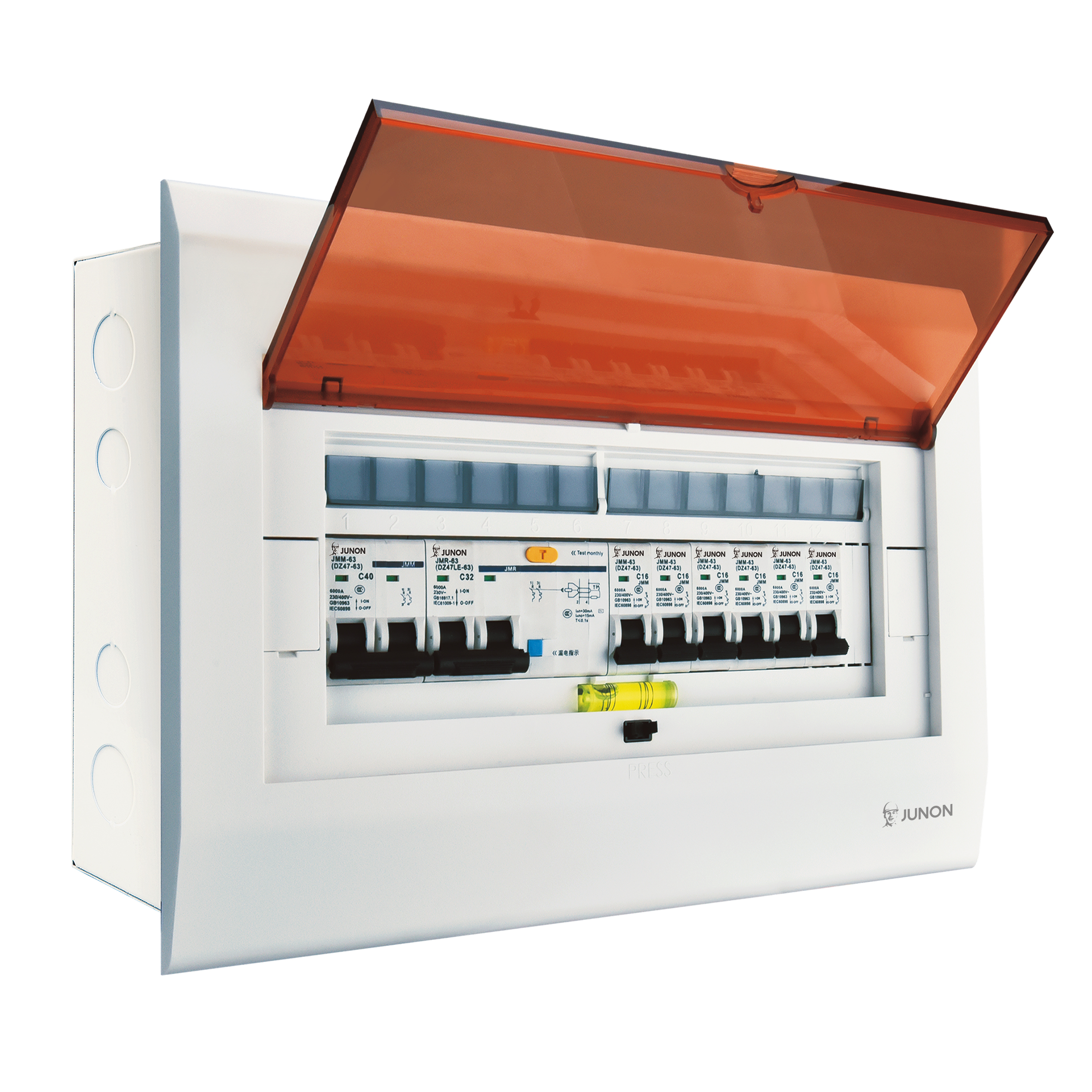
Production Consistency Control Points
| Control Stage | Recommended Verification |
|---|---|
| Reference sample approval | Retain the agreed sample and document its design, dimensions, finish, materials and internal construction. |
| Raw material receipt | Inspect covers, metal parts, copper components and other materials against the approved specification. |
| Assembly process | Conduct 100% production-line inspection to find deviations during manufacturing. |
| Laboratory review | Perform sampling and testing in accordance with the established quality control procedure. |
| Pre-shipment release | Compare finished goods with the approved sample and resolve nonconformities before shipment. |
Use Certifications as Supporting Evidence
Certification documentation can support product verification, but it does not replace direct sample-to-production control. Available records include CE certification for switches under certificate number LVD22-9194, as well as participation in the development or revision of the Chinese national switch and socket standard GB 16915.1-2014.
These records should be reviewed in relation to the exact product model, destination market and applicable project requirements. Certification can demonstrate alignment with a stated category or standard, while the approved sample and inspection results remain essential for confirming that mass-produced units match the agreed product.
Pre-Shipment Comparison and Order Release
Before shipment, select finished goods from the production batch and compare them directly with the approved UK light switch sample. Review appearance, color, surface finish, dimensions, materials, terminal components and internal structure. Any difference should be documented, investigated and accepted by the relevant parties before the goods are released.
Experience from contractor projects involving distribution boxes, switches and sockets in the Philippines, Kenya, Ivory Coast, Kazakhstan, Uzbekistan and Sri Lanka indicates the importance of maintaining a product-specific approval process for every order, regardless of previous supply experience.
Frequently Asked Questions
What information should an approved UK light switch sample record contain?
The record should identify the exact sample and describe its visual design, dimensions, finish, materials and internal construction. Key production components should also be specified so they can be checked during manufacturing.
What inspection stages are included in the stated quality process?
The provided process includes incoming raw material inspection, 100% inspection on the production line, and laboratory sampling and testing.
Is product certification enough to confirm that mass-produced switches match the sample?
No. Certifications relate to identified product categories or standards. Matching a production order to an approved sample requires direct checks of materials, manufacturing output, finished goods and inspection documentation.
Conclusion
To ensure that UK light switch mass production remains consistent with the approved sample, use a signed sample approval document, freeze the agreed construction details, inspect incoming materials, implement 100% line inspection, conduct laboratory testing and complete a final pre-shipment comparison. JUNON operates through a full industrial chain, distribution and direct sales model. The stated MOQ for the supplied product is 500 pieces, with a delivery period of 30-45 days. For technical solutions or product support, contact hayley@junlang.com.
About Us
Guangdong JUNON Songtian Electrical Appliance Co.,Ltd produces switches, sockets, distribution boxes and LED lights under the JUNON brand. Founded in 1983, the company operates a 148,000-square-meter factory with more than 30 engineers and designers. Its manufacturing capabilities include injection molding, punching, automated assembly and testing equipment.
The company profile describes standardized procedures extending from product research and development engineering to finished-goods production, with attention to quality, safety and performance. Available credentials include CE certification for switches and RoHS certification for LED batten and LED lighting fixture products. JUNON has supplied customers in multiple sectors through projects in international markets.

REPORT