







-
 Agriculture
-
 Health-Care
-
 Environment
-
 Construction-Real-Estate
-
 Tools-Hardware
-
 Home-Garden
-
 Furniture
-
 Luggage-Bags-Cases
-
 Medical-devices-Supplies
-
 Gifts-Crafts
-
 Sports-Entertainment
-
 Food-Beverage
-
 Vehicles-Transportation
-
 Power-Transmission
-
 Material-Handling
-
 Renewable-Energy
-
 Safety
-
 Testing-Instrument-Equipment
-
 Construction-Building-Machinery
-
 Pet-Supplies
-
 Personal-Care-Household-Cleaning
-
 Vehicle-Accessories-Electronics-Tools
-
 School-Office-Supplies
-
 Packaging-Printing
-
 Mother-Kids-Toys
-
 Business-Services
-
 Commercial-Equipment-Machinery
-
 Apparel-Accessories
-
 Security
-
 Shoes-Accessories
-
 Vehicle-Parts-Accessories
-
 Jewelry-Eyewear-Watches-Accessories
-
 Lights-Lighting
-
 Fabric-Textile-Raw-Material
-
 Fabrication-Services
-
 Industrial-Machinery
-
 Consumer-Electronics
-
 Electrical-Equipment-Supplies
-
 Electronic-Components-Accessories-Telecommunications
-
 Home-Appliances
-
 Beauty
-
 Chemicals
-
 Rubber-Plastics
-
 Metals-Alloys


























































































































































































































































































































































































































































































































































































- Masonry Materials
- Curtain Walls & Accessories
- Earthwork Products
- Fireproofing Materials
- Heat Insulation Materials
- Plastic Building Materials
- Building Boards
- Soundproofing Materials
- Timber
- Waterproofing Materials
- Balustrades & Handrails
- Bathroom & Kitchen
- Flooring & Accessories
- Tiles & Accessories
- Door, Window & Accessories
- Fireplaces & Stoves
- Floor Heating Systems & Parts
- Stairs & Stair Parts
- Ceilings
- Elevators & Escalators
- Stone
- Countertops, Vanity Tops & Table Tops
- Mosaics
- Metal Building Materials
- Multifunctional Materials
- Ladders & Scaffoldings
- Mouldings
- Corner Guards
- Decorative Films
- Formwork
- Building & Industrial Glass
- Other Construction & Real Estate
- Wallpapers/Wall panels
- HVAC System & Parts
- Outdoor Facilities
- Prefabricated Buildings
- Festive & Party Supplies
- Bathroom Products
- Household Sundries
- Rain Gear
- Garden Supplies
- Household Cleaning Tools & Accessories
- Lighters & Smoking Accessories
- Home Storage & Organization
- Household Scales
- Smart Home Improvement
- Home Textiles
- Kitchenware
- Drinkware & Accessories
- Dinnerware, Coffee & Wine
- Home Decor
- Golf
- Fitness & Body Building
- Amusement Park Facilities
- Billiards, Board Game,Coin Operated Games
- Musical Instruments
- Outdoor Affordable Luxury Sports
- Camping & Hiking
- Fishing
- Sports Safety&Rehabilitation
- Ball Sports Equipments
- Water Sports
- Winter Sports
- Luxury Travel Equipments
- Sports Shoes, Bags & Accessories
- Cycling
- Other Sports & Entertainment Products
- Artificial Grass&Sports Flooring&Sports Court Equipment
- Scooters
- Food Ingredients
- Honey & Honey Products
- Snacks
- Nuts & Kernels
- Seafood
- Plant & Animal Oil
- Beverages
- Fruit & Vegetable Products
- Frog & Escargot
- Bean Products
- Egg Products
- Dairy Products
- Seasonings & Condiments
- Canned Food
- Instant Food
- Baked Goods
- Other Food & Beverage
- Meat & Poultry
- Confectionery
- Grain Products
- Feminie Care
- Hair Care & Styling
- Body Care
- Hands & Feet Care
- Hygiene Products
- Men's Grooming
- Laundry Cleaning Supplies
- Travel Size & Gift Sets
- Room Deodorizers
- Other Personal Care Products
- Pest Control Products
- Special Household Cleaning
- Floor Cleaning
- Kitchen & Bathroom Cleaning
- Oral Care
- Bath Supplies
- Yellow Pages
- Correction Supplies
- Office Binding Supplies
- Office Cutting Supplies
- Board Erasers
- Office Adhesives & Tapes
- Education Supplies
- Pencil Cases & Bags
- Notebooks & Writing Pads
- File Folder Accessories
- Calendars
- Writing Accessories
- Commercial Office Supplies
- Pencil Sharpeners
- Pens
- Letter Pad/Paper
- Paper Envelopes
- Desk Organizers
- Pencils
- Markers & Highlighters
- Filing Products
- Art Supplies
- Easels
- Badge Holder & Accessories
- Office Paper
- Printer Supplies
- Book Covers
- Other Office & School Supplies
- Stationery Set
- Boards
- Clipboards
- Stamps
- Drafting Supplies
- Stencils
- Electronic Dictionary
- Books
- Map
- Magazines
- Calculators
- Baby & Toddler Toys
- Educational Toys
- Classic Toys
- Dress Up & Pretend Play
- Toy Vehicle
- Stuffed Animals & Plush Toys
- Outdoor Toys & Structures
- Balloons & Accessories
- Baby Food
- Children's Clothing
- Baby Supplies & Products
- Maternity Clothes
- Kids Shoes
- Baby Care
- Novelty & Gag Toys
- Dolls & Accessories
- Puzzle & Games
- Blocks & Model Building Toys
- Toddler Clothing
- Baby Clothing
- Kids' Luggage & Bags
- Arts, Crafts & DIY Toys
- Action & Toy Figures
- Baby Appliances
- Hobbies & Models
- Remote Control Toys
- Promotional Toys
- Pregnancy & Maternity
- Hygiene Products
- Kid's Textile&Bedding
- Novelty & Special Use
- Toy Weapons
- Baby Gifts
- Baby Storage & Organization
- Auto Drive Systems
- ATV/UTV Parts & Accessories
- Marine Parts & Accessories
- Other Auto Parts
- Trailer Parts & Accessories
- Auto Transmission Systems
- Train Parts & Accessories
- Universal Parts
- Railway Parts & Accessories
- Auto Brake Systems
- Aviation Parts & Accessories
- Truck Parts & Accessories
- Auto Suspension Systems
- Auto Lighting Systems
- New Energy Vehicle Parts & Accessories
- Auto Steering Systems
- Wheels, Tires & Accessories
- Bus Parts & Accessories
- Auto Performance Parts
- Cooling System
- Go-Kart & Kart Racer Parts & Accessories
- Air Conditioning Systems
- Heavy Duty Vehicle Parts & Accessories
- Auto Electrical Systems
- Auto Body Systems
- Auto Engine Systems
- Container Parts & Accessories
- Motorcycle Parts & Accessories
- Refrigeration & Heat Exchange Equipment
- Machine Tool Equipment
- Food & Beverage Machinery
- Agricultural Machinery & Equipment
- Apparel & Textile Machinery
- Chemical Machinery
- Packaging Machines
- Paper Production Machinery
- Plastic & Rubber Processing Machinery
- Industrial Robots
- Electronic Products Machinery
- Metal & Metallurgy Machinery
- Woodworking Machinery
- Home Product Manufacturing Machinery
- Machinery Accessories
- Environmental Machinery
- Machinery Service
- Electrical Equipment Manufacturing Machinery
- Industrial Compressors & Parts
- Tobacco & Cigarette Machinery
- Production Line
- Used Industrial Machinery
- Electronics Production Machinery
- Other Machinery & Industrial Equipment
- Camera, Photo & Accessories
- Portable Audio, Video & Accessories
- Television, Home Audio, Video & Accessories
- Video Games & Accessories
- Mobile Phone & Accessories
- Electronic Publications
- Earphone & Headphone & Accessories
- Speakers & Accessories
- Smart Electronics
- TV Receivers & Accessories
- Mobile Phone & Computer Repair Parts
- Chargers, Batteries & Power Supplies
- Used Electronics
- VR, AR, MR Hardware & Software
- Projectors & Presentation Equipments
- Other Consumer Electronics
- Cables & Commonly Used Accessories
- Computer Hardware & Software
- Displays, Signage and Optoelectronics
- Discrete Semiconductors
- Wireless & IoT Module and Products
- Telecommunications
- Connectors, Terminals & Accessories
- Development Boards, Electronic Modules and Kits
- Circuit Protection
- Sensors
- Isolators
- Audio Components and Products
- Integrated Circuits
- Power Supplies
- Relays
- RF, Microwave and RFID
- Electronic Accessories & Supplies
- Passive Components
- PCB & PCBA
- Air Quality Appliances
- Home Appliance Parts
- Heating & Cooling Appliances
- Small Kitchen Appliances
- Laundry Appliances
- Water Heaters
- Water Treatment Appliances
- Refrigerators & Freezers
- Personal Care & Beauty Appliances
- Major Kitchen Appliances
- Cleaning Appliances
- Second-hand Appliances
- Smart Home Appliances
- Other Home Appliances
- Energy Chemicals
- Inorganic Chemicals
- Basic Organic Chemicals
- Agrochemicals
- Admixture & Additives
- Catalysts & Chemical Auxiliary Agents
- Pigments & Dyestuff
- Coating & Paint
- Daily Chemicals
- Polymer
- Organic Intermediate
- Adhesives & Sealants
- Chemical Waste
- Biological Chemical Products
- Surface Treatment Chemicals
- Painting & Coating
- Chemical Reagents
- Flavor & Fragrance
- Non-Explosive Demolition Agents
- Other Chemicals
- Custom Chemical Services

How to Protect Front Bumper Supply During Rising Resin Costs
Sharp increases in resin prices can disrupt front bumper procurement by raising production costs, extending factory schedules, and making replenishment less predictable. Importers, collision repair networks, distributors, and aftermarket sellers can reduce this exposure by combining immediate ready-stock purchasing with a structured OEM/ODM sourcing plan for future vehicle applications.
Danyang Wanjiang Auto Parts Co., Ltd. provides an integrated supply model covering stocked auto body parts, customized development, quality inspection, and international shipping. Standard inventory items can reportedly be loaded and dispatched within one week, helping buyers secure supply without waiting for a new production cycle affected by changing resin costs.
Practical Strategies to Reduce Bumper Supply Risk
Prioritize Available Inventory for Urgent Demand
Ready-stock purchasing is often the most direct way to limit short-term exposure to volatile resin pricing. By purchasing available bumper inventory, buyers can shorten replenishment lead times and avoid relying entirely on future manufacturing runs. The stated stock program supports loading and dispatch within seven days for standard products.
Separate Immediate Purchasing From Custom Development
A balanced procurement plan should distinguish between urgent replacement demand and long-term product requirements. Stock bumpers can support current repair, restoration, retail, or distribution needs, while OEM/ODM development can be used for specific front-bumper fitment, styling, material, or branding requirements once tooling conditions and order quantities have been agreed.
Consolidate Auto Body Parts With One Supplier
Managing bumpers together with related exterior components can reduce purchasing complexity and improve container utilization. In addition to bumpers, Danyang Wanjiang supplies grilles, headlights, engine hoods, and fenders. Sourcing multiple categories through one supplier may reduce supplier interfaces and simplify shipment planning for wholesale and aftermarket programs.
Use Documented Inspection Before Shipment
Price volatility is not the only procurement concern. Buyers should also control quality risk through defined inspection procedures. The company states that it verifies raw materials, monitors molds and molding processes, and carries out 100% final inspection before loading. Remote buyers may request videos or photographs before shipment for additional verification.
Product and Fitment Verification for Front Bumper Orders
The available product record is for a car rear bumper, not a front bumper. It lists PP, ABS, and carbon fiber material options, a 2.5–5.0 mm wall thickness, a primed surface, OEM color options, and direct bolt-on or clip-on installation. These specifications can serve as a reference for sourcing discussions, but the exact front-bumper application must be confirmed separately before placing an order.
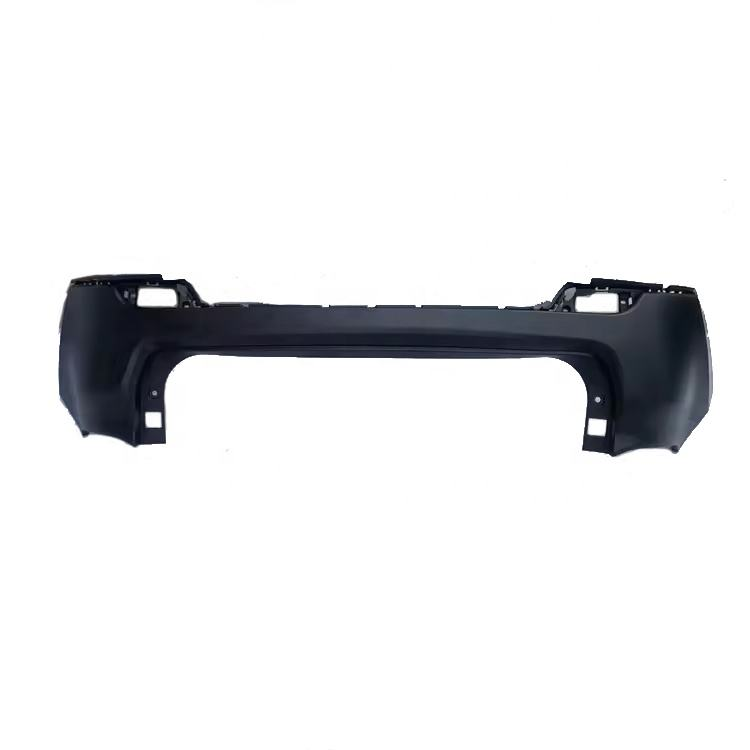
For every front bumper inquiry, confirm the vehicle series, model year, part placement, fitment details, material grade, color or priming requirement, mounting configuration, packaging method, inspection standards, and destination-market compliance requirements. This verification process is especially important when stock purchases are combined with customized production.
Supply Models for Cost and Delivery Control
| Procurement model | Main risk-control benefit | Reported supplier support |
|---|---|---|
| Ready-stock buying | Limits lead-time and near-term resin-price exposure | Standard stock products can be loaded and dispatched within one week |
| OEM/ODM production | Supports dedicated fitment, design, and product requirements | Timing depends on tooling, manufacturing complexity, and order volume |
| Multi-category sourcing | Reduces the number of suppliers involved in body-part purchasing | Bumpers, grilles, headlights, engine hoods, and fenders are available |
| Pre-shipment quality control | Helps identify quality issues before cargo leaves the factory | Visual checks, dimensional measurement, testing, and photo or video evidence |
| Multimodal freight planning | Enables transport choices based on urgency and shipment volume | FCL/LCL sea freight, air freight, rail transport, and international express |
Quality, Compliance, and Logistics Considerations
The stated inspection process for the listed rear bumper includes visual inspection, CMM dimensional measurement, and paint and coating testing. Buyers should define whether equivalent checks are required for their requested front bumper and include those expectations in purchase specifications.
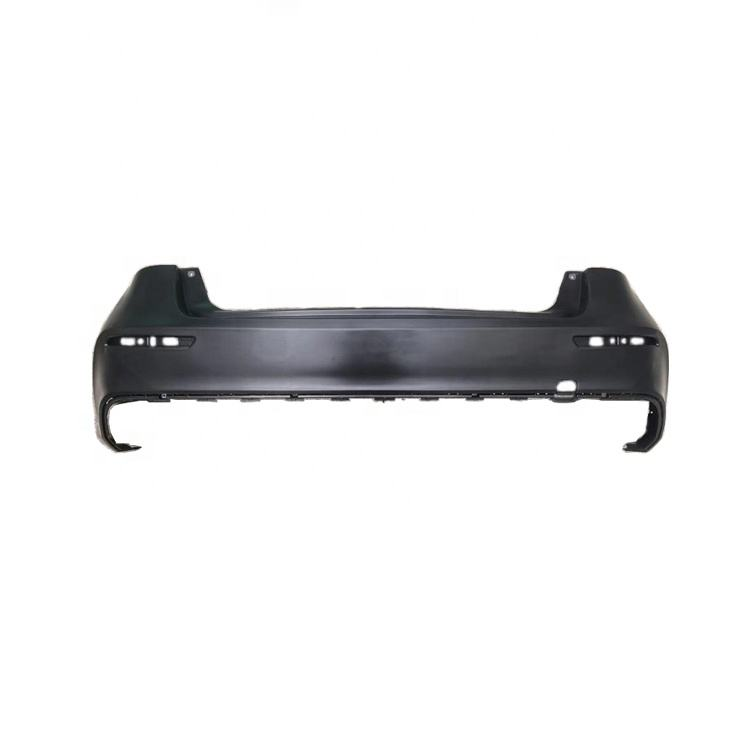
For market screening, the company lists CE certification for car bumpers under certificate HK0624090150C and CE certification for car lamps under certificate HK0624090149C. It also reports EPR registration in Europe for car bumpers, car lamps, hood bonnets, fenders, and grilles. Importers should verify that the relevant documentation applies to the ordered product and the regulations of the destination country.
Freight options include full-container and less-than-container sea shipping, air freight, railway transport, and international express. Sea freight may suit planned volume replenishment, while air or express services can be considered for urgent samples or smaller shipments. Transport selection should be based on inventory urgency, cargo size, landed cost, and delivery commitments.
Frequently Asked Questions
Can stocked bumpers reduce the effects of resin price increases?
Yes. Available inventory can reduce dependence on future manufacturing schedules and allow buyers to secure short-term supply before another production cycle is affected by higher material costs. Standard stock items are stated to be ready for loading and dispatch within one week.
What must be checked before purchasing a front bumper?
Confirm the exact vehicle application, front-position fitment, material, finish, color, installation method, quality-control requirements, packing, and regulatory obligations. Since the supplied product record relates to a rear bumper, front-bumper specifications require direct confirmation.
What are the MOQ and delivery conditions?
The company business model states an MOQ of 1–5 pieces, while the listed product record indicates an MOQ of 5 pieces and a seven-day delivery period. Lead times for customized products depend on mold development, process requirements, and order quantity.
Recommended Purchasing Approach
To manage front bumper supply risk during resin-price spikes, use a two-track strategy: purchase ready stock for immediate demand and develop OEM/ODM products only after fitment requirements are finalized. Combine this approach with documented pre-shipment inspections, multi-category consolidation, and freight choices matched to the required delivery speed.
Danyang Wanjiang Auto Parts Co., Ltd. serves American and European markets, reports a 95% export ratio, and accepts T/T, D/P, L/C, and Alipay. For detailed product confirmation or technical support, contact sales01@cnkebel.com.
About Us
Danyang Wanjiang Auto Parts Co., Ltd. is a Danyang, Jiangsu-based factory specializing in car bumpers and related auto body parts, including grilles, headlights, engine hoods, and fenders. The company reports 18 years of manufacturing and export experience, annual capacity of hundreds of containers, and annual output value exceeding USD 50 million. Its primary export markets are America and Europe.

REPORT