







-
 Agriculture
-
 Health-Care
-
 Environment
-
 Construction-Real-Estate
-
 Tools-Hardware
-
 Home-Garden
-
 Furniture
-
 Luggage-Bags-Cases
-
 Medical-devices-Supplies
-
 Gifts-Crafts
-
 Sports-Entertainment
-
 Food-Beverage
-
 Vehicles-Transportation
-
 Power-Transmission
-
 Material-Handling
-
 Renewable-Energy
-
 Safety
-
 Testing-Instrument-Equipment
-
 Construction-Building-Machinery
-
 Pet-Supplies
-
 Personal-Care-Household-Cleaning
-
 Vehicle-Accessories-Electronics-Tools
-
 School-Office-Supplies
-
 Packaging-Printing
-
 Mother-Kids-Toys
-
 Business-Services
-
 Commercial-Equipment-Machinery
-
 Apparel-Accessories
-
 Security
-
 Shoes-Accessories
-
 Vehicle-Parts-Accessories
-
 Jewelry-Eyewear-Watches-Accessories
-
 Lights-Lighting
-
 Fabric-Textile-Raw-Material
-
 Fabrication-Services
-
 Industrial-Machinery
-
 Consumer-Electronics
-
 Electrical-Equipment-Supplies
-
 Electronic-Components-Accessories-Telecommunications
-
 Home-Appliances
-
 Beauty
-
 Chemicals
-
 Rubber-Plastics
-
 Metals-Alloys


























































































































































































































































































































































































































































































































































































- Masonry Materials
- Curtain Walls & Accessories
- Earthwork Products
- Fireproofing Materials
- Heat Insulation Materials
- Plastic Building Materials
- Building Boards
- Soundproofing Materials
- Timber
- Waterproofing Materials
- Balustrades & Handrails
- Bathroom & Kitchen
- Flooring & Accessories
- Tiles & Accessories
- Door, Window & Accessories
- Fireplaces & Stoves
- Floor Heating Systems & Parts
- Stairs & Stair Parts
- Ceilings
- Elevators & Escalators
- Stone
- Countertops, Vanity Tops & Table Tops
- Mosaics
- Metal Building Materials
- Multifunctional Materials
- Ladders & Scaffoldings
- Mouldings
- Corner Guards
- Decorative Films
- Formwork
- Building & Industrial Glass
- Other Construction & Real Estate
- Wallpapers/Wall panels
- HVAC System & Parts
- Outdoor Facilities
- Prefabricated Buildings
- Festive & Party Supplies
- Bathroom Products
- Household Sundries
- Rain Gear
- Garden Supplies
- Household Cleaning Tools & Accessories
- Lighters & Smoking Accessories
- Home Storage & Organization
- Household Scales
- Smart Home Improvement
- Home Textiles
- Kitchenware
- Drinkware & Accessories
- Dinnerware, Coffee & Wine
- Home Decor
- Golf
- Fitness & Body Building
- Amusement Park Facilities
- Billiards, Board Game,Coin Operated Games
- Musical Instruments
- Outdoor Affordable Luxury Sports
- Camping & Hiking
- Fishing
- Sports Safety&Rehabilitation
- Ball Sports Equipments
- Water Sports
- Winter Sports
- Luxury Travel Equipments
- Sports Shoes, Bags & Accessories
- Cycling
- Other Sports & Entertainment Products
- Artificial Grass&Sports Flooring&Sports Court Equipment
- Scooters
- Food Ingredients
- Honey & Honey Products
- Snacks
- Nuts & Kernels
- Seafood
- Plant & Animal Oil
- Beverages
- Fruit & Vegetable Products
- Frog & Escargot
- Bean Products
- Egg Products
- Dairy Products
- Seasonings & Condiments
- Canned Food
- Instant Food
- Baked Goods
- Other Food & Beverage
- Meat & Poultry
- Confectionery
- Grain Products
- Feminie Care
- Hair Care & Styling
- Body Care
- Hands & Feet Care
- Hygiene Products
- Men's Grooming
- Laundry Cleaning Supplies
- Travel Size & Gift Sets
- Room Deodorizers
- Other Personal Care Products
- Pest Control Products
- Special Household Cleaning
- Floor Cleaning
- Kitchen & Bathroom Cleaning
- Oral Care
- Bath Supplies
- Yellow Pages
- Correction Supplies
- Office Binding Supplies
- Office Cutting Supplies
- Board Erasers
- Office Adhesives & Tapes
- Education Supplies
- Pencil Cases & Bags
- Notebooks & Writing Pads
- File Folder Accessories
- Calendars
- Writing Accessories
- Commercial Office Supplies
- Pencil Sharpeners
- Pens
- Letter Pad/Paper
- Paper Envelopes
- Desk Organizers
- Pencils
- Markers & Highlighters
- Filing Products
- Art Supplies
- Easels
- Badge Holder & Accessories
- Office Paper
- Printer Supplies
- Book Covers
- Other Office & School Supplies
- Stationery Set
- Boards
- Clipboards
- Stamps
- Drafting Supplies
- Stencils
- Electronic Dictionary
- Books
- Map
- Magazines
- Calculators
- Baby & Toddler Toys
- Educational Toys
- Classic Toys
- Dress Up & Pretend Play
- Toy Vehicle
- Stuffed Animals & Plush Toys
- Outdoor Toys & Structures
- Balloons & Accessories
- Baby Food
- Children's Clothing
- Baby Supplies & Products
- Maternity Clothes
- Kids Shoes
- Baby Care
- Novelty & Gag Toys
- Dolls & Accessories
- Puzzle & Games
- Blocks & Model Building Toys
- Toddler Clothing
- Baby Clothing
- Kids' Luggage & Bags
- Arts, Crafts & DIY Toys
- Action & Toy Figures
- Baby Appliances
- Hobbies & Models
- Remote Control Toys
- Promotional Toys
- Pregnancy & Maternity
- Hygiene Products
- Kid's Textile&Bedding
- Novelty & Special Use
- Toy Weapons
- Baby Gifts
- Baby Storage & Organization
- Auto Drive Systems
- ATV/UTV Parts & Accessories
- Marine Parts & Accessories
- Other Auto Parts
- Trailer Parts & Accessories
- Auto Transmission Systems
- Train Parts & Accessories
- Universal Parts
- Railway Parts & Accessories
- Auto Brake Systems
- Aviation Parts & Accessories
- Truck Parts & Accessories
- Auto Suspension Systems
- Auto Lighting Systems
- New Energy Vehicle Parts & Accessories
- Auto Steering Systems
- Wheels, Tires & Accessories
- Bus Parts & Accessories
- Auto Performance Parts
- Cooling System
- Go-Kart & Kart Racer Parts & Accessories
- Air Conditioning Systems
- Heavy Duty Vehicle Parts & Accessories
- Auto Electrical Systems
- Auto Body Systems
- Auto Engine Systems
- Container Parts & Accessories
- Motorcycle Parts & Accessories
- Refrigeration & Heat Exchange Equipment
- Machine Tool Equipment
- Food & Beverage Machinery
- Agricultural Machinery & Equipment
- Apparel & Textile Machinery
- Chemical Machinery
- Packaging Machines
- Paper Production Machinery
- Plastic & Rubber Processing Machinery
- Industrial Robots
- Electronic Products Machinery
- Metal & Metallurgy Machinery
- Woodworking Machinery
- Home Product Manufacturing Machinery
- Machinery Accessories
- Environmental Machinery
- Machinery Service
- Electrical Equipment Manufacturing Machinery
- Industrial Compressors & Parts
- Tobacco & Cigarette Machinery
- Production Line
- Used Industrial Machinery
- Electronics Production Machinery
- Other Machinery & Industrial Equipment
- Camera, Photo & Accessories
- Portable Audio, Video & Accessories
- Television, Home Audio, Video & Accessories
- Video Games & Accessories
- Mobile Phone & Accessories
- Electronic Publications
- Earphone & Headphone & Accessories
- Speakers & Accessories
- Smart Electronics
- TV Receivers & Accessories
- Mobile Phone & Computer Repair Parts
- Chargers, Batteries & Power Supplies
- Used Electronics
- VR, AR, MR Hardware & Software
- Projectors & Presentation Equipments
- Other Consumer Electronics
- Cables & Commonly Used Accessories
- Computer Hardware & Software
- Displays, Signage and Optoelectronics
- Discrete Semiconductors
- Wireless & IoT Module and Products
- Telecommunications
- Connectors, Terminals & Accessories
- Development Boards, Electronic Modules and Kits
- Circuit Protection
- Sensors
- Isolators
- Audio Components and Products
- Integrated Circuits
- Power Supplies
- Relays
- RF, Microwave and RFID
- Electronic Accessories & Supplies
- Passive Components
- PCB & PCBA
- Air Quality Appliances
- Home Appliance Parts
- Heating & Cooling Appliances
- Small Kitchen Appliances
- Laundry Appliances
- Water Heaters
- Water Treatment Appliances
- Refrigerators & Freezers
- Personal Care & Beauty Appliances
- Major Kitchen Appliances
- Cleaning Appliances
- Second-hand Appliances
- Smart Home Appliances
- Other Home Appliances
- Energy Chemicals
- Inorganic Chemicals
- Basic Organic Chemicals
- Agrochemicals
- Admixture & Additives
- Catalysts & Chemical Auxiliary Agents
- Pigments & Dyestuff
- Coating & Paint
- Daily Chemicals
- Polymer
- Organic Intermediate
- Adhesives & Sealants
- Chemical Waste
- Biological Chemical Products
- Surface Treatment Chemicals
- Painting & Coating
- Chemical Reagents
- Flavor & Fragrance
- Non-Explosive Demolition Agents
- Other Chemicals
- Custom Chemical Services

How to Prove Manufacturing Defects in Post-Installation Pipe Fitting Leak Claims
When pipe fittings leak following installation, securing a successful compensation or replacement claim hinges on proving whether the issue stems from factory manufacturing defects or field assembly errors. Establishing clear, objective documentation creates a seamless chain of evidence connecting the failure directly to non-conforming hardware.
Key Evidence Required for a Successful Leak Claim
- Proof of Purchase & Traceability: Invoices, purchase orders, and batch numbers verifying raw material certifications (e.g., 304 or 316L stainless steel grades).
- Visual & Pressure Footage: High-resolution videos and clear photos showing fluid escaping under active system pressure before disassembling the joint.
- Installation Logs: Comprehensive records confirming correct assembly torque, sealant application, and operating parameters during commissioning.
- Technical Inspection Reports: Independent dimensional measurements or metallurgical tests confirming out-of-tolerance machining (e.g., exceeding ±0.03mm standard) or material porosity.
Root Cause Analysis & Technical Verification Standards
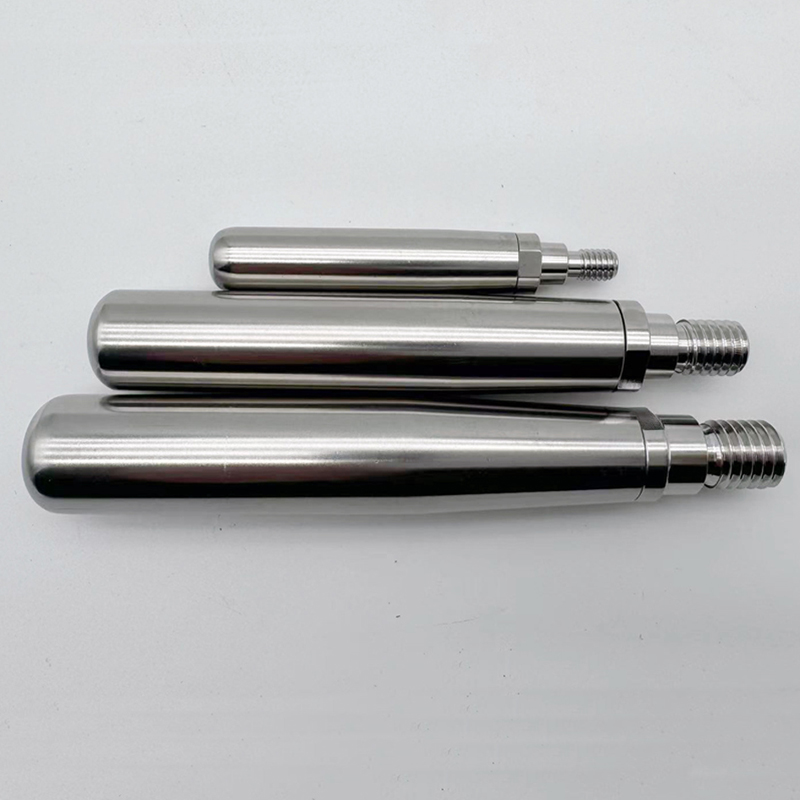
Industrial fluid networks, marine systems, and food processing facilities subject mechanical hardware to high operational pressures. Suppliers assess warranty requests by evaluating material composition, thread pitch accuracy, and sealing seat geometry against original engineering drawings.
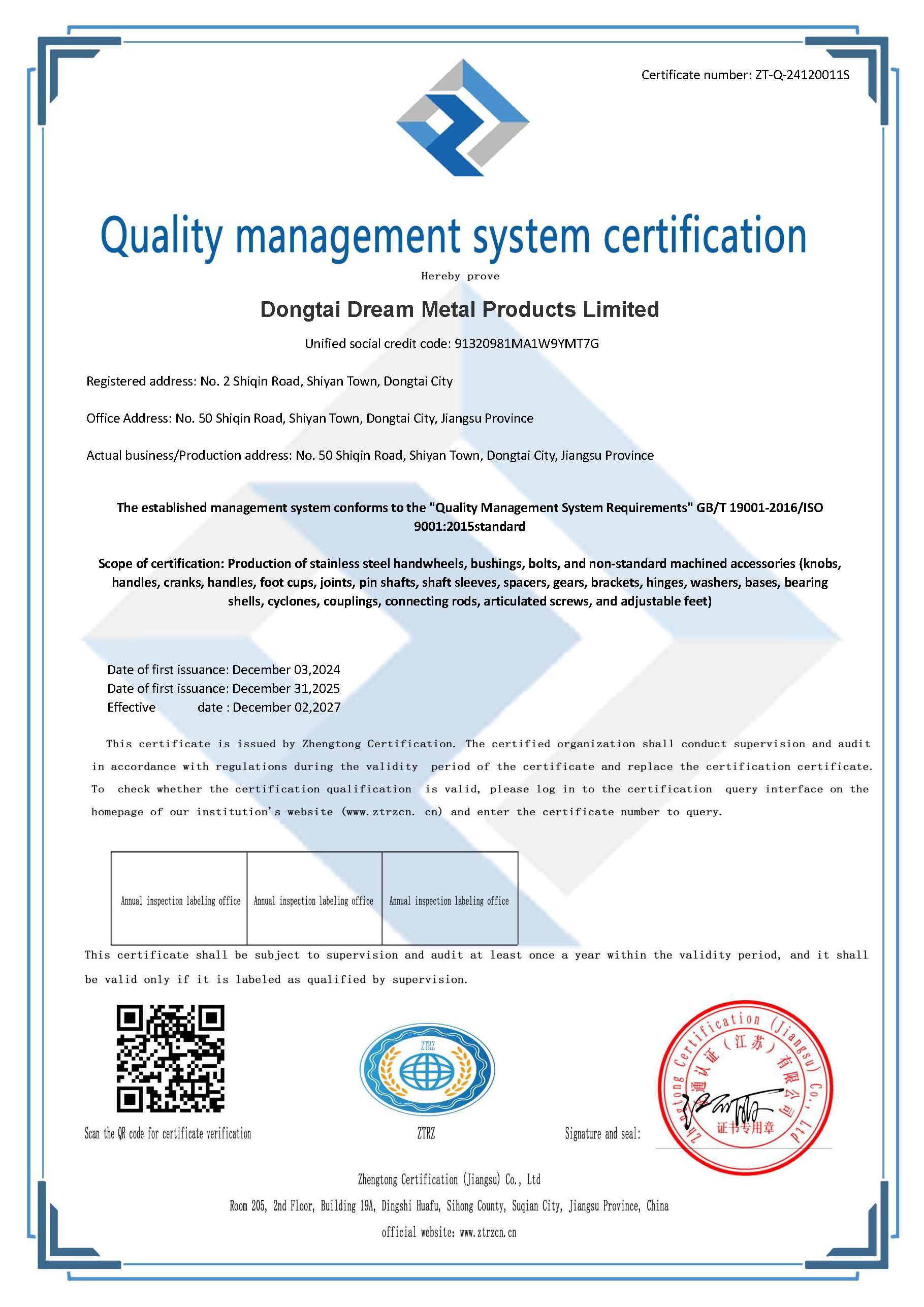
Under ISO 9001 quality management systems (such as certificate ZT-Q-24120011S), precision components are machined to strict tolerances, often within ±0.03mm. If dimensional inspections reveal that thread root depths or seat angles deviate from these limits, the responsibility rests with the manufacturer. Conversely, stripped threads or improper thread tape application suggest field over-torquing or improper installation.
For large-scale deployments—such as an 8,000-unit supply project for industrial valve manufacturers—pressure-log charts recorded during initial startup are critical to prove system pressure remained strictly within rated operating parameters.
Comparing Leak Causes and Claim Validity
The table below summarizes the documentation required and expected acceptance outcomes across typical failure scenarios:
| Failure Category | Required Primary Evidence | Technical Verification Method | Claim Acceptance Rate |
|---|---|---|---|
| Dimensional / Thread Defects | CMM inspection reports, pitch gauge photography, drawing overlays | Thread variance check (exceeding ±0.03mm limit), optical comparator | High (Factory Defect) |
| Material Inclusions / Porosity | Hydrostatic test video under load, metallurgical analysis report | Spectrometer chemical testing, bench testing under static pressure | High (Material Non-Conformance) |
| Assembly Error / Over-Tightening | Stripped thread images, missing torque wrench calibration logs | Fractographic analysis of shear deformation from excessive torque | Low (Field Error) |
| Chemical Attack / Corrosion | Surface pitting photos, fluid chemical composition sheets, temperature logs | Corrosion product evaluation versus 304/316L chemical specs | Conditional (Application Selection Error) |
Frequently Asked Questions
What visual evidence should be recorded immediately when a leak is discovered?
Record wide-angle video of the overall system layout, medium shots highlighting batch markings and model numbers, and clear close-ups of the exact leak point while pressure gauges are visible and active.
Why are raw material mill certificates essential for post-installation claims?
Mill test certificates confirm the component matches specified material grades, such as 316L stainless steel. If independent laboratory tests reveal composition shortfalls leading to stress corrosion or leaks, factory liability is clearly established.
How do manufacturers handle validated defective batch claims?
Upon verifying non-conformance, suppliers issue a root cause failure analysis (RCFA) report alongside credit adjustments or expedited replacement parts to minimize downtime across production lines.
Summary & Strategic Recommendations
Successfully navigating post-installation leakage claims relies on thorough documentation distinguishing factory defects from installation errors. Technical procurement teams should establish clear inspection protocols, batch traceability, and defined tolerances upon receipt of goods. Structuring OEM and ODM supply agreements with standard Trade Assurance or T/T payment terms guarantees transparent resolution paths. For specialized guidance or technical assistance, contact our engineering team at 86-15868979792.
About Us
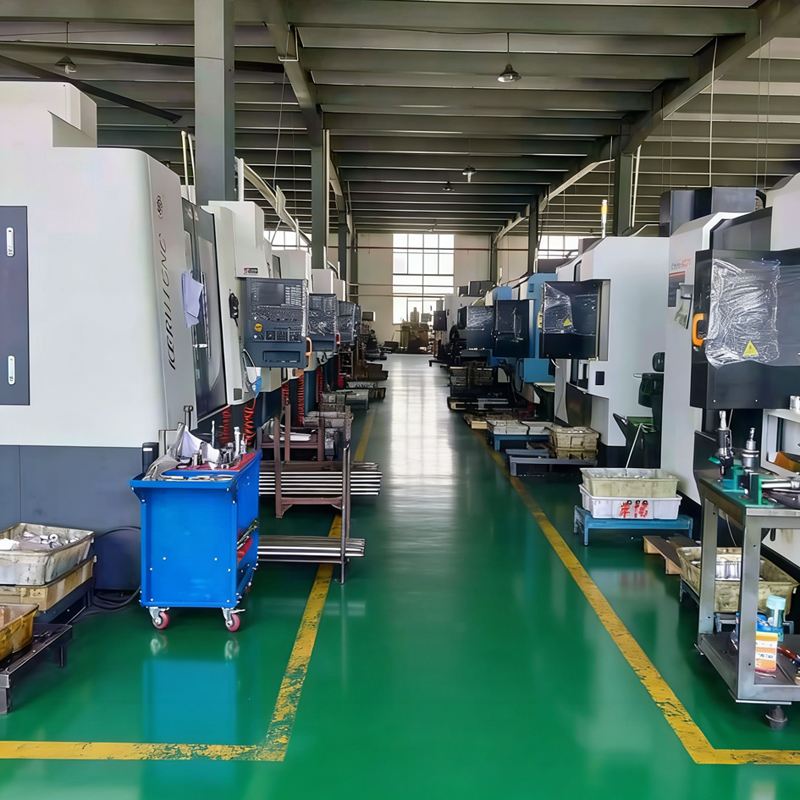
ZheJiang Dream Industry Limited (brand MXCZ) brings more than two decades of technical expertise to custom CNC machining and precision component manufacturing. Founded in 2008, the company operates a 2,500 sqm production facility with 34 skilled staff, specializing in high-precision turning, milling, and hardware assembly. Operating under ISO 9001 certification (ZT-Q-24120011S), the business exports 65% of its output across 30+ international markets in valve, machinery, and industrial automation sectors.
REPORT