







-
 Agriculture
-
 Health-Care
-
 Environment
-
 Construction-Real-Estate
-
 Tools-Hardware
-
 Home-Garden
-
 Furniture
-
 Luggage-Bags-Cases
-
 Medical-devices-Supplies
-
 Gifts-Crafts
-
 Sports-Entertainment
-
 Food-Beverage
-
 Vehicles-Transportation
-
 Power-Transmission
-
 Material-Handling
-
 Renewable-Energy
-
 Safety
-
 Testing-Instrument-Equipment
-
 Construction-Building-Machinery
-
 Pet-Supplies
-
 Personal-Care-Household-Cleaning
-
 Vehicle-Accessories-Electronics-Tools
-
 School-Office-Supplies
-
 Packaging-Printing
-
 Mother-Kids-Toys
-
 Business-Services
-
 Commercial-Equipment-Machinery
-
 Apparel-Accessories
-
 Security
-
 Shoes-Accessories
-
 Vehicle-Parts-Accessories
-
 Jewelry-Eyewear-Watches-Accessories
-
 Lights-Lighting
-
 Fabric-Textile-Raw-Material
-
 Fabrication-Services
-
 Industrial-Machinery
-
 Consumer-Electronics
-
 Electrical-Equipment-Supplies
-
 Electronic-Components-Accessories-Telecommunications
-
 Home-Appliances
-
 Beauty
-
 Chemicals
-
 Rubber-Plastics
-
 Metals-Alloys


























































































































































































































































































































































































































































































































































































- Masonry Materials
- Curtain Walls & Accessories
- Earthwork Products
- Fireproofing Materials
- Heat Insulation Materials
- Plastic Building Materials
- Building Boards
- Soundproofing Materials
- Timber
- Waterproofing Materials
- Balustrades & Handrails
- Bathroom & Kitchen
- Flooring & Accessories
- Tiles & Accessories
- Door, Window & Accessories
- Fireplaces & Stoves
- Floor Heating Systems & Parts
- Stairs & Stair Parts
- Ceilings
- Elevators & Escalators
- Stone
- Countertops, Vanity Tops & Table Tops
- Mosaics
- Metal Building Materials
- Multifunctional Materials
- Ladders & Scaffoldings
- Mouldings
- Corner Guards
- Decorative Films
- Formwork
- Building & Industrial Glass
- Other Construction & Real Estate
- Wallpapers/Wall panels
- HVAC System & Parts
- Outdoor Facilities
- Prefabricated Buildings
- Festive & Party Supplies
- Bathroom Products
- Household Sundries
- Rain Gear
- Garden Supplies
- Household Cleaning Tools & Accessories
- Lighters & Smoking Accessories
- Home Storage & Organization
- Household Scales
- Smart Home Improvement
- Home Textiles
- Kitchenware
- Drinkware & Accessories
- Dinnerware, Coffee & Wine
- Home Decor
- Golf
- Fitness & Body Building
- Amusement Park Facilities
- Billiards, Board Game,Coin Operated Games
- Musical Instruments
- Outdoor Affordable Luxury Sports
- Camping & Hiking
- Fishing
- Sports Safety&Rehabilitation
- Ball Sports Equipments
- Water Sports
- Winter Sports
- Luxury Travel Equipments
- Sports Shoes, Bags & Accessories
- Cycling
- Other Sports & Entertainment Products
- Artificial Grass&Sports Flooring&Sports Court Equipment
- Scooters
- Food Ingredients
- Honey & Honey Products
- Snacks
- Nuts & Kernels
- Seafood
- Plant & Animal Oil
- Beverages
- Fruit & Vegetable Products
- Frog & Escargot
- Bean Products
- Egg Products
- Dairy Products
- Seasonings & Condiments
- Canned Food
- Instant Food
- Baked Goods
- Other Food & Beverage
- Meat & Poultry
- Confectionery
- Grain Products
- Feminie Care
- Hair Care & Styling
- Body Care
- Hands & Feet Care
- Hygiene Products
- Men's Grooming
- Laundry Cleaning Supplies
- Travel Size & Gift Sets
- Room Deodorizers
- Other Personal Care Products
- Pest Control Products
- Special Household Cleaning
- Floor Cleaning
- Kitchen & Bathroom Cleaning
- Oral Care
- Bath Supplies
- Yellow Pages
- Correction Supplies
- Office Binding Supplies
- Office Cutting Supplies
- Board Erasers
- Office Adhesives & Tapes
- Education Supplies
- Pencil Cases & Bags
- Notebooks & Writing Pads
- File Folder Accessories
- Calendars
- Writing Accessories
- Commercial Office Supplies
- Pencil Sharpeners
- Pens
- Letter Pad/Paper
- Paper Envelopes
- Desk Organizers
- Pencils
- Markers & Highlighters
- Filing Products
- Art Supplies
- Easels
- Badge Holder & Accessories
- Office Paper
- Printer Supplies
- Book Covers
- Other Office & School Supplies
- Stationery Set
- Boards
- Clipboards
- Stamps
- Drafting Supplies
- Stencils
- Electronic Dictionary
- Books
- Map
- Magazines
- Calculators
- Baby & Toddler Toys
- Educational Toys
- Classic Toys
- Dress Up & Pretend Play
- Toy Vehicle
- Stuffed Animals & Plush Toys
- Outdoor Toys & Structures
- Balloons & Accessories
- Baby Food
- Children's Clothing
- Baby Supplies & Products
- Maternity Clothes
- Kids Shoes
- Baby Care
- Novelty & Gag Toys
- Dolls & Accessories
- Puzzle & Games
- Blocks & Model Building Toys
- Toddler Clothing
- Baby Clothing
- Kids' Luggage & Bags
- Arts, Crafts & DIY Toys
- Action & Toy Figures
- Baby Appliances
- Hobbies & Models
- Remote Control Toys
- Promotional Toys
- Pregnancy & Maternity
- Hygiene Products
- Kid's Textile&Bedding
- Novelty & Special Use
- Toy Weapons
- Baby Gifts
- Baby Storage & Organization
- Auto Drive Systems
- ATV/UTV Parts & Accessories
- Marine Parts & Accessories
- Other Auto Parts
- Trailer Parts & Accessories
- Auto Transmission Systems
- Train Parts & Accessories
- Universal Parts
- Railway Parts & Accessories
- Auto Brake Systems
- Aviation Parts & Accessories
- Truck Parts & Accessories
- Auto Suspension Systems
- Auto Lighting Systems
- New Energy Vehicle Parts & Accessories
- Auto Steering Systems
- Wheels, Tires & Accessories
- Bus Parts & Accessories
- Auto Performance Parts
- Cooling System
- Go-Kart & Kart Racer Parts & Accessories
- Air Conditioning Systems
- Heavy Duty Vehicle Parts & Accessories
- Auto Electrical Systems
- Auto Body Systems
- Auto Engine Systems
- Container Parts & Accessories
- Motorcycle Parts & Accessories
- Refrigeration & Heat Exchange Equipment
- Machine Tool Equipment
- Food & Beverage Machinery
- Agricultural Machinery & Equipment
- Apparel & Textile Machinery
- Chemical Machinery
- Packaging Machines
- Paper Production Machinery
- Plastic & Rubber Processing Machinery
- Industrial Robots
- Electronic Products Machinery
- Metal & Metallurgy Machinery
- Woodworking Machinery
- Home Product Manufacturing Machinery
- Machinery Accessories
- Environmental Machinery
- Machinery Service
- Electrical Equipment Manufacturing Machinery
- Industrial Compressors & Parts
- Tobacco & Cigarette Machinery
- Production Line
- Used Industrial Machinery
- Electronics Production Machinery
- Other Machinery & Industrial Equipment
- Camera, Photo & Accessories
- Portable Audio, Video & Accessories
- Television, Home Audio, Video & Accessories
- Video Games & Accessories
- Mobile Phone & Accessories
- Electronic Publications
- Earphone & Headphone & Accessories
- Speakers & Accessories
- Smart Electronics
- TV Receivers & Accessories
- Mobile Phone & Computer Repair Parts
- Chargers, Batteries & Power Supplies
- Used Electronics
- VR, AR, MR Hardware & Software
- Projectors & Presentation Equipments
- Other Consumer Electronics
- Cables & Commonly Used Accessories
- Computer Hardware & Software
- Displays, Signage and Optoelectronics
- Discrete Semiconductors
- Wireless & IoT Module and Products
- Telecommunications
- Connectors, Terminals & Accessories
- Development Boards, Electronic Modules and Kits
- Circuit Protection
- Sensors
- Isolators
- Audio Components and Products
- Integrated Circuits
- Power Supplies
- Relays
- RF, Microwave and RFID
- Electronic Accessories & Supplies
- Passive Components
- PCB & PCBA
- Air Quality Appliances
- Home Appliance Parts
- Heating & Cooling Appliances
- Small Kitchen Appliances
- Laundry Appliances
- Water Heaters
- Water Treatment Appliances
- Refrigerators & Freezers
- Personal Care & Beauty Appliances
- Major Kitchen Appliances
- Cleaning Appliances
- Second-hand Appliances
- Smart Home Appliances
- Other Home Appliances
- Energy Chemicals
- Inorganic Chemicals
- Basic Organic Chemicals
- Agrochemicals
- Admixture & Additives
- Catalysts & Chemical Auxiliary Agents
- Pigments & Dyestuff
- Coating & Paint
- Daily Chemicals
- Polymer
- Organic Intermediate
- Adhesives & Sealants
- Chemical Waste
- Biological Chemical Products
- Surface Treatment Chemicals
- Painting & Coating
- Chemical Reagents
- Flavor & Fragrance
- Non-Explosive Demolition Agents
- Other Chemicals
- Custom Chemical Services

How to Secure Better Volume Pricing for Multi-Variant IMD Automotive Trim Parts
Negotiating IMD Pricing Across Multiple Automotive Trim Variants
When sourcing IMD automotive trim parts with several designs or configurations, the best pricing approach is to treat the program as one product family instead of a series of separate small orders. Consolidating demand can improve purchasing leverage, but only when the supplier can clearly distinguish shared manufacturing costs from expenses created by individual variants.
Build the negotiation around a consolidated annual forecast, confirmed release quantities, and a transparent cost breakdown. WHB Tech states a 2,000-piece MOQ for IMD products, an approximately 20-day delivery reference for IMD parts, and OEM/ODM manufacturing support. These figures can serve as useful starting points when discussing combined volume and production planning.
Start with a Variant Matrix and Consolidated Forecast
Before requesting a quotation, prepare a variant matrix that lists every part number and its expected demand. The document should identify annual and quarterly quantities, target launch dates, common materials, construction requirements, decorative differences, tooling status, packaging needs, and inspection criteria.
This format helps the supplier determine which production activities can be shared across the range. For example, several variants may use the same material system, molding process, film structure, packaging method, or production line. However, different shapes, printed graphics, touch-control layouts, color treatments, or approval requirements can still require independent tooling and engineering work.
Combined demand should therefore be used to negotiate common process costs and recurring unit prices where appropriate. Variant-specific costs should remain visible rather than being hidden within a blended price.
Separate Tooling, Sampling, and Production Pricing
Use a Three-Part Quotation Structure
A detailed commercial proposal should divide the program into three pricing layers:
- Tooling charges: Include shared molds, unique variant tooling, fixtures, and any tooling modification costs.
- Sample and approval charges: Cover prototypes, first articles, color or decoration verification, and validation samples.
- Mass-production unit pricing: State the recurring price for each part number at clearly defined volume tiers.
WHB Tech indicates that tooling payments are typically structured as a 50% deposit, with the remaining balance payable after sample approval. For standard production orders, its stated terms are a 30% deposit and a 70% balance against a copy of the bill of lading. These commercial terms should be shown beside the relevant quotation lines so that pricing can be evaluated on a like-for-like basis.
Request Tiered Pricing Based on Real Commitment
Suppliers are more likely to offer meaningful volume reductions when the forecast is supported by released purchase orders, contractual commitments, or a credible production schedule. Rather than asking for one price based on an uncertain annual estimate, request stepped unit prices tied to defined cumulative volumes.
A practical structure may include an initial production release, quarterly demand projections, and a formal price-review point once total purchases reach an agreed threshold. For example, the buyer can request a base price at the MOQ level, a lower price after cumulative orders reach a mid-volume tier, and another reduction at the annual commitment level.
Every tier should specify the applicable MOQ, delivery lead time, inspection scope, payment terms, packaging assumptions, and validity period. A lower quoted price has limited value if it requires weaker quality control, a larger release quantity, or a longer delivery schedule than the buyer can accept.
Define the Exact Product Scope for Every Variant
Automotive IMD trim programs can involve several manufacturing scopes. A quote may cover a finished IMD decorative trim piece, a touch-panel component, a stainless steel matching assembly, or only one defined element of the final product. Clarify this scope before comparing prices between suppliers.
For each version, confirm the substrate, surface finish, printed pattern, functional touch areas, assembly requirements, tolerance expectations, packaging, and engineering-change procedure. This is especially important where different variants share a general platform but require unique decoration, contours, or functional layouts.
Make Quality, Capacity, and Delivery Part of the Price Discussion
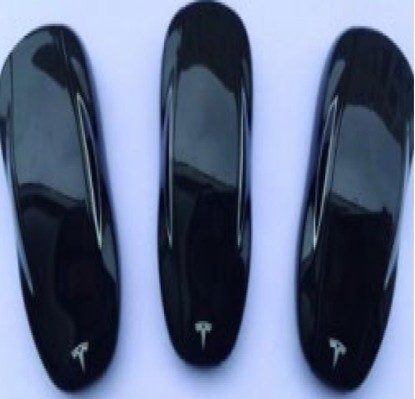
Pricing negotiations should not focus only on the piece price. Include quality assurance, production capacity, and delivery obligations in the quotation record. WHB Tech reports 100% inspection and AQL inspection practices for its IMD business, along with monthly IMD capacity of 180,000 pieces and annual production capacity of 2,000,000 pieces in its production information.
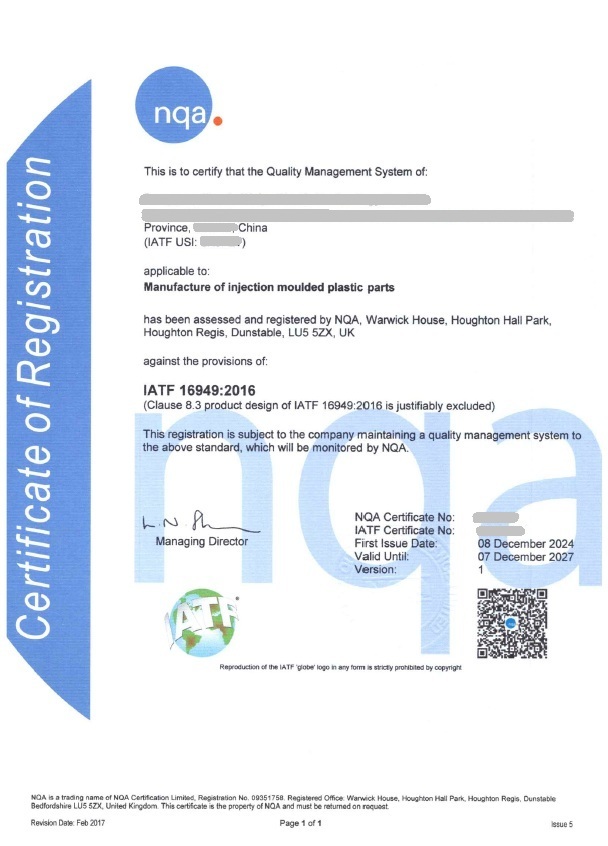
The company also states that it holds IATF 16949, ISO 9001, and ISO 14001 certifications for its automotive, injection molding, IMD/IML, and stainless steel-related manufacturing activities. Buyers should still define the required inspection plan, appearance standard, defect limits, traceability needs, and reporting requirements for the specific project.
WHB Tech references a 20-day delivery time for IMD parts. For multi-variant programs, confirm whether this timing applies to each release quantity, whether materials must be pre-approved, and how the supplier will prioritize mixed-variant production schedules.
Compare Freight and Incoterms Separately
Factory pricing should be separated from logistics expenses when reviewing volume quotations. WHB Tech lists EXW and FOB as preferred Incoterms and can arrange sea freight, air freight, or express shipping upon request. To make supplier comparisons meaningful, request all quotations using the same Incoterm and the same shipment assumptions.
This avoids incorrectly attributing freight differences to the unit price of the IMD part. It also helps buyers compare different release strategies, such as consolidated sea shipments versus smaller air-freight deliveries for urgent variant launches.
Recommended Negotiation Framework
| Commercial item | Recommended approach for multiple IMD variants | WHB Tech stated information |
|---|---|---|
| Demand volume | Consolidate demand for variants with shared materials and processes, while retaining separate treatment for unique parts. | IMD MOQ: 2,000 pcs |
| Tooling and validation | List common tooling, variant tooling, samples, approvals, and engineering changes as independent items. | Tooling: 50% deposit; balance after sample approval |
| Recurring pricing | Ask for volume tiers tied to released orders or documented annual commitments. | 30% deposit; 70% balance against B/L copy |
| Quality requirements | Keep the same inspection plan across price levels unless both parties approve a documented change. | 100% and AQL inspection |
| Lead time | Confirm delivery timing for every release, including the planned mix of part variants. | 20 days for IMD parts |
| Shipping terms | Evaluate product cost and freight independently and use identical Incoterms for supplier comparisons. | EXW and FOB preferred; sea, air, and express available |
Frequently Asked Questions
Can quantities from different IMD trim variants be combined for pricing?
Yes, provided that the variants share relevant production factors such as materials, molding methods, IMD processes, or packaging. The combined forecast can support better unit pricing, but costs for unique tooling, graphics, samples, and engineering changes should be quoted separately.
What should an RFQ include for a multi-variant IMD project?
Provide drawings or specifications, part numbers, variant quantities, forecast duration, scheduled releases, decoration details, tooling status, packaging requirements, inspection standards, delivery targets, Incoterms, payment expectations, and requested volume tiers. Clearly identify which volumes are firm commitments and which are planning forecasts.
How do I verify that a lower price tier is genuinely comparable?
Review the entire quotation scope, not only the unit price. Confirm whether tooling, sampling, quality inspection, packaging, engineering changes, freight, payment terms, and lead time remain unchanged. The stated MOQ, 20-day IMD delivery reference, 100% and AQL inspection, and payment conditions should be checked at every volume level.
Conclusion
For IMD automotive trim parts with multiple variants, the strongest negotiation method is to combine eligible demand through one forecast while maintaining full transparency for variant-specific costs. Use a variant matrix, request separate quotations for tooling, sample approval, and production, and negotiate tiered prices against confirmed volume commitments.
Keep quality, delivery, payment, and shipping terms aligned across all tiers. Buyers can use WHB Tech’s stated 2,000-piece MOQ, 20-day IMD delivery reference, OEM/ODM support, and reported 100% and AQL inspection practices as discussion points when structuring the program. For technical details or quotation support, contact sales@whbtech.com.
About Us
Shenzhen Wang Hui Bao Technology Co., Ltd. is a factory-backed independent export division rather than a third-party trading intermediary, with separated IMD dust-free workshops and two dedicated stainless steel production lines for custom IMD touch panels and matched mirror stainless steel assemblies. Established in 2007, the company operates within a 20,000 sqm factory area and serves automotive interior, household appliance, 3C electronics, industrial robot, and smart home applications. Its certifications include IATF 16949, ISO 9001, and ISO 14001, and it has served clients across multiple industries.

REPORT