







-
 Agriculture
-
 Health-Care
-
 Environment
-
 Construction-Real-Estate
-
 Tools-Hardware
-
 Home-Garden
-
 Furniture
-
 Luggage-Bags-Cases
-
 Medical-devices-Supplies
-
 Gifts-Crafts
-
 Sports-Entertainment
-
 Food-Beverage
-
 Vehicles-Transportation
-
 Power-Transmission
-
 Material-Handling
-
 Renewable-Energy
-
 Safety
-
 Testing-Instrument-Equipment
-
 Construction-Building-Machinery
-
 Pet-Supplies
-
 Personal-Care-Household-Cleaning
-
 Vehicle-Accessories-Electronics-Tools
-
 School-Office-Supplies
-
 Packaging-Printing
-
 Mother-Kids-Toys
-
 Business-Services
-
 Commercial-Equipment-Machinery
-
 Apparel-Accessories
-
 Security
-
 Shoes-Accessories
-
 Vehicle-Parts-Accessories
-
 Jewelry-Eyewear-Watches-Accessories
-
 Lights-Lighting
-
 Fabric-Textile-Raw-Material
-
 Fabrication-Services
-
 Industrial-Machinery
-
 Consumer-Electronics
-
 Electrical-Equipment-Supplies
-
 Electronic-Components-Accessories-Telecommunications
-
 Home-Appliances
-
 Beauty
-
 Chemicals
-
 Rubber-Plastics
-
 Metals-Alloys


























































































































































































































































































































































































































































































































































































- Masonry Materials
- Curtain Walls & Accessories
- Earthwork Products
- Fireproofing Materials
- Heat Insulation Materials
- Plastic Building Materials
- Building Boards
- Soundproofing Materials
- Timber
- Waterproofing Materials
- Balustrades & Handrails
- Bathroom & Kitchen
- Flooring & Accessories
- Tiles & Accessories
- Door, Window & Accessories
- Fireplaces & Stoves
- Floor Heating Systems & Parts
- Stairs & Stair Parts
- Ceilings
- Elevators & Escalators
- Stone
- Countertops, Vanity Tops & Table Tops
- Mosaics
- Metal Building Materials
- Multifunctional Materials
- Ladders & Scaffoldings
- Mouldings
- Corner Guards
- Decorative Films
- Formwork
- Building & Industrial Glass
- Other Construction & Real Estate
- Wallpapers/Wall panels
- HVAC System & Parts
- Outdoor Facilities
- Prefabricated Buildings
- Festive & Party Supplies
- Bathroom Products
- Household Sundries
- Rain Gear
- Garden Supplies
- Household Cleaning Tools & Accessories
- Lighters & Smoking Accessories
- Home Storage & Organization
- Household Scales
- Smart Home Improvement
- Home Textiles
- Kitchenware
- Drinkware & Accessories
- Dinnerware, Coffee & Wine
- Home Decor
- Golf
- Fitness & Body Building
- Amusement Park Facilities
- Billiards, Board Game,Coin Operated Games
- Musical Instruments
- Outdoor Affordable Luxury Sports
- Camping & Hiking
- Fishing
- Sports Safety&Rehabilitation
- Ball Sports Equipments
- Water Sports
- Winter Sports
- Luxury Travel Equipments
- Sports Shoes, Bags & Accessories
- Cycling
- Other Sports & Entertainment Products
- Artificial Grass&Sports Flooring&Sports Court Equipment
- Scooters
- Food Ingredients
- Honey & Honey Products
- Snacks
- Nuts & Kernels
- Seafood
- Plant & Animal Oil
- Beverages
- Fruit & Vegetable Products
- Frog & Escargot
- Bean Products
- Egg Products
- Dairy Products
- Seasonings & Condiments
- Canned Food
- Instant Food
- Baked Goods
- Other Food & Beverage
- Meat & Poultry
- Confectionery
- Grain Products
- Feminie Care
- Hair Care & Styling
- Body Care
- Hands & Feet Care
- Hygiene Products
- Men's Grooming
- Laundry Cleaning Supplies
- Travel Size & Gift Sets
- Room Deodorizers
- Other Personal Care Products
- Pest Control Products
- Special Household Cleaning
- Floor Cleaning
- Kitchen & Bathroom Cleaning
- Oral Care
- Bath Supplies
- Yellow Pages
- Correction Supplies
- Office Binding Supplies
- Office Cutting Supplies
- Board Erasers
- Office Adhesives & Tapes
- Education Supplies
- Pencil Cases & Bags
- Notebooks & Writing Pads
- File Folder Accessories
- Calendars
- Writing Accessories
- Commercial Office Supplies
- Pencil Sharpeners
- Pens
- Letter Pad/Paper
- Paper Envelopes
- Desk Organizers
- Pencils
- Markers & Highlighters
- Filing Products
- Art Supplies
- Easels
- Badge Holder & Accessories
- Office Paper
- Printer Supplies
- Book Covers
- Other Office & School Supplies
- Stationery Set
- Boards
- Clipboards
- Stamps
- Drafting Supplies
- Stencils
- Electronic Dictionary
- Books
- Map
- Magazines
- Calculators
- Baby & Toddler Toys
- Educational Toys
- Classic Toys
- Dress Up & Pretend Play
- Toy Vehicle
- Stuffed Animals & Plush Toys
- Outdoor Toys & Structures
- Balloons & Accessories
- Baby Food
- Children's Clothing
- Baby Supplies & Products
- Maternity Clothes
- Kids Shoes
- Baby Care
- Novelty & Gag Toys
- Dolls & Accessories
- Puzzle & Games
- Blocks & Model Building Toys
- Toddler Clothing
- Baby Clothing
- Kids' Luggage & Bags
- Arts, Crafts & DIY Toys
- Action & Toy Figures
- Baby Appliances
- Hobbies & Models
- Remote Control Toys
- Promotional Toys
- Pregnancy & Maternity
- Hygiene Products
- Kid's Textile&Bedding
- Novelty & Special Use
- Toy Weapons
- Baby Gifts
- Baby Storage & Organization
- Auto Drive Systems
- ATV/UTV Parts & Accessories
- Marine Parts & Accessories
- Other Auto Parts
- Trailer Parts & Accessories
- Auto Transmission Systems
- Train Parts & Accessories
- Universal Parts
- Railway Parts & Accessories
- Auto Brake Systems
- Aviation Parts & Accessories
- Truck Parts & Accessories
- Auto Suspension Systems
- Auto Lighting Systems
- New Energy Vehicle Parts & Accessories
- Auto Steering Systems
- Wheels, Tires & Accessories
- Bus Parts & Accessories
- Auto Performance Parts
- Cooling System
- Go-Kart & Kart Racer Parts & Accessories
- Air Conditioning Systems
- Heavy Duty Vehicle Parts & Accessories
- Auto Electrical Systems
- Auto Body Systems
- Auto Engine Systems
- Container Parts & Accessories
- Motorcycle Parts & Accessories
- Refrigeration & Heat Exchange Equipment
- Machine Tool Equipment
- Food & Beverage Machinery
- Agricultural Machinery & Equipment
- Apparel & Textile Machinery
- Chemical Machinery
- Packaging Machines
- Paper Production Machinery
- Plastic & Rubber Processing Machinery
- Industrial Robots
- Electronic Products Machinery
- Metal & Metallurgy Machinery
- Woodworking Machinery
- Home Product Manufacturing Machinery
- Machinery Accessories
- Environmental Machinery
- Machinery Service
- Electrical Equipment Manufacturing Machinery
- Industrial Compressors & Parts
- Tobacco & Cigarette Machinery
- Production Line
- Used Industrial Machinery
- Electronics Production Machinery
- Other Machinery & Industrial Equipment
- Camera, Photo & Accessories
- Portable Audio, Video & Accessories
- Television, Home Audio, Video & Accessories
- Video Games & Accessories
- Mobile Phone & Accessories
- Electronic Publications
- Earphone & Headphone & Accessories
- Speakers & Accessories
- Smart Electronics
- TV Receivers & Accessories
- Mobile Phone & Computer Repair Parts
- Chargers, Batteries & Power Supplies
- Used Electronics
- VR, AR, MR Hardware & Software
- Projectors & Presentation Equipments
- Other Consumer Electronics
- Cables & Commonly Used Accessories
- Computer Hardware & Software
- Displays, Signage and Optoelectronics
- Discrete Semiconductors
- Wireless & IoT Module and Products
- Telecommunications
- Connectors, Terminals & Accessories
- Development Boards, Electronic Modules and Kits
- Circuit Protection
- Sensors
- Isolators
- Audio Components and Products
- Integrated Circuits
- Power Supplies
- Relays
- RF, Microwave and RFID
- Electronic Accessories & Supplies
- Passive Components
- PCB & PCBA
- Air Quality Appliances
- Home Appliance Parts
- Heating & Cooling Appliances
- Small Kitchen Appliances
- Laundry Appliances
- Water Heaters
- Water Treatment Appliances
- Refrigerators & Freezers
- Personal Care & Beauty Appliances
- Major Kitchen Appliances
- Cleaning Appliances
- Second-hand Appliances
- Smart Home Appliances
- Other Home Appliances
- Energy Chemicals
- Inorganic Chemicals
- Basic Organic Chemicals
- Agrochemicals
- Admixture & Additives
- Catalysts & Chemical Auxiliary Agents
- Pigments & Dyestuff
- Coating & Paint
- Daily Chemicals
- Polymer
- Organic Intermediate
- Adhesives & Sealants
- Chemical Waste
- Biological Chemical Products
- Surface Treatment Chemicals
- Painting & Coating
- Chemical Reagents
- Flavor & Fragrance
- Non-Explosive Demolition Agents
- Other Chemicals
- Custom Chemical Services

How to Validate a 17-Seater Bus Sample and Maintain Mass Production Consistency
Why Sample Approval Matters for a 17-Seater Bus Order
Testing a 17-seater bus sample is the most effective way to establish a reliable standard for later production vehicles. The approved sample should not be treated as an informal reference; it must become a documented benchmark covering the agreed configuration, performance, finish, and delivery requirements. Before approval, confirm that the 17-seat layout and all related specifications are clearly stated in the purchase documents.
Once the sample is accepted, every mass-produced vehicle should be checked against the same signed requirements. This process reduces the risk of configuration changes, inconsistent components, or performance differences appearing after production begins.
Build a Complete Sample Acceptance File
A written acceptance file creates traceability between the tested vehicle and the final production batch. It should include the seating arrangement, exterior and interior details, agreed accessories, vehicle functions, appearance standards, and all observations made during inspection.
Key Records to Include
- Approved 17-seater layout and full vehicle specification sheet
- Photographs of the exterior, passenger area, controls, and installed components
- Functional inspection results and road-test findings
- Records of defects, corrections, and final approval signatures
- Shipment release criteria for mass-production vehicles
Using these records prevents future decisions from depending on memory, verbal confirmation, or visual comparison alone. Any item accepted during sample evaluation should be converted into a measurable production requirement.
Test the Sample Under Real Operating Conditions
A bus sample should be driven in conditions that closely resemble its intended use. For shuttle applications, this includes repeated stopping and starting, turning, route gradients, passenger loading conditions, and the normal operating environment. Electric sightseeing and shuttle vehicles are commonly used in scenic areas, tourist destinations, hotels, and resorts, where comfort, route suitability, and dependable daily operation are essential.
Recommended Driving and Functional Checks
- Braking response and braking stability
- Hill-hold or anti-rollback performance on slopes
- Downhill speed control where the vehicle configuration provides this function
- Steering response, turning behavior, and suspension performance
- Acceleration, stop-and-go capability, and route-gradient performance
- Noise, vibration, and passenger comfort observations
- Operation of passenger-area equipment and controls
Testing on the actual or representative shuttle route is particularly valuable. It provides practical evidence of how the 17-seater bus performs on the gradients, corners, stopping points, and road surfaces it will encounter in service.
Use the Approved Sample as the Mass Production Standard
After the sample passes inspection, the same requirements must be applied to every production unit before shipment. A production release process should compare each vehicle with the approved configuration and verify both assembly quality and operating performance.
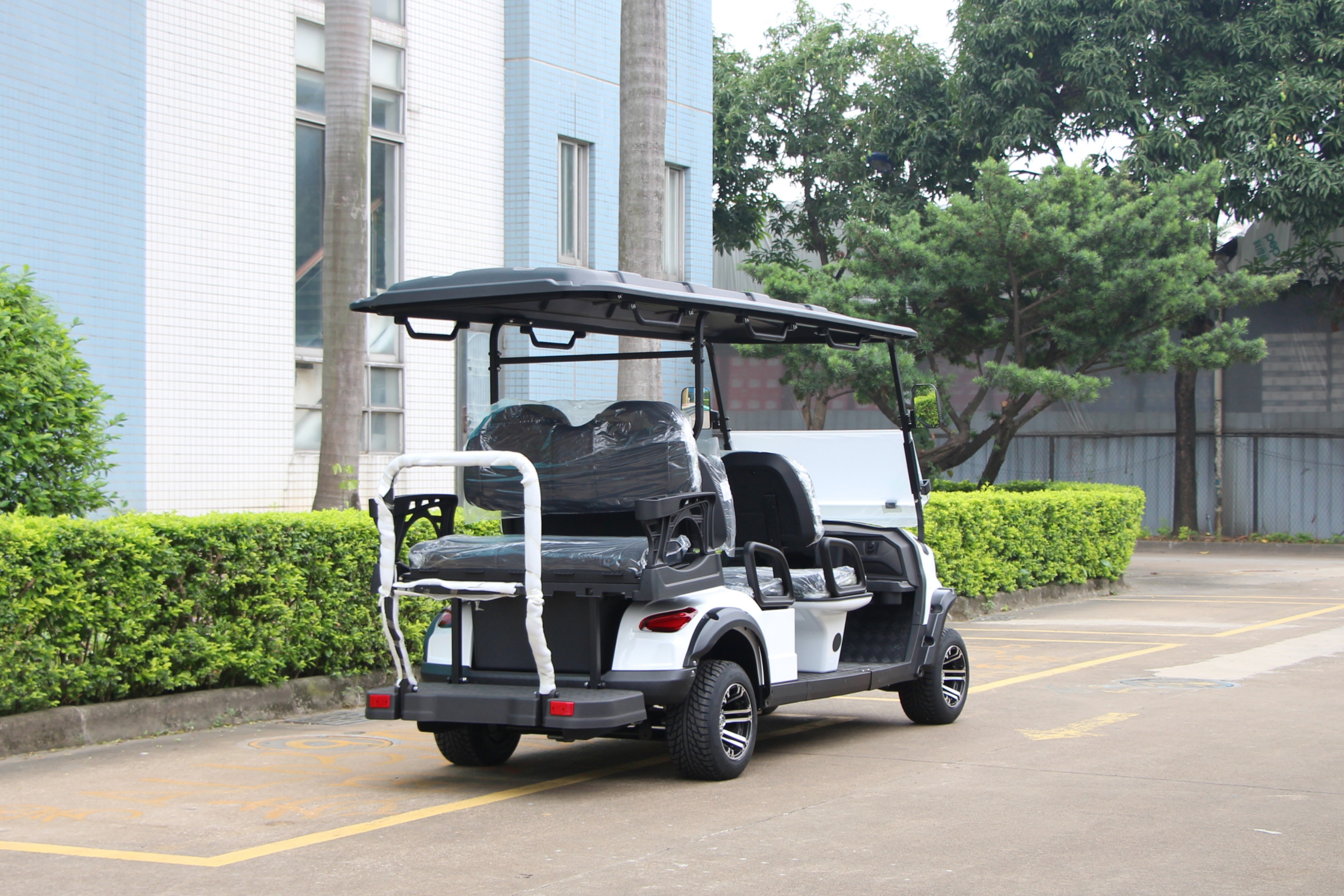
Langqing states that its LQS041+2 electric golf cart undergoes 100% inspection-line testing and road testing before shipment. A similar documented two-stage inspection process can help buyers maintain consistency for a 17-seater bus order: first inspect the vehicle on the production line, then confirm its driving condition through road testing.
Production Consistency Control Table
| Control Stage | Items to Check | Records to Keep |
|---|---|---|
| Sample specification approval | 17-seat configuration, approved features, appearance, and intended shuttle application | Signed specification sheet, photos, and sample acceptance report |
| Sample road test | Braking, steering, gradients, passenger-area functions, driving behavior, and identified issues | Road-test form and corrective-action documentation |
| Mass-production release | Conformity with the approved sample and contractual specifications before dispatch | Inspection-line report, road-test report, and shipment authorization |
| Change management | Differences in components, suppliers, vehicle configuration, or assembly methods | Change notice, comparison test result, and buyer approval if required |
Control Changes Before They Reach Production
Changes to suppliers, materials, components, configurations, or assembly methods should never be introduced without review. When a proposed change may affect vehicle performance, appearance, safety, or passenger comfort, it should be compared with the approved sample and supported by test evidence. Written buyer approval should be obtained whenever the order terms require it.
The stated quality approach combines advanced equipment with manual inspection, supporting a double-inspection method before vehicle release. This type of process is useful for identifying both measurable assembly issues and visual or functional details that require human evaluation.
Application Experience and Document Review
Shuttle deployment is an established use case for electric vehicles. Langqing reports supplying 131 units for a museum cultural-tourism shuttle project in Egypt, more than 3,500 units for a shuttle bus project in Cuba, and 20 units for an airport shuttle project in Argentina. These examples demonstrate experience in shuttle-related applications, but each 17-seater bus order should still be assessed according to its own confirmed route, load, configuration, and performance requirements.
CE certification is listed for Langqing electric golf carts, electric sightseeing buses, and electric trucks intended for the European Union market. Certification documents can form part of the buyer's review package. However, certification does not by itself prove that every production vehicle is identical to the approved sample. Production conformity still depends on configuration control, inspection records, and road-test verification.
Frequently Asked Questions
Should the 17-seater bus sample be tested on the intended route?
Yes. Route-based testing helps evaluate repeated stops, slopes, turns, passenger comfort, and overall vehicle behavior in conditions that reflect the planned shuttle operation.
What is the best way to prevent differences between the sample and production vehicles?
Create a signed sample acceptance record, inspect production vehicles against that document, and require written authorization for any changes to components, configuration, or manufacturing processes.
Does CE certification guarantee that all production buses match the approved sample?
No. CE certification may support regulatory document review for applicable products, but sample-to-production consistency requires separate quality controls, documented inspections, and vehicle road testing.
Final Recommendations
Approve a 17-seater bus sample only after its configuration, appearance, and real-world operating performance have been fully documented. Use the accepted sample file as the mandatory production reference, require inspection-line and road-test records before shipment, and control every proposed change in writing. Matching the test plan to the intended shuttle environment is essential for dependable long-term operation.
Langqing states that it integrates industry and trade operations, has a monthly production capacity of 1,000 units, applies double inspection procedures, and provides a one-year whole-vehicle warranty. For detailed technical solutions or support, please reach out via crystalhuang@langqing.cn.
About Us
Guangzhou Langqing Electric Car CO., LTD. was founded in Guangzhou in 2000 and specializes in the development, manufacturing, sales, and service of electric vehicles. The company states that it employs 160 people, including a 30-member research and development team, a 10-member testing team, and a 20-member quality control team. Its listed product portfolio includes electric golf carts, electric sightseeing buses, and electric trucks, with a stated capacity of 1,000 units per month. The company lists ISO9001, ISO14001, ISO 10012, ISO45001, and CE certifications and serves customers in multiple industries.
REPORT