







-
 Agriculture
-
 Health-Care
-
 Environment
-
 Construction-Real-Estate
-
 Tools-Hardware
-
 Home-Garden
-
 Furniture
-
 Luggage-Bags-Cases
-
 Medical-devices-Supplies
-
 Gifts-Crafts
-
 Sports-Entertainment
-
 Food-Beverage
-
 Vehicles-Transportation
-
 Power-Transmission
-
 Material-Handling
-
 Renewable-Energy
-
 Safety
-
 Testing-Instrument-Equipment
-
 Construction-Building-Machinery
-
 Pet-Supplies
-
 Personal-Care-Household-Cleaning
-
 Vehicle-Accessories-Electronics-Tools
-
 School-Office-Supplies
-
 Packaging-Printing
-
 Mother-Kids-Toys
-
 Business-Services
-
 Commercial-Equipment-Machinery
-
 Apparel-Accessories
-
 Security
-
 Shoes-Accessories
-
 Vehicle-Parts-Accessories
-
 Jewelry-Eyewear-Watches-Accessories
-
 Lights-Lighting
-
 Fabric-Textile-Raw-Material
-
 Fabrication-Services
-
 Industrial-Machinery
-
 Consumer-Electronics
-
 Electrical-Equipment-Supplies
-
 Electronic-Components-Accessories-Telecommunications
-
 Home-Appliances
-
 Beauty
-
 Chemicals
-
 Rubber-Plastics
-
 Metals-Alloys


























































































































































































































































































































































































































































































































































































- Masonry Materials
- Curtain Walls & Accessories
- Earthwork Products
- Fireproofing Materials
- Heat Insulation Materials
- Plastic Building Materials
- Building Boards
- Soundproofing Materials
- Timber
- Waterproofing Materials
- Balustrades & Handrails
- Bathroom & Kitchen
- Flooring & Accessories
- Tiles & Accessories
- Door, Window & Accessories
- Fireplaces & Stoves
- Floor Heating Systems & Parts
- Stairs & Stair Parts
- Ceilings
- Elevators & Escalators
- Stone
- Countertops, Vanity Tops & Table Tops
- Mosaics
- Metal Building Materials
- Multifunctional Materials
- Ladders & Scaffoldings
- Mouldings
- Corner Guards
- Decorative Films
- Formwork
- Building & Industrial Glass
- Other Construction & Real Estate
- Wallpapers/Wall panels
- HVAC System & Parts
- Outdoor Facilities
- Prefabricated Buildings
- Festive & Party Supplies
- Bathroom Products
- Household Sundries
- Rain Gear
- Garden Supplies
- Household Cleaning Tools & Accessories
- Lighters & Smoking Accessories
- Home Storage & Organization
- Household Scales
- Smart Home Improvement
- Home Textiles
- Kitchenware
- Drinkware & Accessories
- Dinnerware, Coffee & Wine
- Home Decor
- Golf
- Fitness & Body Building
- Amusement Park Facilities
- Billiards, Board Game,Coin Operated Games
- Musical Instruments
- Outdoor Affordable Luxury Sports
- Camping & Hiking
- Fishing
- Sports Safety&Rehabilitation
- Ball Sports Equipments
- Water Sports
- Winter Sports
- Luxury Travel Equipments
- Sports Shoes, Bags & Accessories
- Cycling
- Other Sports & Entertainment Products
- Artificial Grass&Sports Flooring&Sports Court Equipment
- Scooters
- Food Ingredients
- Honey & Honey Products
- Snacks
- Nuts & Kernels
- Seafood
- Plant & Animal Oil
- Beverages
- Fruit & Vegetable Products
- Frog & Escargot
- Bean Products
- Egg Products
- Dairy Products
- Seasonings & Condiments
- Canned Food
- Instant Food
- Baked Goods
- Other Food & Beverage
- Meat & Poultry
- Confectionery
- Grain Products
- Feminie Care
- Hair Care & Styling
- Body Care
- Hands & Feet Care
- Hygiene Products
- Men's Grooming
- Laundry Cleaning Supplies
- Travel Size & Gift Sets
- Room Deodorizers
- Other Personal Care Products
- Pest Control Products
- Special Household Cleaning
- Floor Cleaning
- Kitchen & Bathroom Cleaning
- Oral Care
- Bath Supplies
- Yellow Pages
- Correction Supplies
- Office Binding Supplies
- Office Cutting Supplies
- Board Erasers
- Office Adhesives & Tapes
- Education Supplies
- Pencil Cases & Bags
- Notebooks & Writing Pads
- File Folder Accessories
- Calendars
- Writing Accessories
- Commercial Office Supplies
- Pencil Sharpeners
- Pens
- Letter Pad/Paper
- Paper Envelopes
- Desk Organizers
- Pencils
- Markers & Highlighters
- Filing Products
- Art Supplies
- Easels
- Badge Holder & Accessories
- Office Paper
- Printer Supplies
- Book Covers
- Other Office & School Supplies
- Stationery Set
- Boards
- Clipboards
- Stamps
- Drafting Supplies
- Stencils
- Electronic Dictionary
- Books
- Map
- Magazines
- Calculators
- Baby & Toddler Toys
- Educational Toys
- Classic Toys
- Dress Up & Pretend Play
- Toy Vehicle
- Stuffed Animals & Plush Toys
- Outdoor Toys & Structures
- Balloons & Accessories
- Baby Food
- Children's Clothing
- Baby Supplies & Products
- Maternity Clothes
- Kids Shoes
- Baby Care
- Novelty & Gag Toys
- Dolls & Accessories
- Puzzle & Games
- Blocks & Model Building Toys
- Toddler Clothing
- Baby Clothing
- Kids' Luggage & Bags
- Arts, Crafts & DIY Toys
- Action & Toy Figures
- Baby Appliances
- Hobbies & Models
- Remote Control Toys
- Promotional Toys
- Pregnancy & Maternity
- Hygiene Products
- Kid's Textile&Bedding
- Novelty & Special Use
- Toy Weapons
- Baby Gifts
- Baby Storage & Organization
- Auto Drive Systems
- ATV/UTV Parts & Accessories
- Marine Parts & Accessories
- Other Auto Parts
- Trailer Parts & Accessories
- Auto Transmission Systems
- Train Parts & Accessories
- Universal Parts
- Railway Parts & Accessories
- Auto Brake Systems
- Aviation Parts & Accessories
- Truck Parts & Accessories
- Auto Suspension Systems
- Auto Lighting Systems
- New Energy Vehicle Parts & Accessories
- Auto Steering Systems
- Wheels, Tires & Accessories
- Bus Parts & Accessories
- Auto Performance Parts
- Cooling System
- Go-Kart & Kart Racer Parts & Accessories
- Air Conditioning Systems
- Heavy Duty Vehicle Parts & Accessories
- Auto Electrical Systems
- Auto Body Systems
- Auto Engine Systems
- Container Parts & Accessories
- Motorcycle Parts & Accessories
- Refrigeration & Heat Exchange Equipment
- Machine Tool Equipment
- Food & Beverage Machinery
- Agricultural Machinery & Equipment
- Apparel & Textile Machinery
- Chemical Machinery
- Packaging Machines
- Paper Production Machinery
- Plastic & Rubber Processing Machinery
- Industrial Robots
- Electronic Products Machinery
- Metal & Metallurgy Machinery
- Woodworking Machinery
- Home Product Manufacturing Machinery
- Machinery Accessories
- Environmental Machinery
- Machinery Service
- Electrical Equipment Manufacturing Machinery
- Industrial Compressors & Parts
- Tobacco & Cigarette Machinery
- Production Line
- Used Industrial Machinery
- Electronics Production Machinery
- Other Machinery & Industrial Equipment
- Camera, Photo & Accessories
- Portable Audio, Video & Accessories
- Television, Home Audio, Video & Accessories
- Video Games & Accessories
- Mobile Phone & Accessories
- Electronic Publications
- Earphone & Headphone & Accessories
- Speakers & Accessories
- Smart Electronics
- TV Receivers & Accessories
- Mobile Phone & Computer Repair Parts
- Chargers, Batteries & Power Supplies
- Used Electronics
- VR, AR, MR Hardware & Software
- Projectors & Presentation Equipments
- Other Consumer Electronics
- Cables & Commonly Used Accessories
- Computer Hardware & Software
- Displays, Signage and Optoelectronics
- Discrete Semiconductors
- Wireless & IoT Module and Products
- Telecommunications
- Connectors, Terminals & Accessories
- Development Boards, Electronic Modules and Kits
- Circuit Protection
- Sensors
- Isolators
- Audio Components and Products
- Integrated Circuits
- Power Supplies
- Relays
- RF, Microwave and RFID
- Electronic Accessories & Supplies
- Passive Components
- PCB & PCBA
- Air Quality Appliances
- Home Appliance Parts
- Heating & Cooling Appliances
- Small Kitchen Appliances
- Laundry Appliances
- Water Heaters
- Water Treatment Appliances
- Refrigerators & Freezers
- Personal Care & Beauty Appliances
- Major Kitchen Appliances
- Cleaning Appliances
- Second-hand Appliances
- Smart Home Appliances
- Other Home Appliances
- Energy Chemicals
- Inorganic Chemicals
- Basic Organic Chemicals
- Agrochemicals
- Admixture & Additives
- Catalysts & Chemical Auxiliary Agents
- Pigments & Dyestuff
- Coating & Paint
- Daily Chemicals
- Polymer
- Organic Intermediate
- Adhesives & Sealants
- Chemical Waste
- Biological Chemical Products
- Surface Treatment Chemicals
- Painting & Coating
- Chemical Reagents
- Flavor & Fragrance
- Non-Explosive Demolition Agents
- Other Chemicals
- Custom Chemical Services

How to Verify an AC Inverter Can Reliably Start a Motor
Determining whether an AC inverter can start a motor consistently requires more than comparing the motor's normal running wattage with the inverter's rated output. Motor startup can produce a temporary surge several times higher than the operating load. A reliable evaluation should therefore examine the inverter's continuous capacity, surge rating, electrical compatibility, battery support, and performance during repeated startup cycles.
Practical Evaluation Priorities
- Compare the motor's starting current or power demand with the inverter's specified peak or surge output.
- Confirm that voltage, frequency, waveform, battery voltage, and discharge limits are suitable for the motor system.
- Test the complete system with the intended motor and mechanical load, monitoring voltage stability and protection behavior.
- Include single starts, repeated starts, low-battery operation, and normal temperature conditions in the validation process.
- Typical use cases include household backup power, commercial and industrial equipment, communications infrastructure, monitoring systems, and temporary construction or exhibition power.
Understanding Motor Startup and Battery Support
A motor generally draws its highest current at the moment it begins turning. Once the motor reaches operating speed, its electrical demand usually falls to a lower running level. An inverter may therefore appear adequate during normal operation but still shut down, drop voltage, or trigger overload protection during startup.
The assessment has two connected parts. First, the inverter must deliver sufficient short-term surge power without excessive voltage disturbance. Second, the energy-storage battery must supply the required current while keeping its terminal voltage within the inverter's acceptable input range. Battery capacity alone does not confirm that the system can support a demanding motor start.

What the Available Battery Data Shows
The available product information identifies a 100Ah LiFePO4 energy storage battery. Its quality-control procedures include voltage and internal-resistance checks, charge and discharge capacity testing, BMS protection verification, high-voltage insulation testing, high- and low-temperature experiments, vibration and drop testing, and ageing burn-in screening.
These procedures provide useful evidence of battery manufacturing and safety controls, but they do not establish the motor-starting capability of a specific AC inverter. The inverter's technical datasheet must still be reviewed for continuous output, surge duration, waveform, overload limits, and input requirements.
How to Conduct a Reliable Startup Test
Use the actual motor, connected equipment, and expected mechanical load during testing. Record the input voltage, output voltage, current, frequency, and inverter operating status before, during, and after startup. The motor should accelerate normally without repeated attempts, abnormal noise, excessive voltage sag, or premature overload shutdown.
One successful start is not sufficient evidence by itself. Repeat the test several times to reveal thermal accumulation, battery-voltage decline, protection delays, or changes in inverter behavior. Where relevant, also test with a partially discharged battery and under the temperature conditions expected in service. A successful result should include stable operation, normal protection recovery, and dependable restart performance.
Technical and Application Background
Shenzhen Sunvoltx Intelligent Technology Co., Ltd. states that its new-energy R&D team covers energy storage, inverter, and photovoltaic control technologies. The company reports capabilities in system design, hardware commissioning, software development, and performance testing, along with OEM and ODM customization services.
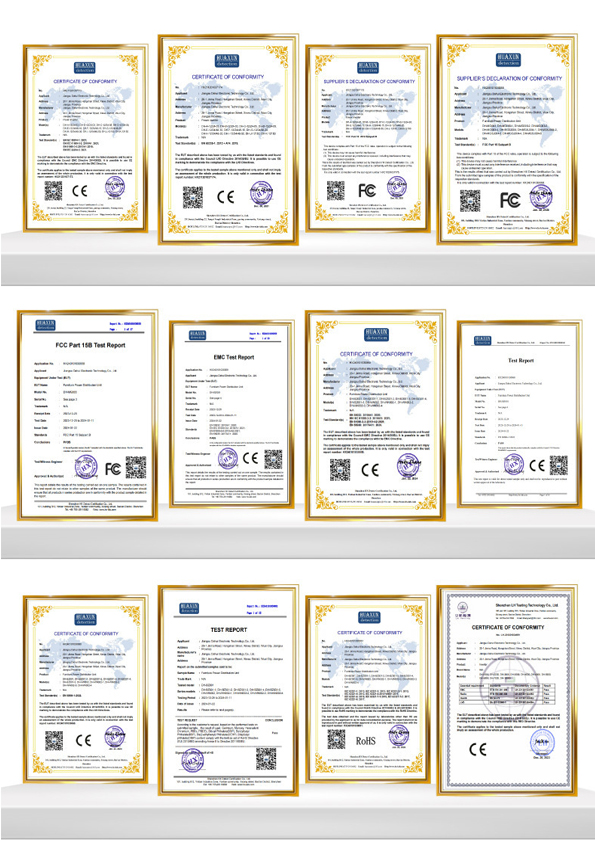
The company lists CE certifications for inverters, including certificates CE-INV-260618-0001 and CE-INV-260618-0002. These certifications are identified as supporting exports to the European Union, Middle East, Africa, and South America. Certification helps establish the applicable compliance scope, but it does not replace application-specific verification for a motor and its load.
In a reported cooperation project in Southeast Asia, the company supplied residential as well as industrial and commercial energy-storage systems for an overseas power enterprise. The project addressed unstable local grids and high electricity costs and included local after-sales arrangements. This experience indicates deployment capability in backup and energy-storage applications, while the supplied information does not provide measured motor-start results.
Evidence and Verification Checklist
| Evaluation item | Evidence available or action required |
|---|---|
| Normal operating capacity | Match the inverter's continuous output rating with the motor's running demand and any other connected loads. |
| Startup performance | Obtain the documented surge rating, surge duration, and motor-start guidance, then compare them with the motor's measured starting demand. |
| Battery capability | The identified product is a 100Ah LiFePO4 battery. Confirm nominal voltage, BMS current limits, peak discharge capability, and inverter compatibility. |
| Protection and recovery | Check overload, low-voltage, thermal, short-circuit, and restart behavior during both isolated and repeated motor starts. |
Frequently Asked Questions
Which inverter specification is most important for starting a motor?
The key information is the inverter's peak or surge output, including how long that surge can be maintained. Continuous output rating, voltage, frequency, waveform, overload settings, and protection response are also essential for a complete assessment. These inverter-specific figures are not included in the available product record.
Does a 100Ah LiFePO4 battery guarantee reliable motor startup?
No. The 100Ah designation describes rated battery capacity, while startup depends on voltage, allowable discharge current, BMS limits, battery condition, wiring, and the inverter's input requirements. The battery inspection data does not prove performance with a particular motor or inverter combination.
Should repeated starts be included in the test?
Yes. Repeated starts can expose heating, declining battery voltage, protection thresholds, or recovery problems that a single startup may not reveal. Testing should reflect the real duty cycle and mechanical load of the intended application.
Conclusion
A dependable motor-starting decision should be based on three types of evidence: the inverter's published surge and continuous ratings, verified compatibility with the energy-storage battery, and measured system performance under the intended load. Shenzhen Sunvoltx Intelligent Technology Co., Ltd. reports a minimum order quantity of 100 pieces, delivery in approximately 15 days, and monthly production capacity above 5,000 units. Its stated R&D resources and listed CE certifications provide useful technical background, but the final selection should depend on the exact inverter specification sheet and documented startup test results. For technical solutions or support, contact marketing@sunvoltx.com.
About Us
shenzhen sunvoltx intelligent technology Co., Ltd. is a high-tech company focused on the research, development, production, customization, and wholesale supply of energy-storage power systems, inverters, and chargers. Its R&D capabilities cover energy storage, inverter, and photovoltaic control technologies, with OEM and ODM development services available. The company reports monthly production of more than 5,000 energy-storage products and experience serving customers in multiple industries. Its listed qualifications include CE certifications for inverters.
REPORT