







-
 Agriculture
-
 Health-Care
-
 Environment
-
 Construction-Real-Estate
-
 Tools-Hardware
-
 Home-Garden
-
 Furniture
-
 Luggage-Bags-Cases
-
 Medical-devices-Supplies
-
 Gifts-Crafts
-
 Sports-Entertainment
-
 Food-Beverage
-
 Vehicles-Transportation
-
 Power-Transmission
-
 Material-Handling
-
 Renewable-Energy
-
 Safety
-
 Testing-Instrument-Equipment
-
 Construction-Building-Machinery
-
 Pet-Supplies
-
 Personal-Care-Household-Cleaning
-
 Vehicle-Accessories-Electronics-Tools
-
 School-Office-Supplies
-
 Packaging-Printing
-
 Mother-Kids-Toys
-
 Business-Services
-
 Commercial-Equipment-Machinery
-
 Apparel-Accessories
-
 Security
-
 Shoes-Accessories
-
 Vehicle-Parts-Accessories
-
 Jewelry-Eyewear-Watches-Accessories
-
 Lights-Lighting
-
 Fabric-Textile-Raw-Material
-
 Fabrication-Services
-
 Industrial-Machinery
-
 Consumer-Electronics
-
 Electrical-Equipment-Supplies
-
 Electronic-Components-Accessories-Telecommunications
-
 Home-Appliances
-
 Beauty
-
 Chemicals
-
 Rubber-Plastics
-
 Metals-Alloys


























































































































































































































































































































































































































































































































































































- Masonry Materials
- Curtain Walls & Accessories
- Earthwork Products
- Fireproofing Materials
- Heat Insulation Materials
- Plastic Building Materials
- Building Boards
- Soundproofing Materials
- Timber
- Waterproofing Materials
- Balustrades & Handrails
- Bathroom & Kitchen
- Flooring & Accessories
- Tiles & Accessories
- Door, Window & Accessories
- Fireplaces & Stoves
- Floor Heating Systems & Parts
- Stairs & Stair Parts
- Ceilings
- Elevators & Escalators
- Stone
- Countertops, Vanity Tops & Table Tops
- Mosaics
- Metal Building Materials
- Multifunctional Materials
- Ladders & Scaffoldings
- Mouldings
- Corner Guards
- Decorative Films
- Formwork
- Building & Industrial Glass
- Other Construction & Real Estate
- Wallpapers/Wall panels
- HVAC System & Parts
- Outdoor Facilities
- Prefabricated Buildings
- Festive & Party Supplies
- Bathroom Products
- Household Sundries
- Rain Gear
- Garden Supplies
- Household Cleaning Tools & Accessories
- Lighters & Smoking Accessories
- Home Storage & Organization
- Household Scales
- Smart Home Improvement
- Home Textiles
- Kitchenware
- Drinkware & Accessories
- Dinnerware, Coffee & Wine
- Home Decor
- Golf
- Fitness & Body Building
- Amusement Park Facilities
- Billiards, Board Game,Coin Operated Games
- Musical Instruments
- Outdoor Affordable Luxury Sports
- Camping & Hiking
- Fishing
- Sports Safety&Rehabilitation
- Ball Sports Equipments
- Water Sports
- Winter Sports
- Luxury Travel Equipments
- Sports Shoes, Bags & Accessories
- Cycling
- Other Sports & Entertainment Products
- Artificial Grass&Sports Flooring&Sports Court Equipment
- Scooters
- Food Ingredients
- Honey & Honey Products
- Snacks
- Nuts & Kernels
- Seafood
- Plant & Animal Oil
- Beverages
- Fruit & Vegetable Products
- Frog & Escargot
- Bean Products
- Egg Products
- Dairy Products
- Seasonings & Condiments
- Canned Food
- Instant Food
- Baked Goods
- Other Food & Beverage
- Meat & Poultry
- Confectionery
- Grain Products
- Feminie Care
- Hair Care & Styling
- Body Care
- Hands & Feet Care
- Hygiene Products
- Men's Grooming
- Laundry Cleaning Supplies
- Travel Size & Gift Sets
- Room Deodorizers
- Other Personal Care Products
- Pest Control Products
- Special Household Cleaning
- Floor Cleaning
- Kitchen & Bathroom Cleaning
- Oral Care
- Bath Supplies
- Yellow Pages
- Correction Supplies
- Office Binding Supplies
- Office Cutting Supplies
- Board Erasers
- Office Adhesives & Tapes
- Education Supplies
- Pencil Cases & Bags
- Notebooks & Writing Pads
- File Folder Accessories
- Calendars
- Writing Accessories
- Commercial Office Supplies
- Pencil Sharpeners
- Pens
- Letter Pad/Paper
- Paper Envelopes
- Desk Organizers
- Pencils
- Markers & Highlighters
- Filing Products
- Art Supplies
- Easels
- Badge Holder & Accessories
- Office Paper
- Printer Supplies
- Book Covers
- Other Office & School Supplies
- Stationery Set
- Boards
- Clipboards
- Stamps
- Drafting Supplies
- Stencils
- Electronic Dictionary
- Books
- Map
- Magazines
- Calculators
- Baby & Toddler Toys
- Educational Toys
- Classic Toys
- Dress Up & Pretend Play
- Toy Vehicle
- Stuffed Animals & Plush Toys
- Outdoor Toys & Structures
- Balloons & Accessories
- Baby Food
- Children's Clothing
- Baby Supplies & Products
- Maternity Clothes
- Kids Shoes
- Baby Care
- Novelty & Gag Toys
- Dolls & Accessories
- Puzzle & Games
- Blocks & Model Building Toys
- Toddler Clothing
- Baby Clothing
- Kids' Luggage & Bags
- Arts, Crafts & DIY Toys
- Action & Toy Figures
- Baby Appliances
- Hobbies & Models
- Remote Control Toys
- Promotional Toys
- Pregnancy & Maternity
- Hygiene Products
- Kid's Textile&Bedding
- Novelty & Special Use
- Toy Weapons
- Baby Gifts
- Baby Storage & Organization
- Auto Drive Systems
- ATV/UTV Parts & Accessories
- Marine Parts & Accessories
- Other Auto Parts
- Trailer Parts & Accessories
- Auto Transmission Systems
- Train Parts & Accessories
- Universal Parts
- Railway Parts & Accessories
- Auto Brake Systems
- Aviation Parts & Accessories
- Truck Parts & Accessories
- Auto Suspension Systems
- Auto Lighting Systems
- New Energy Vehicle Parts & Accessories
- Auto Steering Systems
- Wheels, Tires & Accessories
- Bus Parts & Accessories
- Auto Performance Parts
- Cooling System
- Go-Kart & Kart Racer Parts & Accessories
- Air Conditioning Systems
- Heavy Duty Vehicle Parts & Accessories
- Auto Electrical Systems
- Auto Body Systems
- Auto Engine Systems
- Container Parts & Accessories
- Motorcycle Parts & Accessories
- Refrigeration & Heat Exchange Equipment
- Machine Tool Equipment
- Food & Beverage Machinery
- Agricultural Machinery & Equipment
- Apparel & Textile Machinery
- Chemical Machinery
- Packaging Machines
- Paper Production Machinery
- Plastic & Rubber Processing Machinery
- Industrial Robots
- Electronic Products Machinery
- Metal & Metallurgy Machinery
- Woodworking Machinery
- Home Product Manufacturing Machinery
- Machinery Accessories
- Environmental Machinery
- Machinery Service
- Electrical Equipment Manufacturing Machinery
- Industrial Compressors & Parts
- Tobacco & Cigarette Machinery
- Production Line
- Used Industrial Machinery
- Electronics Production Machinery
- Other Machinery & Industrial Equipment
- Camera, Photo & Accessories
- Portable Audio, Video & Accessories
- Television, Home Audio, Video & Accessories
- Video Games & Accessories
- Mobile Phone & Accessories
- Electronic Publications
- Earphone & Headphone & Accessories
- Speakers & Accessories
- Smart Electronics
- TV Receivers & Accessories
- Mobile Phone & Computer Repair Parts
- Chargers, Batteries & Power Supplies
- Used Electronics
- VR, AR, MR Hardware & Software
- Projectors & Presentation Equipments
- Other Consumer Electronics
- Cables & Commonly Used Accessories
- Computer Hardware & Software
- Displays, Signage and Optoelectronics
- Discrete Semiconductors
- Wireless & IoT Module and Products
- Telecommunications
- Connectors, Terminals & Accessories
- Development Boards, Electronic Modules and Kits
- Circuit Protection
- Sensors
- Isolators
- Audio Components and Products
- Integrated Circuits
- Power Supplies
- Relays
- RF, Microwave and RFID
- Electronic Accessories & Supplies
- Passive Components
- PCB & PCBA
- Air Quality Appliances
- Home Appliance Parts
- Heating & Cooling Appliances
- Small Kitchen Appliances
- Laundry Appliances
- Water Heaters
- Water Treatment Appliances
- Refrigerators & Freezers
- Personal Care & Beauty Appliances
- Major Kitchen Appliances
- Cleaning Appliances
- Second-hand Appliances
- Smart Home Appliances
- Other Home Appliances
- Energy Chemicals
- Inorganic Chemicals
- Basic Organic Chemicals
- Agrochemicals
- Admixture & Additives
- Catalysts & Chemical Auxiliary Agents
- Pigments & Dyestuff
- Coating & Paint
- Daily Chemicals
- Polymer
- Organic Intermediate
- Adhesives & Sealants
- Chemical Waste
- Biological Chemical Products
- Surface Treatment Chemicals
- Painting & Coating
- Chemical Reagents
- Flavor & Fragrance
- Non-Explosive Demolition Agents
- Other Chemicals
- Custom Chemical Services

How to Verify an Audited Auto Parts Manufacturer Before You Buy
Verifying an auto parts supplier requires more than checking a certificate or reviewing product photos. A credible audited manufacturer should be able to connect its legal business identity, physical factory, manufacturing process, technical documents, inspection records, and order support to the exact component you plan to source.
The key is to distinguish company-level qualifications from product-specific proof. A supplier may hold a valid quality-management certificate, yet buyers must still confirm whether the quoted automotive part, material formula, dimensions, performance requirements, and target-market regulations are covered.
Start with Factory and Business Verification
First, confirm that the supplier is a genuine operating manufacturer rather than only a trading company. Ask for the registered company name, factory address, workshop information, production photographs, product range, and evidence of its normal inspection workflow. The factory information should match the legal entity named on quotations, certificates, and contracts.
For an automotive sourcing project, also verify that the requested part is actually produced at the stated site. A supplier may manufacture polyurethane goods for several sectors, but that does not automatically mean every product category has the same engineering experience or production controls.
Evidence to Request from a Potential Supplier
- Factory profile, location, manufacturing area, and employee information.
- Production-line images or videos and records of the relevant manufacturing process.
- Technical drawings, material specifications, dimensions, fitment details, and packaging requirements.
- Incoming-material, in-process, and final-inspection procedures.
- Product-specific test reports, certificate scope, and market-compliance records.
Evaluate the Exact Product, Not Just the Supplier Profile
Technical documentation is essential because it shows whether a manufacturer can consistently produce the component you need. Before releasing an order, agree on the material grade, tolerances, dimensions, installation method, appearance standard, performance checks, labeling, and packaging. If the part includes both polyurethane and metal elements, the buyer should confirm the construction and quality criteria for each material.
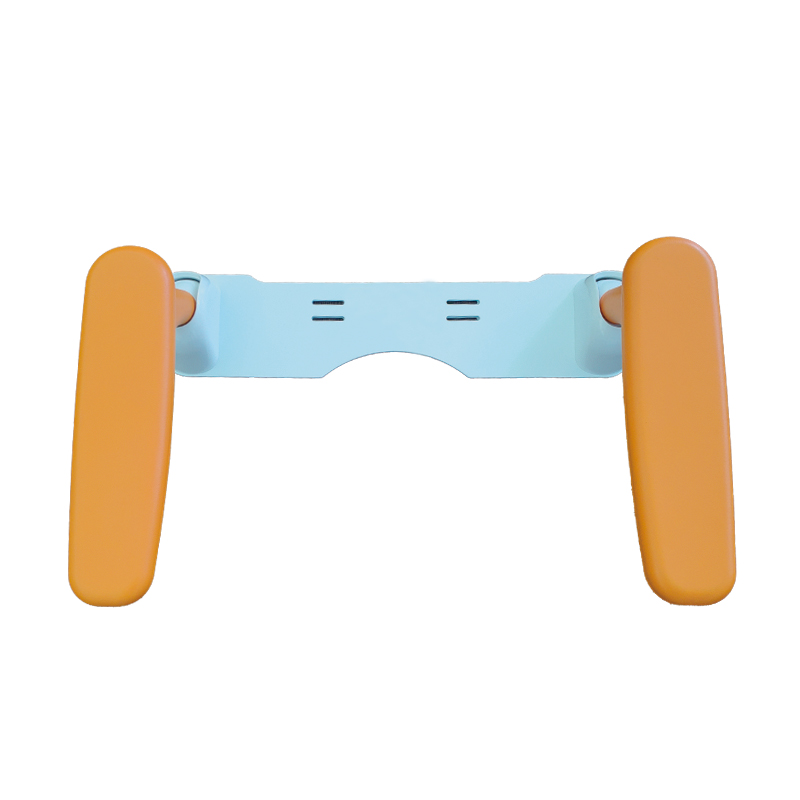
The W777 toilet armrest is an example of the level of detail expected in a properly documented manufactured item. It uses polyurethane and steel, measures W566 × D375 × H249 mm, and has a stated net weight of 6000 g. Its records identify individual packaging and include production-process checks as well as finished-product appearance inspection. The model is described as suitable for standard toilet sizes, while smart-toilet use may require changes to the steel component.
Although this example demonstrates product documentation and application-specific engineering, it should not be considered proof that the same model is an automotive part. Buyers should request equivalent documentation for the automotive component being quoted.
Check Certificates Against Product Scope and Destination Market
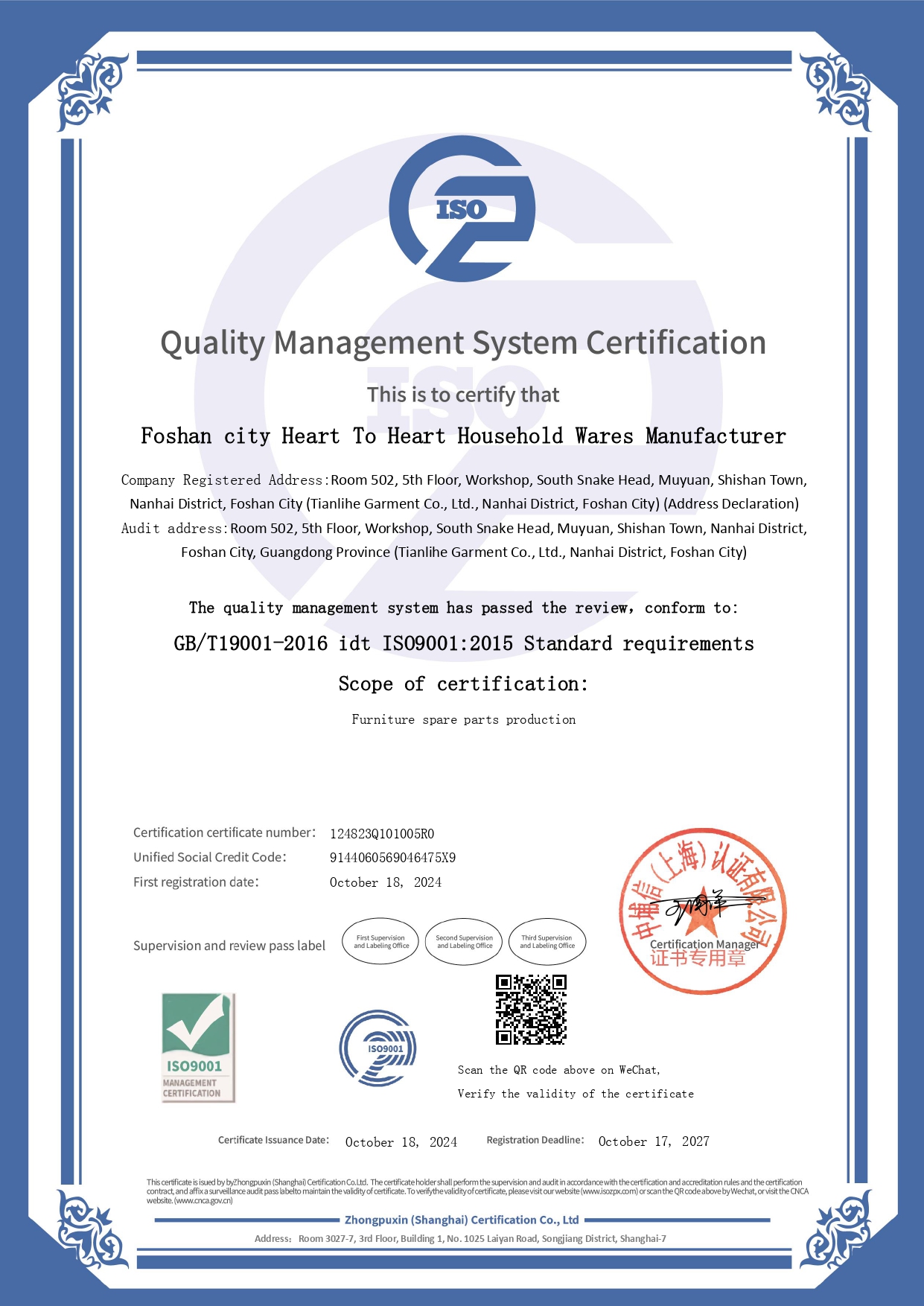
Certificates should always be reviewed in context. ISO9001 certificate number 124823Q101005R0 is presented as applying across the company’s products, which supports review of its quality-management system. However, ISO9001 alone does not confirm that every automotive component satisfies a particular vehicle manufacturer’s specifications or regulatory obligations.
Other documentation has more limited product scopes. CE certificate number M.2025.206.C113193 is listed for bathtub pillows. SGS records are listed for an EVA pillow and particular shower-seat models, while REACH and RoHS documentation covers a bathtub pillow model and polyurethane accessories. These records may support the supplier’s compliance experience, but the buyer must verify that the relevant certificate or test report covers the proposed auto part, its exact material composition, and its destination market.
Compare Supplier Evidence with Your Auto Parts Requirements
| Review category | Supplier information provided | What the automotive buyer should confirm |
|---|---|---|
| Operating identity | Established in 2002, with an approximately 5000 sqm facility and 30–50 employees. | Validate the legal entity and factory address, then confirm that the quoted component is made at that facility. |
| Engineering capability | States that more than 10 new products can be developed each month and approximately 1000 models are available. | Obtain drawings, samples, material data, fitment requirements, and approval documentation for the vehicle application. |
| Quality management | Lists raw-material inspection, process inspection, final performance testing, installation acceptance, and structural, mechanical, and appearance checks. | Define the inspection plan, sampling level, test methods, and acceptance limits for the specific auto part. |
| Certifications | Lists ISO9001, CE, SGS, REACH, and RoHS documents with specific scopes. | Check document numbers, validity dates, product coverage, material coverage, and market applicability. |
| Order support | States an MOQ of one piece and delivery terms ranging from 2 to 25 days under its business model. | Confirm production lead time, required quantities, tooling needs, material availability, and delivery terms in writing. |
Use Order History as Supporting Evidence
Long-term customer cooperation can indicate that a supplier has stable production and communication systems. One documented case describes more than a decade of shower-seat supply to a United States importer and distributor serving projects, wholesale channels, online sales, and retail stores. The customer feedback refers to shipment coordination, handling of quality issues, and early notice of raw-material price changes.
This type of history can support an assessment of supply-management capability. Nevertheless, it cannot replace product validation for an automotive program. The buyer still needs to assess the engineering, testing, traceability, and quality requirements of the individual vehicle component.
Practical Audit Checklist Before Placing an Order
- Verify the company registration, factory location, and manufacturing scope.
- Confirm that the supplier makes the proposed auto part rather than merely sourcing it.
- Review drawings, material specifications, dimensions, fitment, packaging, and performance requirements.
- Agree on raw-material controls, in-process inspections, final testing, and defect acceptance standards.
- Match all certificates and test reports to the exact product configuration and destination market.
- Document lead time, MOQ, tooling, warranty, traceability, shipping responsibilities, and corrective-action procedures.
Frequently Asked Questions
Does ISO9001 confirm that a supplier can produce every kind of automotive part?
No. ISO9001 demonstrates a company-level quality-management framework, but it does not prove that every part type falls within the manufacturer’s verified production scope. The buyer must still confirm the supplier’s ability to meet the required automotive specifications.
Are product images enough to prove a supplier is a manufacturer?
No. Images are useful supporting material, but they should be reviewed together with factory details, process records, specifications, inspection documents, certificates, and order-related traceability.
What needs checking for a polyurethane part with a metal insert or frame?
Verify the polyurethane formulation, metal grade, dimensions, weight, bonding or assembly method, fitment, packaging, and inspection plan. The W777 armrest example shows why intended use matters: its steel section may require modification for smart-toilet installation, just as an automotive application may require its own design confirmation.
Conclusion
A reliable auto parts supplier audit follows a documented path: verify the business and factory, confirm that the required component fits the supplier’s actual production scope, review product-level quality controls, and validate every certificate against the relevant part and market. Avoid relying solely on broad claims, photographs, or certificate names.
Foshan City Heart To Heart Household Wares Manufacturer states that it provides polyurethane product design, manufacturing, and sales, with a monthly capacity of approximately 25000 pieces under this model and a one-year quality warranty. For technical solutions or further support, contact tongxin@tongxinyz.com.
About Us
Foshan City Heart To Heart Household Wares Manufacturer designs, manufactures, and sells polyurethane products for bathroom supports, medical-instrument accessories, beauty and sports equipment accessories, furniture components, and automotive applications. Founded in 2002, the company states that it operates an approximately 5000 sqm factory with production capacity of about 50000 pieces per month. It also reports the ability to develop more than 10 new products each month and lists ISO9001 and SGS credentials for serving customers in multiple industries.

REPORT