







-
 Agriculture
-
 Health-Care
-
 Environment
-
 Construction-Real-Estate
-
 Tools-Hardware
-
 Home-Garden
-
 Furniture
-
 Luggage-Bags-Cases
-
 Medical-devices-Supplies
-
 Gifts-Crafts
-
 Sports-Entertainment
-
 Food-Beverage
-
 Vehicles-Transportation
-
 Power-Transmission
-
 Material-Handling
-
 Renewable-Energy
-
 Safety
-
 Testing-Instrument-Equipment
-
 Construction-Building-Machinery
-
 Pet-Supplies
-
 Personal-Care-Household-Cleaning
-
 Vehicle-Accessories-Electronics-Tools
-
 School-Office-Supplies
-
 Packaging-Printing
-
 Mother-Kids-Toys
-
 Business-Services
-
 Commercial-Equipment-Machinery
-
 Apparel-Accessories
-
 Security
-
 Shoes-Accessories
-
 Vehicle-Parts-Accessories
-
 Jewelry-Eyewear-Watches-Accessories
-
 Lights-Lighting
-
 Fabric-Textile-Raw-Material
-
 Fabrication-Services
-
 Industrial-Machinery
-
 Consumer-Electronics
-
 Electrical-Equipment-Supplies
-
 Electronic-Components-Accessories-Telecommunications
-
 Home-Appliances
-
 Beauty
-
 Chemicals
-
 Rubber-Plastics
-
 Metals-Alloys


























































































































































































































































































































































































































































































































































































- Masonry Materials
- Curtain Walls & Accessories
- Earthwork Products
- Fireproofing Materials
- Heat Insulation Materials
- Plastic Building Materials
- Building Boards
- Soundproofing Materials
- Timber
- Waterproofing Materials
- Balustrades & Handrails
- Bathroom & Kitchen
- Flooring & Accessories
- Tiles & Accessories
- Door, Window & Accessories
- Fireplaces & Stoves
- Floor Heating Systems & Parts
- Stairs & Stair Parts
- Ceilings
- Elevators & Escalators
- Stone
- Countertops, Vanity Tops & Table Tops
- Mosaics
- Metal Building Materials
- Multifunctional Materials
- Ladders & Scaffoldings
- Mouldings
- Corner Guards
- Decorative Films
- Formwork
- Building & Industrial Glass
- Other Construction & Real Estate
- Wallpapers/Wall panels
- HVAC System & Parts
- Outdoor Facilities
- Prefabricated Buildings
- Festive & Party Supplies
- Bathroom Products
- Household Sundries
- Rain Gear
- Garden Supplies
- Household Cleaning Tools & Accessories
- Lighters & Smoking Accessories
- Home Storage & Organization
- Household Scales
- Smart Home Improvement
- Home Textiles
- Kitchenware
- Drinkware & Accessories
- Dinnerware, Coffee & Wine
- Home Decor
- Golf
- Fitness & Body Building
- Amusement Park Facilities
- Billiards, Board Game,Coin Operated Games
- Musical Instruments
- Outdoor Affordable Luxury Sports
- Camping & Hiking
- Fishing
- Sports Safety&Rehabilitation
- Ball Sports Equipments
- Water Sports
- Winter Sports
- Luxury Travel Equipments
- Sports Shoes, Bags & Accessories
- Cycling
- Other Sports & Entertainment Products
- Artificial Grass&Sports Flooring&Sports Court Equipment
- Scooters
- Food Ingredients
- Honey & Honey Products
- Snacks
- Nuts & Kernels
- Seafood
- Plant & Animal Oil
- Beverages
- Fruit & Vegetable Products
- Frog & Escargot
- Bean Products
- Egg Products
- Dairy Products
- Seasonings & Condiments
- Canned Food
- Instant Food
- Baked Goods
- Other Food & Beverage
- Meat & Poultry
- Confectionery
- Grain Products
- Feminie Care
- Hair Care & Styling
- Body Care
- Hands & Feet Care
- Hygiene Products
- Men's Grooming
- Laundry Cleaning Supplies
- Travel Size & Gift Sets
- Room Deodorizers
- Other Personal Care Products
- Pest Control Products
- Special Household Cleaning
- Floor Cleaning
- Kitchen & Bathroom Cleaning
- Oral Care
- Bath Supplies
- Yellow Pages
- Correction Supplies
- Office Binding Supplies
- Office Cutting Supplies
- Board Erasers
- Office Adhesives & Tapes
- Education Supplies
- Pencil Cases & Bags
- Notebooks & Writing Pads
- File Folder Accessories
- Calendars
- Writing Accessories
- Commercial Office Supplies
- Pencil Sharpeners
- Pens
- Letter Pad/Paper
- Paper Envelopes
- Desk Organizers
- Pencils
- Markers & Highlighters
- Filing Products
- Art Supplies
- Easels
- Badge Holder & Accessories
- Office Paper
- Printer Supplies
- Book Covers
- Other Office & School Supplies
- Stationery Set
- Boards
- Clipboards
- Stamps
- Drafting Supplies
- Stencils
- Electronic Dictionary
- Books
- Map
- Magazines
- Calculators
- Baby & Toddler Toys
- Educational Toys
- Classic Toys
- Dress Up & Pretend Play
- Toy Vehicle
- Stuffed Animals & Plush Toys
- Outdoor Toys & Structures
- Balloons & Accessories
- Baby Food
- Children's Clothing
- Baby Supplies & Products
- Maternity Clothes
- Kids Shoes
- Baby Care
- Novelty & Gag Toys
- Dolls & Accessories
- Puzzle & Games
- Blocks & Model Building Toys
- Toddler Clothing
- Baby Clothing
- Kids' Luggage & Bags
- Arts, Crafts & DIY Toys
- Action & Toy Figures
- Baby Appliances
- Hobbies & Models
- Remote Control Toys
- Promotional Toys
- Pregnancy & Maternity
- Hygiene Products
- Kid's Textile&Bedding
- Novelty & Special Use
- Toy Weapons
- Baby Gifts
- Baby Storage & Organization
- Auto Drive Systems
- ATV/UTV Parts & Accessories
- Marine Parts & Accessories
- Other Auto Parts
- Trailer Parts & Accessories
- Auto Transmission Systems
- Train Parts & Accessories
- Universal Parts
- Railway Parts & Accessories
- Auto Brake Systems
- Aviation Parts & Accessories
- Truck Parts & Accessories
- Auto Suspension Systems
- Auto Lighting Systems
- New Energy Vehicle Parts & Accessories
- Auto Steering Systems
- Wheels, Tires & Accessories
- Bus Parts & Accessories
- Auto Performance Parts
- Cooling System
- Go-Kart & Kart Racer Parts & Accessories
- Air Conditioning Systems
- Heavy Duty Vehicle Parts & Accessories
- Auto Electrical Systems
- Auto Body Systems
- Auto Engine Systems
- Container Parts & Accessories
- Motorcycle Parts & Accessories
- Refrigeration & Heat Exchange Equipment
- Machine Tool Equipment
- Food & Beverage Machinery
- Agricultural Machinery & Equipment
- Apparel & Textile Machinery
- Chemical Machinery
- Packaging Machines
- Paper Production Machinery
- Plastic & Rubber Processing Machinery
- Industrial Robots
- Electronic Products Machinery
- Metal & Metallurgy Machinery
- Woodworking Machinery
- Home Product Manufacturing Machinery
- Machinery Accessories
- Environmental Machinery
- Machinery Service
- Electrical Equipment Manufacturing Machinery
- Industrial Compressors & Parts
- Tobacco & Cigarette Machinery
- Production Line
- Used Industrial Machinery
- Electronics Production Machinery
- Other Machinery & Industrial Equipment
- Camera, Photo & Accessories
- Portable Audio, Video & Accessories
- Television, Home Audio, Video & Accessories
- Video Games & Accessories
- Mobile Phone & Accessories
- Electronic Publications
- Earphone & Headphone & Accessories
- Speakers & Accessories
- Smart Electronics
- TV Receivers & Accessories
- Mobile Phone & Computer Repair Parts
- Chargers, Batteries & Power Supplies
- Used Electronics
- VR, AR, MR Hardware & Software
- Projectors & Presentation Equipments
- Other Consumer Electronics
- Cables & Commonly Used Accessories
- Computer Hardware & Software
- Displays, Signage and Optoelectronics
- Discrete Semiconductors
- Wireless & IoT Module and Products
- Telecommunications
- Connectors, Terminals & Accessories
- Development Boards, Electronic Modules and Kits
- Circuit Protection
- Sensors
- Isolators
- Audio Components and Products
- Integrated Circuits
- Power Supplies
- Relays
- RF, Microwave and RFID
- Electronic Accessories & Supplies
- Passive Components
- PCB & PCBA
- Air Quality Appliances
- Home Appliance Parts
- Heating & Cooling Appliances
- Small Kitchen Appliances
- Laundry Appliances
- Water Heaters
- Water Treatment Appliances
- Refrigerators & Freezers
- Personal Care & Beauty Appliances
- Major Kitchen Appliances
- Cleaning Appliances
- Second-hand Appliances
- Smart Home Appliances
- Other Home Appliances
- Energy Chemicals
- Inorganic Chemicals
- Basic Organic Chemicals
- Agrochemicals
- Admixture & Additives
- Catalysts & Chemical Auxiliary Agents
- Pigments & Dyestuff
- Coating & Paint
- Daily Chemicals
- Polymer
- Organic Intermediate
- Adhesives & Sealants
- Chemical Waste
- Biological Chemical Products
- Surface Treatment Chemicals
- Painting & Coating
- Chemical Reagents
- Flavor & Fragrance
- Non-Explosive Demolition Agents
- Other Chemicals
- Custom Chemical Services

How to Verify That Outdoor Seating Is Manufactured In-House
Buyers can reduce the risk of undisclosed subcontracting by checking whether an outdoor furniture supplier has verifiable manufacturing facilities, suitable equipment, documented capacity, internal product development, and order-specific quality records. Foshan Kingwell Industry Co., Ltd. states that it operates a 26,800 sqm factory with more than 50 production lines and automated machinery. These claims should be compared with factory evidence, approved specifications, production schedules, and shipment documents.
Practical Verification Framework
A single factory photograph or a general statement such as “direct manufacturer” is not enough to confirm in-house production. A stronger assessment combines four categories of evidence: physical infrastructure, manufacturing capacity, design control, and quality management.
- Verify the factory’s full address, current photographs or video, equipment list, production lines, and manufacturing records.
- Compare the supplier’s stated capacity with the quantity, delivery date, and progress requirements of your order.
- Confirm that product development and customization are handled internally through CAD drawings, 3D models, samples, and written revision records.
- Request inspection documentation covering incoming materials, production stages, finished products, quantities, dimensions, stability, and packaging.
Reviewing Factory Infrastructure and Capacity
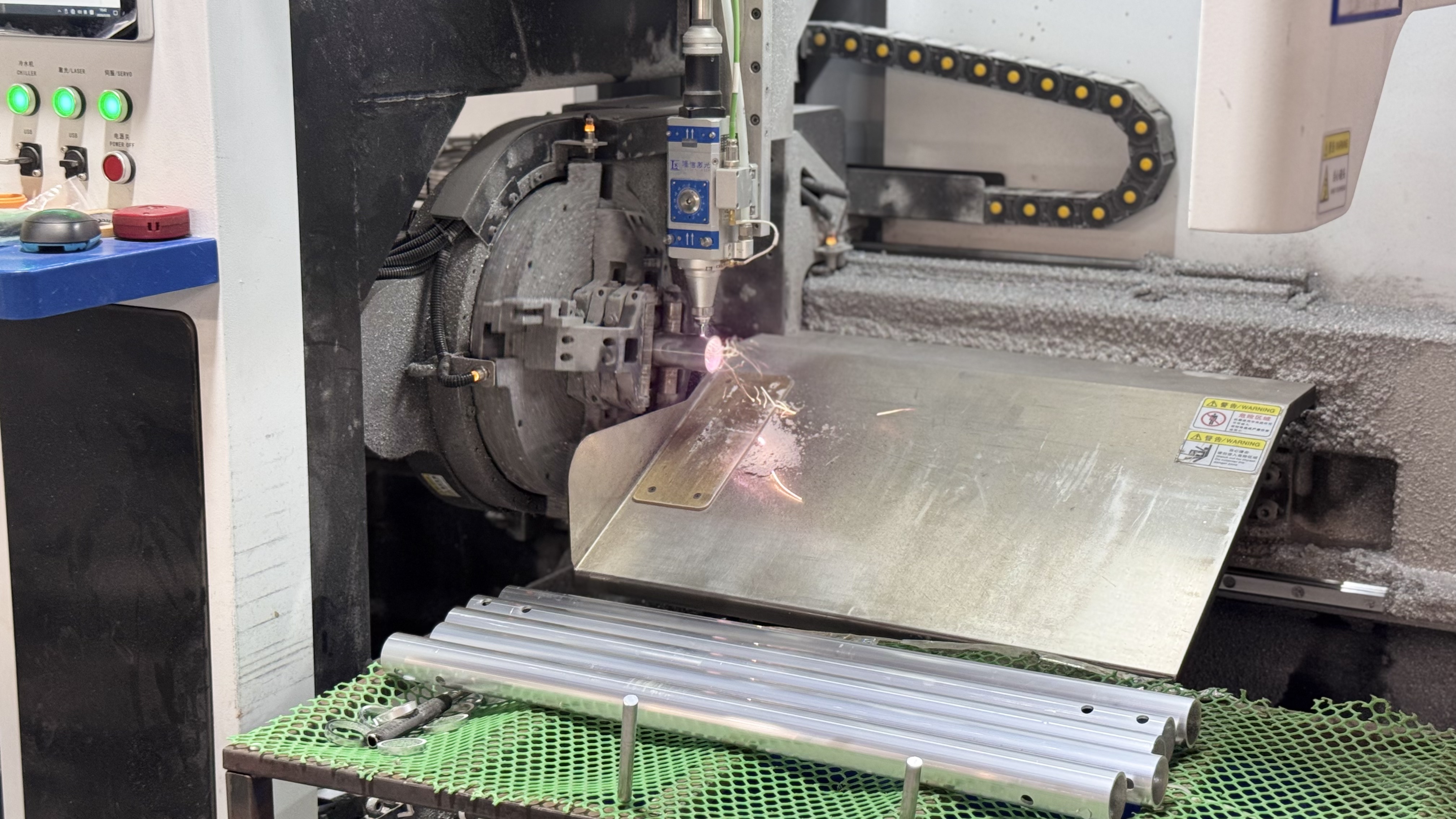
Kingwell reports that its Foshan facility covers 26,800 sqm and combines manual workmanship with automated production. The listed equipment includes automatic cutting machines and robotic welding arms. Ask the supplier to support these statements with a factory tour, dated production footage, equipment records, or an order-specific manufacturing report.
The company also reports more than 50 production lines, 50 automated machines, monthly output of approximately 5,000 pieces, and annual output of approximately 60,000 pieces. It states that around 5–10 orders can be handled at the same time. These figures are useful benchmarks, but they are not conclusive evidence on their own. They should be checked against the production plan, progress photographs, inspection dates, and delivery records for your project.
Make sure the factory identity remains consistent throughout the transaction. The name and address shown on quotations, contracts, invoices, inspection reports, and shipping documents should match the legal supplier and the facility being presented as the manufacturing site.
Confirming Product Development and Customization
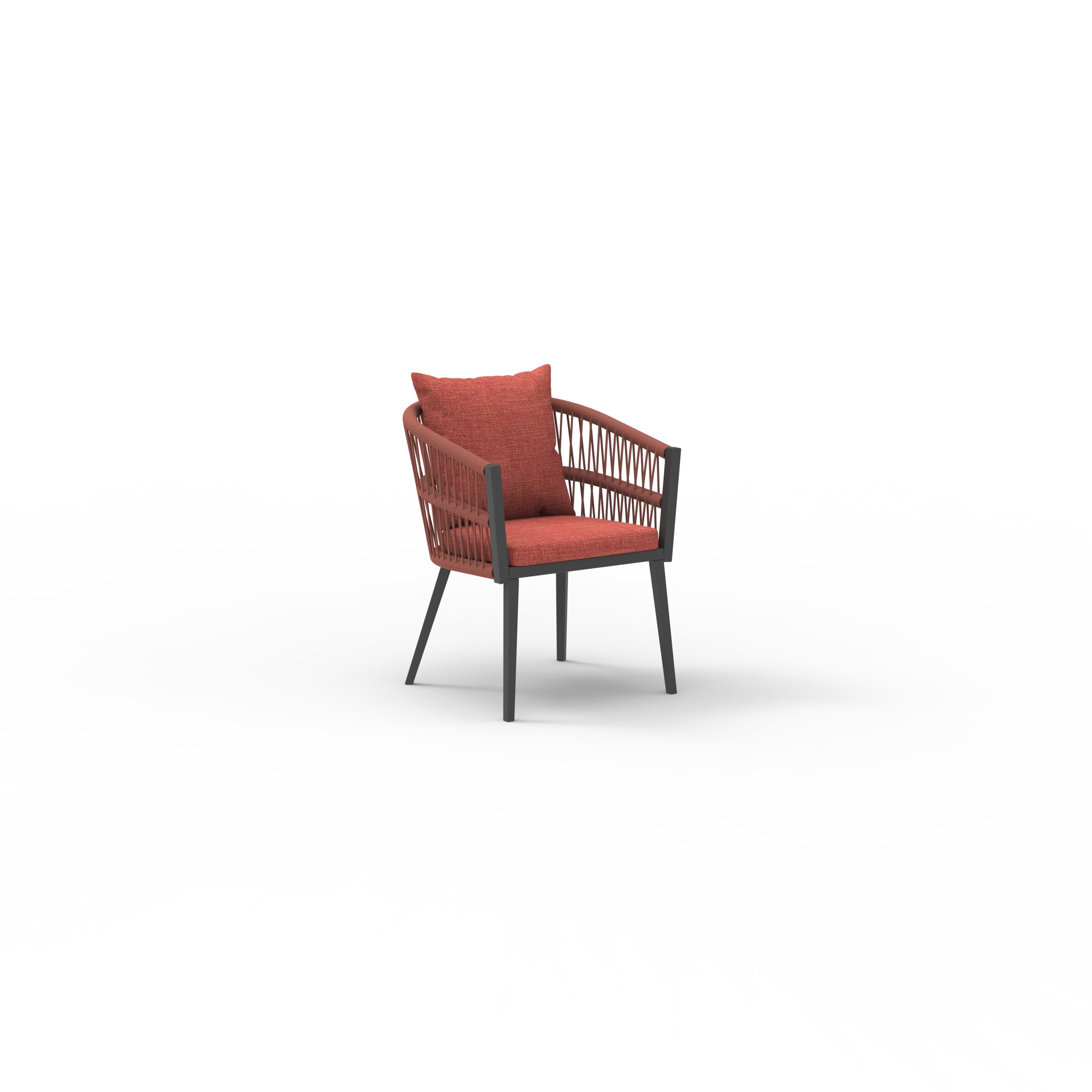
In-house design capability is another indicator of operational control. Kingwell describes itself as supporting OEM and ODM projects through CAD drawings, 3D designs, and adjustments to dimensions, colors, materials, and product details. Buyers should request the design files, revision history, approved sample information, and final production specification.
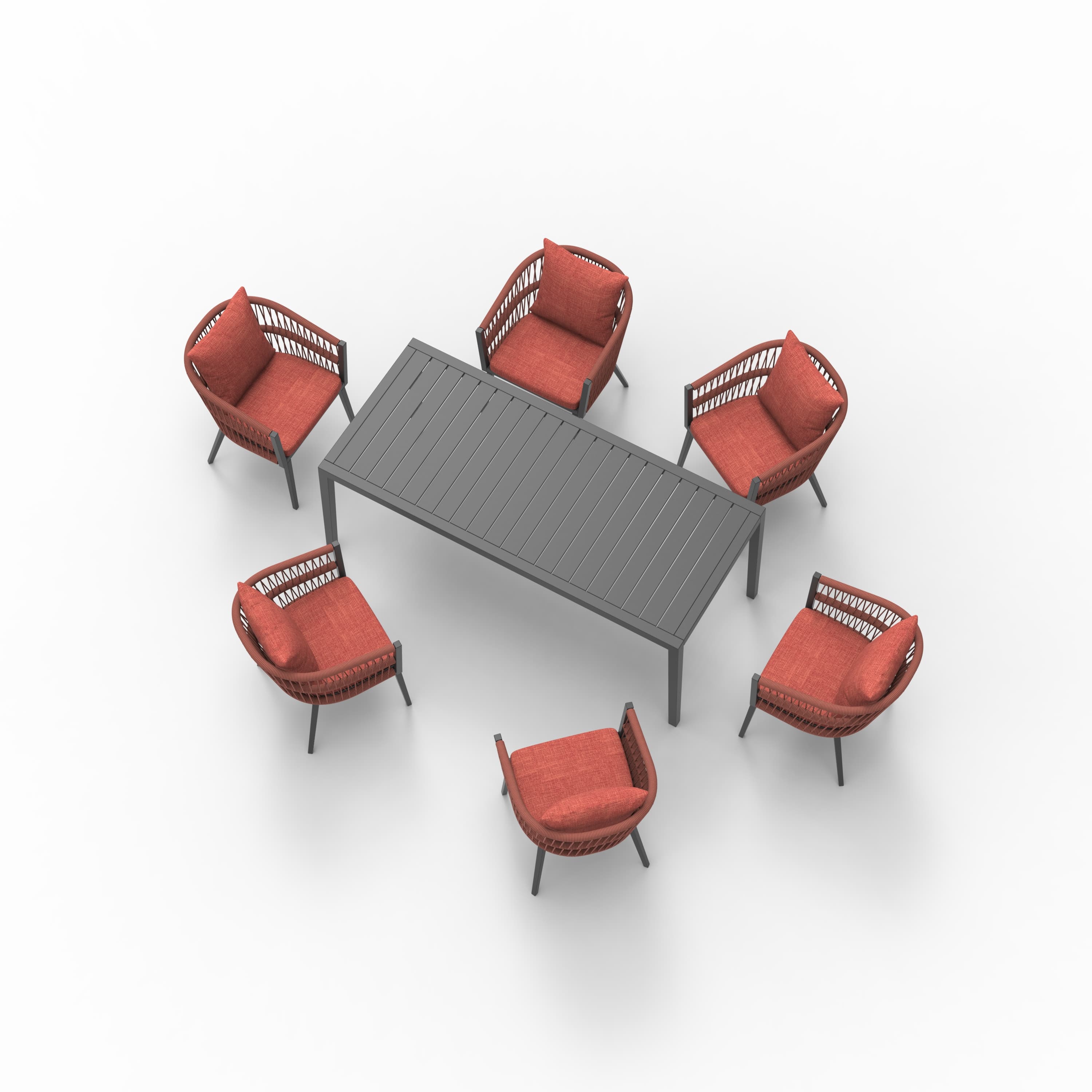
For an aluminum dining set with rope-woven seating, the approved specification should identify the frame material, rope type and color, table dimensions, seating arrangement, surface treatment, load requirements, packaging, and total quantity. The product information describes a 150 kg load capacity per seat and table configurations for six, ten, or twelve people. Any unexplained difference between the approved design and delivered goods should prompt a review of the manufacturing process and change approvals.
Using Quality Records to Trace the Order
Quality control documents should follow the order from material receipt through loading. Kingwell states that its inspections cover raw-material specifications, teak grades, fabric quality, production processes, finished-product dimensions, appearance, structural stability, quantities, and packaging before dispatch.
Instead of accepting only a general quality policy, request records linked to the specific purchase order. Useful documents may include incoming-material checks, in-process inspection reports, final inspection results, quantity verification, packaging photographs, and loading records. Consistent documentation helps show whether the supplier controlled production directly or relied on an unidentified third party.
Certifications and Project References
External credentials can strengthen supplier due diligence, provided their scope is carefully checked. Kingwell lists ISO90001 for outdoor furniture with global applicability, EN 581 for outdoor tables in European countries, and FSC for teak outdoor furniture worldwide. The company data also lists BS 5852, EPR, RoHS, and CE. These credentials may support specific product, material, or management claims, but they do not replace verification of the actual factory.
Reported project references include an 80-piece outdoor single-sofa order for a luxury hotel in New Zealand, more than 500 sun loungers for an American resort pool, and over 50 synthetic-rattan outdoor sofas for a Spanish beachside hotel. Buyers can use similar project references to evaluate the supplier’s experience with hospitality quantities, customization, scheduling, and delivery coordination.
Evidence Checklist for Subcontracting Verification
| Review category | Documents or evidence to request | Kingwell information to compare |
|---|---|---|
| Factory identity | Legal name, physical address, factory images or video, equipment list, and production-line details | Foshan facility; 26,800 sqm; more than 50 production lines; 50 automated machines |
| Manufacturing capacity | Production schedule, capacity records, progress updates, and delivery history | Approximately 5,000 pieces monthly; approximately 60,000 pieces yearly; about 5–10 simultaneous orders |
| Design control | CAD files, 3D drawings, samples, change records, and approved specifications | In-house design resources; OEM and ODM services; customization of size, color, materials, and details |
| Quality assurance | Incoming, in-process, final, quantity, dimension, stability, and packaging inspection reports | Quality checks stated to continue from raw materials through final shipment |
| Third-party credentials | Certificate number, validity, issuing body, product scope, and applicable market | ISO90001, EN 581, FSC, BS 5852, EPR, RoHS, and CE listed in company information |
Frequently Asked Questions
Which factory documents should a buyer request?
Request the complete factory address, recent photographs or video, equipment information, production-line details, order-specific schedules, and records showing the goods moving through production and inspection. All evidence should align with the supplier’s legal and commercial documents.
Does a large production capacity prove that no subcontracting is used?
No. Capacity is supporting evidence rather than definitive proof. Compare the stated 26,800 sqm facility, more than 50 production lines, 50 automated machines, and monthly output with physical evidence, production records, inspection reports, and the final goods.
How should a customized aluminum dining set be checked?
Compare the approved CAD drawing, 3D design, sample, or written specification with the delivered frame, rope weave, color, table size, seating layout, packaging, and quantity. Record and approve any production changes before shipment.
Conclusion and Recommended Process
The most dependable approach is layered verification. First, confirm the physical factory and its identity. Next, compare declared capacity with your order schedule. Then review internal design and customization records, followed by order-specific material, production, final, and packaging inspections. Kingwell presents itself as a manufacturer offering OEM, ODM, and custom project solutions, with inspection procedures extending from incoming materials to final shipment. Its listed certifications can support due diligence when reviewed within their stated scopes.
For technical questions or project support, contact info@kingwellgrou.com.
About Us
Foshan Kingwell Industry co..Ltd. supplies high-end outdoor furniture for engineering and hospitality projects from Foshan, Guangdong. Established in 2015, the company reports 100–200 employees and a 26,800 sqm factory focused on aluminum and teak furniture. Its services include customized design, sourcing, manufacturing, logistics, and after-sales support. The company reports more than 50 production lines, automated equipment, and monthly capacity of approximately 5,000 pieces, and lists ISO90001 and FSC among its credentials.
REPORT