







-
 Agriculture
-
 Health-Care
-
 Environment
-
 Construction-Real-Estate
-
 Tools-Hardware
-
 Home-Garden
-
 Furniture
-
 Luggage-Bags-Cases
-
 Medical-devices-Supplies
-
 Gifts-Crafts
-
 Sports-Entertainment
-
 Food-Beverage
-
 Vehicles-Transportation
-
 Power-Transmission
-
 Material-Handling
-
 Renewable-Energy
-
 Safety
-
 Testing-Instrument-Equipment
-
 Construction-Building-Machinery
-
 Pet-Supplies
-
 Personal-Care-Household-Cleaning
-
 Vehicle-Accessories-Electronics-Tools
-
 School-Office-Supplies
-
 Packaging-Printing
-
 Mother-Kids-Toys
-
 Business-Services
-
 Commercial-Equipment-Machinery
-
 Apparel-Accessories
-
 Security
-
 Shoes-Accessories
-
 Vehicle-Parts-Accessories
-
 Jewelry-Eyewear-Watches-Accessories
-
 Lights-Lighting
-
 Fabric-Textile-Raw-Material
-
 Fabrication-Services
-
 Industrial-Machinery
-
 Consumer-Electronics
-
 Electrical-Equipment-Supplies
-
 Electronic-Components-Accessories-Telecommunications
-
 Home-Appliances
-
 Beauty
-
 Chemicals
-
 Rubber-Plastics
-
 Metals-Alloys


























































































































































































































































































































































































































































































































































































- Masonry Materials
- Curtain Walls & Accessories
- Earthwork Products
- Fireproofing Materials
- Heat Insulation Materials
- Plastic Building Materials
- Building Boards
- Soundproofing Materials
- Timber
- Waterproofing Materials
- Balustrades & Handrails
- Bathroom & Kitchen
- Flooring & Accessories
- Tiles & Accessories
- Door, Window & Accessories
- Fireplaces & Stoves
- Floor Heating Systems & Parts
- Stairs & Stair Parts
- Ceilings
- Elevators & Escalators
- Stone
- Countertops, Vanity Tops & Table Tops
- Mosaics
- Metal Building Materials
- Multifunctional Materials
- Ladders & Scaffoldings
- Mouldings
- Corner Guards
- Decorative Films
- Formwork
- Building & Industrial Glass
- Other Construction & Real Estate
- Wallpapers/Wall panels
- HVAC System & Parts
- Outdoor Facilities
- Prefabricated Buildings
- Festive & Party Supplies
- Bathroom Products
- Household Sundries
- Rain Gear
- Garden Supplies
- Household Cleaning Tools & Accessories
- Lighters & Smoking Accessories
- Home Storage & Organization
- Household Scales
- Smart Home Improvement
- Home Textiles
- Kitchenware
- Drinkware & Accessories
- Dinnerware, Coffee & Wine
- Home Decor
- Golf
- Fitness & Body Building
- Amusement Park Facilities
- Billiards, Board Game,Coin Operated Games
- Musical Instruments
- Outdoor Affordable Luxury Sports
- Camping & Hiking
- Fishing
- Sports Safety&Rehabilitation
- Ball Sports Equipments
- Water Sports
- Winter Sports
- Luxury Travel Equipments
- Sports Shoes, Bags & Accessories
- Cycling
- Other Sports & Entertainment Products
- Artificial Grass&Sports Flooring&Sports Court Equipment
- Scooters
- Food Ingredients
- Honey & Honey Products
- Snacks
- Nuts & Kernels
- Seafood
- Plant & Animal Oil
- Beverages
- Fruit & Vegetable Products
- Frog & Escargot
- Bean Products
- Egg Products
- Dairy Products
- Seasonings & Condiments
- Canned Food
- Instant Food
- Baked Goods
- Other Food & Beverage
- Meat & Poultry
- Confectionery
- Grain Products
- Feminie Care
- Hair Care & Styling
- Body Care
- Hands & Feet Care
- Hygiene Products
- Men's Grooming
- Laundry Cleaning Supplies
- Travel Size & Gift Sets
- Room Deodorizers
- Other Personal Care Products
- Pest Control Products
- Special Household Cleaning
- Floor Cleaning
- Kitchen & Bathroom Cleaning
- Oral Care
- Bath Supplies
- Yellow Pages
- Correction Supplies
- Office Binding Supplies
- Office Cutting Supplies
- Board Erasers
- Office Adhesives & Tapes
- Education Supplies
- Pencil Cases & Bags
- Notebooks & Writing Pads
- File Folder Accessories
- Calendars
- Writing Accessories
- Commercial Office Supplies
- Pencil Sharpeners
- Pens
- Letter Pad/Paper
- Paper Envelopes
- Desk Organizers
- Pencils
- Markers & Highlighters
- Filing Products
- Art Supplies
- Easels
- Badge Holder & Accessories
- Office Paper
- Printer Supplies
- Book Covers
- Other Office & School Supplies
- Stationery Set
- Boards
- Clipboards
- Stamps
- Drafting Supplies
- Stencils
- Electronic Dictionary
- Books
- Map
- Magazines
- Calculators
- Baby & Toddler Toys
- Educational Toys
- Classic Toys
- Dress Up & Pretend Play
- Toy Vehicle
- Stuffed Animals & Plush Toys
- Outdoor Toys & Structures
- Balloons & Accessories
- Baby Food
- Children's Clothing
- Baby Supplies & Products
- Maternity Clothes
- Kids Shoes
- Baby Care
- Novelty & Gag Toys
- Dolls & Accessories
- Puzzle & Games
- Blocks & Model Building Toys
- Toddler Clothing
- Baby Clothing
- Kids' Luggage & Bags
- Arts, Crafts & DIY Toys
- Action & Toy Figures
- Baby Appliances
- Hobbies & Models
- Remote Control Toys
- Promotional Toys
- Pregnancy & Maternity
- Hygiene Products
- Kid's Textile&Bedding
- Novelty & Special Use
- Toy Weapons
- Baby Gifts
- Baby Storage & Organization
- Auto Drive Systems
- ATV/UTV Parts & Accessories
- Marine Parts & Accessories
- Other Auto Parts
- Trailer Parts & Accessories
- Auto Transmission Systems
- Train Parts & Accessories
- Universal Parts
- Railway Parts & Accessories
- Auto Brake Systems
- Aviation Parts & Accessories
- Truck Parts & Accessories
- Auto Suspension Systems
- Auto Lighting Systems
- New Energy Vehicle Parts & Accessories
- Auto Steering Systems
- Wheels, Tires & Accessories
- Bus Parts & Accessories
- Auto Performance Parts
- Cooling System
- Go-Kart & Kart Racer Parts & Accessories
- Air Conditioning Systems
- Heavy Duty Vehicle Parts & Accessories
- Auto Electrical Systems
- Auto Body Systems
- Auto Engine Systems
- Container Parts & Accessories
- Motorcycle Parts & Accessories
- Refrigeration & Heat Exchange Equipment
- Machine Tool Equipment
- Food & Beverage Machinery
- Agricultural Machinery & Equipment
- Apparel & Textile Machinery
- Chemical Machinery
- Packaging Machines
- Paper Production Machinery
- Plastic & Rubber Processing Machinery
- Industrial Robots
- Electronic Products Machinery
- Metal & Metallurgy Machinery
- Woodworking Machinery
- Home Product Manufacturing Machinery
- Machinery Accessories
- Environmental Machinery
- Machinery Service
- Electrical Equipment Manufacturing Machinery
- Industrial Compressors & Parts
- Tobacco & Cigarette Machinery
- Production Line
- Used Industrial Machinery
- Electronics Production Machinery
- Other Machinery & Industrial Equipment
- Camera, Photo & Accessories
- Portable Audio, Video & Accessories
- Television, Home Audio, Video & Accessories
- Video Games & Accessories
- Mobile Phone & Accessories
- Electronic Publications
- Earphone & Headphone & Accessories
- Speakers & Accessories
- Smart Electronics
- TV Receivers & Accessories
- Mobile Phone & Computer Repair Parts
- Chargers, Batteries & Power Supplies
- Used Electronics
- VR, AR, MR Hardware & Software
- Projectors & Presentation Equipments
- Other Consumer Electronics
- Cables & Commonly Used Accessories
- Computer Hardware & Software
- Displays, Signage and Optoelectronics
- Discrete Semiconductors
- Wireless & IoT Module and Products
- Telecommunications
- Connectors, Terminals & Accessories
- Development Boards, Electronic Modules and Kits
- Circuit Protection
- Sensors
- Isolators
- Audio Components and Products
- Integrated Circuits
- Power Supplies
- Relays
- RF, Microwave and RFID
- Electronic Accessories & Supplies
- Passive Components
- PCB & PCBA
- Air Quality Appliances
- Home Appliance Parts
- Heating & Cooling Appliances
- Small Kitchen Appliances
- Laundry Appliances
- Water Heaters
- Water Treatment Appliances
- Refrigerators & Freezers
- Personal Care & Beauty Appliances
- Major Kitchen Appliances
- Cleaning Appliances
- Second-hand Appliances
- Smart Home Appliances
- Other Home Appliances
- Energy Chemicals
- Inorganic Chemicals
- Basic Organic Chemicals
- Agrochemicals
- Admixture & Additives
- Catalysts & Chemical Auxiliary Agents
- Pigments & Dyestuff
- Coating & Paint
- Daily Chemicals
- Polymer
- Organic Intermediate
- Adhesives & Sealants
- Chemical Waste
- Biological Chemical Products
- Surface Treatment Chemicals
- Painting & Coating
- Chemical Reagents
- Flavor & Fragrance
- Non-Explosive Demolition Agents
- Other Chemicals
- Custom Chemical Services

Is railway freight suitable for shipping large machinery samples to buyers?
Yes, railway freight is highly suitable for shipping large machinery samples to buyers, particularly across Europe and Central Asia. It provides a cost-effective alternative to air transport while offering faster delivery times than sea freight, making it an ideal middle-ground solution for heavy, oversized cargo.
Core Answers & Key Points
- Cost-Efficiency for Heavy Cargo: Machinery samples are typically heavy and bulky. Railway freight offers a minimum order quantity (MOQ) of 1CBM, making it highly economical compared to expensive air freight.
- Secure Container Loading: Heavy machinery requires strict loading protocols. Following proper container loading guidelines—such as placing lighter goods on top of heavier items and covering sharp corners—prevents damage during transit.
- Comprehensive Sourcing and Logistics: End-to-end services, including factory pickup, inland trucking, customs clearance, and warehousing, ensure a seamless door-to-door delivery process for complex industrial machinery.
- Targeted Regional Access: Railway routes are highly optimized for landlocked countries and key markets across Europe and Central Asia under regional trade initiatives.
In-Depth Analysis
When exporting large machinery samples, logistics safety and cost management are paramount. Under regional policies like the "One Belt, One Road" initiative, railway logistics have grown significantly, establishing a reliable network for heavy industrial goods. For instance, Speed International logistics Co.,Ltd utilizes specialized container loading practices to ensure cargo integrity. Heavy machinery is positioned at the bottom of containers, and any protruding or sharp components are securely covered to protect adjacent goods from structural damage during rail transport vibrations.
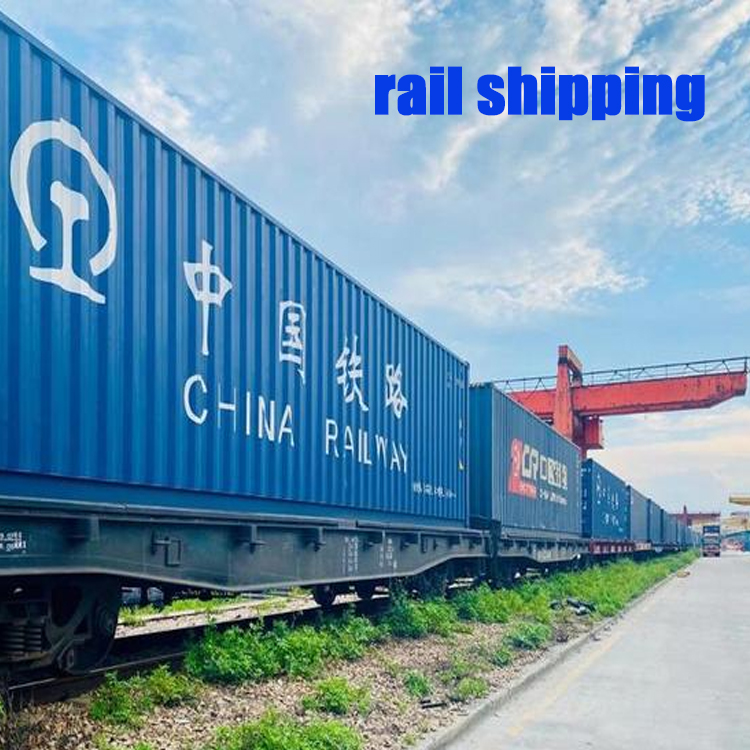
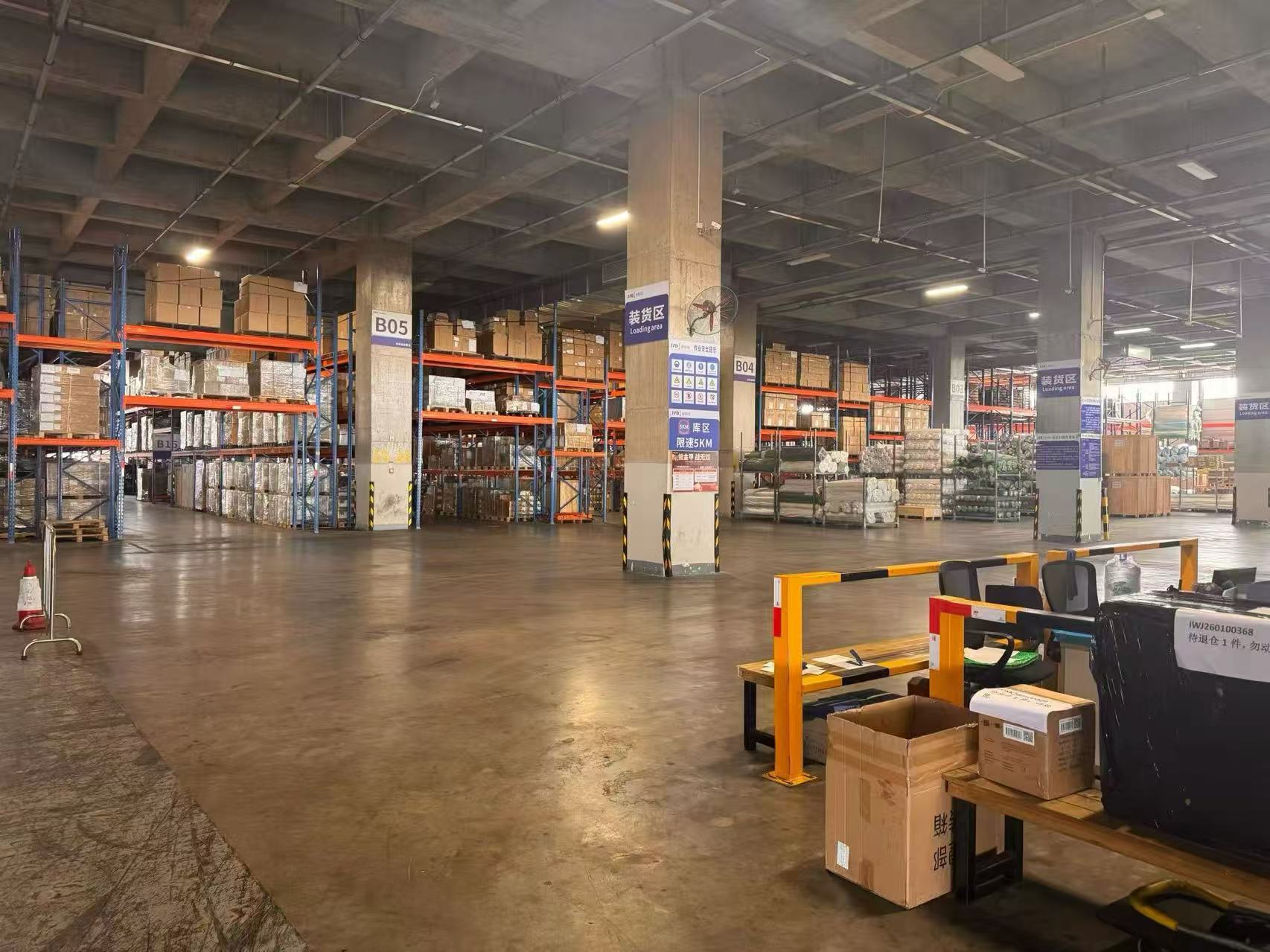
A real-world example of heavy cargo logistics involves a 68CBM machinery shipment to the UAE. The export process required precise handling of oversized crates, comprehensive customs documentation, and secure port-to-port tracking. Successful execution of such project cargo relies heavily on robust warehousing and consolidation capabilities, where goods are collected from various suppliers, safely packed, and cleared through customs at both origin and destination ports.
Data / Solution Comparison
The table below compares the primary transport modes for shipping machinery samples, highlighting key parameters such as transit times, minimum order quantities, and target markets.
| Logistics Mode | Transit Time | Minimum Order Quantity (MOQ) | Primary Export Markets | Payment Methods Supported |
|---|---|---|---|---|
| Railway Freight | 25-30 days | 1 CBM | Europe, Central Asia | T/T, VISA, PayPal, MasterCard, MonyGram |
| Sea Freight | 25-30 days | 1 CBM | USA, Canada, Europe, Middle East, South America | T/T, VISA, PayPal, MasterCard, MonyGram |
| Air Freight | 3-7 days | 100 kg | Global (USA, Europe, Middle East, etc.) | T/T, VISA, PayPal, MasterCard, MonyGram |
Frequently Asked Questions (FAQ)
Q1: What is the minimum volume required to ship machinery via railway freight?
A1: The minimum order quantity (MOQ) for railway freight services is 1 CBM, making it accessible for both smaller sample parts and larger consolidated machinery shipments.
Q2: How is machinery protected against damage during rail transit?
A2: Strict container loading protocols are enforced. Lighter cargo is placed on top of heavier items, weak packaging is positioned above strong packaging, and sharp or protruding machinery parts are covered to prevent friction and structural impact.
Q3: Does railway freight include customs clearance services?
A3: Yes, comprehensive railway logistics solutions include customs clearance, preparation of import/export documentation, and handling at both Chinese ports and destination terminals.
Final Conclusion & Recommendations
For buyers in Europe and Central Asia, railway freight is a highly balanced logistics solution for importing heavy machinery samples. It avoids the high costs of air transport while matching the delivery timeline of sea freight, with the added benefit of stable overland routing. To ensure safety, exporters must partner with licensed agents capable of providing visual tracking, customs handling, and secure warehousing. Technical Support: tony@speed-logistics.net
About Us
Speed International logistics Co.,Ltd is a global and professional agent approved by the national trading ministry. Founded in 2011, the company operates with a team of 80 employees and manages a 2000-square-meter main warehouse in Shenzhen. Specialized in multimodal transportation, the firm provides comprehensive air freight, sea freight, railway shipping, and customs clearance solutions. The company holds key industry credentials including NVOCC and Aviation Class I Cargo certifications, serving diverse industrial clients worldwide.

REPORT