







-
 Agriculture
-
 Health-Care
-
 Environment
-
 Construction-Real-Estate
-
 Tools-Hardware
-
 Home-Garden
-
 Furniture
-
 Luggage-Bags-Cases
-
 Medical-devices-Supplies
-
 Gifts-Crafts
-
 Sports-Entertainment
-
 Food-Beverage
-
 Vehicles-Transportation
-
 Power-Transmission
-
 Material-Handling
-
 Renewable-Energy
-
 Safety
-
 Testing-Instrument-Equipment
-
 Construction-Building-Machinery
-
 Pet-Supplies
-
 Personal-Care-Household-Cleaning
-
 Vehicle-Accessories-Electronics-Tools
-
 School-Office-Supplies
-
 Packaging-Printing
-
 Mother-Kids-Toys
-
 Business-Services
-
 Commercial-Equipment-Machinery
-
 Apparel-Accessories
-
 Security
-
 Shoes-Accessories
-
 Vehicle-Parts-Accessories
-
 Jewelry-Eyewear-Watches-Accessories
-
 Lights-Lighting
-
 Fabric-Textile-Raw-Material
-
 Fabrication-Services
-
 Industrial-Machinery
-
 Consumer-Electronics
-
 Electrical-Equipment-Supplies
-
 Electronic-Components-Accessories-Telecommunications
-
 Home-Appliances
-
 Beauty
-
 Chemicals
-
 Rubber-Plastics
-
 Metals-Alloys


























































































































































































































































































































































































































































































































































































- Masonry Materials
- Curtain Walls & Accessories
- Earthwork Products
- Fireproofing Materials
- Heat Insulation Materials
- Plastic Building Materials
- Building Boards
- Soundproofing Materials
- Timber
- Waterproofing Materials
- Balustrades & Handrails
- Bathroom & Kitchen
- Flooring & Accessories
- Tiles & Accessories
- Door, Window & Accessories
- Fireplaces & Stoves
- Floor Heating Systems & Parts
- Stairs & Stair Parts
- Ceilings
- Elevators & Escalators
- Stone
- Countertops, Vanity Tops & Table Tops
- Mosaics
- Metal Building Materials
- Multifunctional Materials
- Ladders & Scaffoldings
- Mouldings
- Corner Guards
- Decorative Films
- Formwork
- Building & Industrial Glass
- Other Construction & Real Estate
- Wallpapers/Wall panels
- HVAC System & Parts
- Outdoor Facilities
- Prefabricated Buildings
- Festive & Party Supplies
- Bathroom Products
- Household Sundries
- Rain Gear
- Garden Supplies
- Household Cleaning Tools & Accessories
- Lighters & Smoking Accessories
- Home Storage & Organization
- Household Scales
- Smart Home Improvement
- Home Textiles
- Kitchenware
- Drinkware & Accessories
- Dinnerware, Coffee & Wine
- Home Decor
- Golf
- Fitness & Body Building
- Amusement Park Facilities
- Billiards, Board Game,Coin Operated Games
- Musical Instruments
- Outdoor Affordable Luxury Sports
- Camping & Hiking
- Fishing
- Sports Safety&Rehabilitation
- Ball Sports Equipments
- Water Sports
- Winter Sports
- Luxury Travel Equipments
- Sports Shoes, Bags & Accessories
- Cycling
- Other Sports & Entertainment Products
- Artificial Grass&Sports Flooring&Sports Court Equipment
- Scooters
- Food Ingredients
- Honey & Honey Products
- Snacks
- Nuts & Kernels
- Seafood
- Plant & Animal Oil
- Beverages
- Fruit & Vegetable Products
- Frog & Escargot
- Bean Products
- Egg Products
- Dairy Products
- Seasonings & Condiments
- Canned Food
- Instant Food
- Baked Goods
- Other Food & Beverage
- Meat & Poultry
- Confectionery
- Grain Products
- Feminie Care
- Hair Care & Styling
- Body Care
- Hands & Feet Care
- Hygiene Products
- Men's Grooming
- Laundry Cleaning Supplies
- Travel Size & Gift Sets
- Room Deodorizers
- Other Personal Care Products
- Pest Control Products
- Special Household Cleaning
- Floor Cleaning
- Kitchen & Bathroom Cleaning
- Oral Care
- Bath Supplies
- Yellow Pages
- Correction Supplies
- Office Binding Supplies
- Office Cutting Supplies
- Board Erasers
- Office Adhesives & Tapes
- Education Supplies
- Pencil Cases & Bags
- Notebooks & Writing Pads
- File Folder Accessories
- Calendars
- Writing Accessories
- Commercial Office Supplies
- Pencil Sharpeners
- Pens
- Letter Pad/Paper
- Paper Envelopes
- Desk Organizers
- Pencils
- Markers & Highlighters
- Filing Products
- Art Supplies
- Easels
- Badge Holder & Accessories
- Office Paper
- Printer Supplies
- Book Covers
- Other Office & School Supplies
- Stationery Set
- Boards
- Clipboards
- Stamps
- Drafting Supplies
- Stencils
- Electronic Dictionary
- Books
- Map
- Magazines
- Calculators
- Baby & Toddler Toys
- Educational Toys
- Classic Toys
- Dress Up & Pretend Play
- Toy Vehicle
- Stuffed Animals & Plush Toys
- Outdoor Toys & Structures
- Balloons & Accessories
- Baby Food
- Children's Clothing
- Baby Supplies & Products
- Maternity Clothes
- Kids Shoes
- Baby Care
- Novelty & Gag Toys
- Dolls & Accessories
- Puzzle & Games
- Blocks & Model Building Toys
- Toddler Clothing
- Baby Clothing
- Kids' Luggage & Bags
- Arts, Crafts & DIY Toys
- Action & Toy Figures
- Baby Appliances
- Hobbies & Models
- Remote Control Toys
- Promotional Toys
- Pregnancy & Maternity
- Hygiene Products
- Kid's Textile&Bedding
- Novelty & Special Use
- Toy Weapons
- Baby Gifts
- Baby Storage & Organization
- Auto Drive Systems
- ATV/UTV Parts & Accessories
- Marine Parts & Accessories
- Other Auto Parts
- Trailer Parts & Accessories
- Auto Transmission Systems
- Train Parts & Accessories
- Universal Parts
- Railway Parts & Accessories
- Auto Brake Systems
- Aviation Parts & Accessories
- Truck Parts & Accessories
- Auto Suspension Systems
- Auto Lighting Systems
- New Energy Vehicle Parts & Accessories
- Auto Steering Systems
- Wheels, Tires & Accessories
- Bus Parts & Accessories
- Auto Performance Parts
- Cooling System
- Go-Kart & Kart Racer Parts & Accessories
- Air Conditioning Systems
- Heavy Duty Vehicle Parts & Accessories
- Auto Electrical Systems
- Auto Body Systems
- Auto Engine Systems
- Container Parts & Accessories
- Motorcycle Parts & Accessories
- Refrigeration & Heat Exchange Equipment
- Machine Tool Equipment
- Food & Beverage Machinery
- Agricultural Machinery & Equipment
- Apparel & Textile Machinery
- Chemical Machinery
- Packaging Machines
- Paper Production Machinery
- Plastic & Rubber Processing Machinery
- Industrial Robots
- Electronic Products Machinery
- Metal & Metallurgy Machinery
- Woodworking Machinery
- Home Product Manufacturing Machinery
- Machinery Accessories
- Environmental Machinery
- Machinery Service
- Electrical Equipment Manufacturing Machinery
- Industrial Compressors & Parts
- Tobacco & Cigarette Machinery
- Production Line
- Used Industrial Machinery
- Electronics Production Machinery
- Other Machinery & Industrial Equipment
- Camera, Photo & Accessories
- Portable Audio, Video & Accessories
- Television, Home Audio, Video & Accessories
- Video Games & Accessories
- Mobile Phone & Accessories
- Electronic Publications
- Earphone & Headphone & Accessories
- Speakers & Accessories
- Smart Electronics
- TV Receivers & Accessories
- Mobile Phone & Computer Repair Parts
- Chargers, Batteries & Power Supplies
- Used Electronics
- VR, AR, MR Hardware & Software
- Projectors & Presentation Equipments
- Other Consumer Electronics
- Cables & Commonly Used Accessories
- Computer Hardware & Software
- Displays, Signage and Optoelectronics
- Discrete Semiconductors
- Wireless & IoT Module and Products
- Telecommunications
- Connectors, Terminals & Accessories
- Development Boards, Electronic Modules and Kits
- Circuit Protection
- Sensors
- Isolators
- Audio Components and Products
- Integrated Circuits
- Power Supplies
- Relays
- RF, Microwave and RFID
- Electronic Accessories & Supplies
- Passive Components
- PCB & PCBA
- Air Quality Appliances
- Home Appliance Parts
- Heating & Cooling Appliances
- Small Kitchen Appliances
- Laundry Appliances
- Water Heaters
- Water Treatment Appliances
- Refrigerators & Freezers
- Personal Care & Beauty Appliances
- Major Kitchen Appliances
- Cleaning Appliances
- Second-hand Appliances
- Smart Home Appliances
- Other Home Appliances
- Energy Chemicals
- Inorganic Chemicals
- Basic Organic Chemicals
- Agrochemicals
- Admixture & Additives
- Catalysts & Chemical Auxiliary Agents
- Pigments & Dyestuff
- Coating & Paint
- Daily Chemicals
- Polymer
- Organic Intermediate
- Adhesives & Sealants
- Chemical Waste
- Biological Chemical Products
- Surface Treatment Chemicals
- Painting & Coating
- Chemical Reagents
- Flavor & Fragrance
- Non-Explosive Demolition Agents
- Other Chemicals
- Custom Chemical Services

LCD Separator Final Inspection: What Your Audit Checklist Should Cover
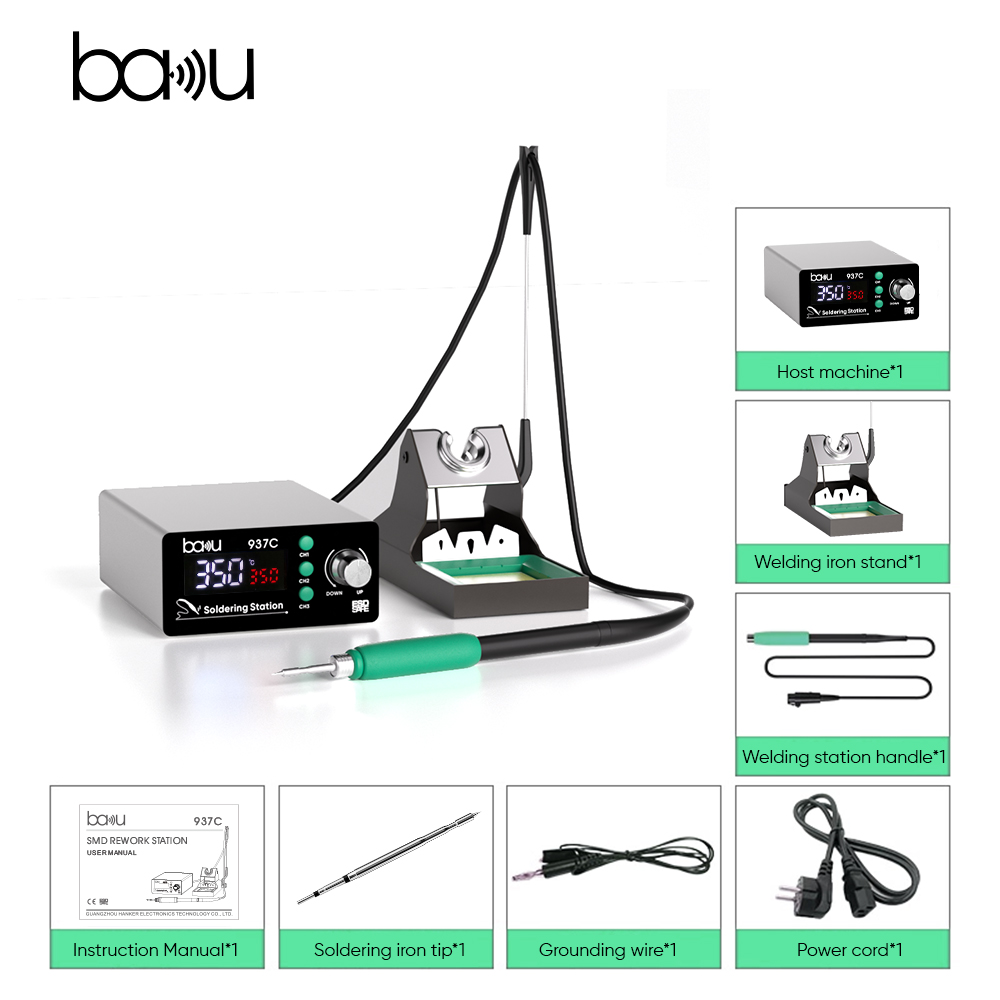
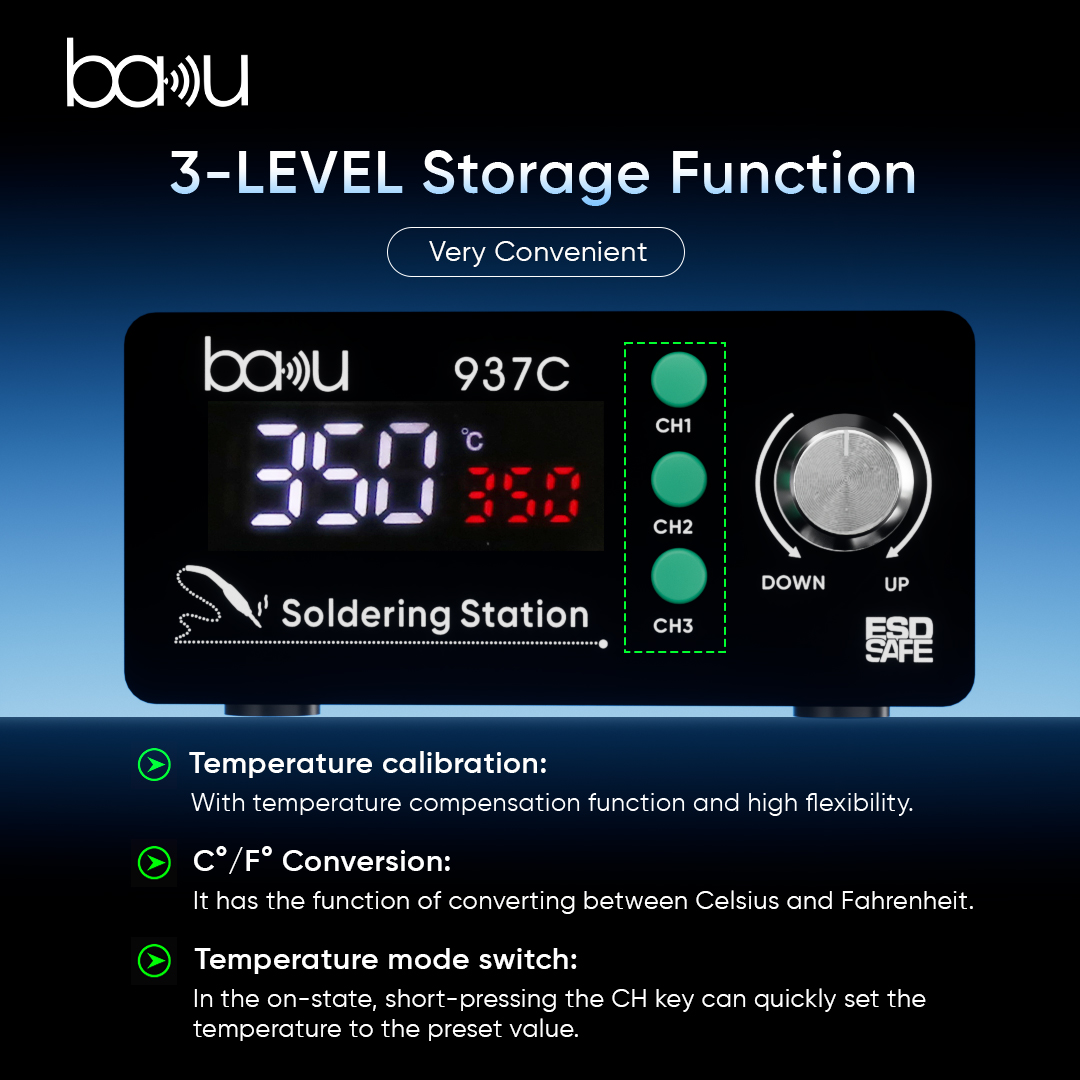
A reliable final inspection audit for an LCD Separator should establish that each unit is correctly identified, free of visible defects, within specification, safe to operate, and ready for shipment. For the BA-937C reference, key checks include its LED microcomputer display, 120W rating, 200°C–500°C temperature range, 225×194×105mm dimensions, 1kg net weight, and noise level below 45dB.
Set Up the Inspection
Start by confirming traceability. Compare the unit and its production records with the purchase order, approved sample, product documentation, and inspection plan. The reference product is the 2s Rapid Temp Soldering Station BA-937C. Its listed order details include a minimum order quantity of 50 pieces, a delivery estimate of 7–15 days, and availability for export to all regions.
Before switching the equipment on, inspect the housing, control panel, LED microcomputer display, temperature markings, soldering iron, cable, connectors, and supplied accessories. Note scratches, cracks, contamination, loose components, incomplete labels, assembly issues, or damaged packaging. Check dimensions against 225×194×105mm and verify the 1kg net weight when weighing is required by the approved procedure.
Verify Operation and Safety
Run the functional tests defined in the inspection plan. Confirm that the station powers on correctly, the display is legible, temperature settings can be adjusted, and the iron heats and operates as expected. Check temperature stability and confirm that shutdown works normally. The specified iron temperature range is 200°C–500°C. Record the selected setting, measured temperature, test method, instrument ID, and result so the outcome can be reproduced and reviewed.
Measure operating noise and compare the reading with the stated limit of <45dB. Review cable and connector condition, along with insulation-related observations and any grounding or protective features required by the approved safety procedure. During the test, watch for abnormal heat or odor. Connect every failure to the unit or batch identification and document its disposition.
Confirm Compliance and Shipment Readiness
Check that compliance documents apply to the product and destination market. The available solder-station records list CE certificates for the European Union, FCC certificates for the United States, and RoHS certificates for the European Union. Log each document's certificate name and number, market, version, and verification status.
Before release, make sure the model and quantity are correct, required accessories and user documents are included, labels and shipping marks match the order, and packaging protects the product during transport. BAKU cooperation examples include tool-kit orders for a repair shop in the Philippines, training equipment for a vocational institution in Malaysia, distribution orders for Saudi Arabia, and laptop-repair workshop equipment for Mexico, reflecting use in repair, education, distribution, and workshop settings.
Checklist Reference
| Inspection Area | What to Verify | BA-937C Reference |
|---|---|---|
| Identity and contents | Model, labels, records, order quantity, and accessories match approved documents | 2s Rapid Temp Soldering Station BA-937C |
| Operation | Power, display, heating, adjustment, and stable operation meet the test plan | 120W; iron temperature range of 200°C–500°C |
| Dimensions and weight | Measurements agree with approved product data | 225×194×105mm; 1kg net weight |
| Noise | Measured operating noise is within the stated limit | <45dB |
| Compliance records | Applicable certificates are current, verified, and traceable | CE, FCC, and RoHS certificates are listed for solder stations |
| Release | Packaging, documentation, shipping marks, defects, and corrective actions are recorded | Document pass, hold, rework, or reject status by unit or batch |
Frequently Asked Questions
What needs to be checked before powering on the unit?
Verify the model and labels, inspect appearance and dimensions, review wiring and connectors, confirm accessories, and check inspection instruments. Ensure the unit can be traced to its order and production records before applying power.
Which BA-937C specifications should the form capture?
Include the LED microcomputer digital display, 120W power rating, 200°C–500°C iron temperature range, 225×194×105mm dimensions, 1kg net weight, and noise below 45dB.
What should happen when a test fails?
Record the unit ID, failed requirement, measured result, test method or instrument, disposition, corrective action, and reinspection outcome. Keep the unit on hold until the required result has been confirmed.
Conclusion
An effective LCD Separator final inspection combines document and identity checks with visual review, measurement, electrical and operational tests, temperature verification, noise measurement, compliance review, and shipment checks. BAKU offers its own brand for wholesale from stock and supports OEM and ODM customization. The company also reports internal quality control and full-function testing before shipment. For technical solutions or assistance, contact hanker002@bakutool.com.
About BAKU
Guangdong BAKU Technology Development Co., Ltd. was established in 2003 and develops professional electronic repair tools in more than thirty categories, including solder stations, solder flux, solder paste, screwdrivers, and ultrasonic cleaners. Its independent R&D laboratory brings together structural, hardware, and test engineers and supports ID design, structural development, PCB debugging, and reliability testing. The company holds 25 design patents and lists CE, FCC, and RoHS certificates for solder stations.

REPORT