







-
 Agriculture
-
 Health-Care
-
 Environment
-
 Construction-Real-Estate
-
 Tools-Hardware
-
 Home-Garden
-
 Furniture
-
 Luggage-Bags-Cases
-
 Medical-devices-Supplies
-
 Gifts-Crafts
-
 Sports-Entertainment
-
 Food-Beverage
-
 Vehicles-Transportation
-
 Power-Transmission
-
 Material-Handling
-
 Renewable-Energy
-
 Safety
-
 Testing-Instrument-Equipment
-
 Construction-Building-Machinery
-
 Pet-Supplies
-
 Personal-Care-Household-Cleaning
-
 Vehicle-Accessories-Electronics-Tools
-
 School-Office-Supplies
-
 Packaging-Printing
-
 Mother-Kids-Toys
-
 Business-Services
-
 Commercial-Equipment-Machinery
-
 Apparel-Accessories
-
 Security
-
 Shoes-Accessories
-
 Vehicle-Parts-Accessories
-
 Jewelry-Eyewear-Watches-Accessories
-
 Lights-Lighting
-
 Fabric-Textile-Raw-Material
-
 Fabrication-Services
-
 Industrial-Machinery
-
 Consumer-Electronics
-
 Electrical-Equipment-Supplies
-
 Electronic-Components-Accessories-Telecommunications
-
 Home-Appliances
-
 Beauty
-
 Chemicals
-
 Rubber-Plastics
-
 Metals-Alloys


























































































































































































































































































































































































































































































































































































- Masonry Materials
- Curtain Walls & Accessories
- Earthwork Products
- Fireproofing Materials
- Heat Insulation Materials
- Plastic Building Materials
- Building Boards
- Soundproofing Materials
- Timber
- Waterproofing Materials
- Balustrades & Handrails
- Bathroom & Kitchen
- Flooring & Accessories
- Tiles & Accessories
- Door, Window & Accessories
- Fireplaces & Stoves
- Floor Heating Systems & Parts
- Stairs & Stair Parts
- Ceilings
- Elevators & Escalators
- Stone
- Countertops, Vanity Tops & Table Tops
- Mosaics
- Metal Building Materials
- Multifunctional Materials
- Ladders & Scaffoldings
- Mouldings
- Corner Guards
- Decorative Films
- Formwork
- Building & Industrial Glass
- Other Construction & Real Estate
- Wallpapers/Wall panels
- HVAC System & Parts
- Outdoor Facilities
- Prefabricated Buildings
- Festive & Party Supplies
- Bathroom Products
- Household Sundries
- Rain Gear
- Garden Supplies
- Household Cleaning Tools & Accessories
- Lighters & Smoking Accessories
- Home Storage & Organization
- Household Scales
- Smart Home Improvement
- Home Textiles
- Kitchenware
- Drinkware & Accessories
- Dinnerware, Coffee & Wine
- Home Decor
- Golf
- Fitness & Body Building
- Amusement Park Facilities
- Billiards, Board Game,Coin Operated Games
- Musical Instruments
- Outdoor Affordable Luxury Sports
- Camping & Hiking
- Fishing
- Sports Safety&Rehabilitation
- Ball Sports Equipments
- Water Sports
- Winter Sports
- Luxury Travel Equipments
- Sports Shoes, Bags & Accessories
- Cycling
- Other Sports & Entertainment Products
- Artificial Grass&Sports Flooring&Sports Court Equipment
- Scooters
- Food Ingredients
- Honey & Honey Products
- Snacks
- Nuts & Kernels
- Seafood
- Plant & Animal Oil
- Beverages
- Fruit & Vegetable Products
- Frog & Escargot
- Bean Products
- Egg Products
- Dairy Products
- Seasonings & Condiments
- Canned Food
- Instant Food
- Baked Goods
- Other Food & Beverage
- Meat & Poultry
- Confectionery
- Grain Products
- Feminie Care
- Hair Care & Styling
- Body Care
- Hands & Feet Care
- Hygiene Products
- Men's Grooming
- Laundry Cleaning Supplies
- Travel Size & Gift Sets
- Room Deodorizers
- Other Personal Care Products
- Pest Control Products
- Special Household Cleaning
- Floor Cleaning
- Kitchen & Bathroom Cleaning
- Oral Care
- Bath Supplies
- Yellow Pages
- Correction Supplies
- Office Binding Supplies
- Office Cutting Supplies
- Board Erasers
- Office Adhesives & Tapes
- Education Supplies
- Pencil Cases & Bags
- Notebooks & Writing Pads
- File Folder Accessories
- Calendars
- Writing Accessories
- Commercial Office Supplies
- Pencil Sharpeners
- Pens
- Letter Pad/Paper
- Paper Envelopes
- Desk Organizers
- Pencils
- Markers & Highlighters
- Filing Products
- Art Supplies
- Easels
- Badge Holder & Accessories
- Office Paper
- Printer Supplies
- Book Covers
- Other Office & School Supplies
- Stationery Set
- Boards
- Clipboards
- Stamps
- Drafting Supplies
- Stencils
- Electronic Dictionary
- Books
- Map
- Magazines
- Calculators
- Baby & Toddler Toys
- Educational Toys
- Classic Toys
- Dress Up & Pretend Play
- Toy Vehicle
- Stuffed Animals & Plush Toys
- Outdoor Toys & Structures
- Balloons & Accessories
- Baby Food
- Children's Clothing
- Baby Supplies & Products
- Maternity Clothes
- Kids Shoes
- Baby Care
- Novelty & Gag Toys
- Dolls & Accessories
- Puzzle & Games
- Blocks & Model Building Toys
- Toddler Clothing
- Baby Clothing
- Kids' Luggage & Bags
- Arts, Crafts & DIY Toys
- Action & Toy Figures
- Baby Appliances
- Hobbies & Models
- Remote Control Toys
- Promotional Toys
- Pregnancy & Maternity
- Hygiene Products
- Kid's Textile&Bedding
- Novelty & Special Use
- Toy Weapons
- Baby Gifts
- Baby Storage & Organization
- Auto Drive Systems
- ATV/UTV Parts & Accessories
- Marine Parts & Accessories
- Other Auto Parts
- Trailer Parts & Accessories
- Auto Transmission Systems
- Train Parts & Accessories
- Universal Parts
- Railway Parts & Accessories
- Auto Brake Systems
- Aviation Parts & Accessories
- Truck Parts & Accessories
- Auto Suspension Systems
- Auto Lighting Systems
- New Energy Vehicle Parts & Accessories
- Auto Steering Systems
- Wheels, Tires & Accessories
- Bus Parts & Accessories
- Auto Performance Parts
- Cooling System
- Go-Kart & Kart Racer Parts & Accessories
- Air Conditioning Systems
- Heavy Duty Vehicle Parts & Accessories
- Auto Electrical Systems
- Auto Body Systems
- Auto Engine Systems
- Container Parts & Accessories
- Motorcycle Parts & Accessories
- Refrigeration & Heat Exchange Equipment
- Machine Tool Equipment
- Food & Beverage Machinery
- Agricultural Machinery & Equipment
- Apparel & Textile Machinery
- Chemical Machinery
- Packaging Machines
- Paper Production Machinery
- Plastic & Rubber Processing Machinery
- Industrial Robots
- Electronic Products Machinery
- Metal & Metallurgy Machinery
- Woodworking Machinery
- Home Product Manufacturing Machinery
- Machinery Accessories
- Environmental Machinery
- Machinery Service
- Electrical Equipment Manufacturing Machinery
- Industrial Compressors & Parts
- Tobacco & Cigarette Machinery
- Production Line
- Used Industrial Machinery
- Electronics Production Machinery
- Other Machinery & Industrial Equipment
- Camera, Photo & Accessories
- Portable Audio, Video & Accessories
- Television, Home Audio, Video & Accessories
- Video Games & Accessories
- Mobile Phone & Accessories
- Electronic Publications
- Earphone & Headphone & Accessories
- Speakers & Accessories
- Smart Electronics
- TV Receivers & Accessories
- Mobile Phone & Computer Repair Parts
- Chargers, Batteries & Power Supplies
- Used Electronics
- VR, AR, MR Hardware & Software
- Projectors & Presentation Equipments
- Other Consumer Electronics
- Cables & Commonly Used Accessories
- Computer Hardware & Software
- Displays, Signage and Optoelectronics
- Discrete Semiconductors
- Wireless & IoT Module and Products
- Telecommunications
- Connectors, Terminals & Accessories
- Development Boards, Electronic Modules and Kits
- Circuit Protection
- Sensors
- Isolators
- Audio Components and Products
- Integrated Circuits
- Power Supplies
- Relays
- RF, Microwave and RFID
- Electronic Accessories & Supplies
- Passive Components
- PCB & PCBA
- Air Quality Appliances
- Home Appliance Parts
- Heating & Cooling Appliances
- Small Kitchen Appliances
- Laundry Appliances
- Water Heaters
- Water Treatment Appliances
- Refrigerators & Freezers
- Personal Care & Beauty Appliances
- Major Kitchen Appliances
- Cleaning Appliances
- Second-hand Appliances
- Smart Home Appliances
- Other Home Appliances
- Energy Chemicals
- Inorganic Chemicals
- Basic Organic Chemicals
- Agrochemicals
- Admixture & Additives
- Catalysts & Chemical Auxiliary Agents
- Pigments & Dyestuff
- Coating & Paint
- Daily Chemicals
- Polymer
- Organic Intermediate
- Adhesives & Sealants
- Chemical Waste
- Biological Chemical Products
- Surface Treatment Chemicals
- Painting & Coating
- Chemical Reagents
- Flavor & Fragrance
- Non-Explosive Demolition Agents
- Other Chemicals
- Custom Chemical Services

Navigating Carbon Reporting Mandates: Price Drivers and Sourcing Strategies for Imported Windows
Understanding the Financial and Operational Impact of Carbon Reporting Rules
As global environmental regulations tighten, mandatory carbon footprint disclosure is reshaping the international trade of fenestration systems. Importers and developers sourcing architectural windows face stricter auditing mandates that track embodied carbon across every lifecycle stage—from raw bauxite extraction and alloy smelting to cross-border logistics. Consequently, compliance audits and supply chain verification have driven landed prices for imported thermally broken aluminum windows and glazing units up by 5% to 15%, depending on the supplier's verified carbon reporting capabilities.
Technical Evaluation: Lifecycle Carbon and Manufacturing Standards
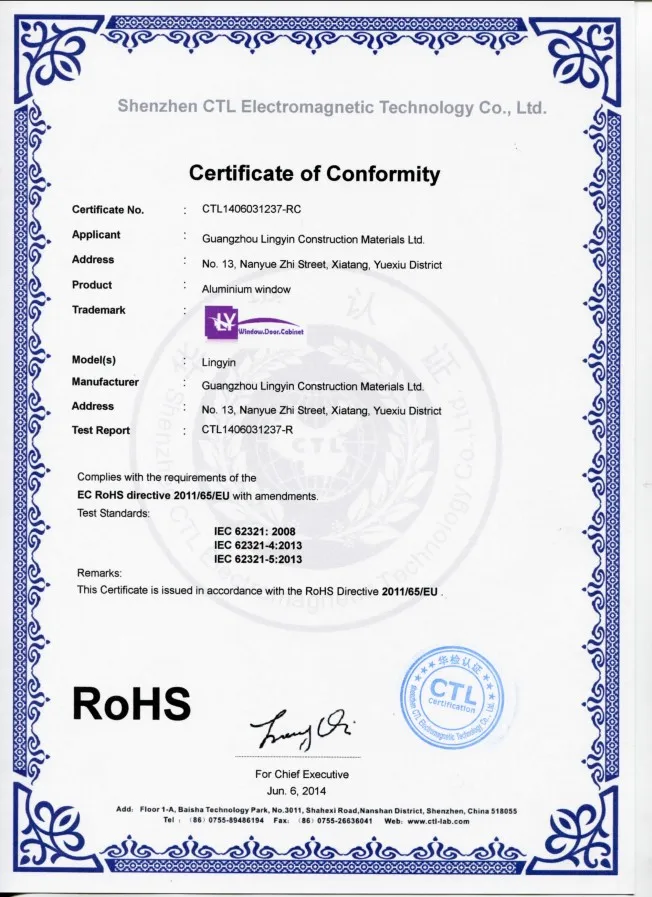
The regulatory pressure on imported door and window products stems from two distinct fronts: product carbon footprint (PCF) tracking and strict thermal performance thresholds. In high-strength aluminum fenestration, primary smelting and profile extrusion account for more than 70% of the product's embodied carbon footprint. To achieve compliance with environmental frameworks such as RoHS (Certificate CTL1406031237-RC), modern fabrication plants must optimize thermal barrier extrusion processes and guarantee non-hazardous material composition.
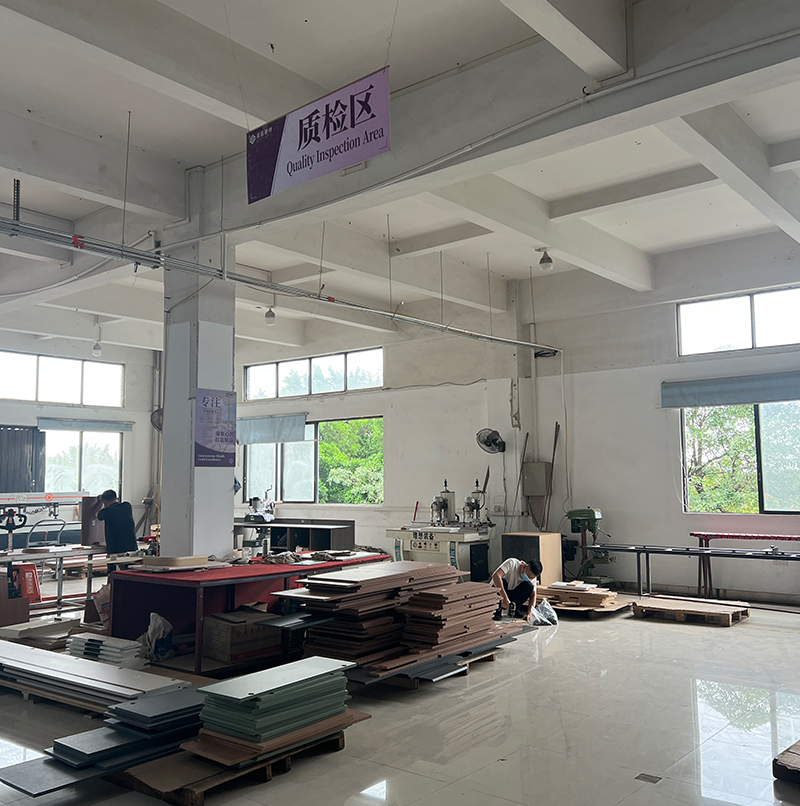
Price shifts reflect the uneven burden of compliance overhead. Traditional manufacturing facilities relying on high-carbon energy grids incur significant administrative expenses, audit penalties, and potential border carbon adjustment tariffs. In contrast, advanced automated production bases leverage precision cutting and streamlined assembly to minimize unit carbon output. Additionally, logistics strategies play a pivotal role; direct maritime routes—such as Get Signal ocean freight—eliminate unnecessary transshipments, curbing Scope 3 transport emissions and mitigating overall carbon reporting liability for international buyers.
Comparative Analysis: Standard vs. Thermally Broken System Windows
| Evaluation Metric | Standard Aluminum Fenestration | Thermally Broken System Windows |
|---|---|---|
| Material Carbon Footprint | High (Standard primary aluminum usage) | Medium-Low (Integrated low-carbon/recycled profiles) |
| Thermal Insulation Efficiency | Standard thermal resistance | Superior (High-performance thermal barrier strips) |
| Compliance Verification Overhead | Moderate ongoing administrative fees | Low relative to high energy performance credits |
| Estimated Price Impact from Carbon Rules | +10% to +18% (Driven by tariffs & audit costs) | +5% to +10% (Offset by thermal efficiency gains) |
| Environmental Certification Compatibility | Basic safety & quality clearance | Full CE / RoHS structural & chemical compliance |
Core Strategies for Managing Carbon Compliance
- Embodied Carbon Transparency: Importers must mandate verified third-party carbon audit documentation for high-strength aluminum profiles and insulated glass prior to entering regulated international markets.
- Material Sourcing Adjustments: Manufacturers are actively transitioning toward certified low-carbon primary alloys and energy-efficient extrusion processes to reduce Scope 1 and Scope 2 operational emissions.
- Logistics Carbon Optimization: Implementing direct maritime shipping routes minimizes Scope 3 transit emissions, lowering total lifecycle carbon burdens for overseas architectural projects.
- Application Alignment: Certified low-carbon window systems are ideal for high-end residential projects (luxury villas and apartments), commercial real estate (hotels and mixed-use complexes), and municipal public infrastructure aiming for green building certifications.
Frequently Asked Questions (FAQ)
How do carbon reporting standards impact the export of aluminum alloy doors and windows?
Carbon reporting mandates require precise documentation of carbon emissions throughout production and distribution. Exporters without verified product carbon footprint data risk customs clearance delays, administrative fees, and potential border tax penalties.
Do carbon transparency rules increase raw material sourcing costs for window manufacturers?
Yes. Procurement of certified low-carbon or recycled aluminum profiles involves a premium over conventional raw materials. However, utilizing eco-friendly panels and high-grade aluminum ensures alignment with global building standards and safeguards against long-term carbon tariffs.
Can integrated manufacturing and dedicated freight services offset carbon-related price increases?
Smart, automated production bases lower per-unit energy consumption. Coupled with direct freight routing, streamlined logistics remove redundant transit steps, reducing Scope 3 freight emissions and keeping overall landed costs competitive.
Recommendations & Project Consulting
To navigate evolving carbon disclosures successfully, developers and project managers should select window and door systems that offer verified structural integrity alongside documented environmental compliance. Prioritizing thermally broken aluminum technology and certified chemical safety standards protects both project timelines and capital budgets. For tailored technical guidance and commercial support, contact our specialist team at 18144733878@139.com.
About Us
Guangzhou Lingyin Building Materials Co., Ltd. is a modern group enterprise specializing in the export of system windows and doors, thermally broken aluminum windows, sunrooms, and custom interior cabinetry. Established in 1990, the company operates a 30,000-square-meter modern intelligent production base with 186 employees and achieves an annual sales volume of 200 million RMB. Maintaining an export ratio of 80%, the group delivers complete building solutions supported by CE and RoHS certifications across international residential, commercial, and public construction projects.

REPORT