







-
 Agriculture
-
 Health-Care
-
 Environment
-
 Construction-Real-Estate
-
 Tools-Hardware
-
 Home-Garden
-
 Furniture
-
 Luggage-Bags-Cases
-
 Medical-devices-Supplies
-
 Gifts-Crafts
-
 Sports-Entertainment
-
 Food-Beverage
-
 Vehicles-Transportation
-
 Power-Transmission
-
 Material-Handling
-
 Renewable-Energy
-
 Safety
-
 Testing-Instrument-Equipment
-
 Construction-Building-Machinery
-
 Pet-Supplies
-
 Personal-Care-Household-Cleaning
-
 Vehicle-Accessories-Electronics-Tools
-
 School-Office-Supplies
-
 Packaging-Printing
-
 Mother-Kids-Toys
-
 Business-Services
-
 Commercial-Equipment-Machinery
-
 Apparel-Accessories
-
 Security
-
 Shoes-Accessories
-
 Vehicle-Parts-Accessories
-
 Jewelry-Eyewear-Watches-Accessories
-
 Lights-Lighting
-
 Fabric-Textile-Raw-Material
-
 Fabrication-Services
-
 Industrial-Machinery
-
 Consumer-Electronics
-
 Electrical-Equipment-Supplies
-
 Electronic-Components-Accessories-Telecommunications
-
 Home-Appliances
-
 Beauty
-
 Chemicals
-
 Rubber-Plastics
-
 Metals-Alloys


























































































































































































































































































































































































































































































































































































- Masonry Materials
- Curtain Walls & Accessories
- Earthwork Products
- Fireproofing Materials
- Heat Insulation Materials
- Plastic Building Materials
- Building Boards
- Soundproofing Materials
- Timber
- Waterproofing Materials
- Balustrades & Handrails
- Bathroom & Kitchen
- Flooring & Accessories
- Tiles & Accessories
- Door, Window & Accessories
- Fireplaces & Stoves
- Floor Heating Systems & Parts
- Stairs & Stair Parts
- Ceilings
- Elevators & Escalators
- Stone
- Countertops, Vanity Tops & Table Tops
- Mosaics
- Metal Building Materials
- Multifunctional Materials
- Ladders & Scaffoldings
- Mouldings
- Corner Guards
- Decorative Films
- Formwork
- Building & Industrial Glass
- Other Construction & Real Estate
- Wallpapers/Wall panels
- HVAC System & Parts
- Outdoor Facilities
- Prefabricated Buildings
- Festive & Party Supplies
- Bathroom Products
- Household Sundries
- Rain Gear
- Garden Supplies
- Household Cleaning Tools & Accessories
- Lighters & Smoking Accessories
- Home Storage & Organization
- Household Scales
- Smart Home Improvement
- Home Textiles
- Kitchenware
- Drinkware & Accessories
- Dinnerware, Coffee & Wine
- Home Decor
- Golf
- Fitness & Body Building
- Amusement Park Facilities
- Billiards, Board Game,Coin Operated Games
- Musical Instruments
- Outdoor Affordable Luxury Sports
- Camping & Hiking
- Fishing
- Sports Safety&Rehabilitation
- Ball Sports Equipments
- Water Sports
- Winter Sports
- Luxury Travel Equipments
- Sports Shoes, Bags & Accessories
- Cycling
- Other Sports & Entertainment Products
- Artificial Grass&Sports Flooring&Sports Court Equipment
- Scooters
- Food Ingredients
- Honey & Honey Products
- Snacks
- Nuts & Kernels
- Seafood
- Plant & Animal Oil
- Beverages
- Fruit & Vegetable Products
- Frog & Escargot
- Bean Products
- Egg Products
- Dairy Products
- Seasonings & Condiments
- Canned Food
- Instant Food
- Baked Goods
- Other Food & Beverage
- Meat & Poultry
- Confectionery
- Grain Products
- Feminie Care
- Hair Care & Styling
- Body Care
- Hands & Feet Care
- Hygiene Products
- Men's Grooming
- Laundry Cleaning Supplies
- Travel Size & Gift Sets
- Room Deodorizers
- Other Personal Care Products
- Pest Control Products
- Special Household Cleaning
- Floor Cleaning
- Kitchen & Bathroom Cleaning
- Oral Care
- Bath Supplies
- Yellow Pages
- Correction Supplies
- Office Binding Supplies
- Office Cutting Supplies
- Board Erasers
- Office Adhesives & Tapes
- Education Supplies
- Pencil Cases & Bags
- Notebooks & Writing Pads
- File Folder Accessories
- Calendars
- Writing Accessories
- Commercial Office Supplies
- Pencil Sharpeners
- Pens
- Letter Pad/Paper
- Paper Envelopes
- Desk Organizers
- Pencils
- Markers & Highlighters
- Filing Products
- Art Supplies
- Easels
- Badge Holder & Accessories
- Office Paper
- Printer Supplies
- Book Covers
- Other Office & School Supplies
- Stationery Set
- Boards
- Clipboards
- Stamps
- Drafting Supplies
- Stencils
- Electronic Dictionary
- Books
- Map
- Magazines
- Calculators
- Baby & Toddler Toys
- Educational Toys
- Classic Toys
- Dress Up & Pretend Play
- Toy Vehicle
- Stuffed Animals & Plush Toys
- Outdoor Toys & Structures
- Balloons & Accessories
- Baby Food
- Children's Clothing
- Baby Supplies & Products
- Maternity Clothes
- Kids Shoes
- Baby Care
- Novelty & Gag Toys
- Dolls & Accessories
- Puzzle & Games
- Blocks & Model Building Toys
- Toddler Clothing
- Baby Clothing
- Kids' Luggage & Bags
- Arts, Crafts & DIY Toys
- Action & Toy Figures
- Baby Appliances
- Hobbies & Models
- Remote Control Toys
- Promotional Toys
- Pregnancy & Maternity
- Hygiene Products
- Kid's Textile&Bedding
- Novelty & Special Use
- Toy Weapons
- Baby Gifts
- Baby Storage & Organization
- Auto Drive Systems
- ATV/UTV Parts & Accessories
- Marine Parts & Accessories
- Other Auto Parts
- Trailer Parts & Accessories
- Auto Transmission Systems
- Train Parts & Accessories
- Universal Parts
- Railway Parts & Accessories
- Auto Brake Systems
- Aviation Parts & Accessories
- Truck Parts & Accessories
- Auto Suspension Systems
- Auto Lighting Systems
- New Energy Vehicle Parts & Accessories
- Auto Steering Systems
- Wheels, Tires & Accessories
- Bus Parts & Accessories
- Auto Performance Parts
- Cooling System
- Go-Kart & Kart Racer Parts & Accessories
- Air Conditioning Systems
- Heavy Duty Vehicle Parts & Accessories
- Auto Electrical Systems
- Auto Body Systems
- Auto Engine Systems
- Container Parts & Accessories
- Motorcycle Parts & Accessories
- Refrigeration & Heat Exchange Equipment
- Machine Tool Equipment
- Food & Beverage Machinery
- Agricultural Machinery & Equipment
- Apparel & Textile Machinery
- Chemical Machinery
- Packaging Machines
- Paper Production Machinery
- Plastic & Rubber Processing Machinery
- Industrial Robots
- Electronic Products Machinery
- Metal & Metallurgy Machinery
- Woodworking Machinery
- Home Product Manufacturing Machinery
- Machinery Accessories
- Environmental Machinery
- Machinery Service
- Electrical Equipment Manufacturing Machinery
- Industrial Compressors & Parts
- Tobacco & Cigarette Machinery
- Production Line
- Used Industrial Machinery
- Electronics Production Machinery
- Other Machinery & Industrial Equipment
- Camera, Photo & Accessories
- Portable Audio, Video & Accessories
- Television, Home Audio, Video & Accessories
- Video Games & Accessories
- Mobile Phone & Accessories
- Electronic Publications
- Earphone & Headphone & Accessories
- Speakers & Accessories
- Smart Electronics
- TV Receivers & Accessories
- Mobile Phone & Computer Repair Parts
- Chargers, Batteries & Power Supplies
- Used Electronics
- VR, AR, MR Hardware & Software
- Projectors & Presentation Equipments
- Other Consumer Electronics
- Cables & Commonly Used Accessories
- Computer Hardware & Software
- Displays, Signage and Optoelectronics
- Discrete Semiconductors
- Wireless & IoT Module and Products
- Telecommunications
- Connectors, Terminals & Accessories
- Development Boards, Electronic Modules and Kits
- Circuit Protection
- Sensors
- Isolators
- Audio Components and Products
- Integrated Circuits
- Power Supplies
- Relays
- RF, Microwave and RFID
- Electronic Accessories & Supplies
- Passive Components
- PCB & PCBA
- Air Quality Appliances
- Home Appliance Parts
- Heating & Cooling Appliances
- Small Kitchen Appliances
- Laundry Appliances
- Water Heaters
- Water Treatment Appliances
- Refrigerators & Freezers
- Personal Care & Beauty Appliances
- Major Kitchen Appliances
- Cleaning Appliances
- Second-hand Appliances
- Smart Home Appliances
- Other Home Appliances
- Energy Chemicals
- Inorganic Chemicals
- Basic Organic Chemicals
- Agrochemicals
- Admixture & Additives
- Catalysts & Chemical Auxiliary Agents
- Pigments & Dyestuff
- Coating & Paint
- Daily Chemicals
- Polymer
- Organic Intermediate
- Adhesives & Sealants
- Chemical Waste
- Biological Chemical Products
- Surface Treatment Chemicals
- Painting & Coating
- Chemical Reagents
- Flavor & Fragrance
- Non-Explosive Demolition Agents
- Other Chemicals
- Custom Chemical Services

Negotiating Compensation for Repeated Window Seal Failures
Repeated window seal failures can lead to condensation, reduced insulation performance, water intrusion concerns, and ongoing maintenance costs. To negotiate compensation effectively, build a clear evidence file, determine the likely cause, and submit a written warranty claim that specifies the remedy you expect.
The strongest claims do not rely only on verbal reports of failure. They show when each issue occurred, which windows were affected, what inspections found, and why the supplier, installer, customer, or multiple parties may be responsible.
Start With Evidence and a Clear Failure Record
Create a separate record for every affected window. Include dated photographs and videos of fogging, moisture between panes, damaged seals, drafts, or visible leakage. Add order confirmations, invoices, product specifications, installation records, maintenance history, inspection reports, and all emails or messages exchanged with the supplier or contractor.
Your documentation should identify the window location, product model, installation date, date of each reported failure, and the practical impact on the property. This is especially important for apartments, hotels, commercial buildings, hospitals, high-end residences, and public projects, where repeated failures can affect handover schedules and building maintenance plans.
Identify Responsibility Before Discussing Payment
Compensation negotiations should distinguish between a manufacturing defect, an incorrect product dimension, an installation error, and conditions caused by the customer or project site. Asking for a written technical assessment helps prevent disagreements from becoming unsupported claims.
When the Supplier Is Responsible
If inspection confirms that the seal failure resulted from a supplier-caused quality problem or dimensional error, request a complete corrective package. This should include replacement windows or glazing units, transportation, removal of defective products, reinstallation, and any necessary technical support.
When the Customer Is Responsible
If the issue is linked to customer-caused damage, unsuitable use, unauthorized modifications, or site conditions outside the product requirements, the supplier may provide replacement products and technical assistance at cost price. Even in this situation, request written guidance on the correct repair method and future maintenance requirements.
When Responsibility Is Shared
Where both parties contributed to the problem, propose a reasonable cost-sharing arrangement supported by inspection evidence. The written agreement should state each party's cost share, the repair scope, timing, warranty treatment, and responsibility for future service.
Submit a Formal Compensation Request
Send the claim in writing and attach your evidence. State the number of failed windows, the nature of each seal failure, the inspection findings, the responsible party you believe should be assigned, and the remedy requested. Set a reasonable deadline for a written response and ask the supplier to confirm the corrective-action schedule.
A useful claim should request five key items: a written inspection conclusion, confirmation of responsibility, a replacement or repair plan, a target completion date, and a detailed cost allocation. If responsibility remains disputed, request a joint inspection and a dated resolution plan rather than accepting an informal verbal promise.
Compensation Positions by Cause
| Inspection conclusion | Recommended negotiation request |
|---|---|
| Supplier quality defect or incorrect dimensions | Request supplier payment for replacement products, transportation, removal, and installation. |
| Customer-caused damage or unsuitable conditions | Request replacement materials and technical support at cost, with documented repair guidance. |
| Shared responsibility | Negotiate a fair cost split based on written technical findings and agreed repair responsibilities. |
| Cause is still disputed | Ask for a joint inspection, written findings, and a corrective-action timetable. |
| Failure occurs within warranty coverage | Refer to the stated 10-year warranty and request the applicable remedy in writing. |
Use Warranty and Service Commitments in the Negotiation
For repeated failures during the warranty period, refer directly to the stated 10-year warranty and lifetime maintenance service. Compare the remedy offered with the actual scope required to restore the windows, including replacement units, logistics, installation labor, and technical assistance.
The stated after-sales system indicates that local issues in Africa receive a response and resolution within 24 hours, while domestic technical support matters are handled within 48 hours. The group also states that professional construction personnel and resident technical experts in Africa can provide installation guidance and troubleshooting support.
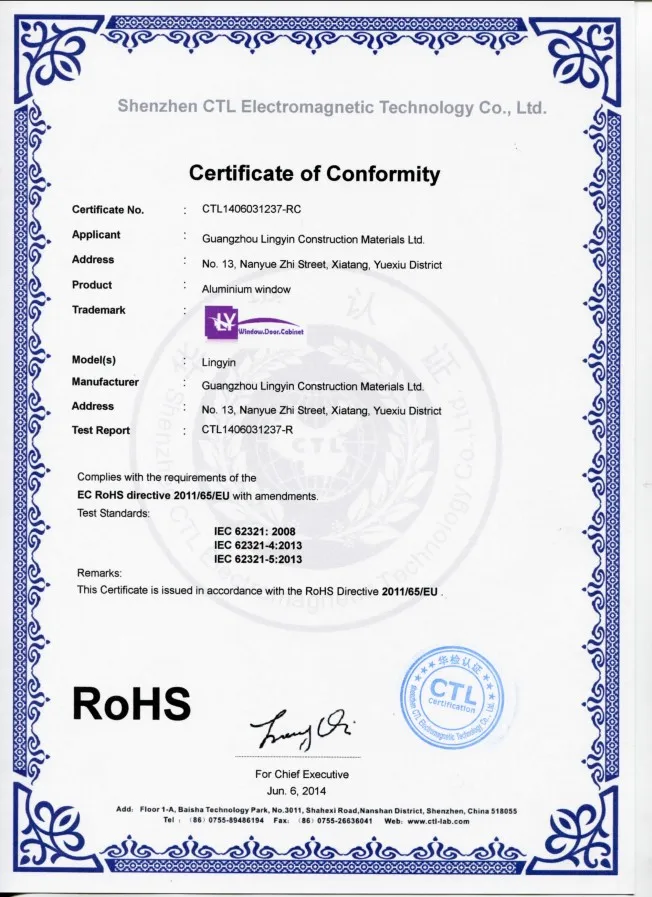
For aluminum window technical files, buyers who require compliance documentation may also include the available RoHS certification record for the EU market, certificate number CTL1406031237-RC.
Frequently Asked Questions
What documents help support a repeated seal failure claim?
Provide dated images and videos, a list of affected windows, purchase documents, installation records, inspection reports, maintenance logs, and written communication showing when each failure was reported.
Can transportation and installation costs be included in compensation?
Yes. Where the supplier is responsible for a product-quality issue or dimensional error, the stated responsibility rules support a claim for replacement, transportation, and installation expenses.
What if the supplier and customer both contributed to the failure?
Request a documented responsibility assessment and negotiate a proportionate division of costs. Confirm the repair scope, payment obligations, schedule, warranty coverage, and ongoing maintenance duties in writing.
Conclusion
Successful compensation negotiations for failed window seals depend on evidence, technical clarification, and a precise written request. Document every occurrence, establish the responsibility category, and require a written plan covering replacement, transport, installation, warranty obligations, and maintenance support.
The group provides a localized building-materials service model, with a minimum order quantity of 1 and a stated delivery period of 20 days for doors and windows, subject to order conditions. For technical solutions or support, contact 18144733878@139.com.
About Us
Guangzhou Lingyin Building Materials Co., Ltd. is a South China building materials group specializing in the export of system windows and doors, thermally broken aluminum windows and doors, aluminum alloy windows and doors, sunrooms, whole-house customization, wardrobes, and cabinets for African residential, hotel, apartment, commercial, and municipal projects. Its 30,000-square-meter modern intelligent production base supports automated window and door production and whole-house customization lines. The company serves Uganda, Rwanda, Cameroon, Nigeria, Kenya, Ghana, Angola, Tanzania, South Africa, Congo, and other African countries. Its certification records include CE for kitchen cabinets and RoHS for aluminum windows.

REPORT