







-
 Agriculture
-
 Health-Care
-
 Environment
-
 Construction-Real-Estate
-
 Tools-Hardware
-
 Home-Garden
-
 Furniture
-
 Luggage-Bags-Cases
-
 Medical-devices-Supplies
-
 Gifts-Crafts
-
 Sports-Entertainment
-
 Food-Beverage
-
 Vehicles-Transportation
-
 Power-Transmission
-
 Material-Handling
-
 Renewable-Energy
-
 Safety
-
 Testing-Instrument-Equipment
-
 Construction-Building-Machinery
-
 Pet-Supplies
-
 Personal-Care-Household-Cleaning
-
 Vehicle-Accessories-Electronics-Tools
-
 School-Office-Supplies
-
 Packaging-Printing
-
 Mother-Kids-Toys
-
 Business-Services
-
 Commercial-Equipment-Machinery
-
 Apparel-Accessories
-
 Security
-
 Shoes-Accessories
-
 Vehicle-Parts-Accessories
-
 Jewelry-Eyewear-Watches-Accessories
-
 Lights-Lighting
-
 Fabric-Textile-Raw-Material
-
 Fabrication-Services
-
 Industrial-Machinery
-
 Consumer-Electronics
-
 Electrical-Equipment-Supplies
-
 Electronic-Components-Accessories-Telecommunications
-
 Home-Appliances
-
 Beauty
-
 Chemicals
-
 Rubber-Plastics
-
 Metals-Alloys


























































































































































































































































































































































































































































































































































































- Masonry Materials
- Curtain Walls & Accessories
- Earthwork Products
- Fireproofing Materials
- Heat Insulation Materials
- Plastic Building Materials
- Building Boards
- Soundproofing Materials
- Timber
- Waterproofing Materials
- Balustrades & Handrails
- Bathroom & Kitchen
- Flooring & Accessories
- Tiles & Accessories
- Door, Window & Accessories
- Fireplaces & Stoves
- Floor Heating Systems & Parts
- Stairs & Stair Parts
- Ceilings
- Elevators & Escalators
- Stone
- Countertops, Vanity Tops & Table Tops
- Mosaics
- Metal Building Materials
- Multifunctional Materials
- Ladders & Scaffoldings
- Mouldings
- Corner Guards
- Decorative Films
- Formwork
- Building & Industrial Glass
- Other Construction & Real Estate
- Wallpapers/Wall panels
- HVAC System & Parts
- Outdoor Facilities
- Prefabricated Buildings
- Festive & Party Supplies
- Bathroom Products
- Household Sundries
- Rain Gear
- Garden Supplies
- Household Cleaning Tools & Accessories
- Lighters & Smoking Accessories
- Home Storage & Organization
- Household Scales
- Smart Home Improvement
- Home Textiles
- Kitchenware
- Drinkware & Accessories
- Dinnerware, Coffee & Wine
- Home Decor
- Golf
- Fitness & Body Building
- Amusement Park Facilities
- Billiards, Board Game,Coin Operated Games
- Musical Instruments
- Outdoor Affordable Luxury Sports
- Camping & Hiking
- Fishing
- Sports Safety&Rehabilitation
- Ball Sports Equipments
- Water Sports
- Winter Sports
- Luxury Travel Equipments
- Sports Shoes, Bags & Accessories
- Cycling
- Other Sports & Entertainment Products
- Artificial Grass&Sports Flooring&Sports Court Equipment
- Scooters
- Food Ingredients
- Honey & Honey Products
- Snacks
- Nuts & Kernels
- Seafood
- Plant & Animal Oil
- Beverages
- Fruit & Vegetable Products
- Frog & Escargot
- Bean Products
- Egg Products
- Dairy Products
- Seasonings & Condiments
- Canned Food
- Instant Food
- Baked Goods
- Other Food & Beverage
- Meat & Poultry
- Confectionery
- Grain Products
- Feminie Care
- Hair Care & Styling
- Body Care
- Hands & Feet Care
- Hygiene Products
- Men's Grooming
- Laundry Cleaning Supplies
- Travel Size & Gift Sets
- Room Deodorizers
- Other Personal Care Products
- Pest Control Products
- Special Household Cleaning
- Floor Cleaning
- Kitchen & Bathroom Cleaning
- Oral Care
- Bath Supplies
- Yellow Pages
- Correction Supplies
- Office Binding Supplies
- Office Cutting Supplies
- Board Erasers
- Office Adhesives & Tapes
- Education Supplies
- Pencil Cases & Bags
- Notebooks & Writing Pads
- File Folder Accessories
- Calendars
- Writing Accessories
- Commercial Office Supplies
- Pencil Sharpeners
- Pens
- Letter Pad/Paper
- Paper Envelopes
- Desk Organizers
- Pencils
- Markers & Highlighters
- Filing Products
- Art Supplies
- Easels
- Badge Holder & Accessories
- Office Paper
- Printer Supplies
- Book Covers
- Other Office & School Supplies
- Stationery Set
- Boards
- Clipboards
- Stamps
- Drafting Supplies
- Stencils
- Electronic Dictionary
- Books
- Map
- Magazines
- Calculators
- Baby & Toddler Toys
- Educational Toys
- Classic Toys
- Dress Up & Pretend Play
- Toy Vehicle
- Stuffed Animals & Plush Toys
- Outdoor Toys & Structures
- Balloons & Accessories
- Baby Food
- Children's Clothing
- Baby Supplies & Products
- Maternity Clothes
- Kids Shoes
- Baby Care
- Novelty & Gag Toys
- Dolls & Accessories
- Puzzle & Games
- Blocks & Model Building Toys
- Toddler Clothing
- Baby Clothing
- Kids' Luggage & Bags
- Arts, Crafts & DIY Toys
- Action & Toy Figures
- Baby Appliances
- Hobbies & Models
- Remote Control Toys
- Promotional Toys
- Pregnancy & Maternity
- Hygiene Products
- Kid's Textile&Bedding
- Novelty & Special Use
- Toy Weapons
- Baby Gifts
- Baby Storage & Organization
- Auto Drive Systems
- ATV/UTV Parts & Accessories
- Marine Parts & Accessories
- Other Auto Parts
- Trailer Parts & Accessories
- Auto Transmission Systems
- Train Parts & Accessories
- Universal Parts
- Railway Parts & Accessories
- Auto Brake Systems
- Aviation Parts & Accessories
- Truck Parts & Accessories
- Auto Suspension Systems
- Auto Lighting Systems
- New Energy Vehicle Parts & Accessories
- Auto Steering Systems
- Wheels, Tires & Accessories
- Bus Parts & Accessories
- Auto Performance Parts
- Cooling System
- Go-Kart & Kart Racer Parts & Accessories
- Air Conditioning Systems
- Heavy Duty Vehicle Parts & Accessories
- Auto Electrical Systems
- Auto Body Systems
- Auto Engine Systems
- Container Parts & Accessories
- Motorcycle Parts & Accessories
- Refrigeration & Heat Exchange Equipment
- Machine Tool Equipment
- Food & Beverage Machinery
- Agricultural Machinery & Equipment
- Apparel & Textile Machinery
- Chemical Machinery
- Packaging Machines
- Paper Production Machinery
- Plastic & Rubber Processing Machinery
- Industrial Robots
- Electronic Products Machinery
- Metal & Metallurgy Machinery
- Woodworking Machinery
- Home Product Manufacturing Machinery
- Machinery Accessories
- Environmental Machinery
- Machinery Service
- Electrical Equipment Manufacturing Machinery
- Industrial Compressors & Parts
- Tobacco & Cigarette Machinery
- Production Line
- Used Industrial Machinery
- Electronics Production Machinery
- Other Machinery & Industrial Equipment
- Camera, Photo & Accessories
- Portable Audio, Video & Accessories
- Television, Home Audio, Video & Accessories
- Video Games & Accessories
- Mobile Phone & Accessories
- Electronic Publications
- Earphone & Headphone & Accessories
- Speakers & Accessories
- Smart Electronics
- TV Receivers & Accessories
- Mobile Phone & Computer Repair Parts
- Chargers, Batteries & Power Supplies
- Used Electronics
- VR, AR, MR Hardware & Software
- Projectors & Presentation Equipments
- Other Consumer Electronics
- Cables & Commonly Used Accessories
- Computer Hardware & Software
- Displays, Signage and Optoelectronics
- Discrete Semiconductors
- Wireless & IoT Module and Products
- Telecommunications
- Connectors, Terminals & Accessories
- Development Boards, Electronic Modules and Kits
- Circuit Protection
- Sensors
- Isolators
- Audio Components and Products
- Integrated Circuits
- Power Supplies
- Relays
- RF, Microwave and RFID
- Electronic Accessories & Supplies
- Passive Components
- PCB & PCBA
- Air Quality Appliances
- Home Appliance Parts
- Heating & Cooling Appliances
- Small Kitchen Appliances
- Laundry Appliances
- Water Heaters
- Water Treatment Appliances
- Refrigerators & Freezers
- Personal Care & Beauty Appliances
- Major Kitchen Appliances
- Cleaning Appliances
- Second-hand Appliances
- Smart Home Appliances
- Other Home Appliances
- Energy Chemicals
- Inorganic Chemicals
- Basic Organic Chemicals
- Agrochemicals
- Admixture & Additives
- Catalysts & Chemical Auxiliary Agents
- Pigments & Dyestuff
- Coating & Paint
- Daily Chemicals
- Polymer
- Organic Intermediate
- Adhesives & Sealants
- Chemical Waste
- Biological Chemical Products
- Surface Treatment Chemicals
- Painting & Coating
- Chemical Reagents
- Flavor & Fragrance
- Non-Explosive Demolition Agents
- Other Chemicals
- Custom Chemical Services

Sea Freight Timelines and Shipping Guide for Dual-Purpose Screen Printing Machines
Determining the overall delivery timeline for a dual-purpose screen printing machine involves two main stages: factory production turnaround and ocean transit schedules. International sea freight generally takes between 15 and 35 days depending on the destination port. Standard machinery can be dispatched from the manufacturing facility in as little as 48 hours, whereas customized units require up to 30 days for engineering, assembly, and testing prior to port departure.
Manufacturing Lead Times & Quality Assurance
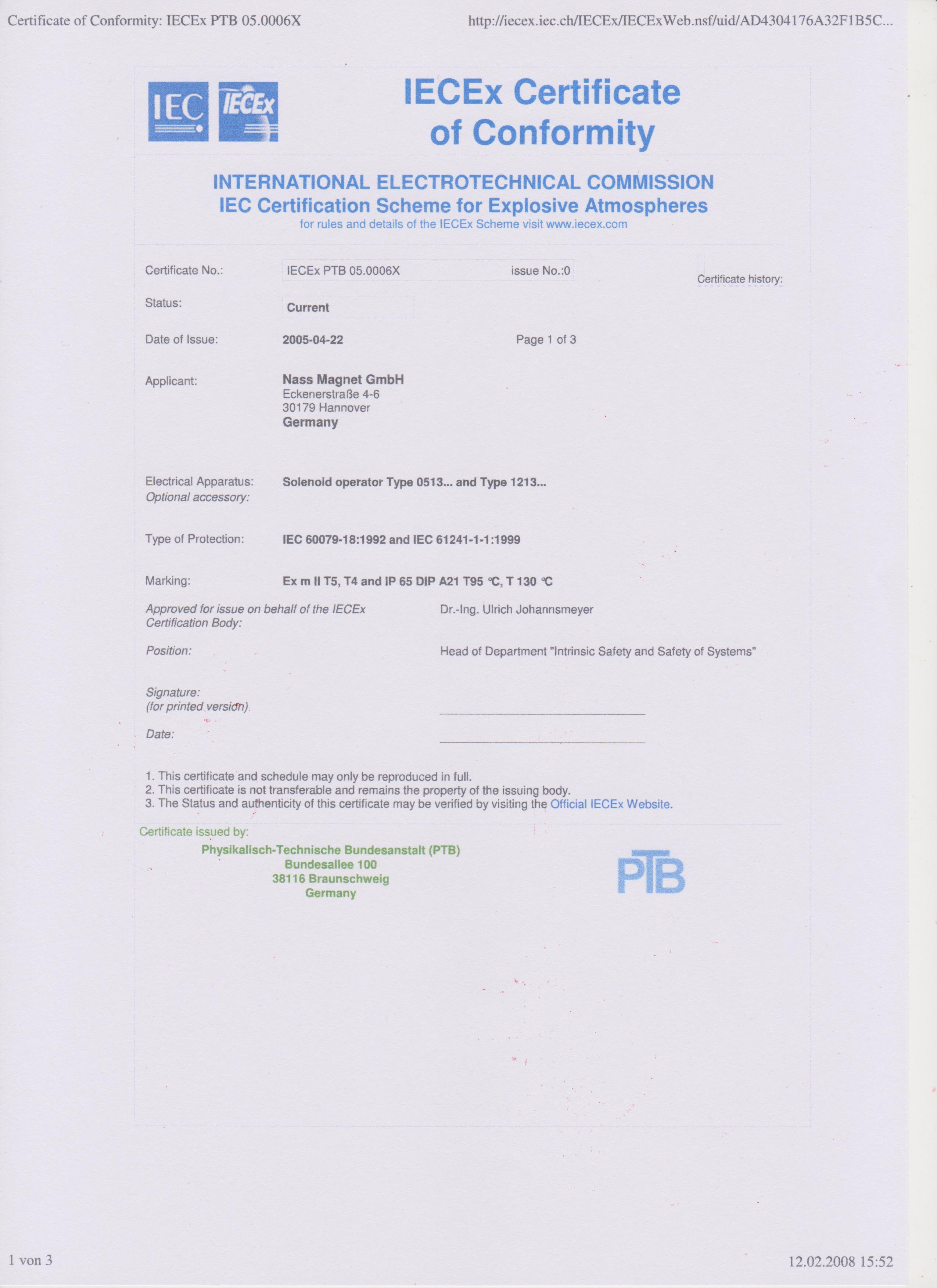
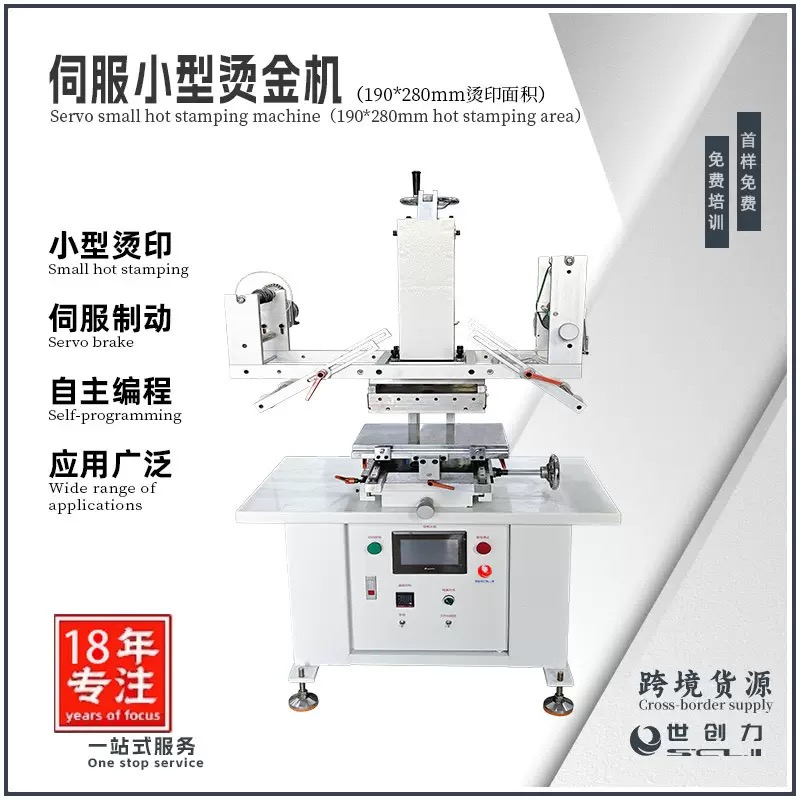
Before cargo begins its maritime voyage, factory production schedules establish the initial timeline. Dongguan Shichuangli Zhihui Technology Co., Ltd. operates a 1,600-square-meter facility dedicated to screen printing systems, hot stamping machines, and automated industrial equipment. Standard models complete comprehensive quality control procedures—including raw material inspection, mechanical operational checks, and structural safety validation—before being prepared for shipment within 48 hours.
In contrast, non-standard automated equipment requires a custom engineering design cycle of approximately 10 to 30 working days for specialized component integration. Every machine is manufactured in compliance with strict quality standards, supported by official CNAS testing documentation (such as report AZT260323020C-B0) and protected under Chinese Utility Model Patents (such as Patent 202521984351.0 for hot stamping units). Once testing is finalized, equipment is secured inside heavy-duty crates tailored for international shipping.
Ocean Shipping Transit Times by Region
Vessel routing and regional port operations determine maritime shipping speeds. Average ocean transit durations across major trade routes include:
- Southeast Asian Ports: Fast transit ranging from 7 to 15 days.
- Middle Eastern Destinations: Ocean voyages averaging 18 to 25 days.
- North American & European Ports: Long-haul routes spanning 20 to 35 days.
As a practical example, a commercial order of 20 printing units supplied to a luxury hotel vendor in Saudi Arabia completed transit in approximately 18 to 25 days. Using reinforced wooden packaging prevented physical damage and shifting during cross-border maritime shipping. Importers receive vessel booking details, bill of lading documents, and tracking identification immediately following container loading at the departure port.
Protective Packaging Protocols for Sea Freight
To endure demanding ocean voyages, heavy printing machinery requires multi-layered packaging safeguards. Units are wrapped in moisture-resistant film, sealed in vacuum plastic layers with desiccant packs, and encased in reinforced wooden boxes. This comprehensive protection prevents structural vibration, cargo shifting, and atmospheric corrosion caused by humid salt air.
Logistics Options Comparison
The table below summarizes international transport methods, delivery lead times, cost efficiency tiers, and protective packaging requirements for screen printing machinery.
| Transportation Mode | Average Transit Window | Cost Efficiency | Packaging Protocol | Primary Target Regions |
|---|---|---|---|---|
| FBA Sea Freight (Ocean) | 15 – 35 Days | High (Lowest cost per cubic meter) | Reinforced Wooden Box / Anti-Moisture Film | North America, Europe, Middle East, South America |
| Air Freight | 3 – 7 Days | Low (Premium rate for expedited delivery) | Shock-Absorbing Wooden Crate | Major global international airports |
| Cross-Border Land Trucking | 5 – 12 Days | Medium | Heavy-Duty Pallet / Wooden Case | Southeast Asia & Neighboring Border Regions |
Frequently Asked Questions (FAQ)
Q1: What factors can cause unexpected delays during ocean freight transport?
A1: Delays typically stem from port congestion, customs clearance holds, adverse weather along sea corridors, and peak-season container shortages. Preparing complete import documentation prior to vessel arrival helps streamline customs processing.
Q2: How are printing machines protected against corrosion in marine environments?
A2: Machinery is wrapped in industrial anti-rust film, sealed with desiccants inside vacuum plastic, and secured inside heavy wooden crates engineered to resist damp ocean conditions.
Q3: Can customized non-standard screen printing machines be shipped via sea freight?
A3: Yes. Once customized machines finish factory commissioning within the 30-day production lead time, they are securely packaged and loaded into standard sea containers or flat rack units depending on machine dimensions.
Conclusion & Logistics Recommendations
Successfully planning sea freight logistics for a dual-purpose screen printing machine requires factoring in both factory lead times and ocean transit schedules. Standard machines dispatch within 48 hours, whereas custom units require up to 30 days. Utilizing FBA sea freight delivers optimal cost efficiency across North America, Europe, the Middle East, and Southeast Asia. Payment arrangements generally combine an advance deposit with a balance payment via verified international transfer options. For technical inquiries or custom order support, contact support@shichuanglimachine.com.
About Us
Dongguan Shichuangli Zhihui Technology Co., Ltd. operates a 1,600-square-meter manufacturing site in Dongguan City, Guangdong Province, backed by 18 years of industry experience. Founded in 2008, the company employs 150 staff members, including a 20-person R&D engineering team and over 30 sales specialists. With an export ratio of 50%, Shichuangli delivers equipment to clients in over 100 countries throughout North America, Europe, Southeast Asia, and the Middle East, maintaining an annual turnover of 20 million RMB alongside multiple CNAS certifications and Utility Model Patents.

REPORT