







-
 Agriculture
-
 Health-Care
-
 Environment
-
 Construction-Real-Estate
-
 Tools-Hardware
-
 Home-Garden
-
 Furniture
-
 Luggage-Bags-Cases
-
 Medical-devices-Supplies
-
 Gifts-Crafts
-
 Sports-Entertainment
-
 Food-Beverage
-
 Vehicles-Transportation
-
 Power-Transmission
-
 Material-Handling
-
 Renewable-Energy
-
 Safety
-
 Testing-Instrument-Equipment
-
 Construction-Building-Machinery
-
 Pet-Supplies
-
 Personal-Care-Household-Cleaning
-
 Vehicle-Accessories-Electronics-Tools
-
 School-Office-Supplies
-
 Packaging-Printing
-
 Mother-Kids-Toys
-
 Business-Services
-
 Commercial-Equipment-Machinery
-
 Apparel-Accessories
-
 Security
-
 Shoes-Accessories
-
 Vehicle-Parts-Accessories
-
 Jewelry-Eyewear-Watches-Accessories
-
 Lights-Lighting
-
 Fabric-Textile-Raw-Material
-
 Fabrication-Services
-
 Industrial-Machinery
-
 Consumer-Electronics
-
 Electrical-Equipment-Supplies
-
 Electronic-Components-Accessories-Telecommunications
-
 Home-Appliances
-
 Beauty
-
 Chemicals
-
 Rubber-Plastics
-
 Metals-Alloys


























































































































































































































































































































































































































































































































































































- Masonry Materials
- Curtain Walls & Accessories
- Earthwork Products
- Fireproofing Materials
- Heat Insulation Materials
- Plastic Building Materials
- Building Boards
- Soundproofing Materials
- Timber
- Waterproofing Materials
- Balustrades & Handrails
- Bathroom & Kitchen
- Flooring & Accessories
- Tiles & Accessories
- Door, Window & Accessories
- Fireplaces & Stoves
- Floor Heating Systems & Parts
- Stairs & Stair Parts
- Ceilings
- Elevators & Escalators
- Stone
- Countertops, Vanity Tops & Table Tops
- Mosaics
- Metal Building Materials
- Multifunctional Materials
- Ladders & Scaffoldings
- Mouldings
- Corner Guards
- Decorative Films
- Formwork
- Building & Industrial Glass
- Other Construction & Real Estate
- Wallpapers/Wall panels
- HVAC System & Parts
- Outdoor Facilities
- Prefabricated Buildings
- Festive & Party Supplies
- Bathroom Products
- Household Sundries
- Rain Gear
- Garden Supplies
- Household Cleaning Tools & Accessories
- Lighters & Smoking Accessories
- Home Storage & Organization
- Household Scales
- Smart Home Improvement
- Home Textiles
- Kitchenware
- Drinkware & Accessories
- Dinnerware, Coffee & Wine
- Home Decor
- Golf
- Fitness & Body Building
- Amusement Park Facilities
- Billiards, Board Game,Coin Operated Games
- Musical Instruments
- Outdoor Affordable Luxury Sports
- Camping & Hiking
- Fishing
- Sports Safety&Rehabilitation
- Ball Sports Equipments
- Water Sports
- Winter Sports
- Luxury Travel Equipments
- Sports Shoes, Bags & Accessories
- Cycling
- Other Sports & Entertainment Products
- Artificial Grass&Sports Flooring&Sports Court Equipment
- Scooters
- Food Ingredients
- Honey & Honey Products
- Snacks
- Nuts & Kernels
- Seafood
- Plant & Animal Oil
- Beverages
- Fruit & Vegetable Products
- Frog & Escargot
- Bean Products
- Egg Products
- Dairy Products
- Seasonings & Condiments
- Canned Food
- Instant Food
- Baked Goods
- Other Food & Beverage
- Meat & Poultry
- Confectionery
- Grain Products
- Feminie Care
- Hair Care & Styling
- Body Care
- Hands & Feet Care
- Hygiene Products
- Men's Grooming
- Laundry Cleaning Supplies
- Travel Size & Gift Sets
- Room Deodorizers
- Other Personal Care Products
- Pest Control Products
- Special Household Cleaning
- Floor Cleaning
- Kitchen & Bathroom Cleaning
- Oral Care
- Bath Supplies
- Yellow Pages
- Correction Supplies
- Office Binding Supplies
- Office Cutting Supplies
- Board Erasers
- Office Adhesives & Tapes
- Education Supplies
- Pencil Cases & Bags
- Notebooks & Writing Pads
- File Folder Accessories
- Calendars
- Writing Accessories
- Commercial Office Supplies
- Pencil Sharpeners
- Pens
- Letter Pad/Paper
- Paper Envelopes
- Desk Organizers
- Pencils
- Markers & Highlighters
- Filing Products
- Art Supplies
- Easels
- Badge Holder & Accessories
- Office Paper
- Printer Supplies
- Book Covers
- Other Office & School Supplies
- Stationery Set
- Boards
- Clipboards
- Stamps
- Drafting Supplies
- Stencils
- Electronic Dictionary
- Books
- Map
- Magazines
- Calculators
- Baby & Toddler Toys
- Educational Toys
- Classic Toys
- Dress Up & Pretend Play
- Toy Vehicle
- Stuffed Animals & Plush Toys
- Outdoor Toys & Structures
- Balloons & Accessories
- Baby Food
- Children's Clothing
- Baby Supplies & Products
- Maternity Clothes
- Kids Shoes
- Baby Care
- Novelty & Gag Toys
- Dolls & Accessories
- Puzzle & Games
- Blocks & Model Building Toys
- Toddler Clothing
- Baby Clothing
- Kids' Luggage & Bags
- Arts, Crafts & DIY Toys
- Action & Toy Figures
- Baby Appliances
- Hobbies & Models
- Remote Control Toys
- Promotional Toys
- Pregnancy & Maternity
- Hygiene Products
- Kid's Textile&Bedding
- Novelty & Special Use
- Toy Weapons
- Baby Gifts
- Baby Storage & Organization
- Auto Drive Systems
- ATV/UTV Parts & Accessories
- Marine Parts & Accessories
- Other Auto Parts
- Trailer Parts & Accessories
- Auto Transmission Systems
- Train Parts & Accessories
- Universal Parts
- Railway Parts & Accessories
- Auto Brake Systems
- Aviation Parts & Accessories
- Truck Parts & Accessories
- Auto Suspension Systems
- Auto Lighting Systems
- New Energy Vehicle Parts & Accessories
- Auto Steering Systems
- Wheels, Tires & Accessories
- Bus Parts & Accessories
- Auto Performance Parts
- Cooling System
- Go-Kart & Kart Racer Parts & Accessories
- Air Conditioning Systems
- Heavy Duty Vehicle Parts & Accessories
- Auto Electrical Systems
- Auto Body Systems
- Auto Engine Systems
- Container Parts & Accessories
- Motorcycle Parts & Accessories
- Refrigeration & Heat Exchange Equipment
- Machine Tool Equipment
- Food & Beverage Machinery
- Agricultural Machinery & Equipment
- Apparel & Textile Machinery
- Chemical Machinery
- Packaging Machines
- Paper Production Machinery
- Plastic & Rubber Processing Machinery
- Industrial Robots
- Electronic Products Machinery
- Metal & Metallurgy Machinery
- Woodworking Machinery
- Home Product Manufacturing Machinery
- Machinery Accessories
- Environmental Machinery
- Machinery Service
- Electrical Equipment Manufacturing Machinery
- Industrial Compressors & Parts
- Tobacco & Cigarette Machinery
- Production Line
- Used Industrial Machinery
- Electronics Production Machinery
- Other Machinery & Industrial Equipment
- Camera, Photo & Accessories
- Portable Audio, Video & Accessories
- Television, Home Audio, Video & Accessories
- Video Games & Accessories
- Mobile Phone & Accessories
- Electronic Publications
- Earphone & Headphone & Accessories
- Speakers & Accessories
- Smart Electronics
- TV Receivers & Accessories
- Mobile Phone & Computer Repair Parts
- Chargers, Batteries & Power Supplies
- Used Electronics
- VR, AR, MR Hardware & Software
- Projectors & Presentation Equipments
- Other Consumer Electronics
- Cables & Commonly Used Accessories
- Computer Hardware & Software
- Displays, Signage and Optoelectronics
- Discrete Semiconductors
- Wireless & IoT Module and Products
- Telecommunications
- Connectors, Terminals & Accessories
- Development Boards, Electronic Modules and Kits
- Circuit Protection
- Sensors
- Isolators
- Audio Components and Products
- Integrated Circuits
- Power Supplies
- Relays
- RF, Microwave and RFID
- Electronic Accessories & Supplies
- Passive Components
- PCB & PCBA
- Air Quality Appliances
- Home Appliance Parts
- Heating & Cooling Appliances
- Small Kitchen Appliances
- Laundry Appliances
- Water Heaters
- Water Treatment Appliances
- Refrigerators & Freezers
- Personal Care & Beauty Appliances
- Major Kitchen Appliances
- Cleaning Appliances
- Second-hand Appliances
- Smart Home Appliances
- Other Home Appliances
- Energy Chemicals
- Inorganic Chemicals
- Basic Organic Chemicals
- Agrochemicals
- Admixture & Additives
- Catalysts & Chemical Auxiliary Agents
- Pigments & Dyestuff
- Coating & Paint
- Daily Chemicals
- Polymer
- Organic Intermediate
- Adhesives & Sealants
- Chemical Waste
- Biological Chemical Products
- Surface Treatment Chemicals
- Painting & Coating
- Chemical Reagents
- Flavor & Fragrance
- Non-Explosive Demolition Agents
- Other Chemicals
- Custom Chemical Services

Strategic Approaches to Cutting Unit Costs in Luxury Designer Eyewear Procurement
Sourcing high-end designer sunglasses at competitive price points requires a balanced approach to manufacturing efficiency, design standardization, and supply chain logistics. Brands and retailers can achieve substantial savings without compromising frame durability or optical quality by leveraging smart customization methods, direct factory relationships, and economical freight options.
Key Strategies for Cost Efficiency
Decreasing the landed per-unit expense of premium eyewear relies on several foundational practices:
- Volume-Driven Production: Scaling order quantities allows factories to maximize assembly line throughput, spreading fixed tooling and administrative setup fees over larger volumes.
- Modular Engineering: Standardizing internal components—such as using pre-existing UV400 square polarized clip-on configurations—significantly lowers scrap rates and eliminates custom mold charges.
- Direct Manufacturer Integration: Working directly with qualified OEM and ODM suppliers removes middleman surcharges while ensuring full customization control over logos and packaging.
- Optimized Shipping Routes: Utilizing ocean freight for high-volume orders dramatically lowers transport expenditures compared to air shipping.
Optimizing Manufacturing & Technical Specifications
Cost reduction in luxury optical manufacturing stems from smart standardization. Incorporating branding elements like customized logos or specialized acetate finishes early during initial tooling minimizes downstream modifications. Utilizing standardized lens formats, such as UV400 anti-blue light options or polarized driving clips, simplifies production complexity while preserving essential protection standards.
Working with high-capacity assembly facilities capable of producing over 3 million pairs each year generates immediate economies of scale. Direct engagement with manufacturers enables strict quality management, including lens impact resistance verification and pre-export compliance checks for international standardizations like CE, FDA, and AS/NZS.
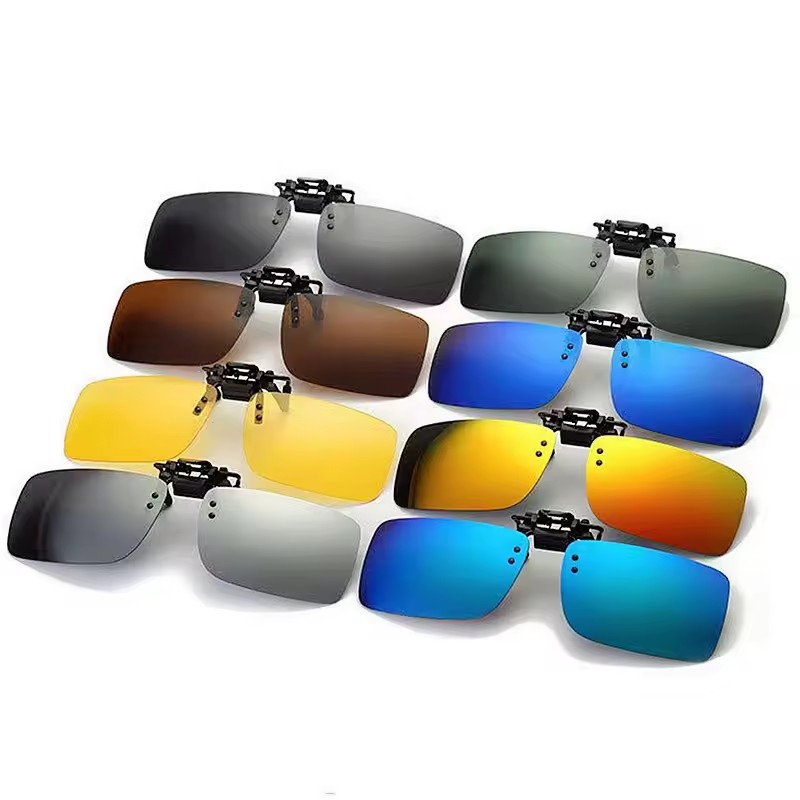
Leveraging 3D modeling and rapid prototyping tools helps streamline custom design revisions, such as unisex clip-on driving eyewear. Capitalizing on pre-built modular molds avoids expensive re-tooling expenses, keeping aesthetic luxury standards high while controlling initial baseline investment.
Comparing Logistics and Shipping Efficiency
Choosing the right transport method based on order volume is critical for managing overall unit costs. The table below compares key logistics parameters across common shipping channels.
| Logistics Method | Transit Time | Cost Efficiency (Per Unit) | Recommended Order Scale |
|---|---|---|---|
| Sea Freight | Long | High | Bulk Volume Orders |
| Land Transportation | Medium | Medium | Regional Bulk Shipments |
| Air Freight | Short | Low | Urgent Sample / Low Volume |
Frequently Asked Questions
How do OEM/ODM customization services influence unit costs for designer eyewear?
Customization costs are primarily dictated by tooling and mold requirements. Utilizing existing factory molds for products like square polarized clip-on sunglasses avoids setup fees, whereas custom frame shapes require initial mold investments that are best amortized over larger production runs.
What are the standard payment methods for high-volume eyewear manufacturing?
Wire Transfer / Corporate Bank Transfer is the industry standard for bulk production orders, offering secure transaction handling for global trade contracts.
Which regulatory standards must custom sunglasses satisfy for smooth international distribution?
Eyewear must adhere to international quality benchmarks including FDA, CE, and AS/NZS certifications to confirm structural safety, impact strength, and UV protection prior to entry into major markets such as North America, Europe, and Australia.
Company Overview
Founded in 2016, Yiwu Green Shine Arts & Crafts Co., Ltd is located in Yiwu City, Zhejiang Province. Operating from a 130-square-meter facility with a specialized team of 10 professionals, the enterprise focuses on the R&D, design, and manufacturing of modern fashion eyewear, including optical frames, sunglasses, reading glasses, and blue-light blocking glasses. Boasting an annual output of over 3 million pairs and exporting 90% of its production to markets such as the USA, Germany, France, Spain, Italy, Australia, and Ireland, the company offers full OEM and ODM services driven by experienced R&D capabilities.

Summary & Actionable Advice
Minimizing unit costs when purchasing luxury designer sunglasses relies on using standard factory molds, scaling order volumes to maximize production efficiency, and adopting ocean transport for international delivery. Partnering with suppliers with robust global supply chain capabilities ensures top-tier quality while reducing overall landed costs. For specialized manufacturing insights and inquiries, contact us at leoxiao@cngreenshine.com.
REPORT