







-
 Agriculture
-
 Health-Care
-
 Environment
-
 Construction-Real-Estate
-
 Tools-Hardware
-
 Home-Garden
-
 Furniture
-
 Luggage-Bags-Cases
-
 Medical-devices-Supplies
-
 Gifts-Crafts
-
 Sports-Entertainment
-
 Food-Beverage
-
 Vehicles-Transportation
-
 Power-Transmission
-
 Material-Handling
-
 Renewable-Energy
-
 Safety
-
 Testing-Instrument-Equipment
-
 Construction-Building-Machinery
-
 Pet-Supplies
-
 Personal-Care-Household-Cleaning
-
 Vehicle-Accessories-Electronics-Tools
-
 School-Office-Supplies
-
 Packaging-Printing
-
 Mother-Kids-Toys
-
 Business-Services
-
 Commercial-Equipment-Machinery
-
 Apparel-Accessories
-
 Security
-
 Shoes-Accessories
-
 Vehicle-Parts-Accessories
-
 Jewelry-Eyewear-Watches-Accessories
-
 Lights-Lighting
-
 Fabric-Textile-Raw-Material
-
 Fabrication-Services
-
 Industrial-Machinery
-
 Consumer-Electronics
-
 Electrical-Equipment-Supplies
-
 Electronic-Components-Accessories-Telecommunications
-
 Home-Appliances
-
 Beauty
-
 Chemicals
-
 Rubber-Plastics
-
 Metals-Alloys


























































































































































































































































































































































































































































































































































































- Masonry Materials
- Curtain Walls & Accessories
- Earthwork Products
- Fireproofing Materials
- Heat Insulation Materials
- Plastic Building Materials
- Building Boards
- Soundproofing Materials
- Timber
- Waterproofing Materials
- Balustrades & Handrails
- Bathroom & Kitchen
- Flooring & Accessories
- Tiles & Accessories
- Door, Window & Accessories
- Fireplaces & Stoves
- Floor Heating Systems & Parts
- Stairs & Stair Parts
- Ceilings
- Elevators & Escalators
- Stone
- Countertops, Vanity Tops & Table Tops
- Mosaics
- Metal Building Materials
- Multifunctional Materials
- Ladders & Scaffoldings
- Mouldings
- Corner Guards
- Decorative Films
- Formwork
- Building & Industrial Glass
- Other Construction & Real Estate
- Wallpapers/Wall panels
- HVAC System & Parts
- Outdoor Facilities
- Prefabricated Buildings
- Festive & Party Supplies
- Bathroom Products
- Household Sundries
- Rain Gear
- Garden Supplies
- Household Cleaning Tools & Accessories
- Lighters & Smoking Accessories
- Home Storage & Organization
- Household Scales
- Smart Home Improvement
- Home Textiles
- Kitchenware
- Drinkware & Accessories
- Dinnerware, Coffee & Wine
- Home Decor
- Golf
- Fitness & Body Building
- Amusement Park Facilities
- Billiards, Board Game,Coin Operated Games
- Musical Instruments
- Outdoor Affordable Luxury Sports
- Camping & Hiking
- Fishing
- Sports Safety&Rehabilitation
- Ball Sports Equipments
- Water Sports
- Winter Sports
- Luxury Travel Equipments
- Sports Shoes, Bags & Accessories
- Cycling
- Other Sports & Entertainment Products
- Artificial Grass&Sports Flooring&Sports Court Equipment
- Scooters
- Food Ingredients
- Honey & Honey Products
- Snacks
- Nuts & Kernels
- Seafood
- Plant & Animal Oil
- Beverages
- Fruit & Vegetable Products
- Frog & Escargot
- Bean Products
- Egg Products
- Dairy Products
- Seasonings & Condiments
- Canned Food
- Instant Food
- Baked Goods
- Other Food & Beverage
- Meat & Poultry
- Confectionery
- Grain Products
- Feminie Care
- Hair Care & Styling
- Body Care
- Hands & Feet Care
- Hygiene Products
- Men's Grooming
- Laundry Cleaning Supplies
- Travel Size & Gift Sets
- Room Deodorizers
- Other Personal Care Products
- Pest Control Products
- Special Household Cleaning
- Floor Cleaning
- Kitchen & Bathroom Cleaning
- Oral Care
- Bath Supplies
- Yellow Pages
- Correction Supplies
- Office Binding Supplies
- Office Cutting Supplies
- Board Erasers
- Office Adhesives & Tapes
- Education Supplies
- Pencil Cases & Bags
- Notebooks & Writing Pads
- File Folder Accessories
- Calendars
- Writing Accessories
- Commercial Office Supplies
- Pencil Sharpeners
- Pens
- Letter Pad/Paper
- Paper Envelopes
- Desk Organizers
- Pencils
- Markers & Highlighters
- Filing Products
- Art Supplies
- Easels
- Badge Holder & Accessories
- Office Paper
- Printer Supplies
- Book Covers
- Other Office & School Supplies
- Stationery Set
- Boards
- Clipboards
- Stamps
- Drafting Supplies
- Stencils
- Electronic Dictionary
- Books
- Map
- Magazines
- Calculators
- Baby & Toddler Toys
- Educational Toys
- Classic Toys
- Dress Up & Pretend Play
- Toy Vehicle
- Stuffed Animals & Plush Toys
- Outdoor Toys & Structures
- Balloons & Accessories
- Baby Food
- Children's Clothing
- Baby Supplies & Products
- Maternity Clothes
- Kids Shoes
- Baby Care
- Novelty & Gag Toys
- Dolls & Accessories
- Puzzle & Games
- Blocks & Model Building Toys
- Toddler Clothing
- Baby Clothing
- Kids' Luggage & Bags
- Arts, Crafts & DIY Toys
- Action & Toy Figures
- Baby Appliances
- Hobbies & Models
- Remote Control Toys
- Promotional Toys
- Pregnancy & Maternity
- Hygiene Products
- Kid's Textile&Bedding
- Novelty & Special Use
- Toy Weapons
- Baby Gifts
- Baby Storage & Organization
- Auto Drive Systems
- ATV/UTV Parts & Accessories
- Marine Parts & Accessories
- Other Auto Parts
- Trailer Parts & Accessories
- Auto Transmission Systems
- Train Parts & Accessories
- Universal Parts
- Railway Parts & Accessories
- Auto Brake Systems
- Aviation Parts & Accessories
- Truck Parts & Accessories
- Auto Suspension Systems
- Auto Lighting Systems
- New Energy Vehicle Parts & Accessories
- Auto Steering Systems
- Wheels, Tires & Accessories
- Bus Parts & Accessories
- Auto Performance Parts
- Cooling System
- Go-Kart & Kart Racer Parts & Accessories
- Air Conditioning Systems
- Heavy Duty Vehicle Parts & Accessories
- Auto Electrical Systems
- Auto Body Systems
- Auto Engine Systems
- Container Parts & Accessories
- Motorcycle Parts & Accessories
- Refrigeration & Heat Exchange Equipment
- Machine Tool Equipment
- Food & Beverage Machinery
- Agricultural Machinery & Equipment
- Apparel & Textile Machinery
- Chemical Machinery
- Packaging Machines
- Paper Production Machinery
- Plastic & Rubber Processing Machinery
- Industrial Robots
- Electronic Products Machinery
- Metal & Metallurgy Machinery
- Woodworking Machinery
- Home Product Manufacturing Machinery
- Machinery Accessories
- Environmental Machinery
- Machinery Service
- Electrical Equipment Manufacturing Machinery
- Industrial Compressors & Parts
- Tobacco & Cigarette Machinery
- Production Line
- Used Industrial Machinery
- Electronics Production Machinery
- Other Machinery & Industrial Equipment
- Camera, Photo & Accessories
- Portable Audio, Video & Accessories
- Television, Home Audio, Video & Accessories
- Video Games & Accessories
- Mobile Phone & Accessories
- Electronic Publications
- Earphone & Headphone & Accessories
- Speakers & Accessories
- Smart Electronics
- TV Receivers & Accessories
- Mobile Phone & Computer Repair Parts
- Chargers, Batteries & Power Supplies
- Used Electronics
- VR, AR, MR Hardware & Software
- Projectors & Presentation Equipments
- Other Consumer Electronics
- Cables & Commonly Used Accessories
- Computer Hardware & Software
- Displays, Signage and Optoelectronics
- Discrete Semiconductors
- Wireless & IoT Module and Products
- Telecommunications
- Connectors, Terminals & Accessories
- Development Boards, Electronic Modules and Kits
- Circuit Protection
- Sensors
- Isolators
- Audio Components and Products
- Integrated Circuits
- Power Supplies
- Relays
- RF, Microwave and RFID
- Electronic Accessories & Supplies
- Passive Components
- PCB & PCBA
- Air Quality Appliances
- Home Appliance Parts
- Heating & Cooling Appliances
- Small Kitchen Appliances
- Laundry Appliances
- Water Heaters
- Water Treatment Appliances
- Refrigerators & Freezers
- Personal Care & Beauty Appliances
- Major Kitchen Appliances
- Cleaning Appliances
- Second-hand Appliances
- Smart Home Appliances
- Other Home Appliances
- Energy Chemicals
- Inorganic Chemicals
- Basic Organic Chemicals
- Agrochemicals
- Admixture & Additives
- Catalysts & Chemical Auxiliary Agents
- Pigments & Dyestuff
- Coating & Paint
- Daily Chemicals
- Polymer
- Organic Intermediate
- Adhesives & Sealants
- Chemical Waste
- Biological Chemical Products
- Surface Treatment Chemicals
- Painting & Coating
- Chemical Reagents
- Flavor & Fragrance
- Non-Explosive Demolition Agents
- Other Chemicals
- Custom Chemical Services

Strategies for Eliminating Quality Gaps Between Automotive Microfiber Leather Samples and Bulk Orders
Understanding and Overcoming Batch Discrepancies in Automotive Microfiber Leather
Transitioning from a prototype swatch to mass production often introduces unexpected variances in synthetic automotive leather. Differences in substrate backing materials, chemical coating curing temperatures, and dye lot shifts are primary causes for these discrepancies. Eliminating these risks requires structured process controls and early technical alignment between buyers and manufacturers.
Essential Steps for Seamless Prototype-to-Mass-Production Quality
- Establish Strict Technical Specs Early: Lock in thickness ranges (0.7–1.2 mm), substrate selection (woven, non-woven, or knitted), backing adhesion strength, and exact sheen levels before tooling.
- Enforce ISO 9001 Quality Frameworks: Implement multi-stage quality assurance covering incoming raw material verification, real-time color management, and full finished-roll testing.
- Utilize Signed Golden Samples: Retain mutually approved physical prototypes to benchmark mechanical durability, tensile strength, low VOC emissions, and flame retardancy.
- Engage Flexible Manufacturing Partners: Partner with proven OEM/ODM suppliers offering pilot production runs (minimum order quantities starting at 100 meters) to validate mass production machinery settings.
Manufacturing Architecture & Real-World Quality Control
To guarantee that high-volume output mirrors approved swatches, automated coating and embossing lines must be continuously monitored against master benchmarks. Experienced manufacturers such as Dongguan Cigno Leather Co., Ltd. integrate precise process controls that directly transfer prototype parameters onto large-scale automated lines.
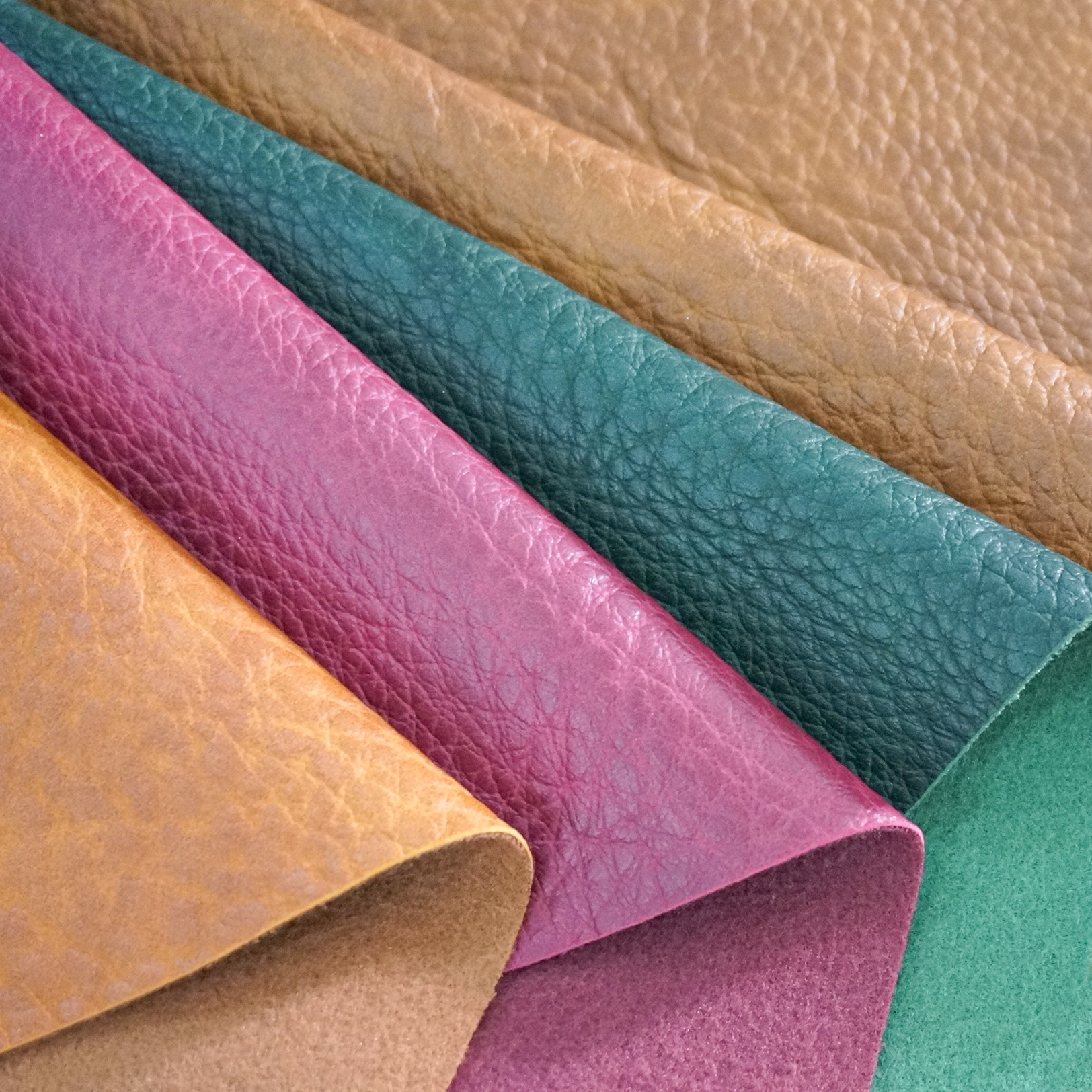
In real-world automotive supply chains—such as an export project involving 50,000 meters of customized car seat material delivered to Mexico—strict batch consistency was maintained through systematic inline checkpoints. Raw material lots were inspected upon arrival, followed by continuous automated color auditing and post-production laboratory analysis for tensile strength, peeling durability, UV stability, and flame retardancy.
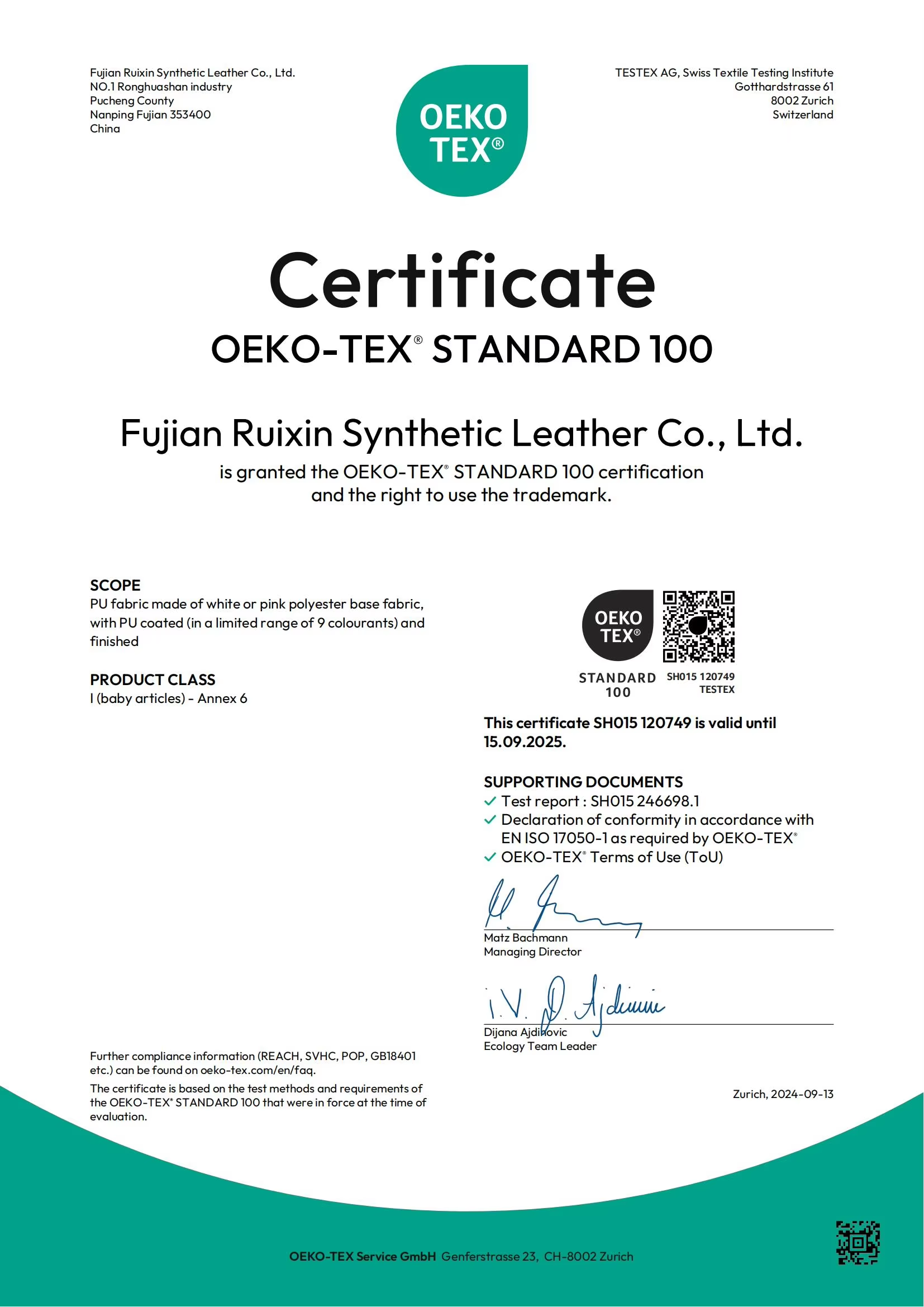
International environmental and quality standards provide additional guarantees for material uniformity. Compliance certifications including Oeko-Tex 100, GRS, and USDA ensure that chemical formulations, fire-retardant treatments, and backing substrates remain completely standardized between initial custom prototypes and high-volume roll output.
Quality Control Benchmark Comparison
| Testing Parameter | Prototype Phase Standard | Mass Production Quality Protocol | Risk Mitigation Function |
|---|---|---|---|
| Thickness & Width | 0.7–1.2 mm range, 54/55 inches width | Automated inline ultrasonic gauge tracking across all production lines | Prevents dimensional variation and backing density fluctuations |
| Grain & Texture | Nappa, lychee, or custom embossed pattern | Master-engraving plate audits & visual texture-depth calibration | Eliminates tactile and aesthetic mismatches across finished rolls |
| Physical Durability | Lab validation for abrasion, scratch, & UV endurance | ISO 9001 lot-by-lot mechanical and flame-retardant testing | Guarantees long-term wear resistance inside vehicle cabins |
| Environmental & Odor | REACH, RoHS, & fluorine-free testing | Batch chemical verification & low-VOC curing thermal controls | Prevents volatile organic compound off-gassing in vehicle interiors |
Frequently Asked Questions (FAQ)
What parameters must be locked in prior to sample creation?
Buyers should specify exact thickness targets (0.7–1.2 mm), roll width (54/55 inches), base backing structure (knitted, woven, or non-woven), sheen finish, grain type (Nappa, lychee, or custom embossing), and functional treatments like flame retardancy or anti-bacterial properties.
How does a golden sample prevent color and tactile variations?
A golden sample is a dual-signed physical standard binding both buyer and manufacturer. Production line operators reference it directly on the line to evaluate hue, embossing depth, hand feel, and backing structure during live mass manufacturing.
What commercial terms safeguard buyers during bulk order verification?
Standard OEM agreements utilize a 30% deposit to begin production, with the remaining 70% balance due following successful pre-shipment quality inspection. Supported shipping options include Sea Freight, Air Freight, and Express under terms like EXW, FOB, CFR, CIF, and DDP via T/T, L/C, or Trade Assurance.
Summary & Recommendations
Bridging the gap between initial microfiber leather swatches and bulk production requires standardized technical agreements, signed physical reference samples, and rigorous ISO 9001 factory controls. Working with qualified facilities ensures reliable physical performance for seating, trim panels, and headliners. For technical consultation or tailored material sampling, reach out to us at vicky@bozeleather.com.
About Us
Dongguan Cigno Leather Co., Ltd. was established in 2007 and operates a 100,000 sqm manufacturing infrastructure dedicated to advanced synthetic and eco-friendly materials. Armed with over 30 national invention patents and extensive R&D capabilities, the company delivers customized OEM/ODM solutions to automotive and upholstery clients across North America, Europe, and Southeast Asia. Certified under GRS, USDA, and Oeko-Tex 100, it provides consistent high-volume material manufacturing for global markets.

REPORT