







-
 Agriculture
-
 Health-Care
-
 Environment
-
 Construction-Real-Estate
-
 Tools-Hardware
-
 Home-Garden
-
 Furniture
-
 Luggage-Bags-Cases
-
 Medical-devices-Supplies
-
 Gifts-Crafts
-
 Sports-Entertainment
-
 Food-Beverage
-
 Vehicles-Transportation
-
 Power-Transmission
-
 Material-Handling
-
 Renewable-Energy
-
 Safety
-
 Testing-Instrument-Equipment
-
 Construction-Building-Machinery
-
 Pet-Supplies
-
 Personal-Care-Household-Cleaning
-
 Vehicle-Accessories-Electronics-Tools
-
 School-Office-Supplies
-
 Packaging-Printing
-
 Mother-Kids-Toys
-
 Business-Services
-
 Commercial-Equipment-Machinery
-
 Apparel-Accessories
-
 Security
-
 Shoes-Accessories
-
 Vehicle-Parts-Accessories
-
 Jewelry-Eyewear-Watches-Accessories
-
 Lights-Lighting
-
 Fabric-Textile-Raw-Material
-
 Fabrication-Services
-
 Industrial-Machinery
-
 Consumer-Electronics
-
 Electrical-Equipment-Supplies
-
 Electronic-Components-Accessories-Telecommunications
-
 Home-Appliances
-
 Beauty
-
 Chemicals
-
 Rubber-Plastics
-
 Metals-Alloys


























































































































































































































































































































































































































































































































































































- Masonry Materials
- Curtain Walls & Accessories
- Earthwork Products
- Fireproofing Materials
- Heat Insulation Materials
- Plastic Building Materials
- Building Boards
- Soundproofing Materials
- Timber
- Waterproofing Materials
- Balustrades & Handrails
- Bathroom & Kitchen
- Flooring & Accessories
- Tiles & Accessories
- Door, Window & Accessories
- Fireplaces & Stoves
- Floor Heating Systems & Parts
- Stairs & Stair Parts
- Ceilings
- Elevators & Escalators
- Stone
- Countertops, Vanity Tops & Table Tops
- Mosaics
- Metal Building Materials
- Multifunctional Materials
- Ladders & Scaffoldings
- Mouldings
- Corner Guards
- Decorative Films
- Formwork
- Building & Industrial Glass
- Other Construction & Real Estate
- Wallpapers/Wall panels
- HVAC System & Parts
- Outdoor Facilities
- Prefabricated Buildings
- Festive & Party Supplies
- Bathroom Products
- Household Sundries
- Rain Gear
- Garden Supplies
- Household Cleaning Tools & Accessories
- Lighters & Smoking Accessories
- Home Storage & Organization
- Household Scales
- Smart Home Improvement
- Home Textiles
- Kitchenware
- Drinkware & Accessories
- Dinnerware, Coffee & Wine
- Home Decor
- Golf
- Fitness & Body Building
- Amusement Park Facilities
- Billiards, Board Game,Coin Operated Games
- Musical Instruments
- Outdoor Affordable Luxury Sports
- Camping & Hiking
- Fishing
- Sports Safety&Rehabilitation
- Ball Sports Equipments
- Water Sports
- Winter Sports
- Luxury Travel Equipments
- Sports Shoes, Bags & Accessories
- Cycling
- Other Sports & Entertainment Products
- Artificial Grass&Sports Flooring&Sports Court Equipment
- Scooters
- Food Ingredients
- Honey & Honey Products
- Snacks
- Nuts & Kernels
- Seafood
- Plant & Animal Oil
- Beverages
- Fruit & Vegetable Products
- Frog & Escargot
- Bean Products
- Egg Products
- Dairy Products
- Seasonings & Condiments
- Canned Food
- Instant Food
- Baked Goods
- Other Food & Beverage
- Meat & Poultry
- Confectionery
- Grain Products
- Feminie Care
- Hair Care & Styling
- Body Care
- Hands & Feet Care
- Hygiene Products
- Men's Grooming
- Laundry Cleaning Supplies
- Travel Size & Gift Sets
- Room Deodorizers
- Other Personal Care Products
- Pest Control Products
- Special Household Cleaning
- Floor Cleaning
- Kitchen & Bathroom Cleaning
- Oral Care
- Bath Supplies
- Yellow Pages
- Correction Supplies
- Office Binding Supplies
- Office Cutting Supplies
- Board Erasers
- Office Adhesives & Tapes
- Education Supplies
- Pencil Cases & Bags
- Notebooks & Writing Pads
- File Folder Accessories
- Calendars
- Writing Accessories
- Commercial Office Supplies
- Pencil Sharpeners
- Pens
- Letter Pad/Paper
- Paper Envelopes
- Desk Organizers
- Pencils
- Markers & Highlighters
- Filing Products
- Art Supplies
- Easels
- Badge Holder & Accessories
- Office Paper
- Printer Supplies
- Book Covers
- Other Office & School Supplies
- Stationery Set
- Boards
- Clipboards
- Stamps
- Drafting Supplies
- Stencils
- Electronic Dictionary
- Books
- Map
- Magazines
- Calculators
- Baby & Toddler Toys
- Educational Toys
- Classic Toys
- Dress Up & Pretend Play
- Toy Vehicle
- Stuffed Animals & Plush Toys
- Outdoor Toys & Structures
- Balloons & Accessories
- Baby Food
- Children's Clothing
- Baby Supplies & Products
- Maternity Clothes
- Kids Shoes
- Baby Care
- Novelty & Gag Toys
- Dolls & Accessories
- Puzzle & Games
- Blocks & Model Building Toys
- Toddler Clothing
- Baby Clothing
- Kids' Luggage & Bags
- Arts, Crafts & DIY Toys
- Action & Toy Figures
- Baby Appliances
- Hobbies & Models
- Remote Control Toys
- Promotional Toys
- Pregnancy & Maternity
- Hygiene Products
- Kid's Textile&Bedding
- Novelty & Special Use
- Toy Weapons
- Baby Gifts
- Baby Storage & Organization
- Auto Drive Systems
- ATV/UTV Parts & Accessories
- Marine Parts & Accessories
- Other Auto Parts
- Trailer Parts & Accessories
- Auto Transmission Systems
- Train Parts & Accessories
- Universal Parts
- Railway Parts & Accessories
- Auto Brake Systems
- Aviation Parts & Accessories
- Truck Parts & Accessories
- Auto Suspension Systems
- Auto Lighting Systems
- New Energy Vehicle Parts & Accessories
- Auto Steering Systems
- Wheels, Tires & Accessories
- Bus Parts & Accessories
- Auto Performance Parts
- Cooling System
- Go-Kart & Kart Racer Parts & Accessories
- Air Conditioning Systems
- Heavy Duty Vehicle Parts & Accessories
- Auto Electrical Systems
- Auto Body Systems
- Auto Engine Systems
- Container Parts & Accessories
- Motorcycle Parts & Accessories
- Refrigeration & Heat Exchange Equipment
- Machine Tool Equipment
- Food & Beverage Machinery
- Agricultural Machinery & Equipment
- Apparel & Textile Machinery
- Chemical Machinery
- Packaging Machines
- Paper Production Machinery
- Plastic & Rubber Processing Machinery
- Industrial Robots
- Electronic Products Machinery
- Metal & Metallurgy Machinery
- Woodworking Machinery
- Home Product Manufacturing Machinery
- Machinery Accessories
- Environmental Machinery
- Machinery Service
- Electrical Equipment Manufacturing Machinery
- Industrial Compressors & Parts
- Tobacco & Cigarette Machinery
- Production Line
- Used Industrial Machinery
- Electronics Production Machinery
- Other Machinery & Industrial Equipment
- Camera, Photo & Accessories
- Portable Audio, Video & Accessories
- Television, Home Audio, Video & Accessories
- Video Games & Accessories
- Mobile Phone & Accessories
- Electronic Publications
- Earphone & Headphone & Accessories
- Speakers & Accessories
- Smart Electronics
- TV Receivers & Accessories
- Mobile Phone & Computer Repair Parts
- Chargers, Batteries & Power Supplies
- Used Electronics
- VR, AR, MR Hardware & Software
- Projectors & Presentation Equipments
- Other Consumer Electronics
- Cables & Commonly Used Accessories
- Computer Hardware & Software
- Displays, Signage and Optoelectronics
- Discrete Semiconductors
- Wireless & IoT Module and Products
- Telecommunications
- Connectors, Terminals & Accessories
- Development Boards, Electronic Modules and Kits
- Circuit Protection
- Sensors
- Isolators
- Audio Components and Products
- Integrated Circuits
- Power Supplies
- Relays
- RF, Microwave and RFID
- Electronic Accessories & Supplies
- Passive Components
- PCB & PCBA
- Air Quality Appliances
- Home Appliance Parts
- Heating & Cooling Appliances
- Small Kitchen Appliances
- Laundry Appliances
- Water Heaters
- Water Treatment Appliances
- Refrigerators & Freezers
- Personal Care & Beauty Appliances
- Major Kitchen Appliances
- Cleaning Appliances
- Second-hand Appliances
- Smart Home Appliances
- Other Home Appliances
- Energy Chemicals
- Inorganic Chemicals
- Basic Organic Chemicals
- Agrochemicals
- Admixture & Additives
- Catalysts & Chemical Auxiliary Agents
- Pigments & Dyestuff
- Coating & Paint
- Daily Chemicals
- Polymer
- Organic Intermediate
- Adhesives & Sealants
- Chemical Waste
- Biological Chemical Products
- Surface Treatment Chemicals
- Painting & Coating
- Chemical Reagents
- Flavor & Fragrance
- Non-Explosive Demolition Agents
- Other Chemicals
- Custom Chemical Services

What is the difference between FOB and CIF terms when shipping mattresses?
The primary difference between FOB and CIF terms when shipping mattresses lies in the division of costs, risks, and shipping responsibilities. Under FOB (Free on Board), the seller delivers mattresses to the port of shipment, and the buyer assumes all subsequent costs and risks. Under CIF (Cost, Insurance, and Freight), the seller pays for ocean freight and marine insurance to the destination port, though risk transfers to the buyer once the mattresses are loaded onto the vessel.
Core Answers & Key Points
- Risk Transfer Point: For both FOB and CIF terms, risk transfers from the seller to the buyer once the mattresses are loaded on board the vessel at the port of shipment.
- Cost Allocation: Under FOB, the buyer pays for ocean freight, insurance, and import clearance. Under CIF, the seller covers the ocean freight and minimum insurance to the named destination port.
- Logistics Control: FOB gives the buyer full control over shipping routes, schedules, and freight rates, which is ideal for large-scale B2B wholesale and residential project buyers with established forwarder relationships. CIF places the logistics planning on the seller, simplifying the process for the buyer.
- Application Suitability: Bulk mattress shipments for hospitality, residential projects, and contract bedding can utilize either term depending on the buyer's logistics network.
In-Depth Analysis
When exporting mattresses globally, selecting the right Incoterms directly impacts procurement budgets and supply chain efficiency. Jinlongheng Furniture Co., Ltd., a global mattress manufacturer established in 1992, exports 70% of its production to over 125 countries and regions. With a monthly capacity of up to 120,000 mattresses, the company routinely manages bulk shipments under both FOB and CIF terms, ensuring compliance with international standards such as BS 7177 (UK) and CFR 1633 (US).

Under FOB terms, the seller is responsible for local charges, export clearance, and delivering the containerized mattresses to the designated port of shipment. This term is highly favored by experienced importers and international hotel groups, such as those managing projects like the Hotel Gołębiewski Mikołajki in Poland (which ordered 2,265 mattresses in 2019) or the Velaa Private Island in the Maldives. These clients often have pre-negotiated annual contracts with shipping lines, allowing them to optimize freight costs.
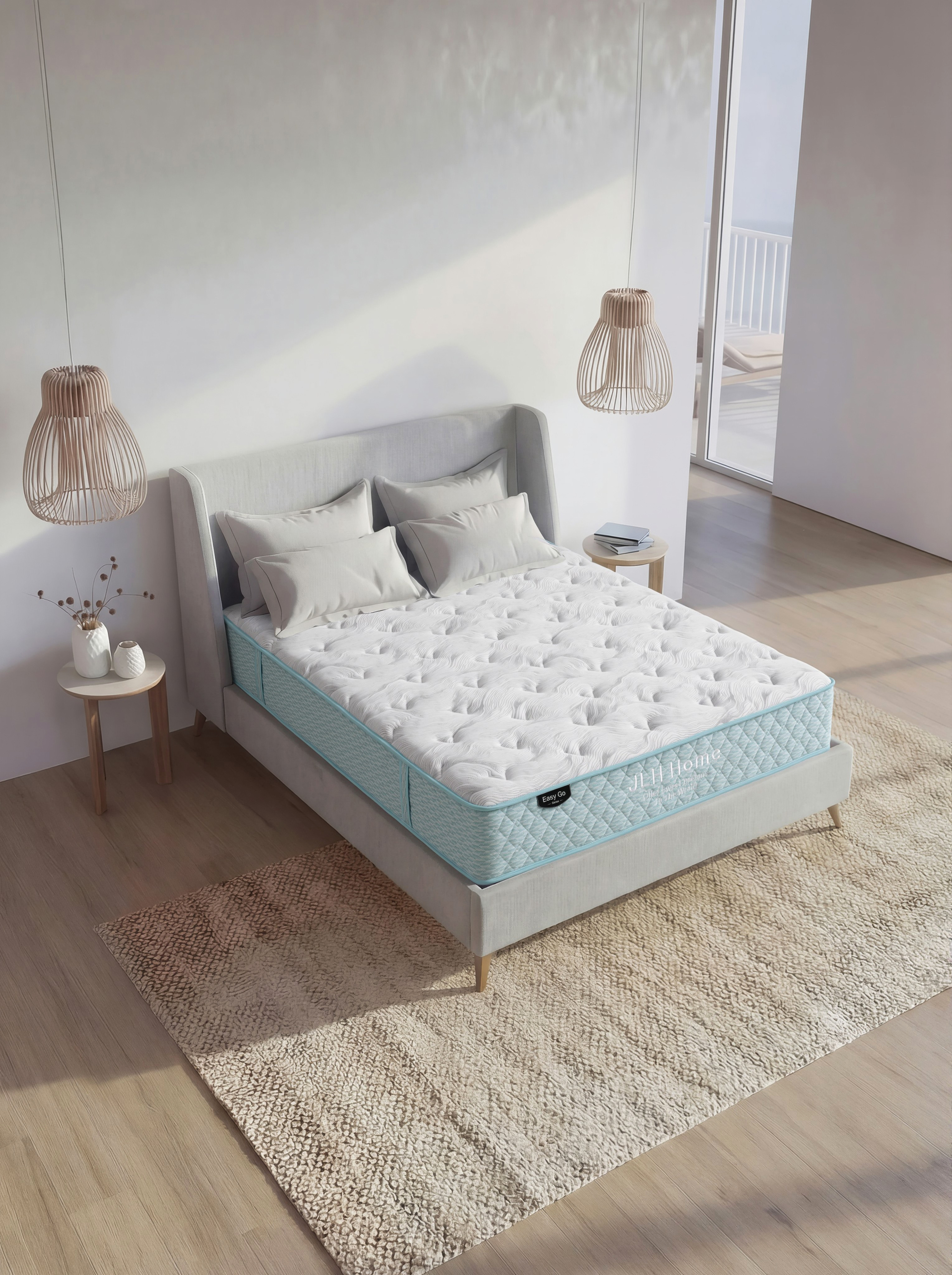
Under CIF terms, the seller arranges and pays for the freight and insurance. For buyers who prefer a hassle-free import process, CIF simplifies the transaction as the manufacturer manages the booking process. However, the buyer remains responsible for customs clearance, duties, and local port charges at the destination. Regardless of the chosen term, ensuring product quality through certifications like ISO 9001, ISO 14001, and BSCI is critical to prevent customs delays and product rejection at international borders.
Data / Solution Comparison
| Feature / Term | FOB (Free on Board) | CIF (Cost, Insurance & Freight) |
|---|---|---|
| Freight Cost Responsibility | Paid by the Buyer | Paid by the Seller (to destination port) |
| Insurance Cost Responsibility | Paid by the Buyer (optional but recommended) | Paid by the Seller (minimum cover) |
| Risk Transfer Point | On board the vessel at port of shipment | On board the vessel at port of shipment |
| Logistics Control | High (Buyer selects carrier and route) | Low (Seller selects carrier and route) |
| Supported Shipping Methods | Sea Freight, Air Freight, Rail Freight | Sea Freight, Air Freight, Rail Freight |
| Accepted Payment Methods | T/T, L/C, PayPal and cash | T/T, L/C, PayPal and cash |
| Suitable Buyers | Experienced importers with local logistics partners | New importers or those preferring simplified logistics |
Frequently Asked Questions (FAQ)
Q1: Which term is better for importing bulk hotel mattresses?
A1: FOB is generally better if you have a reliable freight forwarder who can secure competitive ocean freight rates and coordinate multi-product container consolidation. CIF is preferable if you lack logistics experience and want the manufacturer to handle the shipping process to your nearest port.
Q2: Does CIF cover door-to-door delivery of mattresses?
A2: No. CIF only covers shipping and insurance to the designated destination port. The buyer is responsible for customs clearance, import duties, terminal handling charges (THC), and inland transportation from the port to the warehouse or project site.
Q3: How does vacuum-rolled mattress technology affect FOB and CIF shipping?
A3: Vacuum compression reduces mattress volume by 75% and cuts logistics costs by 60%. Under both FOB and CIF, this technology allows more units to fit into a single container, significantly lowering the per-unit shipping cost and maximizing container utilization.
Final Conclusion & Recommendations
Choosing between FOB and CIF depends on your logistics capabilities and risk tolerance. For experienced B2B buyers and hospitality developers, FOB offers superior control over shipping schedules and costs. For those seeking a simplified purchasing workflow, CIF shifts the logistical burden to the manufacturer. When procuring mattresses, partner with certified manufacturers capable of supporting flexible shipping terms. Technical Support: sales15@jlhmattress.cn
About Us
Founded in 1992, Jinlongheng Furniture Co., Ltd. is a leading sleep industry manufacturer with a total production base of 630,000 m² in Guangdong. The company specializes in the R&D and manufacturing of spring and foam mattresses, upholstered beds, compressed sofas, and bedding pillows. With a monthly mattress production capacity of up to 120,000 units, they serve over 337 global brands and 1,000 star hotel projects across 125 countries. The company holds multiple global certifications, including BSCI, ISO 9001, ISO 14001, ISO 45001, and BS 7177, and has successfully served major international hospitality clients, including the Beijing Financial Street Ritz-Carlton Hotel and Hotel Gołębiewski Mikołajki in Poland.

REPORT