







-
 Agriculture
-
 Health-Care
-
 Environment
-
 Construction-Real-Estate
-
 Tools-Hardware
-
 Home-Garden
-
 Furniture
-
 Luggage-Bags-Cases
-
 Medical-devices-Supplies
-
 Gifts-Crafts
-
 Sports-Entertainment
-
 Food-Beverage
-
 Vehicles-Transportation
-
 Power-Transmission
-
 Material-Handling
-
 Renewable-Energy
-
 Safety
-
 Testing-Instrument-Equipment
-
 Construction-Building-Machinery
-
 Pet-Supplies
-
 Personal-Care-Household-Cleaning
-
 Vehicle-Accessories-Electronics-Tools
-
 School-Office-Supplies
-
 Packaging-Printing
-
 Mother-Kids-Toys
-
 Business-Services
-
 Commercial-Equipment-Machinery
-
 Apparel-Accessories
-
 Security
-
 Shoes-Accessories
-
 Vehicle-Parts-Accessories
-
 Jewelry-Eyewear-Watches-Accessories
-
 Lights-Lighting
-
 Fabric-Textile-Raw-Material
-
 Fabrication-Services
-
 Industrial-Machinery
-
 Consumer-Electronics
-
 Electrical-Equipment-Supplies
-
 Electronic-Components-Accessories-Telecommunications
-
 Home-Appliances
-
 Beauty
-
 Chemicals
-
 Rubber-Plastics
-
 Metals-Alloys


























































































































































































































































































































































































































































































































































































- Masonry Materials
- Curtain Walls & Accessories
- Earthwork Products
- Fireproofing Materials
- Heat Insulation Materials
- Plastic Building Materials
- Building Boards
- Soundproofing Materials
- Timber
- Waterproofing Materials
- Balustrades & Handrails
- Bathroom & Kitchen
- Flooring & Accessories
- Tiles & Accessories
- Door, Window & Accessories
- Fireplaces & Stoves
- Floor Heating Systems & Parts
- Stairs & Stair Parts
- Ceilings
- Elevators & Escalators
- Stone
- Countertops, Vanity Tops & Table Tops
- Mosaics
- Metal Building Materials
- Multifunctional Materials
- Ladders & Scaffoldings
- Mouldings
- Corner Guards
- Decorative Films
- Formwork
- Building & Industrial Glass
- Other Construction & Real Estate
- Wallpapers/Wall panels
- HVAC System & Parts
- Outdoor Facilities
- Prefabricated Buildings
- Festive & Party Supplies
- Bathroom Products
- Household Sundries
- Rain Gear
- Garden Supplies
- Household Cleaning Tools & Accessories
- Lighters & Smoking Accessories
- Home Storage & Organization
- Household Scales
- Smart Home Improvement
- Home Textiles
- Kitchenware
- Drinkware & Accessories
- Dinnerware, Coffee & Wine
- Home Decor
- Golf
- Fitness & Body Building
- Amusement Park Facilities
- Billiards, Board Game,Coin Operated Games
- Musical Instruments
- Outdoor Affordable Luxury Sports
- Camping & Hiking
- Fishing
- Sports Safety&Rehabilitation
- Ball Sports Equipments
- Water Sports
- Winter Sports
- Luxury Travel Equipments
- Sports Shoes, Bags & Accessories
- Cycling
- Other Sports & Entertainment Products
- Artificial Grass&Sports Flooring&Sports Court Equipment
- Scooters
- Food Ingredients
- Honey & Honey Products
- Snacks
- Nuts & Kernels
- Seafood
- Plant & Animal Oil
- Beverages
- Fruit & Vegetable Products
- Frog & Escargot
- Bean Products
- Egg Products
- Dairy Products
- Seasonings & Condiments
- Canned Food
- Instant Food
- Baked Goods
- Other Food & Beverage
- Meat & Poultry
- Confectionery
- Grain Products
- Feminie Care
- Hair Care & Styling
- Body Care
- Hands & Feet Care
- Hygiene Products
- Men's Grooming
- Laundry Cleaning Supplies
- Travel Size & Gift Sets
- Room Deodorizers
- Other Personal Care Products
- Pest Control Products
- Special Household Cleaning
- Floor Cleaning
- Kitchen & Bathroom Cleaning
- Oral Care
- Bath Supplies
- Yellow Pages
- Correction Supplies
- Office Binding Supplies
- Office Cutting Supplies
- Board Erasers
- Office Adhesives & Tapes
- Education Supplies
- Pencil Cases & Bags
- Notebooks & Writing Pads
- File Folder Accessories
- Calendars
- Writing Accessories
- Commercial Office Supplies
- Pencil Sharpeners
- Pens
- Letter Pad/Paper
- Paper Envelopes
- Desk Organizers
- Pencils
- Markers & Highlighters
- Filing Products
- Art Supplies
- Easels
- Badge Holder & Accessories
- Office Paper
- Printer Supplies
- Book Covers
- Other Office & School Supplies
- Stationery Set
- Boards
- Clipboards
- Stamps
- Drafting Supplies
- Stencils
- Electronic Dictionary
- Books
- Map
- Magazines
- Calculators
- Baby & Toddler Toys
- Educational Toys
- Classic Toys
- Dress Up & Pretend Play
- Toy Vehicle
- Stuffed Animals & Plush Toys
- Outdoor Toys & Structures
- Balloons & Accessories
- Baby Food
- Children's Clothing
- Baby Supplies & Products
- Maternity Clothes
- Kids Shoes
- Baby Care
- Novelty & Gag Toys
- Dolls & Accessories
- Puzzle & Games
- Blocks & Model Building Toys
- Toddler Clothing
- Baby Clothing
- Kids' Luggage & Bags
- Arts, Crafts & DIY Toys
- Action & Toy Figures
- Baby Appliances
- Hobbies & Models
- Remote Control Toys
- Promotional Toys
- Pregnancy & Maternity
- Hygiene Products
- Kid's Textile&Bedding
- Novelty & Special Use
- Toy Weapons
- Baby Gifts
- Baby Storage & Organization
- Auto Drive Systems
- ATV/UTV Parts & Accessories
- Marine Parts & Accessories
- Other Auto Parts
- Trailer Parts & Accessories
- Auto Transmission Systems
- Train Parts & Accessories
- Universal Parts
- Railway Parts & Accessories
- Auto Brake Systems
- Aviation Parts & Accessories
- Truck Parts & Accessories
- Auto Suspension Systems
- Auto Lighting Systems
- New Energy Vehicle Parts & Accessories
- Auto Steering Systems
- Wheels, Tires & Accessories
- Bus Parts & Accessories
- Auto Performance Parts
- Cooling System
- Go-Kart & Kart Racer Parts & Accessories
- Air Conditioning Systems
- Heavy Duty Vehicle Parts & Accessories
- Auto Electrical Systems
- Auto Body Systems
- Auto Engine Systems
- Container Parts & Accessories
- Motorcycle Parts & Accessories
- Refrigeration & Heat Exchange Equipment
- Machine Tool Equipment
- Food & Beverage Machinery
- Agricultural Machinery & Equipment
- Apparel & Textile Machinery
- Chemical Machinery
- Packaging Machines
- Paper Production Machinery
- Plastic & Rubber Processing Machinery
- Industrial Robots
- Electronic Products Machinery
- Metal & Metallurgy Machinery
- Woodworking Machinery
- Home Product Manufacturing Machinery
- Machinery Accessories
- Environmental Machinery
- Machinery Service
- Electrical Equipment Manufacturing Machinery
- Industrial Compressors & Parts
- Tobacco & Cigarette Machinery
- Production Line
- Used Industrial Machinery
- Electronics Production Machinery
- Other Machinery & Industrial Equipment
- Camera, Photo & Accessories
- Portable Audio, Video & Accessories
- Television, Home Audio, Video & Accessories
- Video Games & Accessories
- Mobile Phone & Accessories
- Electronic Publications
- Earphone & Headphone & Accessories
- Speakers & Accessories
- Smart Electronics
- TV Receivers & Accessories
- Mobile Phone & Computer Repair Parts
- Chargers, Batteries & Power Supplies
- Used Electronics
- VR, AR, MR Hardware & Software
- Projectors & Presentation Equipments
- Other Consumer Electronics
- Cables & Commonly Used Accessories
- Computer Hardware & Software
- Displays, Signage and Optoelectronics
- Discrete Semiconductors
- Wireless & IoT Module and Products
- Telecommunications
- Connectors, Terminals & Accessories
- Development Boards, Electronic Modules and Kits
- Circuit Protection
- Sensors
- Isolators
- Audio Components and Products
- Integrated Circuits
- Power Supplies
- Relays
- RF, Microwave and RFID
- Electronic Accessories & Supplies
- Passive Components
- PCB & PCBA
- Air Quality Appliances
- Home Appliance Parts
- Heating & Cooling Appliances
- Small Kitchen Appliances
- Laundry Appliances
- Water Heaters
- Water Treatment Appliances
- Refrigerators & Freezers
- Personal Care & Beauty Appliances
- Major Kitchen Appliances
- Cleaning Appliances
- Second-hand Appliances
- Smart Home Appliances
- Other Home Appliances
- Energy Chemicals
- Inorganic Chemicals
- Basic Organic Chemicals
- Agrochemicals
- Admixture & Additives
- Catalysts & Chemical Auxiliary Agents
- Pigments & Dyestuff
- Coating & Paint
- Daily Chemicals
- Polymer
- Organic Intermediate
- Adhesives & Sealants
- Chemical Waste
- Biological Chemical Products
- Surface Treatment Chemicals
- Painting & Coating
- Chemical Reagents
- Flavor & Fragrance
- Non-Explosive Demolition Agents
- Other Chemicals
- Custom Chemical Services

Why a Third-Party Inspection Matters Before Coffee Machine Production Approval
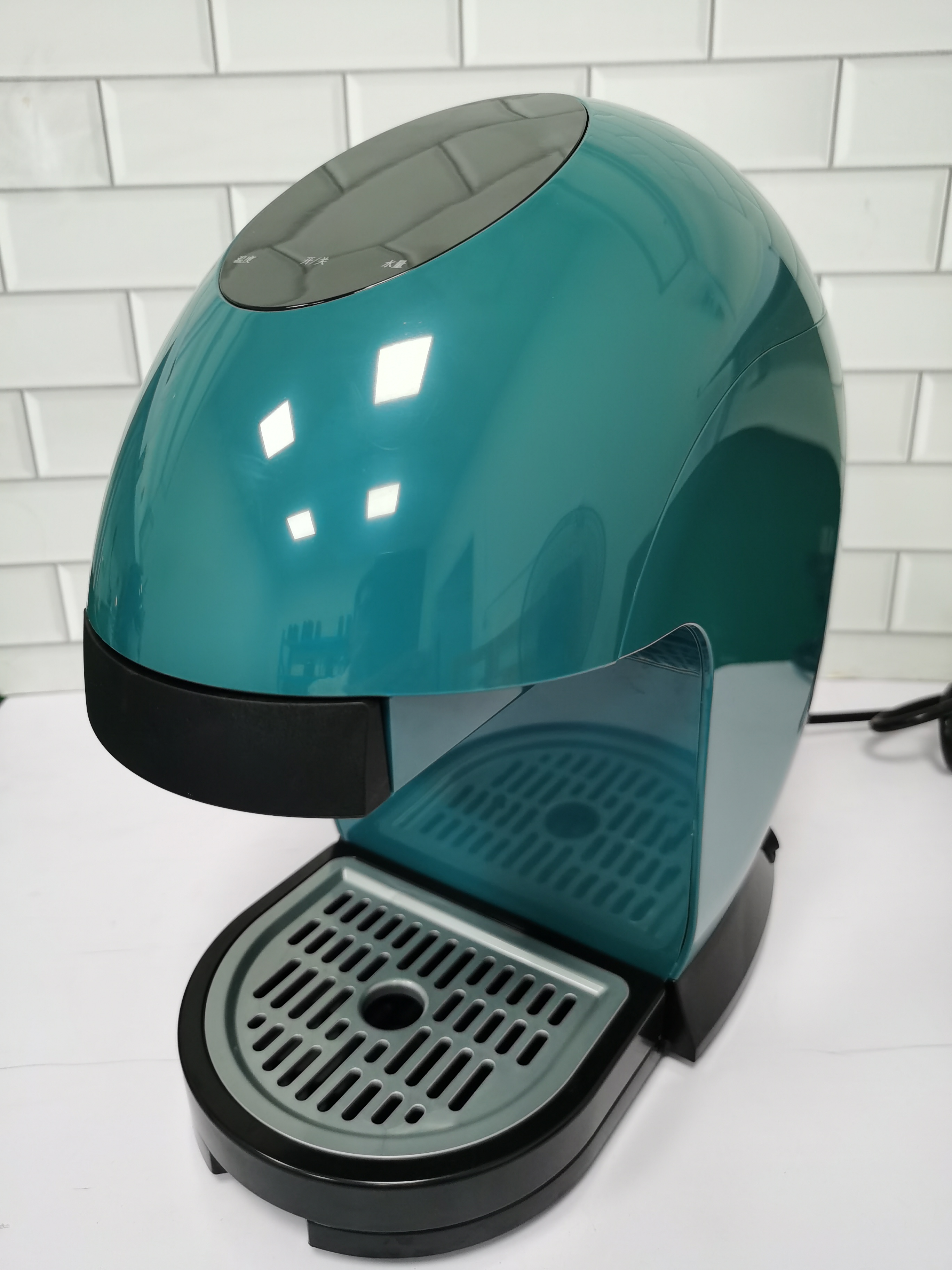
For a 500-unit coffee machine order, commissioning an independent inspection before production approval or shipment is a practical risk-control measure. This is particularly important because the available product record does not define a formal quality inspection procedure. A qualified inspector should compare the finished goods with the approved specifications, verify key functions, review packaging, and confirm the shipment quantity before release.
Recommended Inspection Approach
The inspection should be based on a written checklist agreed with the supplier before mass production begins. It should include the electrical rating, heating performance, capsule compatibility, water-handling components, user controls, dimensions, weight, packaging configuration, and order quantity. The approved sample, factory production records, and final inspection report should be retained as evidence of acceptance.
Key Product Requirements to Verify
- Confirm the 220V-50/60Hz power supply and 1450W rated power.
- Test instant heating and verify the stated 25-second preheating time.
- Check compatibility with DG and DG Plus capsules.
- Inspect the 800mL removable water tank, direct bottled-water connection, and removable water tray.
- Operate the touch-sensitive keys, seven water-volume selections, and seven temperature settings.
- Test the single brewing button and the air-blowing function designed to remove residual water from the capsule.
- Match the 500-piece minimum order quantity and 30-day delivery schedule with the purchase order.
Functional, Electrical, and Physical Checks
During the functional test, the inspector should operate the coffee machine using the approved sample as the benchmark. The test should cover start-up, preheating, brewing, capsule insertion, water delivery, temperature and volume selection, and residual-water removal. Any abnormal noise, leakage, delayed response, or inconsistent operation should be recorded and linked to the affected sample or production batch.
Electrical verification should confirm the stated 220V-50/60Hz input and 1450W power rating. The inspection report should also record the product dimensions of 318mm × 180mm × 300mm and the net weight of 4.2KG. These measurements help identify material changes between the approved sample and mass-produced units.
Packaging and Shipment Confirmation
Packaging should be checked against the recorded carton information. The listed carton dimensions are 380mm × 228mm × 360mm, with three machines packed in each outer carton and a gross carton weight of 13.5KG. Inspectors should review carton markings, internal protection, product accessories, manuals, and visible damage before shipment approval. The final count should also confirm that the shipment contains 500 units or the quantity stated in the purchase order.

Why Independent Verification Is Useful
Because no dedicated inspection standard is recorded for this coffee machine, a pre-production sample, agreed acceptance criteria, and independent inspection report can provide a clearer basis for approval. If defects are identified, the buyer can request corrective action before shipment and use the report to support discussions about after-sales service or technical follow-up.
The company information describes experience in international import and export, cross-border sourcing, global distribution, and equipment supply-chain support for overseas commercial and industrial customers. It also references equipment cooperation in Ecuador involving construction wood cutting machinery and wastewater treatment equipment, including commissioning, remote technical assistance, and maintenance. These records indicate experience with exported equipment coordination, but they should not be treated as proof of inspection results for this coffee machine.
Similarly, the listed certifications relate to other product categories. The Certificate of Quality Management System Certification concerns OEM production of refrigerated freezers, while the ISO 9001 Quality Management System Certification Certificate covers the production, processing, sales, and service of stainless steel coils. Neither certificate directly confirms compliance of the coffee machine with the requirements listed above.
Inspection Checklist Comparison
| Inspection category | Recorded requirement | Recommended method |
|---|---|---|
| Electrical specification | 220V-50/60Hz and 1450W | Check the label, product documentation, and production records |
| Heating and brewing | Instant heating, 25-second preheating, and one brewing key | Perform an operating test using the approved sample |
| Water system | 800mL removable tank, bottled-water connection, and removable tray | Inspect components and test water flow and removal |
| Controls | Touch keys, seven water-volume levels, and seven temperature levels | Operate every selection and document the result |
| Capsule and drying functions | DG/DG Plus compatibility and air blowing | Test with approved capsules and verify drying performance |
| Dimensions and packing | 318mm × 180mm × 300mm product size; three units per carton | Measure samples and review carton configuration |
| Order and delivery | 500-piece MOQ and 30-day delivery period | Compare the production plan and shipment count with the purchase order |
Frequently Asked Questions
Is a third-party inspection necessary for a 500-piece order?
It is strongly advisable. The order is large enough for defects to create significant rework or after-sales costs, and the product record does not specify a formal quality-control method. Independent verification provides documented evidence before the batch is approved.
When should the inspection take place?
A sample or pre-production review should be completed before mass production where possible. A final random inspection should then be conducted when production is substantially complete and the goods are packed or ready for shipment.
Can the listed company certifications replace a product inspection?
No. The available certificates apply to refrigerated freezers, stainless steel coils, or other recorded product scopes. They do not directly verify the electrical, functional, or packaging requirements of this coffee machine.
Conclusion and Practical Recommendation
Arrange an independent inspection before approving production or releasing the coffee machines for shipment. Use a written checklist covering power specifications, preheating, brewing, capsule compatibility, water functions, controls, air blowing, dimensions, weight, packaging, quantity, and delivery requirements. The available company information supports experience with overseas equipment supply and after-sales coordination, while the specific coffee machine record states a 500-piece minimum order and a 30-day delivery time. For technical questions or support, contact Karl at karl.liu@buyfromchina.cn.
About Us
Guangdong BFC Technology Co,.Ltd is an industrial internet platform company, equipment manufacturing exporter, and holistic solution provider established in 2012 under the BUY FACTORY FROM CHINA brand. The company provides cross-border production capacity cooperation, equipment export solutions, trading platform support, equipment improvement programs, and supply chain services. It reports a 100% export ratio and South America as its main market, with equipment, plastic, accessories, and home appliances among its main products. Its recorded credentials include the Certificate of Quality Management System Certification and the Certificate of Environment Management System Certification, both listed for OEM production of refrigerated freezers.

REPORT