







-
 Agriculture
-
 Health-Care
-
 Environment
-
 Construction-Real-Estate
-
 Tools-Hardware
-
 Home-Garden
-
 Furniture
-
 Luggage-Bags-Cases
-
 Medical-devices-Supplies
-
 Gifts-Crafts
-
 Sports-Entertainment
-
 Food-Beverage
-
 Vehicles-Transportation
-
 Power-Transmission
-
 Material-Handling
-
 Renewable-Energy
-
 Safety
-
 Testing-Instrument-Equipment
-
 Construction-Building-Machinery
-
 Pet-Supplies
-
 Personal-Care-Household-Cleaning
-
 Vehicle-Accessories-Electronics-Tools
-
 School-Office-Supplies
-
 Packaging-Printing
-
 Mother-Kids-Toys
-
 Business-Services
-
 Commercial-Equipment-Machinery
-
 Apparel-Accessories
-
 Security
-
 Shoes-Accessories
-
 Vehicle-Parts-Accessories
-
 Jewelry-Eyewear-Watches-Accessories
-
 Lights-Lighting
-
 Fabric-Textile-Raw-Material
-
 Fabrication-Services
-
 Industrial-Machinery
-
 Consumer-Electronics
-
 Electrical-Equipment-Supplies
-
 Electronic-Components-Accessories-Telecommunications
-
 Home-Appliances
-
 Beauty
-
 Chemicals
-
 Rubber-Plastics
-
 Metals-Alloys


























































































































































































































































































































































































































































































































































































- Masonry Materials
- Curtain Walls & Accessories
- Earthwork Products
- Fireproofing Materials
- Heat Insulation Materials
- Plastic Building Materials
- Building Boards
- Soundproofing Materials
- Timber
- Waterproofing Materials
- Balustrades & Handrails
- Bathroom & Kitchen
- Flooring & Accessories
- Tiles & Accessories
- Door, Window & Accessories
- Fireplaces & Stoves
- Floor Heating Systems & Parts
- Stairs & Stair Parts
- Ceilings
- Elevators & Escalators
- Stone
- Countertops, Vanity Tops & Table Tops
- Mosaics
- Metal Building Materials
- Multifunctional Materials
- Ladders & Scaffoldings
- Mouldings
- Corner Guards
- Decorative Films
- Formwork
- Building & Industrial Glass
- Other Construction & Real Estate
- Wallpapers/Wall panels
- HVAC System & Parts
- Outdoor Facilities
- Prefabricated Buildings
- Festive & Party Supplies
- Bathroom Products
- Household Sundries
- Rain Gear
- Garden Supplies
- Household Cleaning Tools & Accessories
- Lighters & Smoking Accessories
- Home Storage & Organization
- Household Scales
- Smart Home Improvement
- Home Textiles
- Kitchenware
- Drinkware & Accessories
- Dinnerware, Coffee & Wine
- Home Decor
- Golf
- Fitness & Body Building
- Amusement Park Facilities
- Billiards, Board Game,Coin Operated Games
- Musical Instruments
- Outdoor Affordable Luxury Sports
- Camping & Hiking
- Fishing
- Sports Safety&Rehabilitation
- Ball Sports Equipments
- Water Sports
- Winter Sports
- Luxury Travel Equipments
- Sports Shoes, Bags & Accessories
- Cycling
- Other Sports & Entertainment Products
- Artificial Grass&Sports Flooring&Sports Court Equipment
- Scooters
- Food Ingredients
- Honey & Honey Products
- Snacks
- Nuts & Kernels
- Seafood
- Plant & Animal Oil
- Beverages
- Fruit & Vegetable Products
- Frog & Escargot
- Bean Products
- Egg Products
- Dairy Products
- Seasonings & Condiments
- Canned Food
- Instant Food
- Baked Goods
- Other Food & Beverage
- Meat & Poultry
- Confectionery
- Grain Products
- Feminie Care
- Hair Care & Styling
- Body Care
- Hands & Feet Care
- Hygiene Products
- Men's Grooming
- Laundry Cleaning Supplies
- Travel Size & Gift Sets
- Room Deodorizers
- Other Personal Care Products
- Pest Control Products
- Special Household Cleaning
- Floor Cleaning
- Kitchen & Bathroom Cleaning
- Oral Care
- Bath Supplies
- Yellow Pages
- Correction Supplies
- Office Binding Supplies
- Office Cutting Supplies
- Board Erasers
- Office Adhesives & Tapes
- Education Supplies
- Pencil Cases & Bags
- Notebooks & Writing Pads
- File Folder Accessories
- Calendars
- Writing Accessories
- Commercial Office Supplies
- Pencil Sharpeners
- Pens
- Letter Pad/Paper
- Paper Envelopes
- Desk Organizers
- Pencils
- Markers & Highlighters
- Filing Products
- Art Supplies
- Easels
- Badge Holder & Accessories
- Office Paper
- Printer Supplies
- Book Covers
- Other Office & School Supplies
- Stationery Set
- Boards
- Clipboards
- Stamps
- Drafting Supplies
- Stencils
- Electronic Dictionary
- Books
- Map
- Magazines
- Calculators
- Baby & Toddler Toys
- Educational Toys
- Classic Toys
- Dress Up & Pretend Play
- Toy Vehicle
- Stuffed Animals & Plush Toys
- Outdoor Toys & Structures
- Balloons & Accessories
- Baby Food
- Children's Clothing
- Baby Supplies & Products
- Maternity Clothes
- Kids Shoes
- Baby Care
- Novelty & Gag Toys
- Dolls & Accessories
- Puzzle & Games
- Blocks & Model Building Toys
- Toddler Clothing
- Baby Clothing
- Kids' Luggage & Bags
- Arts, Crafts & DIY Toys
- Action & Toy Figures
- Baby Appliances
- Hobbies & Models
- Remote Control Toys
- Promotional Toys
- Pregnancy & Maternity
- Hygiene Products
- Kid's Textile&Bedding
- Novelty & Special Use
- Toy Weapons
- Baby Gifts
- Baby Storage & Organization
- Auto Drive Systems
- ATV/UTV Parts & Accessories
- Marine Parts & Accessories
- Other Auto Parts
- Trailer Parts & Accessories
- Auto Transmission Systems
- Train Parts & Accessories
- Universal Parts
- Railway Parts & Accessories
- Auto Brake Systems
- Aviation Parts & Accessories
- Truck Parts & Accessories
- Auto Suspension Systems
- Auto Lighting Systems
- New Energy Vehicle Parts & Accessories
- Auto Steering Systems
- Wheels, Tires & Accessories
- Bus Parts & Accessories
- Auto Performance Parts
- Cooling System
- Go-Kart & Kart Racer Parts & Accessories
- Air Conditioning Systems
- Heavy Duty Vehicle Parts & Accessories
- Auto Electrical Systems
- Auto Body Systems
- Auto Engine Systems
- Container Parts & Accessories
- Motorcycle Parts & Accessories
- Refrigeration & Heat Exchange Equipment
- Machine Tool Equipment
- Food & Beverage Machinery
- Agricultural Machinery & Equipment
- Apparel & Textile Machinery
- Chemical Machinery
- Packaging Machines
- Paper Production Machinery
- Plastic & Rubber Processing Machinery
- Industrial Robots
- Electronic Products Machinery
- Metal & Metallurgy Machinery
- Woodworking Machinery
- Home Product Manufacturing Machinery
- Machinery Accessories
- Environmental Machinery
- Machinery Service
- Electrical Equipment Manufacturing Machinery
- Industrial Compressors & Parts
- Tobacco & Cigarette Machinery
- Production Line
- Used Industrial Machinery
- Electronics Production Machinery
- Other Machinery & Industrial Equipment
- Camera, Photo & Accessories
- Portable Audio, Video & Accessories
- Television, Home Audio, Video & Accessories
- Video Games & Accessories
- Mobile Phone & Accessories
- Electronic Publications
- Earphone & Headphone & Accessories
- Speakers & Accessories
- Smart Electronics
- TV Receivers & Accessories
- Mobile Phone & Computer Repair Parts
- Chargers, Batteries & Power Supplies
- Used Electronics
- VR, AR, MR Hardware & Software
- Projectors & Presentation Equipments
- Other Consumer Electronics
- Cables & Commonly Used Accessories
- Computer Hardware & Software
- Displays, Signage and Optoelectronics
- Discrete Semiconductors
- Wireless & IoT Module and Products
- Telecommunications
- Connectors, Terminals & Accessories
- Development Boards, Electronic Modules and Kits
- Circuit Protection
- Sensors
- Isolators
- Audio Components and Products
- Integrated Circuits
- Power Supplies
- Relays
- RF, Microwave and RFID
- Electronic Accessories & Supplies
- Passive Components
- PCB & PCBA
- Air Quality Appliances
- Home Appliance Parts
- Heating & Cooling Appliances
- Small Kitchen Appliances
- Laundry Appliances
- Water Heaters
- Water Treatment Appliances
- Refrigerators & Freezers
- Personal Care & Beauty Appliances
- Major Kitchen Appliances
- Cleaning Appliances
- Second-hand Appliances
- Smart Home Appliances
- Other Home Appliances
- Energy Chemicals
- Inorganic Chemicals
- Basic Organic Chemicals
- Agrochemicals
- Admixture & Additives
- Catalysts & Chemical Auxiliary Agents
- Pigments & Dyestuff
- Coating & Paint
- Daily Chemicals
- Polymer
- Organic Intermediate
- Adhesives & Sealants
- Chemical Waste
- Biological Chemical Products
- Surface Treatment Chemicals
- Painting & Coating
- Chemical Reagents
- Flavor & Fragrance
- Non-Explosive Demolition Agents
- Other Chemicals
- Custom Chemical Services

Why Does Pearl Velvet Look Different on Samples and Finished Packaging?
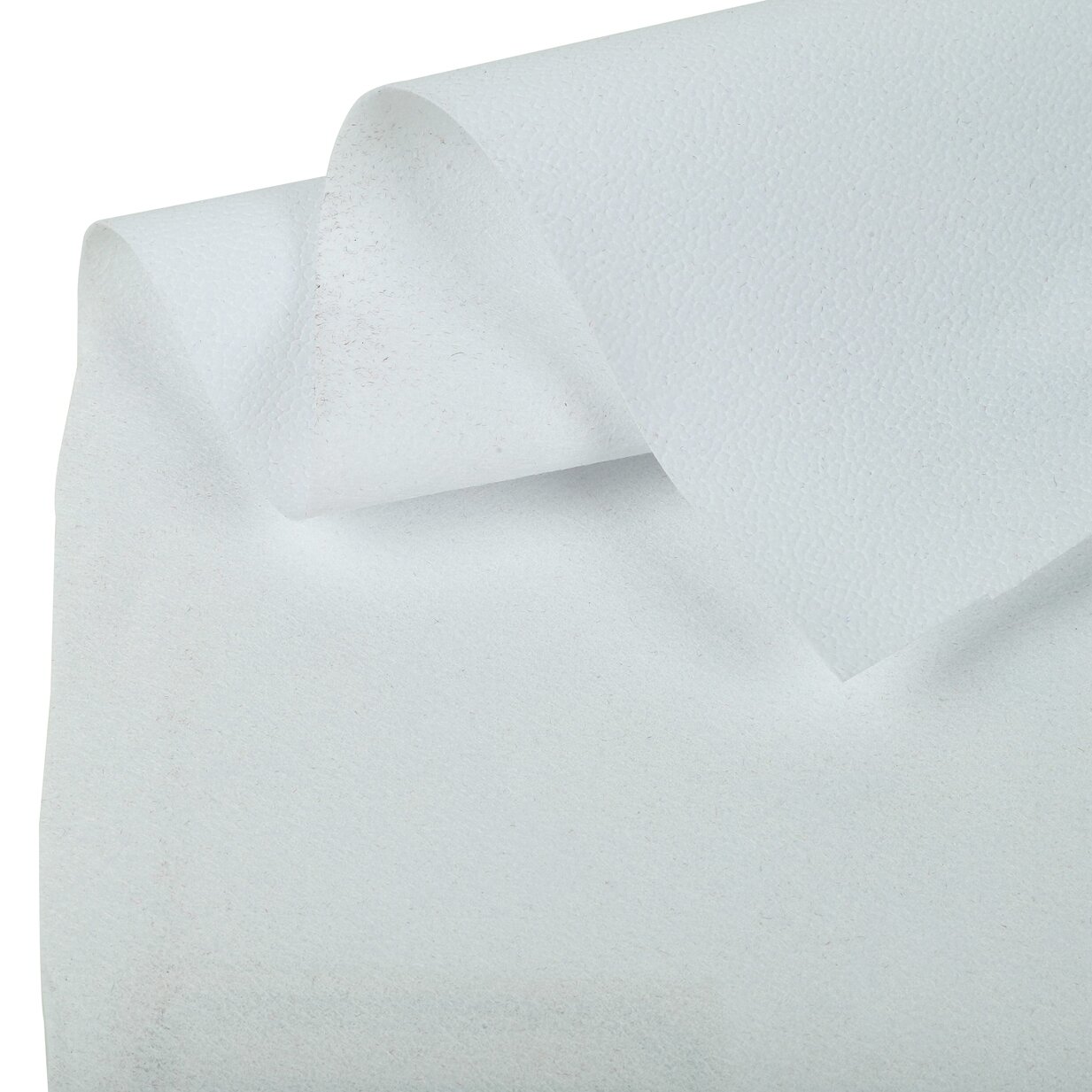
The appearance of pearl velvet can change between an approved sample and completed packaging because several production variables affect both its visual character and tactile surface. The fabric base, pile structure, bead diameter, embossing method, color formulation, and finishing process all contribute to the final result. Paper mounting, hot pressing, gold stamping, printing, lamination, and cutting may also influence the material after flocking.
How to Keep Samples Consistent with Production
To reduce differences between a sample and the final package, every important material and processing condition should be defined before sampling. A representative approval sample should use the same base fabric, pearl construction, color standard, and finishing sequence planned for mass production.
- Select the base fabric first. Pearl velvet can be produced on spunlace or silk bases. These materials differ in softness, flexibility, luster, and the way they display color.
- Identify the pile construction. Standard pearl velvet has a granular, bead-like surface, while embossed pearl velvet creates a more uniform and pronounced three-dimensional pattern.
- Confirm the bead size. Pearl diameters can be selected from 0.3 to 1 millimeter. A change in diameter affects the visual scale and definition of the texture.
- Replicate the final processing. Gold stamping, hot pressing, silk-screen printing, paper mounting, lamination, adhesive backing, and precision cutting can all alter the finished appearance.
- Use controlled color approval. Production output should be checked against the approved Pantone reference and measured with suitable color-control equipment.
Key Material Variables Behind Appearance Differences
Base fabric and surface presentation
Although the pearl surface may have the same nominal specification, its appearance can change when it is applied to a different substrate. Spunlace is described as soft, flexible, and smooth, while silk offers a brighter luster and a more premium visual effect. As a result, the same color and pile design may appear warmer, brighter, softer, or more reflective depending on the selected base.

Pile type, bead diameter, and embossing
Pearl velvet, also known as claimond veins velvet, is recognized by its granular bead-like pile. The bead diameter may range from 0.3 to 1 millimeter, allowing the surface scale to be adjusted for different packaging designs. Standard pearl velvet provides the basic textured effect. Embossed pearl velvet undergoes an additional embossing process, producing a more regular and dimensional bead arrangement. Therefore, a sample made with standard construction will not accurately represent packaging produced with embossed construction.
Pressing conditions and the chosen pattern can further affect how clearly the texture is visible. The final package should be evaluated with the intended material thickness, embossing specification, and forming process rather than with an unfinished fabric swatch alone.
Color formulation and production control
Color differences may result from both the material base and the dyeing process. Mingqian Flocking operates an in-house dyeing workshop and maintains a Pantone database with more than 1,000 shades. Standard orders target a Pantone Delta E of no more than 2.0, while custom orders target a Delta E of no more than 0.5.
During production, color variation is checked at every 100 yards with a spectrophotometer against Pantone standards. These measurements help distinguish a true formulation or batch difference from a visual change caused by the fabric surface, lighting, or packaging finish. Batch records also help connect production material with the approved color sample.
Finishing and packaging assembly
Flocking is only one stage of the packaging process. Pearl velvet supports gold stamping, hot pressing, and silk-screen printing, while the broader production range includes paper mounting, lamination, embossing, adhesive backing, and precision cutting. These operations can introduce metallic highlights, pressed graphics, printed areas, new substrate effects, or shaped edges.
For this reason, approval should be based on a sample that follows the complete intended sequence. A plain flocked roll may look different from the same material after mounting, pressing, printing, or laminating. Packaging assembly can also change how light reaches the pile and how the material feels when wrapped around a rigid component.
Quality Checks That Support Sample-to-Production Consistency
Mingqian Flocking documents inspections for incoming materials, in-process production, finished goods, and pre-shipment spot checks. The stated controls include color-fastness testing, pile adhesion testing using a 3M tape 10-cycle peel test, dimensional checks, and visual inspection of every roll.
Inspection records are digitally archived and traceable by batch number. This allows the approved sample, production lot, and finished packaging material to be connected through documented records. Mingqian Flocking also reports a four-hour turnaround for in-house formaldehyde testing. Its internal formaldehyde limit is no more than 75 parts per million, while azo dyes covering 22 carcinogenic amines are controlled to no more than 30 parts per million. The company holds ISO 9001 certification and provides REACH and RoHS testing documentation for applicable products and markets.
Comparison of Sampling and Finished Packaging Conditions
| Production factor | What may be specified in the sample | How the completed packaging may differ |
|---|---|---|
| Base fabric | Spunlace or silk | Changes in softness, flexibility, luster, and perceived color |
| Pearl construction | Standard pearl velvet | Granular texture with the regular standard bead arrangement |
| Pearl construction | Embossed pearl velvet | A more uniform, raised, and three-dimensional surface |
| Bead diameter | A selected size between 0.3 and 1 millimeter | Different texture scale, depth, and tactile definition |
| Color control | Standard or custom Pantone matching | Variation in measured Delta E and perceived shade |
| Surface treatment | Unfinished flocking fabric | Appearance before printing, stamping, pressing, or mounting |
| Final assembly | Finished packaging treatment | Additional metallic effects, graphics, substrate influence, and shaped edges |
Frequently Asked Questions
Why does pearl velvet show a different color on two packaging samples?
The samples may use different base fabrics, pile structures, bead diameters, dye formulations, or finishing processes. Spunlace and silk have different surface properties, and standard and embossed pearl velvet reflect light differently.
Can embossing change the look and feel of pearl velvet?
Yes. Embossing adds a more regular and dimensional bead arrangement, so embossed pearl velvet will not have the same surface appearance as standard pearl velvet.
What information should buyers include in the product specification?
Buyers should define the base fabric, pearl construction, bead diameter, Pantone reference, Delta E requirement, finishing operations, width, roll quantity, testing requirements, and inspection standard. The approval sample should reproduce the production process as closely as possible.
Should the final packaging be approved after finishing?
Yes. When the package will include mounting, printing, stamping, hot pressing, lamination, or cutting, approval should be completed with a sample containing the intended finishing sequence.
Conclusion
Differences between a velvet sample and finished packaging are usually caused by changes in the substrate, pearl construction, bead size, color control, or post-processing. Defining these variables in advance and approving a production-representative sample can significantly reduce unexpected differences. Mingqian Flocking supports OEM and ODM packaging projects with documented inspection procedures, color measurement, ISO 9001 certification, and applicable REACH and RoHS documentation. For technical support or project consultation, contact Leo at 005@mingqianflocking.com.
About Mingqian Flocking
Guangdong Shunde Mingqian Flocking Co., Ltd., operating under the Mingqian brand, is a flocking fabric manufacturer based in Foshan, Guangdong, China. Founded in 2008, the company specializes in the research, development, production, and sales of flocking fabrics. Its five flocking lines provide a stated monthly capacity of more than 3,000,000 yards. The company holds ISO 9001 and Global Recycled Standard certification and serves customers in multiple industries.

REPORT