







-
 Agriculture
-
 Health-Care
-
 Environment
-
 Construction-Real-Estate
-
 Tools-Hardware
-
 Home-Garden
-
 Furniture
-
 Luggage-Bags-Cases
-
 Medical-devices-Supplies
-
 Gifts-Crafts
-
 Sports-Entertainment
-
 Food-Beverage
-
 Vehicles-Transportation
-
 Power-Transmission
-
 Material-Handling
-
 Renewable-Energy
-
 Safety
-
 Testing-Instrument-Equipment
-
 Construction-Building-Machinery
-
 Pet-Supplies
-
 Personal-Care-Household-Cleaning
-
 Vehicle-Accessories-Electronics-Tools
-
 School-Office-Supplies
-
 Packaging-Printing
-
 Mother-Kids-Toys
-
 Business-Services
-
 Commercial-Equipment-Machinery
-
 Apparel-Accessories
-
 Security
-
 Shoes-Accessories
-
 Vehicle-Parts-Accessories
-
 Jewelry-Eyewear-Watches-Accessories
-
 Lights-Lighting
-
 Fabric-Textile-Raw-Material
-
 Fabrication-Services
-
 Industrial-Machinery
-
 Consumer-Electronics
-
 Electrical-Equipment-Supplies
-
 Electronic-Components-Accessories-Telecommunications
-
 Home-Appliances
-
 Beauty
-
 Chemicals
-
 Rubber-Plastics
-
 Metals-Alloys


























































































































































































































































































































































































































































































































































































- Masonry Materials
- Curtain Walls & Accessories
- Earthwork Products
- Fireproofing Materials
- Heat Insulation Materials
- Plastic Building Materials
- Building Boards
- Soundproofing Materials
- Timber
- Waterproofing Materials
- Balustrades & Handrails
- Bathroom & Kitchen
- Flooring & Accessories
- Tiles & Accessories
- Door, Window & Accessories
- Fireplaces & Stoves
- Floor Heating Systems & Parts
- Stairs & Stair Parts
- Ceilings
- Elevators & Escalators
- Stone
- Countertops, Vanity Tops & Table Tops
- Mosaics
- Metal Building Materials
- Multifunctional Materials
- Ladders & Scaffoldings
- Mouldings
- Corner Guards
- Decorative Films
- Formwork
- Building & Industrial Glass
- Other Construction & Real Estate
- Wallpapers/Wall panels
- HVAC System & Parts
- Outdoor Facilities
- Prefabricated Buildings
- Festive & Party Supplies
- Bathroom Products
- Household Sundries
- Rain Gear
- Garden Supplies
- Household Cleaning Tools & Accessories
- Lighters & Smoking Accessories
- Home Storage & Organization
- Household Scales
- Smart Home Improvement
- Home Textiles
- Kitchenware
- Drinkware & Accessories
- Dinnerware, Coffee & Wine
- Home Decor
- Golf
- Fitness & Body Building
- Amusement Park Facilities
- Billiards, Board Game,Coin Operated Games
- Musical Instruments
- Outdoor Affordable Luxury Sports
- Camping & Hiking
- Fishing
- Sports Safety&Rehabilitation
- Ball Sports Equipments
- Water Sports
- Winter Sports
- Luxury Travel Equipments
- Sports Shoes, Bags & Accessories
- Cycling
- Other Sports & Entertainment Products
- Artificial Grass&Sports Flooring&Sports Court Equipment
- Scooters
- Food Ingredients
- Honey & Honey Products
- Snacks
- Nuts & Kernels
- Seafood
- Plant & Animal Oil
- Beverages
- Fruit & Vegetable Products
- Frog & Escargot
- Bean Products
- Egg Products
- Dairy Products
- Seasonings & Condiments
- Canned Food
- Instant Food
- Baked Goods
- Other Food & Beverage
- Meat & Poultry
- Confectionery
- Grain Products
- Feminie Care
- Hair Care & Styling
- Body Care
- Hands & Feet Care
- Hygiene Products
- Men's Grooming
- Laundry Cleaning Supplies
- Travel Size & Gift Sets
- Room Deodorizers
- Other Personal Care Products
- Pest Control Products
- Special Household Cleaning
- Floor Cleaning
- Kitchen & Bathroom Cleaning
- Oral Care
- Bath Supplies
- Yellow Pages
- Correction Supplies
- Office Binding Supplies
- Office Cutting Supplies
- Board Erasers
- Office Adhesives & Tapes
- Education Supplies
- Pencil Cases & Bags
- Notebooks & Writing Pads
- File Folder Accessories
- Calendars
- Writing Accessories
- Commercial Office Supplies
- Pencil Sharpeners
- Pens
- Letter Pad/Paper
- Paper Envelopes
- Desk Organizers
- Pencils
- Markers & Highlighters
- Filing Products
- Art Supplies
- Easels
- Badge Holder & Accessories
- Office Paper
- Printer Supplies
- Book Covers
- Other Office & School Supplies
- Stationery Set
- Boards
- Clipboards
- Stamps
- Drafting Supplies
- Stencils
- Electronic Dictionary
- Books
- Map
- Magazines
- Calculators
- Baby & Toddler Toys
- Educational Toys
- Classic Toys
- Dress Up & Pretend Play
- Toy Vehicle
- Stuffed Animals & Plush Toys
- Outdoor Toys & Structures
- Balloons & Accessories
- Baby Food
- Children's Clothing
- Baby Supplies & Products
- Maternity Clothes
- Kids Shoes
- Baby Care
- Novelty & Gag Toys
- Dolls & Accessories
- Puzzle & Games
- Blocks & Model Building Toys
- Toddler Clothing
- Baby Clothing
- Kids' Luggage & Bags
- Arts, Crafts & DIY Toys
- Action & Toy Figures
- Baby Appliances
- Hobbies & Models
- Remote Control Toys
- Promotional Toys
- Pregnancy & Maternity
- Hygiene Products
- Kid's Textile&Bedding
- Novelty & Special Use
- Toy Weapons
- Baby Gifts
- Baby Storage & Organization
- Auto Drive Systems
- ATV/UTV Parts & Accessories
- Marine Parts & Accessories
- Other Auto Parts
- Trailer Parts & Accessories
- Auto Transmission Systems
- Train Parts & Accessories
- Universal Parts
- Railway Parts & Accessories
- Auto Brake Systems
- Aviation Parts & Accessories
- Truck Parts & Accessories
- Auto Suspension Systems
- Auto Lighting Systems
- New Energy Vehicle Parts & Accessories
- Auto Steering Systems
- Wheels, Tires & Accessories
- Bus Parts & Accessories
- Auto Performance Parts
- Cooling System
- Go-Kart & Kart Racer Parts & Accessories
- Air Conditioning Systems
- Heavy Duty Vehicle Parts & Accessories
- Auto Electrical Systems
- Auto Body Systems
- Auto Engine Systems
- Container Parts & Accessories
- Motorcycle Parts & Accessories
- Refrigeration & Heat Exchange Equipment
- Machine Tool Equipment
- Food & Beverage Machinery
- Agricultural Machinery & Equipment
- Apparel & Textile Machinery
- Chemical Machinery
- Packaging Machines
- Paper Production Machinery
- Plastic & Rubber Processing Machinery
- Industrial Robots
- Electronic Products Machinery
- Metal & Metallurgy Machinery
- Woodworking Machinery
- Home Product Manufacturing Machinery
- Machinery Accessories
- Environmental Machinery
- Machinery Service
- Electrical Equipment Manufacturing Machinery
- Industrial Compressors & Parts
- Tobacco & Cigarette Machinery
- Production Line
- Used Industrial Machinery
- Electronics Production Machinery
- Other Machinery & Industrial Equipment
- Camera, Photo & Accessories
- Portable Audio, Video & Accessories
- Television, Home Audio, Video & Accessories
- Video Games & Accessories
- Mobile Phone & Accessories
- Electronic Publications
- Earphone & Headphone & Accessories
- Speakers & Accessories
- Smart Electronics
- TV Receivers & Accessories
- Mobile Phone & Computer Repair Parts
- Chargers, Batteries & Power Supplies
- Used Electronics
- VR, AR, MR Hardware & Software
- Projectors & Presentation Equipments
- Other Consumer Electronics
- Cables & Commonly Used Accessories
- Computer Hardware & Software
- Displays, Signage and Optoelectronics
- Discrete Semiconductors
- Wireless & IoT Module and Products
- Telecommunications
- Connectors, Terminals & Accessories
- Development Boards, Electronic Modules and Kits
- Circuit Protection
- Sensors
- Isolators
- Audio Components and Products
- Integrated Circuits
- Power Supplies
- Relays
- RF, Microwave and RFID
- Electronic Accessories & Supplies
- Passive Components
- PCB & PCBA
- Air Quality Appliances
- Home Appliance Parts
- Heating & Cooling Appliances
- Small Kitchen Appliances
- Laundry Appliances
- Water Heaters
- Water Treatment Appliances
- Refrigerators & Freezers
- Personal Care & Beauty Appliances
- Major Kitchen Appliances
- Cleaning Appliances
- Second-hand Appliances
- Smart Home Appliances
- Other Home Appliances
- Energy Chemicals
- Inorganic Chemicals
- Basic Organic Chemicals
- Agrochemicals
- Admixture & Additives
- Catalysts & Chemical Auxiliary Agents
- Pigments & Dyestuff
- Coating & Paint
- Daily Chemicals
- Polymer
- Organic Intermediate
- Adhesives & Sealants
- Chemical Waste
- Biological Chemical Products
- Surface Treatment Chemicals
- Painting & Coating
- Chemical Reagents
- Flavor & Fragrance
- Non-Explosive Demolition Agents
- Other Chemicals
- Custom Chemical Services

Why EMC Testing is Essential for Digital Timer Controls on Heated Towel Rails
Modern electric heated towel rails equipped with digital timers offer superior energy efficiency and precise temperature control, but they also require stringent Electromagnetic Compatibility (EMC) testing. Because integrated microcontrollers, digital displays, and switching power supplies generate high-frequency signals, compliance with EMC directives ensures these devices function seamlessly without disrupting neighboring electronics or succumbing to external electrical noise.
Essential Key Takeaways & Regulatory Standards
- Compliance Mandates: Digital control units must fulfill both EMC and Low Voltage Directives (LVD) across key international markets in Europe, North America, and the Asia-Pacific region.
- Circuit & Signal Integrity: Advanced 1-12 hour digital timers paired with 100W carbon fiber heating modules incorporate RF shielding and noise suppression components to minimize electromagnetic emissions.
- Bathroom Safety Ratings: High-humidity environments demand IP44 water-ingress protection combined with robust electromagnetic immunity for residential and commercial installations.
- Broad Application Scope: Certified digital towel warmers provide reliable performance across luxury hotels, wellness centers, private villas, and senior living facilities.
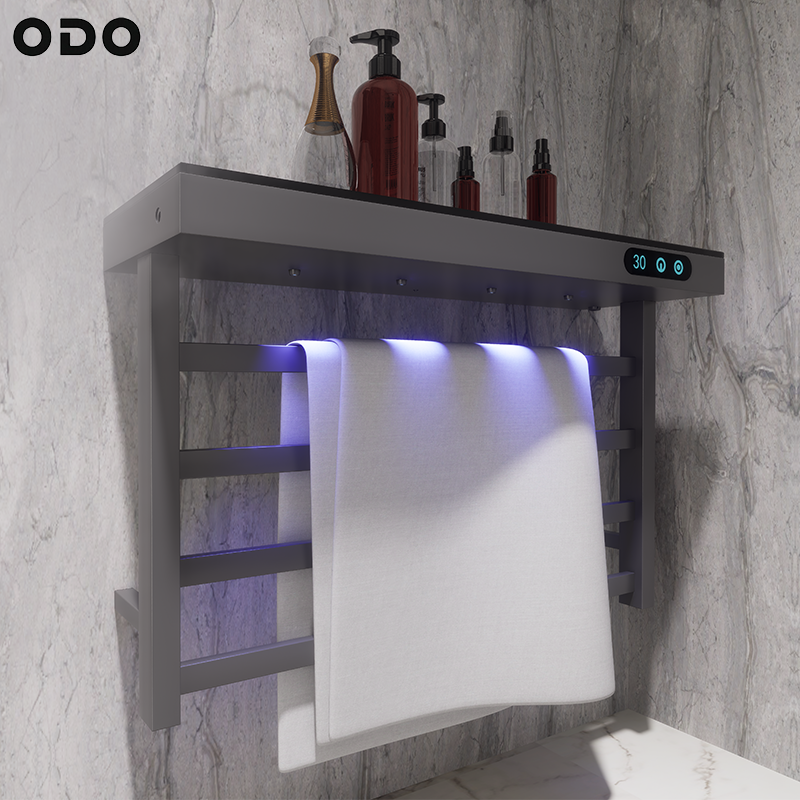
Technical Architecture & EMC Compliance Principles
Unlike traditional towel warmers relying solely on basic mechanical switches, modern intelligent models such as the ODO-R6B-2QHP utilize sophisticated printed circuit board (PCB) assemblies. These microprocessors govern heating cycles between 1 and 12 hours. Because active power regulation circuits generate radio-frequency energy, manufacturers must ensure emissions fall safely within limits specified by international EMC standards.
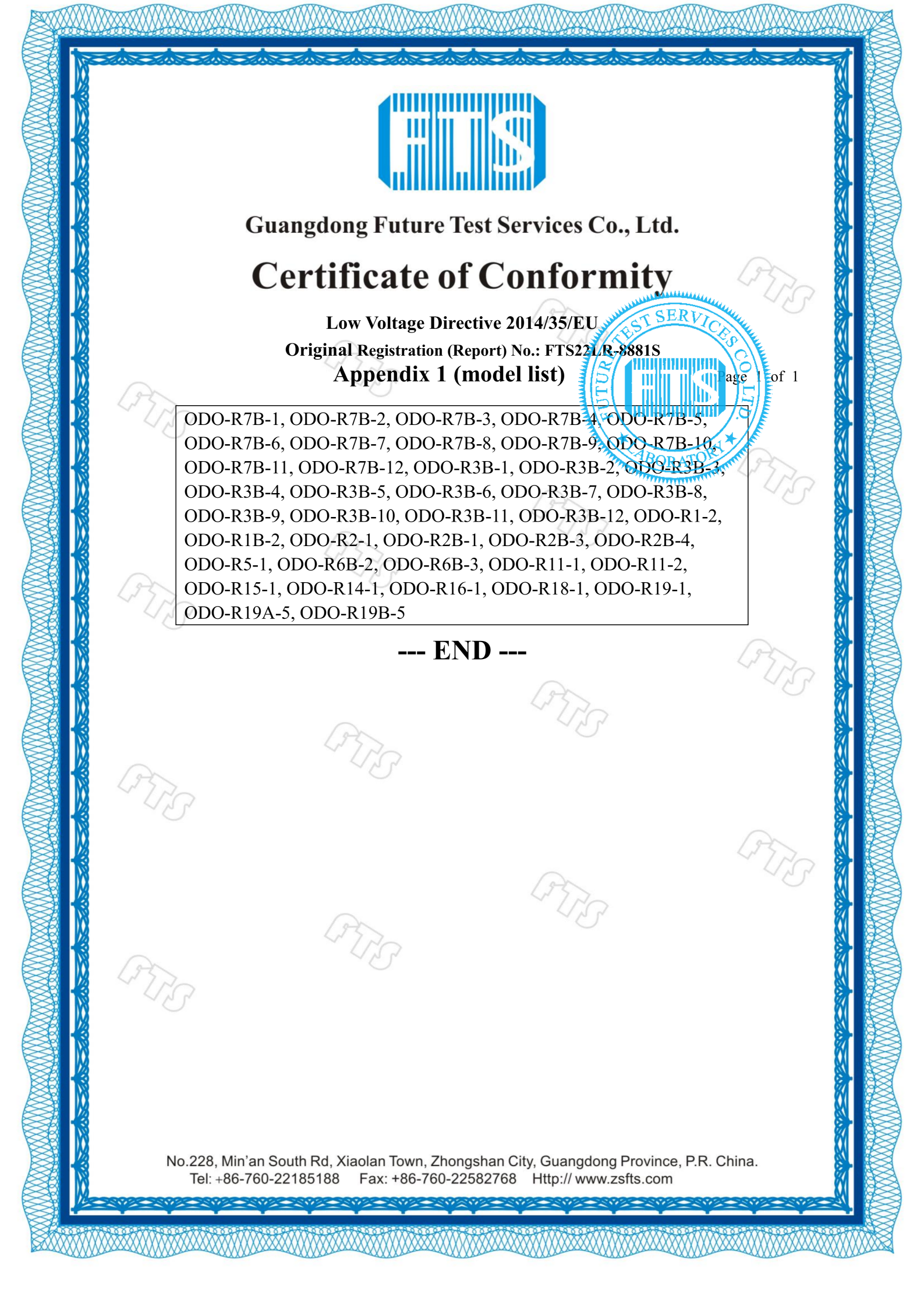
Quality assurance starts early in the manufacturing pipeline. Stainless steel towel racks equipped with 100W carbon fiber heating elements undergo 14 rigorous QC inspection stages. Complete assemblies maintain CE-LVD certification (Certificate FTS22LC-8881S), while related electronic sanitary hardware holds dedicated CE EMC approvals (e.g., Shower niche CE EMC Certificate AiTSZ-250428030C-C01). Testing protocols verify immunity against fast transient bursts, electrostatic discharge, and power surges across dual voltage ranges (110V-120V and 220V-240V).
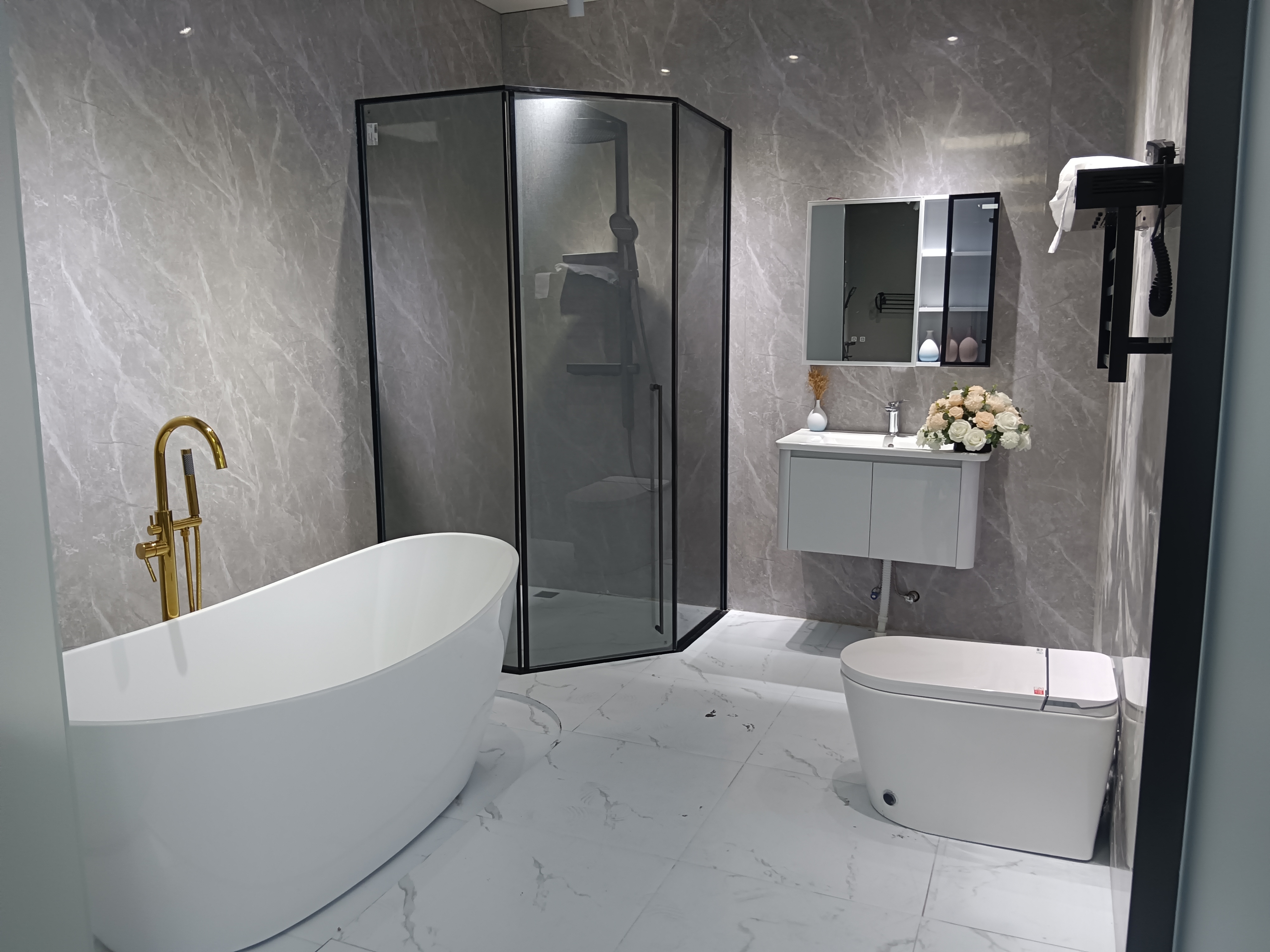
Electromagnetic compliance is particularly critical in commercial environments with high device density. For instance, the Warsaw Chain Hotel Renovation Project incorporated 260 wall-mounted timer-controlled heated towel units, and the Dubai Palm Jumeirah 5-Star Hotel Project installed 380 smart towel warmers. Verified EMC compliance prevents signal disruption to adjacent guestroom automation systems, building control networks, or Wi-Fi routers.
Comparison: Mechanical vs. Digital Towel Rails
The matrix below compares structural and regulatory differences between basic mechanical models and advanced digital timer models like the ODO-R6B series.
| Feature / Parameter | Standard Mechanical Towel Rail | ODO-R6B-2QHP Digital Towel Rack |
|---|---|---|
| EMC Verification | Not Required (Pure passive circuit) | Mandatory (Required for PCB & digital logic) |
| Heating Element | Fluid / Resistance Wire | 100W Carbon Fiber Technology |
| Control Capabilities | Simple Manual On/Off Switch | 45-70°C Temp Control / 1-12 Hr Timer |
| Ingress Protection | Basic IPX1 - IPX2 | IP44 Waterproof Rating |
| Materials & Finishing | Standard Stainless Steel | 304 Stainless Steel (PVD, Lacquer finish) |
| Quality Protocol | Basic Electrical Inspection | 14-Step QC Process & CE Certification |
Frequently Asked Questions
Q1: Why do digital timer controls need EMC certification when standard switches do not?
A: Basic mechanical switches simply complete or break an electric circuit without generating high-frequency oscillation. In contrast, digital timer modules contain microcontrollers, clock chips, and switching circuits that radiate high-frequency signals and absorb ambient interference, making EMC testing obligatory for market compliance.
Q2: Which safety and ingress ratings are crucial for bathroom installation?
A: Electric towel rails designed for moist bathroom environments should hold an IP44 rating to withstand water splashes, paired with CE certifications satisfying both LVD electrical safety and EMC interference directives.
Q3: What OEM/ODM customization possibilities are available?
A: Comprehensive OEM/ODM services cover custom operating voltages (110V-120V / 220V-240V), adjustable timer durations (1-12 hours), specific target temperatures (45-70°C), specialized power plugs, and premium surface finishes including Matte Black, Brushed, Chrome, and PVD Grey.
Summary & Commercial Procurement
Adding digital timer features to electric heated towel rails maximizes user convenience and energy conservation, but demands strict electromagnetic compliance. Partnering with certified hardware producers ensures full regulatory compliance and operational safety. ODO Sanitaryware offers flexible wholesale options, including a 50-piece minimum order quantity (MOQ) for the ODO-R6B-2QHP model, a standard 30-day production timeline, and comprehensive technical support backed by a 2-Year Warranty. For inquiries, email charlene@seosodo.com.
About the Manufacturer
Founded in 2014, Foshan Pinshi Sanitary Ware Co., Ltd. operates under the ODO Sanitaryware brand. Operating a 20,000-square-meter facility powered by 20 specialized production lines and over 200 employees, the company leverages a 20-person R&D team holding over 50 patents. With ISO9001 certified operations and a 14-step QC process, the factory produces up to 100,000 units monthly for markets across Europe, North America, the Middle East, and Southeast Asia.

REPORT