







-
 Agriculture
-
 Health-Care
-
 Environment
-
 Construction-Real-Estate
-
 Tools-Hardware
-
 Home-Garden
-
 Furniture
-
 Luggage-Bags-Cases
-
 Medical-devices-Supplies
-
 Gifts-Crafts
-
 Sports-Entertainment
-
 Food-Beverage
-
 Vehicles-Transportation
-
 Power-Transmission
-
 Material-Handling
-
 Renewable-Energy
-
 Safety
-
 Testing-Instrument-Equipment
-
 Construction-Building-Machinery
-
 Pet-Supplies
-
 Personal-Care-Household-Cleaning
-
 Vehicle-Accessories-Electronics-Tools
-
 School-Office-Supplies
-
 Packaging-Printing
-
 Mother-Kids-Toys
-
 Business-Services
-
 Commercial-Equipment-Machinery
-
 Apparel-Accessories
-
 Security
-
 Shoes-Accessories
-
 Vehicle-Parts-Accessories
-
 Jewelry-Eyewear-Watches-Accessories
-
 Lights-Lighting
-
 Fabric-Textile-Raw-Material
-
 Fabrication-Services
-
 Industrial-Machinery
-
 Consumer-Electronics
-
 Electrical-Equipment-Supplies
-
 Electronic-Components-Accessories-Telecommunications
-
 Home-Appliances
-
 Beauty
-
 Chemicals
-
 Rubber-Plastics
-
 Metals-Alloys


























































































































































































































































































































































































































































































































































































- Masonry Materials
- Curtain Walls & Accessories
- Earthwork Products
- Fireproofing Materials
- Heat Insulation Materials
- Plastic Building Materials
- Building Boards
- Soundproofing Materials
- Timber
- Waterproofing Materials
- Balustrades & Handrails
- Bathroom & Kitchen
- Flooring & Accessories
- Tiles & Accessories
- Door, Window & Accessories
- Fireplaces & Stoves
- Floor Heating Systems & Parts
- Stairs & Stair Parts
- Ceilings
- Elevators & Escalators
- Stone
- Countertops, Vanity Tops & Table Tops
- Mosaics
- Metal Building Materials
- Multifunctional Materials
- Ladders & Scaffoldings
- Mouldings
- Corner Guards
- Decorative Films
- Formwork
- Building & Industrial Glass
- Other Construction & Real Estate
- Wallpapers/Wall panels
- HVAC System & Parts
- Outdoor Facilities
- Prefabricated Buildings
- Festive & Party Supplies
- Bathroom Products
- Household Sundries
- Rain Gear
- Garden Supplies
- Household Cleaning Tools & Accessories
- Lighters & Smoking Accessories
- Home Storage & Organization
- Household Scales
- Smart Home Improvement
- Home Textiles
- Kitchenware
- Drinkware & Accessories
- Dinnerware, Coffee & Wine
- Home Decor
- Golf
- Fitness & Body Building
- Amusement Park Facilities
- Billiards, Board Game,Coin Operated Games
- Musical Instruments
- Outdoor Affordable Luxury Sports
- Camping & Hiking
- Fishing
- Sports Safety&Rehabilitation
- Ball Sports Equipments
- Water Sports
- Winter Sports
- Luxury Travel Equipments
- Sports Shoes, Bags & Accessories
- Cycling
- Other Sports & Entertainment Products
- Artificial Grass&Sports Flooring&Sports Court Equipment
- Scooters
- Food Ingredients
- Honey & Honey Products
- Snacks
- Nuts & Kernels
- Seafood
- Plant & Animal Oil
- Beverages
- Fruit & Vegetable Products
- Frog & Escargot
- Bean Products
- Egg Products
- Dairy Products
- Seasonings & Condiments
- Canned Food
- Instant Food
- Baked Goods
- Other Food & Beverage
- Meat & Poultry
- Confectionery
- Grain Products
- Feminie Care
- Hair Care & Styling
- Body Care
- Hands & Feet Care
- Hygiene Products
- Men's Grooming
- Laundry Cleaning Supplies
- Travel Size & Gift Sets
- Room Deodorizers
- Other Personal Care Products
- Pest Control Products
- Special Household Cleaning
- Floor Cleaning
- Kitchen & Bathroom Cleaning
- Oral Care
- Bath Supplies
- Yellow Pages
- Correction Supplies
- Office Binding Supplies
- Office Cutting Supplies
- Board Erasers
- Office Adhesives & Tapes
- Education Supplies
- Pencil Cases & Bags
- Notebooks & Writing Pads
- File Folder Accessories
- Calendars
- Writing Accessories
- Commercial Office Supplies
- Pencil Sharpeners
- Pens
- Letter Pad/Paper
- Paper Envelopes
- Desk Organizers
- Pencils
- Markers & Highlighters
- Filing Products
- Art Supplies
- Easels
- Badge Holder & Accessories
- Office Paper
- Printer Supplies
- Book Covers
- Other Office & School Supplies
- Stationery Set
- Boards
- Clipboards
- Stamps
- Drafting Supplies
- Stencils
- Electronic Dictionary
- Books
- Map
- Magazines
- Calculators
- Baby & Toddler Toys
- Educational Toys
- Classic Toys
- Dress Up & Pretend Play
- Toy Vehicle
- Stuffed Animals & Plush Toys
- Outdoor Toys & Structures
- Balloons & Accessories
- Baby Food
- Children's Clothing
- Baby Supplies & Products
- Maternity Clothes
- Kids Shoes
- Baby Care
- Novelty & Gag Toys
- Dolls & Accessories
- Puzzle & Games
- Blocks & Model Building Toys
- Toddler Clothing
- Baby Clothing
- Kids' Luggage & Bags
- Arts, Crafts & DIY Toys
- Action & Toy Figures
- Baby Appliances
- Hobbies & Models
- Remote Control Toys
- Promotional Toys
- Pregnancy & Maternity
- Hygiene Products
- Kid's Textile&Bedding
- Novelty & Special Use
- Toy Weapons
- Baby Gifts
- Baby Storage & Organization
- Auto Drive Systems
- ATV/UTV Parts & Accessories
- Marine Parts & Accessories
- Other Auto Parts
- Trailer Parts & Accessories
- Auto Transmission Systems
- Train Parts & Accessories
- Universal Parts
- Railway Parts & Accessories
- Auto Brake Systems
- Aviation Parts & Accessories
- Truck Parts & Accessories
- Auto Suspension Systems
- Auto Lighting Systems
- New Energy Vehicle Parts & Accessories
- Auto Steering Systems
- Wheels, Tires & Accessories
- Bus Parts & Accessories
- Auto Performance Parts
- Cooling System
- Go-Kart & Kart Racer Parts & Accessories
- Air Conditioning Systems
- Heavy Duty Vehicle Parts & Accessories
- Auto Electrical Systems
- Auto Body Systems
- Auto Engine Systems
- Container Parts & Accessories
- Motorcycle Parts & Accessories
- Refrigeration & Heat Exchange Equipment
- Machine Tool Equipment
- Food & Beverage Machinery
- Agricultural Machinery & Equipment
- Apparel & Textile Machinery
- Chemical Machinery
- Packaging Machines
- Paper Production Machinery
- Plastic & Rubber Processing Machinery
- Industrial Robots
- Electronic Products Machinery
- Metal & Metallurgy Machinery
- Woodworking Machinery
- Home Product Manufacturing Machinery
- Machinery Accessories
- Environmental Machinery
- Machinery Service
- Electrical Equipment Manufacturing Machinery
- Industrial Compressors & Parts
- Tobacco & Cigarette Machinery
- Production Line
- Used Industrial Machinery
- Electronics Production Machinery
- Other Machinery & Industrial Equipment
- Camera, Photo & Accessories
- Portable Audio, Video & Accessories
- Television, Home Audio, Video & Accessories
- Video Games & Accessories
- Mobile Phone & Accessories
- Electronic Publications
- Earphone & Headphone & Accessories
- Speakers & Accessories
- Smart Electronics
- TV Receivers & Accessories
- Mobile Phone & Computer Repair Parts
- Chargers, Batteries & Power Supplies
- Used Electronics
- VR, AR, MR Hardware & Software
- Projectors & Presentation Equipments
- Other Consumer Electronics
- Cables & Commonly Used Accessories
- Computer Hardware & Software
- Displays, Signage and Optoelectronics
- Discrete Semiconductors
- Wireless & IoT Module and Products
- Telecommunications
- Connectors, Terminals & Accessories
- Development Boards, Electronic Modules and Kits
- Circuit Protection
- Sensors
- Isolators
- Audio Components and Products
- Integrated Circuits
- Power Supplies
- Relays
- RF, Microwave and RFID
- Electronic Accessories & Supplies
- Passive Components
- PCB & PCBA
- Air Quality Appliances
- Home Appliance Parts
- Heating & Cooling Appliances
- Small Kitchen Appliances
- Laundry Appliances
- Water Heaters
- Water Treatment Appliances
- Refrigerators & Freezers
- Personal Care & Beauty Appliances
- Major Kitchen Appliances
- Cleaning Appliances
- Second-hand Appliances
- Smart Home Appliances
- Other Home Appliances
- Energy Chemicals
- Inorganic Chemicals
- Basic Organic Chemicals
- Agrochemicals
- Admixture & Additives
- Catalysts & Chemical Auxiliary Agents
- Pigments & Dyestuff
- Coating & Paint
- Daily Chemicals
- Polymer
- Organic Intermediate
- Adhesives & Sealants
- Chemical Waste
- Biological Chemical Products
- Surface Treatment Chemicals
- Painting & Coating
- Chemical Reagents
- Flavor & Fragrance
- Non-Explosive Demolition Agents
- Other Chemicals
- Custom Chemical Services

Accounting for Custom Mold Fees in Final Garment Invoice Settlements
When launching custom apparel collections, managing initial development expenses—such as physical tooling, rubber transfer patch dies, and 3D embroidery setups—is a critical phase of production accounting. In OEM and ODM manufacturing partnerships, these preliminary setup fees are settled in the final commercial invoice using three standard methodologies: upfront threshold rebate credits, itemized non-recurring engineering charges, or per-piece unit amortization.
Strategic Breakdown of Mold Fee Accounting Models
Selecting the right financial strategy for custom molds depends heavily on your brand's order volumes and long-term reorder frequency. Below is a structured comparison of how these three billing mechanisms operate from initial deposit to final invoice reconciliation:
| Billing Framework | Initial Payment Structure | Final Invoice Settlement Method | Best Suited For |
|---|---|---|---|
| Volume Threshold Rebate | Upfront tooling deposit collected before sampling | Fully refunded or credited against final balance upon achieving target volume | Larger production runs (500+ pieces per design) |
| Itemized Line-Item Charge | Explicit setup fee invoiced at development stage | Kept as a distinct non-refundable setup line item on commercial invoice | Small capsule drops (50–200 pieces) & limited runs |
| Per-Unit Amortization | No upfront separate line item | Tooling expense factored evenly into individual unit pricing | Ongoing contracts & predictable recurring orders |
How Final Settlements Reconcile Custom Tooling Charges
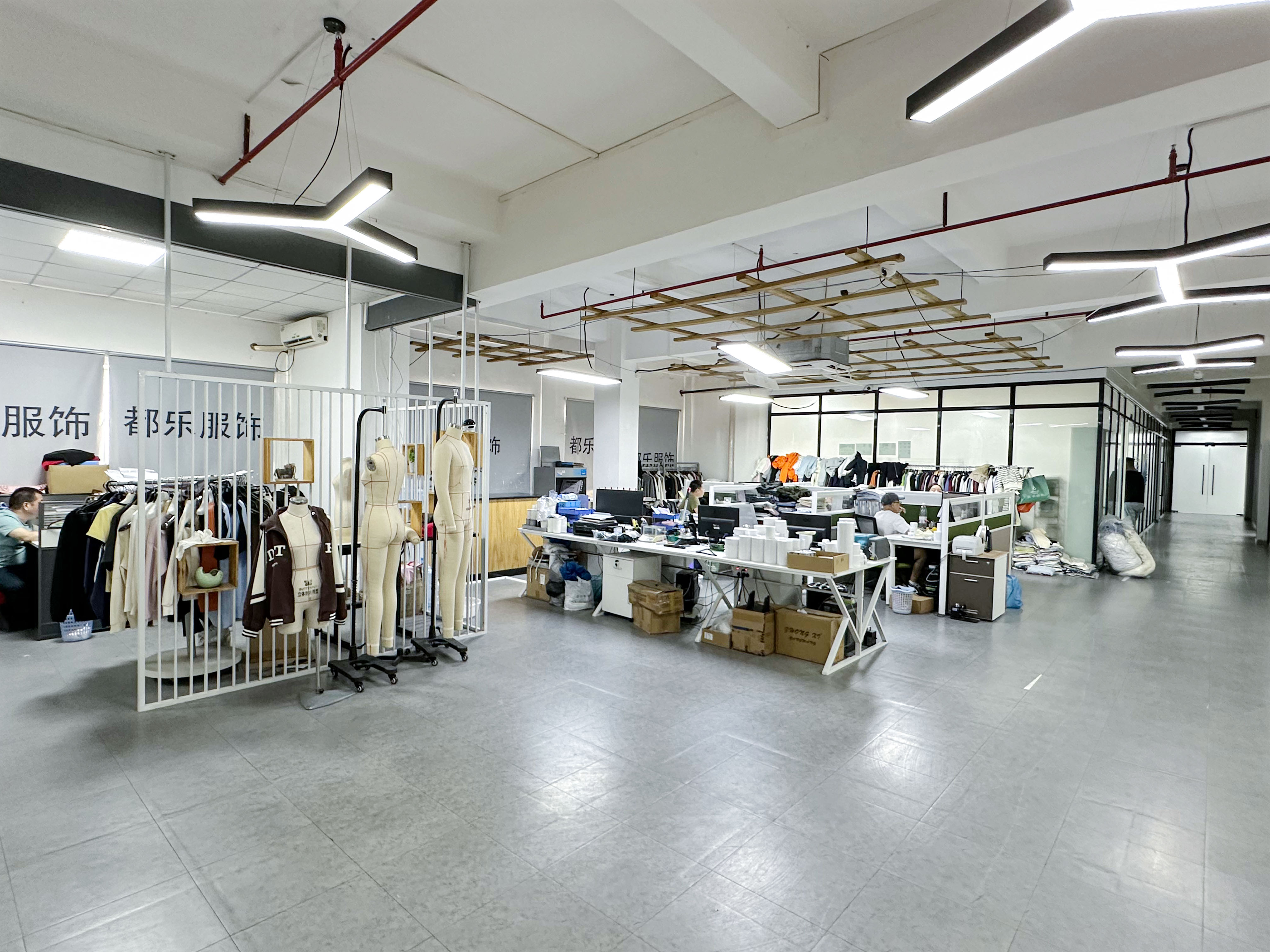
In high-end streetwear and technical garment manufacturing—where heavyweight fabrics such as 480–630 GSM fleece hoodies, sweatshirts, and utility cargo pants require specialized trim and mold hardware—clarity in financial workflows is indispensable. Facilities equipped with dedicated R&D setups, such as Dongguan City Dule Garment Co.,Ltd with over 50 specialized machine types, execute custom embellishments like molded heat-press rubber patches and custom metal hardware in-house.
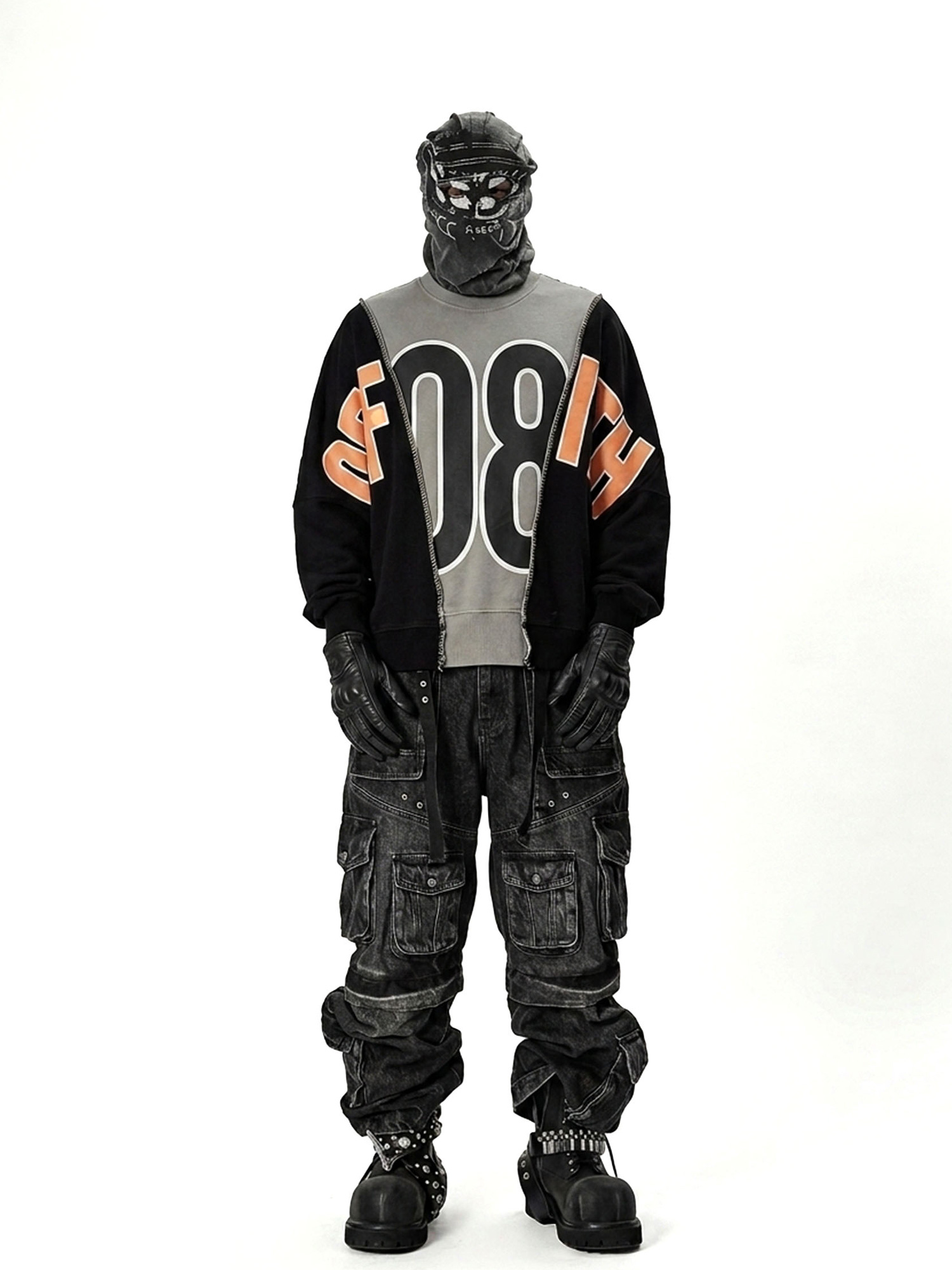
For brands operating at scale—such as UK-based private label accounts like Vanguard Shop Co. managing 1,000 units per SKU across multi-season drops—manufacturers typically apply threshold rebate programs. Under this agreement, initial sampling and mold fees paid upfront are deducted directly from the final balance invoice once the agreed minimum order quantity (MOQ) is fulfilled, effectively zeroing out development tooling overhead.
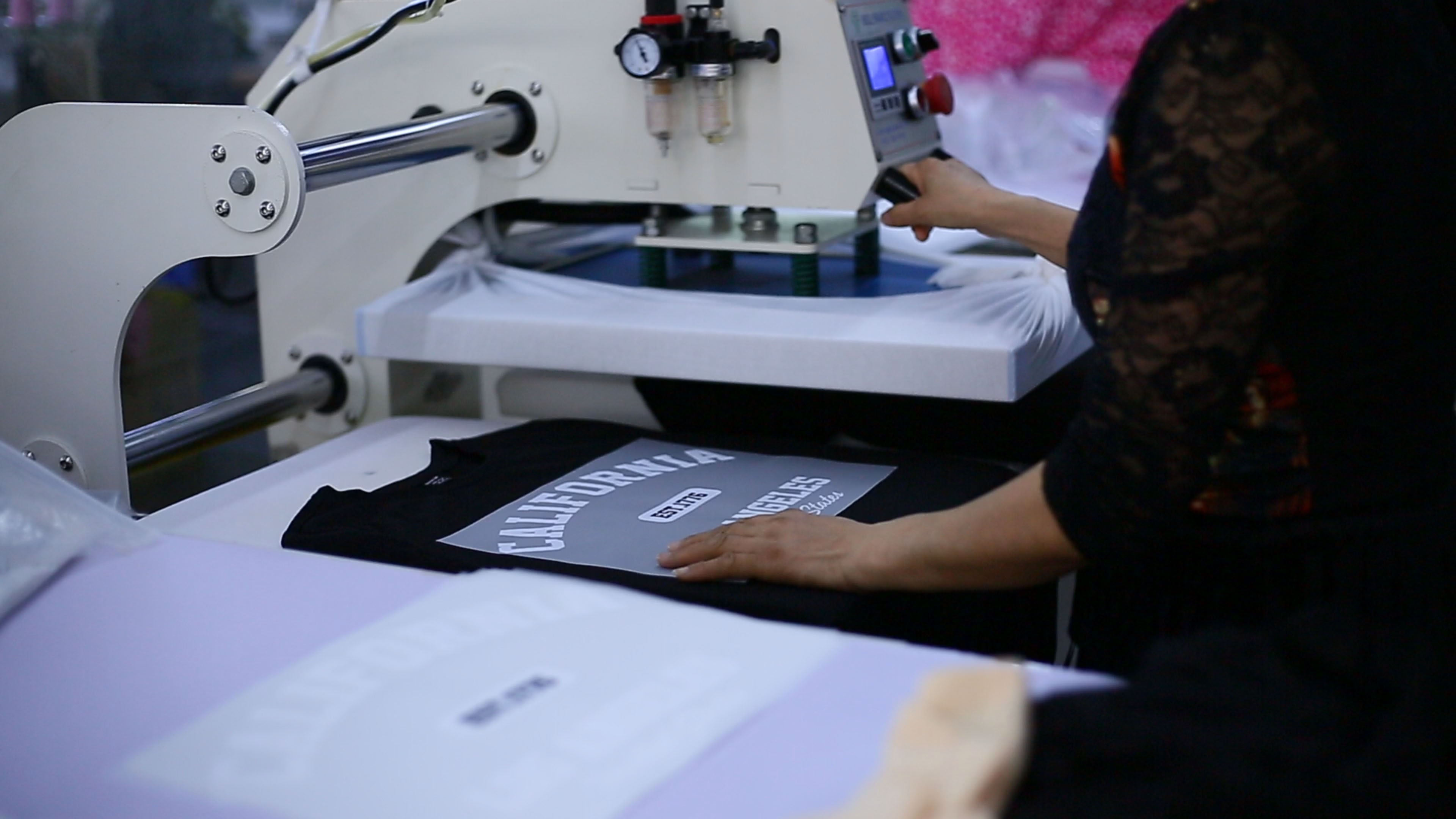
Conversely, for boutique labels or limited-edition runs, the custom mold charge remains visible on the commercial invoice under Non-Recurring Engineering (NRE) or setup fees. This detailed line item accounts for raw rubber mold production, screen preparations, NRE labor, and test presses. The balance invoice itemizes unit FOB pricing (e.g., FOB Shenzhen), shipping arrangements (such as DDP), and approved payment channels like Bank Wire or Alipay to guarantee full financial visibility.
Key Highlights & Process Integration
- Upfront Tooling with Volume Rebates: Development and mold costs are collected upfront and subsequently credited on the final dispatch balance once target thresholds are reached.
- Transparent Line-Item Itemization: Setup expenses for heavy hardware and custom rubber patches are clearly itemized on trade documentation under terms like FOB Shenzhen or DDP.
- Unit-Cost Distribution: Amortizing mold charges into garment unit costs streamlines settlement for continuous seasonal drops without recurring separate fees.
- Audit Prior to Dispatch: Technical alterations, print setups, and sample costs undergo rigorous audit against bank transfer slips and purchase orders before final balance settlement.
Frequently Asked Questions
Q: How do custom mold charges appear on commercial billing invoices?
A: They are categorized as Non-Recurring Engineering (NRE) or Custom Tooling fees, distinct from the garment unit cost and freight charges.
Q: When does a brand qualify for a full mold fee credit?
A: A full credit or deduction is granted on the final order invoice when bulk production volume satisfies the contractual minimum threshold.
Q: Will revised sample iterations increase the final mold charge?
A: Minor modifications within initial parameters are covered, but structural redesigns that require casting a new mold will generate updated setup line items on the settlement statement.
Conclusion & Strategic Advice
Selecting an appropriate mold fee settlement structure depends on your brand's order scale and expansion strategy. Working with flexible OEM/ODM partners offering low MOQs—such as 50 pieces for custom garments and 20 pieces for blanks—enables brands to manage initial tooling investments effectively. Combining established trade terms (FOB Shenzhen, DDP) with standard payment channels (Bank Transfer, Alipay) guarantees seamless reconciliation. For tailored manufacturing inquiries, contact the team at yutianfang88@gmail.com.
About Us
Dongguan City Dule Garment Co.,Ltd is an established OEM/ODM apparel manufacturer founded in 2007. Spanning a 5,000 m² facility with a team of 200 skilled staff, DOLUXE delivers over 500 new styles every year and maintains an annual capacity of 1.2 million garments. Serving 200+ brands across North America, Europe, Australia, and Asia, the company specializes in custom heavyweight hoodies, sweatshirts, tees, cargo pants, and denim.

REPORT