







-
 Agriculture
-
 Health-Care
-
 Environment
-
 Construction-Real-Estate
-
 Tools-Hardware
-
 Home-Garden
-
 Furniture
-
 Luggage-Bags-Cases
-
 Medical-devices-Supplies
-
 Gifts-Crafts
-
 Sports-Entertainment
-
 Food-Beverage
-
 Vehicles-Transportation
-
 Power-Transmission
-
 Material-Handling
-
 Renewable-Energy
-
 Safety
-
 Testing-Instrument-Equipment
-
 Construction-Building-Machinery
-
 Pet-Supplies
-
 Personal-Care-Household-Cleaning
-
 Vehicle-Accessories-Electronics-Tools
-
 School-Office-Supplies
-
 Packaging-Printing
-
 Mother-Kids-Toys
-
 Business-Services
-
 Commercial-Equipment-Machinery
-
 Apparel-Accessories
-
 Security
-
 Shoes-Accessories
-
 Vehicle-Parts-Accessories
-
 Jewelry-Eyewear-Watches-Accessories
-
 Lights-Lighting
-
 Fabric-Textile-Raw-Material
-
 Fabrication-Services
-
 Industrial-Machinery
-
 Consumer-Electronics
-
 Electrical-Equipment-Supplies
-
 Electronic-Components-Accessories-Telecommunications
-
 Home-Appliances
-
 Beauty
-
 Chemicals
-
 Rubber-Plastics
-
 Metals-Alloys


























































































































































































































































































































































































































































































































































































- Masonry Materials
- Curtain Walls & Accessories
- Earthwork Products
- Fireproofing Materials
- Heat Insulation Materials
- Plastic Building Materials
- Building Boards
- Soundproofing Materials
- Timber
- Waterproofing Materials
- Balustrades & Handrails
- Bathroom & Kitchen
- Flooring & Accessories
- Tiles & Accessories
- Door, Window & Accessories
- Fireplaces & Stoves
- Floor Heating Systems & Parts
- Stairs & Stair Parts
- Ceilings
- Elevators & Escalators
- Stone
- Countertops, Vanity Tops & Table Tops
- Mosaics
- Metal Building Materials
- Multifunctional Materials
- Ladders & Scaffoldings
- Mouldings
- Corner Guards
- Decorative Films
- Formwork
- Building & Industrial Glass
- Other Construction & Real Estate
- Wallpapers/Wall panels
- HVAC System & Parts
- Outdoor Facilities
- Prefabricated Buildings
- Festive & Party Supplies
- Bathroom Products
- Household Sundries
- Rain Gear
- Garden Supplies
- Household Cleaning Tools & Accessories
- Lighters & Smoking Accessories
- Home Storage & Organization
- Household Scales
- Smart Home Improvement
- Home Textiles
- Kitchenware
- Drinkware & Accessories
- Dinnerware, Coffee & Wine
- Home Decor
- Golf
- Fitness & Body Building
- Amusement Park Facilities
- Billiards, Board Game,Coin Operated Games
- Musical Instruments
- Outdoor Affordable Luxury Sports
- Camping & Hiking
- Fishing
- Sports Safety&Rehabilitation
- Ball Sports Equipments
- Water Sports
- Winter Sports
- Luxury Travel Equipments
- Sports Shoes, Bags & Accessories
- Cycling
- Other Sports & Entertainment Products
- Artificial Grass&Sports Flooring&Sports Court Equipment
- Scooters
- Food Ingredients
- Honey & Honey Products
- Snacks
- Nuts & Kernels
- Seafood
- Plant & Animal Oil
- Beverages
- Fruit & Vegetable Products
- Frog & Escargot
- Bean Products
- Egg Products
- Dairy Products
- Seasonings & Condiments
- Canned Food
- Instant Food
- Baked Goods
- Other Food & Beverage
- Meat & Poultry
- Confectionery
- Grain Products
- Feminie Care
- Hair Care & Styling
- Body Care
- Hands & Feet Care
- Hygiene Products
- Men's Grooming
- Laundry Cleaning Supplies
- Travel Size & Gift Sets
- Room Deodorizers
- Other Personal Care Products
- Pest Control Products
- Special Household Cleaning
- Floor Cleaning
- Kitchen & Bathroom Cleaning
- Oral Care
- Bath Supplies
- Yellow Pages
- Correction Supplies
- Office Binding Supplies
- Office Cutting Supplies
- Board Erasers
- Office Adhesives & Tapes
- Education Supplies
- Pencil Cases & Bags
- Notebooks & Writing Pads
- File Folder Accessories
- Calendars
- Writing Accessories
- Commercial Office Supplies
- Pencil Sharpeners
- Pens
- Letter Pad/Paper
- Paper Envelopes
- Desk Organizers
- Pencils
- Markers & Highlighters
- Filing Products
- Art Supplies
- Easels
- Badge Holder & Accessories
- Office Paper
- Printer Supplies
- Book Covers
- Other Office & School Supplies
- Stationery Set
- Boards
- Clipboards
- Stamps
- Drafting Supplies
- Stencils
- Electronic Dictionary
- Books
- Map
- Magazines
- Calculators
- Baby & Toddler Toys
- Educational Toys
- Classic Toys
- Dress Up & Pretend Play
- Toy Vehicle
- Stuffed Animals & Plush Toys
- Outdoor Toys & Structures
- Balloons & Accessories
- Baby Food
- Children's Clothing
- Baby Supplies & Products
- Maternity Clothes
- Kids Shoes
- Baby Care
- Novelty & Gag Toys
- Dolls & Accessories
- Puzzle & Games
- Blocks & Model Building Toys
- Toddler Clothing
- Baby Clothing
- Kids' Luggage & Bags
- Arts, Crafts & DIY Toys
- Action & Toy Figures
- Baby Appliances
- Hobbies & Models
- Remote Control Toys
- Promotional Toys
- Pregnancy & Maternity
- Hygiene Products
- Kid's Textile&Bedding
- Novelty & Special Use
- Toy Weapons
- Baby Gifts
- Baby Storage & Organization
- Auto Drive Systems
- ATV/UTV Parts & Accessories
- Marine Parts & Accessories
- Other Auto Parts
- Trailer Parts & Accessories
- Auto Transmission Systems
- Train Parts & Accessories
- Universal Parts
- Railway Parts & Accessories
- Auto Brake Systems
- Aviation Parts & Accessories
- Truck Parts & Accessories
- Auto Suspension Systems
- Auto Lighting Systems
- New Energy Vehicle Parts & Accessories
- Auto Steering Systems
- Wheels, Tires & Accessories
- Bus Parts & Accessories
- Auto Performance Parts
- Cooling System
- Go-Kart & Kart Racer Parts & Accessories
- Air Conditioning Systems
- Heavy Duty Vehicle Parts & Accessories
- Auto Electrical Systems
- Auto Body Systems
- Auto Engine Systems
- Container Parts & Accessories
- Motorcycle Parts & Accessories
- Refrigeration & Heat Exchange Equipment
- Machine Tool Equipment
- Food & Beverage Machinery
- Agricultural Machinery & Equipment
- Apparel & Textile Machinery
- Chemical Machinery
- Packaging Machines
- Paper Production Machinery
- Plastic & Rubber Processing Machinery
- Industrial Robots
- Electronic Products Machinery
- Metal & Metallurgy Machinery
- Woodworking Machinery
- Home Product Manufacturing Machinery
- Machinery Accessories
- Environmental Machinery
- Machinery Service
- Electrical Equipment Manufacturing Machinery
- Industrial Compressors & Parts
- Tobacco & Cigarette Machinery
- Production Line
- Used Industrial Machinery
- Electronics Production Machinery
- Other Machinery & Industrial Equipment
- Camera, Photo & Accessories
- Portable Audio, Video & Accessories
- Television, Home Audio, Video & Accessories
- Video Games & Accessories
- Mobile Phone & Accessories
- Electronic Publications
- Earphone & Headphone & Accessories
- Speakers & Accessories
- Smart Electronics
- TV Receivers & Accessories
- Mobile Phone & Computer Repair Parts
- Chargers, Batteries & Power Supplies
- Used Electronics
- VR, AR, MR Hardware & Software
- Projectors & Presentation Equipments
- Other Consumer Electronics
- Cables & Commonly Used Accessories
- Computer Hardware & Software
- Displays, Signage and Optoelectronics
- Discrete Semiconductors
- Wireless & IoT Module and Products
- Telecommunications
- Connectors, Terminals & Accessories
- Development Boards, Electronic Modules and Kits
- Circuit Protection
- Sensors
- Isolators
- Audio Components and Products
- Integrated Circuits
- Power Supplies
- Relays
- RF, Microwave and RFID
- Electronic Accessories & Supplies
- Passive Components
- PCB & PCBA
- Air Quality Appliances
- Home Appliance Parts
- Heating & Cooling Appliances
- Small Kitchen Appliances
- Laundry Appliances
- Water Heaters
- Water Treatment Appliances
- Refrigerators & Freezers
- Personal Care & Beauty Appliances
- Major Kitchen Appliances
- Cleaning Appliances
- Second-hand Appliances
- Smart Home Appliances
- Other Home Appliances
- Energy Chemicals
- Inorganic Chemicals
- Basic Organic Chemicals
- Agrochemicals
- Admixture & Additives
- Catalysts & Chemical Auxiliary Agents
- Pigments & Dyestuff
- Coating & Paint
- Daily Chemicals
- Polymer
- Organic Intermediate
- Adhesives & Sealants
- Chemical Waste
- Biological Chemical Products
- Surface Treatment Chemicals
- Painting & Coating
- Chemical Reagents
- Flavor & Fragrance
- Non-Explosive Demolition Agents
- Other Chemicals
- Custom Chemical Services

Garment Wash Accuracy: How to Match Samples with Mass Production
When transitioning from prototype development to high-volume manufacturing, achieving wash effect consistency is one of the most critical challenges in custom apparel production. Under strictly controlled industrial processes, leading apparel manufacturers achieve a 90% to 95% match rate between sample garments and bulk production runs. Slight shade variations are natural due to differences in equipment sizing and liquor ratios, but standardized chemical formulas, strict dye-lot management, and rigorous quality checks ensure dependable batch-to-batch uniformity across heavyweight cotton t-shirt and streetwear production lines.
Key Strategies for Wash Consistency
- Precise Chemical Bath Ratios: Standardizing chemical concentration ratios between laboratory sample vats and large industrial wash drums prevents unwanted color and texture shifts.
- Unified Fabric Lot Control: Using bulk cotton fabric from the identical dye lot established during sampling ensures uniform dye absorption during acid, stone, or vintage washing.
- Pre-Production Sample (PPS) Sign-Off: Setting clear visual tolerances and physical limits through strike-offs and PPS approvals before starting full-scale production avoids costly batch variations.
- Scalable Small-Batch Validation: Flexible production options—such as starting with low minimum order quantities (MOQ of 50 pieces per custom style)—allow independent fashion labels to evaluate wash results before scaling up.
Technical Breakdown: Bridging Sample and Bulk Wash Dynamics
Replicating vintage washes, enzyme treatments, and garment dyeing across thousands of units requires both sophisticated mechanical control and chemical precision. At Dongguan City Dule Garment Co.,Ltd, R&D sampling techniques are seamlessly calibrated across 50+ specialized machines to reproduce identical hand-feel and distress patterns on production runs of all sizes.
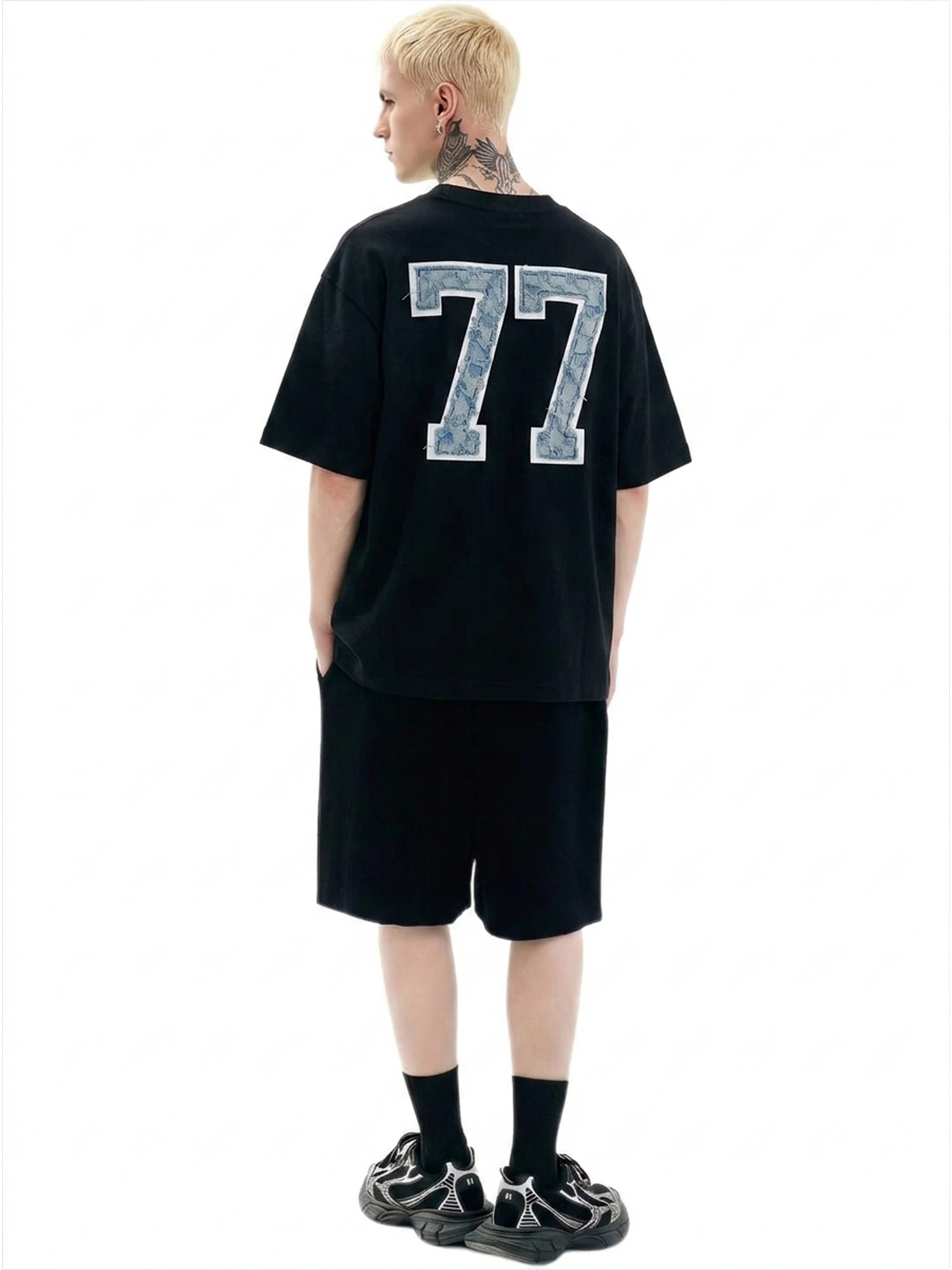
The core technical difference between sample and bulk washing lies in scale dynamics. A single-garment sample experiences minimal friction and precise liquid immersion in small vessels. In contrast, bulk washing involving hundreds of garments generates greater garment-to-garment mechanical friction and heat retention. Technicians overcome this disparity by applying tailored scale formulas—re-calibrating enzyme dosage, water temperature, and stone-wash cycle durations based on the total fabric weight in kilograms.
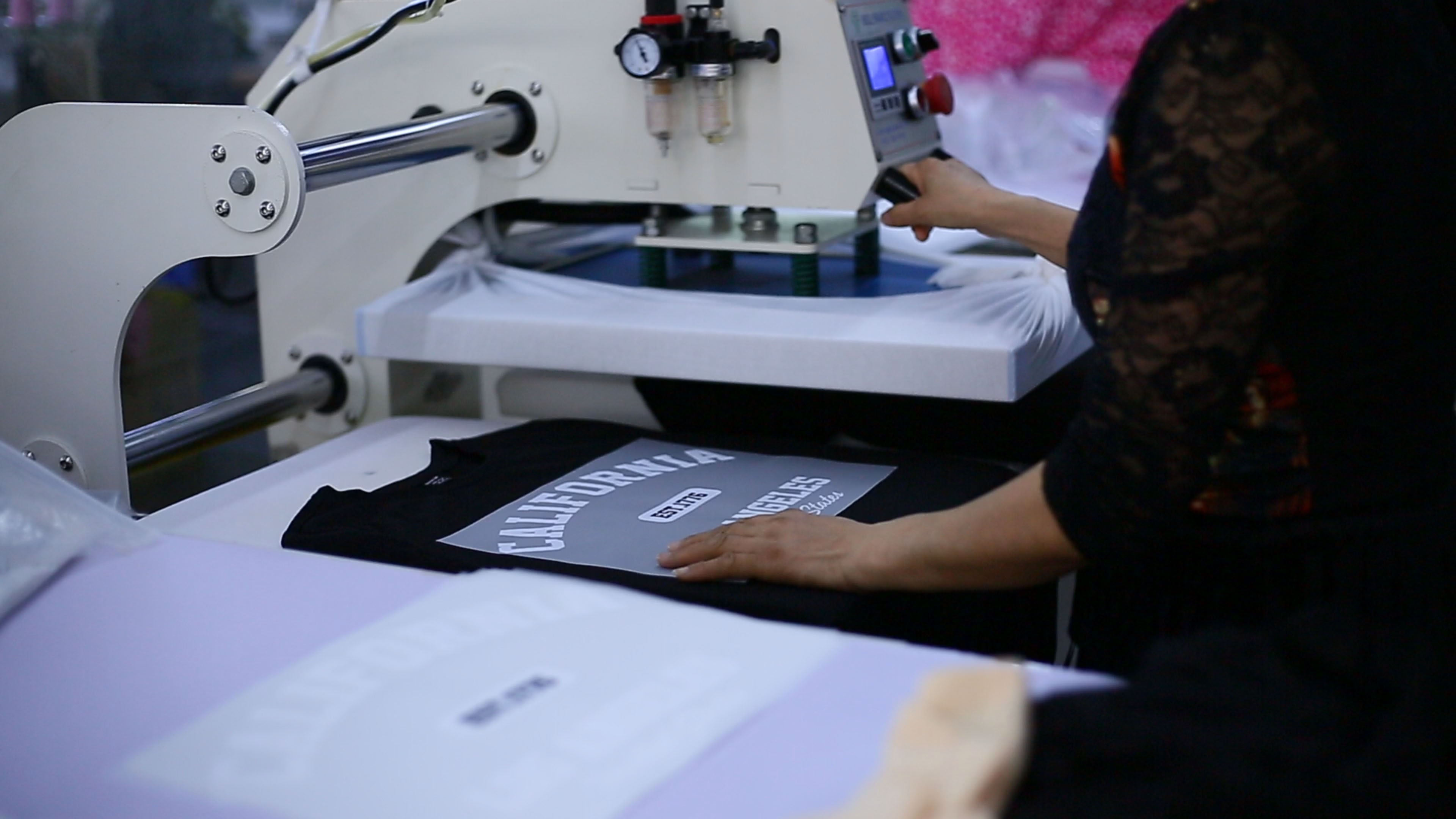
To uphold quality standards, production adheres to ISO 2859-1 protocols alongside Final AQL 2.5 inspections. This rigorous oversight is crucial for long-term private label partnerships. For instance, in supplying United Kingdom DTC brand Vanguard Shop Co. with 1,000 pieces per SKU across 24 yearly collection drops, approved pre-production samples act as the precise benchmark for shading accuracy, fabric shrinkage, and print durability under intensive washing conditions.
Comparison: Sample vs. Mass Wash Parameters
| Parameter | Sample Phase (1–5 pcs) | Bulk Production (50–1,000+ pcs) | Standardization & Tolerance Control |
|---|---|---|---|
| Liquor Ratio (Water:Fabric) | 1:15 to 1:20 | 1:8 to 1:10 | Automated liquid dosing for uniform chemical strength |
| Friction / Mechanical Force | Low to Moderate | High (Garment-to-garment friction) | Adjusted drum rotation speeds and calibrated stone ratios |
| Shade & Color Tolerance | Primary Reference Point | ±5% Spectrophotometer Variance | AQL 2.5 check against approved Pre-Production Sample |
| Shrinkage Allowance | 3% to 5% (Post-Wash) | 3% to 5% (Post-Wash) | Pre-shrunk pattern grading prior to fabric cutting |
| Production Lead Time | 3–15 Days | 20–35 Days | Scheduled according to fabric availability and process depth |
Frequently Asked Questions
Q: Why does color tone slightly vary between sample vintage t-shirts and bulk orders?
A: Tone variations are driven by dye lot shifts, different liquid-to-fabric ratios in bulk vats, and higher mechanical friction during large-scale washing. Sourcing fabric from a single dye lot keeps variations within a controlled ±5% window.
Q: How do garment washes impact 3D embroidery or chest prints on heavy cotton shirts?
A: Heavy washing friction can damage prints or cause embroidery puckering if backing materials are weak. Early tech pack reviews ensure correct thread tension and dense backing stabilizers are applied to withstand industrial wash cycles.
Q: What MOQ is required to test wash samples before mass manufacturing?
A: Samples are completed within 3 to 15 days for customer approval. Mass production starts at an accessible MOQ of 50 pieces per style/colorway, allowing full-scale wash calibration without unnecessary material waste.
Conclusion & Recommendations
Replicating exact sample wash effects in mass production relies on precise chemical scaling, machine calibration, and strict quality control. Apparel brands and independent designers should partner with seasoned OEM/ODM manufacturers capable of managing the full production lifecycle—from initial Tech Pack translation to final delivery via FOB Shenzhen or door-to-door DDP terms. For technical inquiries and customized manufacturing solutions, contact our team at yutianfang88@gmail.com.
About Our Manufacturing Facility
Dongguan City Dule Garment Co.,Ltd (DOLUXE) is a premier OEM/ODM streetwear and heavyweight clothing manufacturer founded in 2007 in Humen Town, Dongguan, China. Operating more than 50 sets of advanced machinery for complete in-house production, the facility boasts a capacity of 1.2 million pieces annually. Specializing in 480–630 GSM heavyweight hoodies, t-shirts, cargo pants, and denim featuring vintage washing, puff print, and 3D embroidery, DOLUXE serves over 200 international apparel brands across North America, Europe, Australia, and Asia.

REPORT