







-
 Agriculture
-
 Health-Care
-
 Environment
-
 Construction-Real-Estate
-
 Tools-Hardware
-
 Home-Garden
-
 Furniture
-
 Luggage-Bags-Cases
-
 Medical-devices-Supplies
-
 Gifts-Crafts
-
 Sports-Entertainment
-
 Food-Beverage
-
 Vehicles-Transportation
-
 Power-Transmission
-
 Material-Handling
-
 Renewable-Energy
-
 Safety
-
 Testing-Instrument-Equipment
-
 Construction-Building-Machinery
-
 Pet-Supplies
-
 Personal-Care-Household-Cleaning
-
 Vehicle-Accessories-Electronics-Tools
-
 School-Office-Supplies
-
 Packaging-Printing
-
 Mother-Kids-Toys
-
 Business-Services
-
 Commercial-Equipment-Machinery
-
 Apparel-Accessories
-
 Security
-
 Shoes-Accessories
-
 Vehicle-Parts-Accessories
-
 Jewelry-Eyewear-Watches-Accessories
-
 Lights-Lighting
-
 Fabric-Textile-Raw-Material
-
 Fabrication-Services
-
 Industrial-Machinery
-
 Consumer-Electronics
-
 Electrical-Equipment-Supplies
-
 Electronic-Components-Accessories-Telecommunications
-
 Home-Appliances
-
 Beauty
-
 Chemicals
-
 Rubber-Plastics
-
 Metals-Alloys


























































































































































































































































































































































































































































































































































































- Masonry Materials
- Curtain Walls & Accessories
- Earthwork Products
- Fireproofing Materials
- Heat Insulation Materials
- Plastic Building Materials
- Building Boards
- Soundproofing Materials
- Timber
- Waterproofing Materials
- Balustrades & Handrails
- Bathroom & Kitchen
- Flooring & Accessories
- Tiles & Accessories
- Door, Window & Accessories
- Fireplaces & Stoves
- Floor Heating Systems & Parts
- Stairs & Stair Parts
- Ceilings
- Elevators & Escalators
- Stone
- Countertops, Vanity Tops & Table Tops
- Mosaics
- Metal Building Materials
- Multifunctional Materials
- Ladders & Scaffoldings
- Mouldings
- Corner Guards
- Decorative Films
- Formwork
- Building & Industrial Glass
- Other Construction & Real Estate
- Wallpapers/Wall panels
- HVAC System & Parts
- Outdoor Facilities
- Prefabricated Buildings
- Festive & Party Supplies
- Bathroom Products
- Household Sundries
- Rain Gear
- Garden Supplies
- Household Cleaning Tools & Accessories
- Lighters & Smoking Accessories
- Home Storage & Organization
- Household Scales
- Smart Home Improvement
- Home Textiles
- Kitchenware
- Drinkware & Accessories
- Dinnerware, Coffee & Wine
- Home Decor
- Golf
- Fitness & Body Building
- Amusement Park Facilities
- Billiards, Board Game,Coin Operated Games
- Musical Instruments
- Outdoor Affordable Luxury Sports
- Camping & Hiking
- Fishing
- Sports Safety&Rehabilitation
- Ball Sports Equipments
- Water Sports
- Winter Sports
- Luxury Travel Equipments
- Sports Shoes, Bags & Accessories
- Cycling
- Other Sports & Entertainment Products
- Artificial Grass&Sports Flooring&Sports Court Equipment
- Scooters
- Food Ingredients
- Honey & Honey Products
- Snacks
- Nuts & Kernels
- Seafood
- Plant & Animal Oil
- Beverages
- Fruit & Vegetable Products
- Frog & Escargot
- Bean Products
- Egg Products
- Dairy Products
- Seasonings & Condiments
- Canned Food
- Instant Food
- Baked Goods
- Other Food & Beverage
- Meat & Poultry
- Confectionery
- Grain Products
- Feminie Care
- Hair Care & Styling
- Body Care
- Hands & Feet Care
- Hygiene Products
- Men's Grooming
- Laundry Cleaning Supplies
- Travel Size & Gift Sets
- Room Deodorizers
- Other Personal Care Products
- Pest Control Products
- Special Household Cleaning
- Floor Cleaning
- Kitchen & Bathroom Cleaning
- Oral Care
- Bath Supplies
- Yellow Pages
- Correction Supplies
- Office Binding Supplies
- Office Cutting Supplies
- Board Erasers
- Office Adhesives & Tapes
- Education Supplies
- Pencil Cases & Bags
- Notebooks & Writing Pads
- File Folder Accessories
- Calendars
- Writing Accessories
- Commercial Office Supplies
- Pencil Sharpeners
- Pens
- Letter Pad/Paper
- Paper Envelopes
- Desk Organizers
- Pencils
- Markers & Highlighters
- Filing Products
- Art Supplies
- Easels
- Badge Holder & Accessories
- Office Paper
- Printer Supplies
- Book Covers
- Other Office & School Supplies
- Stationery Set
- Boards
- Clipboards
- Stamps
- Drafting Supplies
- Stencils
- Electronic Dictionary
- Books
- Map
- Magazines
- Calculators
- Baby & Toddler Toys
- Educational Toys
- Classic Toys
- Dress Up & Pretend Play
- Toy Vehicle
- Stuffed Animals & Plush Toys
- Outdoor Toys & Structures
- Balloons & Accessories
- Baby Food
- Children's Clothing
- Baby Supplies & Products
- Maternity Clothes
- Kids Shoes
- Baby Care
- Novelty & Gag Toys
- Dolls & Accessories
- Puzzle & Games
- Blocks & Model Building Toys
- Toddler Clothing
- Baby Clothing
- Kids' Luggage & Bags
- Arts, Crafts & DIY Toys
- Action & Toy Figures
- Baby Appliances
- Hobbies & Models
- Remote Control Toys
- Promotional Toys
- Pregnancy & Maternity
- Hygiene Products
- Kid's Textile&Bedding
- Novelty & Special Use
- Toy Weapons
- Baby Gifts
- Baby Storage & Organization
- Auto Drive Systems
- ATV/UTV Parts & Accessories
- Marine Parts & Accessories
- Other Auto Parts
- Trailer Parts & Accessories
- Auto Transmission Systems
- Train Parts & Accessories
- Universal Parts
- Railway Parts & Accessories
- Auto Brake Systems
- Aviation Parts & Accessories
- Truck Parts & Accessories
- Auto Suspension Systems
- Auto Lighting Systems
- New Energy Vehicle Parts & Accessories
- Auto Steering Systems
- Wheels, Tires & Accessories
- Bus Parts & Accessories
- Auto Performance Parts
- Cooling System
- Go-Kart & Kart Racer Parts & Accessories
- Air Conditioning Systems
- Heavy Duty Vehicle Parts & Accessories
- Auto Electrical Systems
- Auto Body Systems
- Auto Engine Systems
- Container Parts & Accessories
- Motorcycle Parts & Accessories
- Refrigeration & Heat Exchange Equipment
- Machine Tool Equipment
- Food & Beverage Machinery
- Agricultural Machinery & Equipment
- Apparel & Textile Machinery
- Chemical Machinery
- Packaging Machines
- Paper Production Machinery
- Plastic & Rubber Processing Machinery
- Industrial Robots
- Electronic Products Machinery
- Metal & Metallurgy Machinery
- Woodworking Machinery
- Home Product Manufacturing Machinery
- Machinery Accessories
- Environmental Machinery
- Machinery Service
- Electrical Equipment Manufacturing Machinery
- Industrial Compressors & Parts
- Tobacco & Cigarette Machinery
- Production Line
- Used Industrial Machinery
- Electronics Production Machinery
- Other Machinery & Industrial Equipment
- Camera, Photo & Accessories
- Portable Audio, Video & Accessories
- Television, Home Audio, Video & Accessories
- Video Games & Accessories
- Mobile Phone & Accessories
- Electronic Publications
- Earphone & Headphone & Accessories
- Speakers & Accessories
- Smart Electronics
- TV Receivers & Accessories
- Mobile Phone & Computer Repair Parts
- Chargers, Batteries & Power Supplies
- Used Electronics
- VR, AR, MR Hardware & Software
- Projectors & Presentation Equipments
- Other Consumer Electronics
- Cables & Commonly Used Accessories
- Computer Hardware & Software
- Displays, Signage and Optoelectronics
- Discrete Semiconductors
- Wireless & IoT Module and Products
- Telecommunications
- Connectors, Terminals & Accessories
- Development Boards, Electronic Modules and Kits
- Circuit Protection
- Sensors
- Isolators
- Audio Components and Products
- Integrated Circuits
- Power Supplies
- Relays
- RF, Microwave and RFID
- Electronic Accessories & Supplies
- Passive Components
- PCB & PCBA
- Air Quality Appliances
- Home Appliance Parts
- Heating & Cooling Appliances
- Small Kitchen Appliances
- Laundry Appliances
- Water Heaters
- Water Treatment Appliances
- Refrigerators & Freezers
- Personal Care & Beauty Appliances
- Major Kitchen Appliances
- Cleaning Appliances
- Second-hand Appliances
- Smart Home Appliances
- Other Home Appliances
- Energy Chemicals
- Inorganic Chemicals
- Basic Organic Chemicals
- Agrochemicals
- Admixture & Additives
- Catalysts & Chemical Auxiliary Agents
- Pigments & Dyestuff
- Coating & Paint
- Daily Chemicals
- Polymer
- Organic Intermediate
- Adhesives & Sealants
- Chemical Waste
- Biological Chemical Products
- Surface Treatment Chemicals
- Painting & Coating
- Chemical Reagents
- Flavor & Fragrance
- Non-Explosive Demolition Agents
- Other Chemicals
- Custom Chemical Services

Designing Robust Power Distribution Networks In Complex Electronics Layouts
In the intricate world of modern electronics, where devices are shrinking in size yet exploding in functionality, lies a critical and often underappreciated challenge: ensuring clean, stable power reaches every transistor. The design of a Power Distribution Network (PDN) is the unsung hero of electronic systems, acting as the circulatory system that delivers lifeblood—electrical energy—to all active components. In complex layouts featuring high-speed processors, dense memory arrays, and mixed-signal blocks, a poorly designed PDN can lead to catastrophic failures, subtle performance degradation, or intermittent bugs that are notoriously difficult to diagnose. As clock speeds soar and supply voltages plummet to save power, the margin for error vanishes. This article delves into the art and science of designing robust Power Distribution Networks, exploring the fundamental principles and advanced strategies necessary to achieve resilience in the face of escalating complexity.
The Critical Role of Impedance and Decoupling
At the heart of a robust PDN lies the imperative to maintain a low impedance across a broad frequency spectrum, from DC to gigahertz. The target impedance, calculated from the allowable voltage ripple and the dynamic current draw of the load, serves as the primary design goal. A network with high impedance at certain frequencies acts as a bottleneck, causing significant voltage droop or ground bounce when components switch states, potentially leading to logic errors or timing violations.
Achieving this low impedance is a multi-tiered endeavor, heavily reliant on strategic decoupling. Bulk capacitors, with high capacitance values, handle low-frequency current demands and stabilize the DC voltage. Mid-frequency decoupling is typically managed by ceramic capacitors placed on the board. However, the most critical challenge arises at high frequencies, where the parasitic inductance of capacitor leads and board traces dominates. Here, the solution involves placing small, low-inductance capacitors (like multilayer ceramic chip capacitors) extremely close to the power pins of integrated circuits. Furthermore, the effective use of power and ground plane pairs in the PCB itself creates inherent, low-inductance distributed capacitance, which is essential for suppressing very high-frequency noise.
Navigating Complexity in Physical Layout
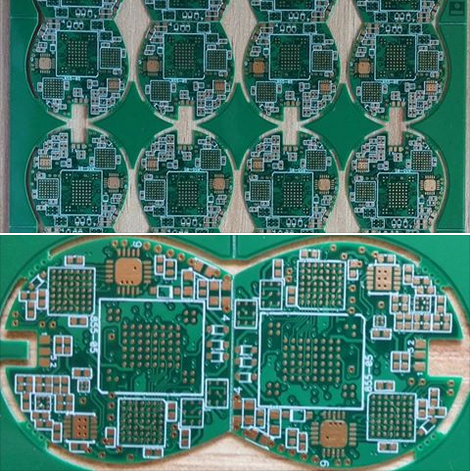
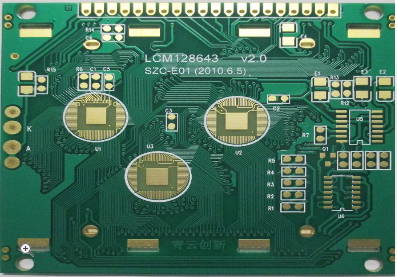
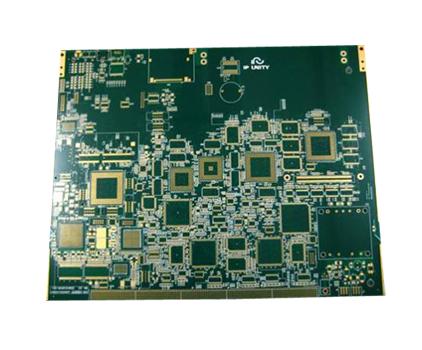
The physical implementation of the PDN in a dense, multi-layer PCB is where theory meets reality. A fundamental strategy is the use of dedicated, solid power and ground planes. These planes provide a low-inductance current return path, which is as crucial as the delivery path itself for controlling noise and electromagnetic interference (EMI). Splitting planes for multiple voltage domains must be done with extreme care to avoid creating accidental antennas or forcing return currents to take long, inductive detours.
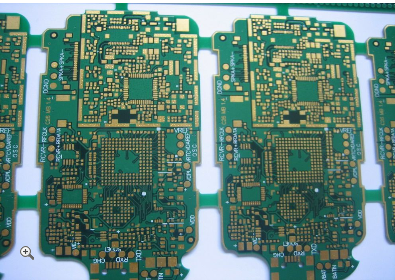
Another critical layout consideration is the management of via transitions. Vias connecting components to internal planes introduce inductance and resistance. For high-current paths, such as those supplying a microprocessor core, designers must use multiple vias in parallel to reduce this parasitic impedance. The placement of decoupling capacitors is a spatial puzzle; they must be positioned to minimize the loop area formed by the capacitor, its via connections to the power and ground planes, and the IC it serves. In the most demanding applications, this leads to the use of embedded capacitance within the PCB substrate or integrated passive devices (IPDs) placed directly within the IC package.
Analysis, Simulation, and Verification
Designing a PDN for a complex system is not a task left to intuition. It requires rigorous analysis and simulation throughout the design cycle. Before layout begins, system-level simulations model the current profiles of major ICs to estimate worst-case transient demands. Tools for frequency-domain analysis, such as impedance (Z-parameter) plots, are indispensable for verifying that the network meets the target impedance across frequency.
Once a layout is drafted, electromagnetic (EM) field solvers are used to extract the parasitic resistance, inductance, and capacitance (RLC) of the actual copper shapes, planes, and vias. This extracted model is then simulated in the time domain with realistic current stimuli to check for voltage transients. The final stage of verification often involves measurement on prototype boards using vector network analyzers (VNAs) to measure impedance and oscilloscopes with high-bandwidth differential probes to capture voltage ripple, ensuring the simulated performance aligns with physical reality.
Addressing Advanced Challenges: Noise and Integrity
Beyond basic delivery, a robust PDN must safeguard signal integrity and system stability. A primary threat is simultaneous switching noise (SSN), where many output drivers switch at once, causing a collective surge in current demand that can collapse the local supply voltage. Mitigation involves providing ample local decoupling, using dedicated power/ground pairs for I/O banks, and implementing staggered switching times in silicon if possible.
In mixed-signal systems, the PDN design becomes even more delicate. Analog circuits, such as data converters or radio frequency (RF) blocks, are highly sensitive to digital noise coupling through the shared power supply. Techniques like using separate, quiet linear regulators for analog supplies, implementing "moats" or splits in the ground plane with careful bridging at a single point, and employing ferrite beads or isolation filters are common strategies to preserve analog purity. Ultimately, designing a robust PDN is a holistic exercise in balancing electrical performance, physical constraints, and cost to create a foundation upon which complex electronics can reliably and efficiently operate.
REPORT